 Unearth The Voyage
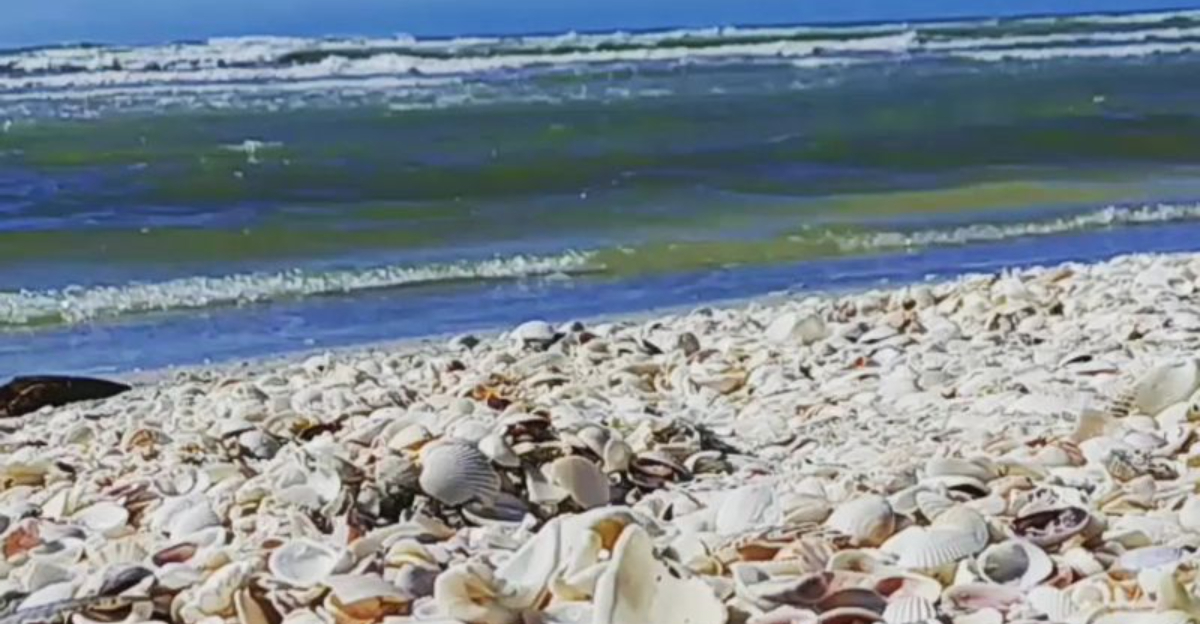
There is a stretch of Florida coastline that most tourists blow right past on their way to somewhere else, and that is exactly what makes it so special. Tucked between two barrier islands, this narrow slice of beach sits where the Gulf of Mexico pushes shells, wildlife, and unforgettable sunsets directly to your feet.
The currents here are powerful enough to reshape the shoreline overnight, which means every single visit turns up something different. Shell collectors know this place as one of the most productive spots on the entire Gulf Coast, and once you spend a morning here with sand between your toes and a pile of conch shells growing at your side, you will completely understand why people keep coming back year after year.
Where the Islands Meet: Location and Address
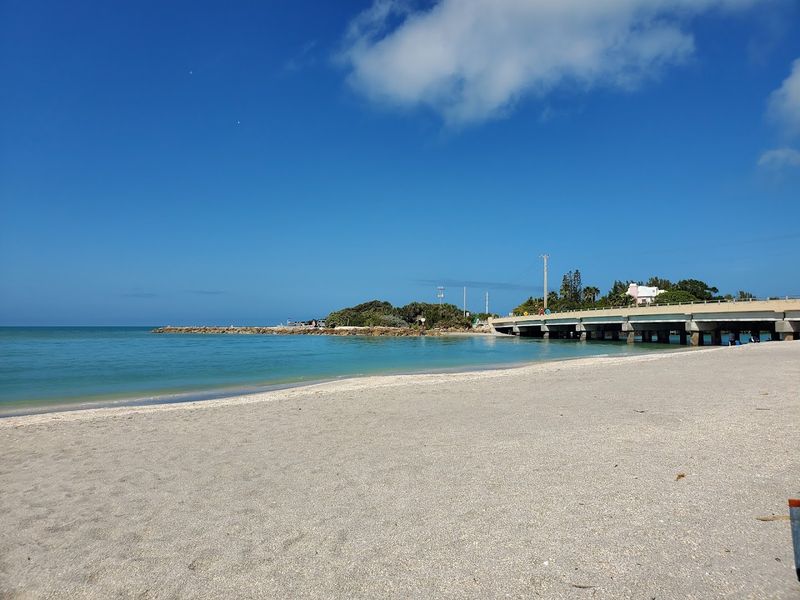
Right at the western tip of Sanibel Island, where the road narrows and the Gulf of Mexico presses in from both sides, you will find Blind Pass Beach at 6491-6499 Sanibel Captiva Road, Sanibel.
This beach sits directly at the pass that separates Sanibel from Captiva Island, which is why it carries such a dramatic, edge-of-the-world feeling the moment you arrive.
The bridge overhead connects the two islands and doubles as one of the most popular fishing spots in the area. The beach itself faces west, giving you a front-row seat to the Gulf every single evening.
Getting here requires driving the full length of Sanibel Captiva Road, passing through neighborhoods of palm trees and beach cottages before the scenery suddenly opens up into something breathtaking. The address is easy to find on any map app, but the experience itself is genuinely hard to describe until you see it firsthand.
The Shelling Scene That Makes Collectors Obsess
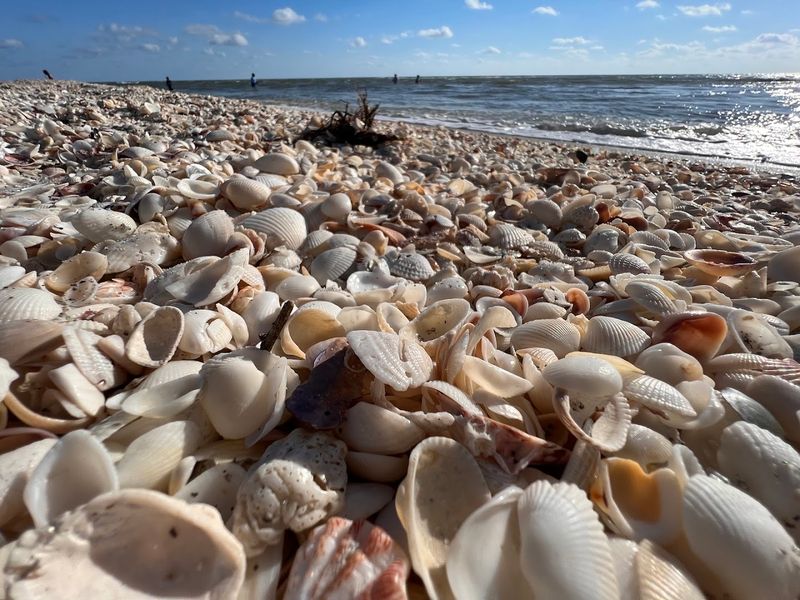
Shell hunters have a reputation for waking up before sunrise, and at Blind Pass Beach, that dedication pays off in a way that few other spots on the Gulf Coast can match.
The strong tidal currents that flow through the pass act like a conveyor belt, pushing whole shells directly onto the beach in remarkable numbers. Visitors have reported hauling in over 200 shells in a single morning, including sand dollars, nautilus shells, large conch shells, and dozens of intact lightning whelks.
Low tide is the magic window. The water pulls back and reveals sandbars loaded with shells that have never been touched by another beachcomber.
Bring a mesh bag, a long-handled shovel if you want to dig, and a lot of patience, because the best finds are often just beneath the surface of the wet sand. This beach rewards the curious and the early-rising equally well.
The Currents You Need to Respect
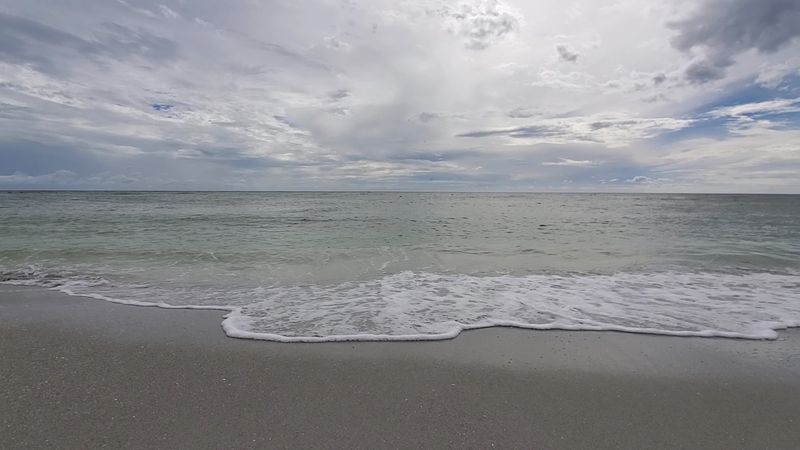
The same powerful currents that deliver all those beautiful shells to the shoreline also make Blind Pass Beach one of the most hazardous swimming spots in southwest Florida.
Swimming is not allowed here, and the warning signs posted along the beach make that very clear. The tidal flow through the narrow pass creates rip currents that are strong enough to pull even experienced swimmers off course within seconds.
That said, wading in the shallower sections further down the beach away from the pass is generally calmer, and many visitors do carefully wade knee-deep while searching for shells.
Families with small children should keep a close eye on little ones near the waterline at all times. The beach is absolutely worth visiting, but treating the water with genuine respect is non-negotiable here.
Understanding the tides before you visit makes the whole experience safer and far more enjoyable.
Fishing From the Bridge and the Shore
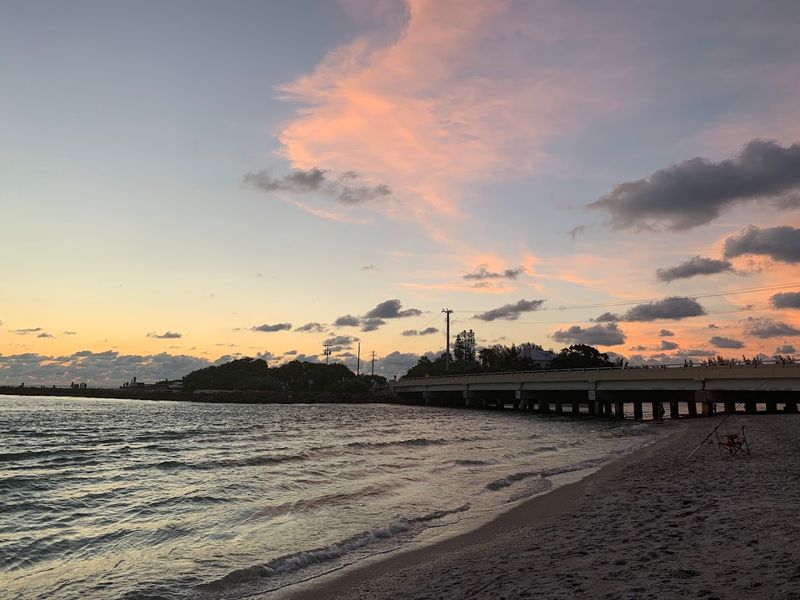
Anglers who know their way around southwest Florida treat the Blind Pass bridge as something close to sacred ground. The current that rushes through the narrow pass concentrates baitfish, which in turn attracts a remarkable variety of larger species.
Bull sharks are among the most talked-about catches here, with some reaching six and seven feet in length. Tarpon, snook, redfish, and sheepshead also frequent the area, making this one of the more varied fishing spots on the island.
Pelicans and herons will absolutely try to steal your catch the moment you pull it out of the water, so keep a firm grip and a sense of humor ready. Nearby, a bait and tackle shop is within walking distance, which is genuinely convenient when you forget something at home.
Fishing from the bridge or the shoreline at low tide tends to produce the best results, and weekday mornings are noticeably less crowded than weekend afternoons.
Sunsets That Stop You in Your Tracks
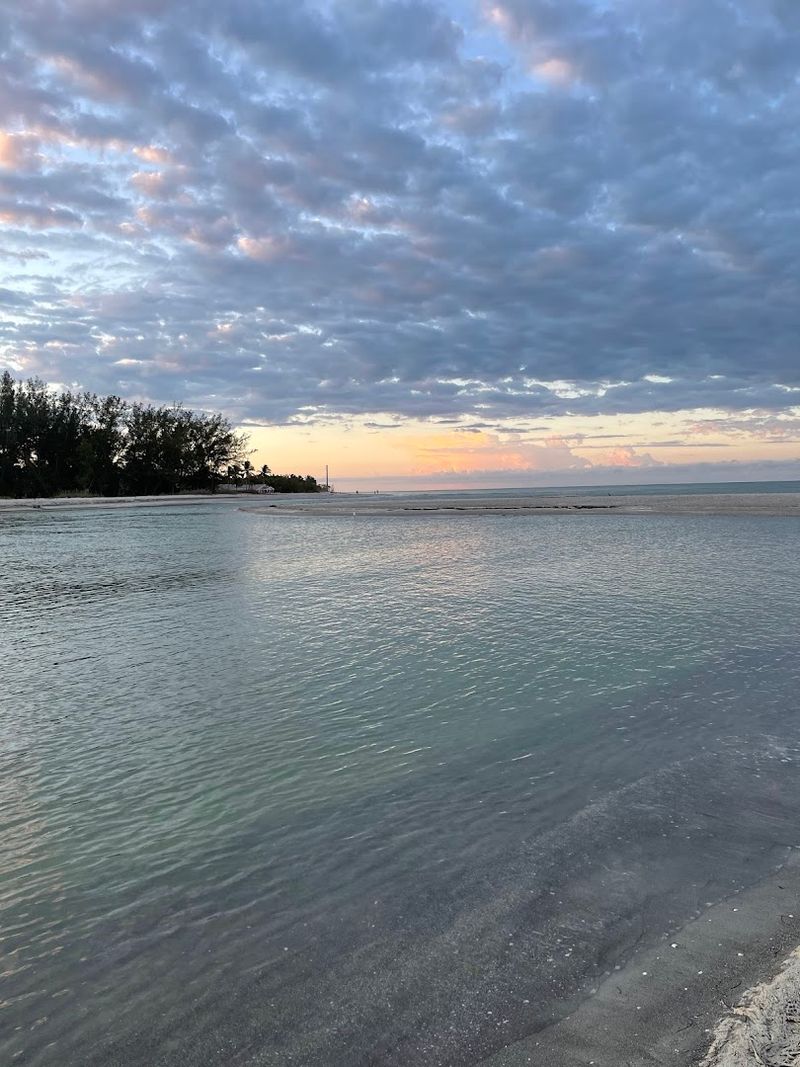
West-facing beaches in Florida hold a significant advantage over the Atlantic side, and Blind Pass Beach uses that advantage to its fullest every single evening.
The sun drops directly into the Gulf of Mexico from this stretch of sand, painting the sky in layers of orange, pink, and deep coral that reflect off the shallow water near the shoreline. On clear evenings, the color show can last a full thirty minutes before the sky finally fades to purple.
Fall and winter sunsets here tend to be especially vivid, partly because the drier air keeps the horizon crisp and clear. Arriving about an hour before official sunset gives you time to find a comfortable spot and settle in without rushing.
Bring a blanket, leave your phone in your pocket for at least a few minutes, and just watch. Some evenings the light here is so beautiful that it genuinely feels unfair that more people do not know about it.
Wildlife Encounters That Catch You Off Guard
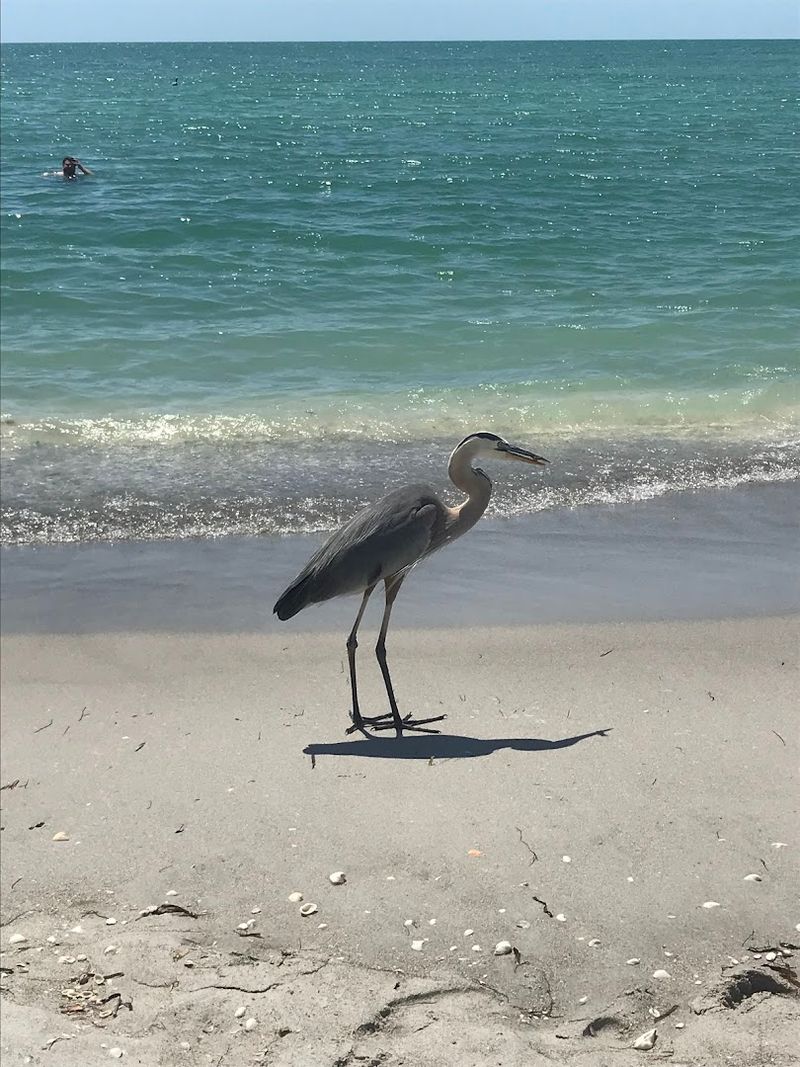
One of the most consistent surprises at Blind Pass Beach is just how close the wildlife gets. Dolphins regularly cruise within thirty feet of the shoreline, sometimes putting on what can only be described as an impromptu acrobatics show.
Manatees drift through the pass with the tidal flow, occasionally surfacing just a few yards from where people stand fishing or wading. Ospreys have been spotted nesting in the trees right on the beach, and pelicans patrol the water in low, gliding formation all day long.
Herons stand motionless at the water’s edge, waiting for fish with the kind of patience most humans can only wish for. The mix of species here reflects just how healthy and active the ecosystem around the pass remains.
Early mornings tend to bring the most wildlife activity, so arriving at sunrise is not just smart for parking, it also puts you in prime position for the best sightings of the day.
Parking Realities and How to Handle Them
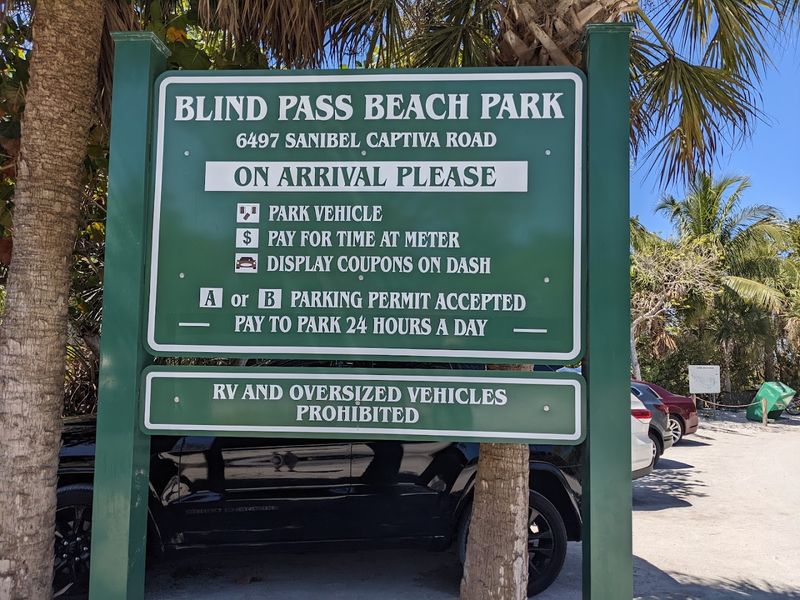
Here is the one part of Blind Pass Beach that requires honest preparation: the parking situation is genuinely challenging, and pretending otherwise would be doing you a disservice.
The main lot holds only a small number of vehicles, and it fills up fast, especially on weekends and during peak season from December through April. Parking currently costs around five dollars per hour, paid at a machine in the lot, so bringing cash or a card is essential.
The lot accepts A and B parking passes as well. If the lot is full, your best backup plan is Turner Beach across the bridge, from where you can walk back to Blind Pass on foot.
Arriving by 8:00 a.m. on busy days almost always guarantees a spot. Weekday visits during the off-season are noticeably calmer, with far fewer cars competing for the same limited spaces.
Early arrival is simply the golden rule at this beach.
The Natural, Unmanicured Feel of the Beach
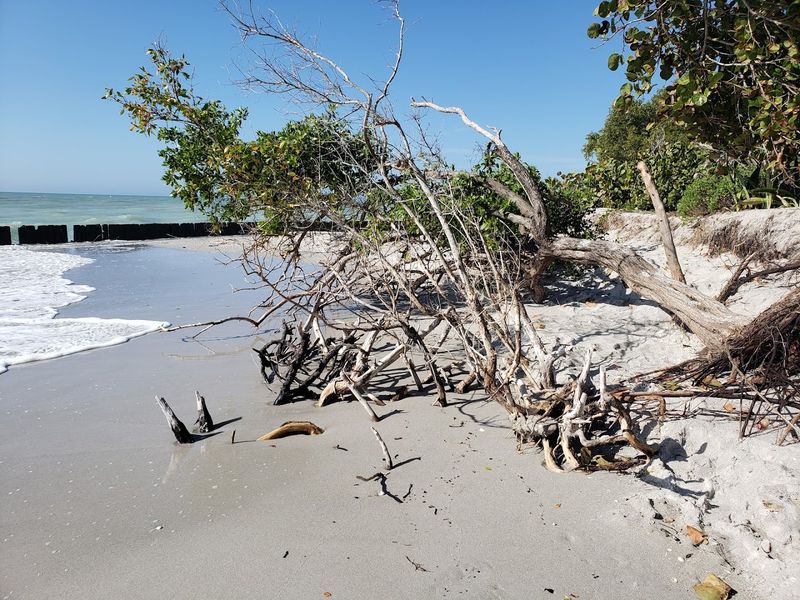
Some beaches feel like they have been groomed, raked, and polished for a magazine photo shoot. Blind Pass Beach is not one of those places, and that is a genuine compliment.
The sand here is soft and pale, but the shoreline has a raw, natural character shaped entirely by tidal forces rather than landscaping crews. Shells accumulate in windrows along the beach, driftwood appears after strong tides, and the waterline shifts constantly depending on the season and the strength of the current.
There are no beach chairs for rent, no umbrella vendors, and no food stands competing for your attention. The atmosphere is refreshingly simple and focused on the beach itself rather than the experience of consuming it.
That stripped-back quality is exactly what draws people back repeatedly. The beach feels genuinely wild in a way that is increasingly rare along the Florida Gulf Coast, and spending a few hours here resets something in your brain that a manicured resort beach simply cannot touch.
Best Times of Year to Plan Your Visit
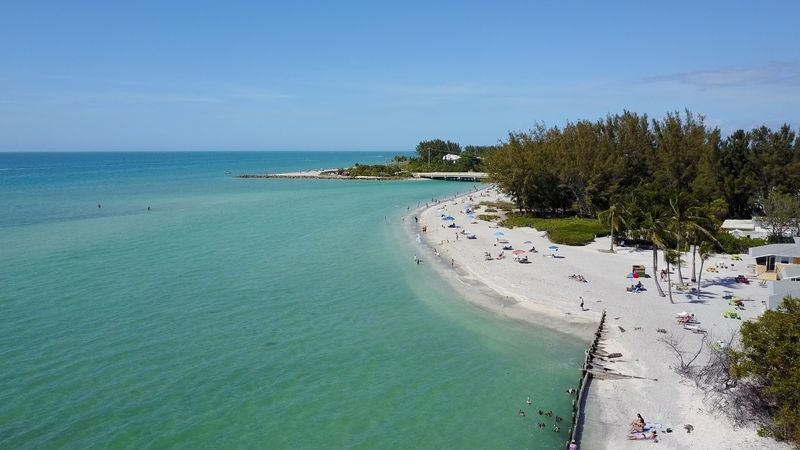
Timing your visit to Blind Pass Beach makes a surprisingly large difference in what you actually experience when you get there.
Fall, winter, and early spring sit at the top of the preference list for most regulars. The weather is cooler, the bugs are far less active, the crowds thin out compared to peak season, and the shelling tends to be especially productive after winter storms push new shells onto the beach.
Summer brings heat, humidity, and biting flies that can make a long beach session genuinely uncomfortable. If summer is your only option, early morning visits before the heat builds are much more pleasant than midday outings.
Weekdays consistently outperform weekends for parking availability and overall tranquility, regardless of the season. Low tide windows, which you can check easily with a free tide chart app, are the single best predictor of a productive shelling session, so planning around them is well worth the small effort.
Bringing Your Dog Along for the Walk
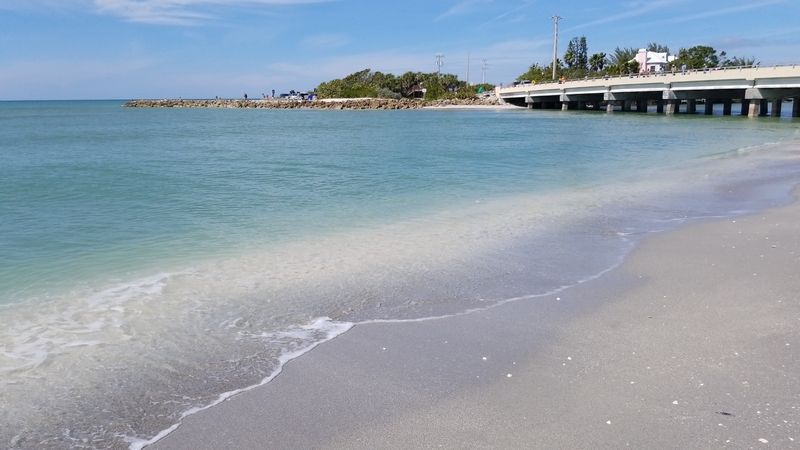
Dog owners visiting Sanibel often feel frustrated by beach access restrictions, which makes Blind Pass Beach a genuine relief. The beach is dog-friendly, and four-legged visitors are a regular and welcome sight along the shoreline.
Dogs seem to love the constant sensory overload here: shells to sniff, birds to watch, and shallow tidal pools to splash through cautiously. The natural, uncrowded character of the beach also means there is plenty of room for a long, relaxed walk without navigating around packed towels and umbrellas.
Keep your dog on a leash, as the wildlife here includes nesting birds and wading herons that deserve their space. The currents near the pass are also dangerous for dogs, just as they are for people, so keeping pets away from the water near the bridge end of the beach is a smart precaution.
Early morning walks with a dog here, when the light is golden and the beach is nearly empty, are genuinely hard to beat.
Restrooms, Facilities, and Nearby Conveniences
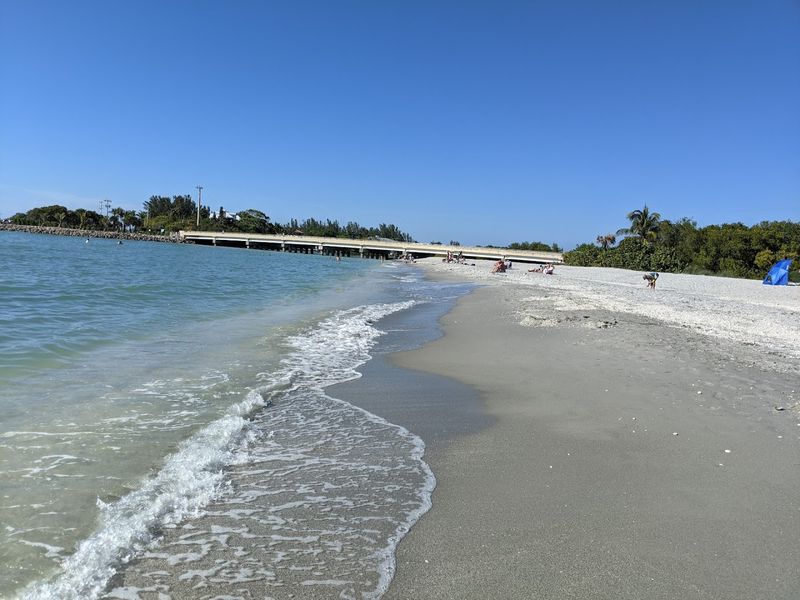
Practical details matter when you are planning a full day at the beach, and Blind Pass Beach keeps things fairly minimal on the amenities front.
Restrooms are not located directly at the beach. The closest facilities are across the bridge on the Captiva side, which is a short walk but worth knowing in advance rather than discovering urgently.
The Santiva General Store, located just before the beach on Sanibel Captiva Road, carries drinks, snacks, ice cream, and a few pre-made food items, and also has restrooms available for customers.
A bait and tackle shop is within walking distance for anglers who need supplies. There are no lifeguards on duty at Blind Pass Beach, which reinforces why swimming is prohibited and why personal awareness of conditions is so important.
The beach has no concession stands or equipment rentals, so packing everything you need before you arrive makes the whole visit run more smoothly from start to finish.
The Sandbar Secret That Shell Hunters Know
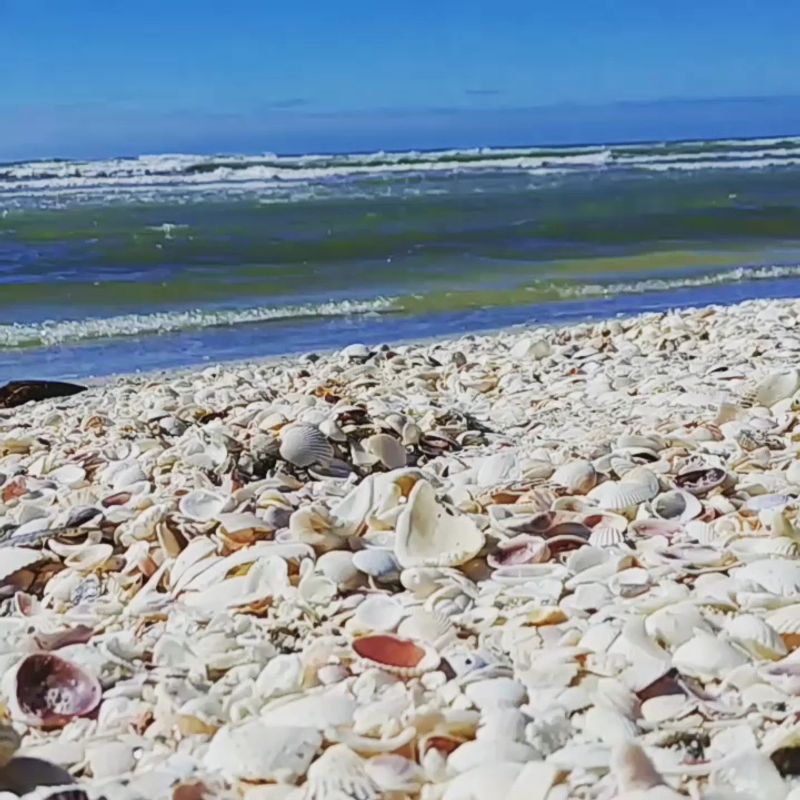
Out past the waterline, just beyond where the waves break at low tide, a sandbar forms that experienced shell hunters treat as their personal treasure room. Wading out to it requires some confidence in the water and a careful eye on the current, but the payoff is significant.
The sandbar collects shells that have not yet made it all the way to the dry beach, meaning the selection out there is often even better than what you find on the shore. Sand dollars are a particular prize, along with intact whelks and occasional junonia shells, which are among the most sought-after finds in all of Sanibel.
Bringing a mesh bag that floats makes carrying your collection much easier while wading. A pair of water shoes also helps enormously on the rougher bottom near the sandbar.
Going during the lowest tide of the day maximizes the exposed area and gives you the longest possible window to work through what the water has deposited overnight.
How the Pass Constantly Reshapes the Beach
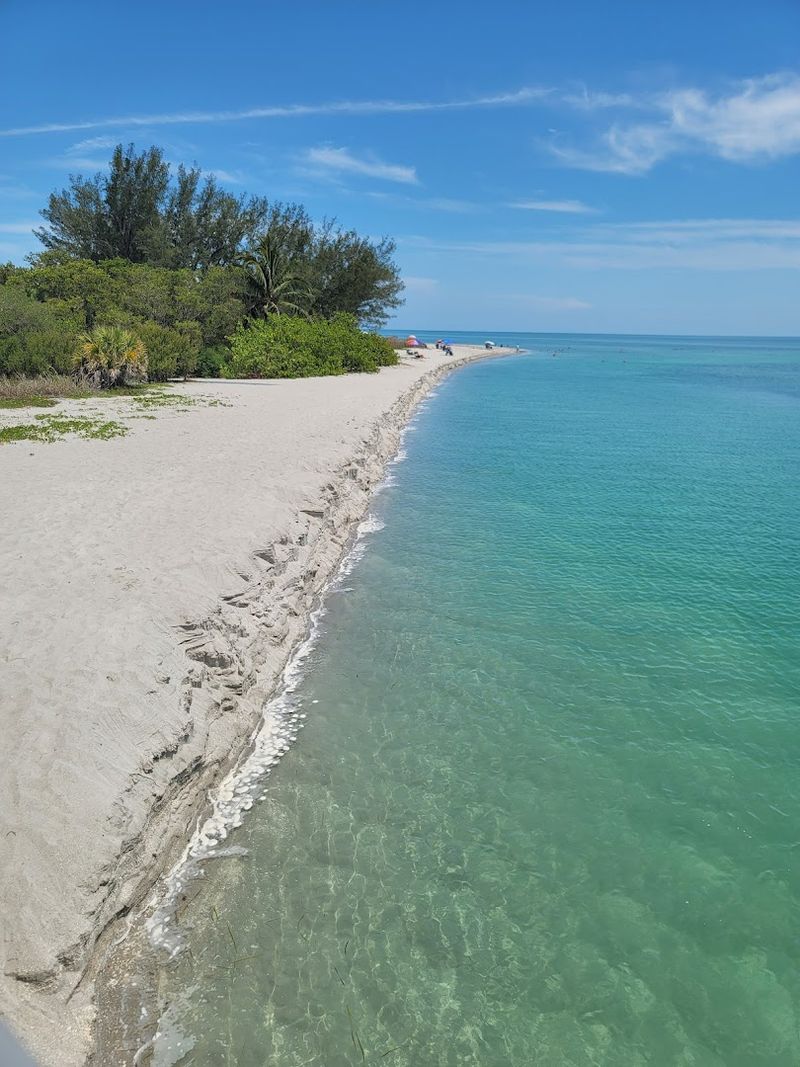
Blind Pass Beach earns part of its magic from the fact that it is never exactly the same twice. The tidal pass that gives the beach its name is a living, constantly shifting channel, and the forces moving through it reshape the shoreline on a regular basis.
Strong tidal flows move sand from one side of the pass to the other, sometimes dramatically changing where the dry beach begins and ends within a single season. After major storms, the beach can look noticeably different from how it appeared just weeks earlier.
This dynamic quality is part of what makes shelling here so consistently rewarding. Each new tidal cycle delivers a fresh batch of shells from deeper water, which is why experienced collectors visit repeatedly rather than just once.
The ever-changing nature of the pass also means that the fishing spots shift over time, and anglers who pay attention to where the current runs on any given day tend to find the most productive positions along the bridge and shore.
The Peaceful, Unhurried Atmosphere on Quiet Days
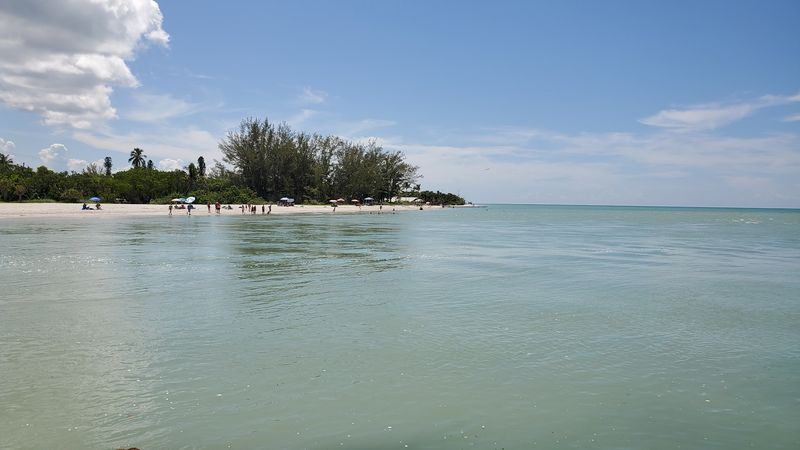
On a weekday morning in October, you might share Blind Pass Beach with just five or six other people, and that kind of quiet is increasingly rare on any Florida Gulf Coast beach worth visiting.
The atmosphere here has a natural stillness to it that feels almost intentional. Without vendors, entertainment setups, or large crowds, the focus narrows to the sand, the water, the shells, and whatever wildlife happens to be passing through the area that day.
Hours genuinely do pass faster here than expected. Shell hunting has that effect on people, pulling your attention completely into the present moment in a way that is surprisingly meditative.
Visitors who come looking for a lively, social beach scene will want to adjust their expectations, but those who arrive wanting a genuinely peaceful stretch of natural Florida coastline will leave feeling like they discovered something the rest of the world has somehow managed to overlook entirely.



