 Unearth The Voyage
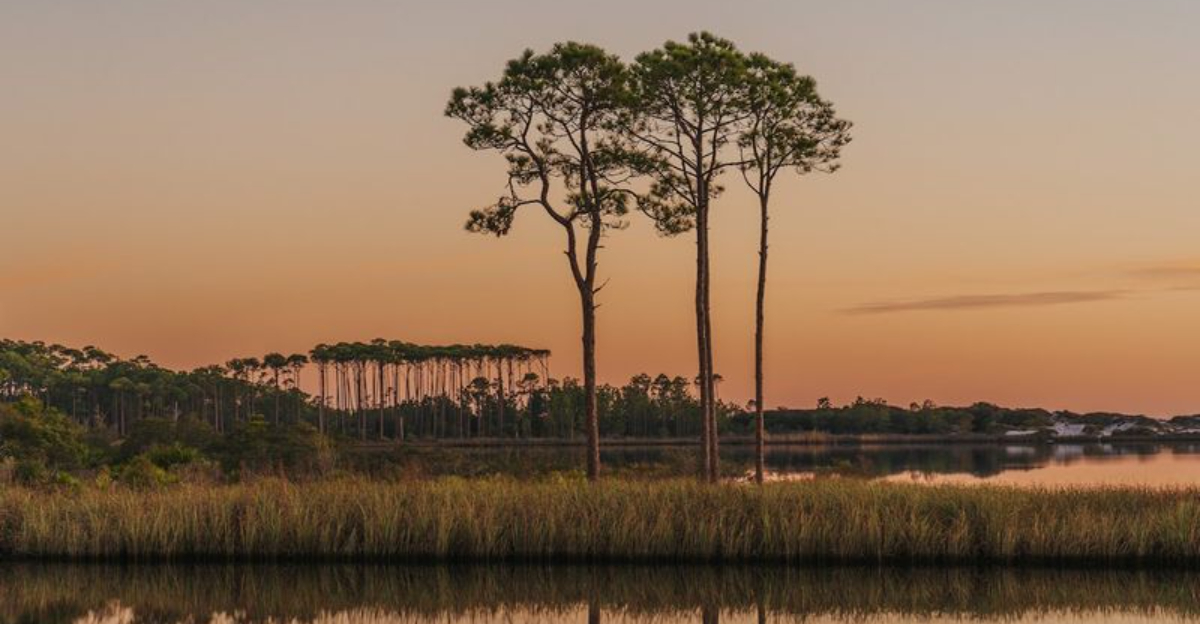
Most people think of crowded tourist strips and theme parks when they hear “Florida,” but there is a stretch of coastline in the Florida Panhandle that will completely change that picture. Tucked along the Emerald Coast, this state park offers powdery white sand, clear turquoise water, a rare coastal dune lake, and campsites shaded by towering pines.
The first time I visited, I genuinely had to remind myself I was still in the Sunshine State. Keep reading, because what this park offers goes far beyond a typical day at the beach.
Where the Park Actually Is and What It Costs to Get In
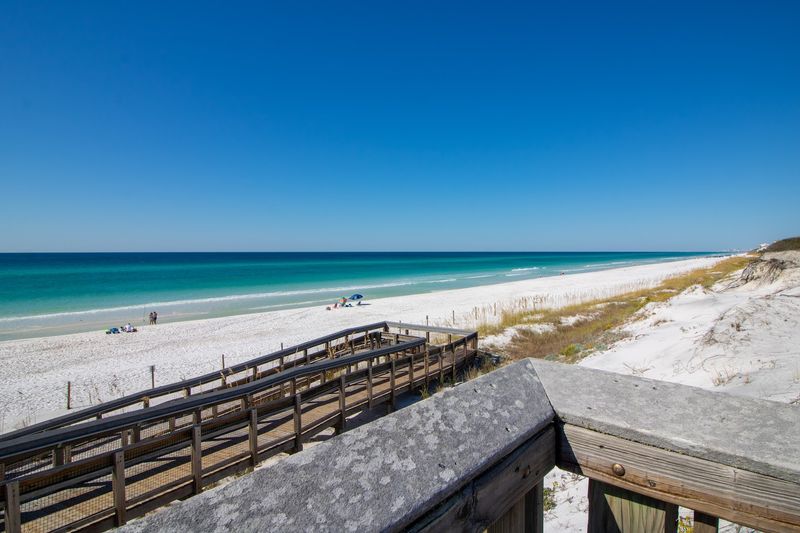
The address is 357 Main Park Rd, Santa Rosa Beach, and the park sits right along the Gulf of Mexico in Walton County, Florida. Getting here is straightforward, and the cost to enter is refreshingly affordable at just $5 per vehicle or $2 per person for pedestrians and cyclists.
That low price point makes it easy to visit more than once, which is exactly what you will want to do.
One thing worth knowing before you go: the park fills up fast on weekends and holidays, and once capacity is reached, the entrance closes temporarily. Arriving early in the morning gives you the best shot at smooth entry and a prime parking spot close to the beach access.
The Sand and Water That Make People Do a Double Take
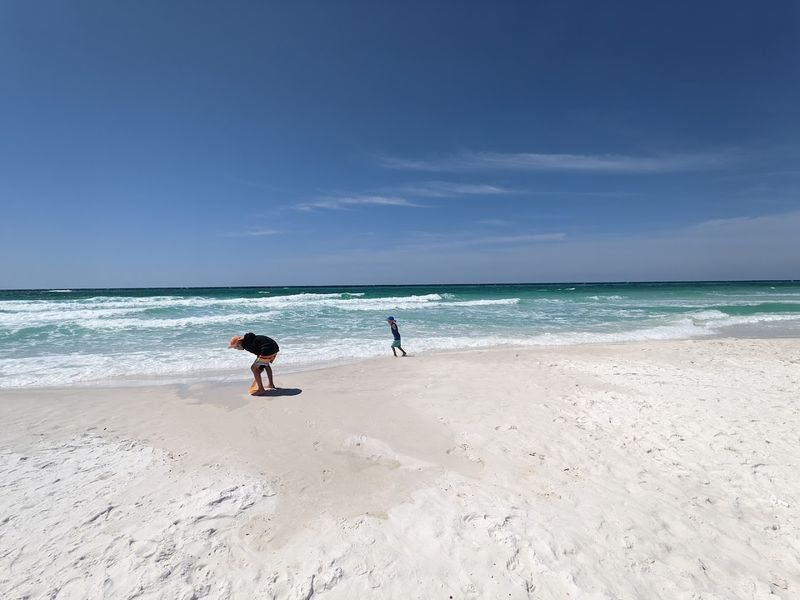
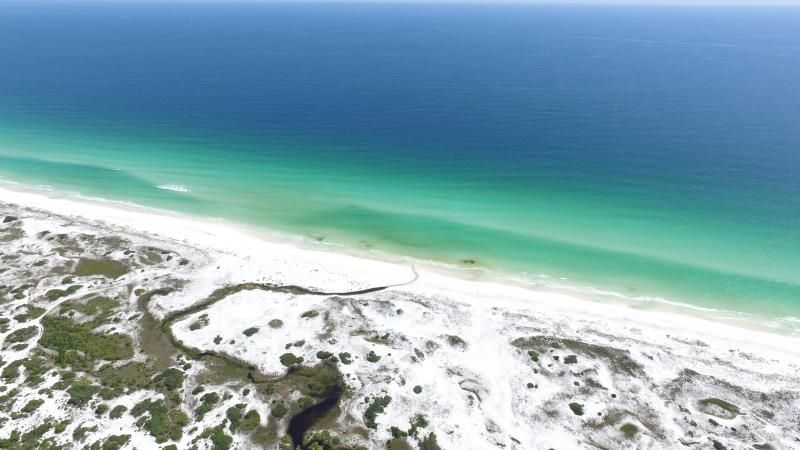
Sugar-white sand that squeaks under your feet and water that shifts between green and turquoise depending on the light, this beach does not look like the Florida most people picture. The sand here is made of fine quartz crystals that stay cool longer than typical beach sand, which is a welcome surprise on a hot summer afternoon.
The Gulf water at this stretch of coastline is remarkably clear on calm days, and the color rivals anything you would see in the Caribbean. Dr. Beach, the well-known coastal scientist, has ranked Grayton Beach among the top beaches in the entire United States multiple times over the years.
That kind of recognition is not handed out lightly. Whether you are swimming, wading, or just sitting at the water’s edge watching the waves roll in, the visual impact of this beach hits you fresh every single time you visit.
Western Lake: The Rare Coastal Dune Lake You Can Actually Paddle
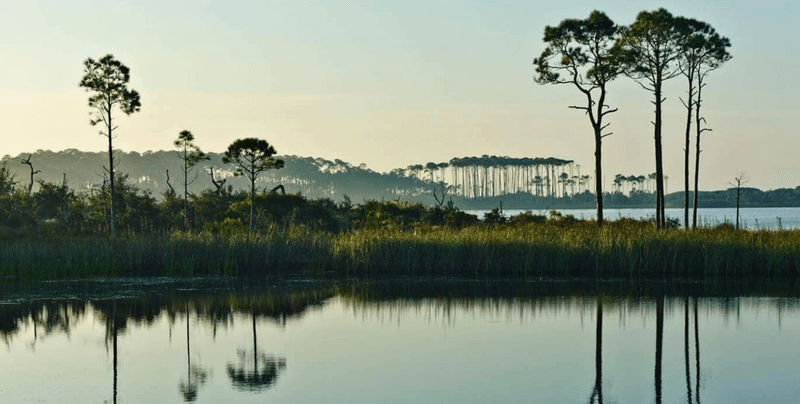
Right behind the dunes sits Western Lake, a rare natural feature that very few places in the world can claim. Coastal dune lakes like this one form where freshwater and saltwater occasionally mix through a small outlet to the Gulf, creating a unique ecosystem that supports a surprising variety of wildlife.
There are only about 15 of these lakes in the entire world, and a cluster of them lines the 30A corridor here in Walton County. Western Lake is one of the most accessible, and renting a kayak or paddleboard to explore it is one of the best ways to spend a few hours at the park.
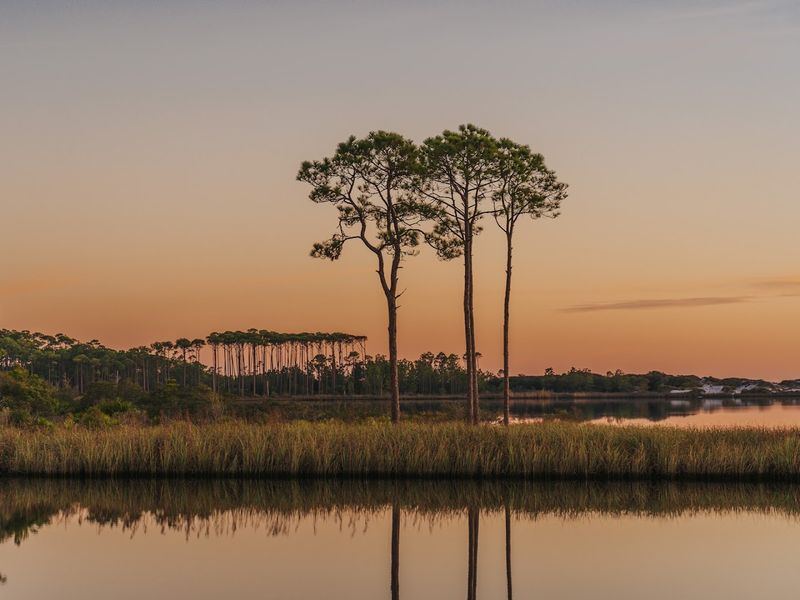
The water is calm most days, the reflections of the surrounding pines are stunning, and you might spot herons, ospreys, or even a softshell turtle gliding just below the surface. It is a completely different experience from the beach just a short walk away.
The Coastal Dune Trail That Feels Like a Different World
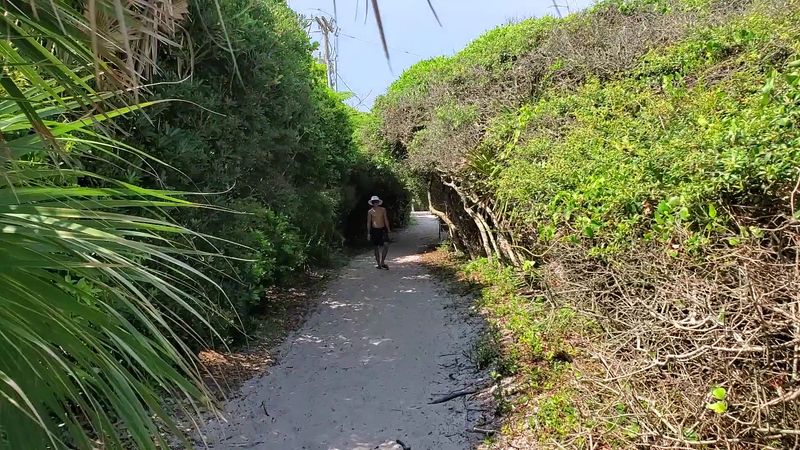
A one-mile loop trail winds through the white sand dunes, and the landscape along the way looks more like a scene from a nature documentary than a Florida state park. Twisted scrub oaks, sea oats swaying in the breeze, and dunes that rise well above your head create a surprisingly dramatic setting for such a short walk.
The trail is rated easy, but the soft sand underfoot does slow your pace a bit, so comfortable, closed-toe shoes are a smart call, especially in summer when the sand heats up quickly. Kids tend to love the trail because the dense scrub vegetation gives it a slightly wild, exploratory feel.
The views from the tops of the dunes are worth every step, offering wide-open sightlines to both the Gulf and Western Lake at the same time. Most people are genuinely surprised by how much scenery is packed into one short loop.
Camping Under the Pines at One of Florida’s Most Coveted Campgrounds
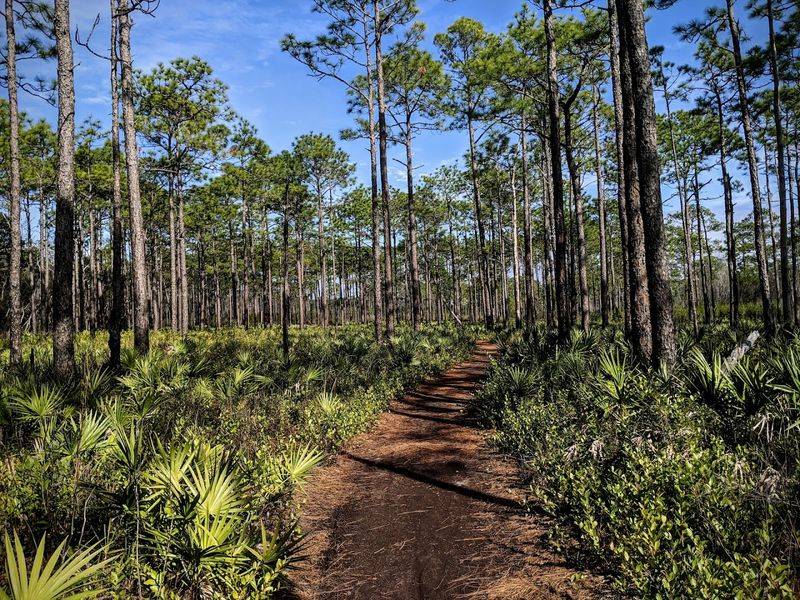
Getting a campsite reservation at this park can feel like winning a small lottery, and that reputation is completely earned. The campground offers full hookup sites with 30/50 amp service, water, and sewer, and most spots are tucked under a canopy of tall pines that keep things shaded and surprisingly cool.
Each site is generously sized with a picnic table and fire pit, and the bathrooms are air-conditioned and well-maintained, which is a level of comfort that not every state park campground can claim. The campground sits about a mile from the beach access, so a short walk or bike ride is all it takes to get there.
One camper described backing their rig up to the edge of the lake and feeling like they had the whole place to themselves, surrounded by lush green vegetation with the beach just minutes away. That combination of seclusion and convenience is hard to beat anywhere in Florida.
The Cozy Cabins That Beat Nearby Rental Prices by a Mile
For visitors who want more than a tent but less than a hotel, the park’s rental cabins are a genuinely good deal. Each cabin comes with two bedrooms, one bathroom, a small kitchen stocked with basic cookware, linens, and a screened-in back porch that quickly becomes everyone’s favorite spot in the whole place.
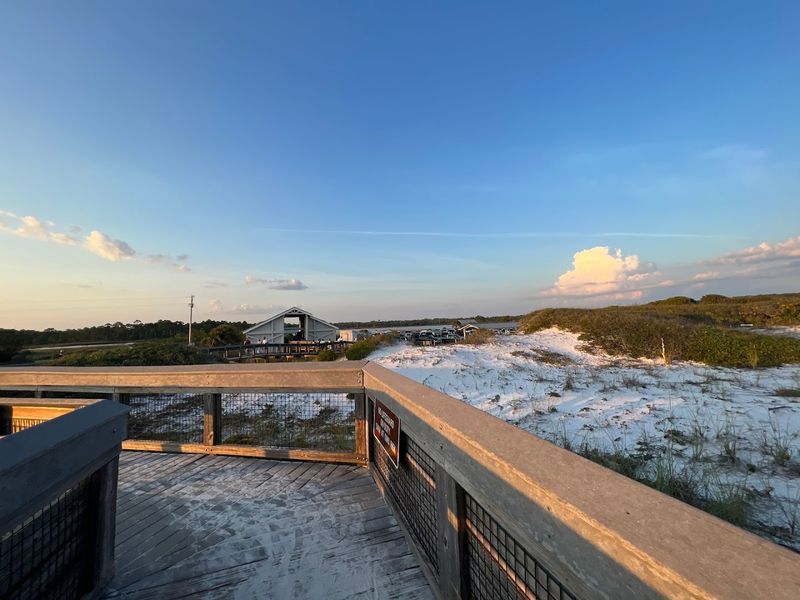
Outside the screened porch, a picnic table and charcoal grill sit ready for evening use, and the surrounding pines make the whole setup feel like a proper woodland retreat. A walking path from the cabins leads through the dunes to a boardwalk that takes you straight out to the beach, with both steps and a ramp available for easy access.
Compared to the rental prices in nearby Seaside and WaterColor, the cabins here are a fraction of the cost while delivering a location that is arguably more peaceful and more connected to the natural environment.
Wildlife You Can Actually Spot Without Trying Too Hard
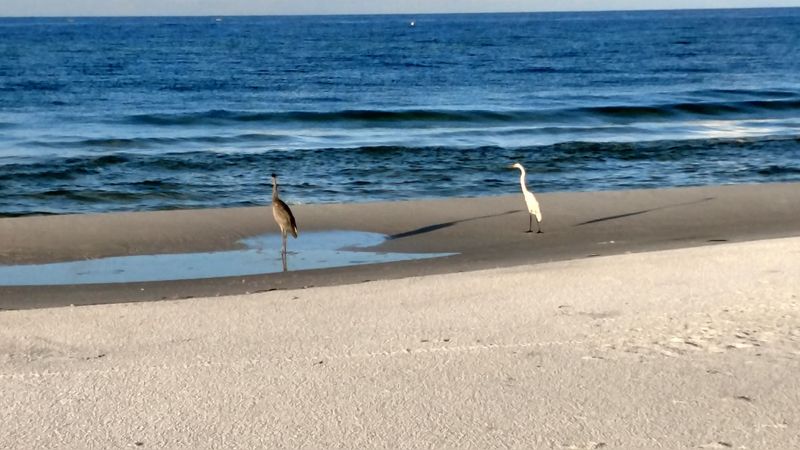
The park’s 2,000 acres support a wide range of wildlife, and you do not need to be a serious naturalist to enjoy the encounters. Herons and egrets wade along the edges of Western Lake with complete confidence, ospreys circle overhead looking for fish, and the scrub habitat along the dune trail shelters gopher tortoises and a variety of lizards.
Shorebirds are a constant presence along the beach, and during nesting season, sections of the beach are roped off to protect sea turtle nests, a visible reminder that this coastline is still functioning as a natural habitat rather than just a recreation zone. The park’s relatively low visitor numbers compared to commercial beaches means the wildlife here is noticeably less disturbed.
Early morning is the best time for wildlife watching, before the beach fills up and the day heats up. A slow walk along the lake edge at sunrise rarely disappoints, and the light at that hour makes everything look extraordinary.
Biking Through the Flatwoods Forest Loop
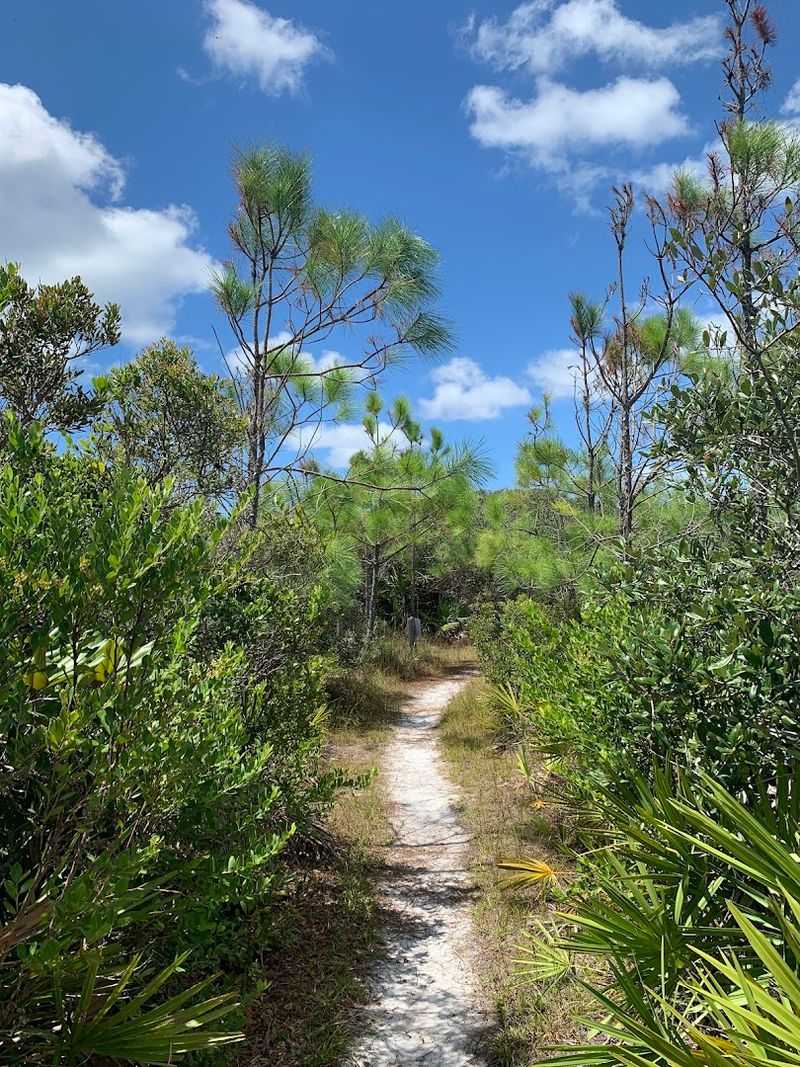
Across the street from the main beach entrance, the Flatwoods Forest Loop offers a completely different kind of outdoor experience. This trail winds through a classic Florida longleaf pine flatwoods habitat, a landscape that once covered millions of acres across the Southeast and now exists only in scattered protected pockets like this one.
The trail is suitable for both hikers and cyclists, and the flat terrain makes it accessible for most fitness levels. The canopy of pines filters the sunlight in a way that feels almost theatrical, and the forest floor is dotted with wiregrass, wildflowers, and the occasional gopher tortoise going about its business at a pace that refuses to be rushed.
Combining the flatwoods loop with a beach visit on the same day gives you a satisfying range of Florida ecosystems without ever leaving the park property. It is the kind of variety that makes a full day here feel well-rounded and worth every minute.
Sunset Watching From the Dunes
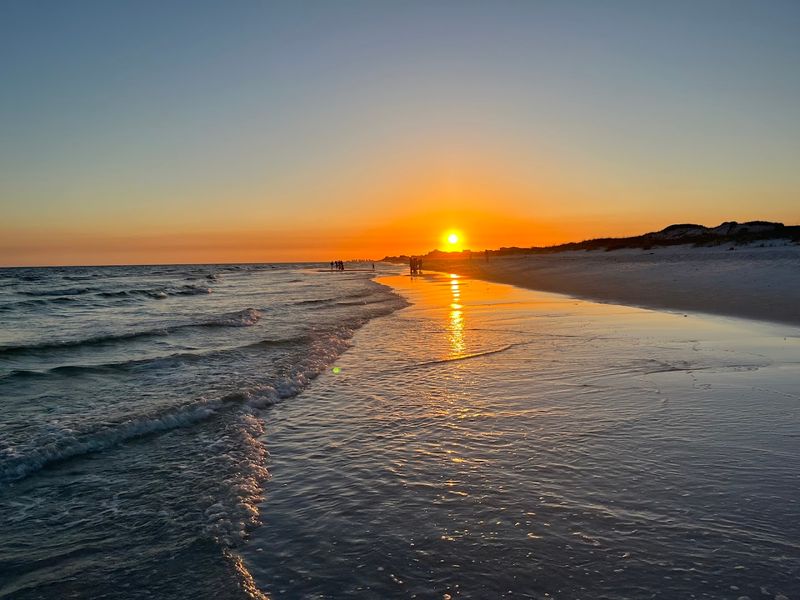
The dunes at this park have a way of turning an ordinary evening into something that feels almost ceremonial. As the sun drops toward the Gulf horizon, the white sand takes on shades of gold and pink, and the sea oats along the dune ridges cast long, dramatic shadows across the beach below.
Sunset here draws a crowd, and on clear evenings, families, photographers, and couples stake out their spots on the sand well before the main event begins. The open western exposure means there are no obstructions between you and the horizon, giving the kind of uninterrupted view that is harder to find at more developed beaches.
Arriving about 45 minutes before sunset gives you time to find a good spot and settle in without feeling rushed. Bringing a blanket and staying a few minutes after the sun disappears is worth it, because the sky often keeps performing long after the main act finishes.
Accessibility Features That Make the Beach Reachable for Everyone
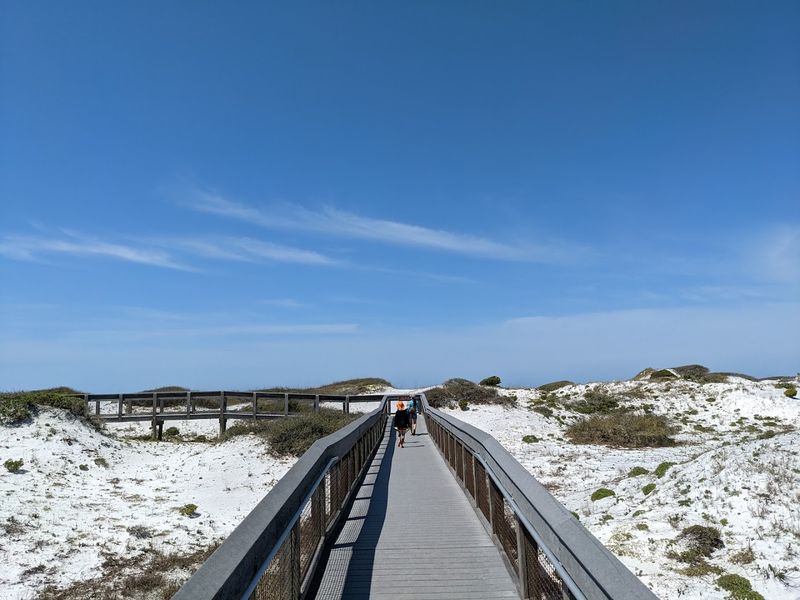
One of the details that stands out at this park is the genuine effort made to keep the beach accessible to visitors with mobility challenges. A sand buggy wheelchair is available for guests who need assistance getting across the soft sand and down to the water’s edge, which is a thoughtful amenity that many beach parks simply do not provide.
The boardwalk over the dunes includes both steps and a full ramp, so the path from the parking area to the beach works for wheelchairs, strollers, and anyone who finds stairs difficult. The restrooms near the beach are also well-maintained and accessible, a detail that makes a real difference for families with young children or elderly visitors.
These features do not get mentioned in the glossy travel articles as often as they should. For many families, they are the difference between a trip that works for everyone and one that leaves someone behind.
Tips for Visiting During Peak Season Without Losing Your Mind
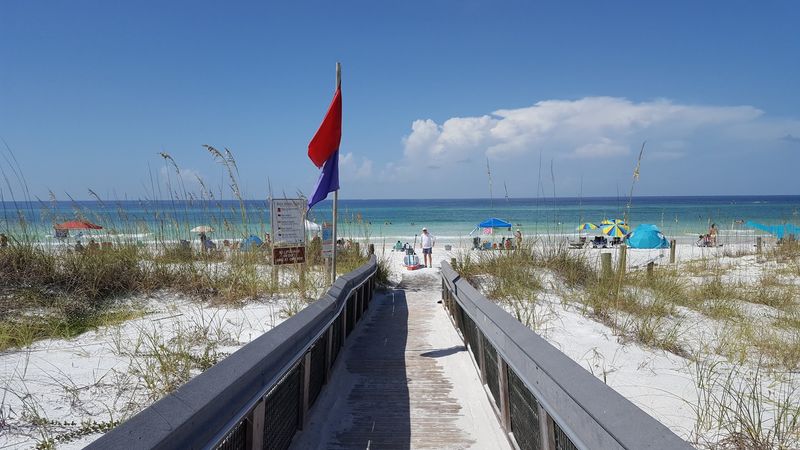
Summer weekends at this park can get crowded quickly, and the entrance does close temporarily once the park reaches capacity. The most reliable strategy is arriving before 9 a.m., which almost always guarantees entry and gives you first pick of the parking areas closest to the beach access.
Midweek visits in June, July, and August tend to be noticeably less hectic than Fridays and Saturdays. Spring and fall are widely considered the sweet spot for visiting, with warm enough water for swimming, cooler air temperatures, and significantly thinner crowds.
Bringing your own shade is a smart move since there are no umbrellas for rent at the beach itself. A beach tent or a large umbrella packed in the car will save you from the direct sun during the hottest midday hours.
Packing in your own food and water also helps, since the nearest stores and restaurants are a short drive away rather than steps from the sand.
The 30A Songwriters Festival and the Park’s Cabin Scene in January
January might not be the first month that comes to mind for a Florida beach trip, but the 30A Songwriters Festival turns the entire corridor into a lively, music-filled event that draws performers and fans from across the country every year. The park’s cabins are a popular base during the festival, offering a quiet retreat within walking distance of the beach while the nearby venues fill up with live performances.
The winter atmosphere at the park has its own appeal separate from the festival. The crowds thin out dramatically, the light on the water turns a deeper blue-green, and the cooler temperatures make hiking and biking genuinely comfortable rather than something you power through between swims.
Booking a cabin for the festival weekend takes planning well in advance since spots go fast, but the combination of live music, cool coastal air, and a screened porch with a cup of coffee in the morning makes for a very satisfying January getaway.
Why This Park Keeps Drawing People Back Year After Year
There is a quality to this park that is genuinely hard to pin down with a single description. The combination of world-class beach, rare coastal dune lake, pine-shaded campground, accessible trails, and affordable entry creates an experience that covers almost every kind of outdoor visitor without feeling like it is trying too hard to please everyone.
Longtime locals return season after season and bring out-of-state family members specifically to watch their reactions to the beach for the first time. That reaction, a kind of quiet disbelief that something this beautiful exists inside a state park with a $5 entry fee, never really gets old to witness.
Whether your ideal Florida trip involves paddling a kayak at sunrise, grilling dinner at a shaded campsite, or simply planting yourself in the sand and staring at the Gulf for hours, this park delivers on all of it without asking much in return. That is a rare thing.



