 Unearth The Voyage
Everyone raves about the Overseas Highway, but Florida has plenty of other stunning drives that deserve just as much attention. From sugar-white beaches along the Panhandle to wild marshes in the Everglades, these routes offer jaw-dropping views without the tourist crowds.
Whether you want tropical island vibes, historic coastal towns, or untouched wilderness, these eight drives prove that the Sunshine State has way more to offer than just one famous road.
1. A1A Scenic & Historic Coastal Byway (St. Augustine → Daytona Beach)
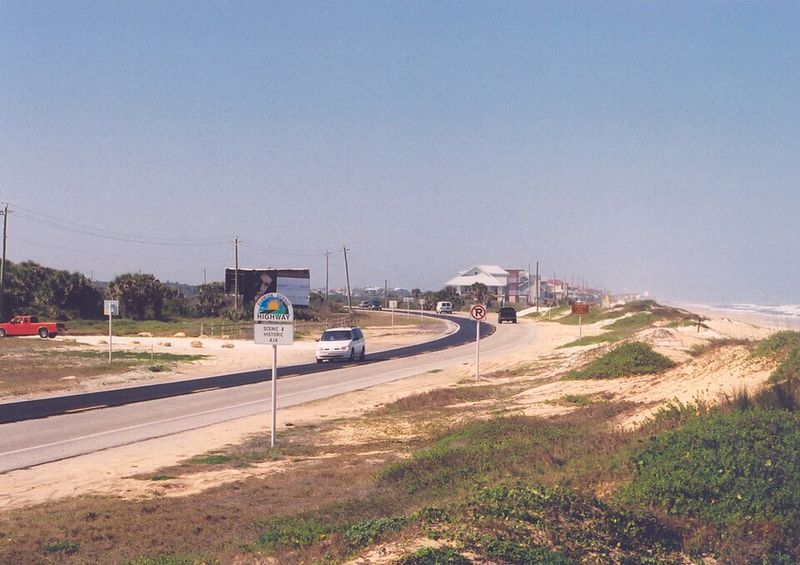
Rolling along this stretch feels like flipping through a postcard book of classic Florida. The road hugs the Atlantic coast, weaving past weathered lighthouses, windswept dunes, and beach towns that haven’t changed much in decades.
St. Augustine kicks things off with cobblestone charm and Spanish colonial history before the scenery shifts to pure coastal beauty.
You’ll catch glimpses of surfers catching waves, families building sandcastles, and pelicans diving for fish. The Matanzas Inlet offers a perfect photo stop where the river meets the ocean.
Small beach parks dot the route, inviting you to pull over and dip your toes in the water.
Marineland and Flagler Beach add quirky character to the drive, with local seafood shacks serving fresh catches right off the boat. The pace here is slower, the crowds thinner, and the vibe authentically Floridian.
Unlike more developed coastal roads, this byway maintains that laid-back beach town atmosphere.
Sunrise drives are particularly magical when golden light spills across the water and illuminates the historic architecture. Pack a cooler, roll down the windows, and take your time – this isn’t a route you want to rush through.
2. A1A Ocean Drive (Palm Beach → Fort Lauderdale)
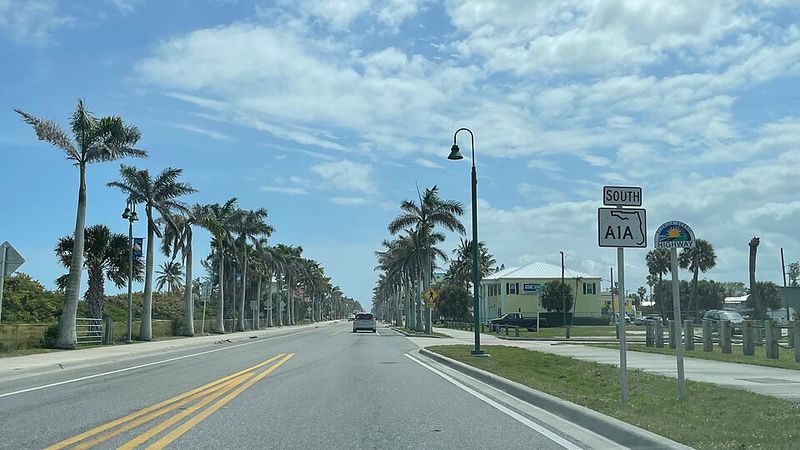
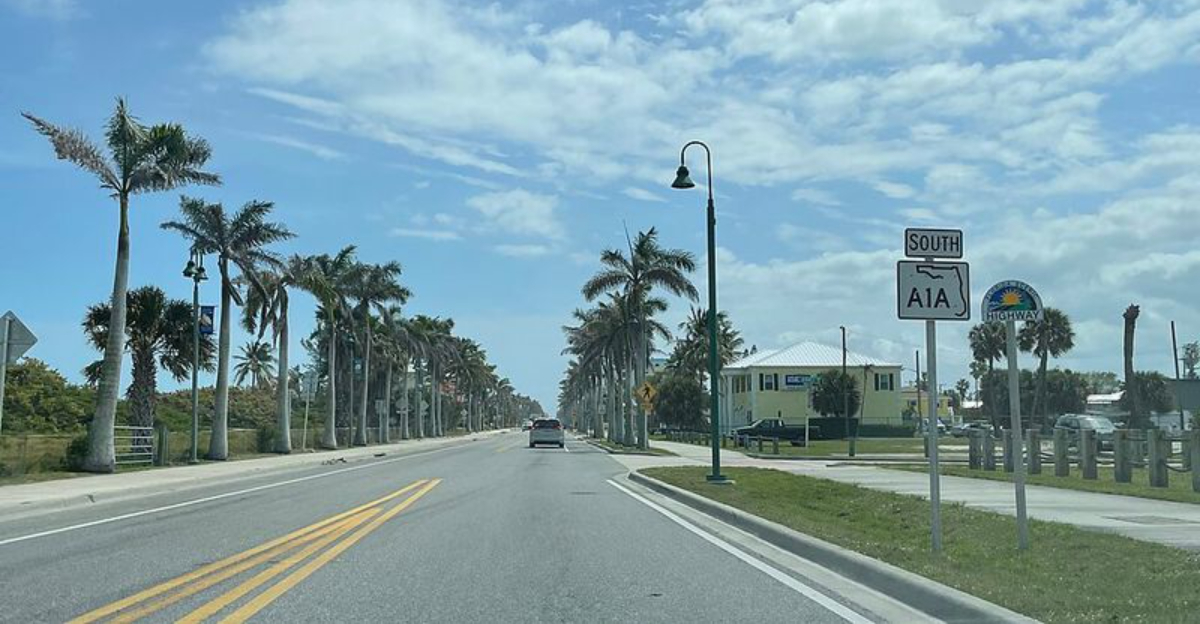
Cruising this section of A1A feels like starring in your own luxury car commercial. Towering royal palms line both sides of the road while million-dollar estates peek through manicured hedges on your left and turquoise waves crash on your right.
The wealth on display is almost comical, but the natural beauty steals the show.
Palm Beach delivers old-money elegance with its Mediterranean-style architecture and pristine beaches. As you head south through Boca Raton and Delray Beach, the scenery stays consistently gorgeous.
The ocean views never quit, and beach access points appear regularly if you want to stop and swim.
Fort Lauderdale marks the southern end with its famous Intracoastal Waterway and yacht-filled marinas. The entire drive radiates that South Florida tropical energy – bright sunshine, warm breezes, and colors so vivid they almost hurt your eyes.
Traffic can get heavy during peak season, but the eye candy makes up for any slowdowns.
Early morning or late afternoon drives offer the best lighting and fewer cars. Bring sunglasses because the sun reflects hard off all that white sand and blue water.
This route proves that sometimes the flashy, popular choice really does live up to the hype.
3. Gulf Islands National Seashore Drive (Pensacola Beach)
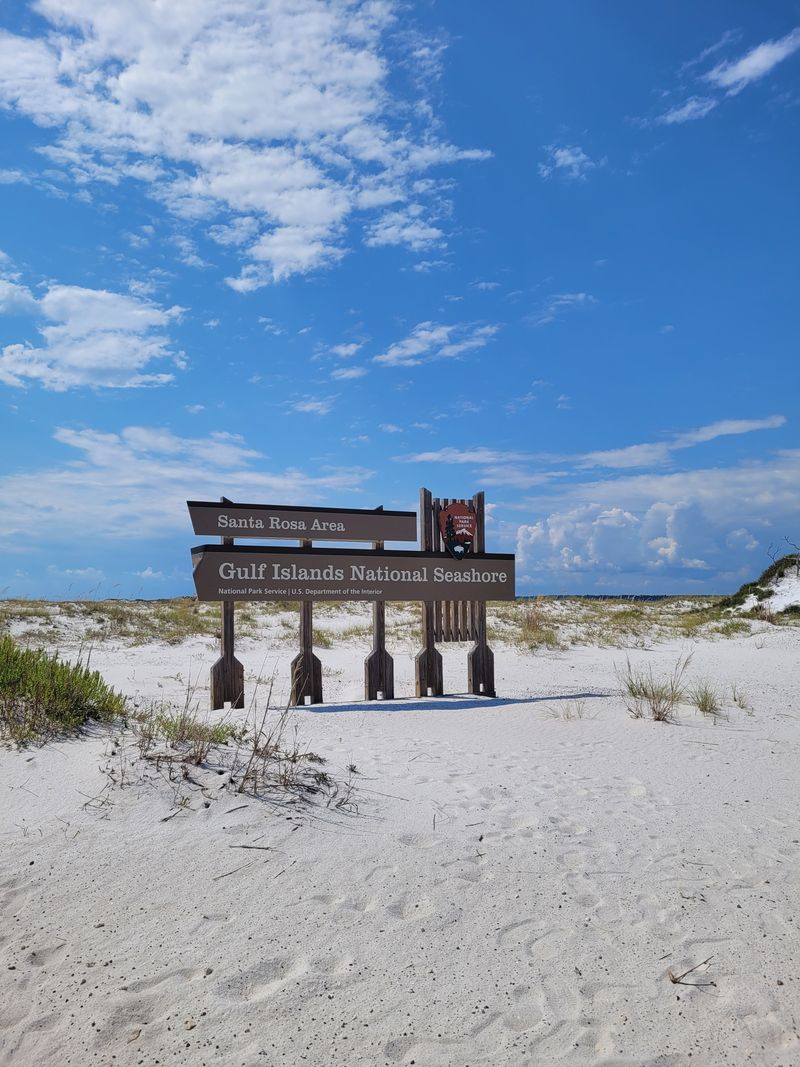
The sugar-white sand here looks almost fake, like someone dumped powdered sugar along the coast. Crossing the bridge to Pensacola Beach gives you that floating-over-water sensation similar to the Keys, with crystal-clear emerald water stretching endlessly in every direction.
The Panhandle’s beaches are seriously underrated compared to their Atlantic coast cousins.
Santa Rosa Island stretches for miles, offering protected national seashore land that keeps development minimal. You’ll pass through areas where wild dunes and sea oats dominate the landscape, untouched and peaceful.
The water clarity rivals the Caribbean, making every beach stop an invitation to wade in and cool off.
Fort Pickens sits at the western tip, adding historical intrigue to the natural beauty. The drive itself is short but incredibly scenic, especially when afternoon light turns the water into liquid emerald.
Dolphins frequently play in the surf, and beach fishing is excellent if you’re into that.
Summer weekends bring crowds, but weekdays feel almost private. The combination of white sand, green water, and open sky creates a color palette that photographers dream about.
Pack a beach chair and plan to linger – this isn’t just a drive-through destination.
4. Scenic Highway 30A (Destin area → Panama City Beach)
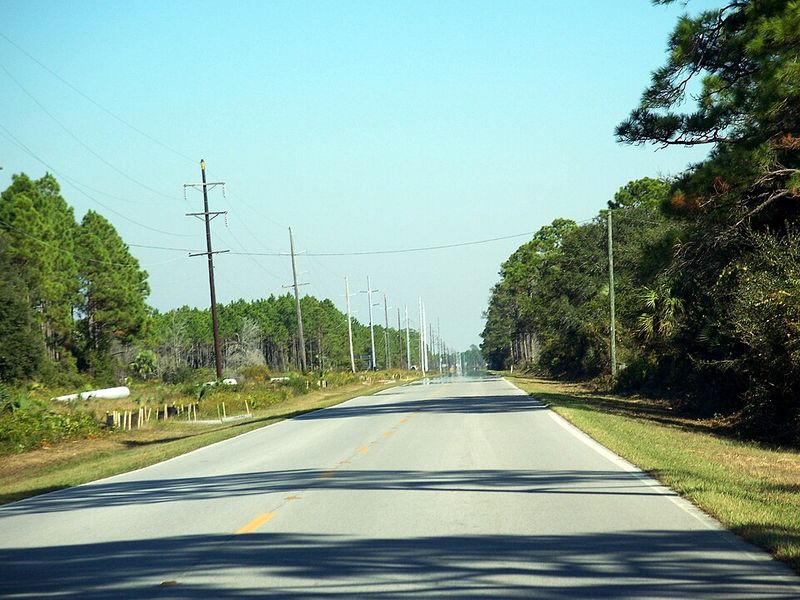
Pastel beach towns pop up like candy-colored dreams along this impossibly charming stretch of coast. Seaside, Rosemary Beach, and Alys Beach look like movie sets with their perfect architecture and manicured landscaping, but they’re real communities where people actually live and vacation.
The road curves gently past state parks, hidden beach accesses, and upscale restaurants that somehow maintain a casual vibe.
Grayton Beach State Park offers some of the most pristine coastal dune ecosystems in Florida, with hiking trails through scrub vegetation leading to stunning beach overlooks. The sand here has that signature Panhandle squeak when you walk on it.
Local shops sell everything from beachy art to gourmet ice cream.
Traffic moves slowly by design, encouraging you to notice details like the native landscaping and thoughtful urban planning. Bike paths run parallel to the highway, and you’ll see families pedaling between beach towns.
Sunset viewing is practically a competitive sport here, with everyone staking out their favorite spot.
The entire area exudes a relaxed sophistication that feels distinctly un-Florida in the best way possible. Arrive hungry because the restaurant scene punches way above its weight.
This drive proves that careful development can enhance rather than ruin natural beauty.
5. Tamiami Trail (US-41) (Naples → Miami)
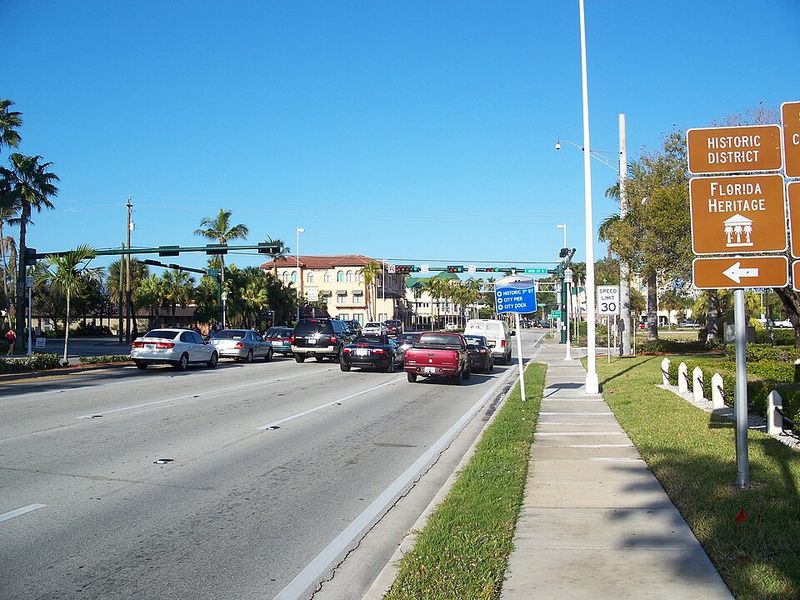
Alligators sunbathe on canal banks while herons stalk through sawgrass marshes just feet from your car window. The Tamiami Trail cuts straight through the Everglades, delivering raw Florida wilderness that most tourists never experience.
This isn’t pretty in a postcard way – it’s beautiful in a wild, untamed, slightly dangerous way that feels genuinely exotic.
Airboat tour operators and fruit stands appear at random intervals, breaking up miles of nothing but wetlands and sky. The Miccosukee Indian Village offers cultural exhibits and more gator encounters if you’re into that.
Big Cypress National Preserve protects massive sections of this ecosystem, ensuring it stays wild.
Wildlife sightings happen constantly – turtles crossing the road, birds everywhere, and yes, plenty of gators. The landscape is flat and endless, creating huge sky views that shift dramatically with weather patterns.
Thunderstorms roll across the horizon like nature’s own light show.
Loop Road offers a detour into even deeper wilderness if you’re feeling adventurous. The drive works best as a slow exploration rather than a quick transit.
Bring binoculars, bug spray, and an appreciation for ecosystems that look nothing like typical Florida beaches. This route reminds you that the state contains multitudes beyond its famous coastline.
6. The Florida Black Bear Scenic Byway (Ocala National Forest)
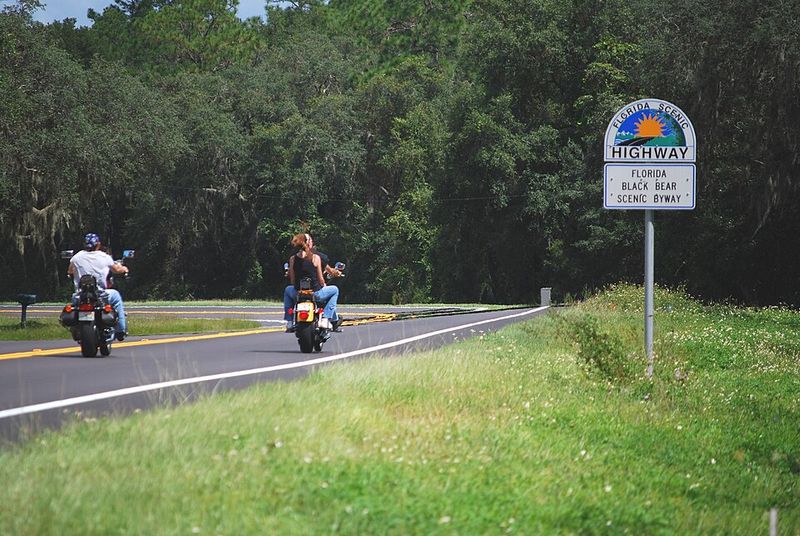
Pine forests tower overhead while crystal-clear springs bubble up from limestone aquifers in shades of blue that seem photoshopped. The Ocala National Forest feels transplanted from somewhere up north, with its dense tree coverage and relatively cool temperatures even in summer.
Black bears really do live here, though spotting one requires luck and patience.
Multiple natural springs dot the byway, each offering swimming holes so clear you can count fish from the surface. Juniper Springs and Alexander Springs are the most developed, with facilities and designated swimming areas.
The forest roads wind peacefully through scenery that barely hints at Florida’s tropical reputation.
Hiking trails branch off regularly, leading to secluded springs and wildlife viewing areas. The ecosystem supports an incredible diversity of birds, making this a birder’s paradise.
Fall brings actual seasonal color changes – a rarity in Florida that northerners will appreciate.
Traffic is minimal compared to coastal routes, creating a meditative driving experience. The forest canopy provides natural shade, and the temperature drops noticeably under the tree cover.
This byway offers proof that Florida contains genuine wilderness beyond its famous beaches and theme parks. Pack a swimsuit because those spring-fed pools are irresistible on warm days.
7. Big Bend Scenic Byway (Apalachicola → St. Marks)
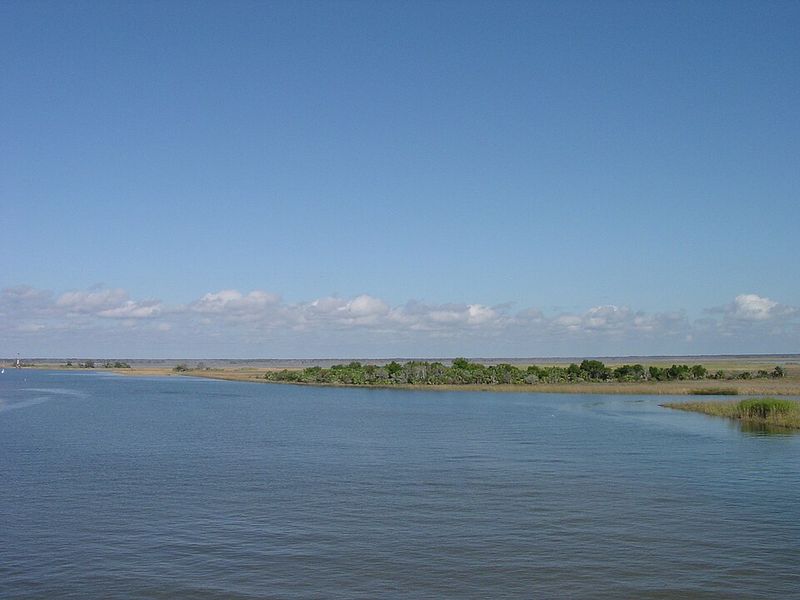
Spanish moss drapes from ancient oaks while fishing boats rock gently in harbors that time forgot. The Big Bend represents old Florida at its most authentic – no high-rises, no chain restaurants, just quiet coastal towns where oyster harvesting still drives the local economy.
Salt marshes stretch to the horizon, creating a landscape that feels more Louisiana than typical Florida.
Apalachicola serves fresh oysters at waterfront shacks where locals outnumber tourists ten to one. The town maintains its working waterfront character despite increasing outside interest.
Driving east, you’ll pass through Carrabelle and Panacea, each with their own fishing fleet and laid-back vibe.
St. Marks National Wildlife Refuge protects vast sections of coastal marsh, offering wildlife viewing and hiking trails through pristine habitat. The historic lighthouse stands as a photogenic landmark at the refuge’s southern tip.
Bird migrations bring spectacular numbers of species through this area twice yearly.
The entire region feels like stepping back several decades to a slower, simpler Florida. Sunsets over the marshes paint the sky in impossible colors while the smell of salt air and oyster beds fills your car.
This byway rewards travelers seeking authenticity over attractions, quiet over crowds, and natural beauty over manufactured experiences.
8. Sanibel Causeway & Captiva Drive (Fort Myers → Captiva Island)
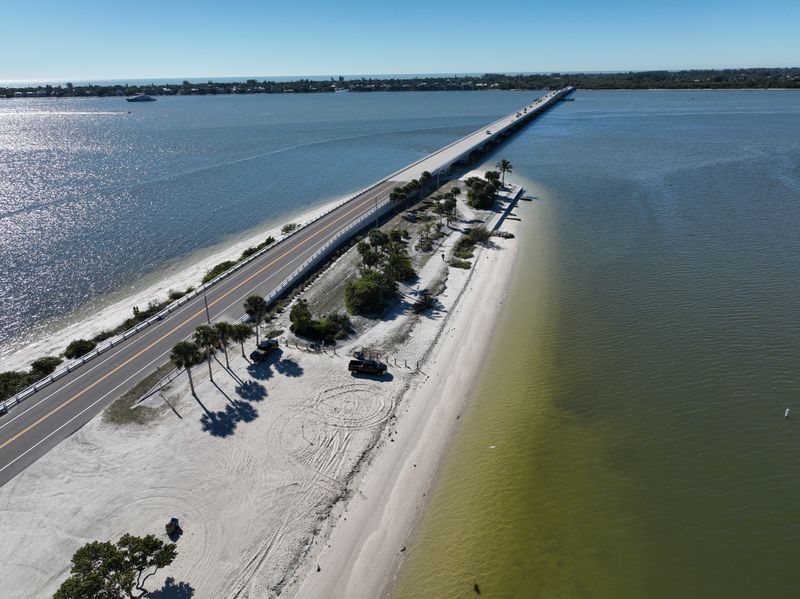
The causeway lifts you over San Carlos Bay into a different world where speed limits drop and stress evaporates. Sanibel Island appears like a tropical mirage, all palm trees and white sand beaches, immediately justifying the toll you just paid.
The island maintains strict development rules that keep buildings low and landscapes lush.
Shell collectors walk the beaches in the famous Sanibel Stoop, scanning for treasures washed up by Gulf currents. The drive continues through the island’s residential areas where Old Florida architecture mixes with tasteful modern homes.
Wildlife refuges protect huge sections of the island, ensuring nature always takes priority.
Captiva Island sits at the northern tip, connected by a small bridge and even more exclusive than Sanibel. The beaches here face west, creating spectacular sunset viewing opportunities.
Waterfront restaurants serve fresh seafood while boats drift past in the Intracoastal Waterway.
The entire drive takes maybe thirty minutes without stops, but you’ll want to linger for hours. Golden hour transforms the water into liquid gold while dolphins surface and pelicans dive.
This route delivers maximum tropical island vibes with minimum driving time, making it perfect for a sunset cruise or leisurely afternoon escape from mainland Florida.



