There is a stretch of Florida coastline that most tourists completely overlook while rushing toward the historic downtown district, and I am so glad I finally stopped to explore it. The beach here is wide, clean, and framed by some of the most beautiful natural sand dunes I have ever seen in the state.
Sea oats sway in the breeze, shorebirds patrol the waterline, and the whole place carries this rare quality of feeling untouched even though it is just minutes from a busy city. I first visited on a quiet Tuesday morning, and within about ten minutes of walking the shoreline, I was already mentally rearranging my schedule to come back the following weekend.
What follows is everything you need to know about one of St. Augustine’s most rewarding outdoor destinations.
Where It All Begins: Location and Park Overview

The first time I pulled up the address and realized how close this park was to downtown St. Augustine, I felt a little embarrassed for not visiting sooner. Anastasia State Park sits at 300 A1A Beach Blvd, St. Augustine, right on Anastasia Island along the Atlantic coast.
The park covers over 1,600 acres and manages to pack an impressive variety of landscapes into that space, from open beach and rolling dunes to tidal marshes and ancient coquina rock formations. Florida State Parks manages the property, and the level of upkeep is immediately obvious the moment you pass through the entrance gate.
Parking is plentiful, facilities are clean, and the staff are genuinely friendly and helpful.
The Beach Itself: Wide, Clean, and Surprisingly Uncrowded
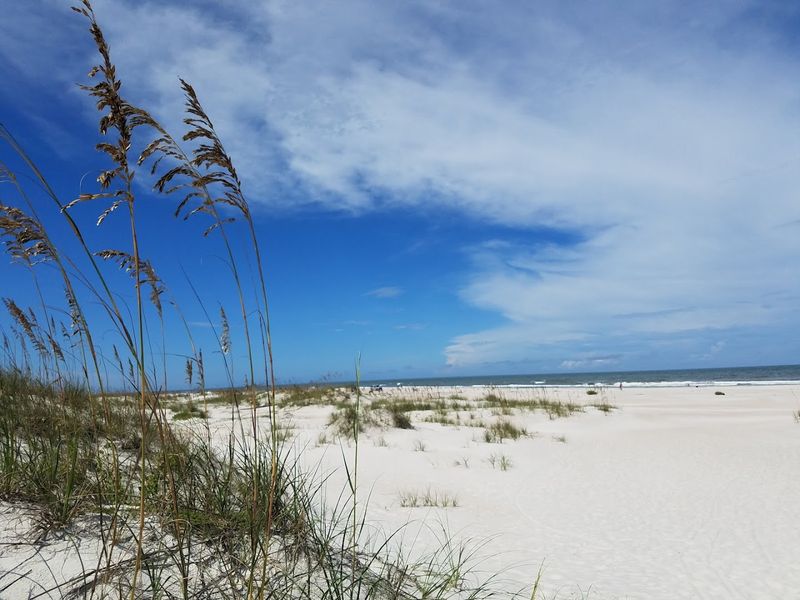
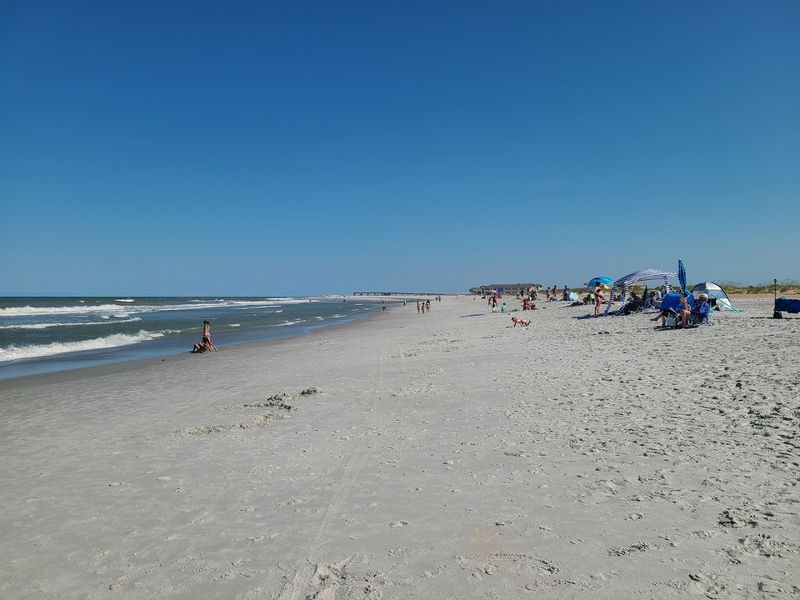
Golden sand stretches in both directions as far as you can comfortably see, and on the morning I visited, there were more birds than people sharing the shoreline with me. That kind of quiet is genuinely hard to find on a Florida beach, especially one this close to a popular tourist city.
The sand itself is soft underfoot, the water is clear enough to see your feet, and the gentle slope into the surf makes it comfortable for swimmers of all confidence levels. Shell hunters will find plenty to work with here, and the natural dunes that line the back of the beach give the whole place a sense of wild, protected beauty.
Even on busier weekends, the sheer width and length of the beach means the crowd spreads out naturally, so it never feels packed or chaotic. This shoreline genuinely earns every bit of its reputation.
The Sand Dunes: A Natural Feature Worth Celebrating
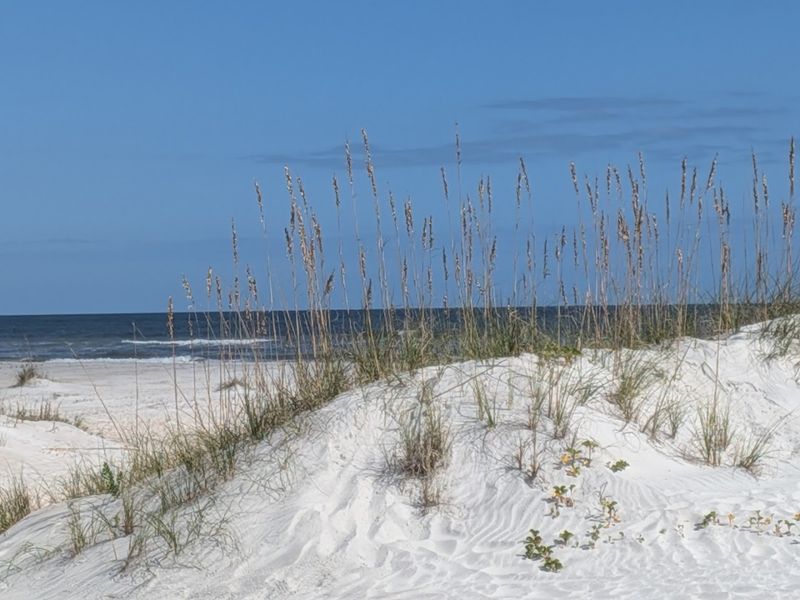
Not every Florida beach has dunes like these, and once you see them in person, you understand why so many visitors specifically mention them. The dunes at this park rise dramatically behind the beach, covered in sea oats and native coastal plants that ripple in the salt breeze.
They create a natural visual barrier between the parking area and the beach, so the moment you crest the boardwalk and the ocean comes into full view, there is a genuine sense of arrival that feels almost theatrical. The dunes also provide nesting habitat for shorebirds and sea turtles, which is part of why the park protects them so carefully.
Visitors are asked to stay on the boardwalks when crossing the dune line, and that small rule makes a big difference in keeping the whole ecosystem healthy and intact for future generations to enjoy just as much as we do today.
Sunrise Watching: A Morning Ritual Worth Setting an Alarm For
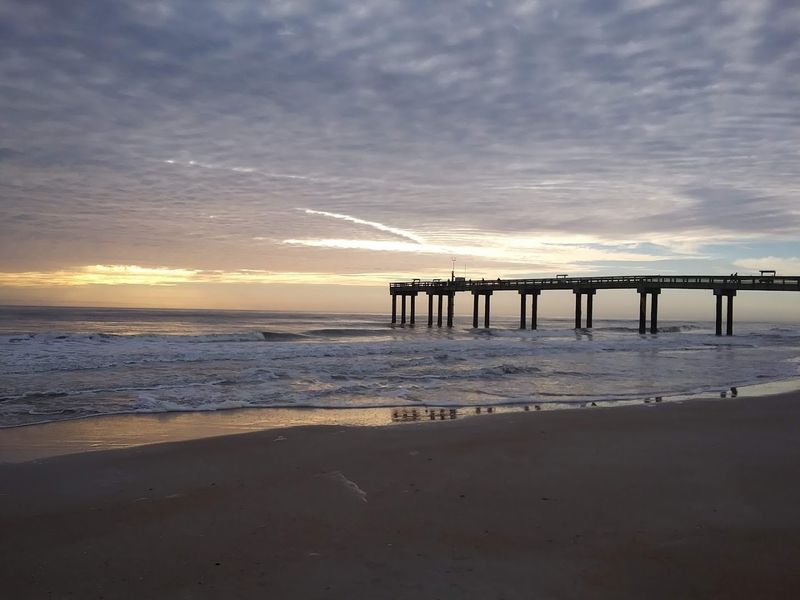
My alarm went off at 5:45 a.m. and I almost ignored it, but the sunrise I caught that morning over the Atlantic made every groggy minute worth the effort. The eastern-facing beach at this park is perfectly positioned for sunrise views, and the open horizon means there is nothing blocking the full sweep of color as the sky transitions from deep blue to coral to gold.
Cyclists have been spotted riding their bikes to the beach for sunrise and then continuing down the coast to the inlet, which sounds like a pretty perfect way to start any day. The park is generally quiet at that hour, so the experience feels personal and peaceful rather than performative.
Bring a blanket, a warm drink, and a camera with decent low-light capability. The colors change fast, and you will want to capture the reflection on the wet sand before the light shifts completely.
Camping Options: From Tent Sites to Full RV Hookups
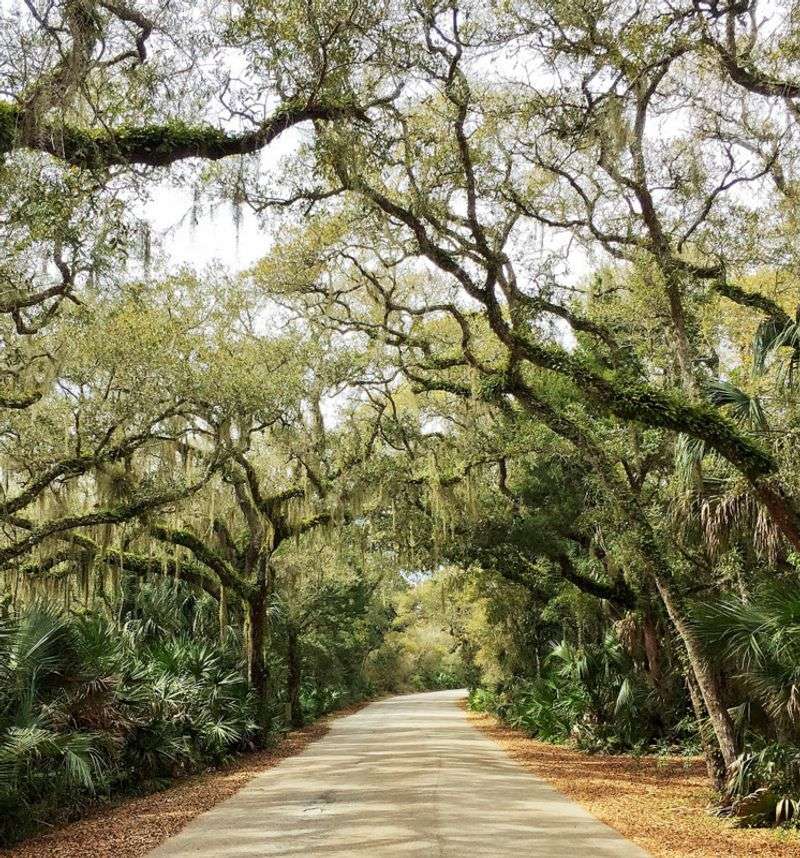
Camping here is genuinely one of the better state park experiences I have had in Florida, and I have stayed at quite a few. The sites are large, well-spaced, and surrounded by enough natural vegetation that you feel removed from your neighbors even when the campground is fairly full.
Most sites include water and 30-amp electrical hookups, with 50-amp available at select locations, making the park comfortable for motorhomes and large rigs. Fire rings and picnic tables come standard, and the overall layout feels thoughtful rather than crammed together for maximum capacity.
Tent campers get a quieter, more immersive experience under tall shade trees, and solo travelers have reported feeling genuinely safe and comfortable here even during overnight stays. The campground also offers laundry facilities, a dump station, and recycling services.
For anyone wanting to combine beach access with a real camping setup, this park checks every box with ease.
Wildlife Encounters: More Than Just Birds on the Beach
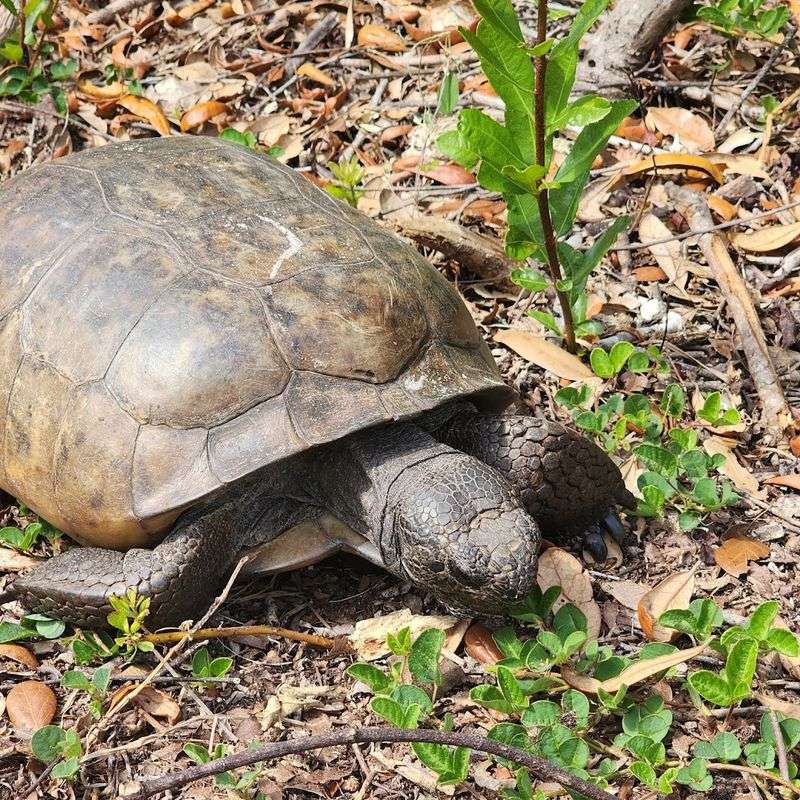
One camper spotted an armadillo foraging near their site after dark, and honestly, that kind of unexpected wildlife moment is exactly what makes camping in a natural setting so memorable. The park hosts a surprisingly diverse range of animals given its relatively modest size and coastal location.
Gulf Fritillary butterflies drift through in warm months, sometimes in numbers large enough to feel like a migration event. Piping plovers and other shorebirds patrol the waterline, while gulls wheel overhead looking for anything unattended.
Birders visiting in the early morning hours often rack up impressive species counts without even trying very hard.
The tidal marshes on the inland side of the park attract wading birds like herons and egrets, and the tree canopy above the campground provides cover for songbirds year-round. Just keep your gear secured at night, because the local wildlife is both curious and surprisingly resourceful when food is involved.
Kayaking and Canoeing: Exploring the Calm Waters of Salt Run
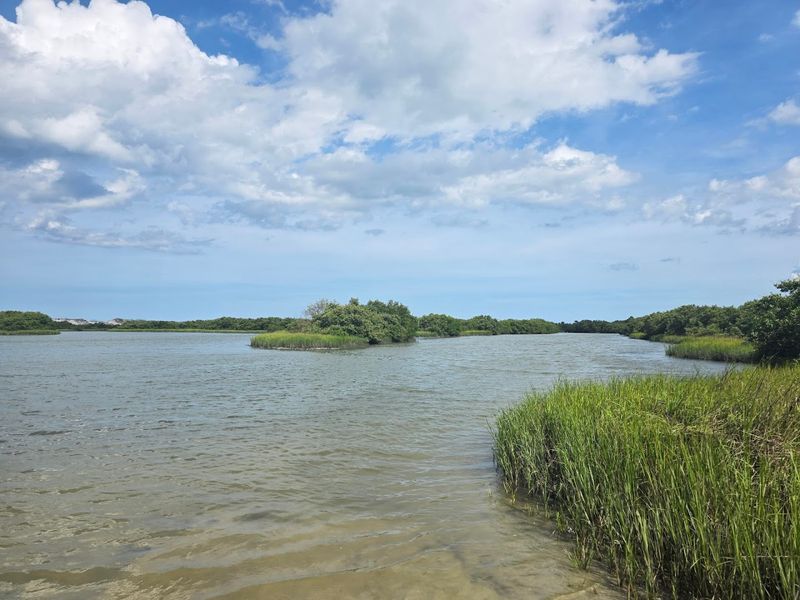
Salt Run is the tidal lagoon that separates Anastasia Island from the mainland, and it is one of the most enjoyable paddling spots I have found anywhere along the northeast Florida coast. The water is calm and sheltered, making it accessible for beginners while still offering enough distance and scenery to keep experienced paddlers engaged.
The park rents canoes and kayaks on-site, which removes the logistical hassle of transporting your own equipment. Rentals are reasonably priced, and the staff can point you toward the best routes depending on the tide and your experience level.
Paddling through the marsh grasses with a great blue heron gliding just ahead of your bow is the kind of moment that reminds you why getting off the couch and outside is always a good idea. The lagoon also connects to some quieter channels where wildlife sightings are practically guaranteed on any given outing.
Hiking Trails: Quiet Paths Through Coastal Scrub and Maritime Forest
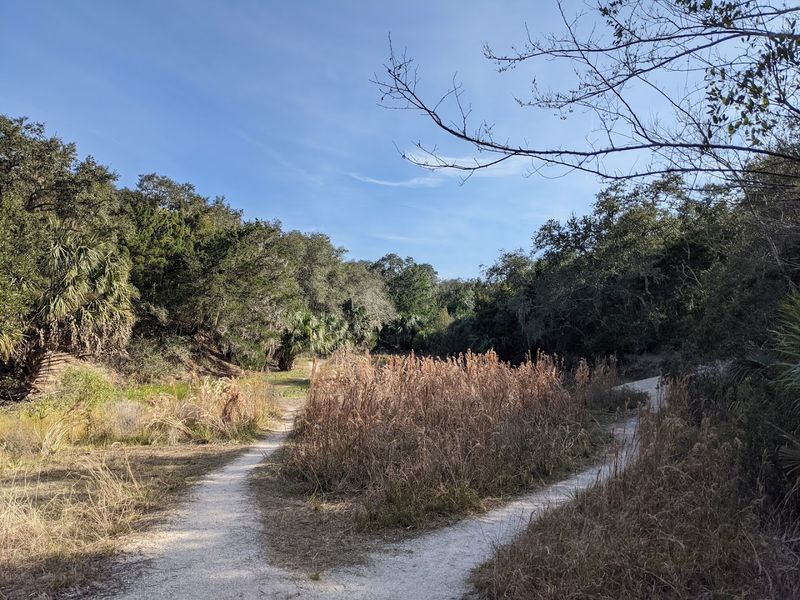
The trails here wind through a mix of coastal scrub, maritime forest, and tidal areas that feel completely different from the open beach environment just a short walk away. The contrast between the two landscapes is part of what makes the park feel so layered and worth exploring slowly.
Several self-guided trail options are available, covering different terrain and difficulty levels. The paths are generally flat and well-marked, making them suitable for casual walkers as well as those looking for a longer nature outing.
Birdwatching along the trails is particularly rewarding in the early morning hours before the heat of the day sets in.
One honest tip: visit outside of peak mosquito season if you plan to spend significant time on the trails. Late fall through early spring tends to offer the most comfortable hiking conditions in this part of Florida, with cooler temperatures and far fewer biting insects competing for your attention.
Fishing: Casting Lines in One of Florida’s Most Scenic Settings
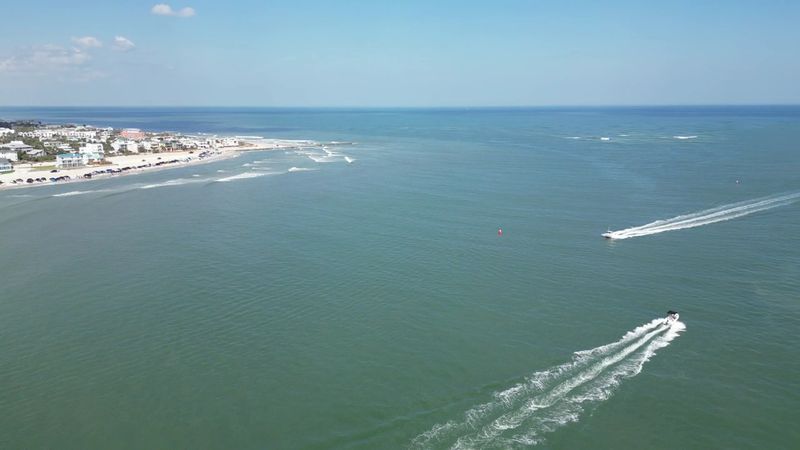
Fishing at this park feels less like a sport and more like a very productive form of meditation. The beach offers excellent surf fishing, and the inlet at the southern end of the park is a productive spot for catching a range of species that move through the area depending on the season.
Redfish, flounder, and sheepshead are common targets along the tidal areas, while surf anglers typically go after pompano and whiting. The park does not require a separate fishing license beyond the standard Florida saltwater fishing license, and the regulations are consistent with state guidelines throughout.
Early morning and late afternoon tend to produce the best results, which conveniently lines up with the cooler and more comfortable parts of the day during Florida’s warmer months. Bring your own gear or check with local outfitters near the park for rental options and current bait recommendations before heading out.
The Snack Bar and Grill: Fuel Up Without Leaving the Park
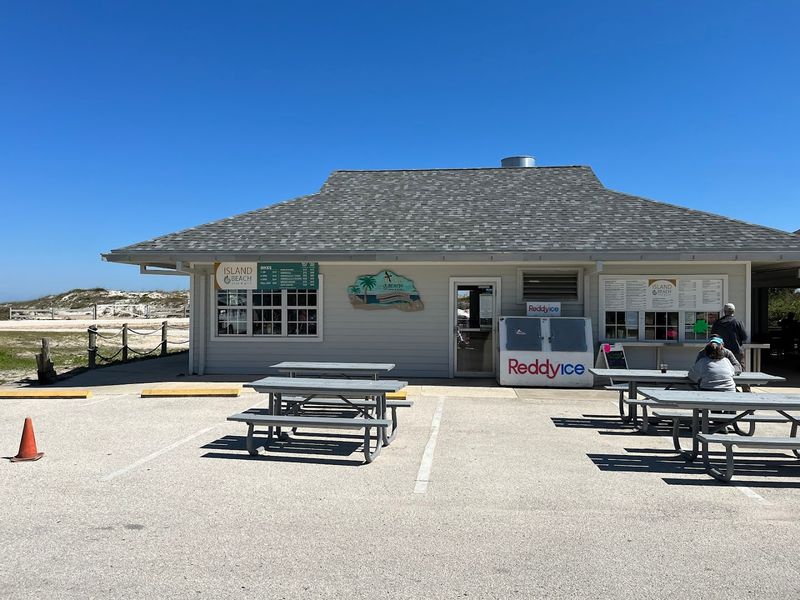
Having a grill and snack shop right next to the beach access point is the kind of convenience that sounds minor until you are sunburned, sandy, and suddenly very hungry after three hours in the water. The beachside grill at this park genuinely saves the day on those occasions.
The menu is straightforward beach fare, think burgers, hot dogs, and cold drinks, but the food quality is solid and the staff are friendly and efficient even during busy periods. The shop is also stocked with sunscreen, snacks, and basic beach supplies, so minor forgotten items are not the crisis they might otherwise be.
Cyclists biking through the park have stopped here for a break, campers grab morning coffee, and day visitors refuel between swims. It is not a fancy restaurant, but it fills its role perfectly and saves you from having to pack out every single thing you might need during a full day visit.
Park Facilities: Showers, Restrooms, and Accessibility Features

Clean facilities are one of those things you only truly appreciate after visiting a park where the bathrooms have clearly not seen a mop since the previous administration. At this park, the restrooms are consistently described as well-maintained, and that reputation holds up from visit to visit.
Outdoor showers near the beach access allow swimmers to rinse off before heading back to the parking area, which is a small but genuinely appreciated amenity. The campground bathhouses serve overnight guests, and while one loop shows its age and could use some updating, the facilities are functional and kept clean throughout.
Accessibility features are a notable strength here. ADA-compliant campsites are available, and accessible restroom accommodations make the park genuinely welcoming for visitors with mobility challenges.
The combination of practical amenities and thoughtful accessibility planning reflects the kind of park management that keeps visitors returning year after year without hesitation.
Biking Through the Park: Two Wheels and Total Freedom
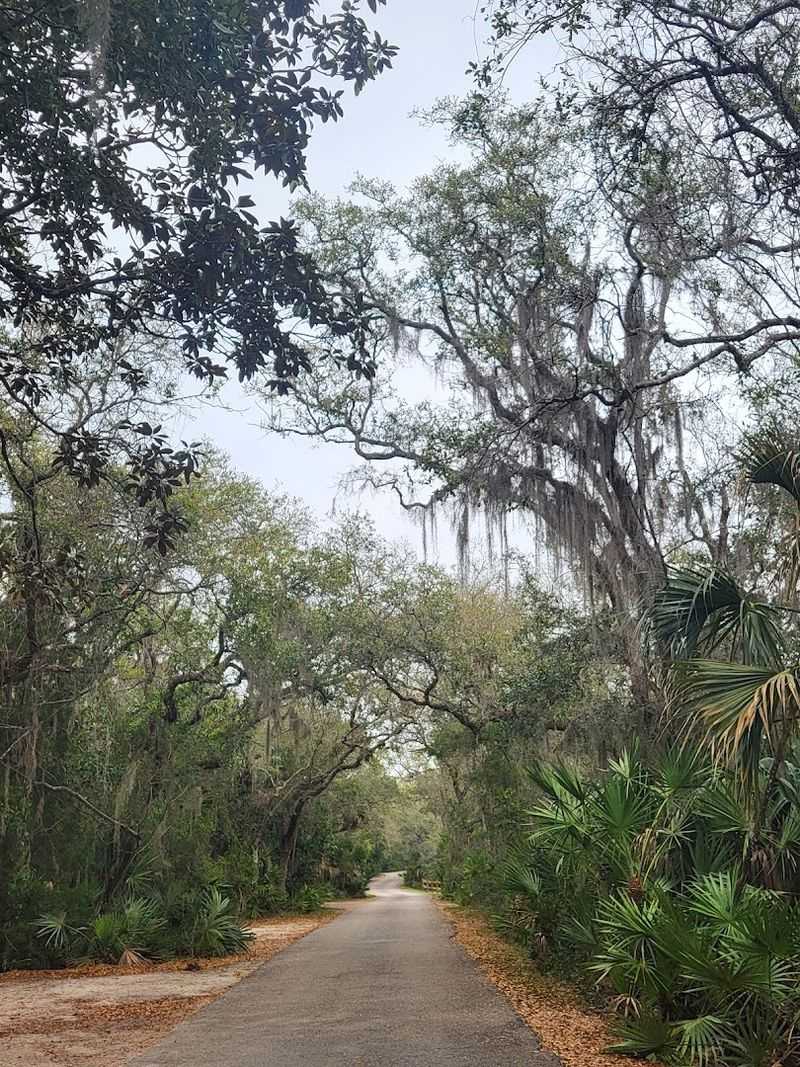
There is something particularly satisfying about exploring a park by bicycle, and the roads and paths at this location are well-suited to a casual ride. The flat terrain makes biking accessible for all fitness levels, and the distances between key points in the park are comfortable without being trivial.
Riders have pedaled from the campground to the beach for sunrise, then continued south along the coast toward the inlet, covering a route that mixes ocean views with shaded canopy stretches. The pace is entirely your own, and there is no pressure to rush through anything.
Bringing your own bike is easy given the ample parking, but checking with the park or nearby rental shops about bike availability is worth doing if you are traveling without one. The park roads see relatively light vehicle traffic, especially on weekday mornings, making the riding experience feel relaxed and genuinely enjoyable from start to finish.
Best Times to Visit: Seasons, Crowds, and Practical Timing Tips
Late fall through early spring is the sweet spot for visiting this park, and the difference in comfort between a November morning and an August afternoon is significant enough to genuinely shape the experience. Temperatures are cooler, mosquitoes are manageable, and the crowds thin out considerably after the summer peak.
September is technically still warm but can offer surprisingly peaceful visits, as school has resumed and family beach trips drop off sharply. Sunrise visits at any time of year tend to be quiet and rewarding, since most beachgoers do not arrive until mid-morning at the earliest.
Summer visits are absolutely possible and many families love the warm water and long days, but arriving early in the morning and leaving before the midday heat peaks makes the experience much more comfortable. Weekdays are noticeably less crowded than weekends regardless of season, so flexibility in your schedule pays real dividends here.
Proximity to Downtown St. Augustine: The Best of Both Worlds
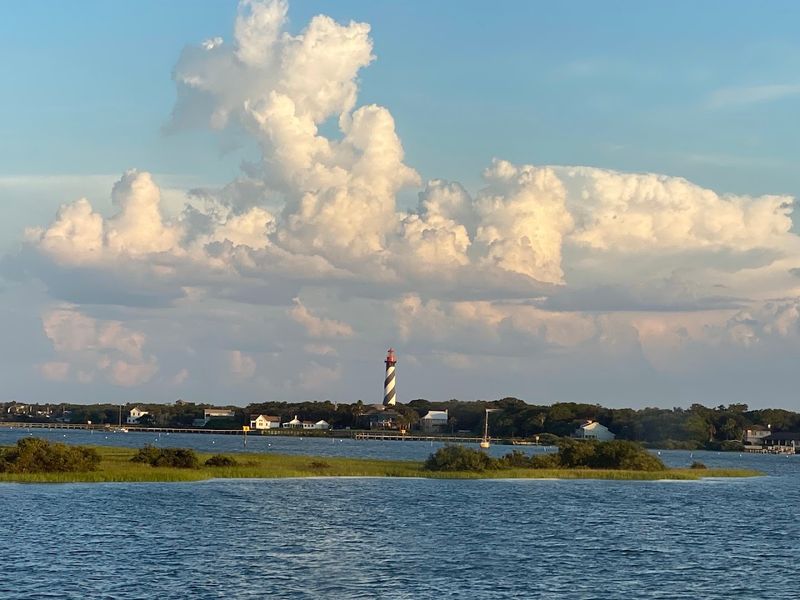
One of the most underappreciated aspects of this park is how well it pairs with everything that downtown St. Augustine has to offer. The two destinations are genuinely close, and moving between them takes only a few minutes by car, which makes it easy to combine a morning beach walk with an afternoon exploring the historic district.
St. Augustine is the oldest continuously occupied European-established settlement in the United States, and its colonial-era streets, old fort, and waterfront area offer a completely different kind of experience from the natural setting of the park. Having both available on the same trip feels almost unfairly good.
Campers staying at the park are particularly well-positioned to take advantage of this, since they can head into town for dinner or sightseeing and return to a quiet, shaded campsite rather than a hotel room. That combination of history, culture, and nature in one trip is genuinely hard to beat anywhere in Florida.
Share this story