 Unearth The Voyage

There is a place in St. Petersburg, Florida, where the city noise fades away the moment you step through the entrance, and the only sounds you hear are birds calling, leaves rustling, and the occasional splash of water nearby. It sits right in the middle of a busy urban area, yet it feels like a completely different world.
The trails wind through multiple Florida habitats, the wildlife roams freely, and the whole experience costs just three dollars. Whether you are a serious birder, a casual hiker, or simply someone who needs a break from the concrete jungle, this nature preserve delivers something genuinely special every single visit.
Keep reading to find out exactly what makes this spot one of the most rewarding outdoor destinations in the entire Tampa Bay region.
Where It All Begins: Location and First Impressions

The address is 1101 Country Club Way S, St. Petersburg, FL 33705, and the moment you pull into the parking lot, you realize this place is hiding something extraordinary behind its modest entrance.
Boyd Hill Nature Preserve sits near Lake Maggiore in the southern part of St. Petersburg, making it one of the most accessible urban nature preserves in Florida. The parking area is easy to navigate, and the admission fee is a flat three dollars per adult and one dollar fifty for children.
The visitor center greets you with friendly staff who are genuinely enthusiastic about the preserve and happy to point you toward the trails that best match your energy level. First-time visitors often expect a small local park and leave completely amazed by the sheer size and variety of what they found inside.
A Mosaic of Florida Habitats All in One Place

Few urban green spaces in Florida pack as many distinct ecosystems into one location as this preserve does, and that variety is exactly what keeps visitors coming back season after season.
Boyd Hill Nature Preserve contains several different habitat types, including pine flatwoods, sand scrub, hardwood hammock, and freshwater marsh areas surrounding Lake Maggiore. Each zone supports its own community of plants and animals, so the scenery genuinely changes as you move from one trail to the next.
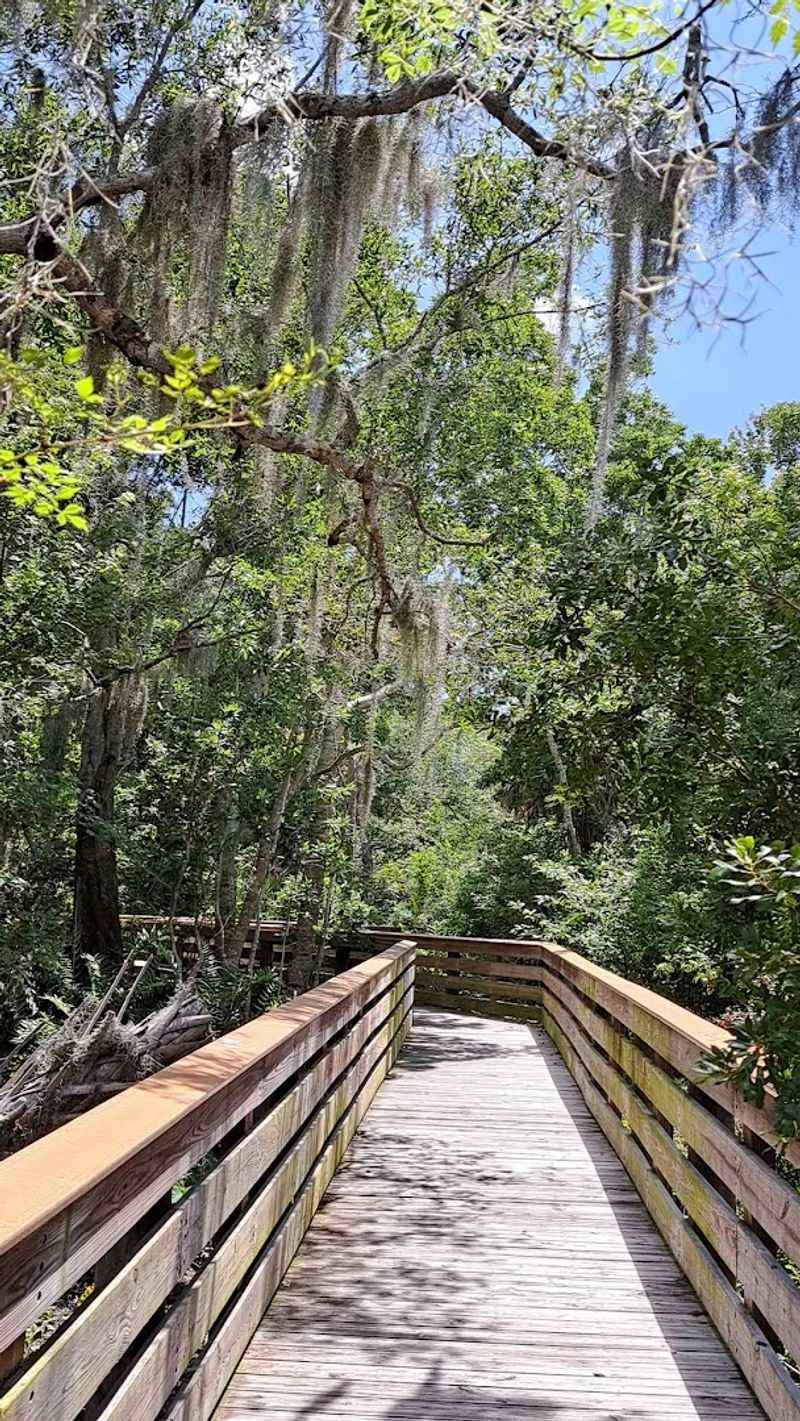
The pine flatwoods offer a classic old-Florida feeling, with tall longleaf pines stretching overhead and a carpet of native grasses below. The hardwood hammock sections feel noticeably cooler and shadier, draped in Spanish moss and filled with the sounds of woodpeckers working through the canopy.
This kind of ecological richness in the heart of a city is genuinely rare and worth every step of the walk.
The Trail System: Miles of Discovery Underfoot

The trail network here is more extensive than most first-time visitors expect, and with the side trails included, you can easily put together a five-mile outing without retracing your steps.
Three main north-to-south trails run through the preserve, each with its own personality. The eastern trail follows the edge of Lake Maggiore most closely and rewards walkers with open water views and frequent wildlife sightings.
The middle trail offers the most consistent shade, which is a serious advantage during Florida summers.
The western trail runs near the edge of the preserve boundary, where you can occasionally hear traffic from nearby roads, though the surrounding vegetation softens the impact considerably. Water stations are placed at convenient intervals along the routes, so you do not need to carry a heavy pack to stay comfortable.
Flat terrain throughout the preserve makes the trails accessible for most fitness levels and age groups.
Lake Maggiore Views and the Island Boardwalk
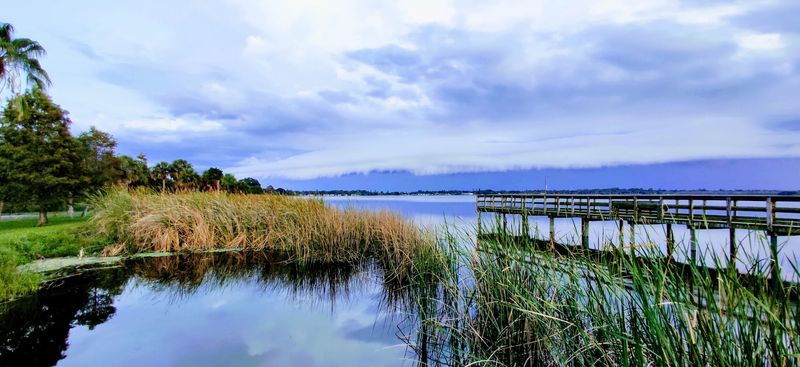
Halfway through the eastern trail, a pedestrian bridge leads out to a small island in Lake Maggiore, and the view from that bridge alone is worth the price of admission several times over.
Standing on the bridge, you can look north and catch a clear sightline toward the downtown St. Petersburg skyline rising above the water. Below the bridge, small alligators often lounge on the banks or float just beneath the surface, completely unbothered by the steady stream of curious visitors peering down at them.
The island itself provides a quiet resting spot with benches and shade, and it feels surprisingly remote considering the city surrounds you on all sides. On the main lakeside trail, a wooden swing overlooking the water has become a beloved stopping point for hikers who want to sit, breathe, and take in the peaceful scenery before continuing their walk through the preserve.
Wildlife Encounters Around Every Bend

A Saturday morning walk here once turned into a full wildlife documentary for me, with a baby alligator, a raccoon, a hooting owl, and a turtle actively laying eggs all spotted within a couple of hours on the trail.
Boyd Hill Nature Preserve is genuinely loaded with wildlife, and the diversity of habitats means you never quite know what you will encounter around the next corner. Woodpeckers hammer away at tree trunks overhead, hawks circle lazily above the open areas, and squirrels chatter from the branches of live oaks draped in Spanish moss.
The alligators are a particular highlight for many visitors, especially the smaller ones that tend to appear near the lake and along the marsh edges. Seeing a wild turtle nesting right on the trail is the kind of moment that stops everyone in their tracks and reminds you that nature does not wait for a convenient time to be spectacular.
The Raptor Aviary: Birds of Prey Up Close
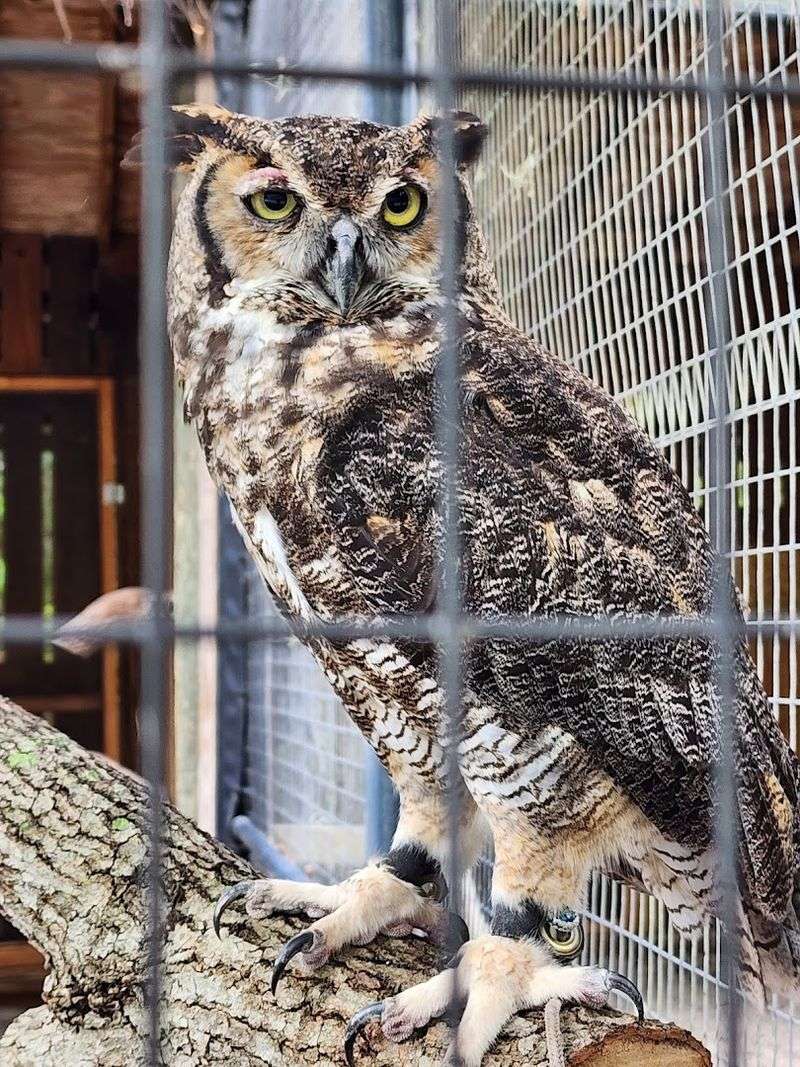
Not many parks can claim a legitimate birds-of-prey aviary as part of the experience, but Boyd Hill pulls it off with a level of care and passion that genuinely impresses even seasoned wildlife enthusiasts.
The aviary houses raptors that have been rescued and cannot be released back into the wild due to injuries or other circumstances. Each bird has a posted story explaining how it came to live at the preserve, and reading those backstories adds a meaningful layer to the experience that goes well beyond simple observation.
Owls, hawks, and other impressive birds of prey are the stars of this section, and the staff and volunteers treat each resident bird with obvious affection and expertise. Wild owls have even been spotted perching near the enclosures during certain seasons, apparently drawn by the calls of the birds inside.
The annual Raptor Fest event draws crowds who come specifically to celebrate these magnificent animals.
The Bird Sanctuary and Rescue Program

Beyond the raptor aviary, the preserve runs a broader bird rescue and sanctuary program that reflects a deep community commitment to Florida’s native bird populations.
The sanctuary functions as a rehabilitation space for birds that come in injured or orphaned, and the team of staff members and volunteers who manage it treat every animal with the kind of attention and dedication you might expect from a professional wildlife hospital. Visitors can observe some of the sanctuary residents and learn about their individual stories through the informational displays posted near each enclosure.
What makes this program especially meaningful is that it operates within a public park, making it accessible to families, school groups, and curious individuals who might not otherwise encounter this kind of wildlife care up close. The passion the volunteers bring to their work is visible in every interaction, and it leaves most visitors with a much deeper appreciation for the fragile ecosystems that surround the St. Petersburg area.
The Tram Tour: A Guided Ride Through the Preserve
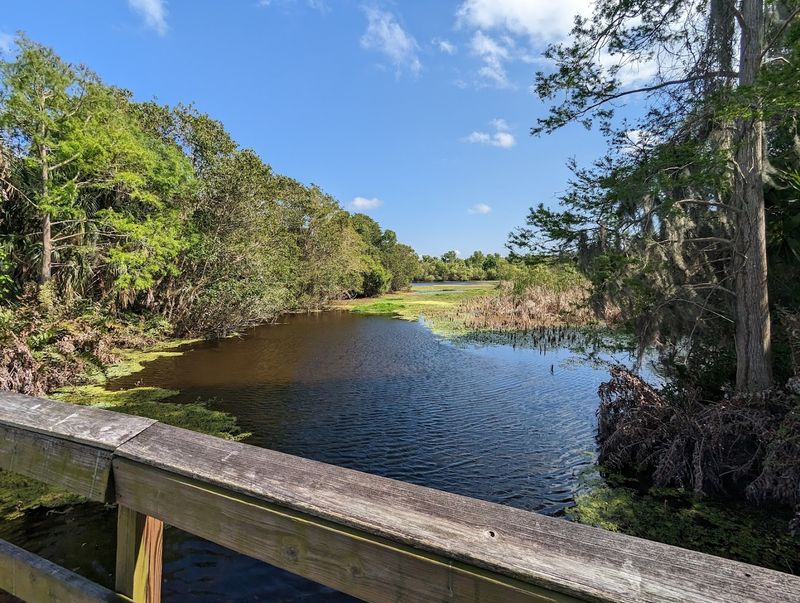
For anyone who prefers a guided experience or finds the full trail system a bit ambitious, the tram tour is one of the most enjoyable and informative options the preserve offers.
The tram runs Tuesday through Friday at 1 PM, and the cost is just two dollars on top of the regular three-dollar admission fee. Advance reservations are recommended because spots fill up, and missing the tram means waiting an entire day for the next available ride.
The tour lasts approximately an hour and a half, and the guides pack that time with local history, wildlife identification tips, and fascinating context about how the preserve was established and maintained over the years. One guide reportedly showed visitors how to spot alligator slides along the bank and explained how animals behave during controlled burns, turning what might have been a simple sightseeing ride into a genuine educational adventure.
The tram is also ideal for visitors with mobility limitations.
Programs, Events, and Year-Round Activities
One visit to Boyd Hill barely scratches the surface of everything this preserve offers throughout the year, and the calendar of programs and events gives locals a compelling reason to return repeatedly.
The preserve hosts a wide range of organized activities including guided hikes, educational workshops, seasonal festivals like Raptor Fest, and family-friendly nature programs that connect kids with the Florida environment in hands-on ways. School groups frequently schedule field trips here because the variety of habitats and the resident wildlife make for a living classroom unlike anything inside four walls.
Overnight cabin stays are also available on the grounds, giving visitors a chance to experience the preserve after the day crowds have gone home and the nighttime sounds of the Florida wilderness take over. The cabins have been updated in recent years, and guests consistently describe the experience as a peaceful retreat that feels far removed from the surrounding urban environment despite being just minutes from downtown St. Pete.
The Playground and Family-Friendly Features
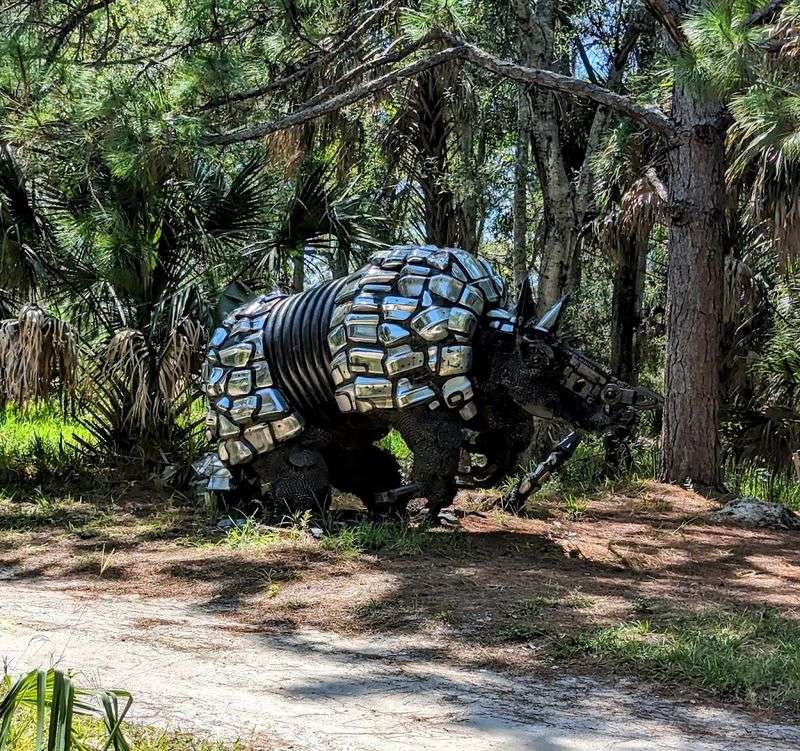
Tucked near the visitor center area, a playground that several visitors describe as genuinely unique adds an extra layer of appeal for families with young children who might need a break from the trails.
The play structure has a nature-inspired design that fits the overall character of the preserve, and it sits in a setting that feels more like a forest clearing than a typical city park playground. Kids who have spent the morning spotting alligators and learning about raptors can burn off energy here before the drive home.
There is also a small hidden park area outside the main preserve boundary that families with little ones are encouraged to seek out, as it offers a quieter and more magical atmosphere than the main playground. The combination of trails, wildlife, educational displays, and play areas makes Boyd Hill one of the most complete family outdoor destinations in the entire Pinellas County area.
The Gift Shop and Visitor Center Experience

Small in size but surprisingly well-stocked, the gift shop at the preserve is the kind of place where you browse for five minutes and end up spending twenty, mostly because everything inside connects meaningfully to the experience you just had outside.
Nature-themed items, informational pamphlets, and educational displays fill the space, and a small selection of healthy snacks including fresh fruit and vegetables is available for visitors who worked up an appetite on the trails. The visitor center attached to the shop also features animal displays and learning exhibits that give context to what you saw during your walk.
The main building is currently undergoing renovation, but the essential services including bathrooms, the gift shop, and the snack options remain accessible during the process. Staff members stationed here are consistently described as friendly, knowledgeable, and genuinely happy to answer questions, which sets a welcoming tone from the very start of each visit.
Shade, Water Stations, and Trail Comfort

Florida heat is no joke, and anyone who has tried to hike an exposed trail in July knows exactly how quickly the fun can evaporate without proper planning, which is why the preserve’s thoughtful infrastructure deserves its own recognition.
Water stations are placed at multiple points along the trail system, so visitors do not need to carry enormous amounts of water to stay comfortable during a full morning of exploration. The middle trail in particular is praised for offering consistent shade from a dense canopy of oaks and pines, making it the go-to route during the hotter months of the year.
Trail surfaces are flat throughout the preserve, which reduces fatigue significantly compared to more rugged hiking destinations and makes the experience genuinely accessible for older adults, families with strollers, and anyone recovering from minor physical limitations. The combination of shade, water access, and flat terrain makes Boyd Hill a year-round destination rather than a seasonal one.
Admission, Hours, and Planning Your Visit

At just three dollars per adult and one dollar fifty for children, Boyd Hill Nature Preserve offers one of the best value-for-experience ratios of any outdoor attraction in the Tampa Bay area, full stop.
The preserve is open Tuesday through Friday from 9 AM to 7 PM, and on Saturdays the gates open earlier at 7 AM, which is a welcome bonus for early risers who want to beat both the heat and the crowds. Sunday hours also run from 9 AM to 7 PM, and the preserve is closed on Mondays.
Dogs are not permitted on the trails, which surprises some visitors who learn this detail for the first time at the entrance. The phone number for the preserve is 727-893-7326, and more information is available at the official website through the St. Pete Parks and Recreation department.
Arriving early on weekday mornings tends to offer the most peaceful and wildlife-rich experience overall.
Storm Recovery and Community Support

Recent hurricanes left visible marks on the preserve’s grounds, and the recovery effort has been a genuine test of community commitment to keeping this irreplaceable green space alive and accessible.
Despite reduced visitor numbers in the aftermath of the storms, the trail system has remained well-maintained thanks to the dedicated work of staff and volunteers who show up consistently to keep the paths clear and the resident birds cared for. The preserve relies significantly on admission revenue and visitor support to fund ongoing maintenance and repairs, which means every visit is a direct contribution to the preserve’s survival.
Spreading the word about Boyd Hill to friends, family, and visitors to the St. Petersburg area is one of the most effective things a supporter can do right now. The grounds are still beautiful, the wildlife is still thriving, and the experience is as rewarding as ever, even as the team works steadily to restore everything the storms disrupted.



