 Unearth The Voyage
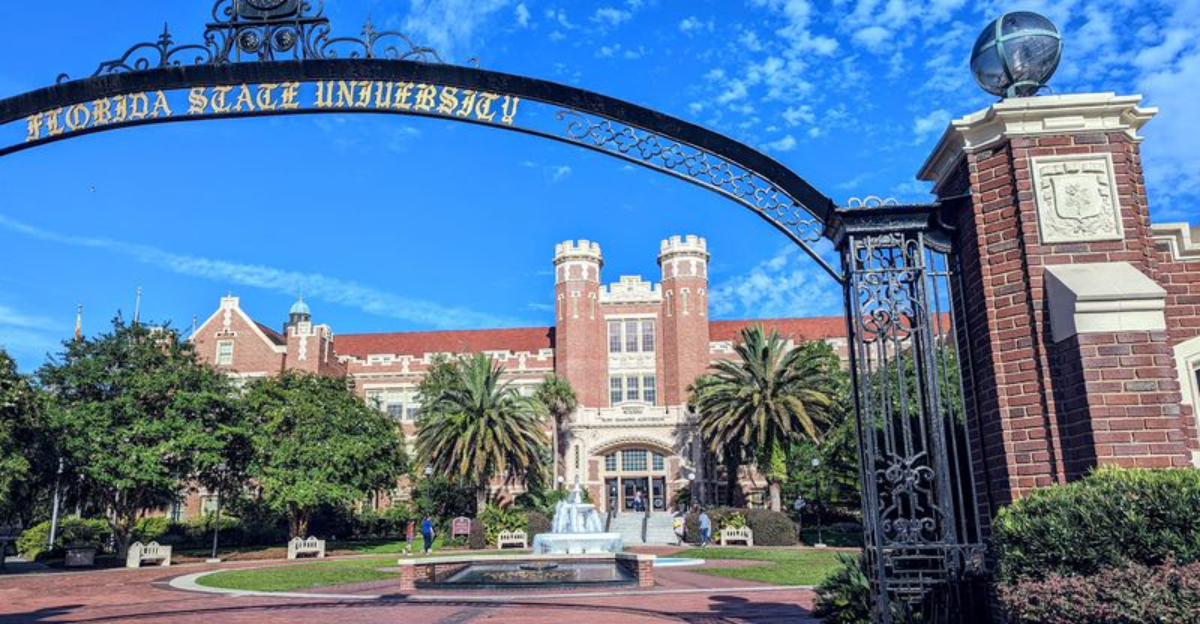
Most people assume that living in Florida means sky-high rent, packed beaches, and a bank account that drains faster than a bathtub. Tallahassee quietly flips that script.
As Florida’s state capital, this city blends real Southern charm with surprisingly low living costs, and people who discover it often wonder why they did not move here sooner. Tucked among rolling hills and canopy roads in the northern part of the state, Tallahassee offers affordable housing, a lively food scene, free outdoor spaces, and a strong job market anchored by government and university employment.
Whether you are a student, a young professional, a retiree, or a family looking for a fresh start, this city has a way of making $1,500 a month feel like a very comfortable budget. Keep reading to find out exactly how life in Tallahassee can stretch your dollar further than you ever expected.
Where Tallahassee Sits on the Map
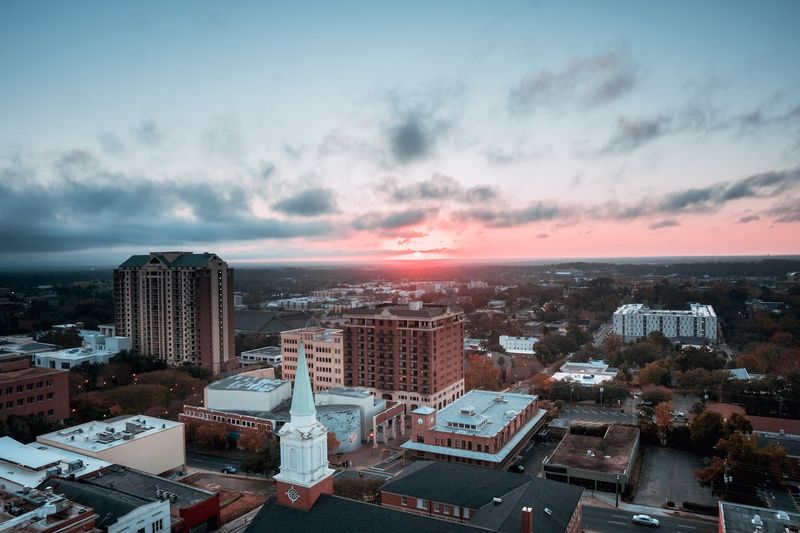
Florida gets a lot of attention for Miami and Orlando, but Tallahassee plays by its own rules. Sitting in the Florida Panhandle region at coordinates 30.44 N, 84.28 W, the city serves as the official state capital and is home to roughly 200,000 residents.
The official city government can be reached through talgov.com, and the address for city operations is Tallahassee, Florida. Unlike the flat, swampy landscape most people picture when they think of Florida, Tallahassee has gentle hills, thick forests, and a climate that actually feels like fall in October.
The distance from the Gulf Coast beaches is about 45 minutes, giving residents the best of both worlds. You get affordable inland living without sacrificing weekend access to the water.
For anyone budgeting carefully, the location alone removes the coastal price premium that inflates costs in cities like Tampa or Sarasota.
Affordable Rent That Does Not Feel Like a Compromise
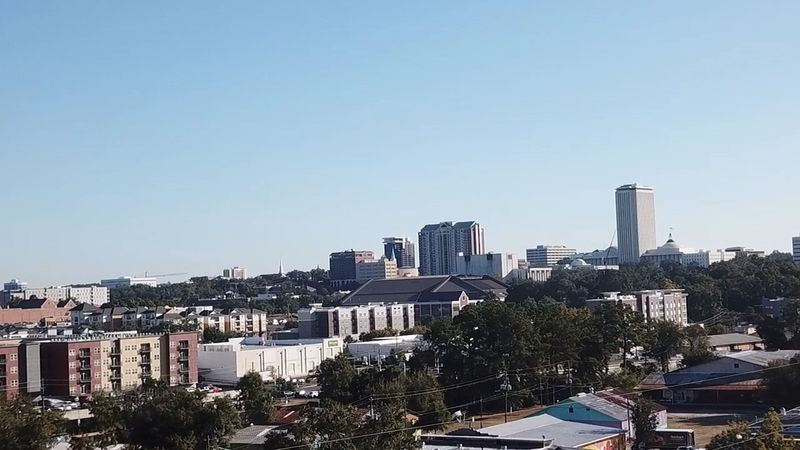
Housing is usually the biggest line item in any monthly budget, and Tallahassee keeps that number surprisingly manageable. The average rent for a one-bedroom apartment in the city hovers around $900 to $1,050 per month, which is significantly lower than the Florida state average.
Two-bedroom units can often be found for $1,100 to $1,300, leaving plenty of room in a $1,500 budget for everything else. Neighborhoods like Midtown, Killearn Estates, and areas near Apalachee Parkway offer solid housing options without requiring you to sacrifice safety or comfort.
Many apartments come with amenities like pools, gym access, and covered parking at no extra charge. Compared to Miami, where a one-bedroom can easily run $2,500 or more, Tallahassee feels almost generous.
The rental market here rewards people who do a little research, and good deals are genuinely available for those willing to look around the right neighborhoods.
Grocery Bills That Stay Reasonable
Food costs in Tallahassee run noticeably lower than in most major Florida cities. A single person spending mindfully can keep their monthly grocery bill between $200 and $280 by shopping at stores like Walmart, Aldi, Winn-Dixie, or the local Publix during weekly sales.
The city also has a farmers market scene worth exploring. The Tallahassee Farmers Market, held on Saturdays, offers fresh local produce at prices that compete directly with supermarket shelves, sometimes beating them by a fair margin.
Proteins like chicken, eggs, and canned goods remain affordable, and the presence of several discount grocery options keeps competition healthy. Cooking at home four to five nights a week makes it easy to stay under $300 monthly on food.
That leaves room in the budget for the occasional restaurant meal without feeling any financial guilt about treating yourself to something cooked by someone else.
Transportation Costs That Will Surprise You
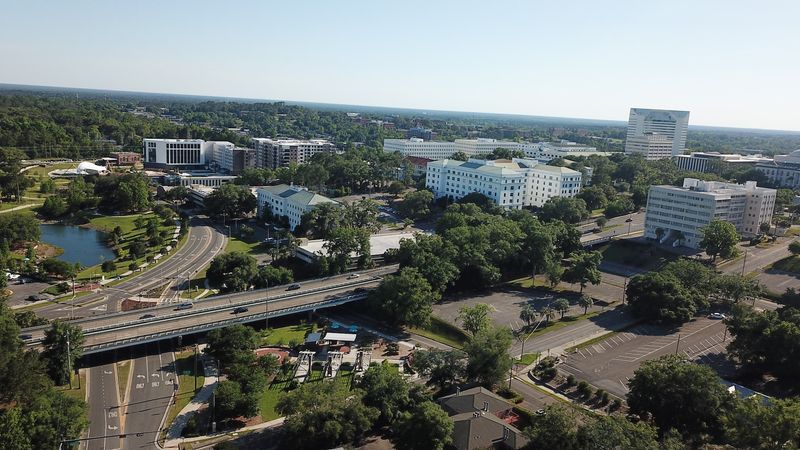
Getting around Tallahassee does not require a car payment and a full tank of premium fuel every week. The StarMetro bus system covers most of the city and charges just $1.25 per ride, with monthly passes available for around $40, making public transit one of the most budget-friendly options in Florida.
For those who prefer driving, gas prices in Tallahassee tend to track slightly below the national average, and the city’s relatively compact layout means shorter commutes than you would find in sprawling metros like Jacksonville or Orlando.
The city has also been expanding its network of bike lanes, making cycling a practical and free option for shorter trips. A used, reliable car purchased locally can handle daily needs without the pressure of a large monthly loan payment.
When transportation costs land between $40 and $150 per month, the overall $1,500 budget suddenly has a lot more breathing room.
Utility Costs That Stay Under Control
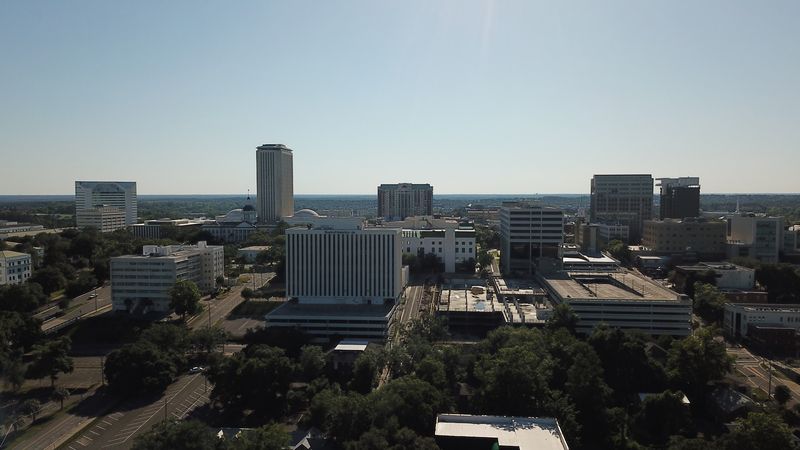
Florida heat gets a lot of attention, but Tallahassee’s northern location means it experiences cooler winters than the rest of the state, which actually reduces year-round energy costs. The average monthly utility bill for a one-bedroom apartment in Tallahassee runs between $100 and $150, covering electricity, water, and basic services.
Tallahassee has its own city-run electric utility, Tallahassee Electric, which operates through the city government and has historically maintained rates that are competitive with private providers elsewhere in Florida.
Internet service in the city averages around $50 to $70 per month depending on the provider and speed tier you select. Combining utilities and internet, most single residents can expect to spend between $150 and $220 per month.
That is a manageable slice of a $1,500 budget, especially when paired with the low rent numbers the city already offers. Tallahassee makes the math work in your favor.
Free and Low-Cost Outdoor Activities
One of the most underrated perks of living in Tallahassee is how much free entertainment the natural environment provides. The city is famous for its canopy roads, ancient oak-lined streets where the tree branches meet overhead and create a tunnel of green that feels almost cinematic during morning drives.
Alfred B. Maclay Gardens State Park charges a small entry fee of around $6 per vehicle and delivers stunning azalea blooms in late winter along with lakeside trails that are genuinely beautiful.
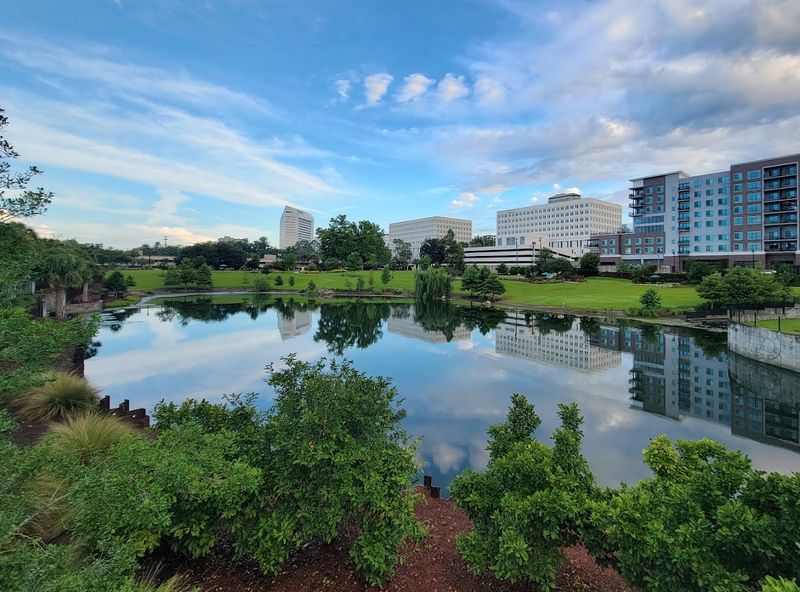
Cascades Park, right in the heart of the city, is completely free and features walking trails, a splash pad for kids, an amphitheater, and a dog-friendly layout.
Lake Overstreet and the Miccosukee Greenway offer miles of hiking and trail running through native Florida wilderness without charging a single dollar. When your weekend entertainment costs almost nothing, that $1,500 monthly budget starts to feel almost luxurious by comparison.
The Historic Capitol and Cultural Attractions
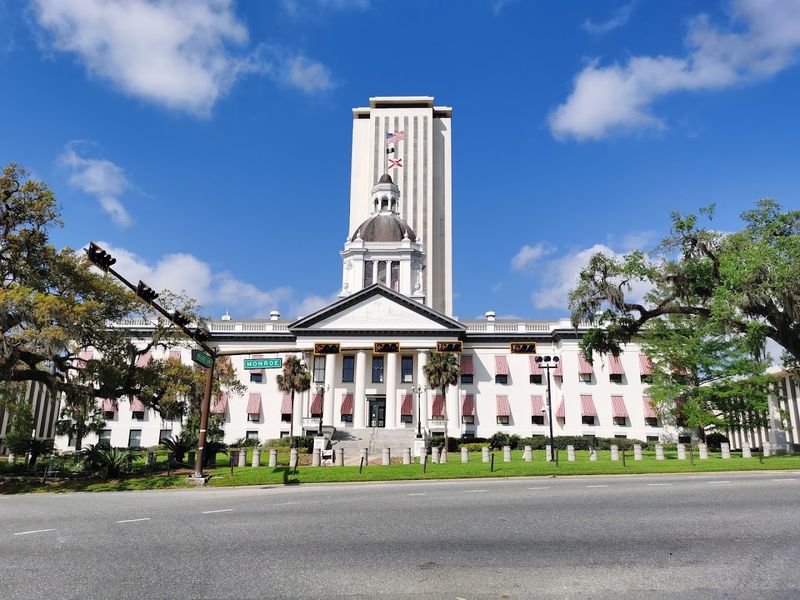
Living in a state capital means having access to cultural and historical sites that most mid-sized cities simply cannot offer. The Historic Capitol building in Tallahassee, fully restored to its 1902 appearance, now operates as a free museum with exhibits covering Florida’s political history from territorial days through the modern era.
Right behind it stands the current Capitol tower, a 1970s-era high-rise where the 22nd-floor observation deck offers sweeping views of the city and surrounding forest canopy at no charge to visitors.
The Museum of Florida History, also free to enter, holds exhibits on European colonization, the Civil War, and World War II as they specifically affected Florida. These are not dusty, forgotten spaces.
They are well-maintained, genuinely informative, and worth multiple visits. For residents on a tight budget, having world-class history and culture available for free is a quality-of-life advantage that rarely gets enough credit in cost-of-living conversations.
Dining Out Without Breaking the Budget
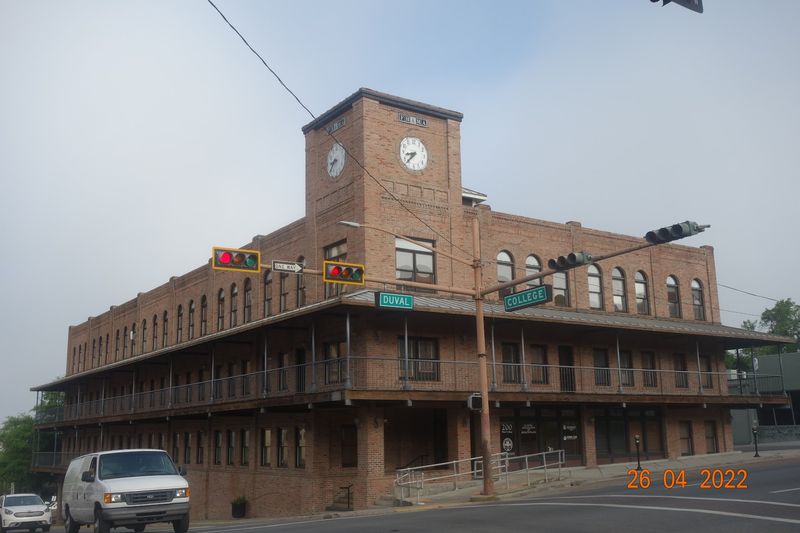
Tallahassee’s restaurant scene punches well above its weight class, and the prices reflect a city that feeds students, government workers, and locals rather than tourists with expense accounts. A solid lunch at one of the many locally owned spots near the Florida State University campus or downtown typically costs between $8 and $14.
The city has a strong tradition of Southern cooking, with restaurants serving collard greens, fried catfish, smoked ribs, and cornbread at prices that feel almost nostalgic compared to what the same meal would cost in a larger city.
Chains like Chick-fil-A, Chipotle, and Panda Express are well-represented for budget-friendly fast options, but the real value comes from the independent diners and family-run spots scattered across neighborhoods like Frenchtown and Midtown. Budgeting $150 to $200 per month for dining out is very realistic in Tallahassee, and you will eat well doing it.
Florida State University and FAMU’s Impact on Affordability
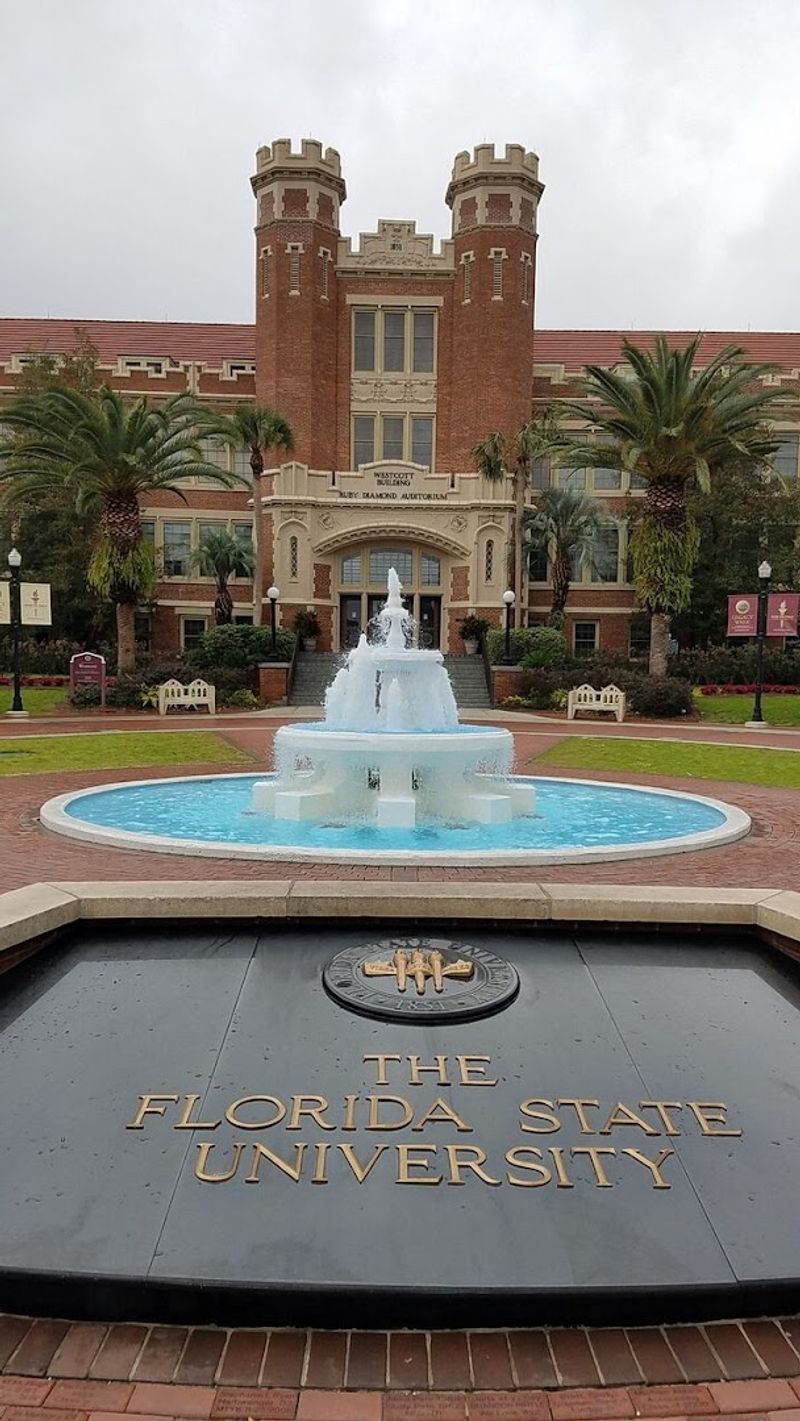
Two major universities shape daily life in Tallahassee in ways that directly benefit residents on a budget. Florida State University and Florida A&M University together bring tens of thousands of students and faculty to the city, which keeps demand for affordable housing, cheap eats, and low-cost entertainment consistently high.
That student population pressure means landlords compete for renters, restaurants compete for customers, and businesses compete for foot traffic. The result is a market that generally keeps prices reasonable across the board.
FSU and FAMU also host free or very low-cost public events throughout the year, including lectures, art exhibitions, theater performances, film screenings, and sporting events. FSU football games are a major cultural event in the city, and student tickets are notably affordable.
Even non-students can access many campus events and facilities at reduced rates. The university presence quietly subsidizes the cost of living for everyone in the city, not just enrolled students.
Healthcare Access at Manageable Costs
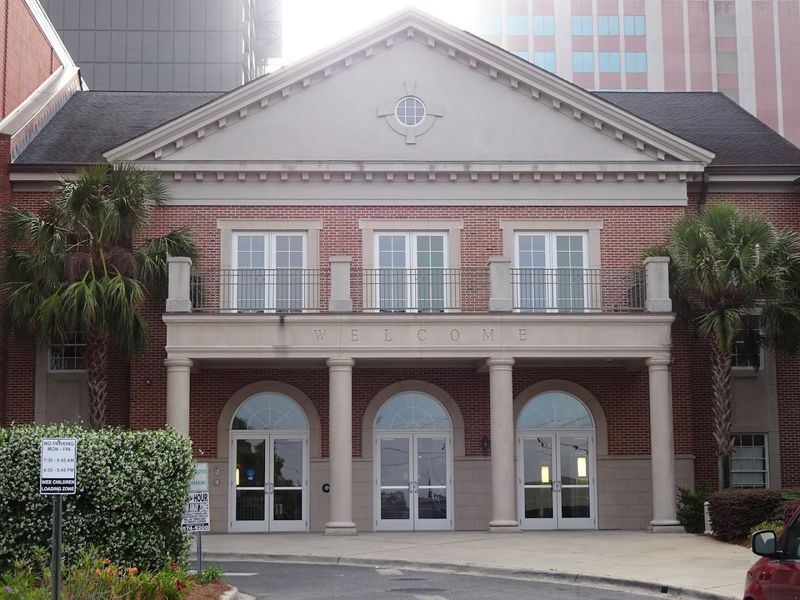
Healthcare is one of the categories that can quietly wreck a tight monthly budget, but Tallahassee offers solid options that do not require a financial crisis to access. Tallahassee Memorial HealthCare and Capital Regional Medical Center both operate within the city, providing full-service hospital care to residents across all income levels.
The Bond Community Health Center offers sliding-scale fee services for lower-income residents, meaning your out-of-pocket costs adjust based on what you actually earn. Federally qualified health centers like this one are a genuine safety net for people living on $1,500 per month.
Urgent care clinics are plentiful and typically charge between $100 and $150 per visit without insurance, which is manageable for minor issues. For those with employer-sponsored insurance through government or university jobs, coverage tends to be comprehensive and affordable.
Tallahassee is not a healthcare desert, and that matters enormously when you are watching every dollar carefully.
The Knott House Museum and Antebellum History
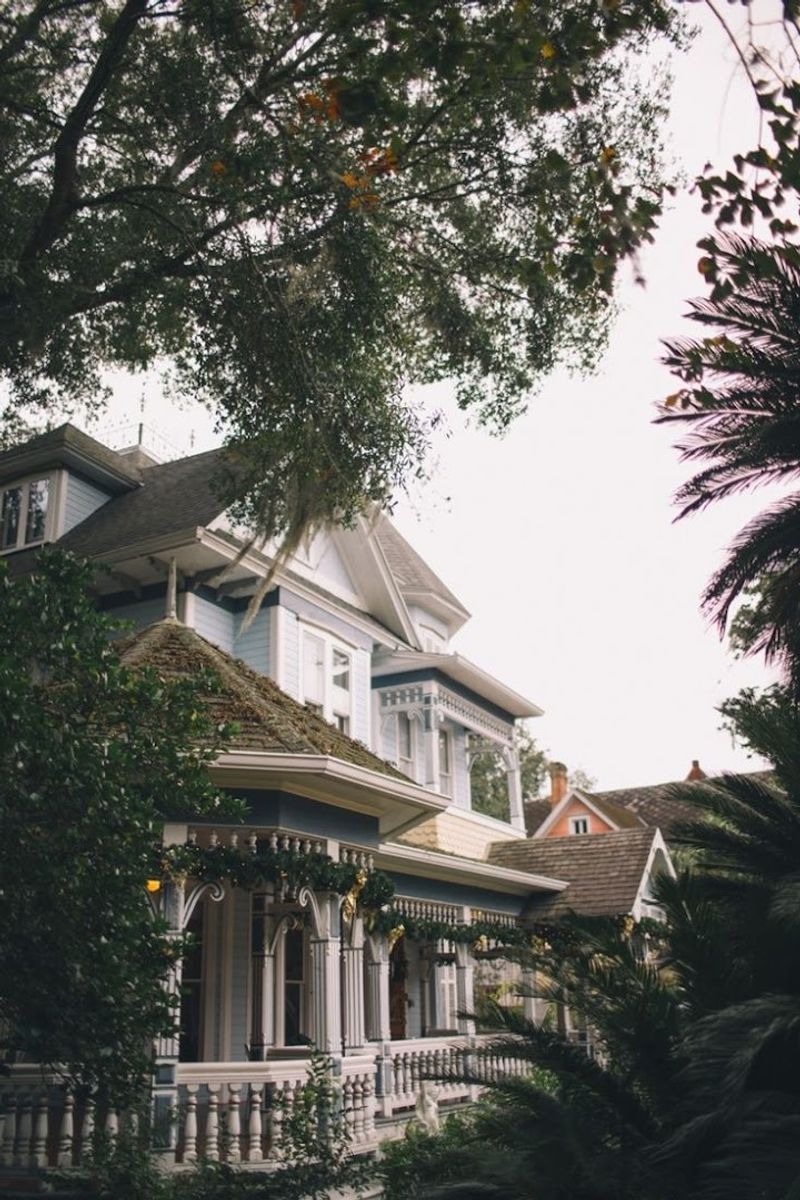
History lovers who settle in Tallahassee get something truly special within walking distance of downtown. The Knott House Museum, built in 1843, stands as one of the best-preserved antebellum mansions in Florida and operates as a free museum open to the public on select days each week.
The house holds historical significance beyond its architecture. It was here, on May 20, 1865, that Union General Edward McCook read the Emancipation Proclamation to Florida’s enslaved population, a moment that is now commemorated annually as Florida’s Emancipation Day celebration.
The interior has been carefully maintained with period furnishings and personal belongings of the Knott family, giving visitors an unusually intimate look at 19th-century Florida life. Free admission makes it an easy afternoon outing for residents who want cultural enrichment without spending money.
Living near a place like this is a reminder that Tallahassee’s affordability comes packaged with genuine historical depth.
Job Market Stability Through Government and Education
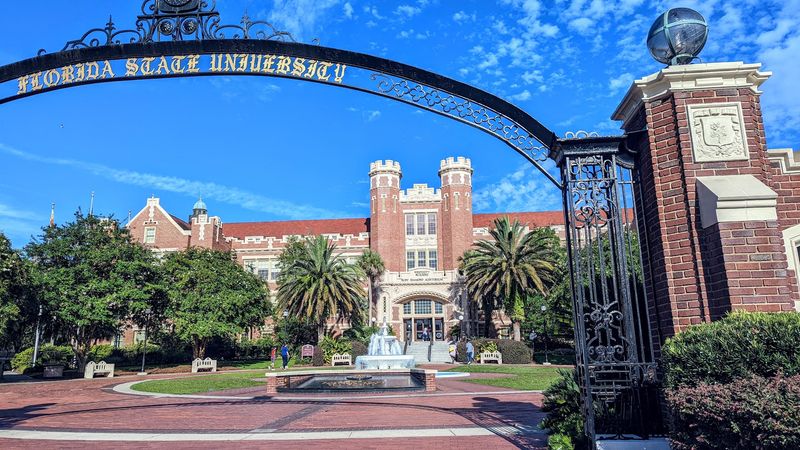
A tight monthly budget is much easier to maintain when your income is stable, and Tallahassee’s job market offers exactly that kind of reliability. As the state capital, the city is home to thousands of state government jobs spread across dozens of agencies, departments, and legislative offices, all of which tend to offer steady pay, benefits, and predictable hours.
Florida State University, Florida A&M University, and Tallahassee Community College collectively employ thousands more residents in positions ranging from administrative support to research and faculty roles.
Tallahassee Memorial HealthCare and Capital Regional Medical Center add another large layer of stable healthcare employment. The city does not boom and bust with tourism the way coastal Florida cities do, which means job availability tends to remain consistent even when the broader economy wobbles.
For someone trying to live comfortably on $1,500 per month, having a reliable paycheck from a government or university employer is the foundation that makes everything else possible.
Sample Monthly Budget Breakdown for $1,500
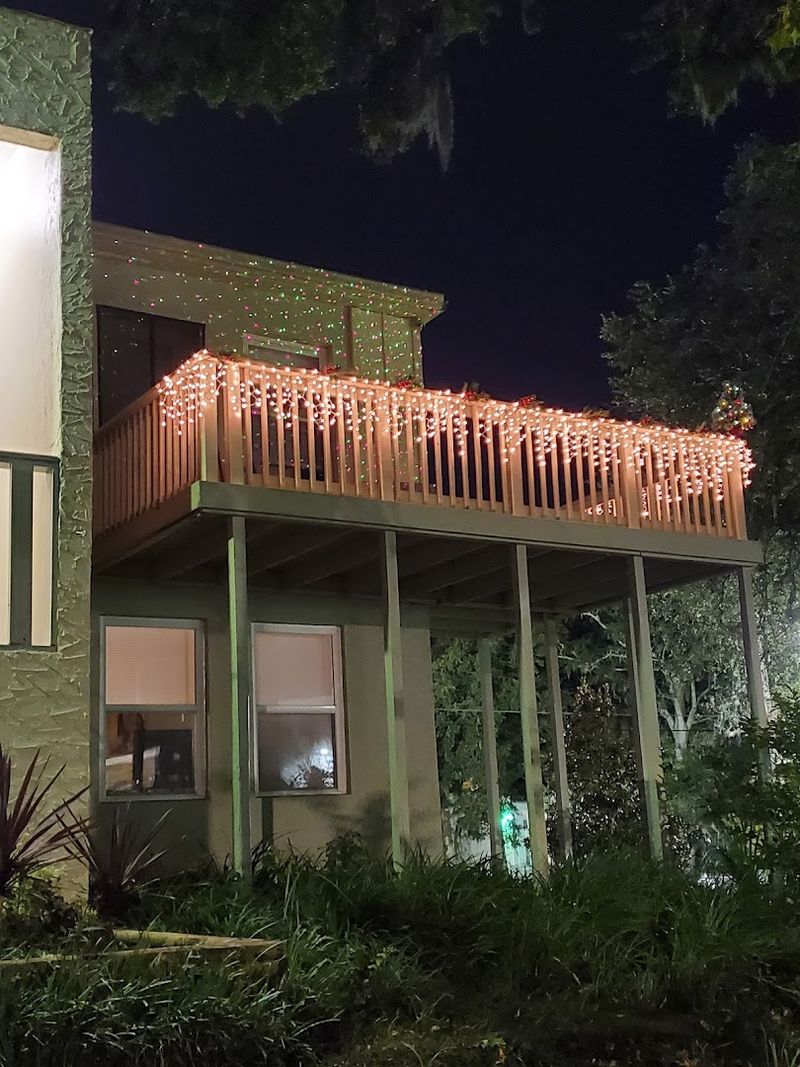
Putting real numbers to the concept of living on $1,500 per month in Tallahassee makes the idea feel concrete rather than theoretical. Here is a realistic breakdown that leaves a small cushion each month without requiring extreme sacrifice.
Rent for a one-bedroom apartment can run $950. Utilities including electricity, water, and internet average around $170.
Groceries for one person budgeted at $250. Transportation via bus pass or minimal driving costs approximately $80.
Dining out occasionally adds another $150. Personal care, phone, and miscellaneous expenses account for roughly $100.
That totals $1,700 on the generous end, which means a roommate arrangement or a slightly smaller apartment brings the number comfortably under $1,500. Many residents find that splitting a two-bedroom unit cuts housing costs to around $600 to $650 per person, which opens up the rest of the budget considerably.
The math in Tallahassee rewards a little planning.
Seasonal Weather and What It Means for Your Wallet
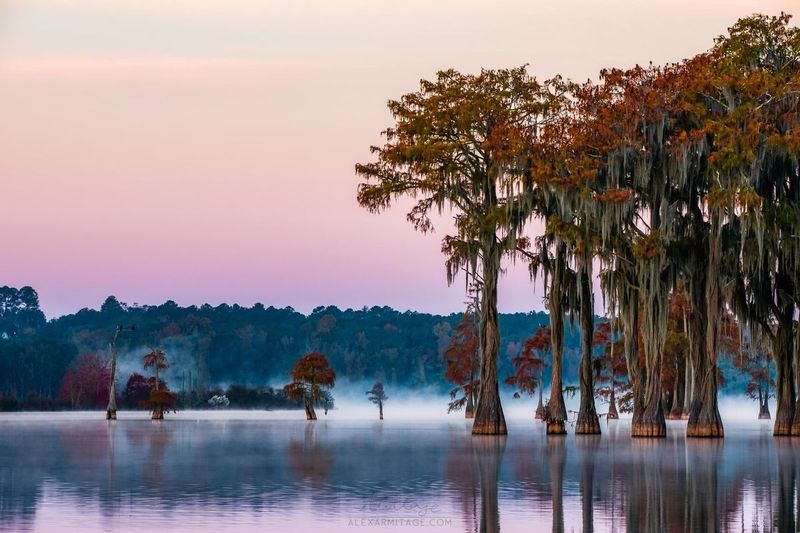
Florida’s reputation for brutal heat is only partly true in Tallahassee. The city experiences four distinct seasons in a way that the southern half of the state simply does not, with genuinely cool winters that occasionally dip into the 30s and a fall season colorful enough to catch first-time visitors off guard.
That cooler seasonal range has a direct effect on utility costs. Residents do not run air conditioning at full blast for twelve months straight, which keeps electricity bills lower during fall and winter months compared to cities like Orlando or Fort Lauderdale.
Spring in Tallahassee is spectacular, with azaleas, dogwoods, and wisteria blooming across the city in a way that makes the whole place feel like a botanical garden for about six weeks. Summer does bring heat and humidity, but afternoon thunderstorms cool things off reliably.
The seasonal variety adds quality of life that no budget spreadsheet can fully capture.



