 Unearth The Voyage
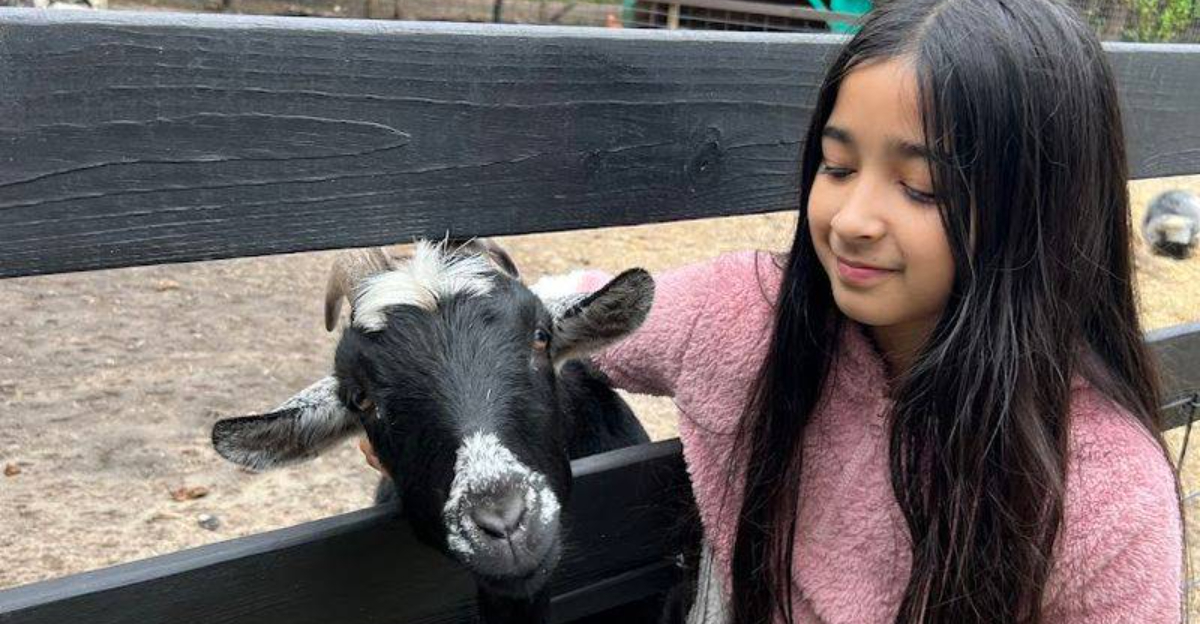
There is a spot in Tampa where a zebra might walk up and sniff your hand, a talking parrot greets you at the entrance, and a baby goat decides your shoelaces are its new best friend. Every single animal there has a rescue story, and the people who care for them show up as volunteers, driven purely by heart.
My visit left me grinning the whole drive home, and I am still thinking about the zorse named Houston who stretched his neck out just to get a chin scratch. Whether you are a parent hunting for a genuinely memorable outing or simply someone who cannot resist a capybara, this place delivers something rare: real, close-up connection with animals you never expected to meet.
Keep reading, because this sanctuary earns every one of its nearly perfect five-star reviews.
Where the Magic Starts: Address, Location, and First Impressions
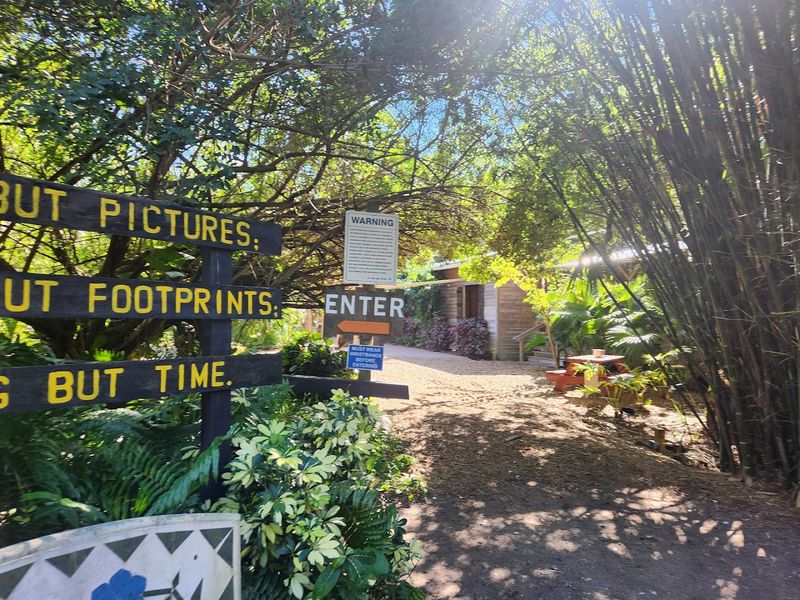
The first thing that hits you when you pull up to 8005 Racetrack Rd, Tampa, is how unexpectedly spacious the property feels. Tucked along a quiet road in the Westchase area of Tampa, Florida, the sanctuary does not look like much from the outside, but that changes the moment you walk through the gate.
Talking parrots greet visitors right at the entrance, setting a playful tone before you have even seen the rest. The staff, most of whom are dedicated volunteers, make check-in smooth and genuinely friendly, walking guests through a quick digital waiver via QR code.
Year-round operating hours run Monday through Friday from 10 AM to 2 PM, with extended weekend hours from 9 AM to 5 PM. Arriving right at opening on a weekend morning means you practically have the whole place to yourself, which is a serious advantage worth planning around.
The Rescue Mission Behind Every Animal Here
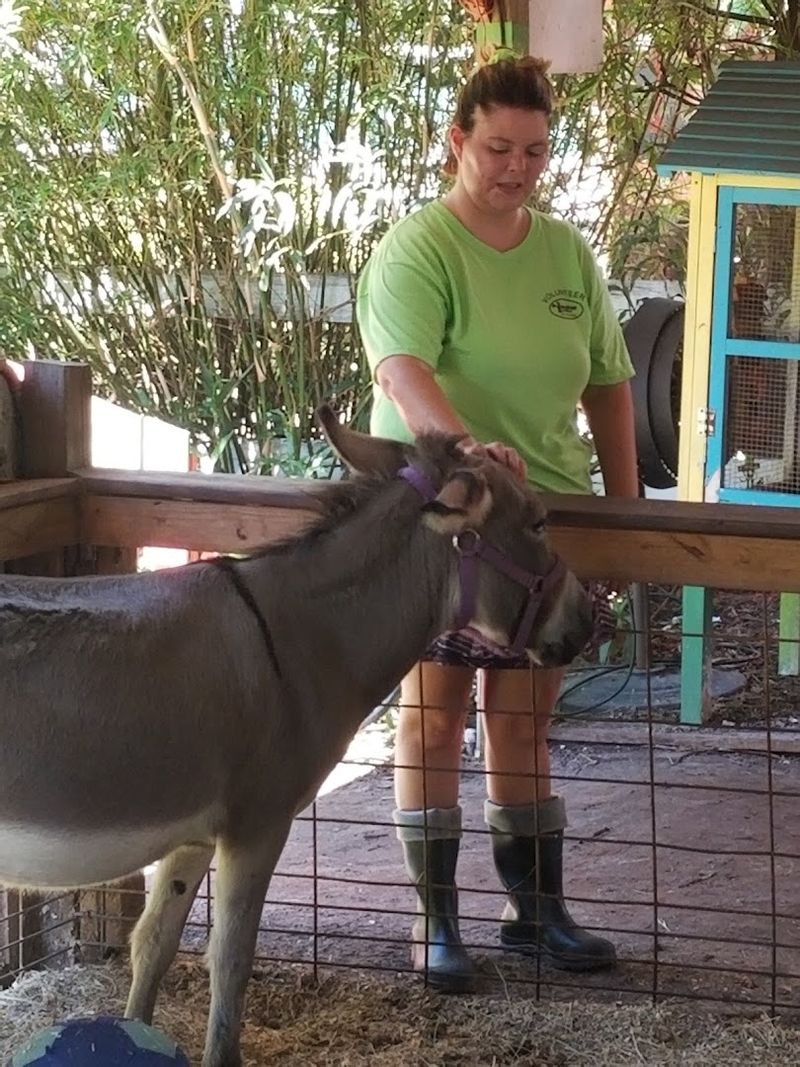
Every creature at this sanctuary arrived with a story, and that is what separates it from a typical petting zoo. HorsePower for Kids is a registered nonprofit, which means every ticket purchased and every donation made goes directly toward the care of animals that could not survive on their own in the wild.
Volunteers are happy to share how individual animals ended up at the sanctuary, from horses that needed rehoming to more exotic species rescued from difficult situations. Hearing those backstories adds a layer of meaning to every interaction that you simply do not get at a standard zoo.
The sanctuary’s founding story is particularly worth reading when you visit, as it reflects a deeply personal commitment to animal welfare and community education. It is the kind of origin tale that makes you appreciate the place on an entirely different level once you know it.
An Astonishing Range of Animals You Did Not Expect
The animal roster here reads like someone dared a wildlife enthusiast to fit as much variety as possible onto a single farm. Zebras, zorses, camels, donkeys, llamas, kangaroos, monkeys, capybaras, miniature horses, miniature cows, peacocks, and wolves are just part of the lineup.
There are also pigs, a wide variety of birds including talking parrots, deer, antelope, guinea pigs, goats, and chickens wandering freely in certain areas. The sheer range means that even adults who thought they had seen everything at a zoo will find something new to stop and stare at.
What makes the variety even more impressive is that the animals are housed in well-maintained, spacious enclosures rather than cramped quarters. The sanctuary clearly prioritizes giving each species enough room to behave naturally, which makes observing them feel more genuine and less like a performance staged for visitors.
Getting Up Close: Hands-On Animal Interactions
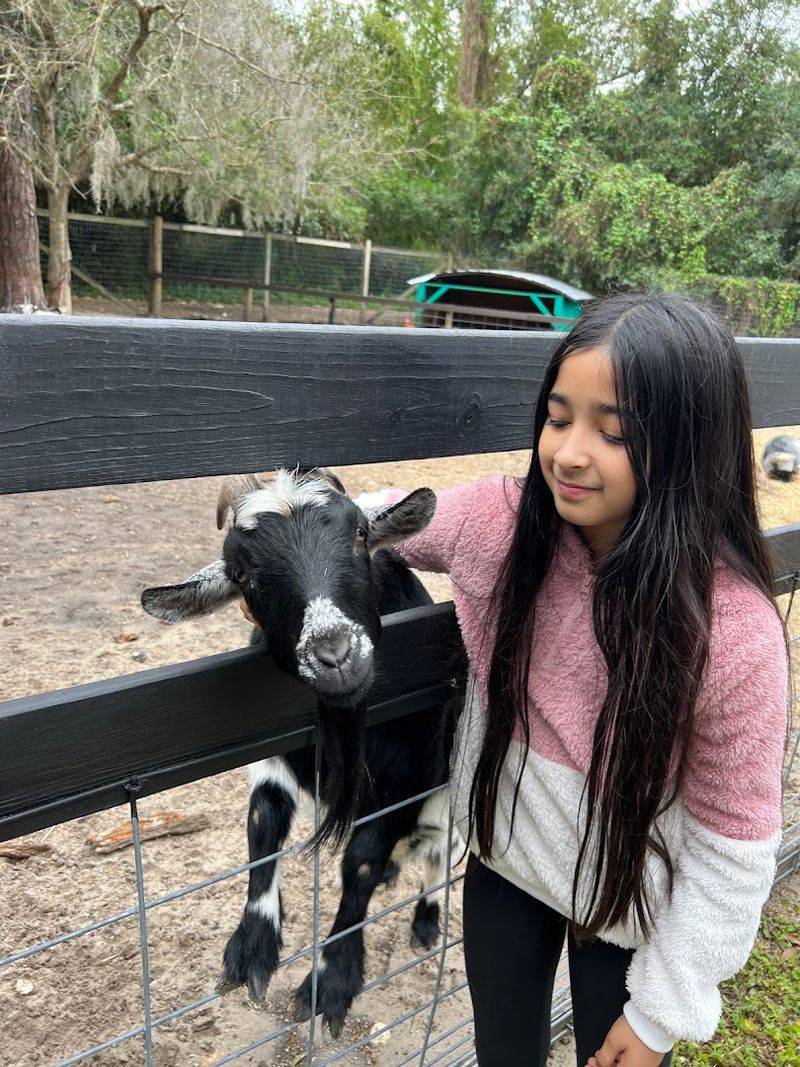
One of the biggest draws here is how close you can actually get to the animals, and I mean genuinely close, not peering-through-glass close. The goat enclosure lets visitors walk right in among the herd, and the energy in there is pure, chaotic joy once anyone pulls out a handful of feed pellets.
The guinea pig area works similarly, with an open zone where kids can sit among the animals and attempt gentle contact. Kangaroos let you pet their famously soft chins, and the camel and zebra at the sanctuary are known for walking straight up to visitors without any prompting.
Good signs throughout the property remind guests which animals are comfortable with touch and which prefer to be admired from a short distance. Following that guidance makes the experience safer and more rewarding for everyone, and it teaches kids a genuinely useful lesson about respecting animals on their own terms.
Meet Houston the Zorse: The Sanctuary’s Showstopper
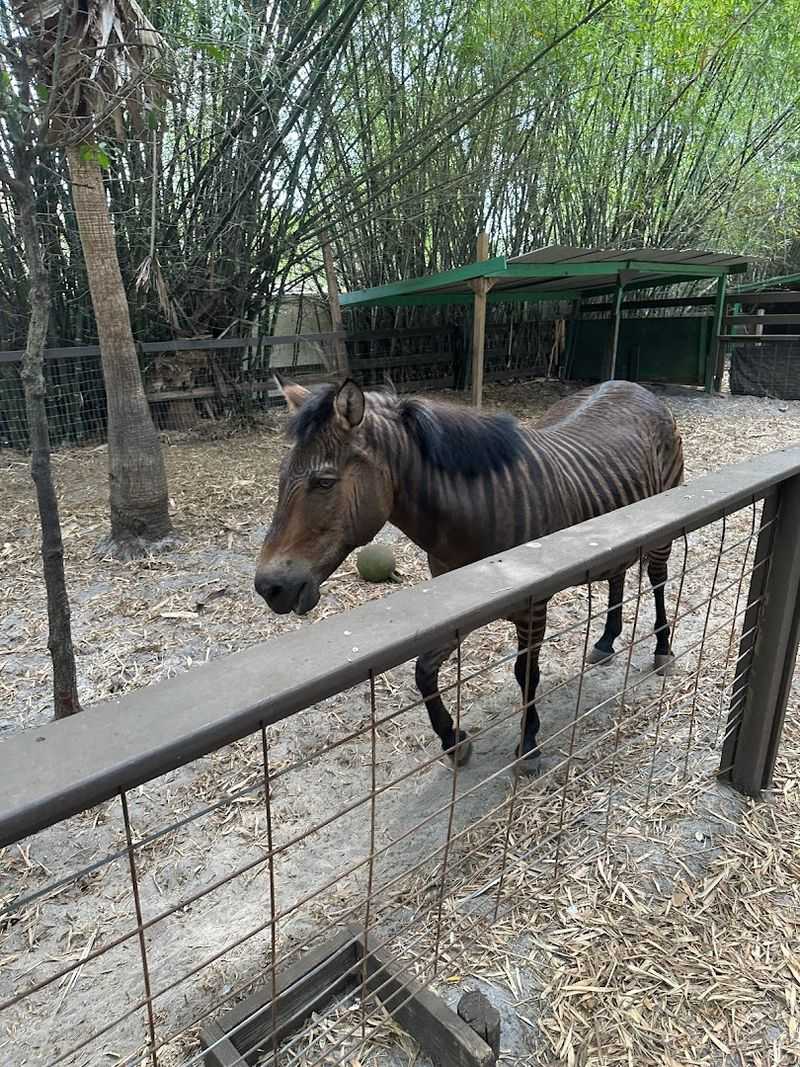
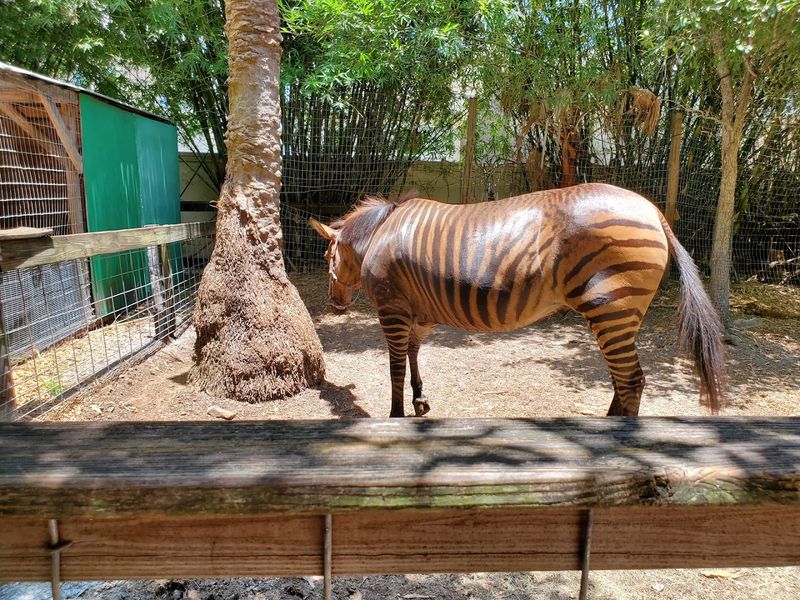
A zorse is exactly what it sounds like: a cross between a zebra and a horse, and Houston is proof that the combination produces something genuinely spectacular. He has the striped legs of his zebra heritage and the warm, curious temperament of a horse, and he is not shy about demanding attention from anyone nearby.
On my visit, Houston stretched his neck over the fence rail and angled his chin upward, making it absolutely clear that a good scratch was expected. It is hard to describe the specific delight of standing in a Tampa field, scrubbing the chin of an animal you have only ever seen in wildlife documentaries.
He has become something of a fan favorite among regular visitors, and it is easy to understand why. Animals with that kind of bold, playful personality tend to leave the strongest impressions, and Houston does not disappoint on that front at all.
Wolf Dogs and Wild Encounters
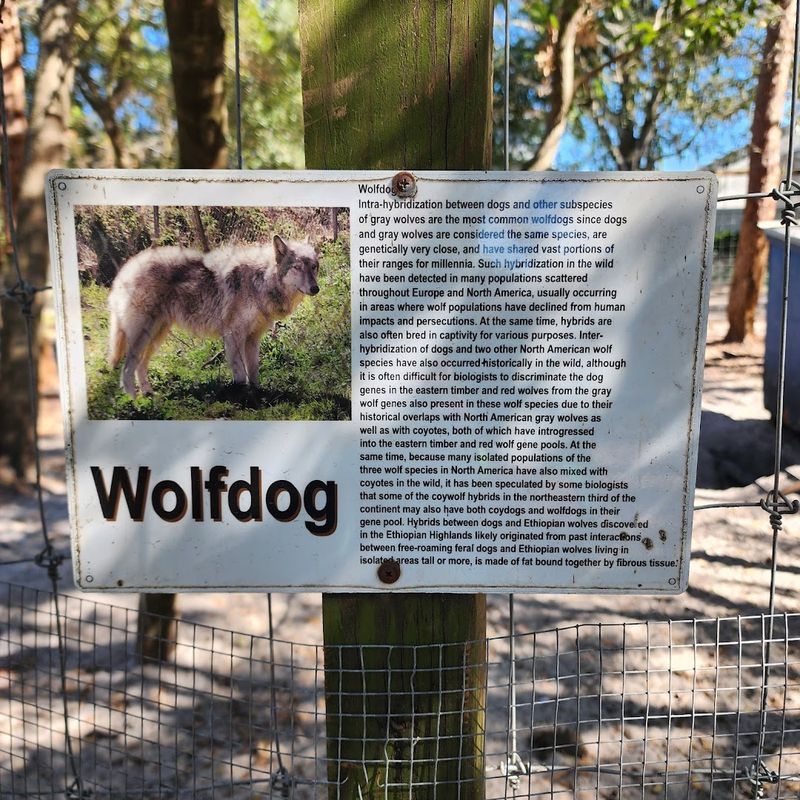
Not every animal at the sanctuary is the cuddly, approachable kind, and that contrast is part of what makes the visit so interesting. The wolf dogs are housed in a secure enclosure with protective mesh, and watching them move and interact with each other feels like a genuine wildlife observation moment.
They are undeniably beautiful, with thick coats and alert, intelligent eyes that follow you as you walk past. On the morning of my visit, they were playful and active, and a few of them came close to the mesh to sniff my hands, which still smelled like Houston from the zorse encounter earlier.
The sanctuary handles the balance between access and safety thoughtfully throughout the property, and the wolf dog area is a good example of that approach. Visitors get an authentic, memorable experience while the animals remain in an environment that genuinely suits their needs and keeps everyone comfortable.
Pony Rides and Horseback Riding for All Ages
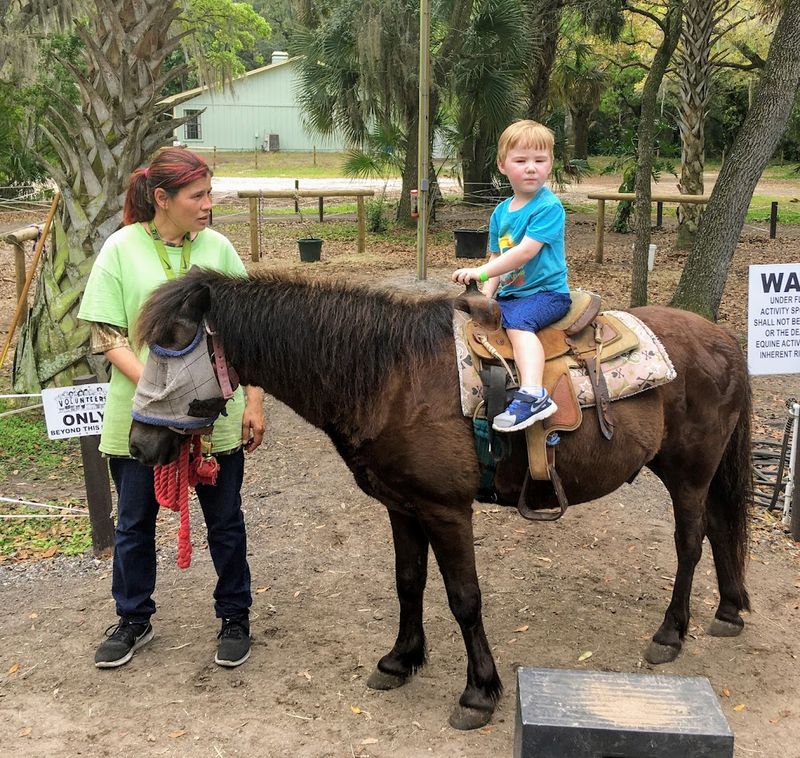
Horseback riding is literally in the name of this place, and the sanctuary delivers on that promise with both pony rides for younger children and horseback riding options for older visitors. The horses and ponies here are well-cared-for, calm, and clearly accustomed to working gently with kids of all comfort levels.
Watching a toddler experience their very first pony ride is one of those moments that makes you understand why this kind of place matters so much to families. The expression of pure, unfiltered amazement on a small child’s face during that first slow lap is worth the entire admission price on its own.
The riding options make HorsePower for Kids stand apart from sanctuaries that only offer viewing experiences. Giving children the chance to sit on a horse, feel its movement, and build a brief but real connection with such a large and gentle animal is something most kids remember for years.
The Train Ride That Tours the Whole Farm
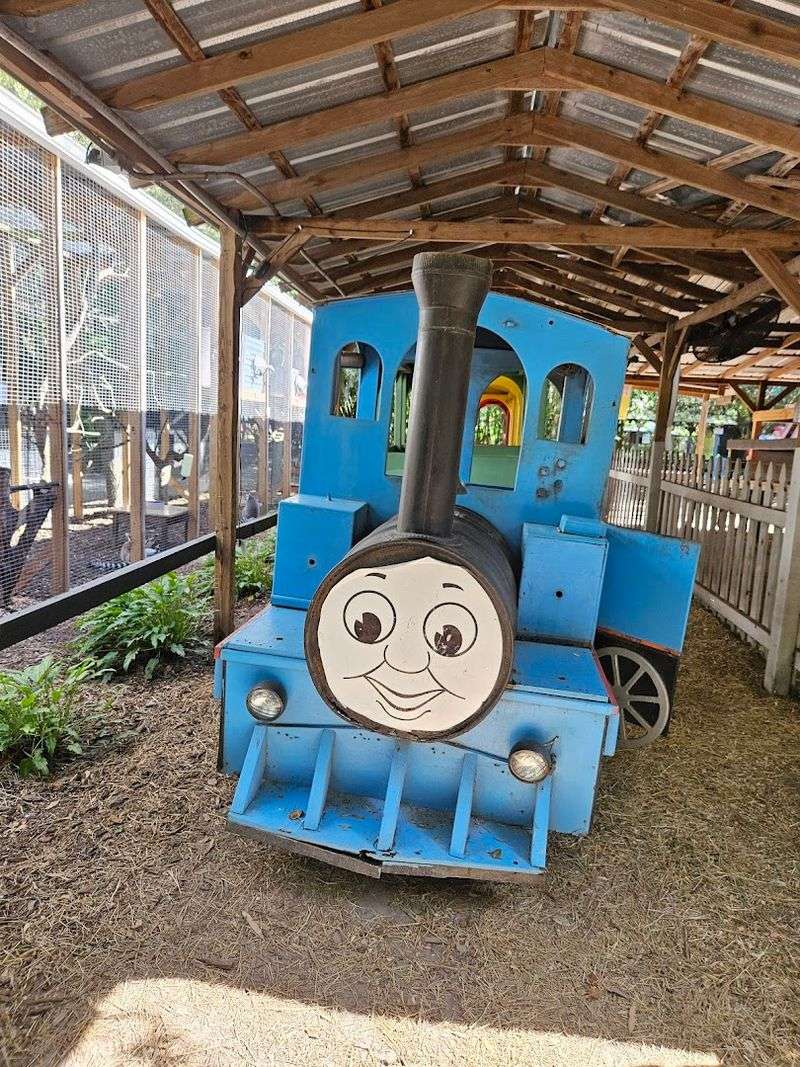
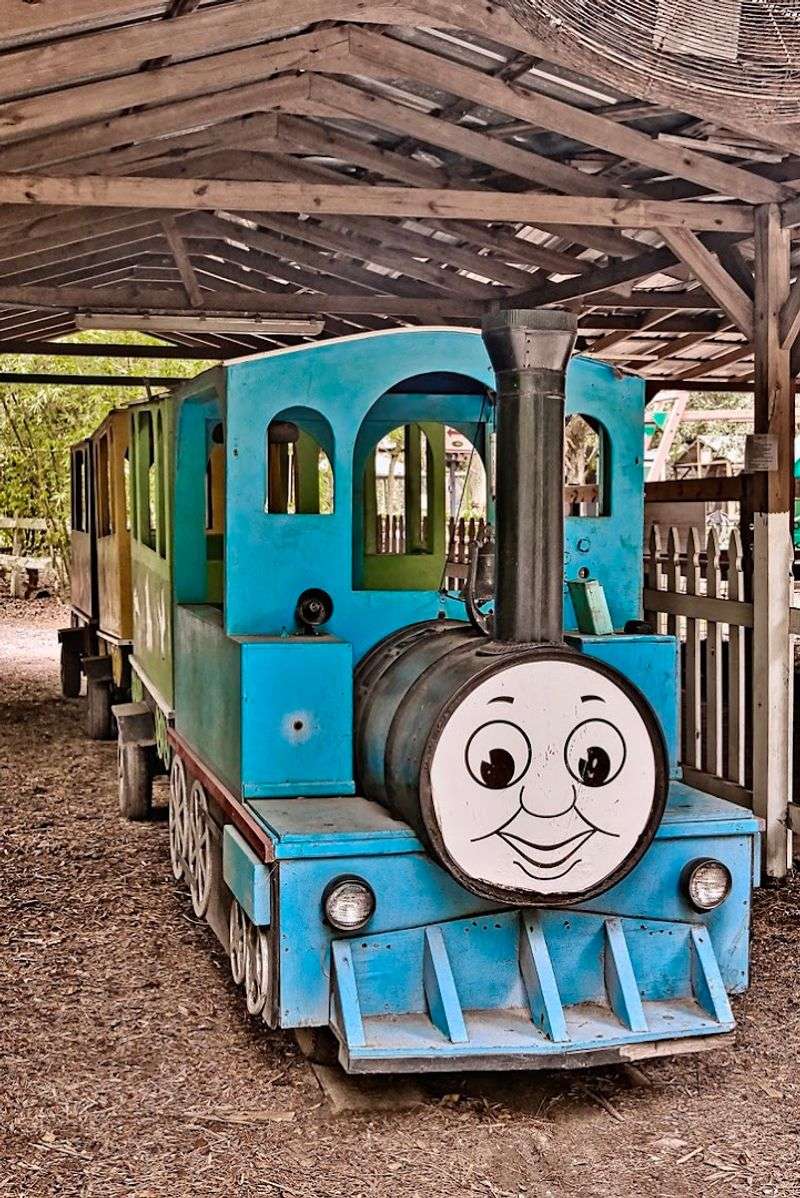
The ride-on model railway at the sanctuary is one of those additions that sounds like a minor bonus but turns out to be a genuine highlight. The train loops through the center of the farm, giving riders a sweeping overview of the property and letting them spot animals from angles that the walking paths do not always offer.
It is especially great for younger children who might be getting tired midway through the visit but still want to keep experiencing everything. Sitting in an open train car while peacocks strut nearby and a camel watches you roll past is a specific kind of surreal that I did not know I needed in my life.
Multiple reviewers specifically called out the train as a must-do activity, and based on my own experience, that recommendation holds up completely. It adds a sense of adventure to the visit that keeps the energy high even during the slower, quieter parts of the afternoon.
The Capybara Experience: A Fan Favorite Worth Booking
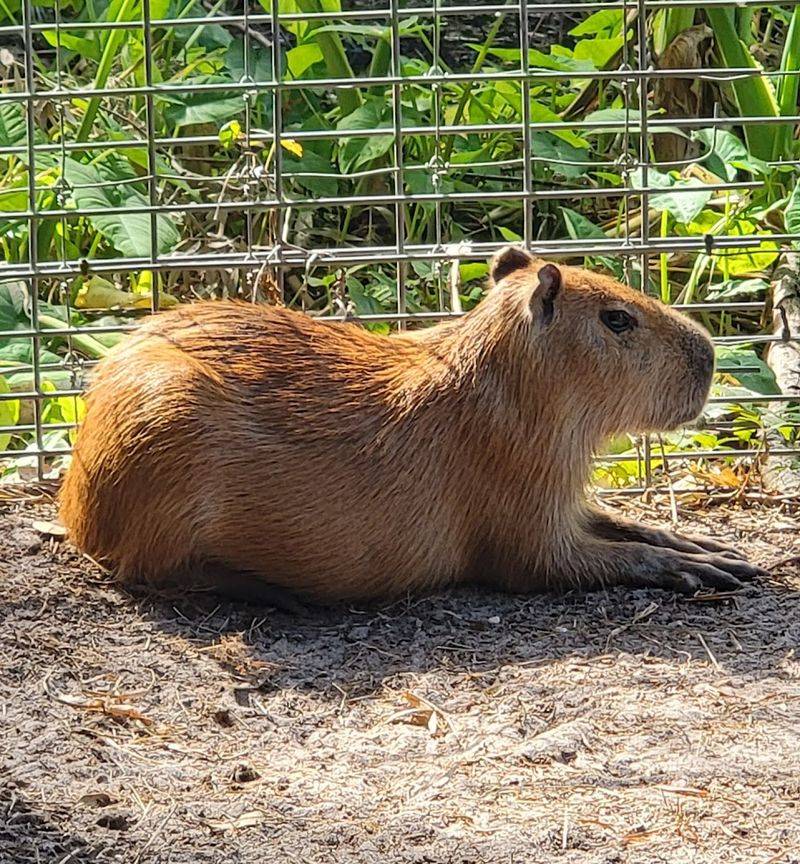
Capybaras have become internet-famous for their absurdly calm, sociable personalities, and the sanctuary has leaned into that enthusiasm by offering a dedicated capybara encounter experience. This is a ticketed add-on that gives visitors a more personal, up-close interaction with these oversized, endearingly relaxed rodents.
Staff members like Desiree, who has been specifically mentioned by multiple visitors for making the capybara experience unforgettable, guide guests through the encounter with clear enthusiasm and genuine knowledge about the animals. The result is an experience that feels personal rather than scripted.
Booking the capybara encounter in advance is a smart move, since spots fill up quickly on busy weekend mornings. For anyone who has ever watched a capybara video online and thought they would love to meet one in person, this is exactly the kind of opportunity that justifies an entire road trip to Tampa.
Talking Parrots, Peacocks, and Birds You Will Not Forget
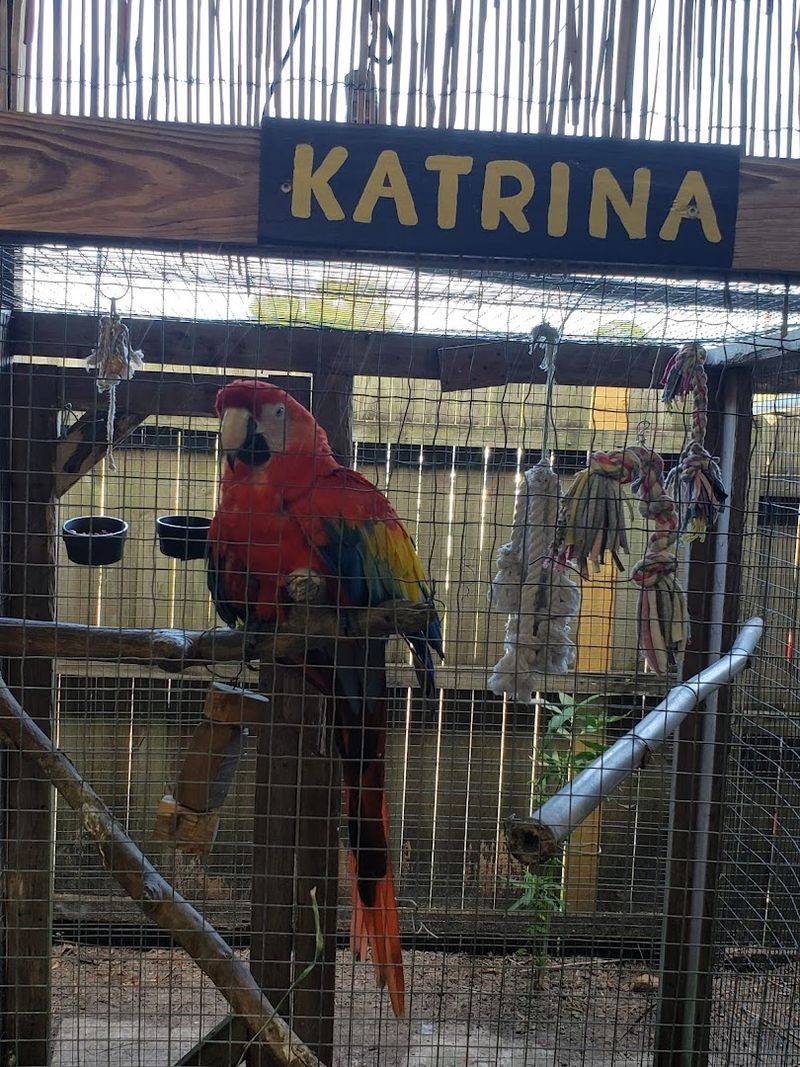
The talking parrots stationed near the sanctuary entrance set an immediately cheerful tone that stays with you throughout the whole visit. They are vocal, colorful, and completely unashamed about demanding attention from every person who walks past, which makes them the unofficial greeters of the entire operation.
Beyond the parrots, the bird population at the sanctuary is surprisingly varied. Peacocks roam freely across parts of the property, fanning their tail feathers without any particular regard for the humans stopping to photograph them, which is exactly the kind of effortless drama that makes for great memories.
There are also chickens, various exotic bird species in enclosures, and other feathered residents that add movement and sound to the overall atmosphere of the farm. The combination of free-roaming and enclosed birds gives the sanctuary a layered, lively quality that makes every corner of the property feel worth exploring.
Play Areas, Zip Lines, and the Corn Pit
The sanctuary is not just about animals, and the play areas scattered across the property make that clear. There are multiple playground structures, a zip line that older kids absolutely love, and a large area filled with dry corn kernels that functions like a sand pit but with a distinctly farm-appropriate twist.
The corn pit is one of those unexpected details that becomes a topic of conversation on the drive home. Kids sink into it, scoop it, and launch themselves through it with the kind of full-body enthusiasm that only happens when something is genuinely new and fun rather than just another plastic slide.
Having dedicated play spaces spread throughout the property is a smart design choice, because it gives adults natural rest points while children burn off energy between animal encounters. Picnic tables and rocking chairs are also available, making it easy to pack a lunch and settle in for a long, unhurried visit.
Birthday Parties and Group Visits Done Right
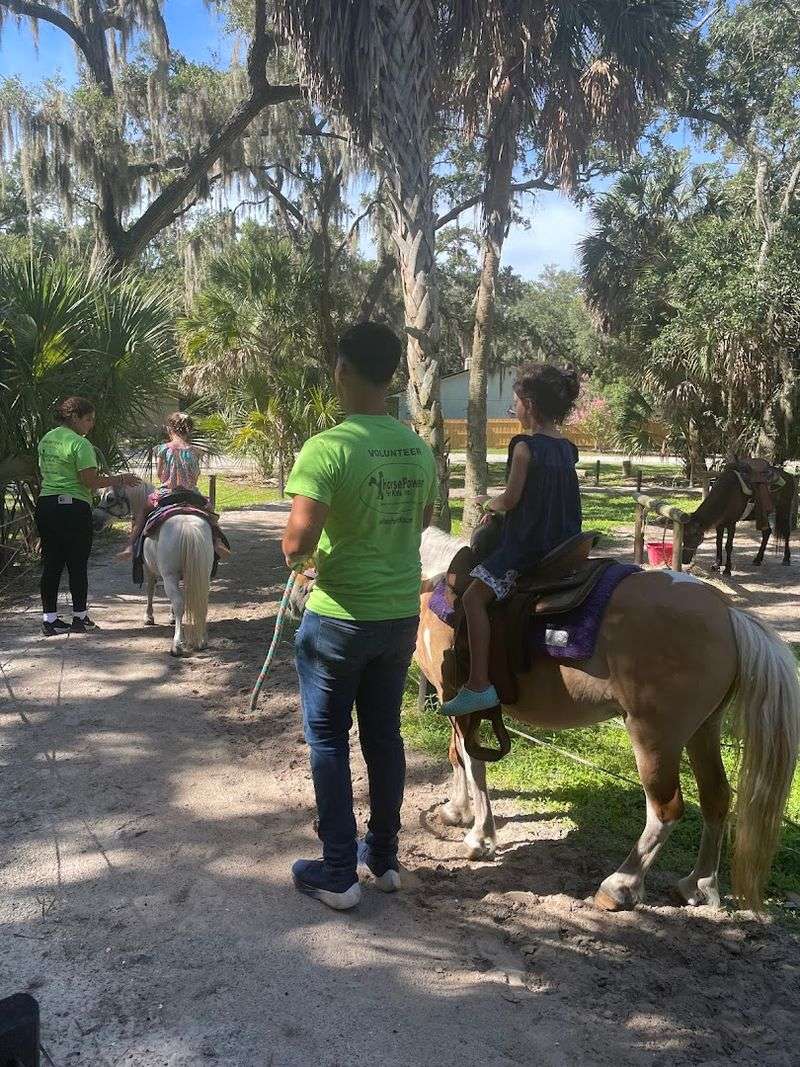
Throwing a birthday party at an animal sanctuary is one of those ideas that sounds adventurous on paper and turns out to be a complete triumph in practice. HorsePower for Kids actively accommodates birthday celebrations and group visits, and the open, spacious layout handles a crowd far better than you might expect from a nonprofit farm.
One reviewer described her granddaughter’s fifth birthday party at the sanctuary as genuinely enjoyable even when light rain rolled through, which says a lot about the overall experience holding up under less-than-perfect conditions. The animals, the train, the play areas, and the friendly staff all combine to keep the energy positive regardless of the weather.
For families looking for a birthday venue that trades cookie-cutter party rooms for something genuinely memorable, this is a strong option. The combination of animal encounters, outdoor space, and hands-on activities gives kids something to talk about long after the cake is gone.
The Fall Festival Tradition That Keeps Families Coming Back
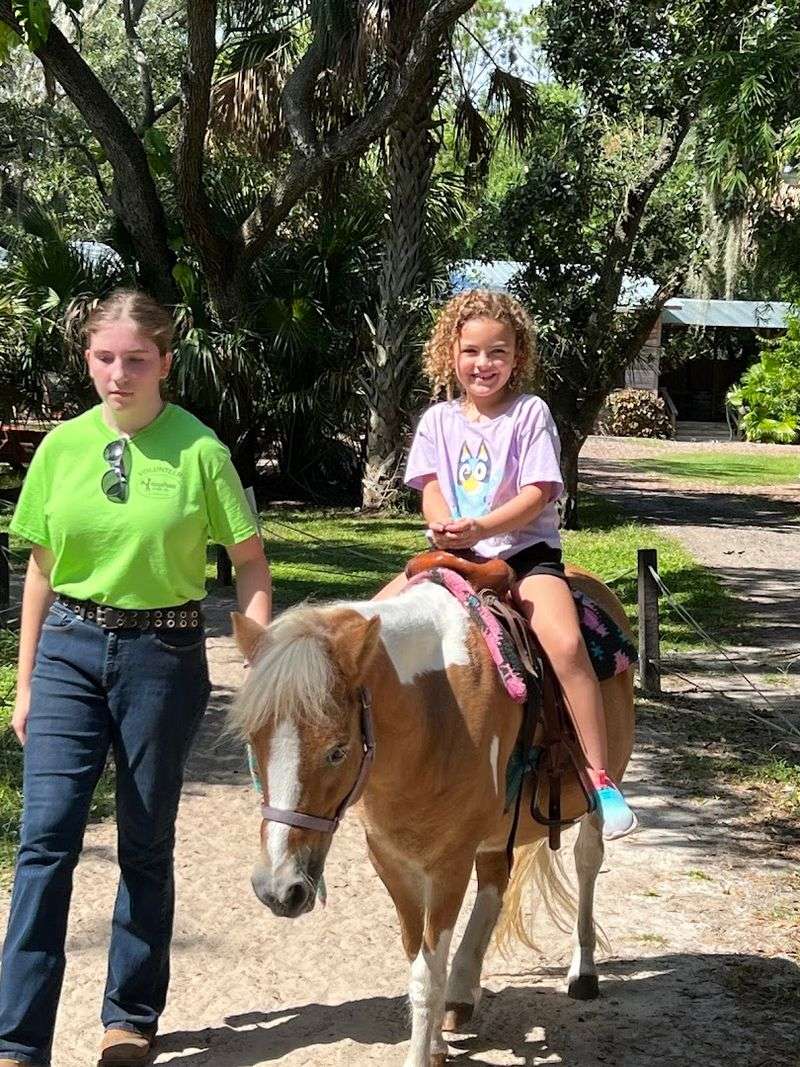
Seasonal events at the sanctuary have developed their own loyal following over the years, with the annual Fall Festival standing out as a particular crowd favorite. Families who attend year after year describe it as a genuine tradition, the kind of event that gets penciled into the calendar months in advance without much deliberation.
The festival adds a festive layer to the already engaging regular experience, with decorations and seasonal touches that make the property feel especially celebratory. For children who have grown up visiting, seeing their favorite animals dressed up in the context of a holiday event adds a comforting sense of continuity to each visit.
The fact that ponies and horses who have been part of the sanctuary for years are recognized and missed by returning visitors speaks to how personal the connection between guests and animals can become here. This is not a place people visit once and forget.
Admission, Pricing, and Financial Assistance Options
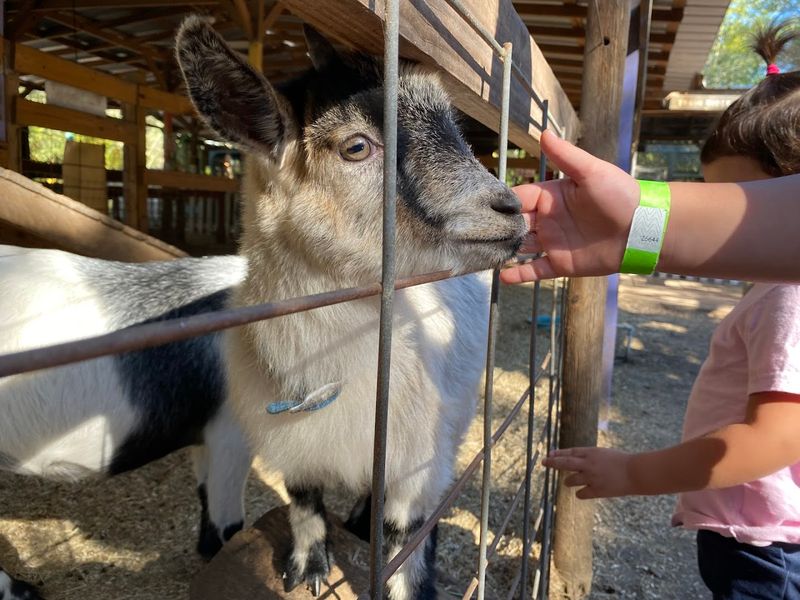
Admission prices at the sanctuary are widely described as reasonable relative to the amount of time and content packed into a visit, and the nonprofit model means every dollar spent directly supports animal care. The sanctuary also offers financial assistance applications for families experiencing hardship, which is a genuinely thoughtful policy that reflects the organization’s community-focused values.
Year passes are available for families who plan to return regularly, and based on how many visitors mention coming back multiple times, those passes represent excellent value. Annual memberships also help support the sanctuary’s ongoing rescue and care work, so they function as both a practical convenience and a contribution to the mission.
Feed pellets for the animals are available for purchase on-site, and bringing a few extra dollars for that purpose is highly recommended. Watching a goat practically vibrate with excitement the moment it spots a pellet cup in your hand is one of the most reliably entertaining moments the whole visit has to offer.
Planning Your Visit: Tips for Getting the Most Out of It
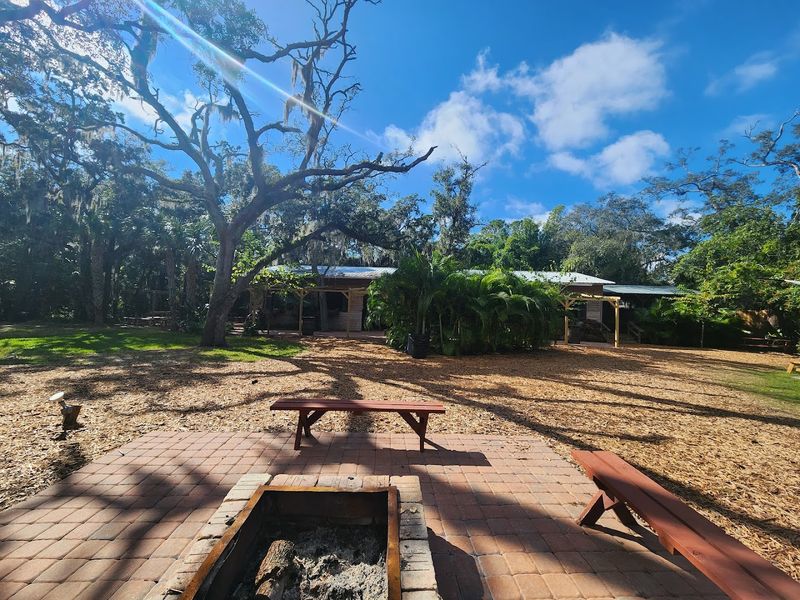
Arriving right at opening time on a weekend is the single best tactical decision you can make for this visit. The animals are most active in the morning, volunteers are distributing breakfast around 10 AM which draws the animals close to the enclosure edges, and the crowd has not yet built up to its midday peak.
Comfortable walking shoes, sunscreen, and a refillable water bottle are practical essentials, since the property is largely outdoors and Florida sun does not take days off. Shaded bamboo walkways help considerably, but the open paddock areas can get warm quickly during peak summer months.
Packing a lunch to enjoy at the picnic tables is a smart move that extends the visit without adding expense. .



