 Unearth The Voyage
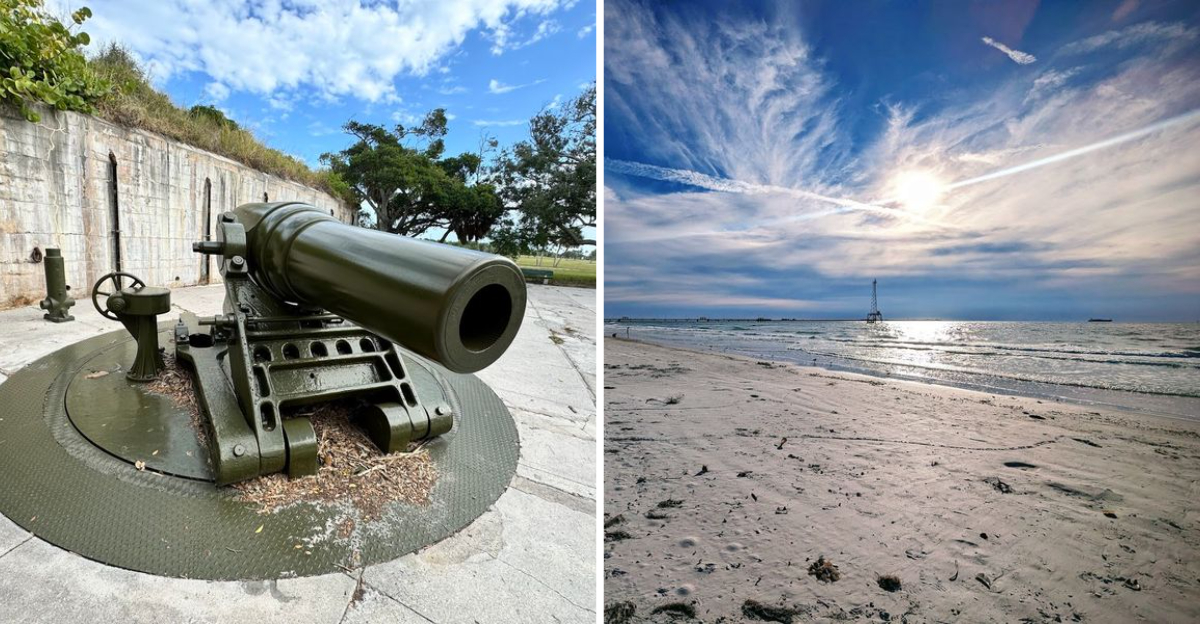
There is a park in Florida where you can walk along a historic military fort in the morning, wade through a calm tidal lagoon with your kids in the afternoon, and watch dolphins leap from a fishing pier at sunset. The whole place sits on five connected barrier islands, and most people drive right past it without knowing it exists.
Fort De Soto Park has been rated one of the best beaches in the country, and once you spend a day here, it is easy to understand why. This article covers everything from the fort’s history and the waterfront trails to camping spots, wildlife, and practical tips that will make your visit smooth from the first turn into the park entrance.
Where Exactly You Will Find This Park
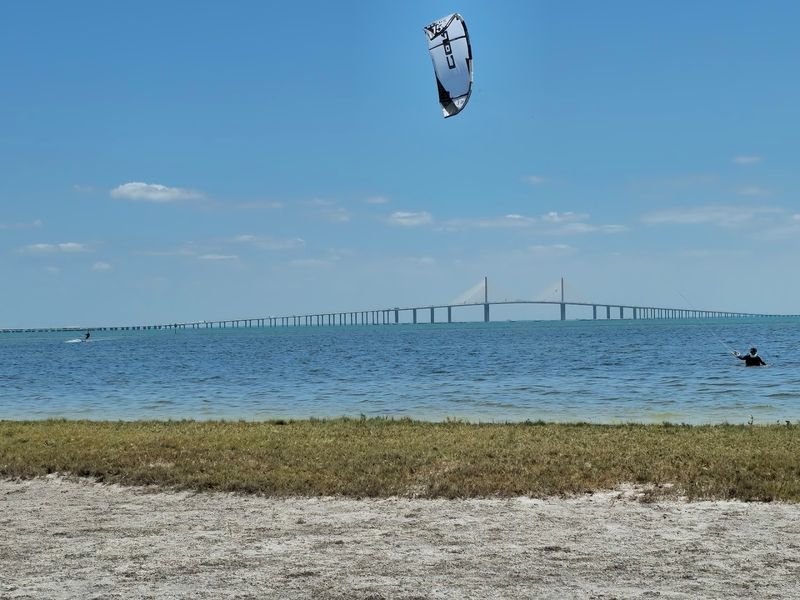
Fort De Soto Park sits at the southern tip of Pinellas County, Florida, spread across five connected barrier islands in Tampa Bay. The official address is 3500 Pinellas Bayway S, Tierra Verde, FL 33715, and you can reach the park by following the Pinellas Bayway south from St. Petersburg.
The park covers about 1,136 acres, and that number alone tells you this is not a small neighborhood green space. Driving from St. Pete takes roughly 30 to 40 minutes depending on traffic, and the route itself is scenic, crossing causeways with water on both sides.
Parking costs just $6 for the entire day, which is a rare deal for a destination this popular. The park closes at sundown, so plan your arrival early enough to make the most of it.
The Story Behind the Historic Fort
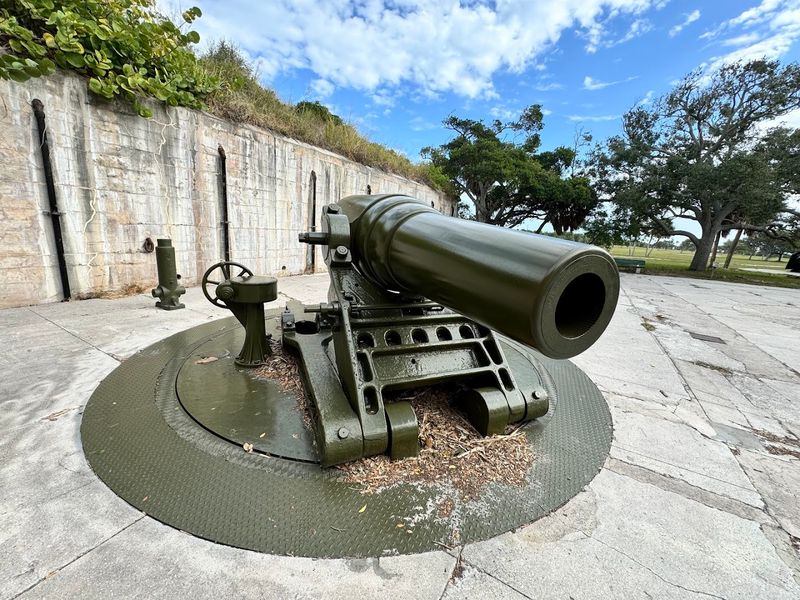
Built between 1898 and 1906, Fort De Soto was constructed as a military defense position at the entrance to Tampa Bay following the Spanish-American War. The U.S.
Army placed the fort here specifically because of its strategic location overlooking the Gulf and the bay.
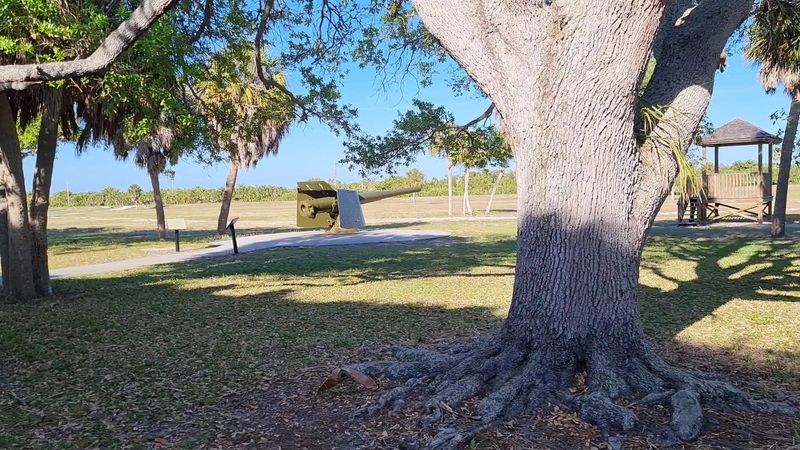
The fort was named after Hernando de Soto, the Spanish explorer who passed through the region in the 1500s. Two massive Rodman cannons, which are among the largest ever made, still sit on the fort’s gun batteries today and give you a real sense of the firepower that was once stationed here.
The fort was never actually used in combat, which explains why the structure is still so well preserved. You can walk through the chambers on the ground level and find historical photos, maps, and building plans that tell the full story of how this coastal defense was built and why.
The Beaches That Keep Visitors Coming Back
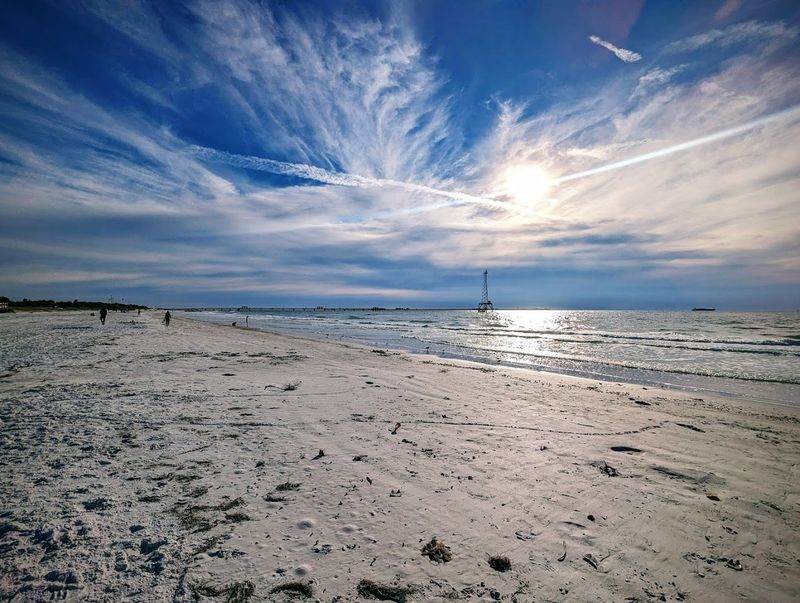
The beaches at Fort De Soto consistently rank among the top beaches in the entire United States, and after a single visit, that reputation makes complete sense. The sand is fine and white, the water is clear and calm in most areas, and the shoreline feels far less crowded than nearby Clearwater or St. Pete Beach.
There are two main beach areas: North Beach and Swim Beach, each with its own character. North Beach is wider and more open, while Swim Beach has calmer water that works well for families with younger children.
A natural tidal lagoon near the swim area creates a shallow, protected pool where kids can wade safely without worrying about strong currents. The water temperature stays warm enough for swimming through much of the year, and the views out across the Gulf on a clear afternoon are the kind that make you forget to check your phone.
Waterfront Trails Made for Slow Exploration
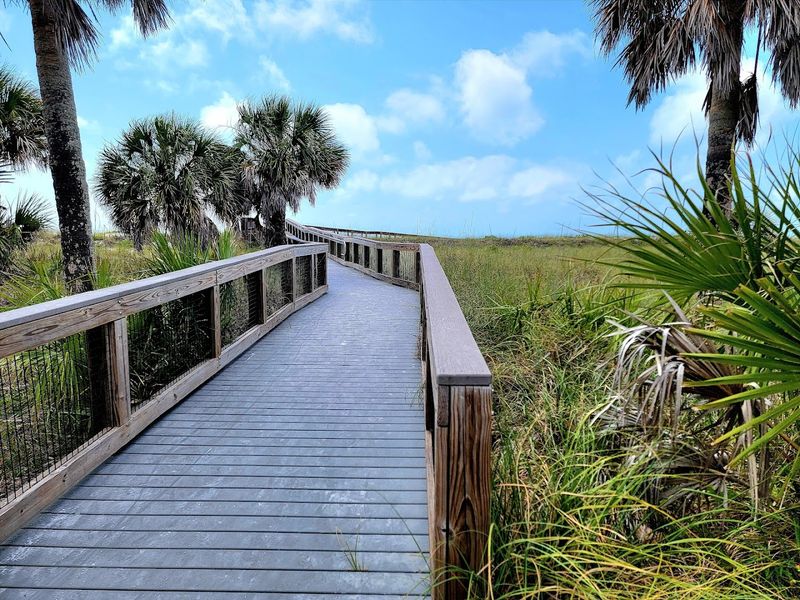
The trail system at Fort De Soto stretches for about 7 miles of paved paths that wind along the waterfront, through wooded sections, and across open bayside areas. Cyclists, joggers, and walkers all share the same routes, and the pace out here tends to be relaxed rather than competitive.
The bayside sections offer some of the most rewarding views, especially in the early morning when the water is glassy and shorebirds are actively feeding along the shoreline. Herons, egrets, pelicans, and roseate spoonbills are regular sights along these paths.
Kayak rentals are available in the park if you want to swap walking for paddling and explore the mangrove-lined channels from the water. The combination of paved trails and water access makes Fort De Soto one of the more versatile outdoor destinations in the Tampa Bay region, and the flat terrain keeps the experience accessible for most fitness levels.
Wildlife That Shows Up Without Warning
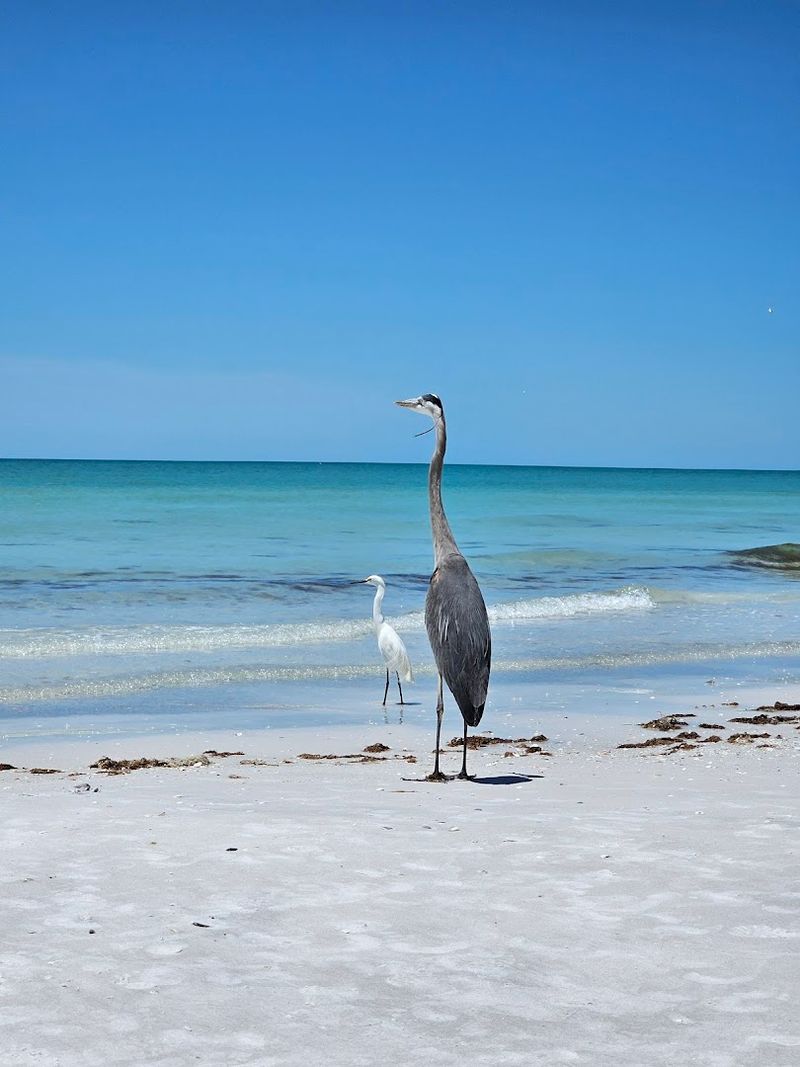
Fort De Soto Park is the kind of place where wildlife encounters happen naturally and often. Dolphins are spotted regularly from the fishing piers, and it is not unusual to see them swimming in small groups just below the pier railings.
The park sits within an important migratory corridor, which makes it a serious destination for birdwatchers. During spring and fall migration seasons, the island attracts warblers, tanagers, and other songbirds that stop to rest before continuing their journeys.
The North Beach area and the bayside mangroves are particularly productive spots for birding.
There are also reports of a small group of free-roaming monkeys in the park, though spotting them requires patience and a bit of luck. Manatees occasionally drift through the calmer bay waters, especially in cooler months.
The variety of species you can observe in a single afternoon here is genuinely impressive for a public day-use park.
Fishing From Two Different Piers
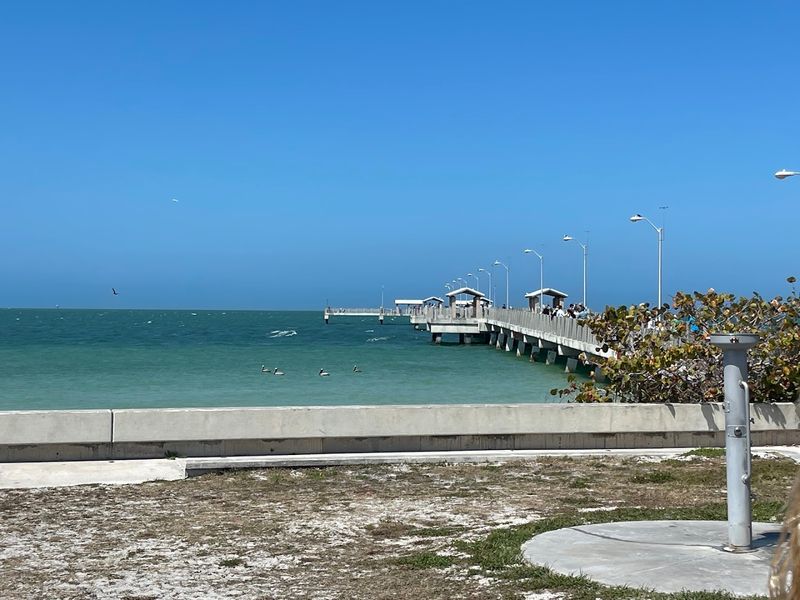
Two fishing piers at Fort De Soto give anglers access to both the Gulf side and the bay side of the park, and neither one requires a fishing license when fishing from the pier itself. That detail alone makes them popular with casual fishers who want a relaxed afternoon on the water without much planning involved.
The Gulf Pier stretches far enough out that you can cast into deeper water and target species like snook, redfish, and Spanish mackerel depending on the season. The bay pier is shorter but still productive, and the surrounding seagrass beds attract a variety of fish year-round.
A snack bar near the main pier serves food and ice cream, so you can grab a bite between casts without leaving the area. The piers are also solid spots for simply watching the water, especially around sunrise and sunset when the light turns the bay into something worth photographing.
Camping Under the Coastal Sky
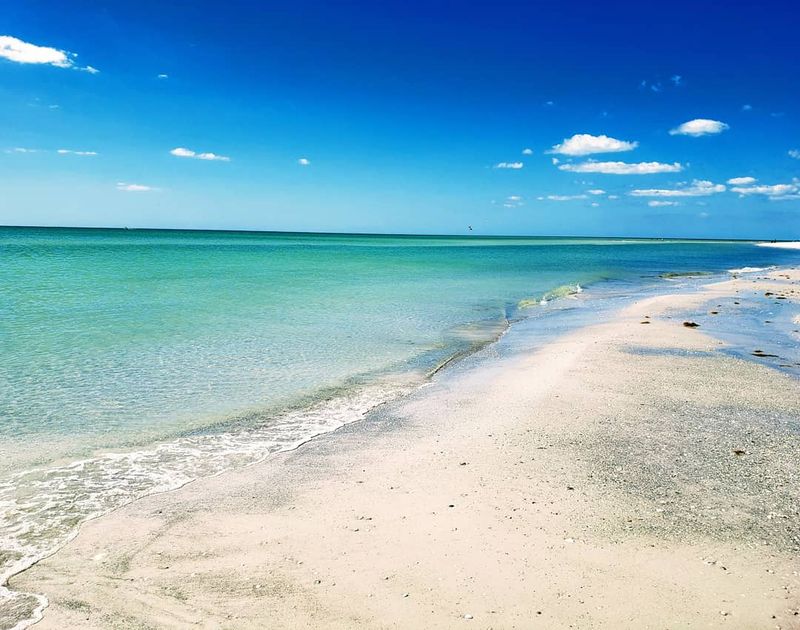
The campground at Fort De Soto offers 238 sites spread across several sections of the park, including waterfront sites that put you just steps from the bay. Each site comes with water, electricity, a picnic table, and a barbecue grill, which covers the basics without feeling overly developed.
Several sites are pet-friendly, and the proximity to the dog beach makes this one of the more dog-welcoming campgrounds in the region. Laundry facilities with washers and dryers are available on-site, which is a practical bonus for longer stays.
Multiple bathhouses with showers keep things comfortable even during multi-night trips.
Pull-through sites accommodate larger rigs, and two dump stations serve the campground. Waterfront sites book up quickly, especially during winter months when snowbirds arrive from colder states.
Reserving several weeks in advance is the smart move if you want a site with a water view rather than a heavily shaded interior spot.
The North End of the Park Is Worth the Extra Drive
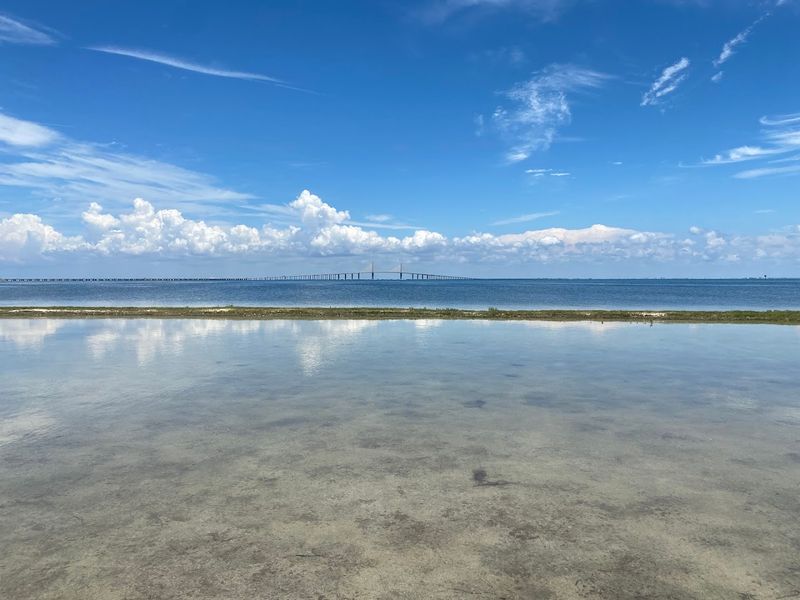
Most visitors park near the main beach or the fort and never make it to the northern end of the park, which means the North Beach area stays noticeably quieter than the rest of the island. The drive up takes only a few minutes, but the change in atmosphere is significant.
The northern tip has a more natural, undeveloped feel with dense coastal scrub, open sandy flats, and long views across the water toward the Sunshine Skyway Bridge in the distance. Shorebirds concentrate along the tidal flats here in large numbers, and the area is one of the best spots in the park for watching pelicans and terns up close.
There are picnic tables scattered throughout the area, and the relative quiet makes it a good choice for anyone who prefers their outdoor time without a crowd nearby. Arriving early gives you the best chance of having a stretch of beach almost entirely to yourself.
A Dog Beach That Actually Delivers
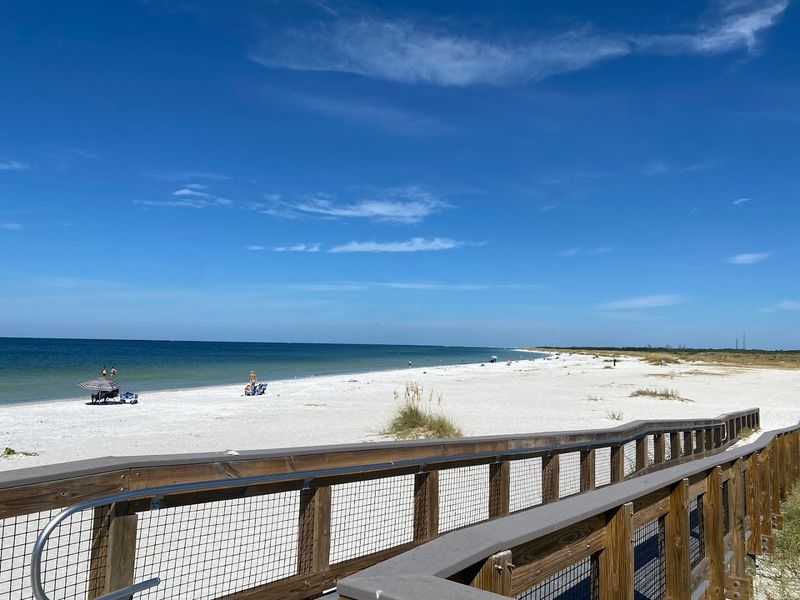
The dog beach at Fort De Soto is one of the best in Florida, and that is not a casual claim. The beach gives dogs direct access to the water, and a separate fenced dog park sits nearby for off-leash play in a contained space.
A hose station is available for rinsing off sandy pups before the drive home.
The setup is genuinely well thought out. A pathway behind the main beach area lets you bypass the busier sections near the parking lot entrance, which makes the arrival experience much calmer for reactive or nervous dogs.
Clean restrooms are located right next to the dog beach, which is a convenience most dog parks forget to include.
Campers with dogs can book sites in the pet-friendly camping section, which sits close enough to the dog beach to make morning and evening beach runs easy. Fort De Soto takes its four-legged visitors seriously, and it shows in the facilities.
Sunsets That Make You Forget Your Schedule
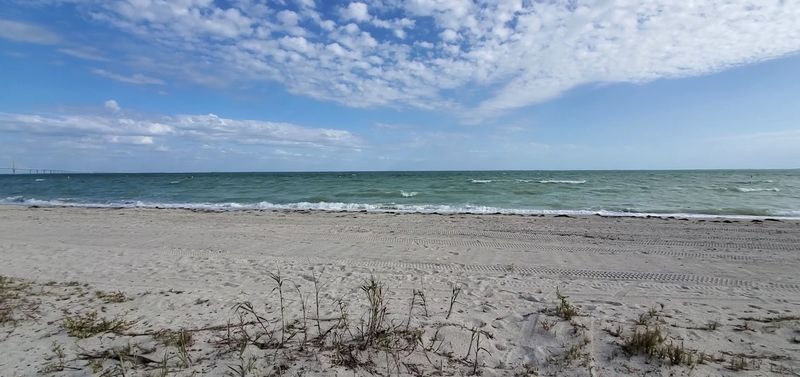
The sunsets at Fort De Soto are the kind that stop conversations mid-sentence. The park’s position on the Gulf side of Pinellas County means you get an unobstructed western horizon, and on clear evenings, the sky cycles through orange, pink, and deep red before fading into a dark purple.
The fishing pier is one of the best vantage points because it puts you out over the water with a 360-degree view of the sky. The bay side offers a different perspective, with the water reflecting the colors and the mangroves framing the scene in the foreground.
Arriving at the pier about 30 minutes before sunset gives you time to find a good spot and settle in without rushing. Bring a light jacket in the cooler months because the temperature drops noticeably once the sun goes down, and the park closes at sundown, so plan your exit accordingly.
Picnic Areas and Family-Friendly Spots
Picnic shelters and open picnic tables are spread throughout Fort De Soto in generous numbers, and many of them sit close enough to the water that you can eat lunch while watching boats pass through the bay. The park is large enough that even on busy weekends, finding a quiet table is rarely a problem.
Several playgrounds are scattered across the park, which gives younger kids a place to burn energy between beach sessions. The combination of playground access, calm wading areas, and shaded picnic spots makes this a strong choice for families with children of different ages who want different things from the same outing.
The snack bar near the main pier serves chicken tenders, fries, ice cream, and other casual food options at reasonable prices. Bringing your own cooler is always a good idea for a full day visit, but the on-site food options are solid enough that you will not go hungry if you forget.
Kayaking and Paddling the Mangrove Channels
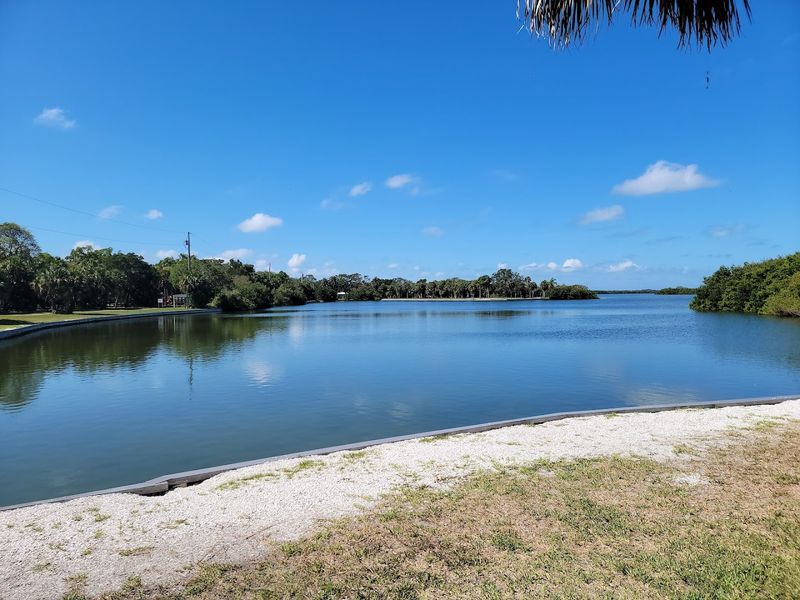
Kayak rentals are available inside the park, making it easy to get on the water without hauling your own gear down from wherever you are staying. The mangrove-lined channels that wind through the interior of the island system are calm, sheltered, and full of wildlife that you simply cannot see from the trails.
Paddling through the mangroves puts you at water level with herons, egrets, and small fish darting through the roots below the surface. The channels connect to open bay areas where the views expand and you can sometimes spot dolphins or manatees moving through the shallower water.
The park also has a canoe and kayak launch area that makes getting in and out of the water straightforward. Early morning is the best time for paddling because the wind is typically lighter and the wildlife is more active.
A few hours on the water here covers a lot of ground and offers a completely different perspective on the park.
Birdwatching at One of Florida’s Finest Spots
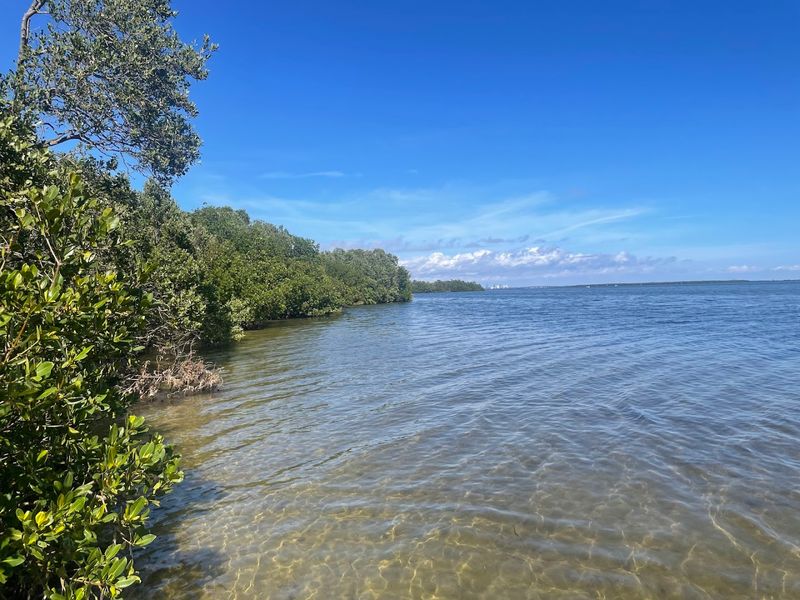
Fort De Soto Park has earned a serious reputation among birdwatchers, and the park is officially recognized as an important birding area by the American Bird Conservancy. The combination of beach, mangrove, tidal flat, and scrub habitat within a single park creates conditions that attract an unusually wide variety of species.
Roseate spoonbills are one of the most visually striking birds you might encounter, and they feed regularly in the shallow tidal areas along the bayshore. Wading birds like great blue herons, tricolored herons, and snowy egrets are present year-round, while spring and fall migration seasons bring warblers, flycatchers, and shorebirds in impressive numbers.
The North Beach area and the bayside trail sections near the fishing pier are the most consistently productive spots for birding. Bringing binoculars is strongly recommended, and arriving in the early morning hours when bird activity peaks will make the visit significantly more rewarding than a midday arrival.
Practical Tips for a Smooth Visit

A few practical details can make a real difference in how your day at Fort De Soto goes. Parking costs $6 for the full day and can be paid through a mobile app or at the pay stations near the lots.
International visitors have occasionally had trouble with the app, so arriving with a backup payment method is wise.
The park closes at sundown, which means your exit time shifts with the seasons. Arriving early is always the better strategy, especially on weekends between November and April when the park draws its heaviest crowds.
Restrooms are clean and well-maintained throughout the park, and trash cans are placed frequently enough that littering really has no excuse here.
Bringing sunscreen, water, and a light snack is the minimum preparation for a full day visit. Cell service is generally reliable throughout the park, and the park rangers are consistently described as helpful and approachable when you have questions.



