 Unearth The Voyage
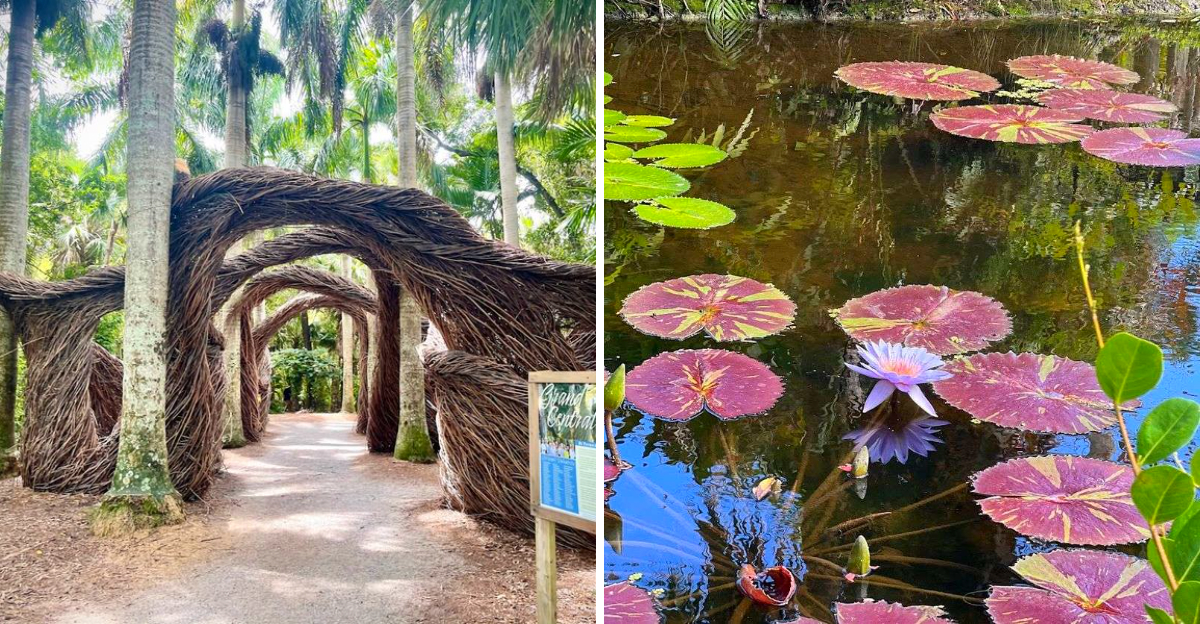
There is a botanical garden in Vero Beach, Florida, that has been quietly blowing visitors’ minds for nearly a century, and most people driving past it on US-1 have absolutely no idea it’s there. Spread across 18 lush acres, it holds one of the most celebrated waterlily collections in the entire country, along with jungle-like trails, towering oaks, and rotating art installations that make every visit feel a little different.
The garden has a rich backstory, a surprisingly fun children’s area, a cafe that takes its smash burgers very seriously, and a seasonal lights display that transforms the whole place into something out of a storybook. Whether you are a nature enthusiast, a family looking for a half-day adventure, or simply someone who appreciates beautiful, thoughtfully designed spaces, this place has a way of exceeding every expectation.
A Historic Garden Right on US-1
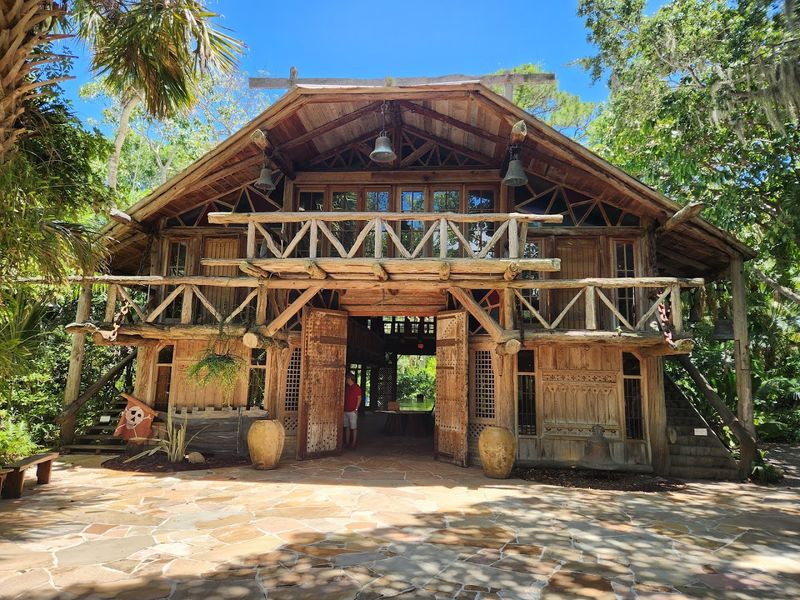
Not every landmark announces itself with fanfare, and McKee Botanical Garden at 350 US-1, Vero Beach is proof of that. You could drive past it a dozen times without realizing what hides behind that modest entrance.
The garden was originally established in 1929 by Waldo Sexton and Arthur McKee, two entrepreneurs with a shared passion for exotic plants and bold ideas. What began as a 80-acre tropical paradise eventually shrank over decades, but the remaining 18 acres were lovingly restored and reopened to the public in 2001.
The address sits right along the historic US Highway 1 corridor, making it surprisingly easy to find once you know to look for it.
The Famous Waterlily Collection

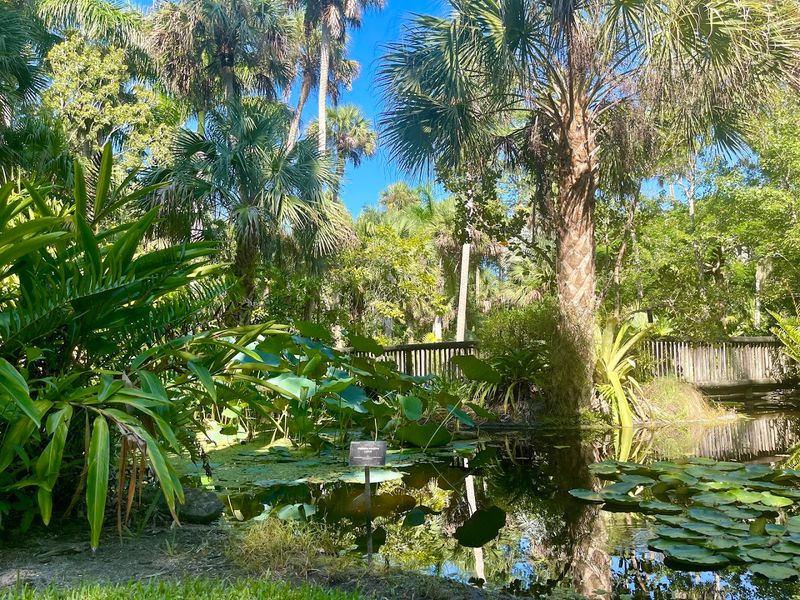
Few collections in America can rival what McKee Botanical Garden has cultivated in its celebrated waterlily pond. The star of the show is the Victoria amazonica, a species with pads so massive they can reportedly support the weight of a small child.
Arthur McKee was obsessed with these extraordinary plants, and his original collection helped put this garden on the national map for botanists and garden enthusiasts alike. The current collection continues that legacy with meticulous care and seasonal attention to keep the plants thriving in Florida’s subtropical climate.
Visiting the waterlily pond feels genuinely theatrical. The pads stretch across the water’s surface in overlapping circles, and the blooms that emerge are creamy white and softly fragrant.
Early morning visits tend to offer the clearest reflections and the most peaceful atmosphere, though honestly, the pond earns its reputation at any hour of the day.
Shaded Jungle Trails Through Exotic Flora
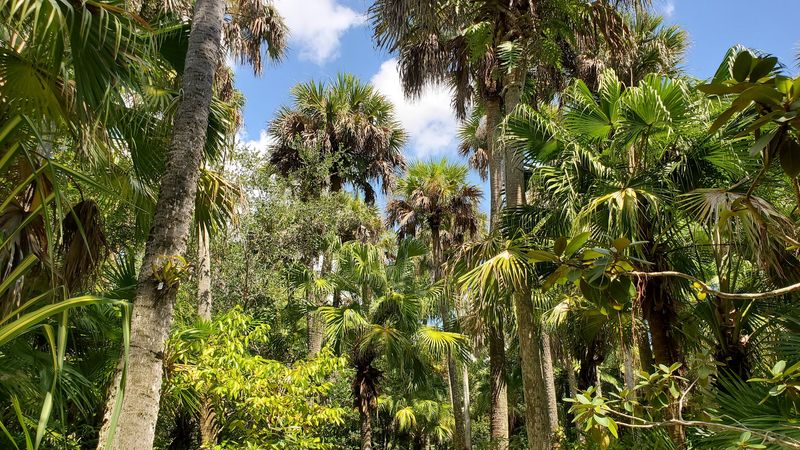
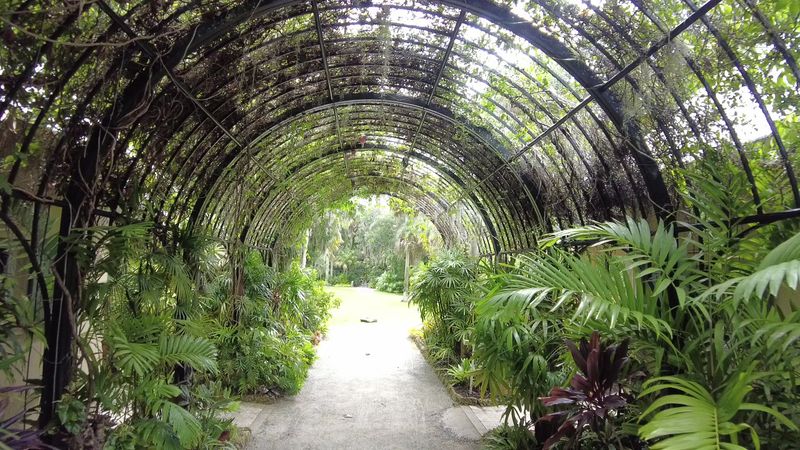
The trail system here feels less like a maintained garden path and more like a well-behaved version of a Florida jungle. Giant ferns brush against your arms, towering palms create a natural ceiling, and the air smells faintly of earth and greenery in the best possible way.
The 18-acre property packs a remarkable variety of native and exotic plants into its walking routes, so every turn tends to reveal something you were not expecting. Orchids cling to tree bark, bromeliads catch rainwater in their cups, and the occasional blue crab makes a surprise appearance near the water features.
The shade coverage is genuinely impressive, which matters a lot in a state where the sun does not negotiate. Even on warm days, the canopy keeps the trails comfortable enough to enjoy at a slow, exploratory pace.
Comfortable walking shoes are a smart call before you set out.
Rotating Art Installations Across the Grounds
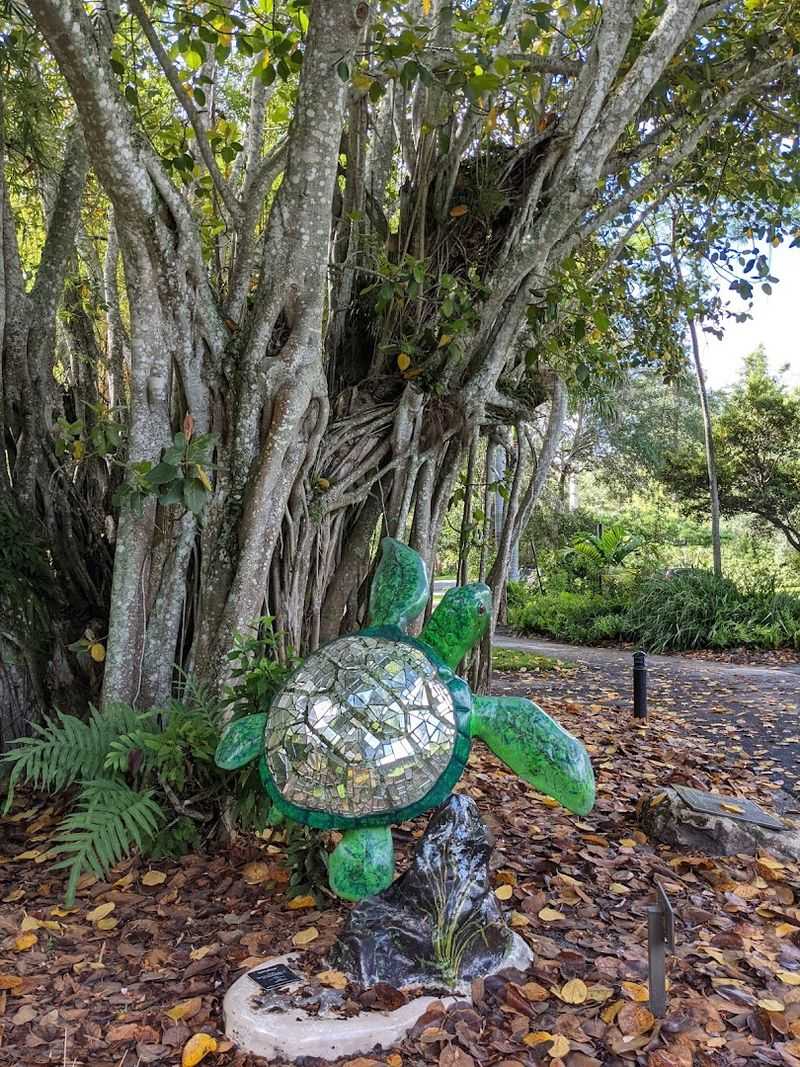
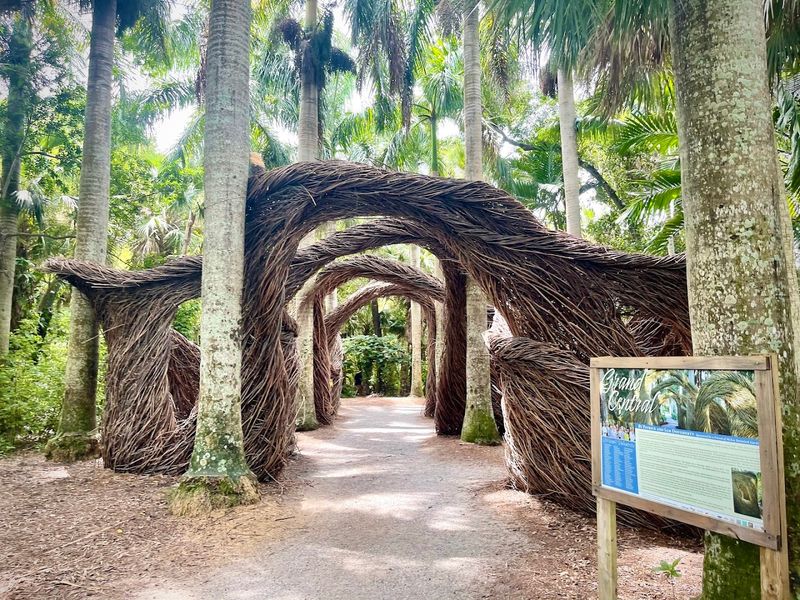
One of the things that keeps regular visitors coming back is the garden’s commitment to rotating art installations throughout the year. The grounds double as an open-air gallery, and the combination of sculpture and subtropical landscape creates something genuinely striking.
The Florigami event, which features large origami-inspired sculptures placed throughout the garden, has been a particular crowd-pleaser. Geometric paper-folded forms sitting among banana trees and palm fronds create a visual contrast that somehow works perfectly.
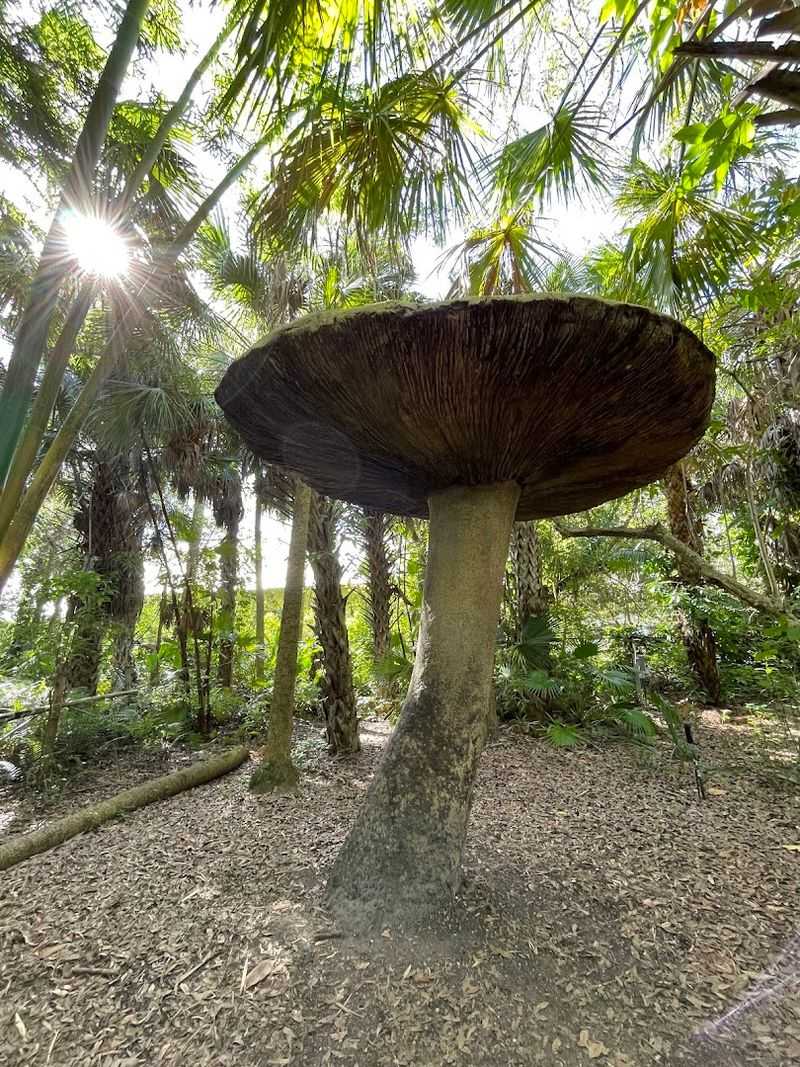
Past installations have also included glowing light columns, bird sculptures, and oversized mushrooms that feel like they belong in a fantasy novel.
What makes the art program special is how thoughtfully each piece is placed within the landscape. Nothing feels dropped in randomly.
Each installation seems to respond to the plants and water around it, turning a simple garden stroll into something closer to a curated gallery experience with much better air quality.
The Children’s Play Area and Pirate Ship
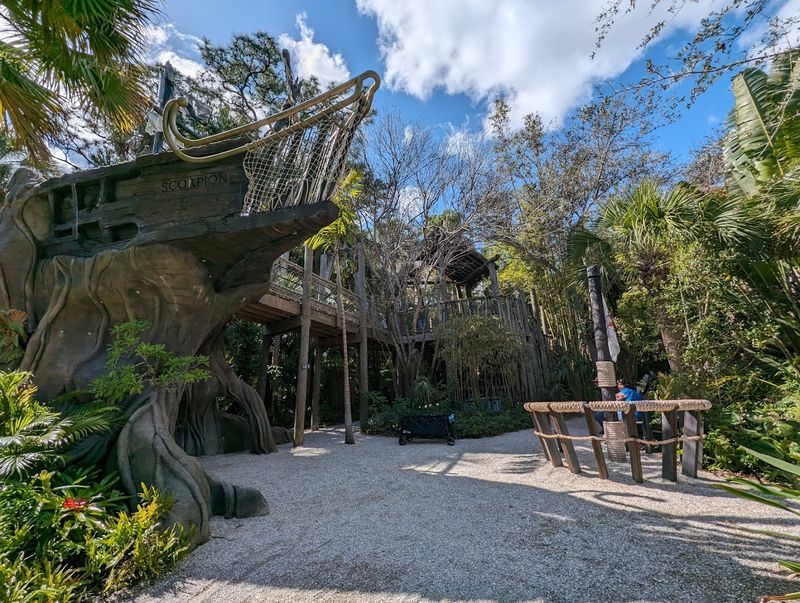
Families with young kids will find that the children’s section alone justifies the admission price. The centerpiece is a genuinely impressive pirate ship playground built up among the trees, complete with slides, climbing structures, and enough nooks to keep adventurous kids occupied for a solid stretch of time.
Beyond the pirate ship, there are talking mushrooms that delight younger visitors, a kaleidoscope garden full of color, and a splash pad water feature that becomes the most popular spot on warm Florida afternoons. The layout of the play area is creative and far from the cookie-cutter equipment you find at most public parks.
Parents tend to appreciate that the children’s zone blends seamlessly into the garden’s natural surroundings rather than feeling bolted on as an afterthought. The shade trees overhead and the lush plantings around the perimeter make it a comfortable space for adults to relax while kids burn through their energy reserves.
The Cafe With the Smash Burger That Earns Its Reputation
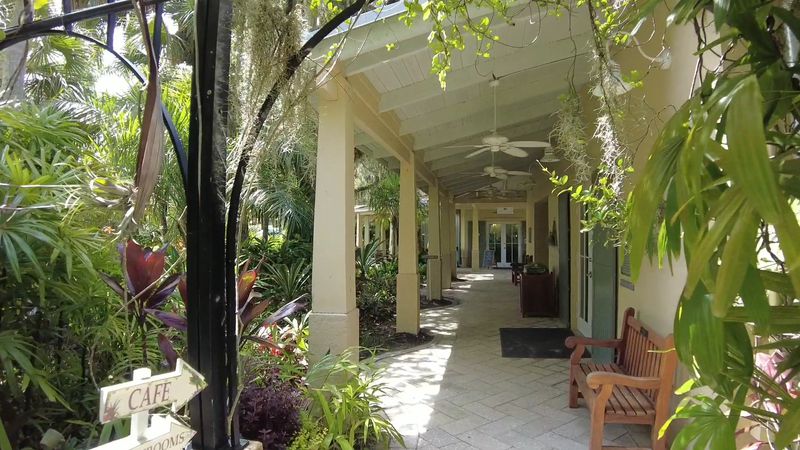
The on-site cafe at this garden does not coast on the beauty of its surroundings to distract from mediocre food. The smash burger has developed a genuine reputation among visitors, and after tasting it, the confidence behind that claim makes complete sense.
Tables are arranged beneath giant oak and palm trees, so lunch here feels less like a quick pit stop and more like a proper al fresco dining experience. The menu covers light refreshments alongside more substantial options, and the tiramisu has earned its own devoted following among repeat visitors.
One practical note worth keeping in mind: the cafe closes earlier than the garden itself, so arriving hungry at 4 PM might leave you disappointed. Showing up for a midday meal and then continuing your garden exploration afterward is the smartest approach.
The combination of good food and beautiful surroundings makes for an afternoon that feels genuinely restorative.
The Jungle Lights Christmas Event
Come December, the garden transforms into something that deserves its own category of experience. The Jungle Lights display fills the entire property with illuminated animal sculptures, glowing Christmas trees, light-up mushrooms, and pathways that seem to flicker with their own quiet energy.
The production quality is noticeably high for a regional garden event. Lights are tucked into tree canopies, reflections shimmer across the water features, and the overall effect is immersive in a way that photographs struggle to fully capture.
The event draws families, couples, and anyone who appreciates a beautifully executed seasonal display.
Tickets for the evening event are priced separately from regular daytime admission, typically around $30 per adult, which represents solid value given the scale of the installation. The event does attract crowds, particularly on weekends, so arriving early in the evening gives you the best chance to move through the garden at a comfortable, unhurried pace.
The History Behind Waldo Sexton and Arthur McKee

The story behind this garden is as colorful as the plants themselves. Waldo Sexton was a larger-than-life Florida entrepreneur known for his eccentric collecting habits and his love of building unusual things, while Arthur McKee was a businessman with a deep fascination for tropical horticulture.
Together, they created what was originally known as McKee Jungle Gardens, which opened in 1929 and quickly became one of Florida’s most visited attractions during the mid-twentieth century. At its peak, the garden covered 80 acres and drew visitors from across the country who came specifically to see the exotic plant collections and the famous waterlilies.
Declining attendance and development pressure eventually led to the garden’s closure in 1976, and much of the land was sold off. A dedicated group of conservationists purchased the remaining 18 acres in 1995 and spent years restoring it before the current McKee Botanical Garden reopened in 2001, honoring the original vision while adapting it for a new era.
Water Features and Reflective Ponds Throughout the Garden
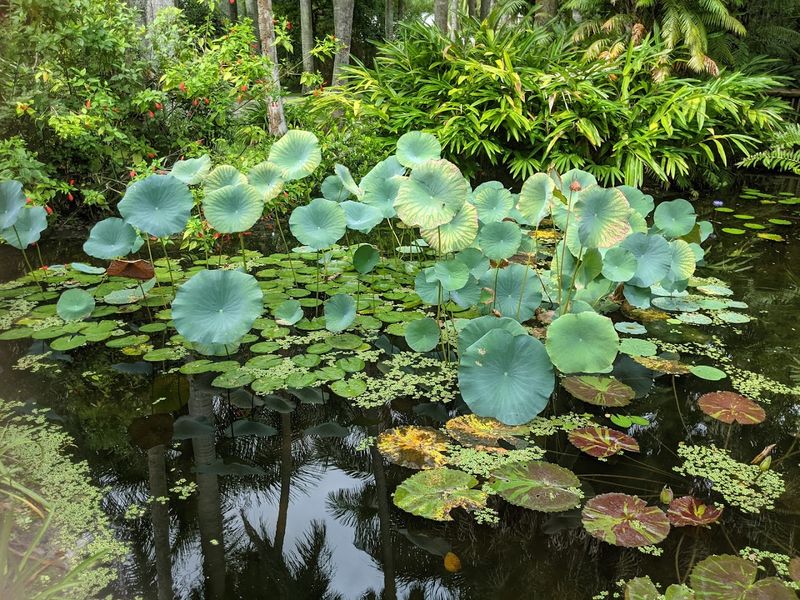
Water is woven through this garden in a way that gives the entire property a sense of calm that is hard to manufacture artificially. Multiple ponds and water features appear throughout the trails, each one framed by tropical plantings that soften the edges and create natural mirror effects on still days.
The reflections in these ponds are genuinely photogenic, which explains why so many visitors slow down near the water and end up spending far longer than they planned. The interplay between the light, the plant canopy, and the water surface changes throughout the day, making the same spot look completely different depending on when you visit.
Wildlife also gravitates toward the water features, and blue crabs, wading birds, and the occasional turtle have all been spotted by attentive visitors. Keeping your eyes open near the pond edges tends to reward patience with some surprisingly close encounters with Florida’s resident fauna.
Membership Perks and Value for Repeat Visitors
The annual membership at McKee Botanical Garden is one of those deals that makes financial sense almost immediately if you plan to visit more than once. The membership price sits only slightly above the cost of a single-day admission, which means a second visit essentially pays for the upgrade.
Beyond access to McKee itself, the membership is part of a reciprocal network that grants entry to numerous other botanical gardens and parks across the country. For anyone who travels regularly and enjoys visiting green spaces, this adds up to considerable value over the course of a year.
Regular members also get to track the garden’s seasonal changes up close, from the waterlily blooms in summer to the art installations in spring and the Jungle Lights in December. Each season brings something new to notice, which is part of why the membership retention rate among local visitors appears to be genuinely strong.
The garden rewards loyalty generously.
The Great Royal Palm Tree and Landmark Structures
Scattered throughout the garden are structures and natural landmarks that carry the weight of the original 1929 vision. The most striking of these is a massive old tree stump near the center of the property, which feels genuinely ancient in a way that makes you pause and acknowledge its presence.
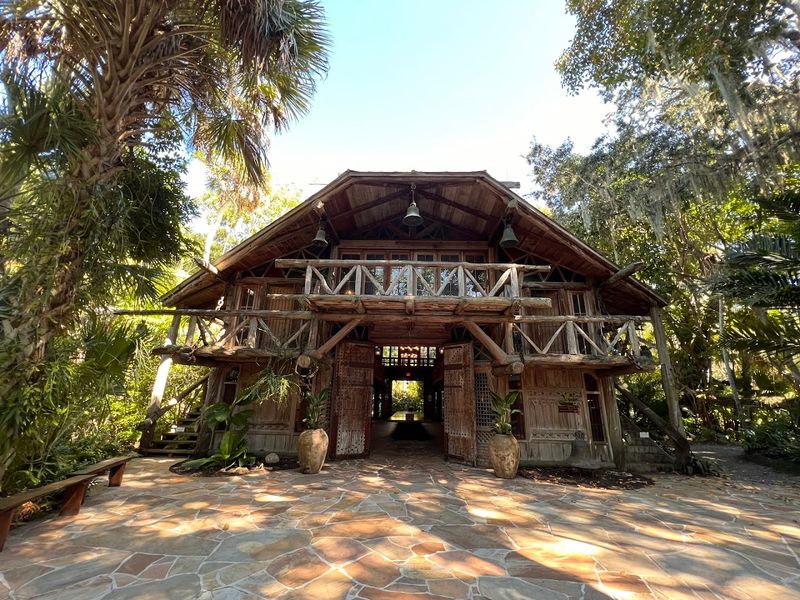
Waldo Sexton’s original architectural touches still influence the garden’s built elements, including a historic hall that hosts events and adds a sense of permanence to the landscape. The blend of natural growth and human craftsmanship from nearly a century ago gives the garden a layered quality that newer botanical spaces simply cannot replicate.
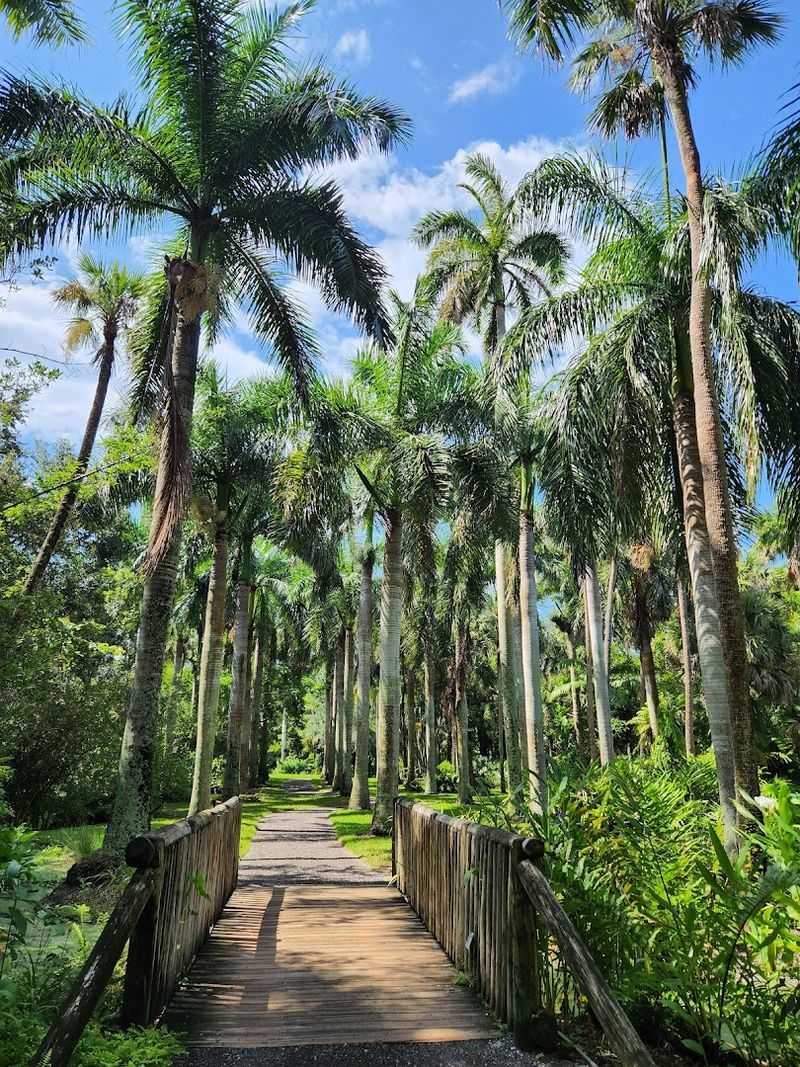
Royal palms punctuate the skyline throughout the property, their tall silver trunks rising cleanly above the dense understory vegetation. These trees were planted during the garden’s original development and now stand as living monuments to the ambition of the two men who first imagined this place into existence along the Indian River coast.
Best Times to Visit and Practical Planning Tips
The garden is open Tuesday through Sunday from 10 AM to 5 PM and is closed on Mondays. Arriving close to opening time on a weekday gives you the best chance of experiencing the trails without large crowds, which makes a real difference in how relaxed the visit feels.
Summer brings the waterlilies to their peak bloom, which is the main draw for plant enthusiasts, though the heat and humidity are notable factors to plan around. Bringing water, wearing light breathable clothing, and applying bug spray before entering are all practical moves that will improve your experience considerably.
Fall and winter visits offer cooler temperatures and the added bonus of seasonal events like the Jungle Lights display. Spring brings the rotating art installations, including events like Florigami, which add an extra layer of interest to the garden’s natural beauty.
The Library and Gift Shop on the Grounds
Not every botanical garden comes with a library, and the one at McKee adds a quiet, scholarly dimension to the visit that feels entirely in keeping with the garden’s intellectual origins. The collection focuses on botany, horticulture, and natural history, making it a genuinely useful resource for plant enthusiasts who want to go deeper than a casual stroll.
The gift shop carries a thoughtfully curated selection of botanical gifts, garden tools, books, and locally inspired items. It avoids the generic tourist-shop feel by stocking things that actually relate to the garden’s character and plant collections, which makes it a worthwhile stop before you leave.
Both spaces are compact but well organized, and they sit comfortably within the garden’s overall flow rather than feeling like commercial interruptions. Picking up a plant identification guide from the library or gift shop before your trail walk is a genuinely useful way to get more out of the botanical displays around you.
The Garden’s Role in Florida Conservation
Behind the beautiful trails and seasonal events, McKee Botanical Garden carries a serious conservation mission that shapes everything from its plant selection to its educational programming. The restoration of the 18-acre property in the late 1990s was driven by a commitment to preserving both native Florida species and the rare exotic plants that made the original garden famous.
The garden actively participates in plant conservation efforts and serves as a living collection of species that face pressure in their native habitats. Educational programs for school groups and community visitors connect people to broader environmental themes through the very tangible experience of walking among plants they might otherwise never encounter.
This conservation layer adds meaning to a visit that could otherwise be purely recreational. Knowing that the waterlilies, the towering palms, and the carefully tended exotic specimens represent real preservation work makes the whole experience feel a little more significant than a standard afternoon outing in coastal Florida.



