 Unearth The Voyage
There is a place in Florida where the water is so clear and so deep that scientists have sent robotic submarines down and still not reached the bottom. The spring here is not just a swimming hole or a pretty backdrop for vacation photos.
It is one of the most extraordinary natural features in the entire country, with a history that stretches back thousands of years and a wildlife scene that will leave you quietly stunned. I visited this legendary spot on a warm October morning, and I can tell you that nothing quite prepares you for the moment you first look down into that impossibly blue water and realize the Earth is doing something truly remarkable just beneath your feet.
Where the Deep Blue Begins: Address and Location
Edward Ball Wakulla Springs State Park sits at 465 Wakulla Park Drive, Wakulla Springs, Florida 32327, tucked into Wakulla County about 15 miles south of Tallahassee. The drive in sets the tone immediately.
Tall longleaf pines and live oaks draped in Spanish moss line the road, and the air smells clean and green in a way that feels genuinely old.
The park covers roughly 6,000 acres of protected land, making it one of the largest and most pristine freshwater springs in the world. This is not a small roadside attraction.
The spring basin itself measures about 185 feet wide, and the water that fills it comes directly from the Floridan Aquifer, one of the most productive underground water systems on the planet.
Getting here from Tallahassee takes about 25 minutes by car, and the park is well-signed along State Road 267.
How Deep Does It Actually Go
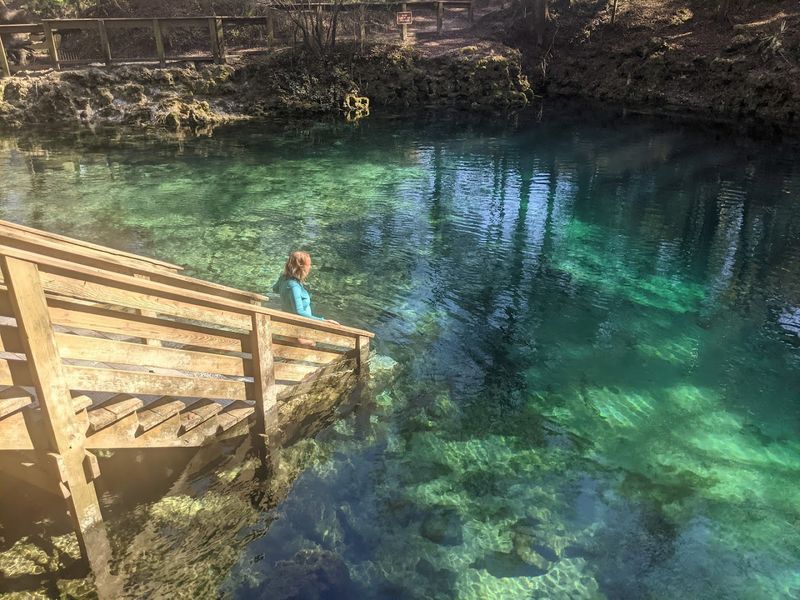
The spring at Wakulla is measured at 185 feet deep to the cave opening, but the cave system itself extends far beyond that. Explorers and researchers have documented passages reaching more than 300 feet below the surface, and some tunnels stretch for thousands of feet horizontally underground.
What makes this particularly wild is that even with modern equipment, the full extent of the cave system has not been completely mapped. A robotic submarine named PHANTOM was sent into the caves in the 1980s and reached depths of about 360 feet before the mission ended.
That kind of depth puts Wakulla Springs in a category shared by very few springs anywhere on Earth.
The spring discharges an average of 400,000 gallons of water per minute, which is a volume that is genuinely hard to wrap your head around until you stand at the edge and watch the current move.
The Floridan Aquifer and Where This Water Comes From
The water in Wakulla Springs does not come from rain that fell last week. It comes from rainwater that soaked into the ground years, sometimes decades, ago and traveled slowly through layers of porous limestone deep underground.
That journey through rock is what filters the water to the extraordinary clarity visitors see today.
The Floridan Aquifer is one of the largest and most productive aquifers in the world, stretching across much of Florida and into parts of Georgia, Alabama, and South Carolina. Wakulla Springs is one of the most significant discharge points for this aquifer, meaning the underground pressure pushes water up and out here in massive quantities.
The water temperature stays at a constant 68 degrees Fahrenheit year-round, which means it feels refreshingly cool in summer and surprisingly warm on a cold January morning, making it a year-round attraction for both people and wildlife.
Mastodon Bones and Ancient Secrets
One of the most jaw-dropping facts about this place is that mastodon bones were discovered in the spring back in the 1930s. These are the remains of enormous prehistoric mammals that roamed Florida thousands of years ago, and the cold, deep, low-oxygen water of the spring preserved them remarkably well.
Divers have also recovered bones from giant ground sloths, early horses, and other Ice Age animals that once lived in this region. The spring essentially acted as a time capsule, keeping these fossils in near-perfect condition while the rest of the world moved on.
Beyond the animal remains, there is evidence that early humans used this area as far back as 10,000 years ago. The spring was clearly a gathering point for life of all kinds long before any park boundaries were drawn, and that long history adds a layer of depth to every visit that most outdoor destinations simply cannot offer.
The Historic Lodge That Refuses to Be Ordinary
The Wakulla Springs Lodge was built in 1937 and still stands today in remarkable condition. The building is a beautiful example of Mediterranean Revival architecture, with marble floors, a vaulted ceiling in the lobby, and hand-painted tiles throughout.
It is listed on the National Register of Historic Places, and spending time inside it feels like being transported to a different era of Florida travel.
Edward Ball, a powerful Florida businessman and conservationist, purchased the property in the 1930s and developed it with the intention of creating a world-class nature retreat. His vision was clearly ahead of its time.
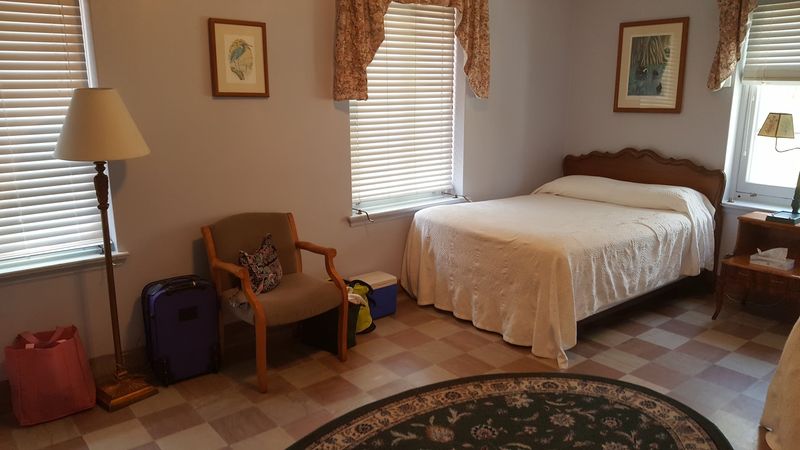
The lodge has 27 guest rooms, and staying overnight here is one of the more unique lodging experiences available anywhere in Florida state parks.
The old-fashioned soda fountain in the lobby still serves classic treats, and the dining room serves Southern-style meals that feel perfectly matched to the unhurried pace of the surroundings.
Wildlife That Will Stop You Mid-Sentence
The wildlife at Wakulla Springs is not background scenery. It is front and center, and it demands your full attention.
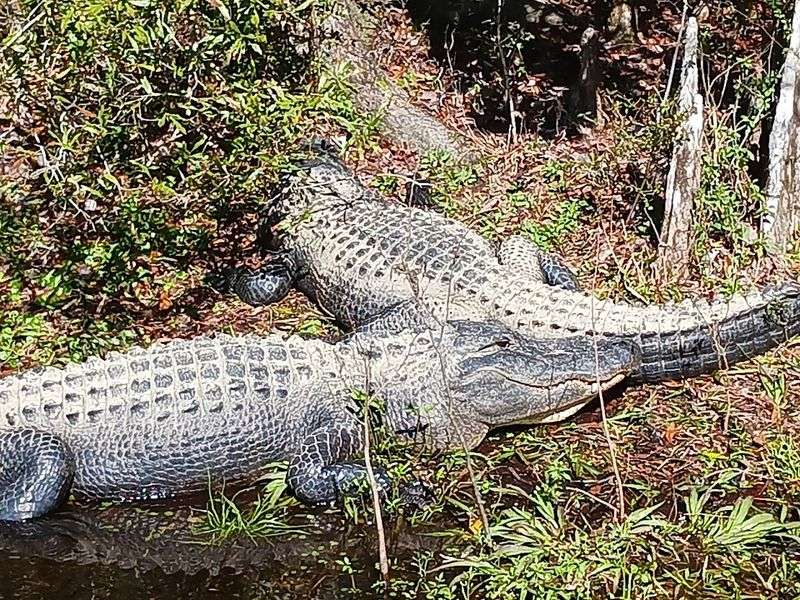
American alligators are a regular presence along the banks and in the water, and they are large enough to remind you that you are a guest in their territory.
Manatees visit the spring during cooler months, drawn by the constant 68-degree water temperature. Seeing one of these massive, gentle creatures drifting through crystal clear water is the kind of moment that makes you forget whatever was stressing you out before you arrived.
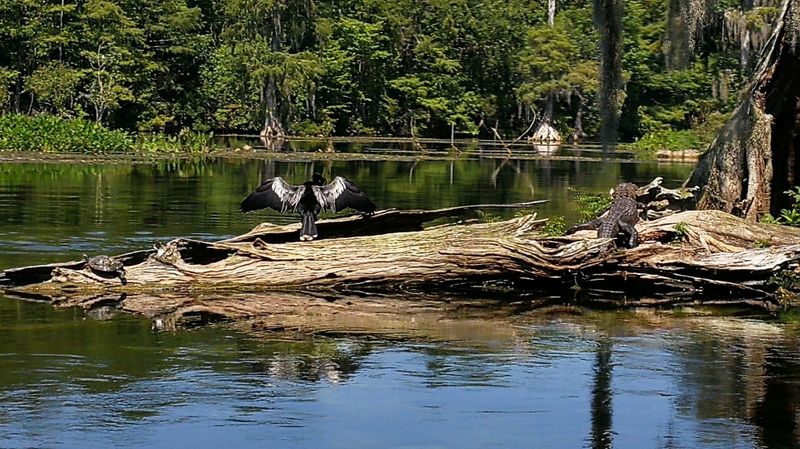
The bird life here is equally impressive. Limpkins, anhingas, great blue herons, ospreys, and wood storks are all common sightings.
During the winter months, thousands of migratory birds pass through, turning the surrounding forest into a birder’s paradise. The park has been recognized as an Important Bird Area by the Audubon Society, which is well-earned recognition.
Glass-Bottom Boat Tours on Perfectly Clear Water
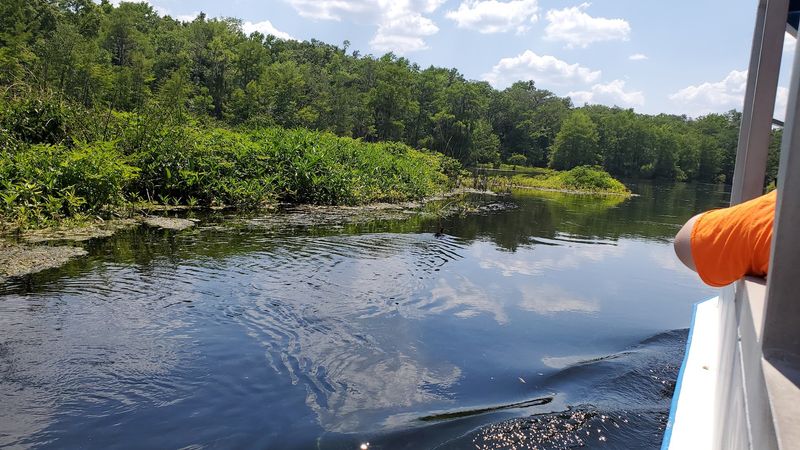
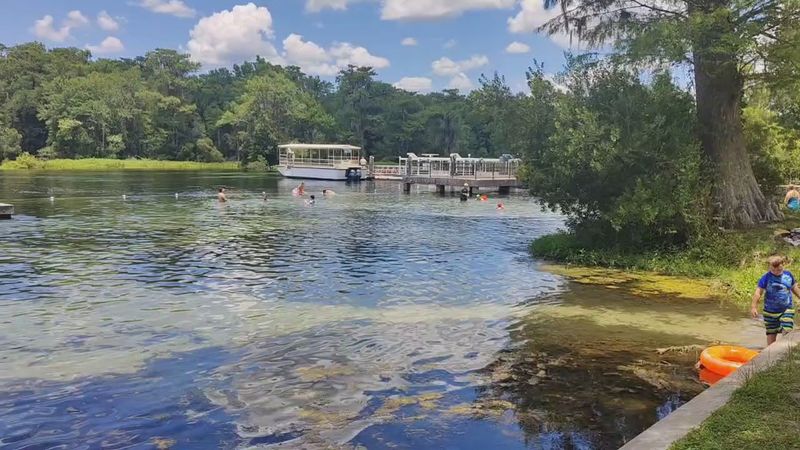
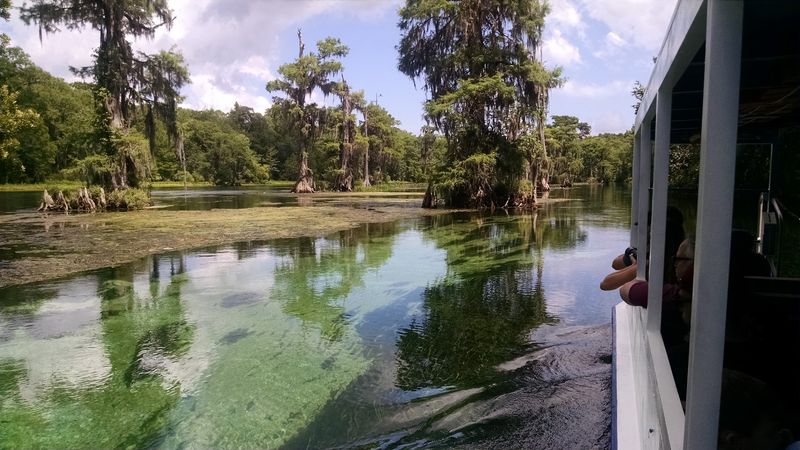
One of the signature experiences at the park is the glass-bottom boat tour, which has been running here since the 1930s. The boats are flat-bottomed with large glass panels set into the floor, and when the water conditions are right, you can see all the way down into the spring cave opening far below.
I took this tour on a calm morning when the water was at its clearest, and the visibility was genuinely startling. Fish, turtles, and aquatic plants appeared in sharp detail dozens of feet below the surface, and the cave entrance looked like a dark blue portal to somewhere mysterious and ancient.
The boat guides are knowledgeable and entertaining, pointing out wildlife along the river banks and sharing stories about the park’s history. The tours run daily and are reasonably priced, making them an accessible highlight for families, solo travelers, and anyone who appreciates nature presented without any unnecessary fuss.
Swimming in One of the World’s Deepest Springs
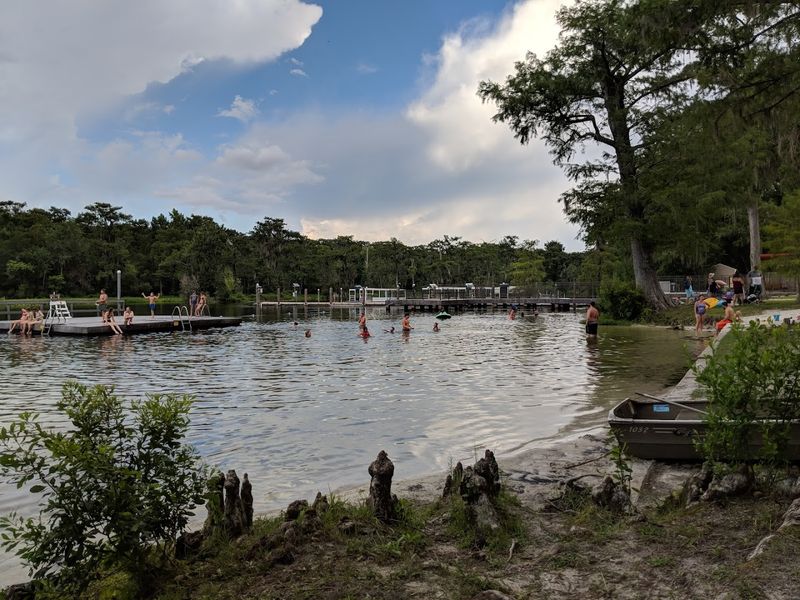
Swimming at Wakulla Springs is a genuinely memorable experience, and not just because the water is beautiful. The temperature is a steady 68 degrees, which is cool enough to feel refreshing in Florida’s brutal summer heat but not so cold that you are gasping when you first get in.
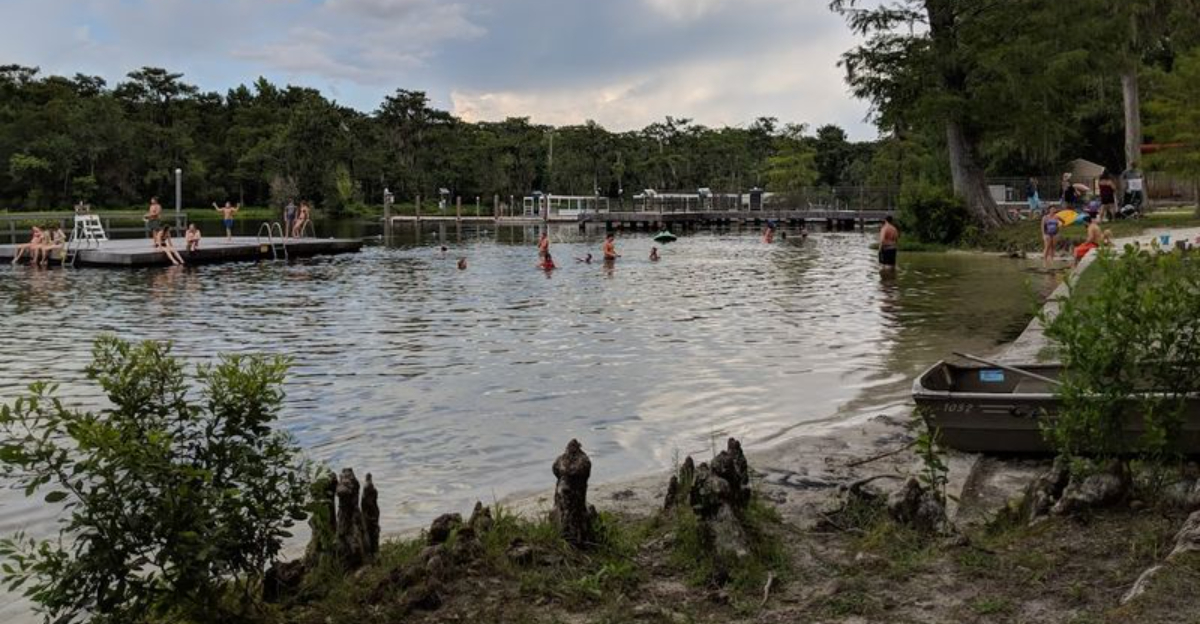
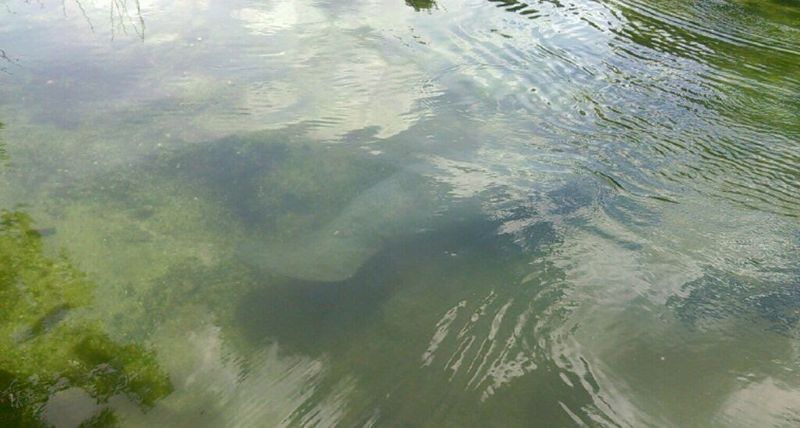
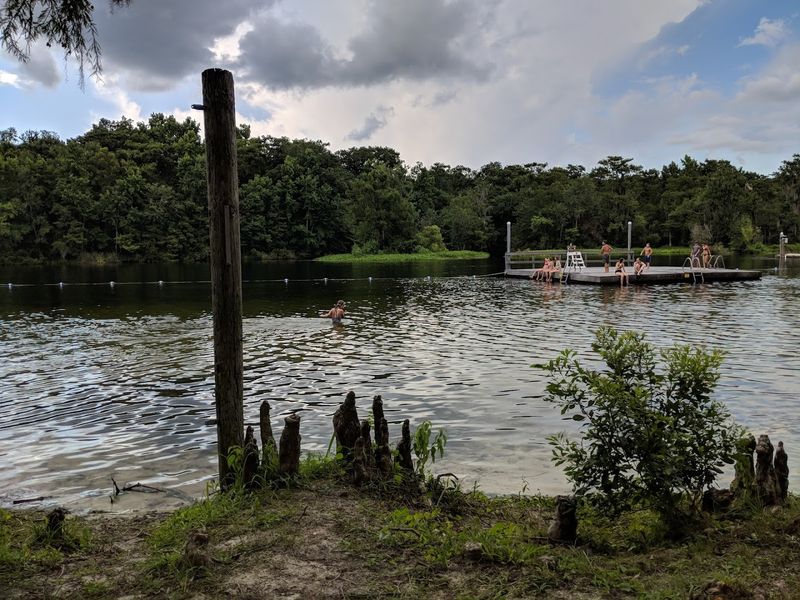
The designated swim area is well-maintained, with a sandy beach and a wooden diving platform. The water clarity varies depending on rainfall and seasonal conditions, but on a good day, you can see the spring vent clearly from the surface and watch fish moving in the depths below you.
Swimming here does come with a set of rules, including no snorkeling or diving beyond marked areas, which exists to protect both the ecosystem and the visitors. The rules are easy to follow and do not take away from the experience.
Knowing that the water you are floating in has traveled underground for decades before reaching you adds something genuinely special to every stroke.
Hollywood Came Here: The Film History
Here is something that surprises most visitors: Wakulla Springs has a legitimate Hollywood history. The 1954 horror classic Creature from the Black Lagoon was filmed here, and the clear water and dramatic underwater scenery made it a perfect natural film set.
Several Tarzan films were also shot on location at the spring and along the Wakulla River.
The combination of crystal clear water, dense subtropical jungle, and exotic wildlife gave filmmakers exactly the kind of dramatic backdrop they needed, and the park looked genuinely otherworldly on screen. It still does, honestly, even without any movie crew around.
Standing at the edge of the spring and knowing that film crews once worked here to create scenes that scared and thrilled audiences worldwide adds a fun layer to the visit. The park does not over-commercialize this history, which is the right call.
The spring is impressive enough on its own terms without needing a gift shop full of monster merchandise.
Planning Your Visit: Tips for Getting the Most Out of the Park
The park is open daily from 8 a.m. to sunset, and the entrance fee is modest compared to what you get in return. Arriving early on weekdays is the best strategy for avoiding crowds, especially during summer when the swim area fills up quickly.
Fall and spring offer the most comfortable temperatures and some of the best wildlife viewing of the year.
Bring water shoes if you plan to swim, since the entry into the spring can be slippery. Sunscreen is essential, and so is a hat, because the Florida sun does not take breaks even on overcast days.
The park has picnic areas, restrooms, and the lodge restaurant, so you can comfortably spend a full day here without needing to leave for supplies.
For those staying overnight, booking a room at the historic lodge well in advance is strongly recommended, particularly for weekends and holidays. The experience of waking up steps away from the spring at sunrise is not one you will forget quickly.



