 Unearth The Voyage
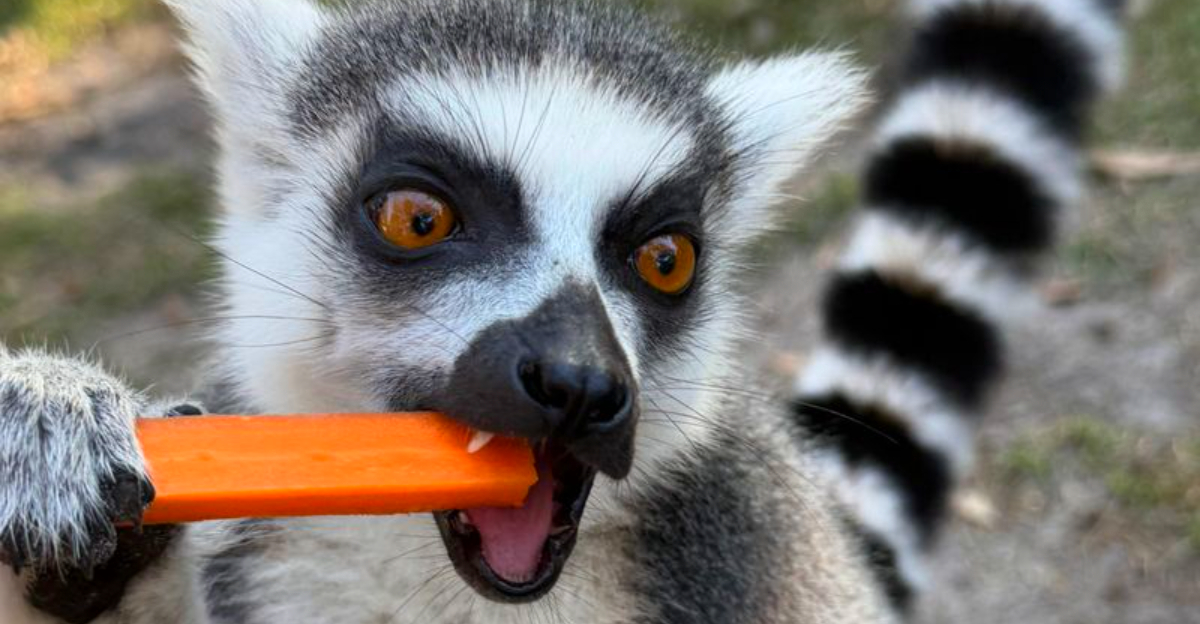
Hidden in the heart of Webster, Florida, is a wildlife experience that feels worlds away from crowded zoos and glass enclosures. Here, the focus isn’t on observation from a distance – it’s on connection.
This nonprofit refuge is dedicated to rescuing and caring for exotic animals, giving visitors the rare chance to interact with lemurs, sloths, and otters in ways that feel personal and unforgettable. You can feed playful lemurs, meet curious otters face-to-face, and even create art alongside some of the world’s most endangered primates, all while supporting meaningful conservation efforts at Chase Sanctuary and Wildlife Conservancy.
The Lemur Painting Experience That Steals Every Heart
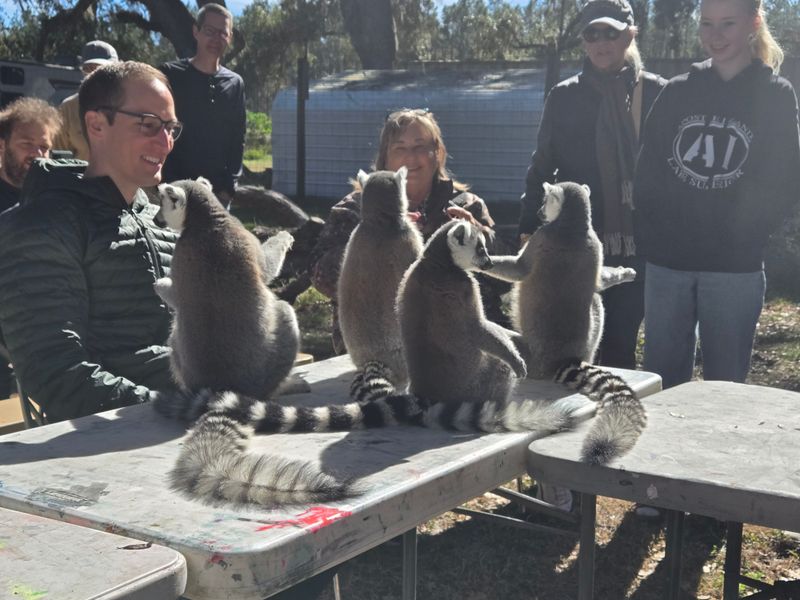
Watching a lemur grip a paintbrush with its tiny hands might be the most unexpectedly charming moment of your entire Florida vacation. At Chase Sanctuary, the lemur painting session turns art class into an interactive wildlife encounter where these intelligent primates create abstract masterpieces while you sit mere inches away.
The experience unfolds in a relaxed setting where lemurs move freely, occasionally pausing to investigate visitors with their bright, curious eyes. You’ll hand them brushes dipped in non-toxic paint and watch as they swipe colors across canvas with surprising deliberation.
Some lemurs show clear preferences for certain colors, returning again and again to their favorites.
What makes this activity special isn’t just the novelty factor. It’s seeing how engaged these endangered animals become in the creative process, demonstrating intelligence that surprises most first-time visitors.
The paintings you take home serve as unique souvenirs, but the memory of a lemur’s soft paw touching your hand lingers far longer.
Sessions typically last around 30 minutes and accommodate small groups, ensuring everyone gets quality time with these charismatic creatures. Book this experience early because spots fill quickly, especially on weekends.
Private VIP Tours That Change How You See Sanctuaries
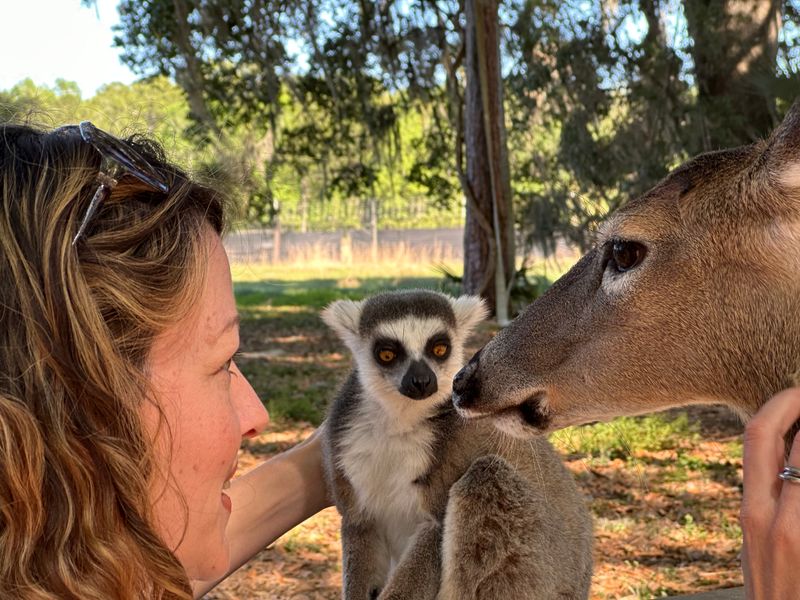
Forget everything you know about crowded zoo experiences where you’re jostling for position behind plexiglass barriers. The private VIP tour at Chase Sanctuary operates on an entirely different philosophy, limiting groups to ensure every visitor gets genuine one-on-one time with both animals and knowledgeable guides.
Tour guides like Brody have trained many of the animals themselves, which translates into encounters that feel authentic rather than staged. He’ll explain exactly how to approach each species, what behaviors to watch for, and share stories that reveal each animal’s distinct personality.
The educational component never feels preachy because it’s woven naturally into interactions.
The immersive nature catches most visitors off guard. You’re not just observing from a distance but actively participating in feeding sessions, gentle petting interactions, and behavioral enrichment activities.
Lemurs might climb onto your shoulders, otters will play games through specially designed windows, and you’ll hand-feed treats to creatures you’ve only seen in documentaries.
These tours last approximately two hours and cover the entire sanctuary grounds. The investment pays off in memories and photographs that standard admission simply cannot provide.
The Otter Socialization That Melts Even Skeptical Hearts
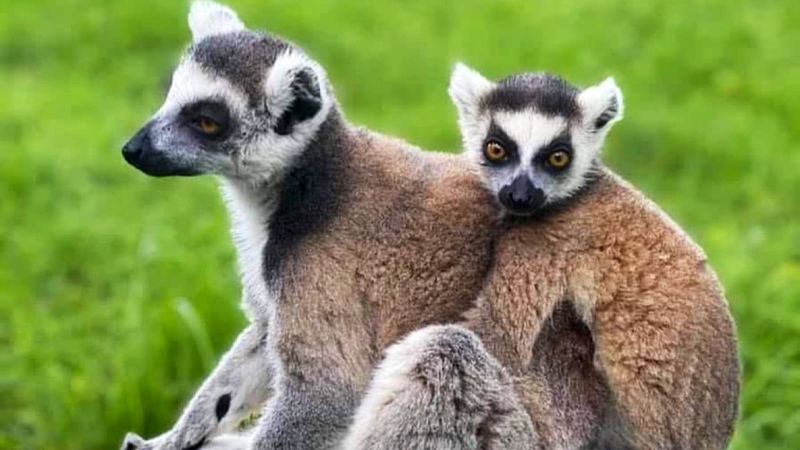
River otters possess an energy level that makes golden retriever puppies look calm by comparison. At Chase Sanctuary, the otter socialization experience capitalizes on their natural curiosity through an ingeniously designed interaction space featuring small hand-sized openings in protective windows.
These openings allow the otters to safely touch visitors’ fingers while maintaining appropriate boundaries for both species. The otters treat this like the best game ever invented, pressing their tiny paws against human hands and occasionally giving gentle nibbles that feel more like enthusiastic kisses than anything remotely threatening.
What surprises people most is how different each otter’s personality becomes apparent within minutes. Some act bold and immediately investigate new visitors, while others hang back initially before their curiosity wins out.
Guides explain their individual histories and preferences, transforming cute animals into distinct characters you genuinely care about.
Lemur Feeding Sessions Where Chaos Meets Cuteness
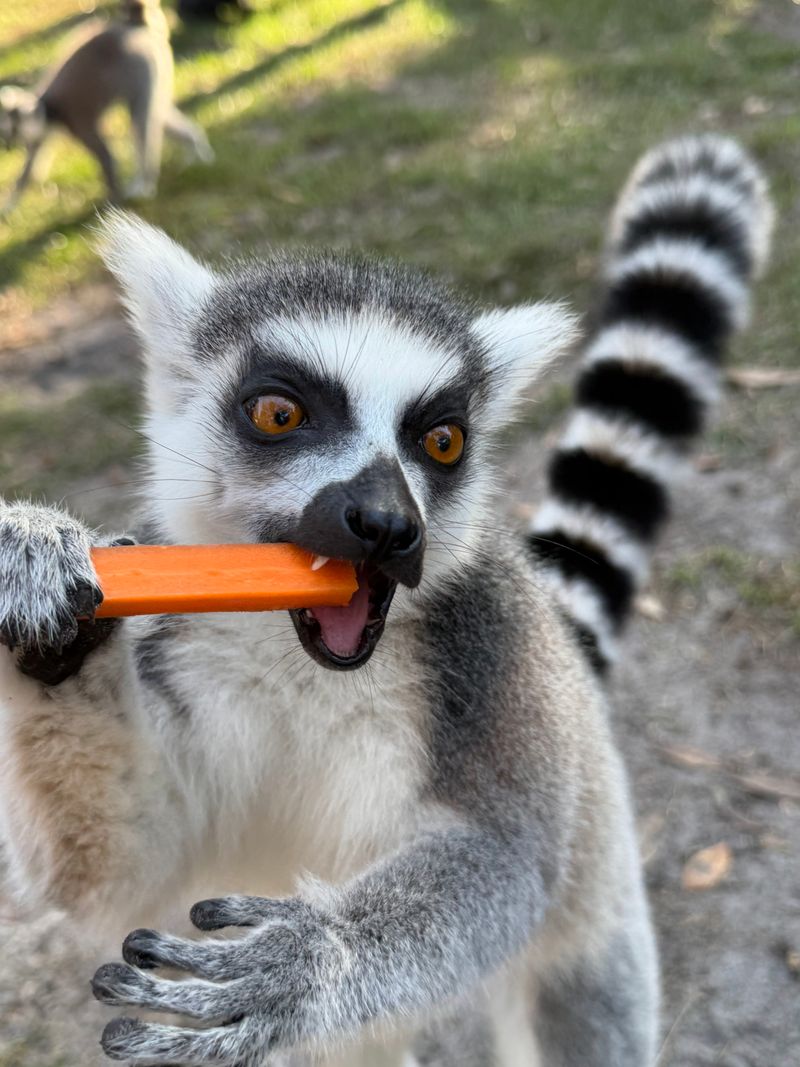
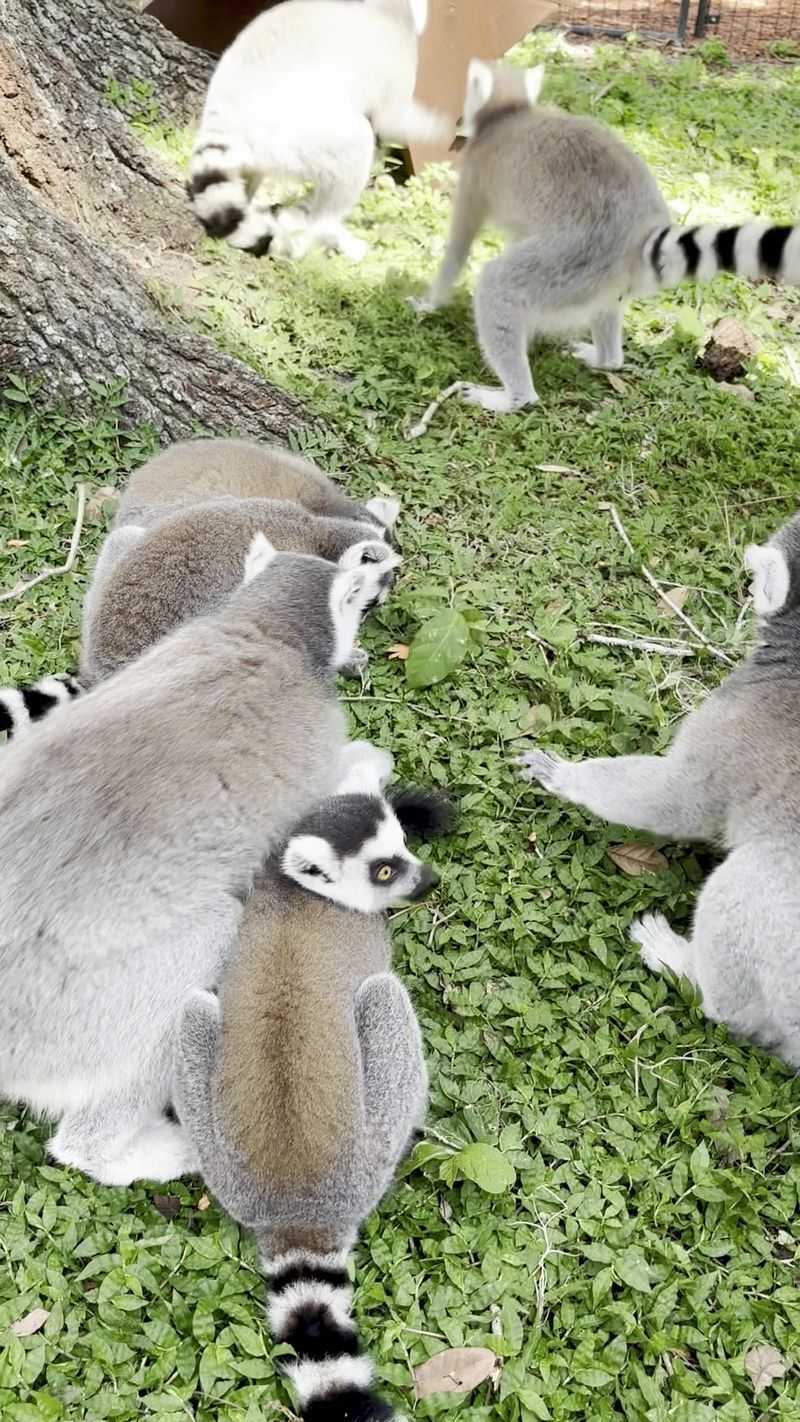
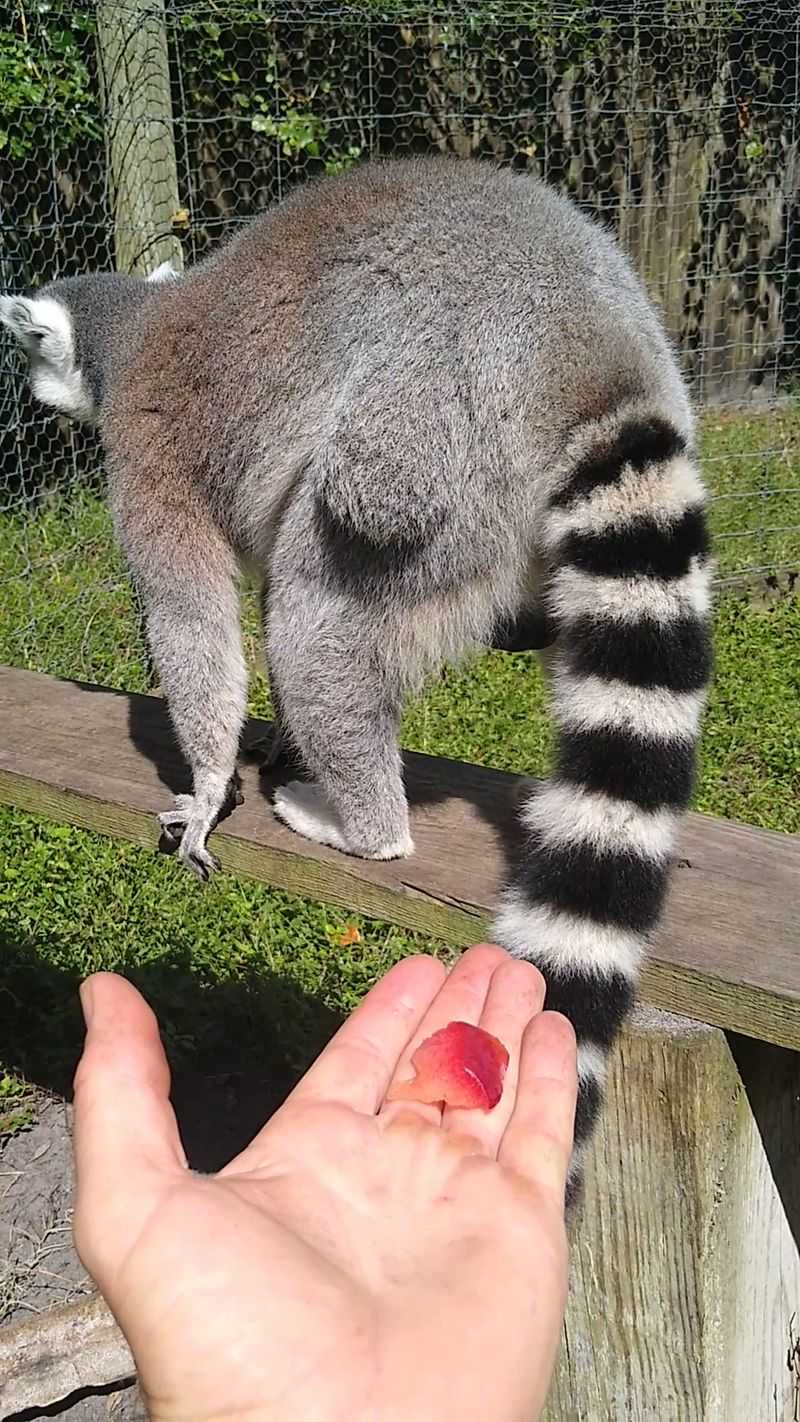
The moment you step into the lemur habitat with treats in hand, you’ll understand why staff describe this as controlled chaos. Lemurs don’t form orderly queues, and their enthusiasm for snacks overrides any concept of personal space.
Suddenly you’re surrounded by striped tails, bright amber eyes, and surprisingly strong little hands gently tugging at your clothing. Some lemurs perch on nearby branches at perfect eye level, while others might use your shoulder as a convenient launching pad.
Their confidence around humans stems from excellent socialization, not from being overly tamed or stressed.
Guides provide specific instructions about hand positioning and treat distribution to ensure fair sharing among the troop. You’ll learn to recognize the subtle social hierarchy at play as certain lemurs assert themselves while others wait their turn.
These interactions reveal complex social dynamics that captivate animal behavior enthusiasts.
The feeding experience typically includes information about lemur conservation status in Madagascar, their natural diet, and why sanctuaries like Chase play crucial roles in species preservation. Between the tactile thrill of feeding and the educational content, visitors leave with both great photos and genuine understanding of these endangered primates.
The Hacienda Overnight Stay With Sloth Roommates
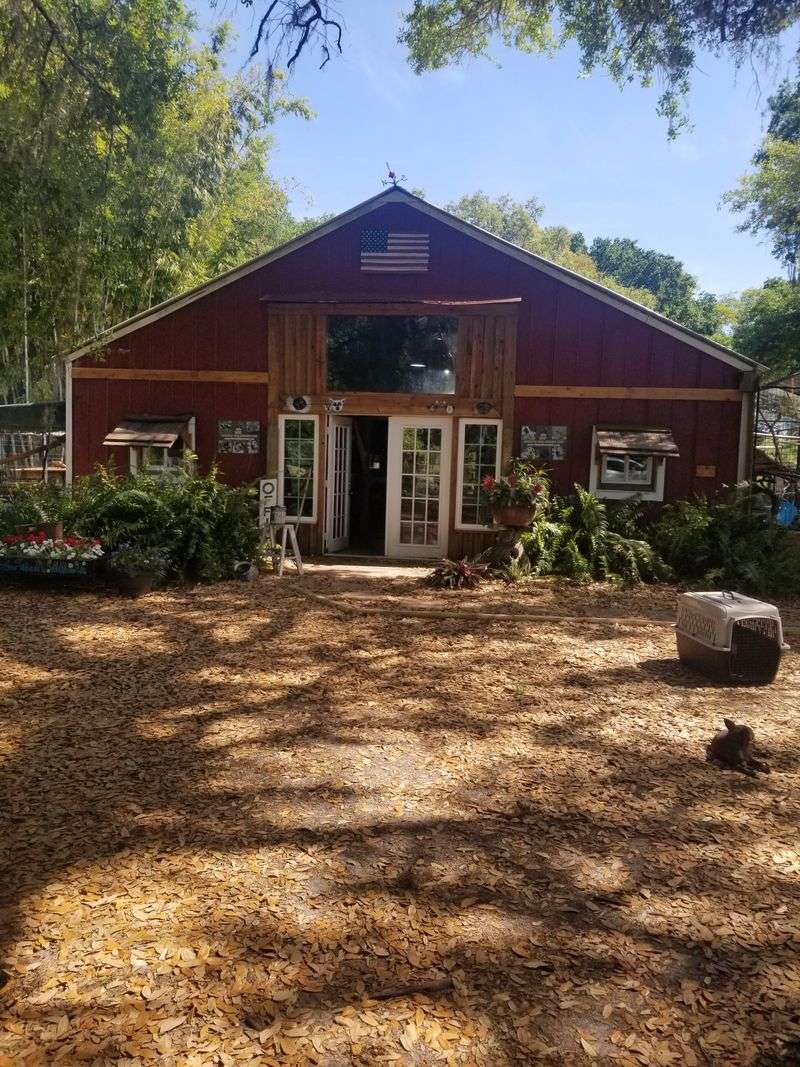
Spending the night at the Hacienda transforms a day trip into an immersive wildlife retreat unlike anything else in Florida. This unique accommodation features glass-enclosed habitats built directly onto the house, giving overnight guests front-row seats to observe sloths and lemurs in their evening routines.
From your bedroom, you’ll watch baby sloths practice climbing skills and witness the surprisingly active nighttime behavior of lemurs who often sleep during the day. The glass separation maintains appropriate boundaries while allowing unprecedented observation opportunities.
Many guests report setting alarms for midnight just to check what the animals are doing.
The Hacienda itself offers comfortable amenities that balance rustic sanctuary vibes with modern conveniences. Staying overnight also grants you access to guided tours at times when day visitors aren’t present, creating even more intimate animal encounters.
Morning coffee while watching sloths wake up beats any hotel continental breakfast.
Booking requires advance planning as availability is limited, but the experience justifies the effort. You’re not just supporting the sanctuary financially but gaining insight into animal behavior that daylight-only visits cannot provide.
Couples and families both find the experience memorable for entirely different reasons.
Hand-Feeding Anteaters That Challenge Your Expectations
Anteaters don’t typically top anyone’s list of must-see animals, but one encounter at Chase Sanctuary usually converts skeptics into enthusiasts. Their bizarre anatomy and unexpected gentleness create memorable interactions that visitors describe with the same enthusiasm they reserve for lemurs and otters.
That impossibly long snout houses an even longer tongue that extends with surprising speed to collect treats from your palm. The sensation feels strange but not unpleasant, and watching the precision with which they manipulate food demonstrates adaptations perfected over millions of years.
Guides explain how their specialized diet works in the wild and what modifications sanctuaries must make for proper nutrition.
What catches people off guard is how chill anteaters act during encounters. They move with deliberate slowness, showing none of the frantic energy of lemurs or otters.
This calm demeanor makes them perfect for visitors who feel overwhelmed by more boisterous animals or for children who need gentler introductions to exotic wildlife.
The sanctuary houses different anteater species, and guides highlight the subtle differences in size, coloration, and behavior. These animals rarely receive attention in mainstream wildlife media, making your encounter feel like discovering a hidden gem within an already special place.
Baby Kangaroo Cuddles That Break All the Rules
Kangaroos belong in Australia, not central Florida, yet here you are cradling a joey that fits perfectly in your arms like the world’s most exotic baby. Chase Sanctuary’s kangaroo encounters focus on younger animals who still crave the contact and warmth they’d normally receive in their mother’s pouch.
The experience feels surprisingly natural despite the surreal circumstances. Joeys nuzzle into the crook of your elbow, their soft fur and gentle breathing creating an unexpectedly calming moment amid the day’s excitement.
Staff supervise closely, ensuring both human and marsupial comfort levels remain optimal throughout the interaction.
You’ll learn about marsupial development, the unique challenges of raising orphaned joeys, and how sanctuaries supplement the maternal care these animals would receive in the wild. The educational component never diminishes the emotional impact of holding a creature so foreign yet so endearing.
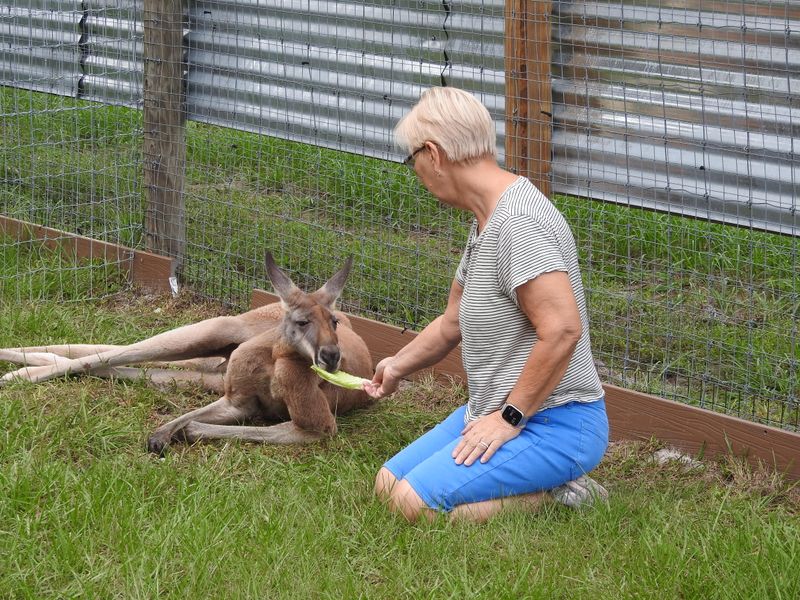
As joeys mature, they transition to larger enclosures where they can practice hopping and develop natural behaviors. Visitors sometimes get to feed older kangaroos as well, watching them balance on powerful tails while accepting treats.
The contrast between cuddly joey and athletic adult kangaroo illustrates remarkable developmental changes that happen surprisingly quickly in marsupial species.
Sloth Interactions That Slow Your Racing World
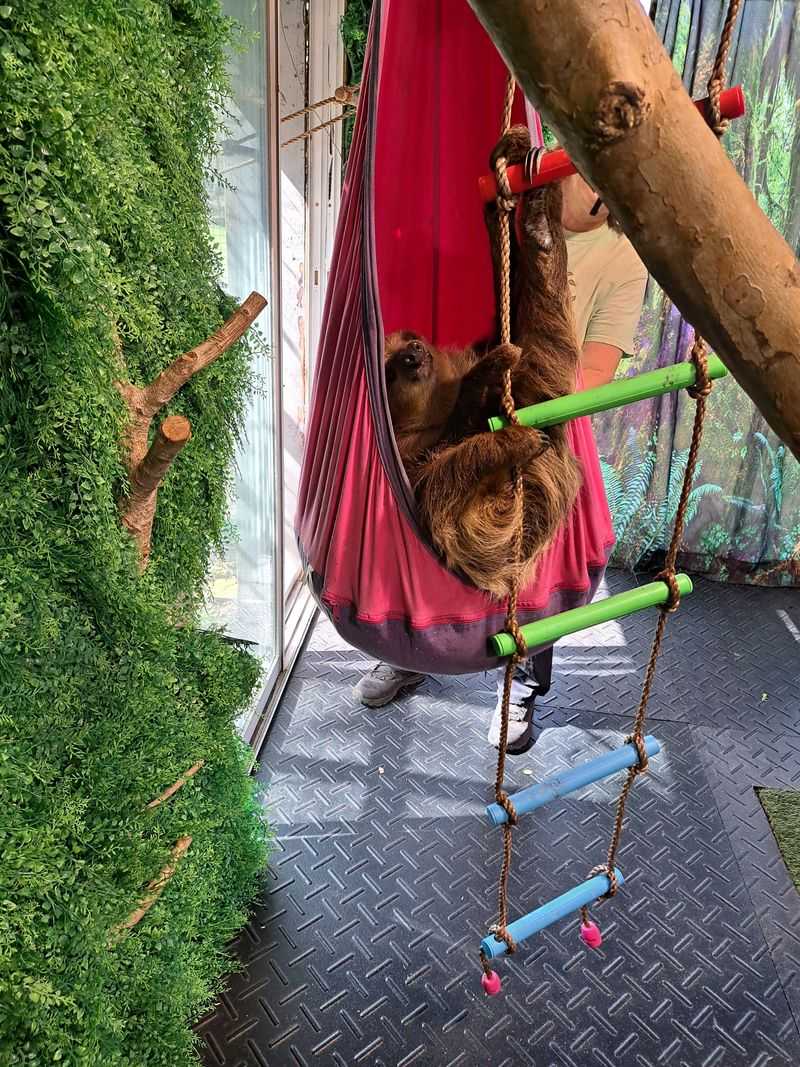
Sloths operate on a different temporal plane than the rest of us, and spending time with them at Chase Sanctuary forces a welcome recalibration of your usually hectic pace. Their deliberate movements and serene expressions serve as living reminders that not everything requires urgency.
During encounters, you’ll observe these tree-dwelling mammals up close, noting details impossible to see in wild settings or traditional zoo displays. The way their specialized claws grip branches, how their fur grows in the opposite direction of most mammals, and their surprisingly strong grip all become apparent when you’re standing inches away.
Baby sloths add an entertainment factor that their dignified parents lack. Young sloths still learning to navigate their arboreal world occasionally misjudge distances or lose their grip, resulting in adorably clumsy moments that prove even nature’s most relaxed creatures have awkward phases.
Watching them practice climbing skills provides unexpected comedy relief.
The sanctuary houses both two-toed and three-toed species, and guides explain the differences in behavior, diet, and habitat preferences. Sloths’ critically slow metabolism and unique digestive systems make them fascinating subjects for anyone interested in evolutionary adaptations.
Their endangered status in parts of their native range adds conservation significance to these peaceful encounters.
The Volunteer Program That Turns Passion Into Purpose
Some visitors leave Chase Sanctuary so moved by the experience that they return not as tourists but as working volunteers. The sanctuary’s volunteer program attracts people from across the region who want hands-on involvement in animal care and conservation efforts.
Volunteers handle tasks ranging from habitat maintenance and food preparation to assisting with tours and participating in enrichment activities. The commitment varies based on individual availability, with some people volunteering weekly while others contribute during specific busy seasons.
Either way, volunteers gain skills and knowledge that typical visitors never access.
What makes the program special is the genuine community that develops among regular volunteers. They share a common passion for wildlife conservation and form bonds over shared experiences with the sanctuary’s resident animals.
Many describe volunteering as therapeutic, offering meaningful work that contrasts sharply with typical daily routines.
The application process ensures volunteers understand the physical demands and responsibility involved in animal care. This isn’t casual interaction but serious work that directly impacts animal welfare.
For those accepted, the reward comes in knowing their efforts contribute to the sanctuary’s mission of rescuing and rehabilitating exotic animals while educating the public about conservation needs.
The Spotless Facilities That Prove Sanctuaries Can Shine
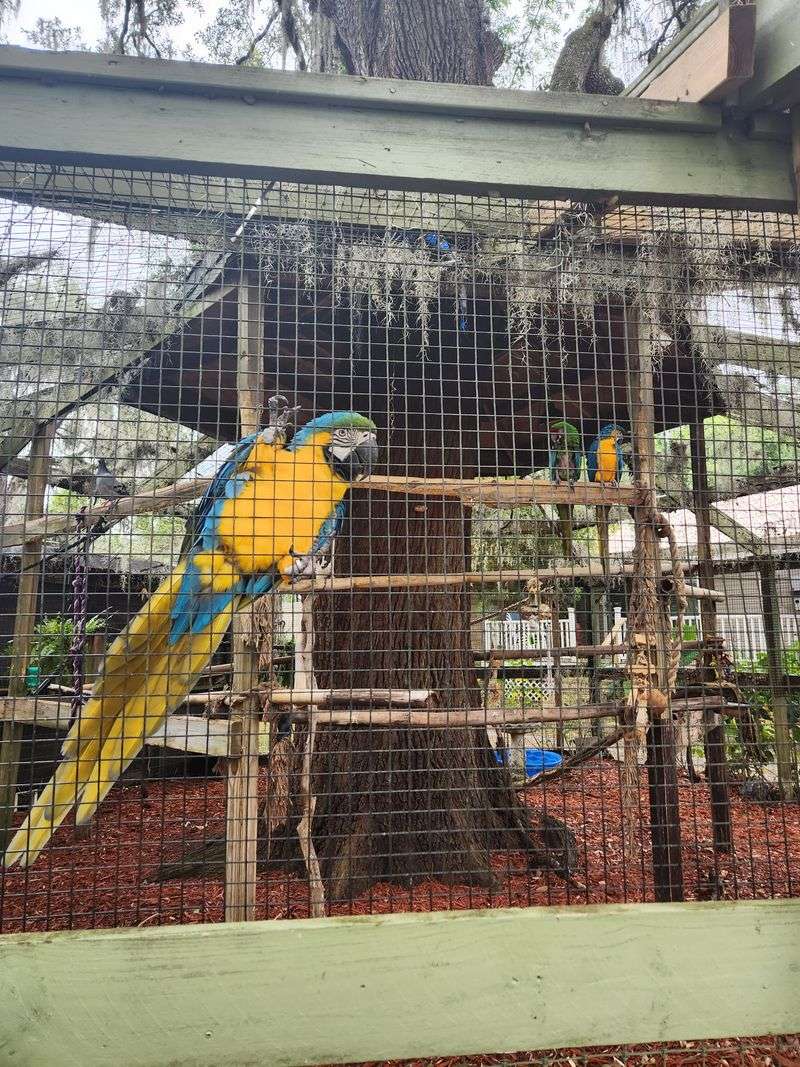
Walking through Chase Sanctuary challenges every assumption about how animal facilities must look and smell. The grounds maintain a level of cleanliness that seems almost impossible given the number of animals residing there.
Flowerbeds line pathways, butterflies drift between blooms, and the expected barnyard odors remain surprisingly minimal. This attention to aesthetics isn’t vanity but reflects the sanctuary’s commitment to providing excellent living conditions for its residents.
Clean habitats mean healthier animals, and the staff’s dedication to maintenance shows in every corner of the property.
Enclosures themselves feature thoughtful design that balances animal needs with visitor viewing opportunities. Natural materials create environments that feel less like cages and more like enhanced wild spaces.
The lemurs have climbing structures and vegetation, otters have pools with water features, and every species enjoys spaces sized appropriately for their activity levels.
This cleanliness makes the experience more enjoyable for visitors while also serving as an educational tool. It demonstrates that proper animal care requires constant effort and resources, helping people understand why sanctuaries need financial support.
The stark contrast between Chase’s facilities and typical roadside zoos or inadequate private ownership situations becomes immediately obvious to anyone paying attention.
Educational Tours That Teach Without Preaching
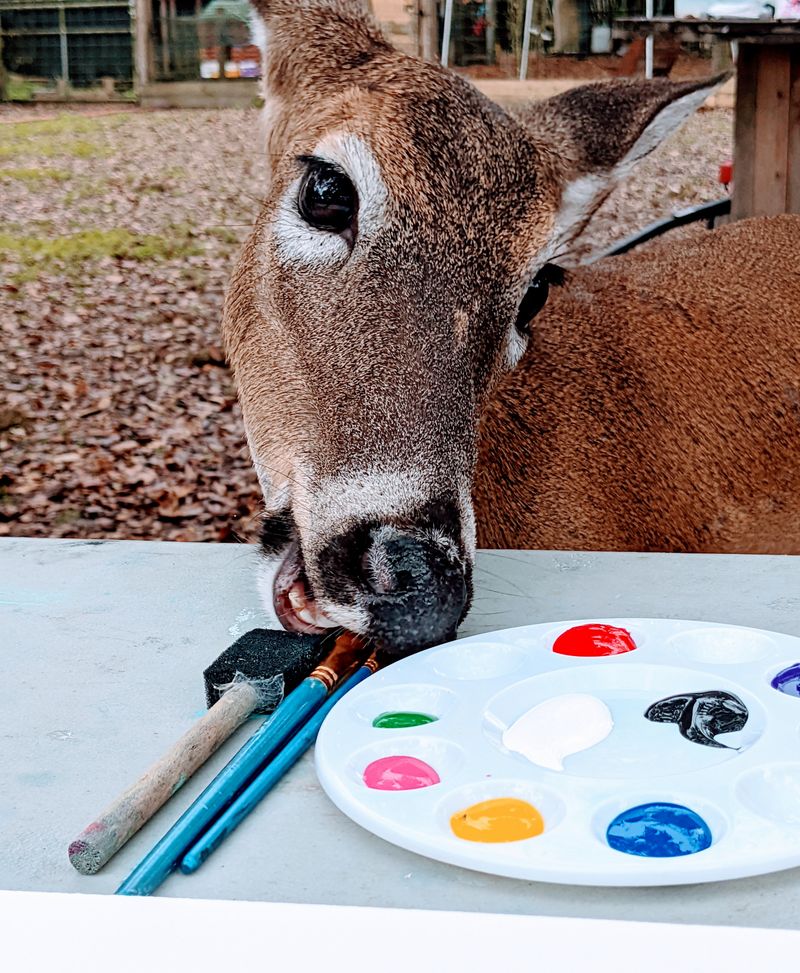
The best education happens when learners don’t realize they’re being taught, and Chase Sanctuary’s guides have mastered this approach. Information flows naturally during animal interactions rather than through formal lectures that cause eyes to glaze over.
Guides like Brody, Kim, and Cali weave conservation facts into entertaining stories about individual animals’ personalities and histories. You’ll absorb information about endangered species status, habitat requirements, and behavioral adaptations while laughing at an otter’s antics or marveling at a lemur’s dexterity.
The emotional connection formed during hands-on encounters makes the educational content stick far better than any textbook could achieve.
Questions receive thorough, honest answers that respect visitors’ intelligence while remaining accessible to children and adults alike. Guides acknowledge the complex challenges facing wildlife conservation without inducing hopelessness, instead emphasizing actions individuals can take to make positive differences.
This balanced approach motivates rather than overwhelms.
The tour structure allows natural curiosity to guide learning pace. Some visitors want deep dives into specific species’ biology, while others prefer broader overviews.
Guides adapt their presentations to match group interests, ensuring everyone leaves satisfied. This flexibility combined with genuine expertise creates educational experiences that rival formal zoology courses in content while vastly exceeding them in engagement.
Special Events From Yoga With Lemurs to Zookeeper Days
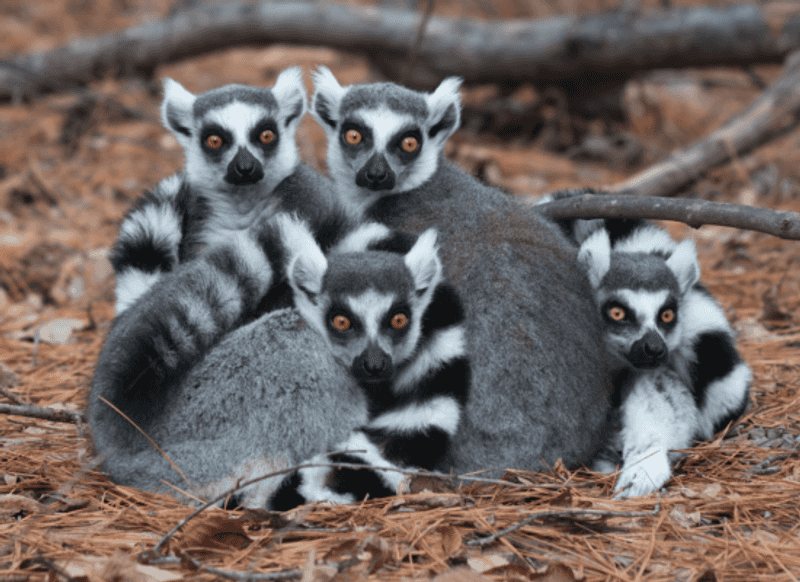
Standard tours only scratch the surface of what Chase Sanctuary offers through its rotating calendar of special events and unique experiences. Yoga sessions where lemurs freely roam among participants rank among the most requested activities, combining wellness practice with wildlife encounters in ways that seem almost too creative to be real.
Zookeeper for a Day programs allow deeper involvement in daily operations, giving participants behind-the-scenes access to food preparation, enrichment activities, and animal training sessions. These intensive experiences appeal to serious animal enthusiasts and those considering careers in wildlife care.
The physical demands and responsibility involved provide authentic glimpses into professional animal care rather than sanitized tourist versions.
Seasonal events tied to holidays or conservation awareness days bring variety throughout the year. The sanctuary uses these occasions to highlight specific species or conservation issues while making education entertaining.
Birthday parties and group celebrations can be customized to include specific animal encounters, creating memorable occasions that beat traditional party venues by considerable margins.
The Conservation Mission That Gives Every Visit Meaning
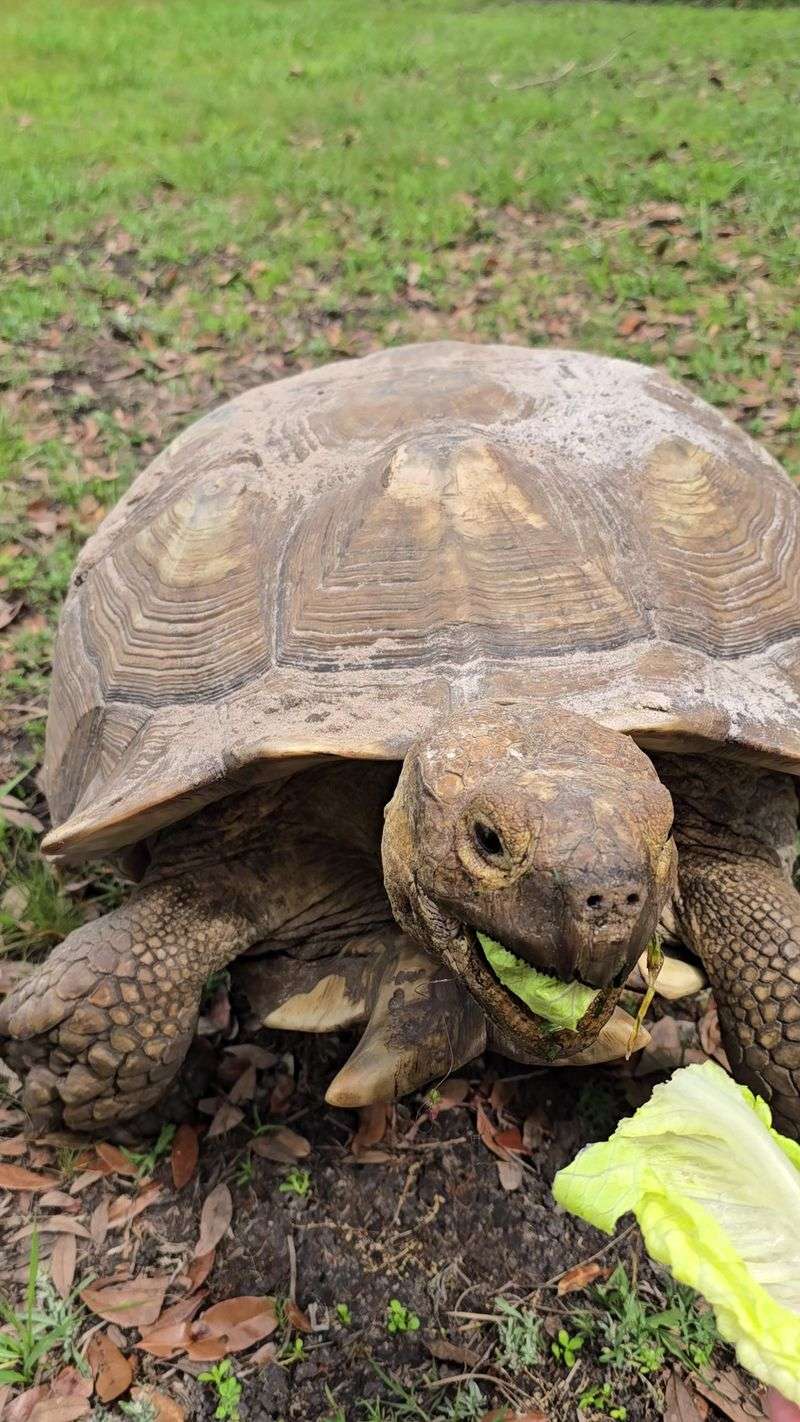
Every dollar spent at Chase Sanctuary directly funds its nonprofit conservation mission, transforming your visit from entertainment into active participation in wildlife preservation. As a registered 501(c)(3) organization, the sanctuary operates transparently with conservation and animal welfare as primary objectives rather than profit generation.
Many resident animals arrived after being rescued from inadequate private ownership, illegal wildlife trade, or facilities that closed. The sanctuary provides permanent homes where these animals receive species-appropriate care, proper nutrition, and enrichment activities that allow natural behaviors.
Some animals could never survive wild release due to injuries or excessive human habituation, making sanctuaries their only viable option.
The educational component extends the conservation impact beyond the animals physically present. Visitors who interact with exotic species often become advocates for habitat preservation and opponents of exotic pet trade.
These attitude shifts ripple outward as people share experiences and newfound knowledge with their communities. The sanctuary’s round-up donation program and other fundraising initiatives provide ongoing support for expanding rescue capacity.



