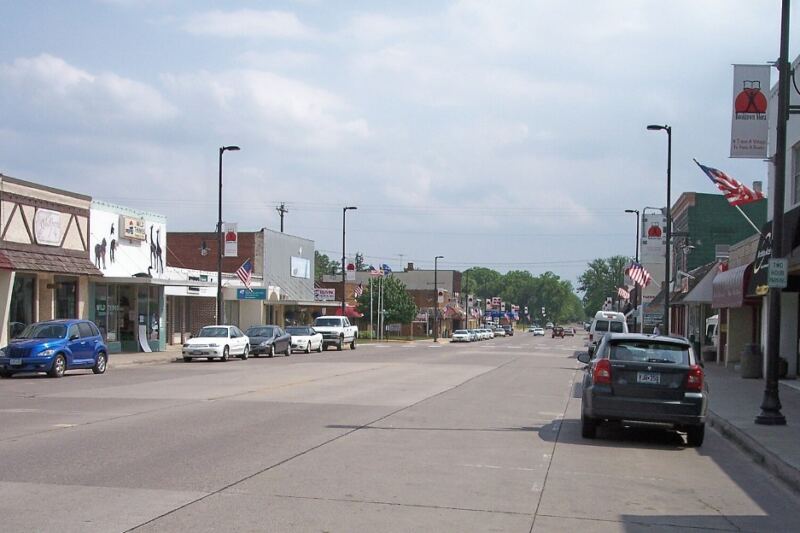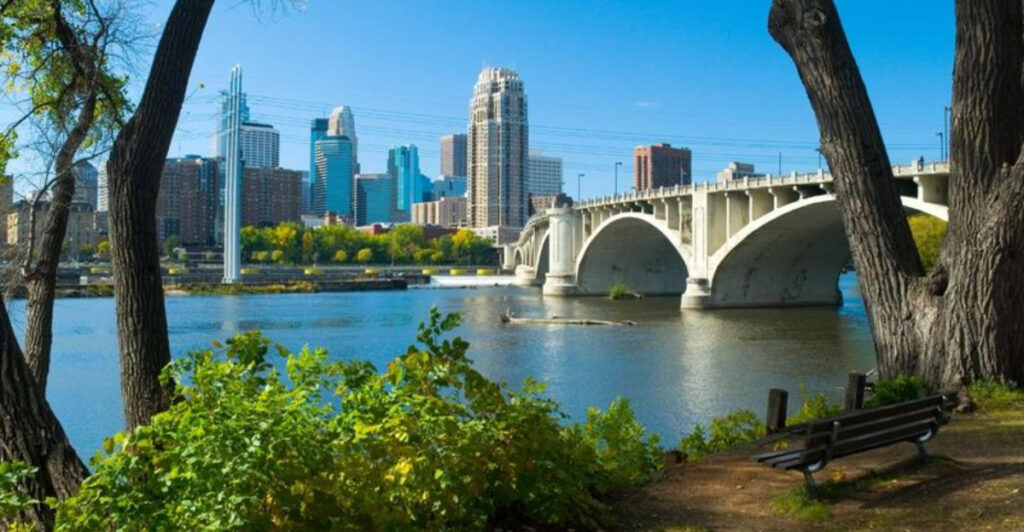
Most people think of Chicago when they picture a thriving Midwest city, but a different city has quietly been climbing the rankings and just claimed the top spot for healthy living. Minneapolis, Minnesota earned this recognition by combining an impressive network of parks, miles of bike trails, clean lakes, and a culture that genuinely prioritizes outdoor activity and wellness.
With more than 20 lakes within city limits and one of the most walkable downtown areas in the country, this city makes it surprisingly easy to stay active year-round. Whether the temperature drops below zero or the summer sun stretches past 9 p.m., residents here keep moving, and the numbers back them up.
Minneapolis and Its Surprising No. 1 Healthy Living Ranking
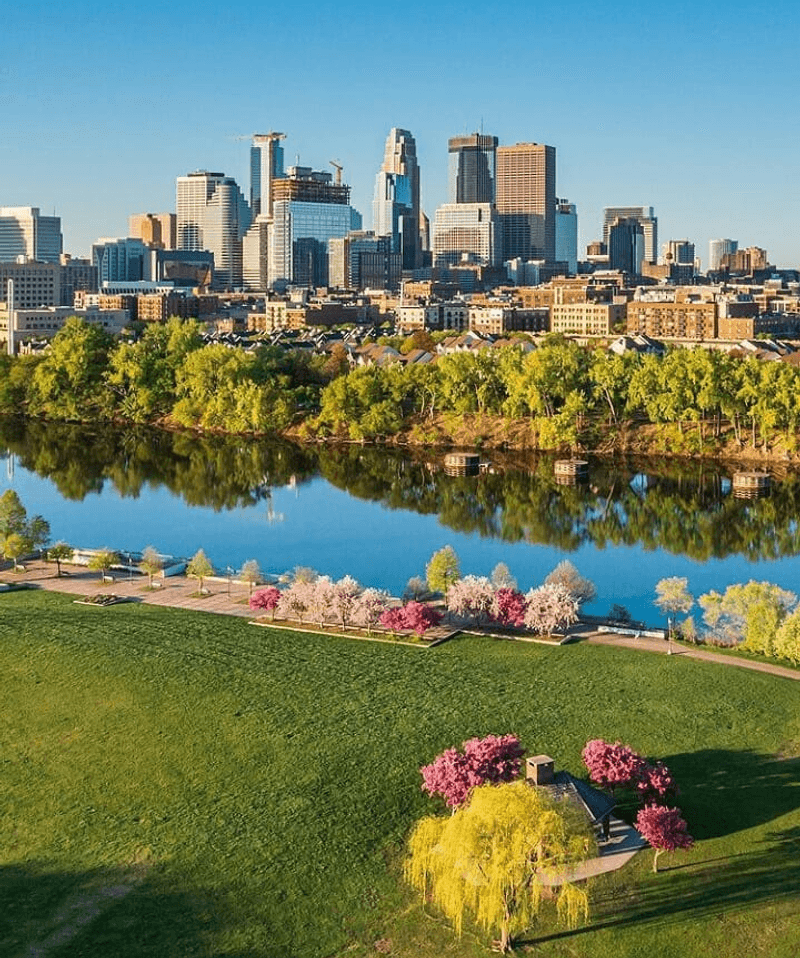
Minneapolis, Minnesota did not earn its No. 1 healthy living ranking by accident. Located in the heart of the Upper Midwest, this city has built its entire identity around outdoor access, physical activity, and community wellness in ways that most cities simply have not managed to replicate.
Sitting along the Mississippi River at 44.977753 latitude and -93.265 longitude, Minneapolis offers residents and visitors a rare combination of urban convenience and natural access. The city consistently ranks at or near the top of national lists measuring fitness, mental health, air quality, and access to green space.
What makes the ranking feel especially earned is that healthy living here is not a trend. It is baked into the city’s infrastructure, culture, and daily routines in ways that become obvious the moment you start exploring on foot or by bike.
The Grand Rounds Scenic Byway and Its 50 Miles of Connected Trails
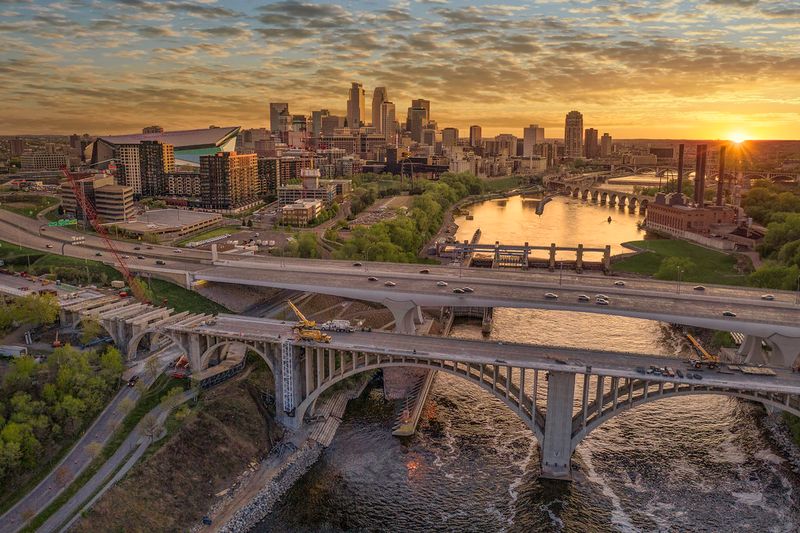
Few cities can claim a continuous 50-mile loop of paved trails that connects lakes, rivers, parks, and neighborhoods in one unbroken circuit. The Grand Rounds Scenic Byway in Minneapolis does exactly that, and it stands as one of the most remarkable pieces of urban trail infrastructure anywhere in the United States.
On any given morning, you will find cyclists, joggers, inline skaters, and walkers sharing the path in a rhythm that feels almost choreographed. The route passes through dramatically different landscapes within just a few miles, moving from lakeside beaches to wooded ravines to open meadows.
The byway connects to dozens of neighborhood parks along the way, making it less of a recreational loop and more of a living network that ties the entire city together. For anyone serious about daily movement, this trail system changes the game entirely.
Chain of Lakes: The Crown Jewel of Minneapolis Parks
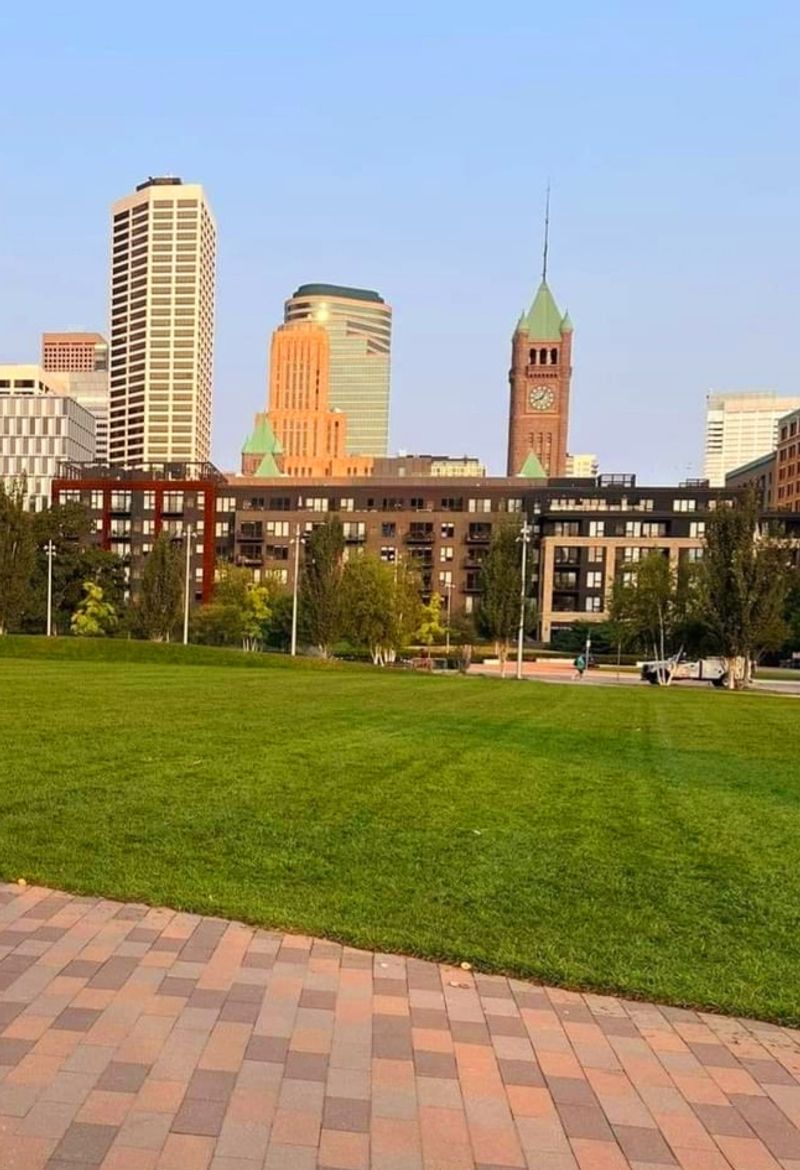
There is a stretch of Minneapolis where five lakes sit connected by parkways and trails, creating one of the most beloved urban outdoor spaces in the Midwest. The Chain of Lakes includes Lake Harriet, Lake Calhoun (officially Bde Maka Ska), Lake of the Isles, Cedar Lake, and Brownie Lake, each with its own distinct personality.
Bde Maka Ska draws paddleboarders and open-water swimmers during summer months. Lake Harriet hosts a restored bandstand where free outdoor concerts have been a neighborhood tradition for well over a century.
Lake of the Isles offers a quieter, more wooded atmosphere that feels surprisingly remote for a lake sitting inside a major city.
Together, these lakes form a recreational corridor that residents use almost daily. Swimming, kayaking, fishing, running, picnicking, and simply sitting by the water are all part of the everyday rhythm here.
Year-Round Outdoor Culture That Defies the Cold
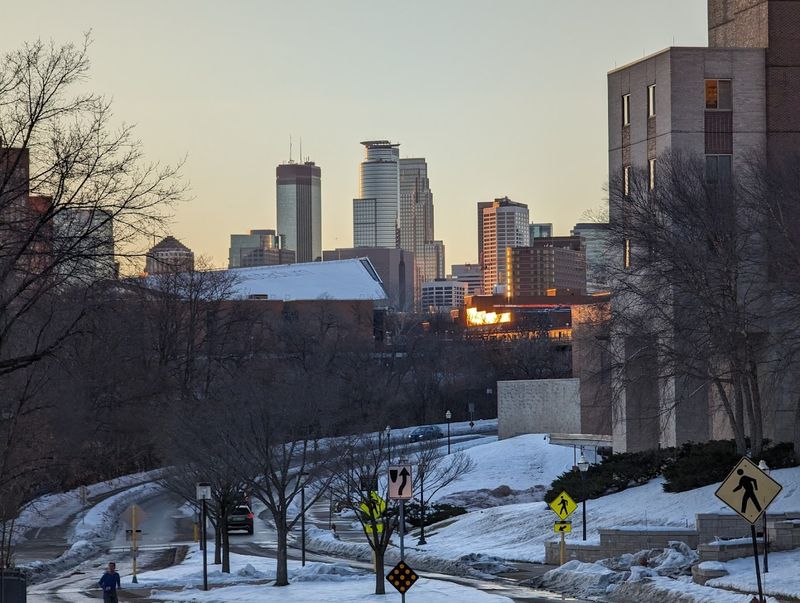
Minneapolis winters are not for the faint-hearted. Temperatures regularly drop well below zero, and the city averages around 54 inches of snow per year.
Yet somehow, this does not slow residents down at all.
When the lakes freeze over, they transform into outdoor skating rinks maintained by the city’s park board. Cross-country ski trails open throughout the park system.
Ice fishing shanties dot the surfaces of frozen lakes. The cold is treated less like an obstacle and more like a seasonal invitation to try something different.
This year-round outdoor mentality is a significant reason why Minneapolis ranks so high on healthy living metrics. Physical activity does not pause for weather here.
Residents build movement into every season, which creates consistent health habits that accumulate over months and years rather than peaking in summer and disappearing by November.
Minneapolis Park System: Ranked Best in the Nation Multiple Times
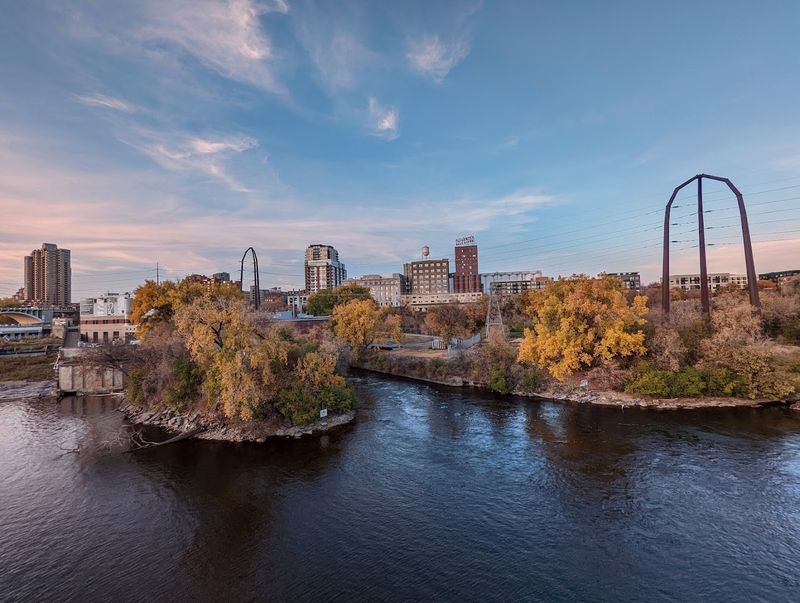
The Trust for Public Land has ranked the Minneapolis park system as the best in the United States multiple times, a distinction that carries real weight when you actually spend time in the city. The parks here are not afterthoughts squeezed between buildings.
They are central to how the city was designed and how residents live.
Minneapolis operates more than 180 parks covering roughly 15 percent of the city’s total land area. That ratio is extraordinarily high for a major American city.
Every neighborhood has meaningful green space within walking distance, which means access to nature is not a privilege reserved for certain zip codes.
The park board manages beaches, athletic fields, recreation centers, community gardens, and natural areas, creating a system that serves residents across every age group and interest. The consistency of quality across different neighborhoods is what truly sets this system apart from comparable cities.
Biking Infrastructure That Puts Most American Cities to Shame
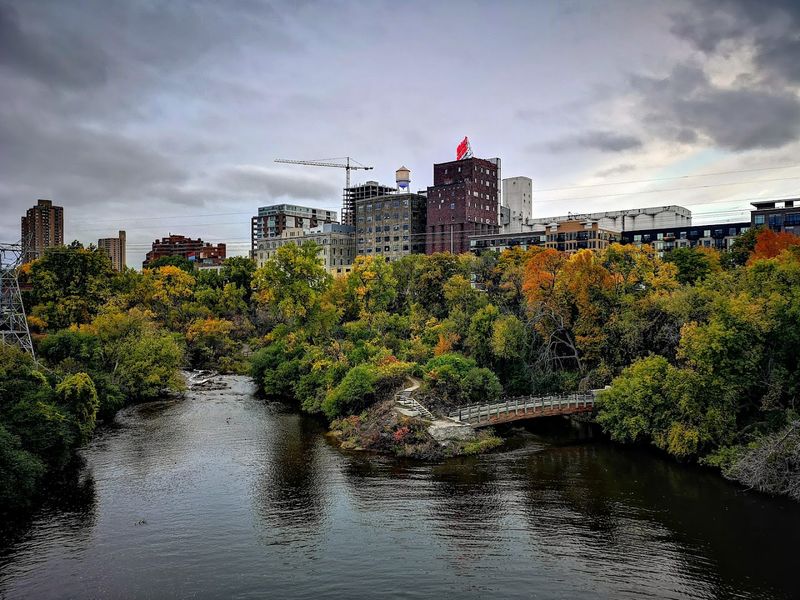
Minneapolis consistently ranks among the top cycling cities in the United States, and spending even one afternoon here makes it easy to understand why. The city has invested heavily in protected bike lanes, off-street paths, and bike-share infrastructure that make cycling a genuinely practical transportation choice rather than just a recreational one.
Nice Ride Minnesota, the city’s bike-share program, operates hundreds of stations across the metro area. The network of protected lanes downtown connects seamlessly to the off-street trail system, so a cyclist can travel from a residential neighborhood to the office or a lakeside park without ever sharing a lane with fast-moving traffic.
The cycling culture here is also notably inclusive. Commuters in business attire ride alongside families with cargo bikes and students carrying backpacks.
That everyday normalcy around cycling contributes directly to the high physical activity levels that drive Minneapolis up the healthy living rankings.
The Mississippi River Gorge and Its Urban Wilderness Experience

Most people do not picture a dramatic river gorge when they think of Minneapolis, but the Mississippi River Gorge cuts right through the southern part of the city with bluffs, forested slopes, and river views that feel genuinely wild. This stretch of the Mississippi is the only gorge the river carves through an urban area anywhere along its entire length.
The gorge is preserved as part of the Mississippi National River and Recreation Area, a unit of the National Park Service that runs through the Twin Cities. Trails wind along both banks, dropping down to river level in some sections and climbing to overlooks in others.
Bald eagles nest in the gorge and can be spotted year-round. Great blue herons wade along the rocky shores.
The contrast between the city skyline visible above the bluffs and the untouched riverbank below creates a layered experience that never gets old, no matter how many times you visit.
World-Class Farmers Markets and a Culture of Fresh Food
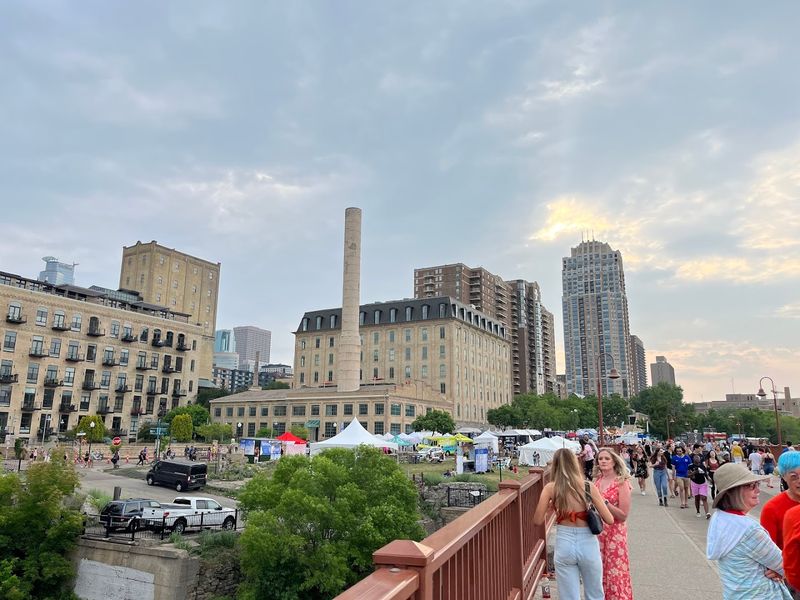
Healthy living is not just about physical movement, and Minneapolis understands that well. The city’s food culture places a genuine emphasis on fresh, local, and seasonal ingredients in ways that support the broader wellness lifestyle residents have built here.
The Minneapolis Farmers Market, one of the largest open-air markets in the Midwest, operates from spring through fall and draws thousands of visitors each week. Local farms bring vegetables, fruits, herbs, honey, eggs, and specialty products directly to urban shoppers who have come to expect that level of freshness.
Beyond the main market, neighborhood-level farmers markets operate throughout the summer in different parts of the city, bringing fresh food access closer to residents regardless of which part of Minneapolis they call home. The combination of fresh food availability and an active population creates a reinforcing cycle that keeps the city’s health metrics consistently strong year after year.
Walker Art Center and the Minneapolis Sculpture Garden

Mental and cultural wellness matters just as much as physical health, and Minneapolis takes both seriously. The Walker Art Center stands as one of the leading contemporary art museums in the United States, drawing major exhibitions and serving as a creative anchor for the entire region.
Adjacent to the Walker sits the Minneapolis Sculpture Garden, an 11-acre outdoor space that is free and open to the public year-round. The garden’s most iconic piece is Claes Oldenburg and Coosje van Bruggen’s “Spoonbridge and Cherry,” a massive stainless steel sculpture that has become one of the most photographed public artworks in the country.
Walking through the sculpture garden on a crisp fall morning, surrounded by rotating installations and permanent works set against the city skyline, feels like a genuinely restorative experience. The easy public access to world-class art is one of the quieter contributors to why Minneapolis residents report such high quality-of-life satisfaction.
Mental Health and Happiness Rankings That Complement the Physical Scores
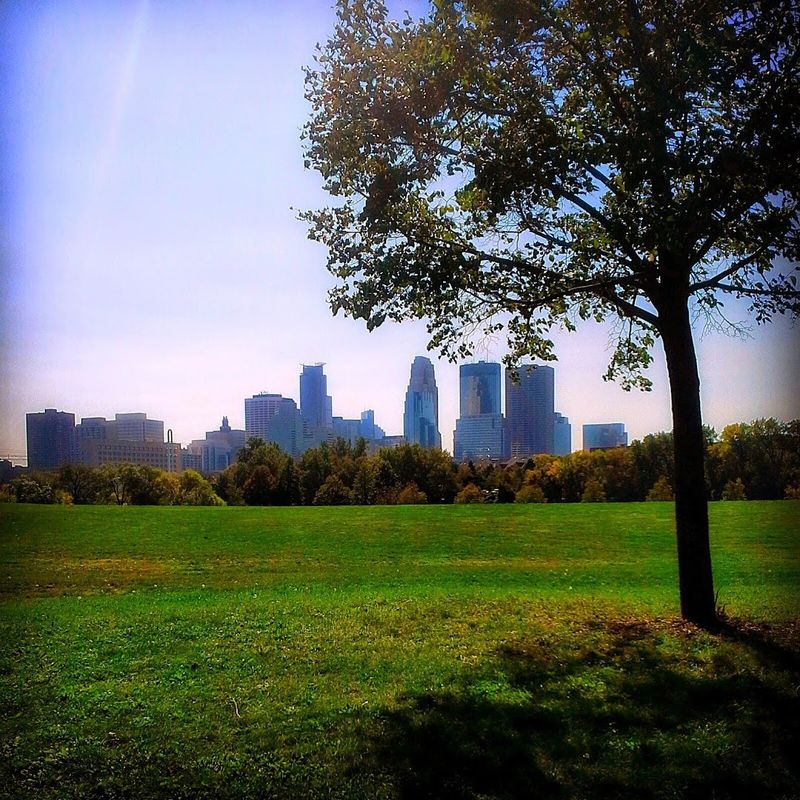
Healthy living rankings measure more than gym memberships and vegetable consumption. They factor in mental health indicators, social connection, access to healthcare, and reported life satisfaction.
Minneapolis scores well across all of these dimensions, not just the physical ones.
The city has a strong network of community centers, mental health resources, and social programs that contribute to a population that reports above-average wellbeing. Neighborhood life in Minneapolis tends to be genuinely active, with block clubs, community gardens, local events, and outdoor spaces that encourage people to interact rather than isolate.
Green space access has been consistently linked in research to lower stress and improved mental health outcomes. With parks covering such a large portion of the city and lakes within walking distance of most neighborhoods, Minneapolis has essentially built mental health infrastructure into its physical landscape.
That combination is rare and worth recognizing.
Theodor Wirth Park: The Largest in the Minneapolis Park System
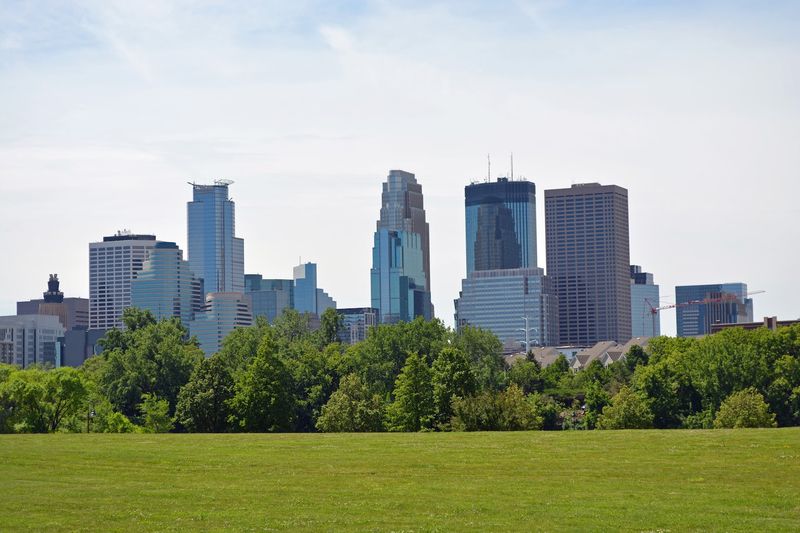
Theodor Wirth Park covers nearly 760 acres on the western edge of Minneapolis, making it the largest park in the entire city park system. It is also one of the most versatile outdoor spaces in the metro area, offering something genuinely different in every season.
In summer, the park features a beach, a golf course, natural wetlands, and a restored native plant garden. Come winter, it transforms into a Nordic ski destination with groomed cross-country trails and a terrain park that serves as the home of the Loppet Foundation, a nonprofit that has done remarkable work connecting Minneapolis residents of all backgrounds to winter outdoor recreation.
The park sits just a few miles from downtown, yet it absorbs visitors into a landscape that feels far removed from urban life. Trails wind through mature forest, past marshy wetlands, and across open grasslands in a sequence that keeps every walk or ski feeling fresh.
Minnehaha Falls and the Park That Surrounds It

Not many cities can claim a 53-foot waterfall flowing through a regional park just minutes from downtown. Minnehaha Falls in Minneapolis is one of those genuinely surprising urban landmarks that makes first-time visitors do a double take when they realize it is sitting right inside the city limits.
The falls drop over a limestone ledge into a creek that winds through a wooded gorge before emptying into the Mississippi River. The surrounding Minnehaha Regional Park offers miles of trails along the creek, picnic areas under old-growth trees, and river access at the southern end near the confluence with the Mississippi.
Henry Wadsworth Longfellow immortalized the falls in his famous poem “The Song of Hiawatha,” giving the site a literary history that adds an unexpected layer to what is already a visually striking natural feature. In winter, the falls partially freeze into dramatic ice formations that draw photographers from across the region.
The Midtown Greenway: Urban Trail Engineering at Its Best
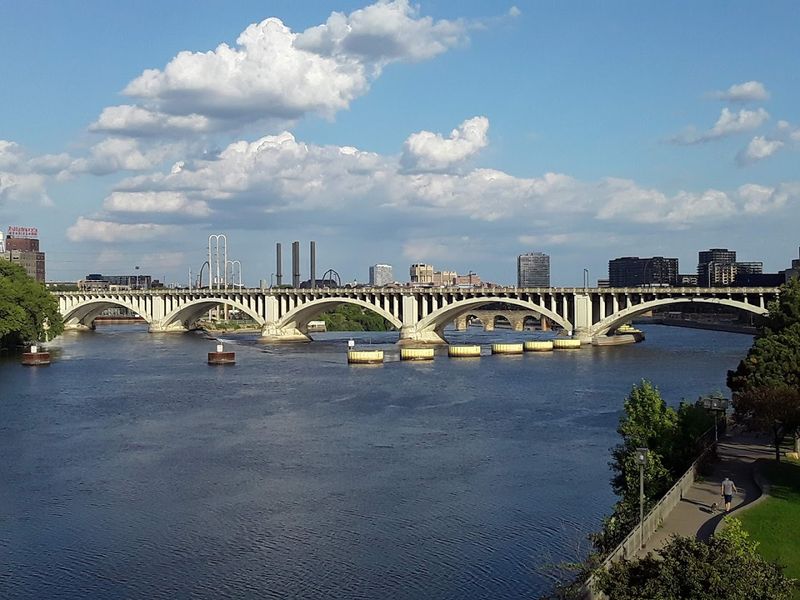
Running nearly six miles across south Minneapolis through a former railroad corridor, the Midtown Greenway is one of the most cleverly designed urban trails in the country. The trail runs below street level for much of its length, meaning cyclists and pedestrians travel in a dedicated space completely separated from vehicle traffic.
That below-grade design was not just a practical choice. It created a trail experience that feels genuinely immersive, with the city rising on both sides as you move through the corridor.
Murals painted along the retaining walls turn the commute into something closer to an art tour.
The Greenway connects to major north-south bike routes, the Chain of Lakes trail system, and several neighborhood commercial corridors, making it one of the most functionally useful pieces of cycling infrastructure in the Twin Cities. Thousands of people use it daily for actual transportation, which is the highest compliment any trail can receive.
Access to Healthcare and Healthy Food Deserts Compared to Peer Cities
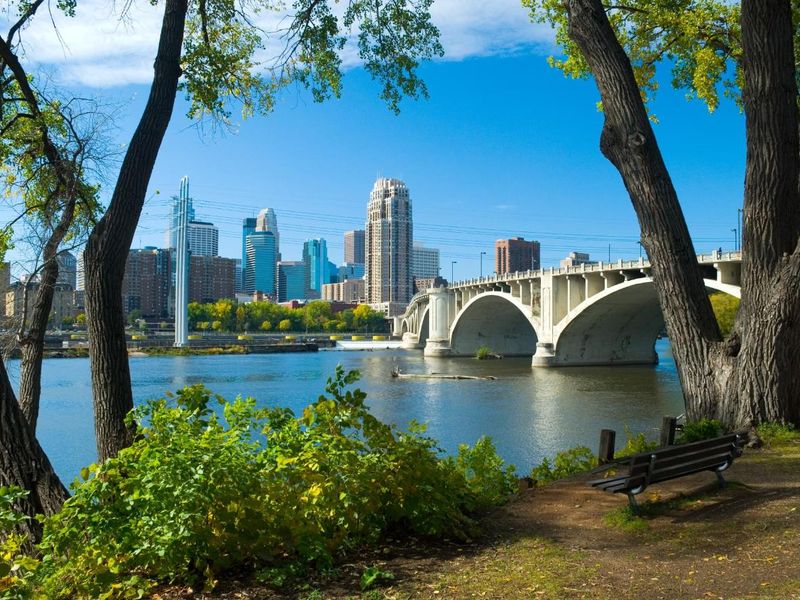
One factor that separates Minneapolis from other cities claiming healthy living status is the combination of healthcare access and food environment quality across different neighborhoods. Minneapolis consistently scores well on metrics measuring how close residents live to healthcare facilities, grocery stores, and fresh food retailers.
The city has made deliberate policy investments aimed at reducing food access disparities, supporting community gardens in underserved neighborhoods, and expanding healthy food options through corner store programs and mobile markets. These efforts have measurable effects on population health outcomes that show up in the data behind national rankings.
Major medical institutions in the Minneapolis metro area also contribute to a healthcare infrastructure that supports preventive care and early intervention rather than just emergency response. That preventive orientation aligns well with the active lifestyle culture the city has cultivated, creating a population that is both physically active and medically engaged in maintaining long-term health.
Why Minneapolis Keeps Pulling Ahead of Chicago and Other Midwest Rivals
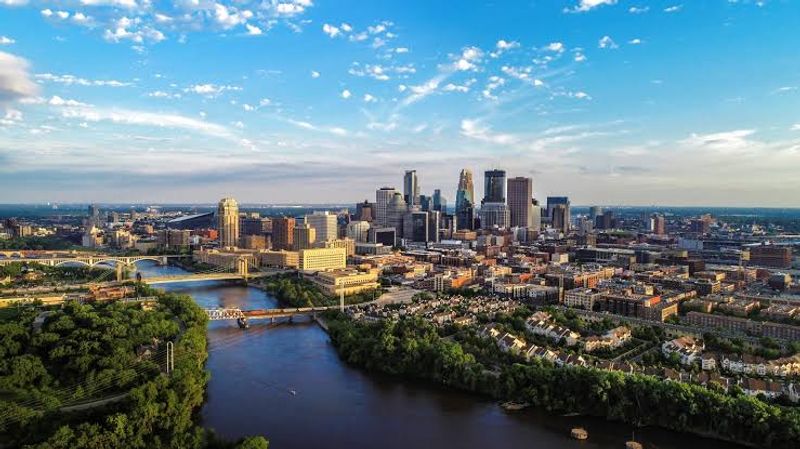
Chicago is a magnificent city with its own remarkable qualities, but when it comes to the specific metrics that define healthy living, Minneapolis has built a structural advantage that is genuinely difficult to match. The combination of park density, trail connectivity, lake access, cycling infrastructure, and cultural investment in outdoor life creates a system where healthy choices are the path of least resistance.
Chicago has lakefront access along Lake Michigan and its own trail network, but Minneapolis surrounds residents with water and green space at a neighborhood level that Chicago simply cannot replicate given its size and layout. The scale difference actually works in Minneapolis’s favor here.
Other Midwest cities like Milwaukee, Columbus, and Kansas City have made real strides in healthy living infrastructure, but none have assembled the full package that Minneapolis offers. The No. 1 ranking reflects years of consistent investment in the kind of city design that makes healthy living feel less like a discipline and more like a natural byproduct of daily life.
Share this story