Southeast Asia is packed with islands that rarely make it onto a travel brochure, yet they hold some of the most fascinating landscapes, cultures, and histories in the world. From volcanic craters to ancient rainforests and glowing nighttime waters, these places go far beyond the typical beach vacation.
Whether you are a curious traveler or just love learning about the world, these 15 islands each have a story worth knowing.
1. Komodo Island, Indonesia
Walking through Komodo Island feels like stepping into a prehistoric world. The famous Komodo dragons roam freely here, growing up to ten feet long and weighing over 150 pounds.
Watching one move slowly across a dusty trail is something you simply cannot forget.
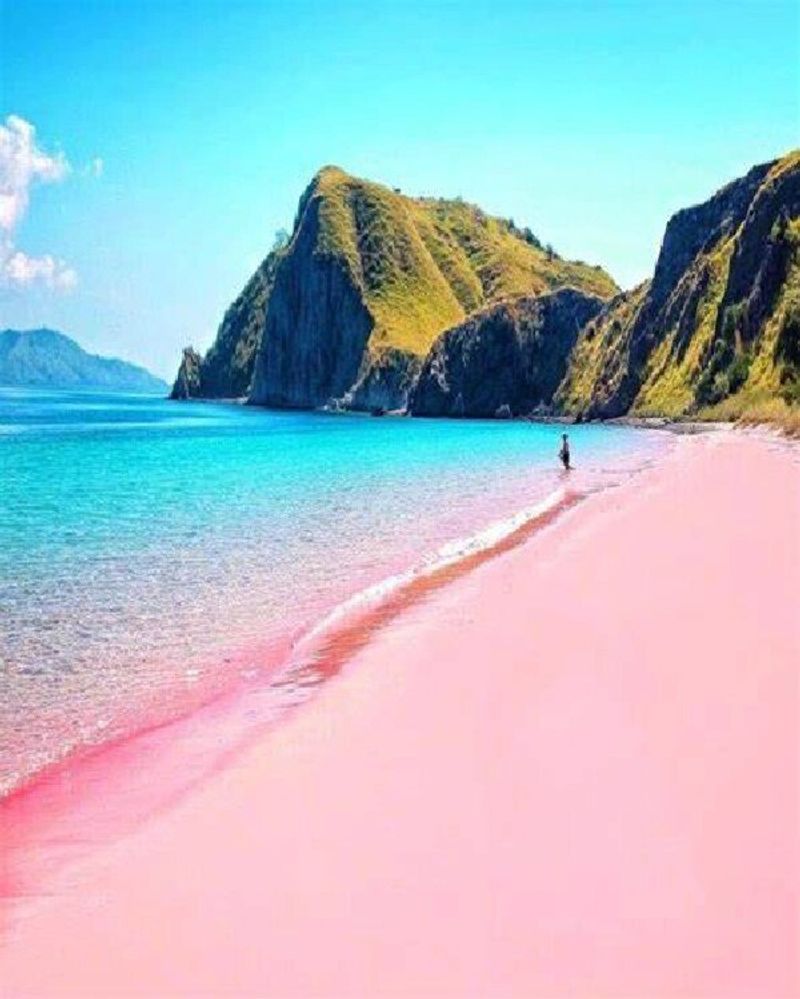
Beyond the dragons, the island surprises visitors with its pink-sand beaches, which get their color from red coral fragments mixed into the sand. The rugged hills and dramatic coastline make every viewpoint feel like something out of a nature documentary.
Komodo is part of a UNESCO World Heritage Site, which helps protect both its wildlife and its landscapes. Unlike Bali or Lombok, the island feels raw and largely untouched.
Visitors typically arrive by boat, adding to the sense of adventure. If you are looking for an island experience that goes far beyond sunbathing, Komodo delivers every single time.
2. Flores, Indonesia
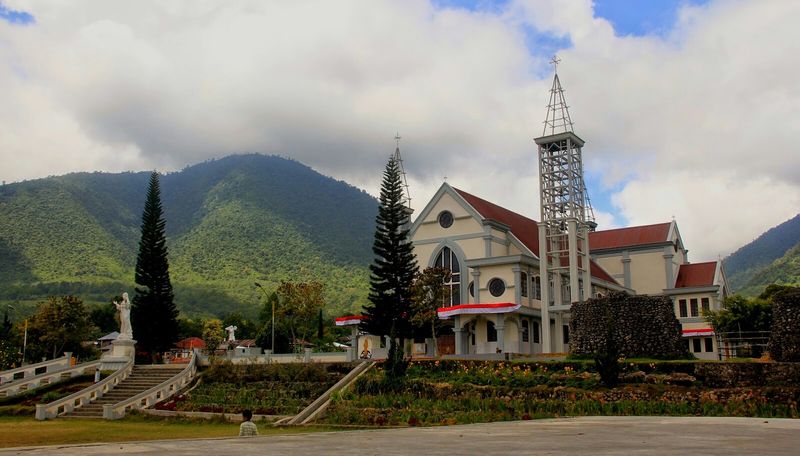
Flores is one of those places that rewards travelers who are willing to go a little off the beaten path. The island sits east of Bali but feels like an entirely different country, filled with volcanic peaks, traditional villages, and scenery that genuinely takes your breath away.
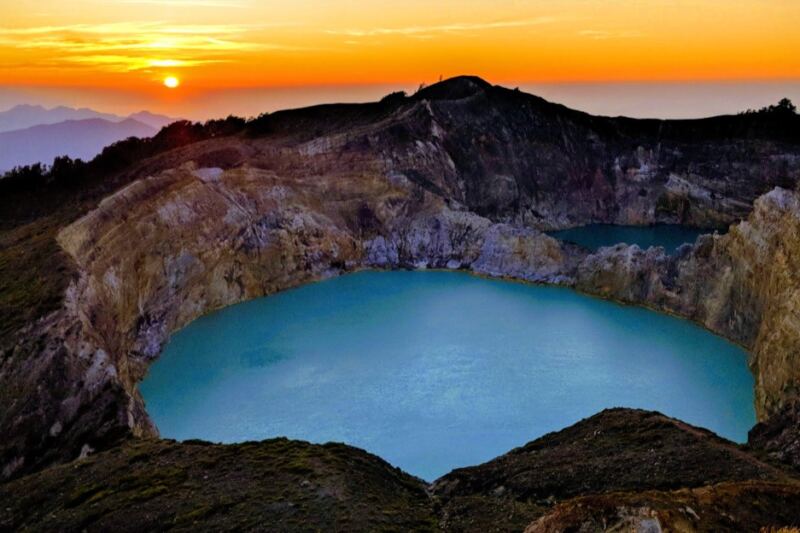
The highlight for many visitors is Kelimutu, a volcano with three crater lakes that each display a different color. The lakes can appear turquoise, green, black, or reddish-brown depending on the minerals present and the time of year.
Locals believe the lakes hold the souls of the departed, which adds a layer of meaning to every visit.
Traditional Ngada villages nearby still follow ancient customs, with cone-shaped thatched houses and ancestral shrines standing in the village centers. Flores proves that Indonesia’s magic extends well beyond its most famous island.
Spending even a few days here changes how you see the region entirely.
3. Palawan, Philippines
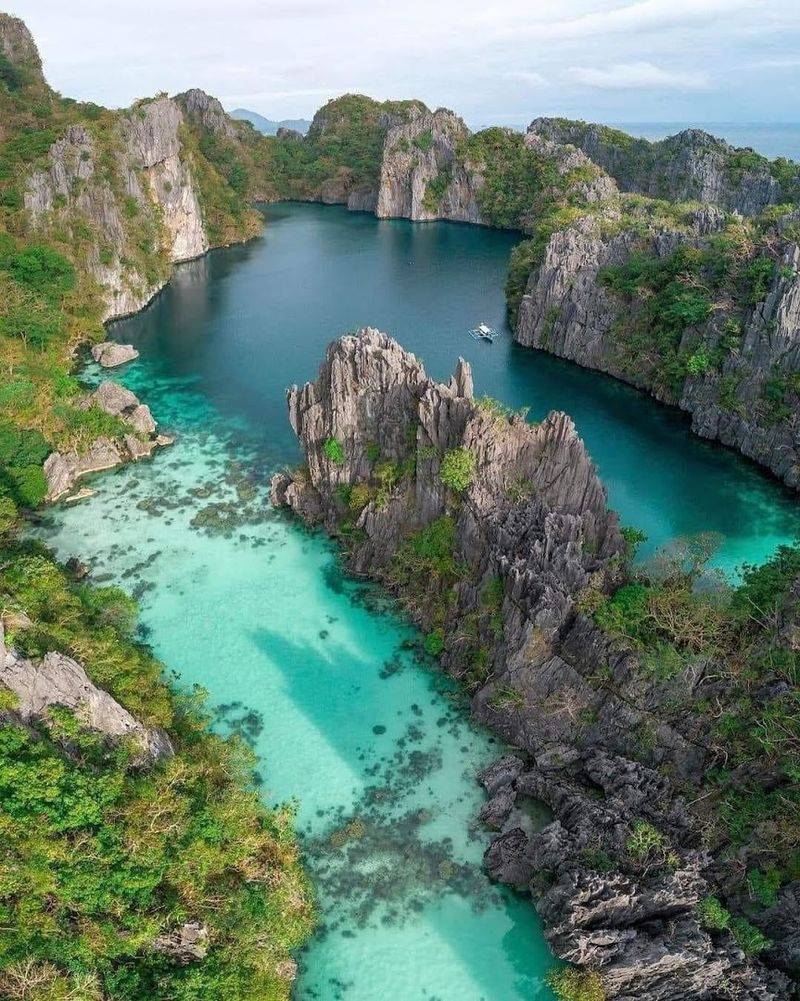
Palawan regularly tops lists of the world’s most beautiful islands, but its fame only tells part of the story. Yes, the lagoons of El Nido and Coron are stunning, but venture further and you will find hidden caves, remote fishing communities, and marine ecosystems that rank among the healthiest in the world.
The Puerto Princesa Underground River, a UNESCO World Heritage Site, stretches over five miles beneath towering limestone mountains. Paddling through its cathedral-like chambers by small boat is a genuinely humbling experience.
Palawan’s waters are part of the Coral Triangle, a region recognized globally for its extraordinary biodiversity. Sea turtles, reef sharks, and hundreds of fish species are common sightings for snorkelers and divers.
Despite growing tourism, many corners of Palawan remain quiet and surprisingly accessible. Arriving with an open itinerary rather than a fixed plan often leads to the most memorable discoveries.
4. Siquijor, Philippines
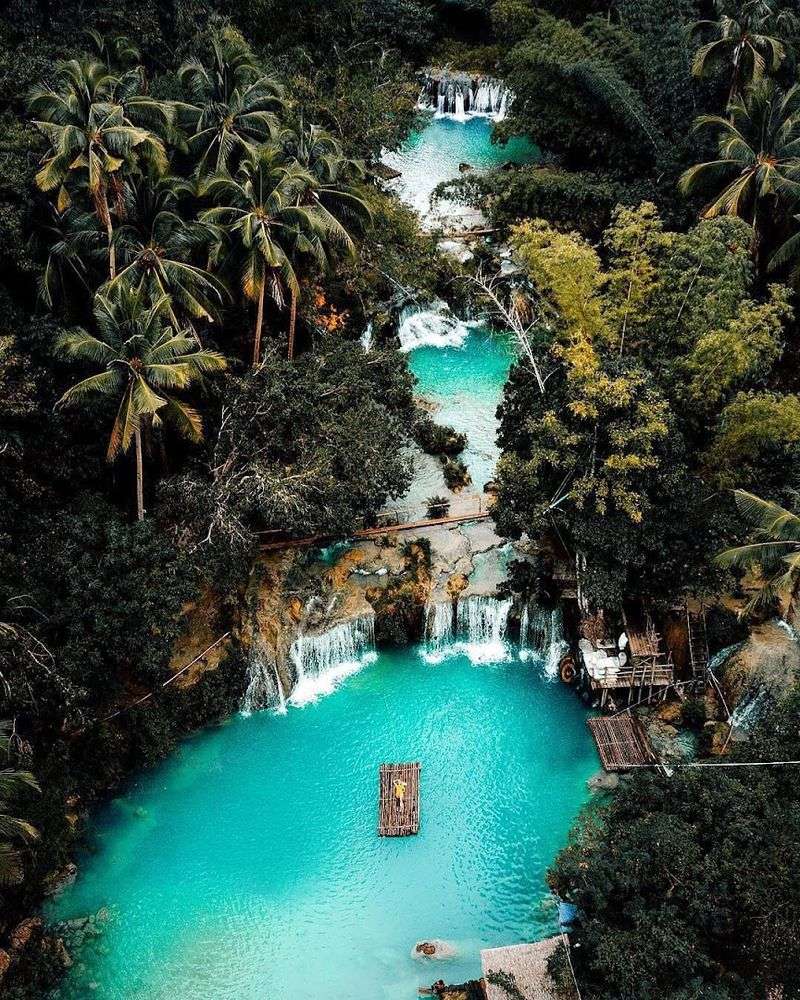
Siquijor has a reputation that sets it apart from every other island in the Philippines. For generations, it has been associated with folk healers, herbal remedies, and mystical traditions that still draw curious visitors from across the country.
Every Holy Week, local healers gather to prepare traditional medicines using plants, roots, and rituals passed down through centuries. Whether or not you believe in the mystical side of things, witnessing these practices offers a genuinely rare cultural experience.
Set aside the folklore for a moment, and Siquijor still impresses. Cambugahay Falls offers a series of turquoise pools perfect for swimming, while the island’s coral reefs attract snorkelers with clear, calm water.
White-sand beaches remain uncrowded compared to busier Philippine destinations. The island is small enough to explore by scooter in a single day, making it an ideal stop for travelers who want culture, nature, and a little mystery all in one place.
5. Borneo, Malaysia, Indonesia, and Brunei
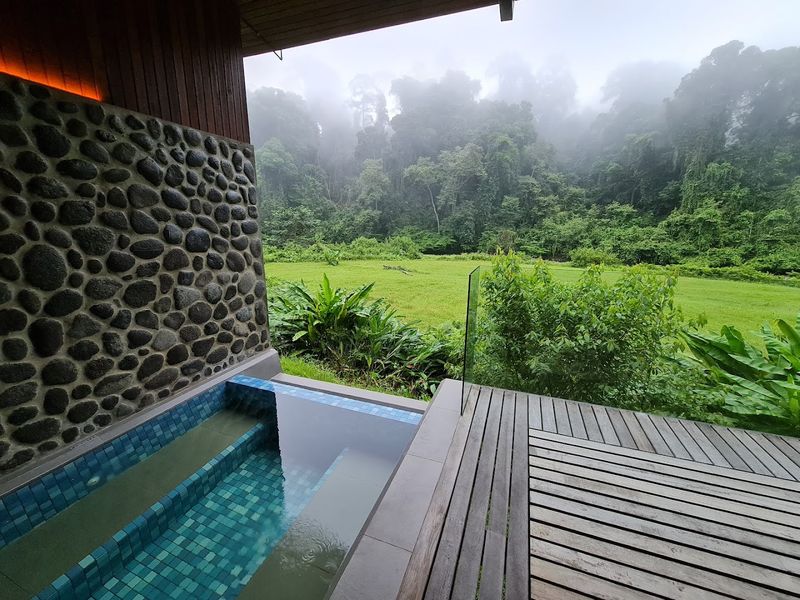
Borneo is not just an island. It is an experience that reshapes your understanding of what wilderness truly means.
Shared between Malaysia, Indonesia, and Brunei, it is the third-largest island in the world and home to one of the oldest rainforests on Earth, estimated to be around 140 million years old.
Orangutans swing through the forest canopy in Sabah and Sarawak, while pygmy elephants wade through rivers in the lowland forests. Proboscis monkeys, clouded leopards, and sun bears also call this island home, making it one of the most biodiverse places on the planet.
Indigenous communities such as the Dayak people have lived in harmony with Borneo’s forests for thousands of years. Visiting longhouse communities offers insight into traditions that have remained largely unchanged for generations.
Borneo asks more of its visitors than a typical beach destination, but what it gives back in return is absolutely unmatched.
6. Nusa Penida, Indonesia
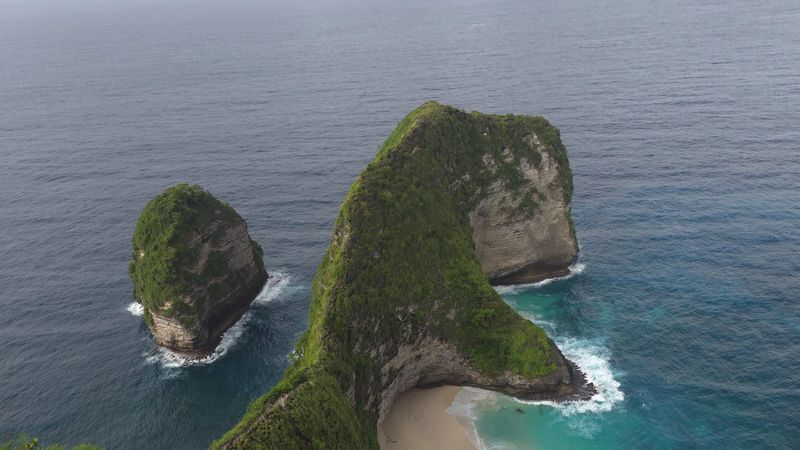
Just a 45-minute fast boat ride from Bali, Nusa Penida feels like a completely different world. The island’s defining feature is its dramatic coastline, where towering limestone cliffs drop sharply into churning blue water below.
Kelingking Beach, shaped like a T-Rex from above, has become one of Indonesia’s most photographed spots.
Manta rays glide through the waters around Crystal Bay, making it one of the best places in the region to snorkel or dive with these graceful creatures. The island also serves as a sanctuary for the endangered Bali starling bird, adding conservation value to its natural appeal.
The roads here are steep and sometimes rough, which actually keeps the crowds thinner than on Bali itself. Renting a scooter and exploring at your own pace reveals viewpoints and hidden beaches that most guided tours skip entirely.
Nusa Penida rewards the adventurous traveler with raw, unforgettable scenery at nearly every turn.
7. Koh Rong Samloem, Cambodia
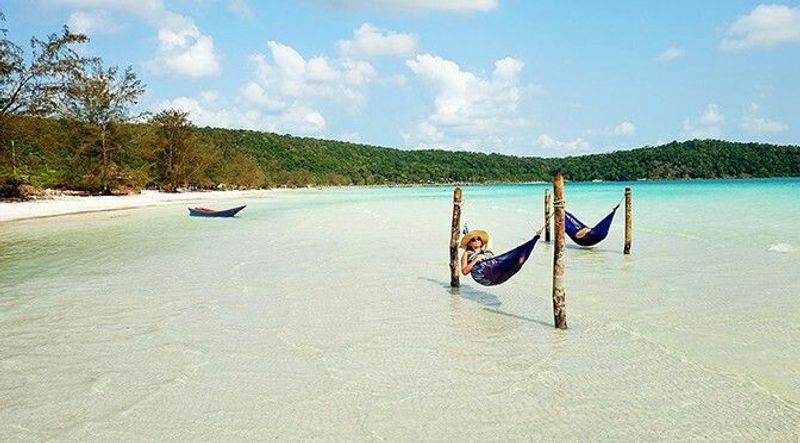
Cambodia does not always come to mind when people think about island destinations, but Koh Rong Samloem quietly challenges that assumption. Smaller and calmer than its neighbor Koh Rong, this island offers powdery white sand beaches and water so clear it looks almost fake during the day.
After dark, the real magic begins. The bay around Saracen Beach is famous for bioluminescent plankton, tiny organisms that glow a brilliant blue when disturbed by movement.
Swimming through the glowing water at night is one of those travel experiences that stays with you for years.
Electricity on the island is limited, and there are no large resort chains. Accommodation ranges from simple bungalows to comfortable eco-lodges, all designed to keep the island’s peaceful atmosphere intact.
The lack of nightlife and noise is actually the point. Koh Rong Samloem is best enjoyed slowly, with a hammock, a good book, and a willingness to completely unplug.
8. Con Dao Islands, Vietnam
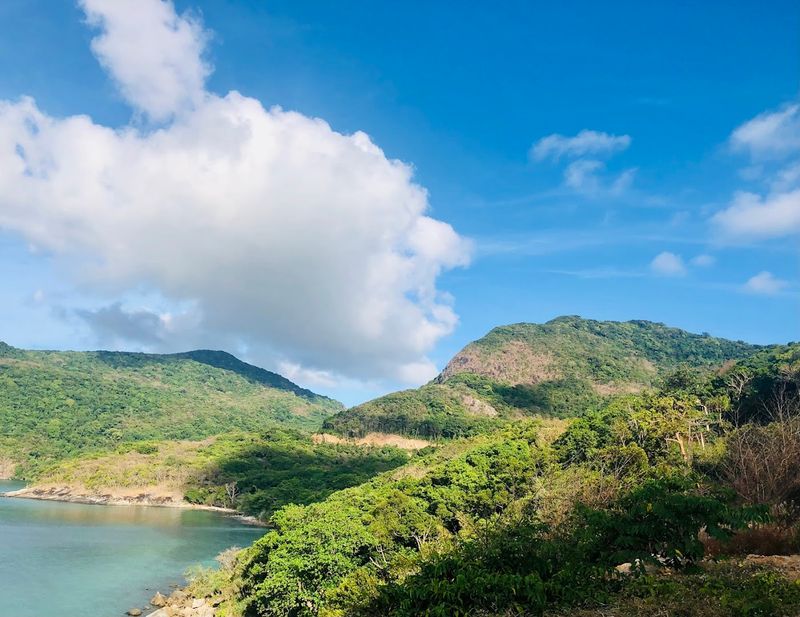
Con Dao carries a complicated history that adds real depth to any visit. The islands were home to a brutal prison complex used during the French colonial era and later during the Vietnam War.
Thousands of political prisoners were held and tortured here, and the preserved cells at Con Son Prison serve as a sobering reminder of that past.
Today, Con Dao is one of Vietnam’s most protected natural areas. Con Dao National Park covers most of the archipelago, safeguarding dense forests, pristine beaches, and critical nesting sites for green sea turtles.
Between May and September, visitors can join guided night watches to observe turtles laying eggs on the beach.
Because Con Dao lacks the mass tourism infrastructure of Phu Quoc or Da Nang, it retains a calm, unhurried atmosphere. The combination of historical weight and extraordinary natural beauty makes it one of the most layered destinations in all of Southeast Asia.
9. Phu Quoc, Vietnam
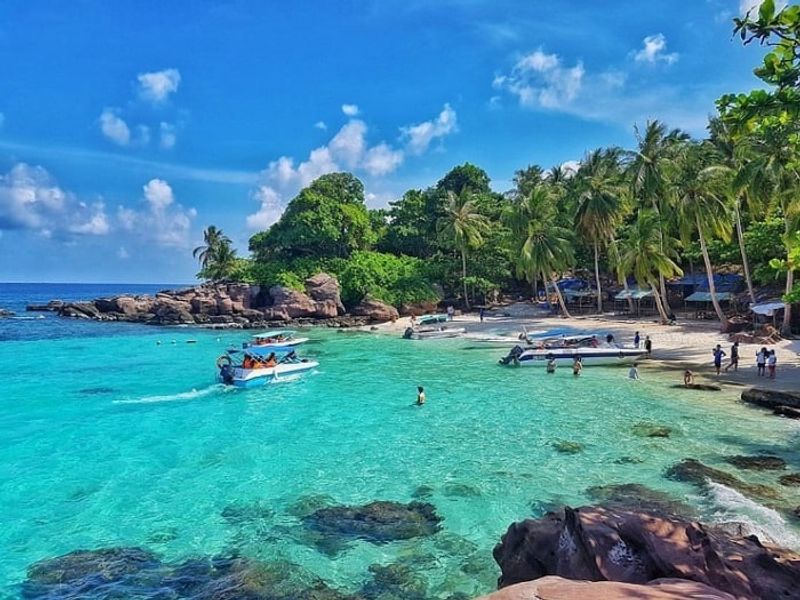
Phu Quoc has transformed rapidly over the past decade, with luxury resorts and cable cars reshaping its northern and southern coasts. But look past the development and you will find an island with genuine character still very much alive.
The northern part of the island is protected as a national park, covering over half of Phu Quoc’s total land area. Hiking through its dense forest reveals streams, wildlife, and a quietness that the resort zones cannot offer.
Traditional fishing villages along the eastern coast continue to produce the fish sauce that has made Phu Quoc famous throughout Vietnam.
Pepper farms dot the interior, and local markets in Duong Dong town sell fresh seafood, tropical fruits, and handmade goods that reflect the island’s working culture. Phu Quoc is not just a beach resort.
It is a place where old Vietnam and new Vietnam exist side by side, making it more interesting than most visitors initially expect.
10. Belitung, Indonesia
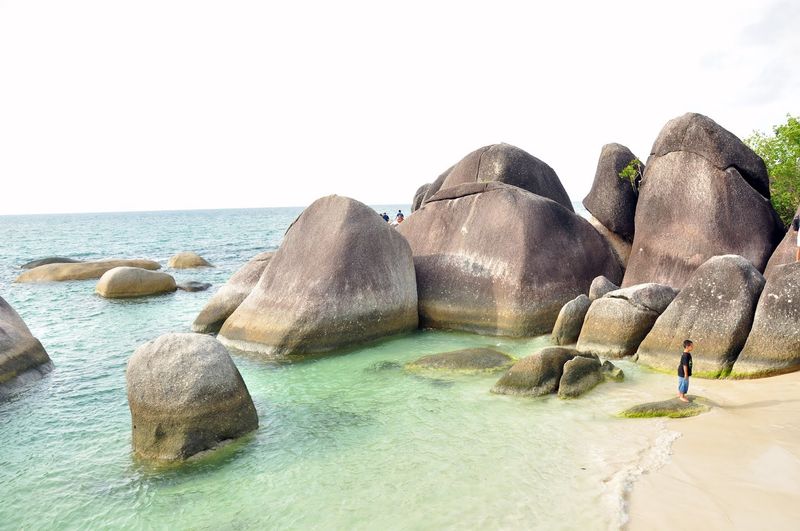
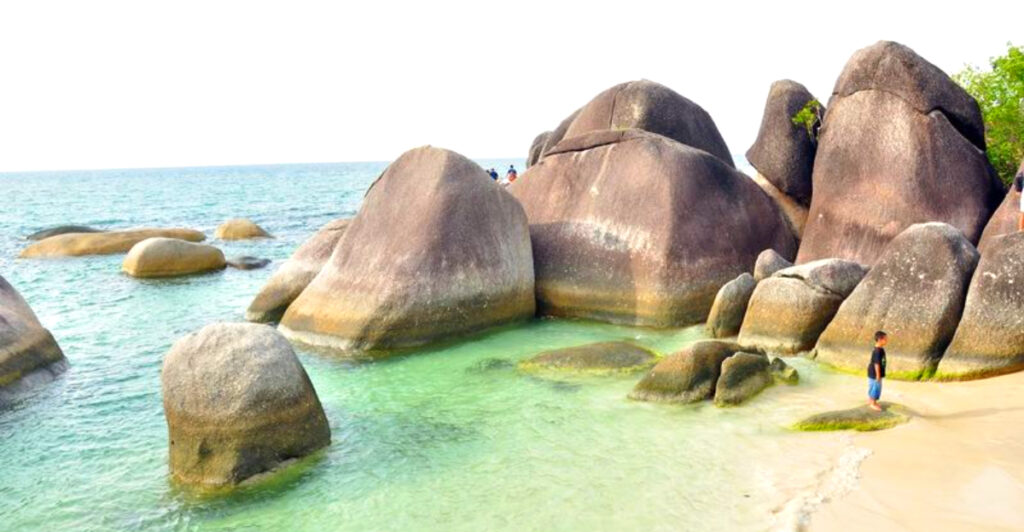
Belitung looks like something a landscape artist dreamed up rather than a real place. Giant rounded granite boulders, some as large as houses, rise directly from calm, crystal-clear water along beaches like Tanjung Tinggi and Tanjung Kelayang.
The contrast of pale grey rock, white sand, and vivid blue sea creates a scene unlike anything else in Indonesia.
The island gained wider attention after the novel and film adaptation of “Laskar Pelangi” (Rainbow Troops) brought its landscapes to a national audience. Despite this cultural boost, Belitung has avoided the heavy development that transformed places like Bali and Lombok.
Tin mining has historically been the island’s main industry, and old mining ponds have become unexpected swimming spots with unusually clear water. Local seafood, particularly Belitung-style fish soup served over rice noodles, is reason enough to linger longer than planned.
For travelers who appreciate scenery that feels genuinely surreal, Belitung is hard to top.
11. Mergui Archipelago, Myanmar
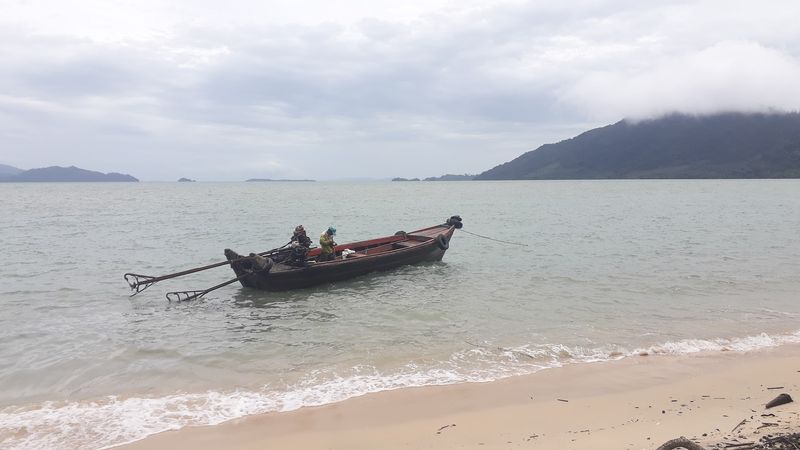
The Mergui Archipelago is one of those rare places that still earns the label truly remote. Stretching along Myanmar’s southern coastline, this collection of over 800 islands remains largely free of tourist infrastructure, which is precisely what makes it so compelling.
The Moken people, sometimes called sea nomads, have lived among these islands for centuries. Moving between the islands on wooden boats called kabang, they fish, dive, and maintain a way of life that is increasingly rare in the modern world.
Spending time near a Moken community offers a perspective on human adaptability that no resort can provide.
Coral reefs here are among the least disturbed in Southeast Asia, making the diving extraordinary for those who make the effort to reach them. Access typically requires a liveaboard boat from Kawthaung, adding to the sense of real expedition.
Mergui is not easy to reach, but travelers who do are rewarded with something genuinely uncommon.
12. Koh Tarutao, Thailand
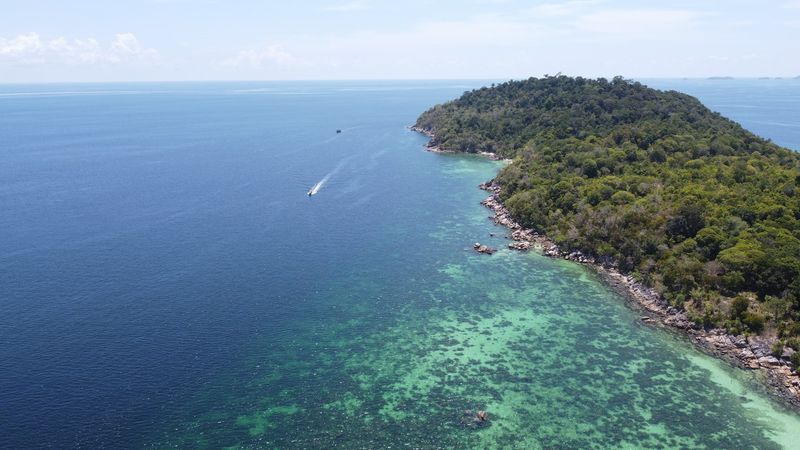
Koh Tarutao sits near the Thai-Malaysian border and carries a history that most visitors do not expect. During World War Two, the island served as a prison colony where over 3,000 political prisoners and criminals were held.
When food supplies ran out, some prisoners and guards turned to piracy in the surrounding waters to survive.
Today, Koh Tarutao is the centerpiece of one of Thailand’s first and most protected national marine parks. Development is strictly limited, meaning there are no large hotels, no beach clubs, and no convenience stores lining the shore.
Simple bungalows and a campsite run by the national park are the main accommodation options.
The result is a beach experience that feels genuinely peaceful. Leopard cats, langurs, and sea turtles all inhabit the island, and the surrounding waters offer excellent snorkeling.
Koh Tarutao proves that Thailand still has places where nature comes first and tourism comes second.
13. Weh Island, Indonesia
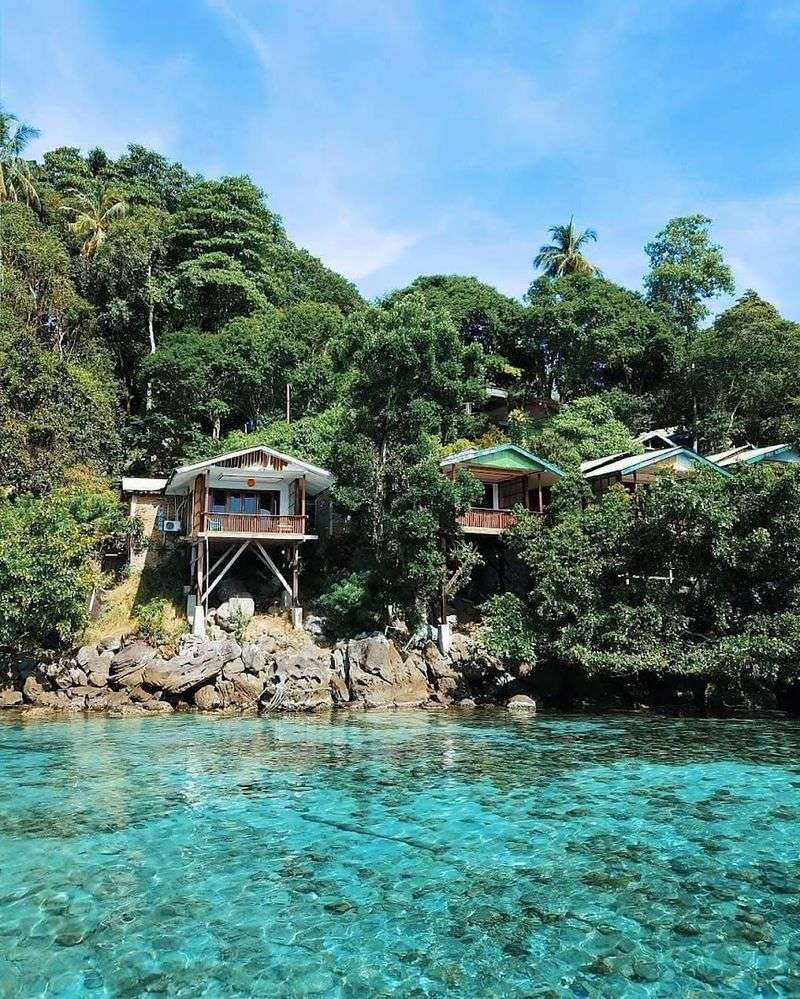
Weh Island sits at the very northern tip of Sumatra, closer to Thailand than to Bali, and feels wonderfully removed from Indonesia’s main tourist circuit. Getting here requires a ferry from Banda Aceh, which itself is a city with a powerful and moving story tied to the 2004 Indian Ocean tsunami.
The diving around Weh is exceptional. Volcanic vents bubble up from the seafloor, creating an otherworldly underwater environment where coral, fish, and geological activity all coexist.
Whale sharks are occasionally spotted in the waters, adding to the island’s appeal for serious divers.
On land, the pace is slow and the atmosphere genuinely relaxed. Small guesthouses cater to backpackers and budget travelers, while the local population is largely Muslim, reflecting Aceh’s deeply traditional culture.
Watching the sunset from Iboih village with a fresh coconut in hand is the kind of simple pleasure Weh does exceptionally well. Few islands in Southeast Asia feel this authentically unhurried.
14. Camiguin, Philippines
Camiguin punches well above its weight for such a small island. Known locally as the Island Born of Fire, it holds more volcanoes per square kilometer than any other island on Earth.
Mount Hibok-Hibok last erupted in 1953, and the landscape still bears the marks of volcanic activity throughout.
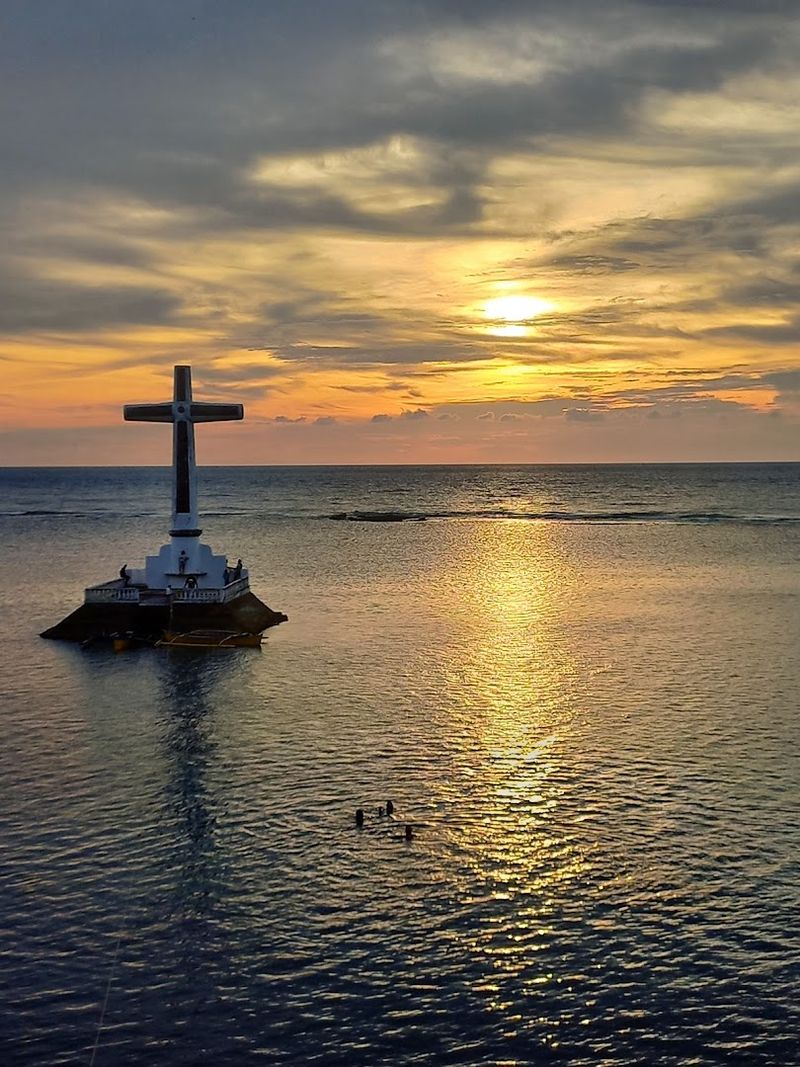
One of the island’s most unusual attractions is the Sunken Cemetery, where an old graveyard slipped beneath the sea during a volcanic eruption in the 1870s. A large white cross marks the site offshore, and snorkelers can explore the eerie underwater ruins below.
Hot springs fed by geothermal activity bubble up at Ardent Hot Spring, offering a natural soak surrounded by jungle.
Katibawasan Falls drops nearly 250 feet through dense forest, and the nearby White Island sandbar appears and disappears with the tides. Camiguin rewards travelers who enjoy packing multiple experiences into a compact space without the crowds that larger Philippine destinations attract.
15. Tioman Island, Malaysia
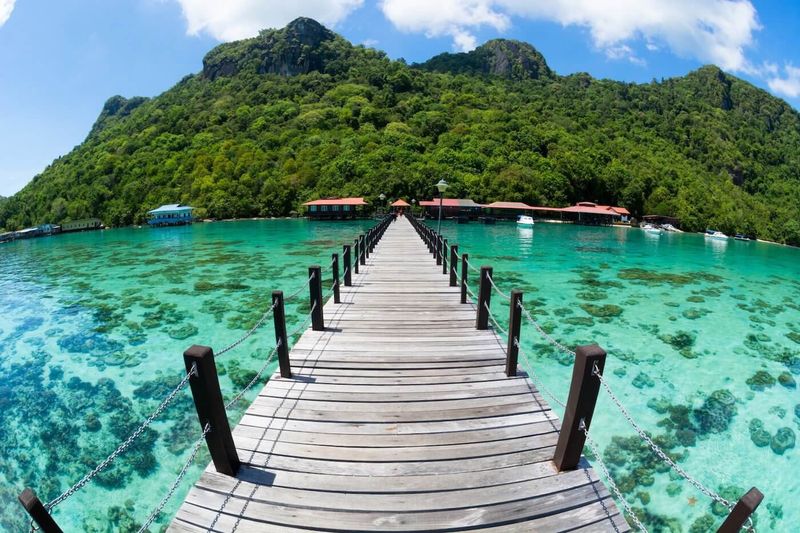
In 1970, Time magazine named Tioman one of the most beautiful islands in the world, and while the decades have brought some development, that original appeal has not disappeared. The island’s most striking feature is actually its interior, where ancient rainforest climbs steeply over dramatic granite peaks.
Hiking trails connect the island’s small villages and lead to waterfalls hidden deep in the jungle. The trail from Tekek to Juara crosses the island’s mountainous spine and rewards hikers with sweeping views and encounters with hornbills and macaques along the way.
Tioman is also a duty-free zone, which brings some shopping visitors, but the marine life remains the real draw. Coral reefs around the island support healthy populations of sea turtles, reef sharks, and colorful fish.
The island’s relative accessibility from both Singapore and Kuala Lumpur makes it a practical choice for travelers who want genuine wilderness without a complicated journey to reach it.
Share this story