Scandinavia’s rugged coastline is home to remote fishing villages where colorful cabins, working boats, and centuries-old traditions still shape daily life. From Norway’s fjords to the Faroe Islands, these 14 hidden communities offer an authentic side of Scandinavia most travelers never see.
1. Reine, Norway
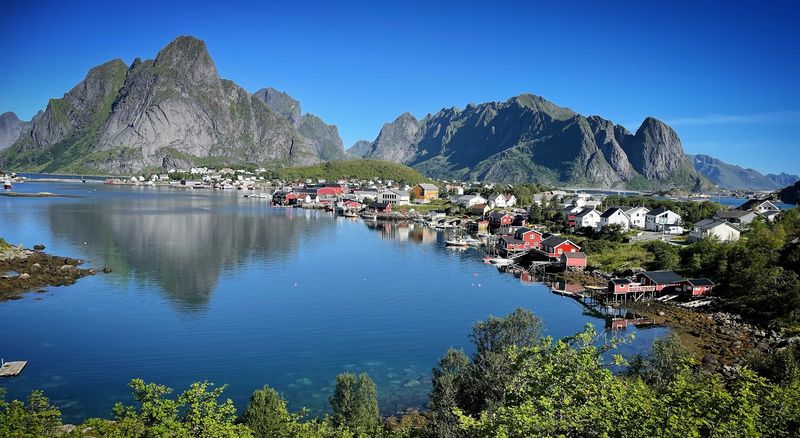
Few places on Earth pack this much drama into such a small postcode. Reine sits in the Lofoten Islands of northern Norway, where red wooden cabins called rorbuer line the harbor and jagged mountain peaks rise straight up from the water on all sides.
These rorbuer were originally built to house fishermen during the annual cod season, and many of them still stand today in near-original condition. The village has been a center of Norwegian cod fishing for centuries, and dried cod, known locally as stockfish, remains a key part of the local economy.
Reine sits above the Arctic Circle, which means visitors can experience the midnight sun in summer and the northern lights in winter. The population hovers around 300 people, making it one of the smallest and most scenic working fishing communities in all of Scandinavia.
2. Gjógv, Faroe Islands
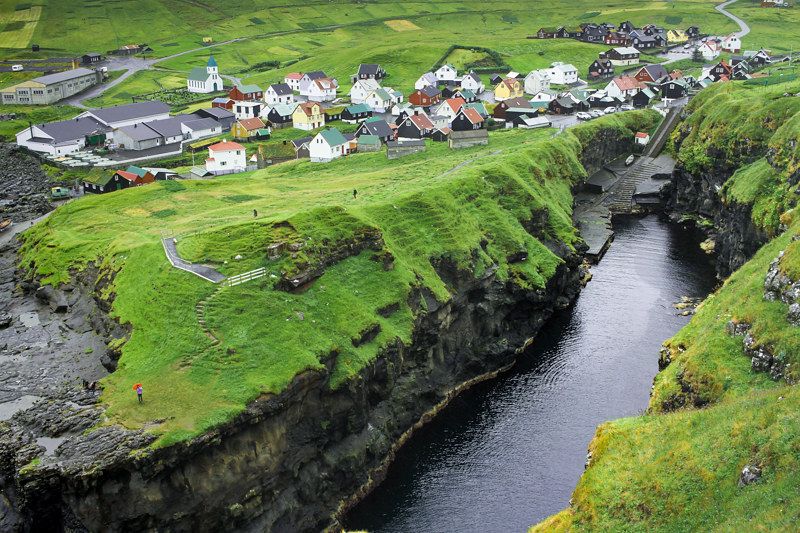
Named after the natural sea-filled gorge that slices through the village and serves as its harbor, Gjógv is the kind of place that makes you wonder how anyone found it in the first place. The Faroe Islands are already remote by any standard, and Gjógv pushes that remoteness to another level entirely.
The village sits on the northeastern tip of Eysturoy island, where steep cliffs drop directly into the Atlantic and turf-roofed homes blend into the green hillsides so naturally that they almost disappear. This building style was not chosen for aesthetics but for insulation and survival in one of the North Atlantic’s harshest climates.
Gjógv has a population of fewer than 50 people, yet it has maintained a continuous fishing community for centuries. The gorge harbor, though tiny, was the lifeline that connected this isolated village to the wider world for generations.
3. Hamnøy, Norway
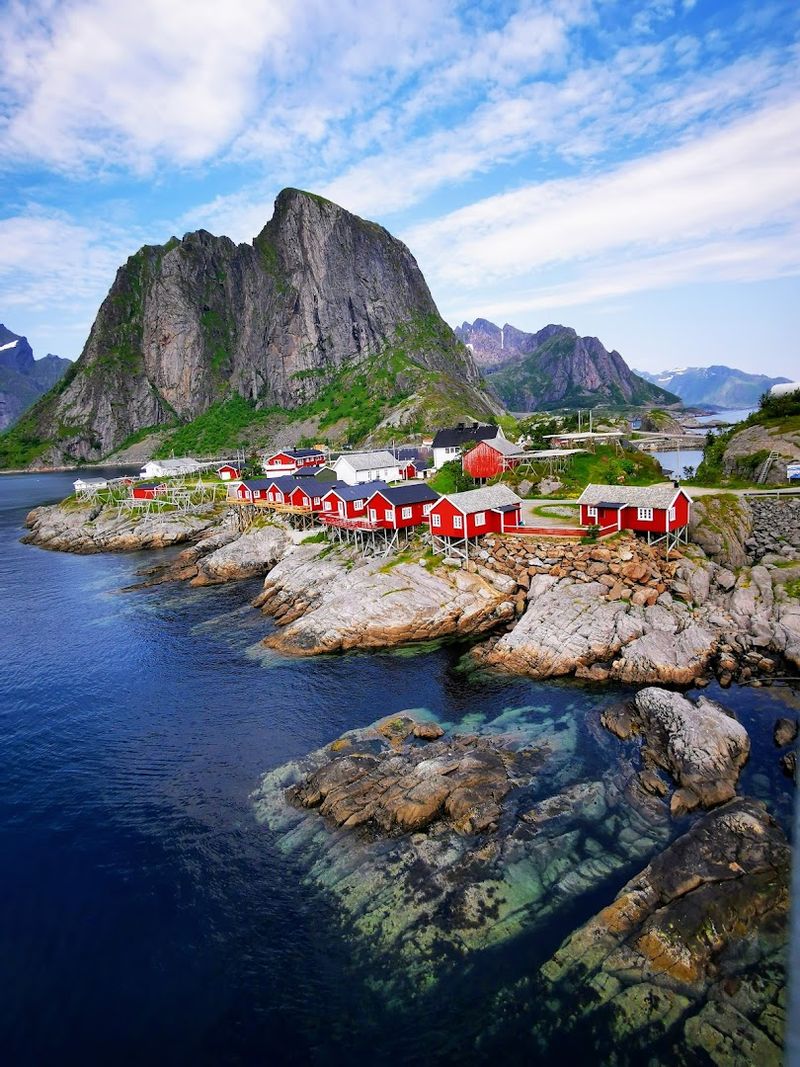
Before Instagram made Lofoten famous, Hamnøy was already quietly being one of the most scenic fishing communities in the entire Norwegian archipelago. The village is one of the oldest continuously inhabited fishing settlements in Lofoten, with records of fishing activity stretching back many centuries.
Red and yellow wooden cabins perch on stilts directly over the water, connected to each other and to neighboring islands by a series of low scenic bridges. The harbor sits in a natural basin surrounded by some of the sharpest mountain peaks in northern Norway, creating a backdrop that professional photographers travel thousands of miles to capture.
Hamnøy remains a working village rather than a museum piece, which is part of what makes it special. Local fishermen still head out in the early morning hours during cod season, keeping alive a tradition that has defined this community for longer than most countries have existed.
4. Skudeneshavn, Norway
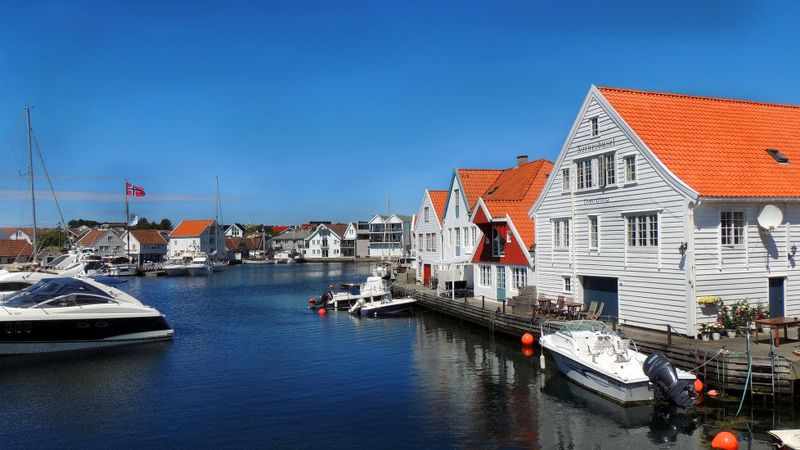
White wooden houses, narrow lanes, and a harbor that still smells of the sea rather than sunscreen make Skudeneshavn one of Norway’s most authentic preserved maritime towns. Located on the southern tip of Karmøy island along Norway’s western coast, the town owes its character almost entirely to the herring boom of the 1800s.
During the 19th century, herring fishing turned Skudeneshavn into a busy and prosperous port. Merchants and fishermen built homes and warehouses that still stand today, many in the traditional white-painted Biedermeier style that gives the town its distinctive look.
The old town area, known as Gamle Skudeneshavn, is now a protected heritage zone containing over 150 original wooden buildings. Norway has recognized it as one of the best-preserved coastal towns from the herring era.
Visitors can walk the original lanes and get a genuine sense of what 19th-century Norwegian fishing life actually looked like.
5. Smögen, Sweden
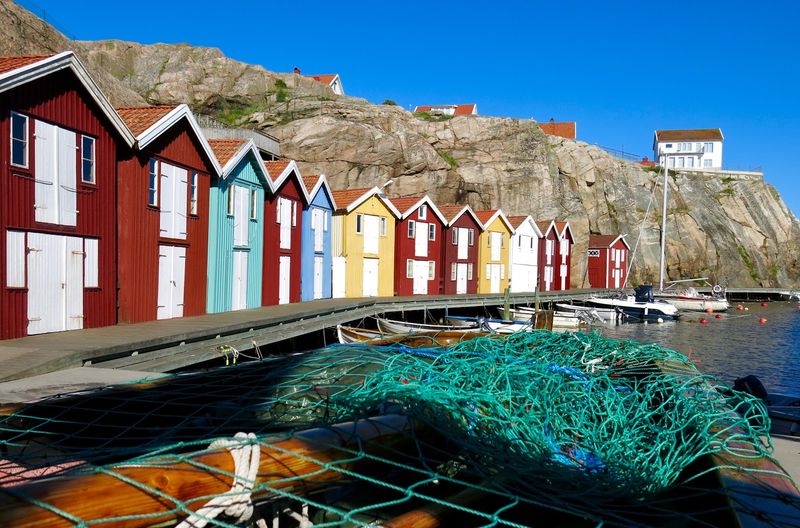
Sweden has a habit of hiding its best coastal spots just far enough off the main road to keep the crowds away, and Smögen is a perfect example of that habit paying off. This small fishing village sits on a rocky island off Sweden’s west coast, connected to the mainland by a short bridge.
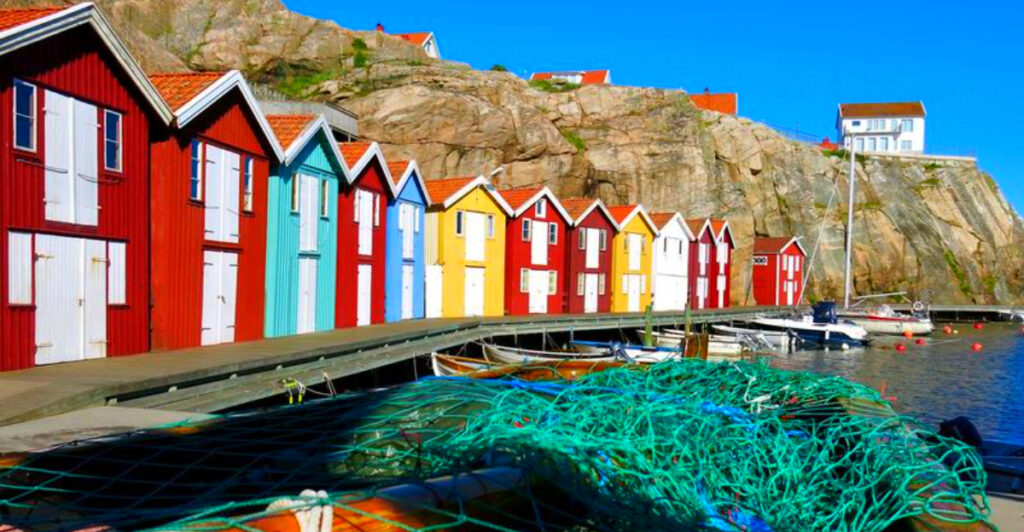
The village is best known for its Smögenbryggan, a historic wooden boardwalk that stretches along the harbor and was once the busiest spot for unloading North Sea fish catches. Colorful boathouses crowd the shoreline, painted in shades of red, yellow, and blue, giving the place an almost storybook appearance.
Fishing has been the backbone of Smögen since the 17th century. Today, fresh shellfish and local seafood keep the harbor market busy, and the village draws visitors who want authentic coastal Sweden without the crowds of larger resort towns.
6. Mölle, Sweden
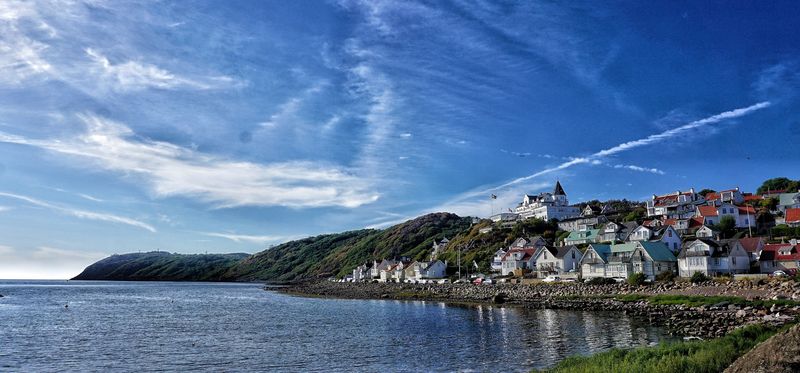
At the very tip of the Kullaberg peninsula in southern Sweden, Mölle has been quietly doing its own thing since long before it became fashionable. The village sits on the Kattegat coast, where Sweden faces Denmark across a stretch of water that has been fished commercially for centuries.
Mölle earned a brief moment of European notoriety in the early 1900s when it became one of the first Swedish seaside resorts to allow men and women to swim together, which was considered scandalous at the time. That rebellious streak has mostly faded, and today the village is better known for its harbor cottages, rocky coastal cliffs, and unhurried pace.
The fishing heritage here runs deep, with the harbor still hosting small-scale commercial fishing operations. The nearby Kullaberg Nature Reserve adds protected cliffs, caves, and coastline to the village’s natural surroundings, making Mölle a rewarding destination for anyone who prefers rugged scenery over resort amenities.
7. Siglufjörður, Iceland
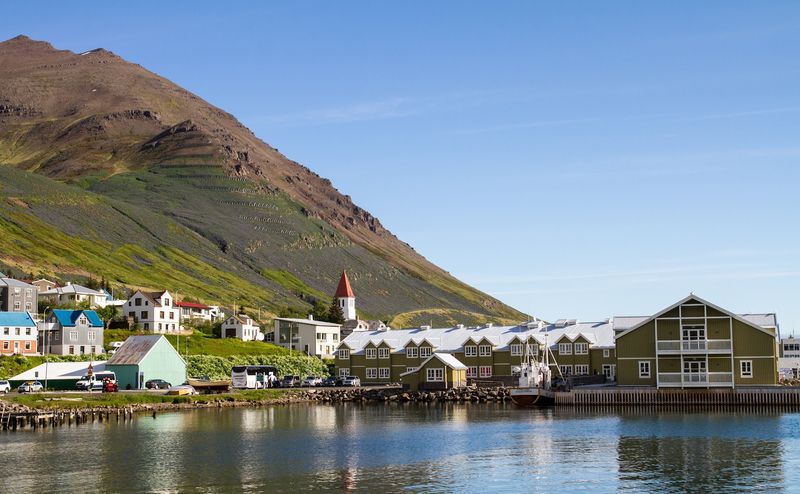
For a few remarkable decades in the mid-20th century, Siglufjörður was the most important fishing town in the entire North Atlantic. Hidden at the end of a narrow fjord in northern Iceland, it became the center of the Icelandic herring industry and drew workers from across the country and beyond.
At its peak, the town had a population of over 3,000 people and processed enormous quantities of herring each season. When the herring stocks collapsed in the late 1960s, the industry disappeared almost overnight, and Siglufjörður became a quieter, smaller version of its former self.
Today, the Herring Era Museum stands as one of Iceland’s largest and most detailed industrial museums, spread across three restored harbor warehouses. The colorful homes and the dramatic fjord setting remain, giving the town a melancholy beauty that comes from knowing exactly what it once was and choosing to remember it honestly.
8. Nusfjord, Norway
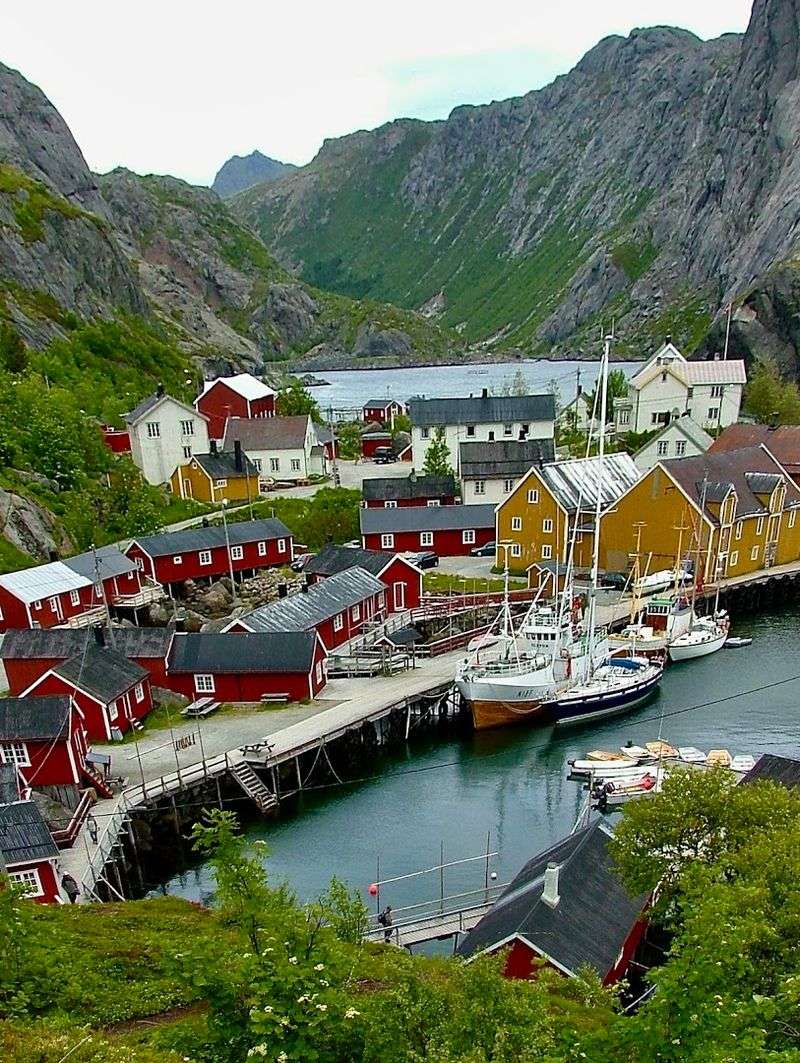
Nusfjord holds the distinction of being a UNESCO World Heritage site, which is a remarkable achievement for a village that can be walked end to end in about ten minutes. Located in the Lofoten archipelago, it is considered one of the oldest and best-preserved fishing villages in Norway.
The harbor is sheltered by steep rock walls on three sides, which made it an ideal fishing base for centuries. Traditional rorbuer cabins in red and yellow still line the docks, and historic fish-drying racks stand exactly where they always have, as if waiting for the next season’s cod haul.
The village dates back to the 1400s and was continuously used as a commercial fishing base until well into the 20th century. Unlike many preserved villages that feel like stage sets, Nusfjord has a lived-in quality that comes from its careful maintenance rather than heavy restoration.
A small general store has operated here since 1877.
9. Marstrand, Sweden
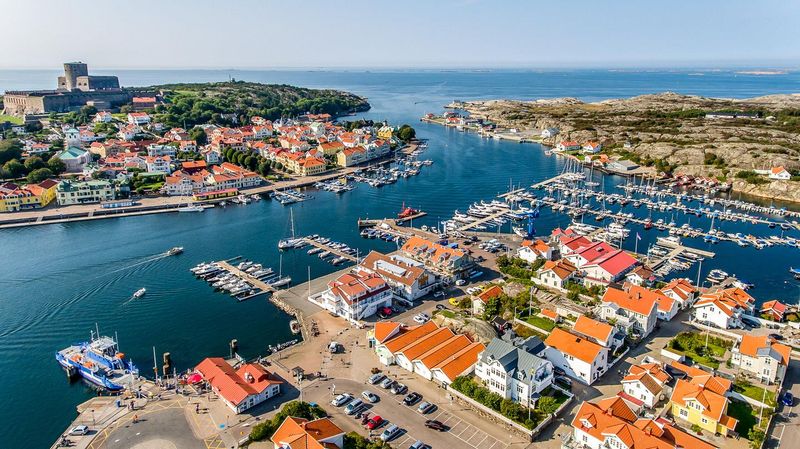
Marstrand has a fortress on its hill, a harbor full of sailing boats, and a history that swings between royal favor and total ruin with the kind of drama that belongs in a novel. The island sits off Sweden’s west coast in the Bohuslän archipelago and has been strategically important since the Middle Ages.
The town was actually burned to the ground and rebuilt multiple times due to conflicts between Sweden and Denmark over this stretch of coastline. Each rebuilding left behind layers of architectural history that are still visible in the old wooden buildings along the harbor.
Fishing brought Marstrand its early prosperity, particularly during the great herring periods of the 18th and 19th centuries. Today, the island is better known for sailing regattas and summer visitors, but the rugged harbor atmosphere and the looming Carlsten Fortress keep the town grounded in its genuinely eventful past.
10. Ísafjörður, Iceland
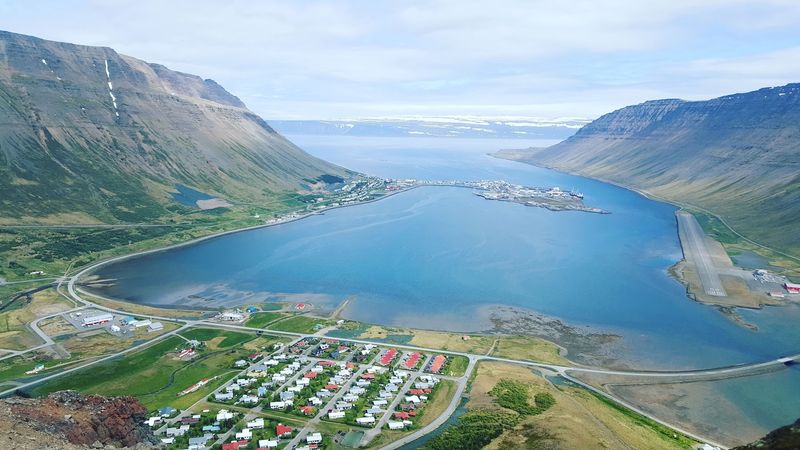
Getting to Ísafjörður requires either a mountain road with more switchbacks than a crime novel or a small plane that threads between fjord walls on its approach, which tells you everything about how remote this place truly is. The town sits in the Westfjords, Iceland’s most isolated region, on a narrow spit of land jutting into the fjord Skutulsfjörður.
The old town section contains some of Iceland’s oldest surviving wooden buildings, dating to the 18th and 19th centuries, built by fishermen and trading merchants who made this fjord their base of operations. The Westfjords Heritage Museum is housed in one of these original structures and documents the town’s long maritime history.
Ísafjörður is the largest town in the Westfjords, but that is a relative term: fewer than 3,000 people live here year-round. The surrounding landscape of steep fjord walls and open Arctic water gives the town a frontier quality that no amount of modern development has managed to soften.
11. Henningsvær, Norway
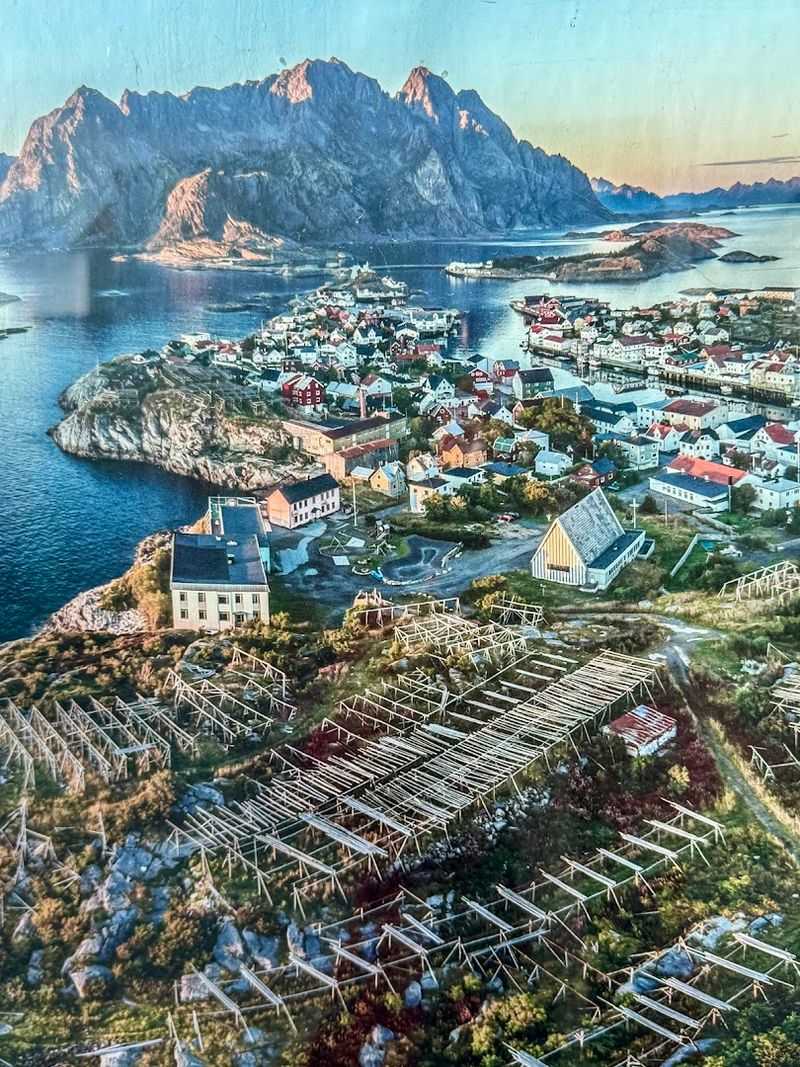
Henningsvær has the geographic ambition of a village that refused to stay on just one island. Spread across a cluster of small rocky outcrops connected by a series of low bridges, it sits in the middle of the Lofoten archipelago and functions as one of the most active fishing harbors in the entire island chain.
The village is famous for its cod-drying racks, which line the shores each spring when the annual Arctic cod season reaches its peak. These wooden structures, loaded with split and salted fish drying in the cold northern air, have been a fixture of Henningsvær’s landscape for centuries.
Beyond fishing, Henningsvær has developed a reputation as a cultural hub within Lofoten, with galleries, a climbing school, and a football pitch built on a small rocky island that has become oddly famous in its own right.
12. Dragør, Denmark
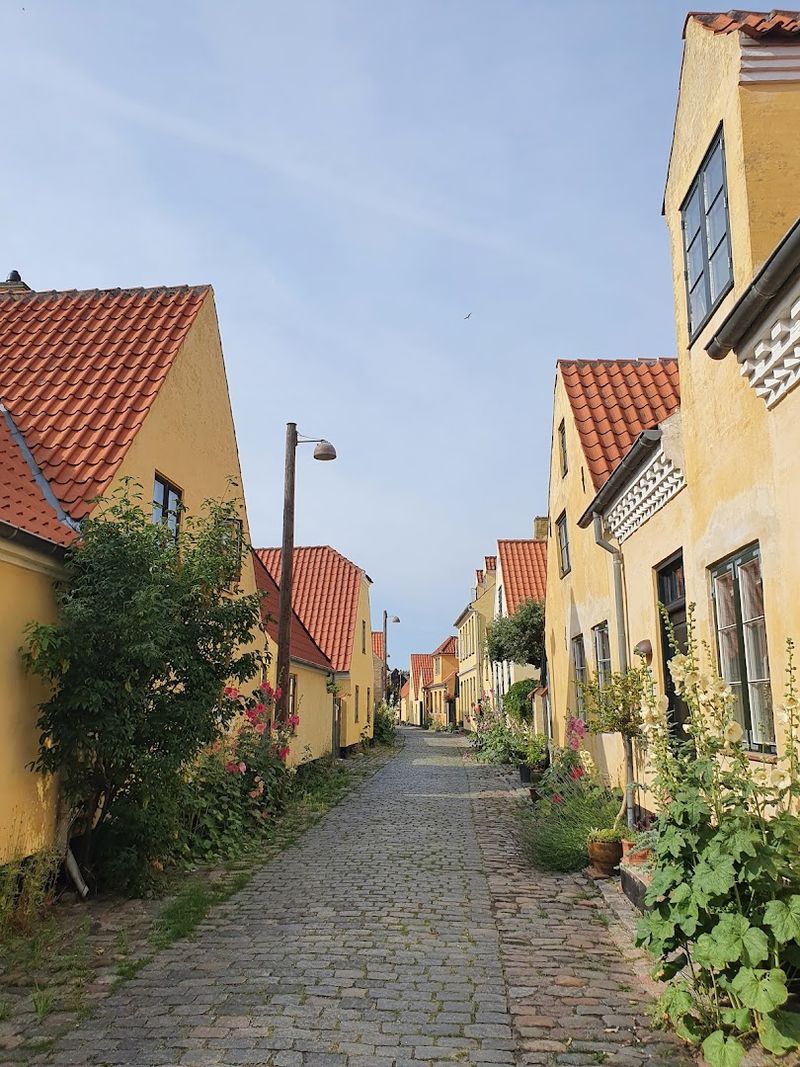
Just 12 kilometers south of Copenhagen, Dragør exists in a parallel Denmark where cobblestone streets, yellow cottages, and a harbor that has barely changed in 200 years make the capital feel very far away. The town was founded in the 1100s and grew into a significant fishing port over the following centuries.
Dragør has an unusual historical footnote: during the 15th and 16th centuries, it was a major hub for the Hanseatic herring trade, attracting merchants from across northern Europe. Dutch influence is visible in some of the town’s older architectural details, a legacy of the trading connections that once made this small harbor internationally relevant.
Today, Dragør is protected as a heritage area, with strict rules about building alterations that have kept the old town remarkably intact. The local museum documents the village’s fishing history, and the harbor still hosts a small fleet of traditional wooden boats that make the waterfront feel genuinely lived-in rather than staged.
13. Båtsfjord, Norway
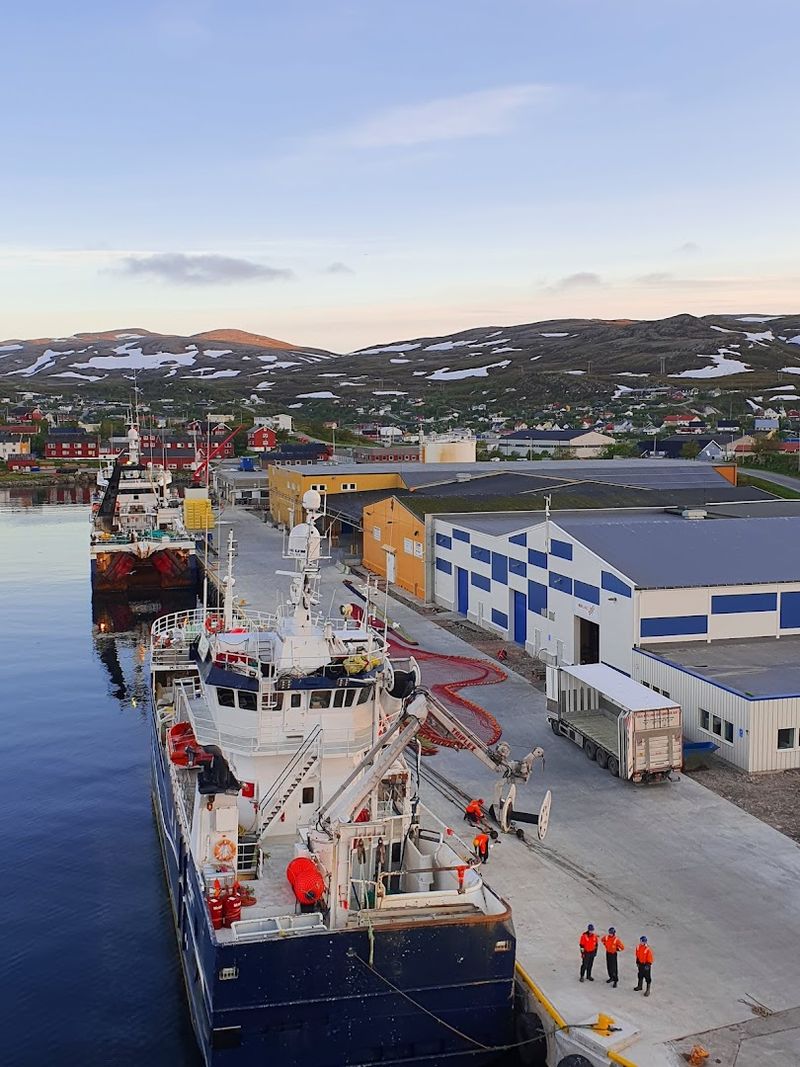
Båtsfjord sits in Finnmark, the northernmost county of Norway, well above the Arctic Circle, in a landscape where the cliffs are steep, the winters are long, and the fishing industry is not a heritage attraction but an actual daily reality. This is not a place people stumble upon by accident; reaching it takes genuine commitment to getting off the beaten path.
The village is one of the most active fishing communities in northern Norway, with a harbor that handles significant volumes of cod and other Arctic species each year. Colorful fishing boats fill the dock, and the processing facilities near the harbor are a working part of the local economy rather than a museum exhibit.
Båtsfjord’s population of around 2,000 makes it one of the larger settlements along this stretch of the Barents Sea coast. The rugged surrounding landscape, with its dark cliffs and wide open Arctic sky, gives the town a raw, unfiltered northern character that more polished destinations simply cannot replicate.
14. Klaksvík, Faroe Islands
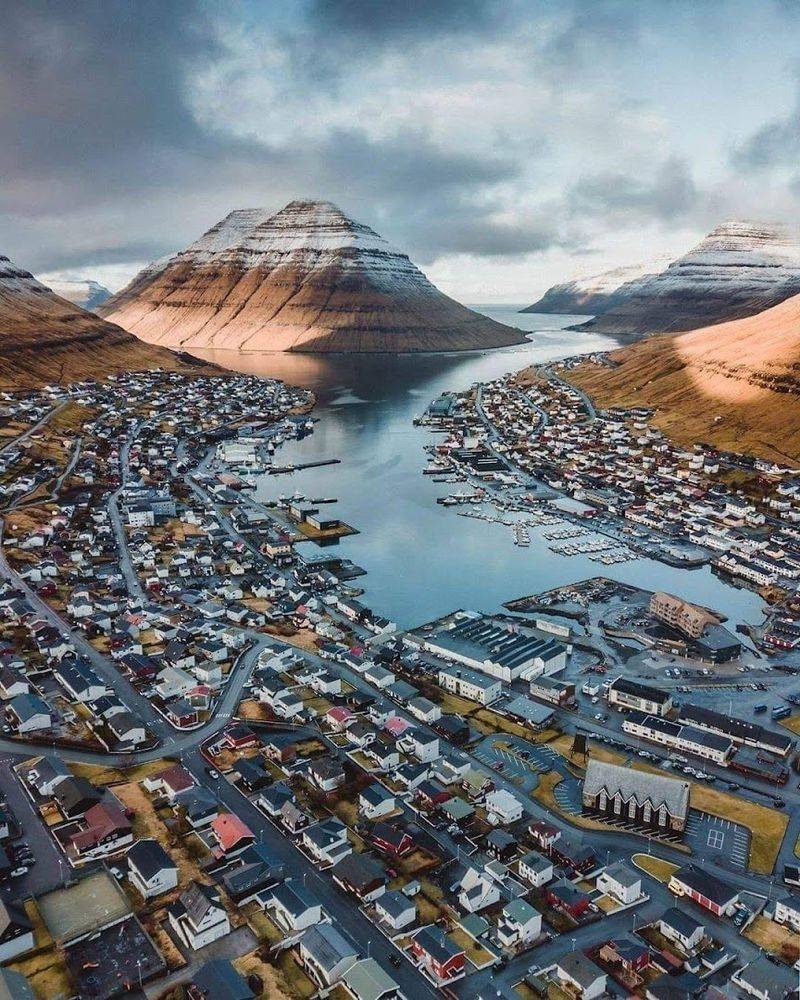
Klaksvík is the second-largest town in the Faroe Islands, which sounds impressive until you realize the entire Faroese population is smaller than many single city neighborhoods. What Klaksvík lacks in size it more than compensates for in geographic drama and fishing heritage that has shaped every aspect of community life here.
The town occupies a narrow strip of land between two fjords on the island of Borðoy, with steep green mountains rising sharply on all sides. This geography made Klaksvík a natural harbor and fishing base, and the town grew steadily as the Faroese fishing industry expanded through the 19th and 20th centuries.
Modern Klaksvík has a brewery, a distinctive church built in 1963, and a fishing fleet that continues to operate commercially. The town blends contemporary Faroese life with deep-rooted maritime traditions in a way that feels organic rather than performed, making it one of the most genuine fishing communities in the entire North Atlantic region.
Share this story