The year 1963 was one of the most musically diverse in American pop history. Motown was climbing fast, surf rock was defining a generation, and folk music was picking up serious cultural momentum.
The Billboard Hot 100 that year was packed with songs that reflected a country in the middle of major social and generational change. While a handful of those songs became permanent fixtures in oldies radio, dozens of others quietly faded from public memory despite their chart success and cultural significance.
Some broke records that still stand today. Yet most people couldn’t hum a single note of them now.
This list revisits twelve of those overlooked tracks, each one a small window into what American audiences were actually listening to in 1963. Whether you remember them faintly or are hearing about them for the first time, these songs tell a story worth knowing.
1. “Fingertips (Part 2)” – Little Stevie Wonder
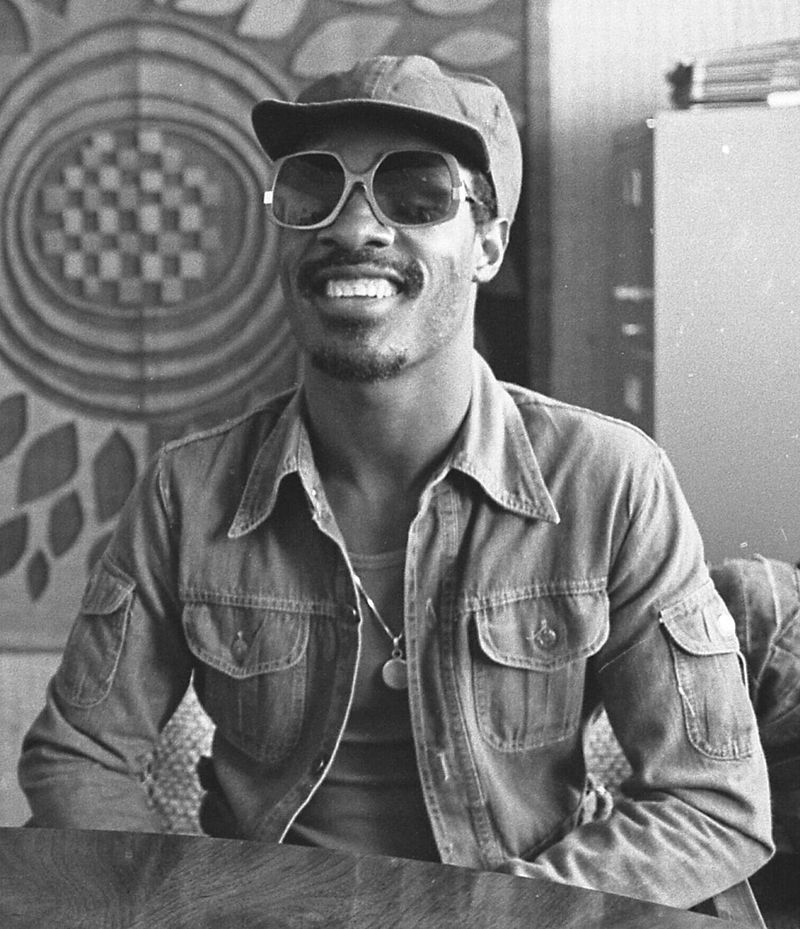
At just 13 years old, Stevie Wonder did something almost no artist had done before: scored a No. 1 hit with a live recording. “Fingertips (Part 2)” was captured during a Motortown Revue performance and released as a single in 1963. The spontaneous energy of the track, including crowd noise and a confused bass player who hadn’t expected the song to continue, became part of its charm.
The recording reached the top of both the Billboard Hot 100 and the R&B charts, making Wonder the youngest solo artist to hit No. 1 at that time. Motown’s Berry Gordy recognized immediately that this kid was something rare.
The song showcased Wonder’s harmonica skills and natural stage presence well before his adult catalog was even imagined.
Today, most people skip straight to “Superstition” or “Isn’t She Lovely,” completely missing this remarkable early chapter of one of music’s greatest careers.
2. “Sukiyaki” – Kyu Sakamoto
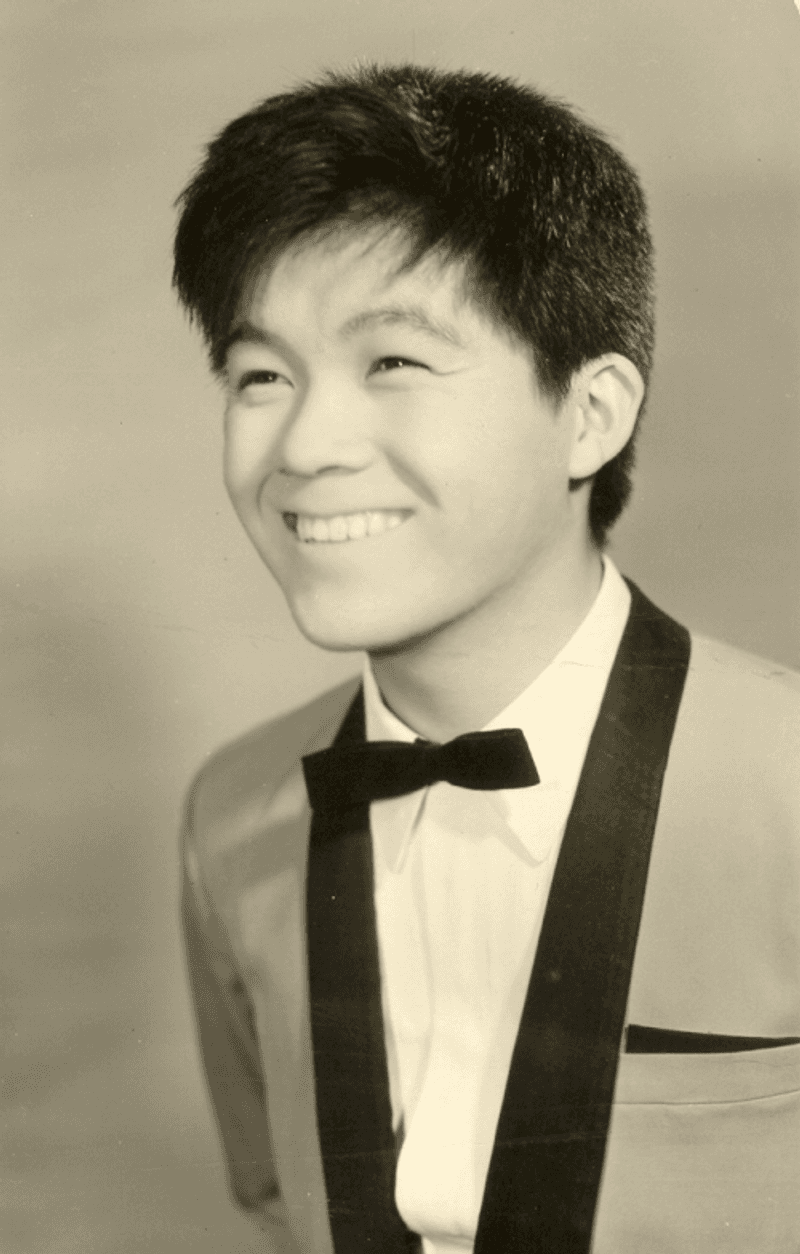
No Japanese-language song has ever matched what Kyu Sakamoto accomplished in the summer of 1963. “Sukiyaki” reached No. 1 on the Billboard Hot 100, becoming the only Japanese-language track to ever claim that position in chart history. It sold over 13 million copies worldwide, a staggering number for any artist, let alone one singing in a language most American listeners didn’t understand.
The song’s original Japanese title translates roughly to “I Look Up as I Walk,” a phrase reflecting quiet resilience rather than the Japanese dish the American label renamed it after. Billboard’s editors simply chose a Japanese word they recognized, which had nothing to do with the song’s meaning.
Sakamoto never replicated that level of international success, and Western audiences largely moved on. The song deserves far more credit than it typically receives in conversations about 1963’s musical landscape.
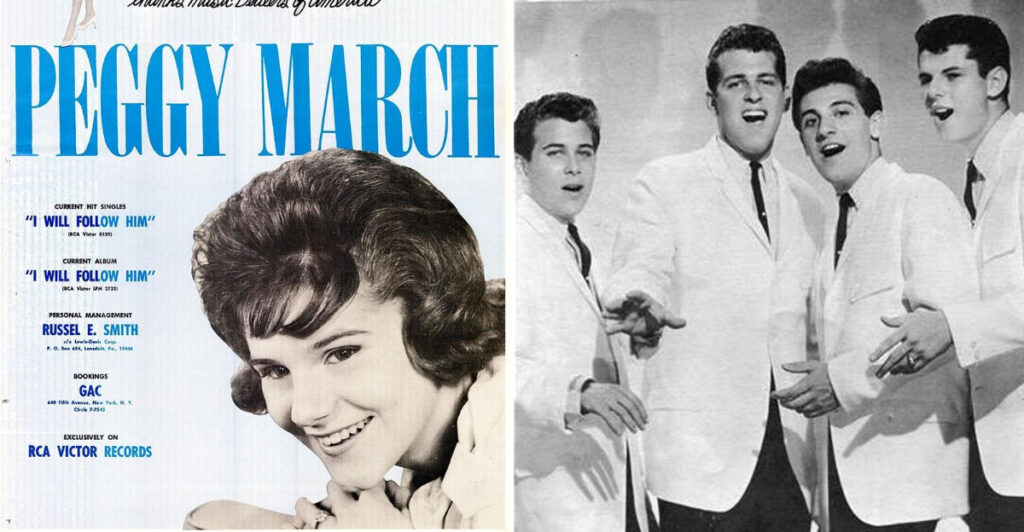
3. “I Will Follow Him” – Little Peggy March
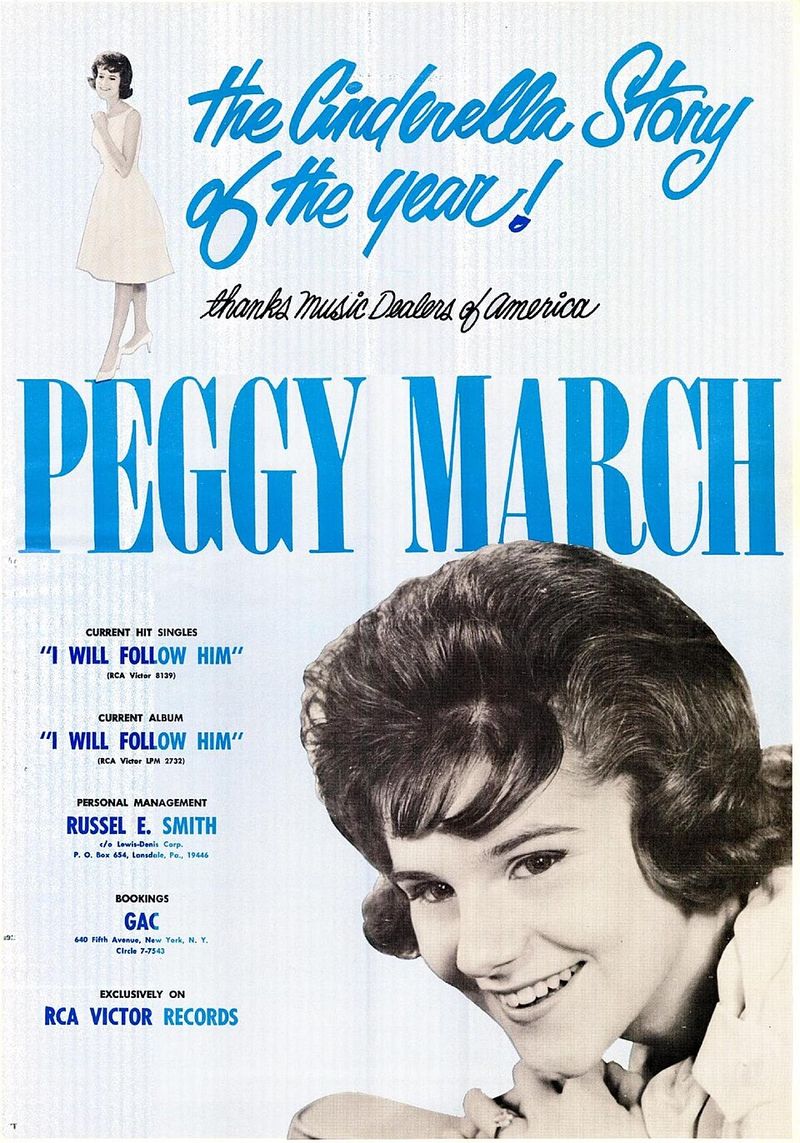
When “I Will Follow Him” hit No. 1 in April 1963, its singer was only 15 years old. That made Little Peggy March the youngest female artist to top the Billboard Hot 100, a record that has never been broken.
The song itself originated as a 1961 French instrumental called “Chariot” before English lyrics were added and handed to the teenage March.
Her voice carried a bright, confident quality that masked just how young she was. The track sold over two million copies in the United States alone and became one of the defining pop moments of early 1963.
March was briefly positioned as a major star, but the British Invasion the following year reshuffled the entire pop landscape.
Her record-breaking achievement rarely gets mentioned in music history discussions, even though it represents a genuinely remarkable moment in chart history that still stands six decades later.
4. “Dominique” – The Singing Nun
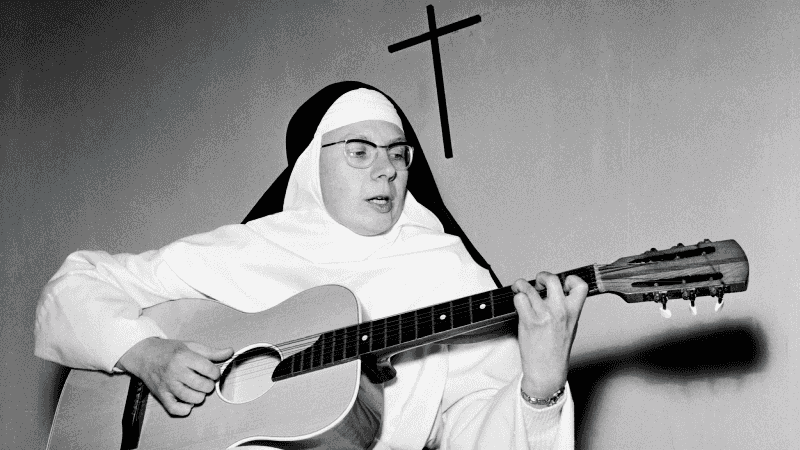
A Belgian nun recording a French folk song about a 13th-century Dominican friar is not the typical formula for a No. 1 American pop hit. Yet that is exactly what happened in late 1963 when “Dominique” by Soeur Sourire, known in the United States as The Singing Nun, climbed to the top of the Billboard Hot 100.
The song spent four weeks at No. 1 and outsold the Beatles in some markets during that period. It was sung entirely in French, which made its American success even more unexpected.
Philips Records had originally released the album for Catholic audiences, never anticipating mainstream crossover appeal.
The Singing Nun appeared on The Ed Sullivan Show and became a brief pop culture phenomenon. A Hollywood film based on her story followed in 1966.
Today, “Dominique” is mostly treated as a historical curiosity rather than the genuine chart sensation it actually was.
5. “Hello Stranger” – Barbara Lewis
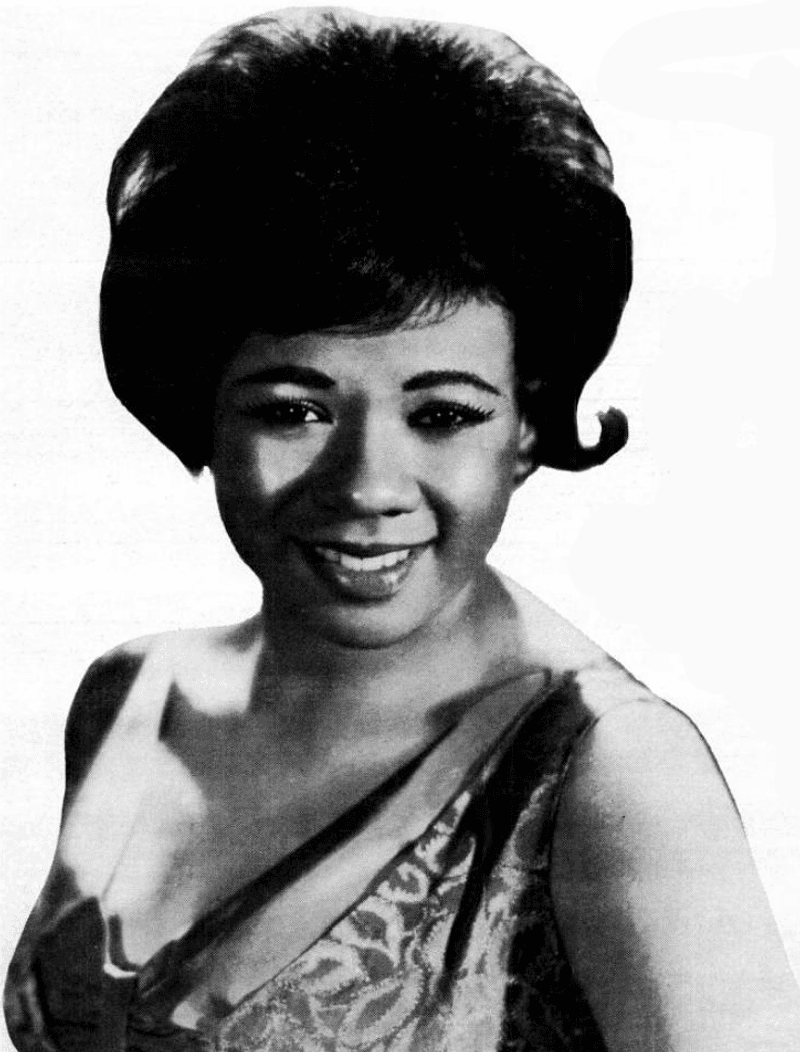
Barbara Lewis wrote “Hello Stranger” herself, which was still relatively uncommon for female pop artists in 1963. The song reached No. 3 on the Billboard Hot 100 and performed even better on the R&B charts, where it climbed to No. 1.
Its unhurried tempo and smooth vocal delivery set it apart from the busier dance-pop tracks dominating the radio that year.
Lewis was only 19 when the song was recorded, yet her vocal control sounded far more seasoned. Atlantic Records recognized her songwriting ability and gave her significant creative input, which was unusual for a teenager at a major label at that time.
The song earned consistent airplay through the mid-1960s but faded quickly as musical trends shifted. Lewis never achieved another hit of the same caliber, and “Hello Stranger” eventually became a deep cut known mainly to dedicated R&B collectors rather than the broader audience it once reached.
6. “Tell Him” – The Exciters
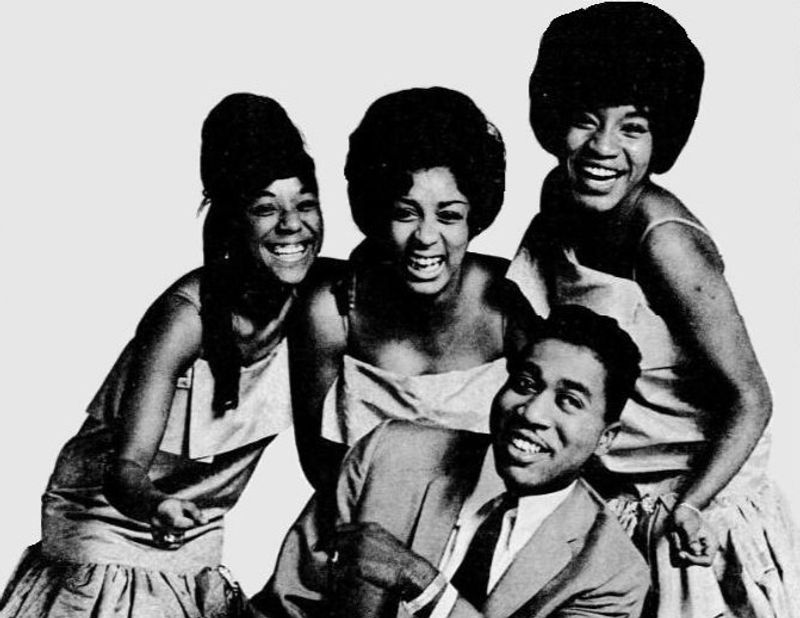
Girl groups were redefining pop music in 1963, and The Exciters arrived at exactly the right moment with “Tell Him.” The track hit No. 4 on the Billboard Hot 100 and carried an energy that was more assertive than most female-led pop of the era. Rather than waiting passively for romance, the lyrics actively encouraged bold action, which was a subtle but meaningful shift in tone.
The song was written by Bert Berns, who also wrote hits for the Isley Brothers and Van Morrison. Its brassy production and call-and-response structure gave it an urgency that stood out on radio.
The Exciters brought a confidence to the recording that few groups of any gender matched that year.
Despite its strong chart performance and cultural timing, the group never broke through to lasting mainstream recognition. “Tell Him” remains one of the most underappreciated girl group recordings of the entire decade.
7. “You Can’t Sit Down” – The Dovells
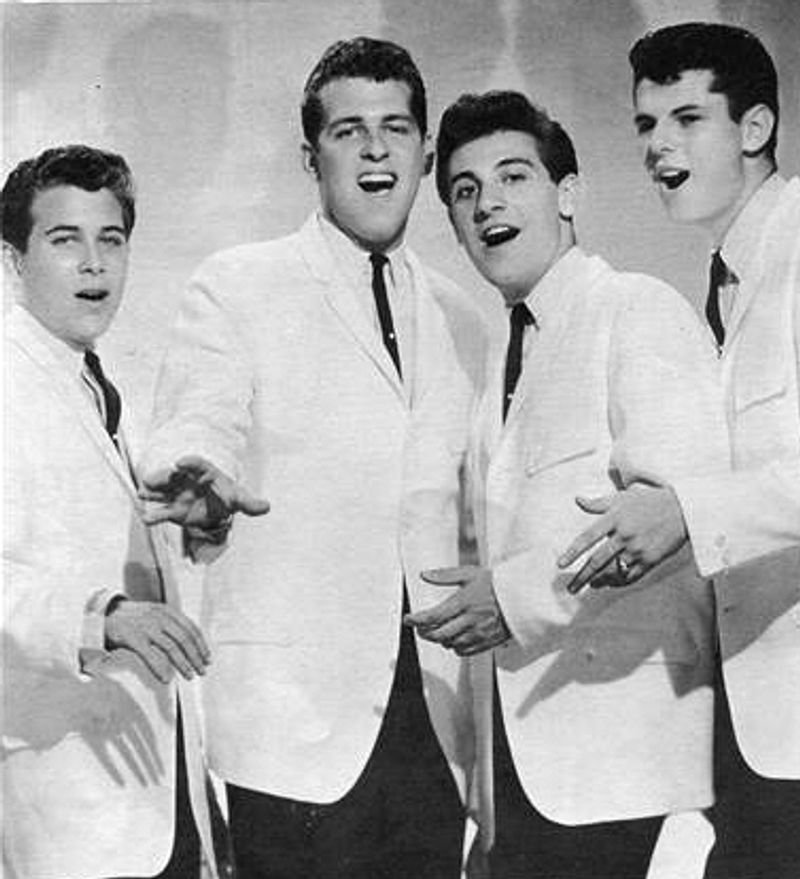
This high-energy dance tune practically demanded movement from the moment it started. Built around a pounding rhythm and a repetitive, infectious hook, the song tapped into the early ’60s dance craze era when hits were often tied to specific moves or party vibes.
The Dovells, known for their novelty dance tracks, created something that felt spontaneous and almost impossible to resist on a crowded dance floor.
The song climbed into the Top 10 on the Billboard charts in 1963 and quickly became a go-to track at school dances, sock hops, and parties across the country. Its simple structure and driving beat made it accessible to everyone, which helped fuel its popularity at the time.
While it may not carry the same legacy as more iconic songs from the decade, it perfectly captures the carefree, movement-driven spirit of early ’60s pop culture. Today, it remains a fun time capsule of an era when music and dance were inseparable.
8. “Deep Purple” – Nino Tempo and April Stevens
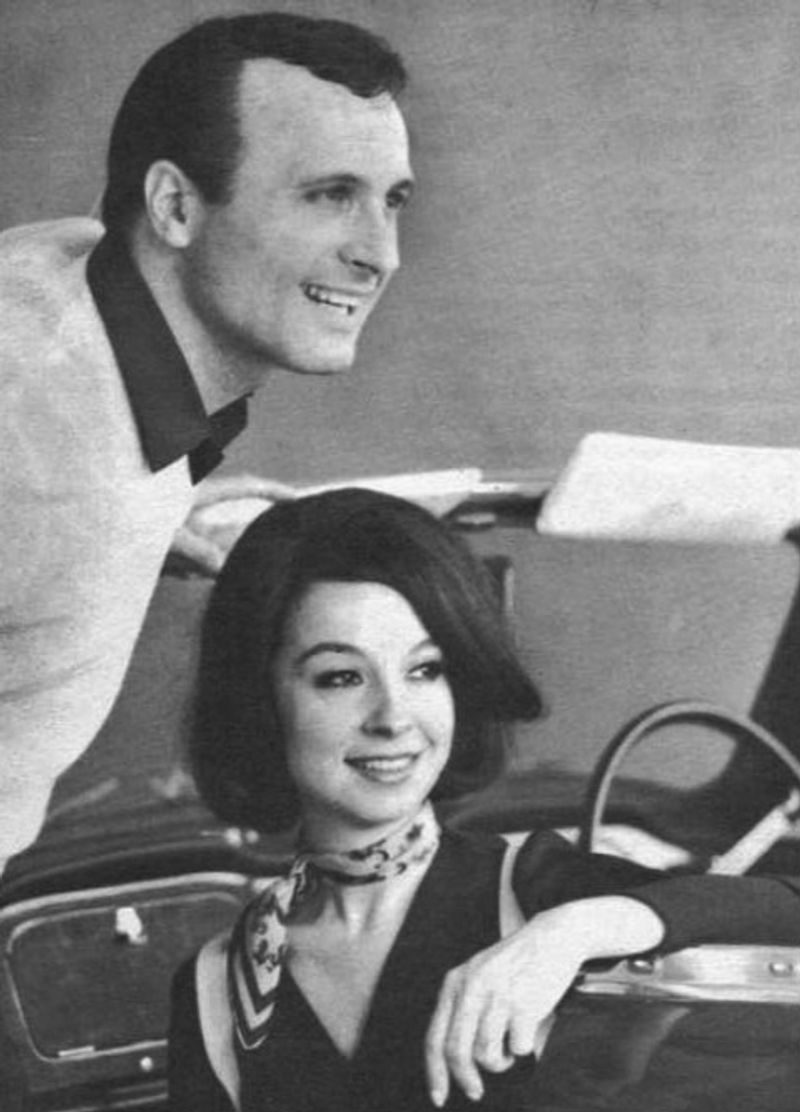
Brother-sister duo Nino Tempo and April Stevens took a melody originally written in 1933 and turned it into a No. 1 hit in 1963. “Deep Purple” spent one week at the top of the Billboard Hot 100 and went on to win the Grammy Award for Best Rock and Roll Recording, which raised more than a few eyebrows given how gentle the arrangement actually was.
The recording featured spoken-word sections from Nino layered beneath April’s melodic vocals, creating an intimate, almost theatrical quality. It was a stylistic choice that felt old-fashioned even by 1963 standards, yet audiences responded strongly to it.
The Grammy win gave the duo significant credibility, but they struggled to follow up with comparable success. The song is now largely absent from mainstream oldies programming despite its chart-topping status.
Its Grammy history alone makes it one of the more surprising forgotten entries from that year’s music calendar.
9. “Surf City” – Jan & Dean
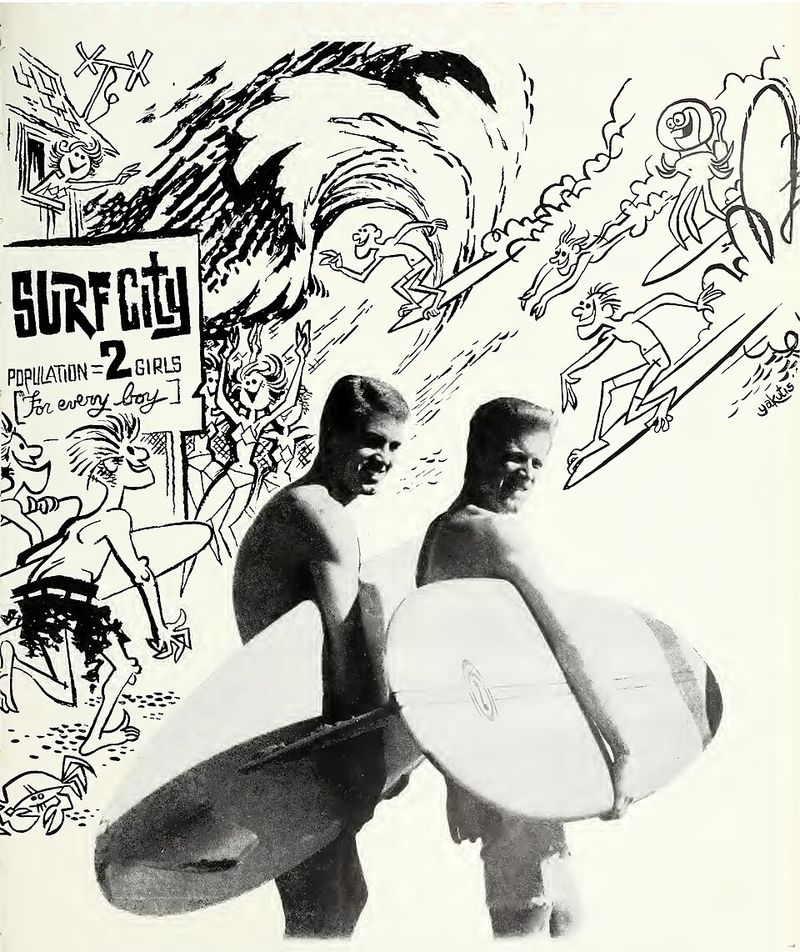
Long before surf culture became a defining image of 1960s California, Jan & Dean were already helping shape its sound and identity. “Surf City” stood out with its sunny harmonies, catchy lyrics, and upbeat tempo that painted a picture of endless beaches and carefree youth. Co-written with Brian Wilson of the Beach Boys, the song blended polished pop with surf rock elements that would soon dominate the charts.
When it reached No. 1 on the Billboard Hot 100, it made history as the first surf song to achieve that milestone. Its success helped bring the California surf lifestyle into the national spotlight, influencing fashion, film, and music in the years that followed.
Despite this, Jan & Dean are often overshadowed by the Beach Boys, who went on to become synonymous with the genre. Still, “Surf City” remains a defining track of the era and a key piece of surf music’s early rise.
10. “Hey Paula” – Paul and Paula
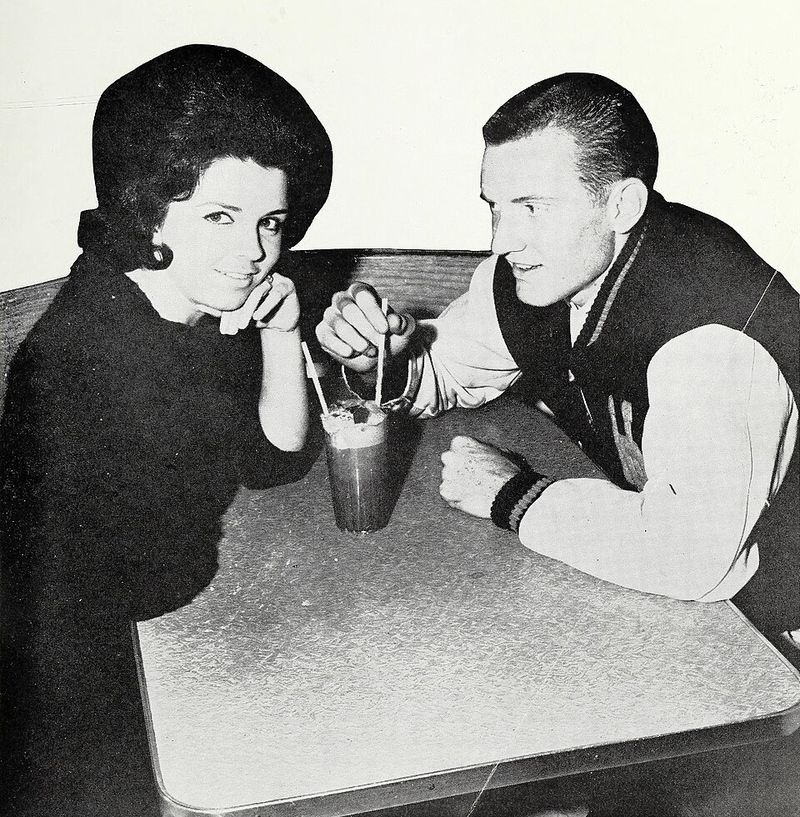
“Hey Paula” hit No. 1 on the Billboard Hot 100 in February 1963 and sold over two million copies, making it one of the year’s biggest commercial successes. The song was recorded by Ray Hildebrand and Jill Jackson, who performed under the names Paul and Paula, a pairing that felt deliberately relatable and wholesome for the era’s teen audience.
Hildebrand originally wrote the song as a Christian message, but the lyrics were reworked into a straightforward love song before release. The recording was picked up by Mercury Records after initial regional success in Texas, and it spread nationally within weeks.
The duo followed up with a few minor hits but never recaptured the same commercial heights. “Hey Paula” became a snapshot of a very specific moment in early-1960s pop: optimistic, clean-cut, and radio-ready. Today it surfaces occasionally in period film soundtracks but rarely gets discussed as the genuine blockbuster hit it was.
11. “Blue Velvet” – Bobby Vinton
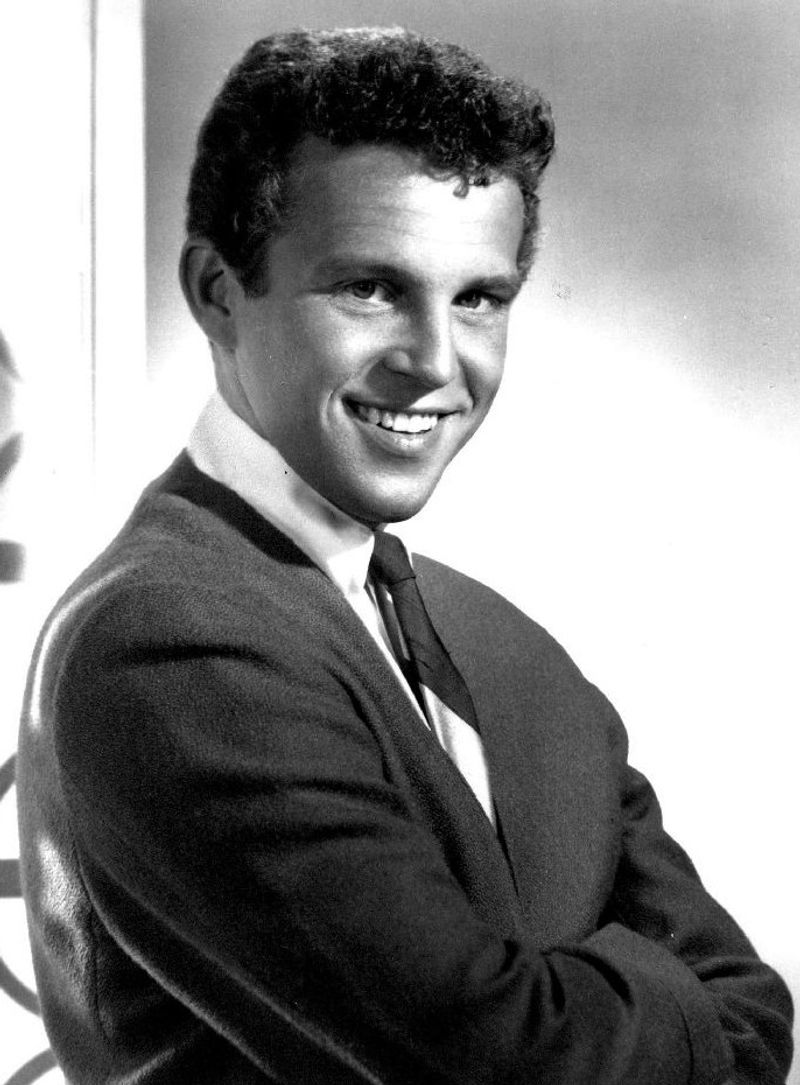
This lush, romantic ballad wrapped listeners in a dreamy atmosphere that stood out amid the more upbeat hits of 1963. Bobby Vinton’s smooth, controlled vocals gave the song a timeless quality, allowing it to resonate with audiences seeking something softer and more sentimental.
The orchestral arrangement added to its elegance, creating a rich sound that felt both intimate and cinematic.
“Blue Velvet” reached No. 1 on the Billboard Hot 100, cementing Vinton’s status as one of the era’s leading crooners. Although it later gained renewed attention through its use in film and pop culture, its original chart success is sometimes overlooked in discussions of early ’60s music.
The song also has an interesting history, as it was originally recorded in the 1950s before Vinton’s version brought it to a wider audience. Today, it stands as one of the most enduring love songs of its time, even if it is not always top of mind.
12. “In Dreams” – Roy Orbison
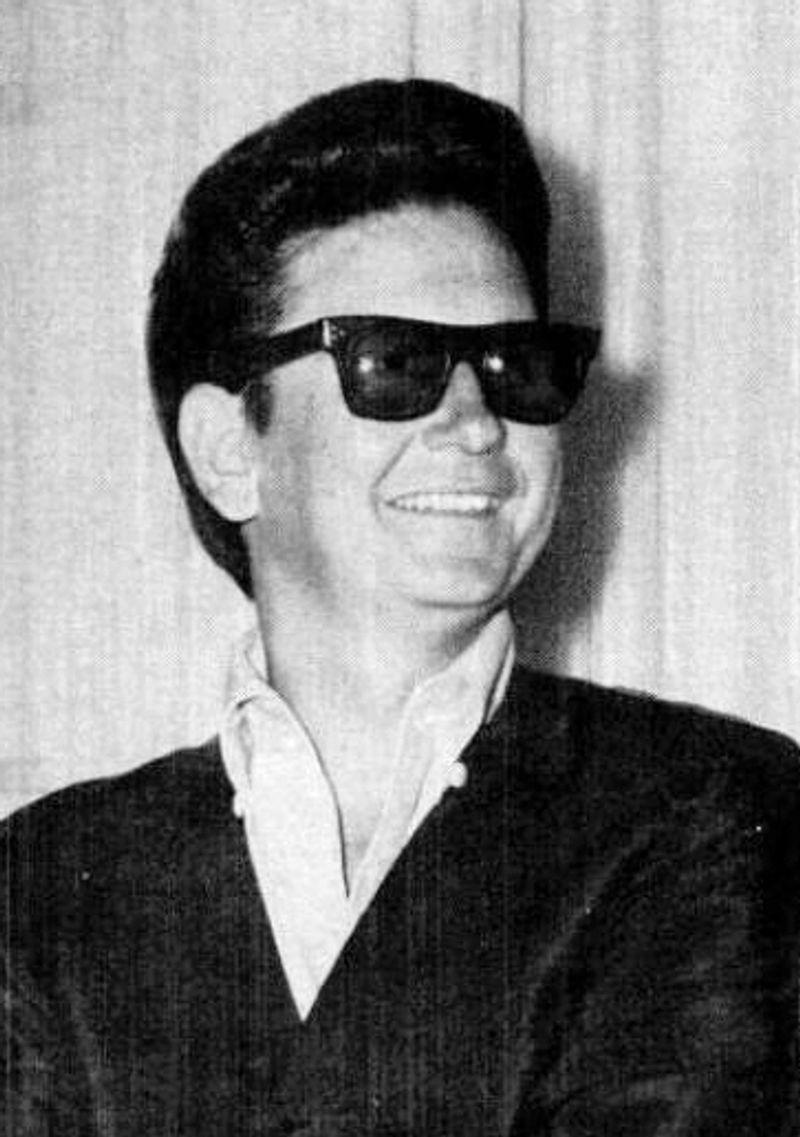
Roy Orbison wrote “In Dreams” in about 20 minutes, which makes its emotional complexity all the more impressive. The song reached No. 7 on the Billboard Hot 100 in 1963 and showcased Orbison’s ability to build a track through pure vocal architecture rather than conventional verse-chorus structure.
The song moves through multiple distinct sections, almost like a short operatic piece compressed into three minutes.
Orbison was already known for dramatic ballads, but “In Dreams” pushed that style further than anything he had released before. Monument Records recognized it as something genuinely different and gave it strong promotional support.
The song later gained a new generation of listeners through its use in a 1986 David Lynch film, which introduced it to audiences who had no connection to its original 1963 context. That association tends to overshadow the song’s actual chart history and its place within Orbison’s early career, which was already one of the most distinctive in American pop.
Share this story