 Unearth The Voyage
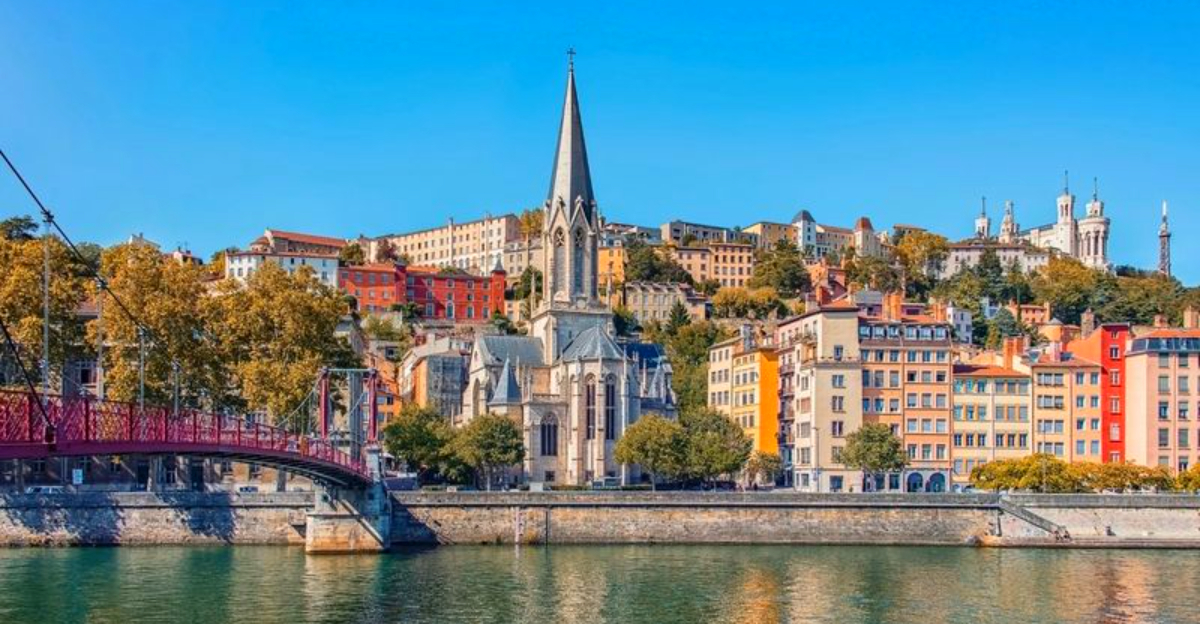
When people think of French food, Paris usually steals the spotlight. But there’s another city that takes eating seriously in ways the capital simply can’t match. Lyon has earned its reputation as France’s true culinary capital, where food isn’t just a tourist attraction but a way of life. From hidden passageways to legendary markets, this city offers food lovers an experience that goes far beyond fancy restaurants.
1. Understand what makes Lyon “Lyon”: it’s built for eating
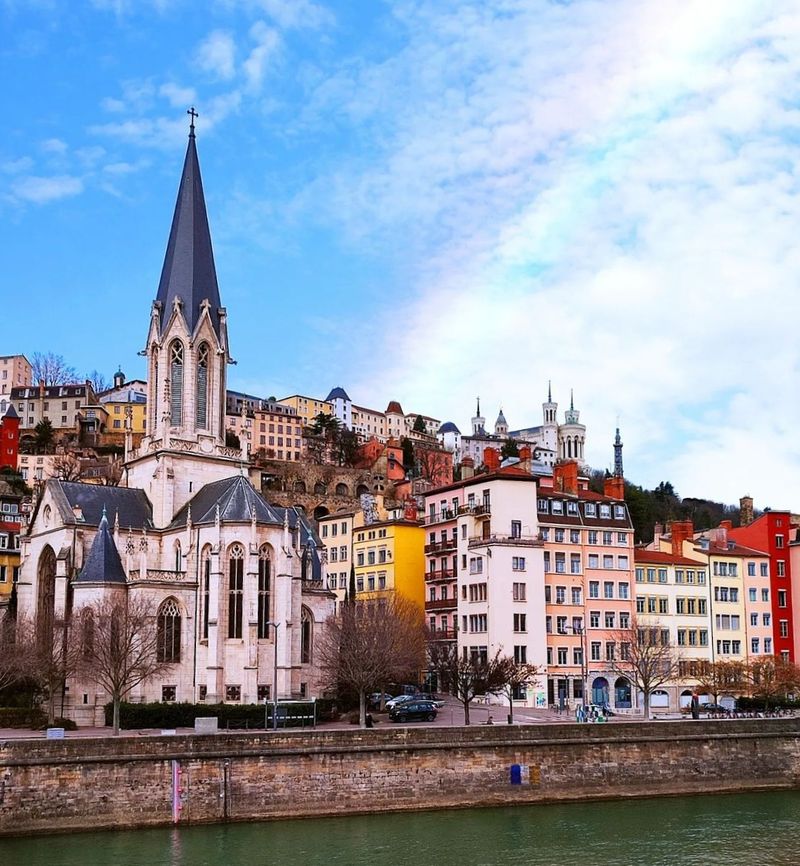
Lyon earned its title as a global capital of gastronomy through more than just reputation. The city’s entire structure revolves around food, from bustling markets to regional producers who supply traditional restaurants.
Chef culture thrives here because the community supports it. One standout example is the International City of Gastronomy, housed in the historic Grand Hotel-Dieu complex since October 2022.
This isn’t just a museum. It’s a living celebration of food heritage that visitors can actually experience, making Lyon’s commitment to culinary excellence tangible and accessible.
2. Start with the “bouchon”: Lyon’s warm, hearty, local dining tradition

Walking into a bouchon feels like stepping into a friend’s dining room. These traditional Lyon restaurants serve hearty regional dishes with no-nonsense hospitality that makes you feel instantly welcome.
Expect checkered tablecloths, comfort-first plates, and a family-table atmosphere rather than formal dining stiffness. The vibe is cozy and lived-in, not polished or pretentious.
Visiting a bouchon early in your trip gives you a flavor baseline. Later, when you try high-end restaurants, you’ll recognize what chefs are elevating from these traditional roots.
3. Know the difference between “touristy bouchon” and the real thing
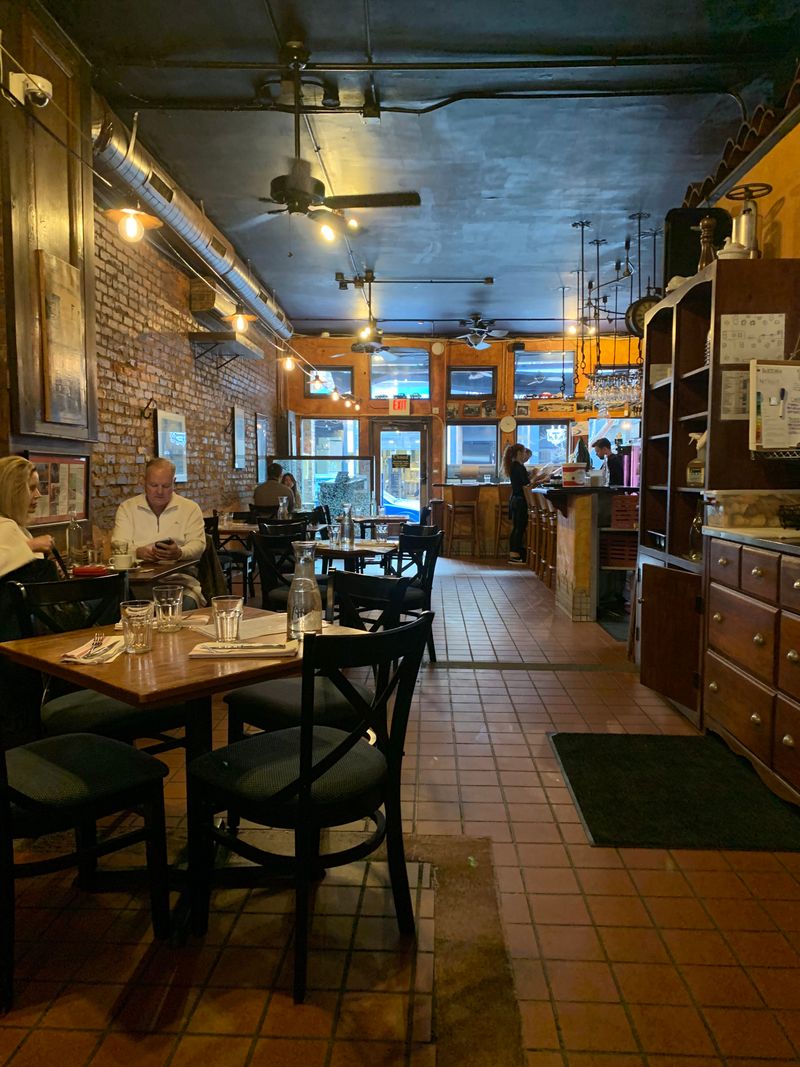
Around twenty officially certified traditional bouchons exist in Lyon, but many more restaurants borrow the label to attract visitors. The word sells, so not every place using it is authentic.
Real bouchons fill with locals, especially during lunch hours. They serve classic Lyon dishes done simply and confidently, not reinvented for Instagram.
Avoid menus that look like tourist greatest hits with glossy photos. Instead, seek places where the food speaks for itself and the atmosphere feels genuinely neighborhood-focused rather than performance-driven.
4. Lyon’s Michelin reality check (and why the number you read may vary)
Headlines sometimes claim Lyon has 18 Michelin-starred restaurants, but the Lyon Tourist Office states 14 exist in the city and surrounding area as of January 2026. Why the confusion?
Different sources count city limits versus greater Lyon differently. Some articles round up or count across different guide editions, creating mismatches without anyone necessarily lying.
The safe takeaway: Lyon boasts well over a dozen Michelin-starred restaurants nearby, plus a much larger collection of Michelin-recommended spots beyond the stars.
5. The Michelin “icons” to know (even if you don’t book them)
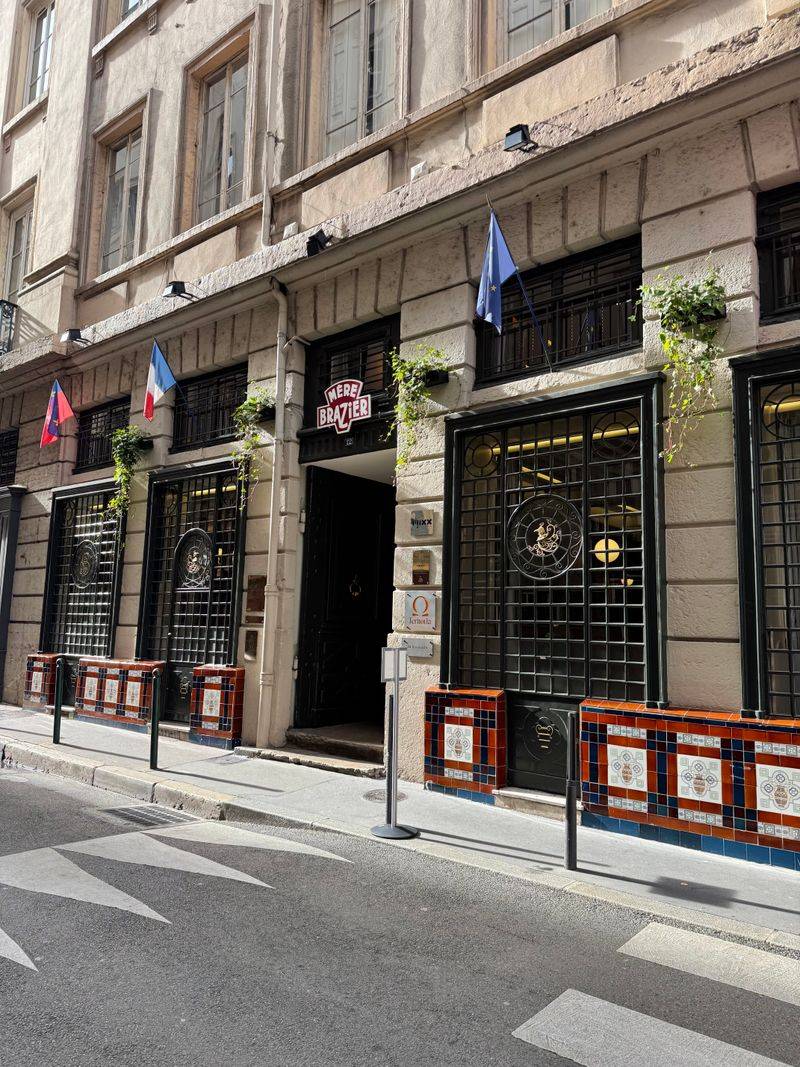
Lyon’s starred dining scene connects directly to legendary culinary figures, especially Mere Brazier and Paul Bocuse. The city’s official tourism information highlights these names as part of Lyon’s core identity.
Key addresses include La Mere Brazier, Restaurant Paul Bocuse in nearby Collonges-au-Mont-d’Or, Le Neuvieme Art, L’Atelier des Augustins, Tetedoie, Les Terrasses de Lyon, and Prairial.
You don’t need to treat these as a checklist. Think of them as the backbone of Lyon’s fine-dining reputation, shaping the city’s culinary conversation.
6. Don’t skip Les Halles de Lyon Paul Bocuse: the city’s “food cathedral”
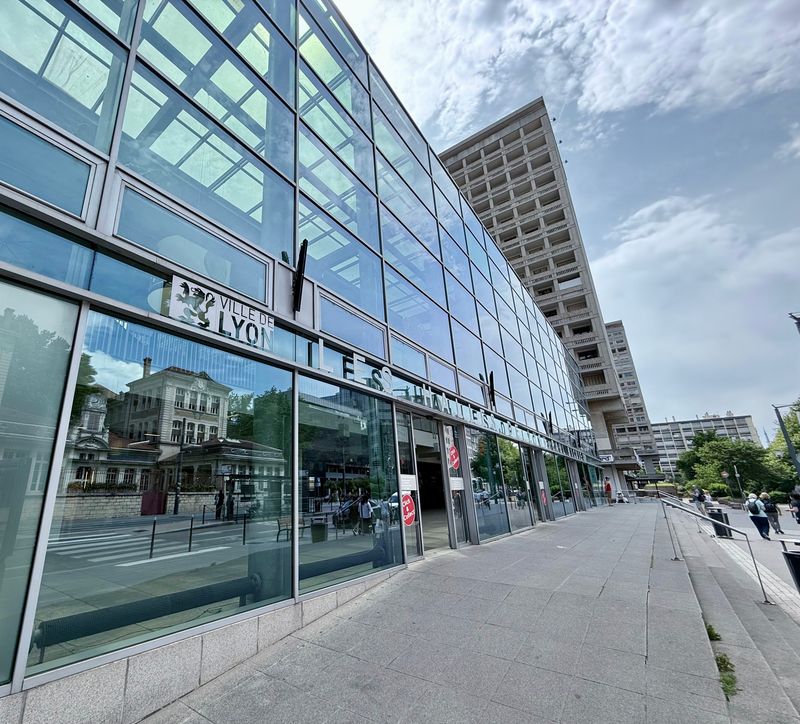
Les Halles de Lyon Paul Bocuse gets called the temple of Lyonnaise gastronomy for good reason. This covered market brings regional specialties and high-quality producers together under one spectacular roof.
Wander first and buy later. Taste local specialties as you explore, treating the market like a food museum where every exhibit is edible.
This single location explains Lyon better than any guidebook could. It’s where the city’s food culture comes alive in real time, accessible to everyone.
7. Make your trip feel “Lyon” by eating in the right neighborhoods
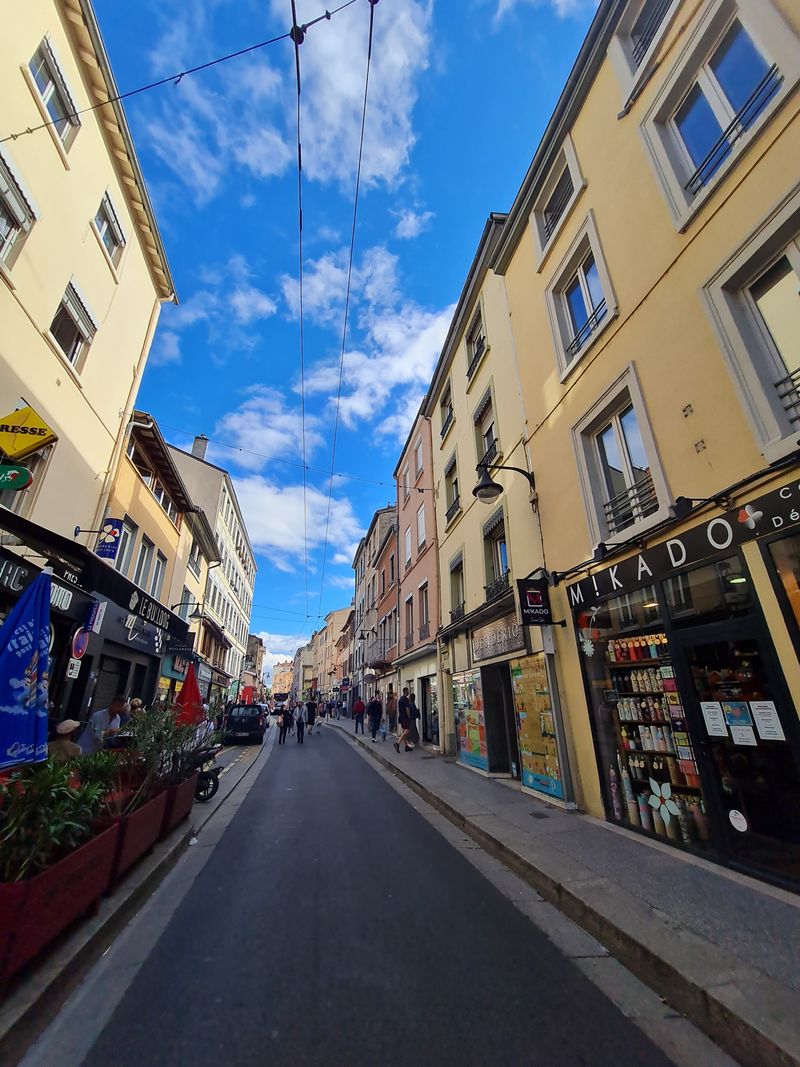
Lyon’s food culture shifts dramatically by neighborhood, so build your meals around areas rather than just individual restaurants. Each district offers its own culinary personality.
Vieux Lyon delivers atmosphere and tradition with classic bouchon energy. Presqu’ile provides central, walkable dining variety for easy exploration.
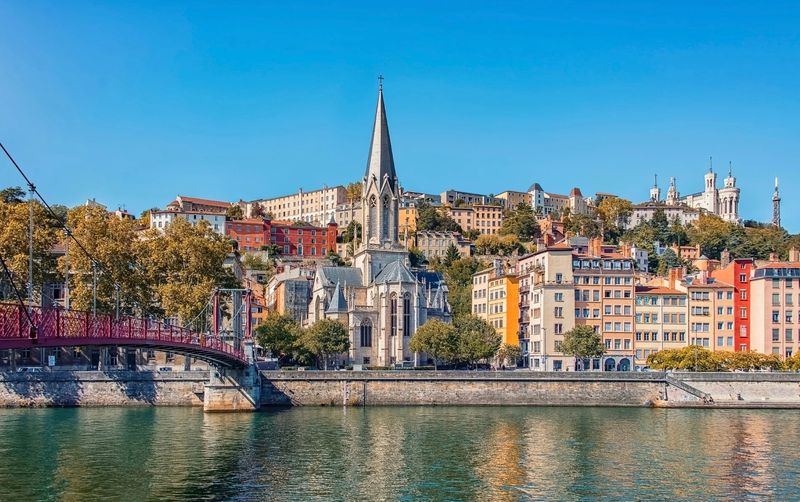
Croix-Rousse offers a more local, lived-in feel with a city-within-a-city vibe. Since Lyon’s historic center is a UNESCO World Heritage site from 1998, your food walks double as heritage walks.
8. Add “traboules” to your food crawl (yes, really)

Lyon’s famous traboules are hidden passageways threading through buildings and courtyards, especially concentrated in Old Lyon. They’re short, atmospheric, and distinctly Lyon.
These secret walkways make perfect between-meals activities. Try this pairing: afternoon snack, traboule wandering, pre-dinner aperitif, then dinner.
This rhythm transforms a normal day into a food-and-city storyline. The traboules add mystery and movement to your culinary adventure, connecting eating experiences with architectural discovery in ways that feel uniquely local.
9. Lyon’s secret weapon is range: classic dishes plus modern creativity
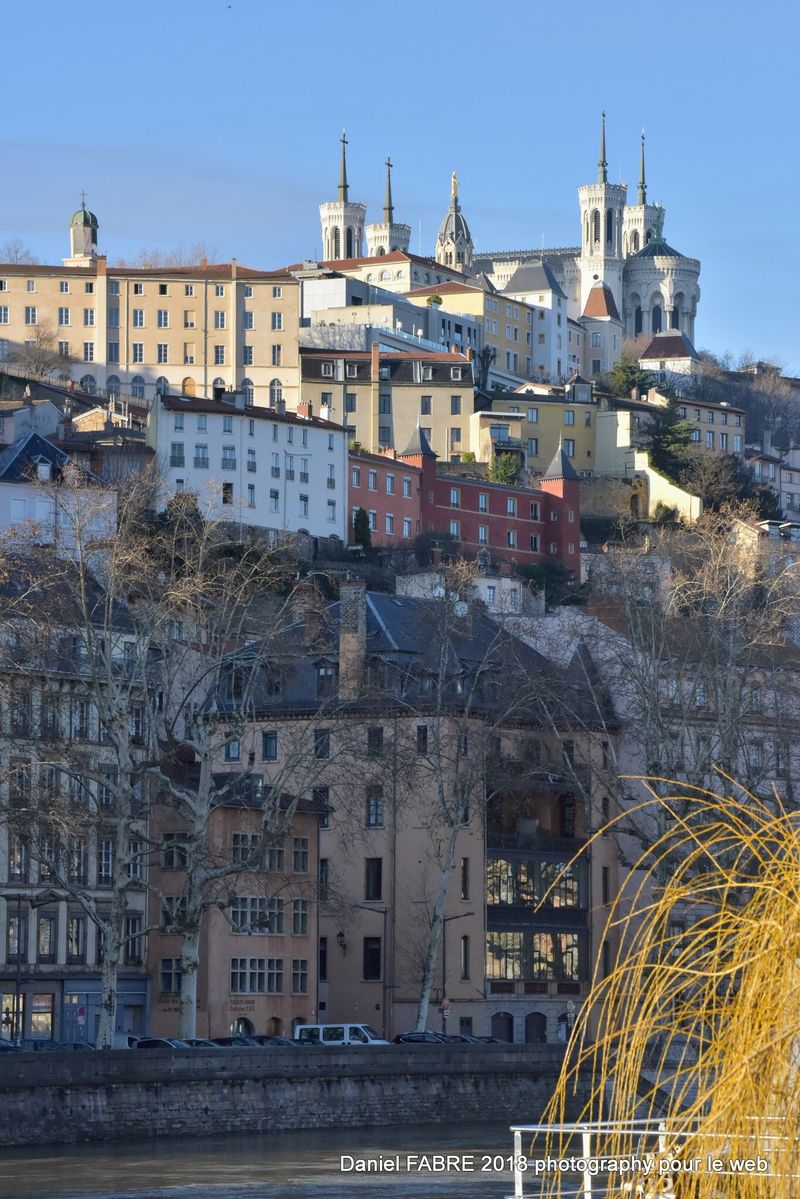
Most cities excel at either tradition or innovation. Lyon masters both simultaneously, creating a culinary landscape with remarkable depth.
Traditional bouchons keep regional cooking alive with unapologetically hearty dishes. Meanwhile, fine-dining kitchens reinterpret local ingredients and techniques at exceptional levels, earning Michelin recognition throughout the area.
Structure your Lyon food trip with one or two traditional meals, one market-focused day, and one special-occasion Michelin-level meal if that appeals to you. Leave the rest flexible for spontaneous exploration.
10. Don’t obsess over stars—Lyon’s Michelin “selected” scene is huge

Michelin stars represent only the top layer of Lyon’s dining excellence. The guide also features numerous recommended and selected restaurants beyond starred and Bib Gourmand categories.
Lyon has a deep bench in this tier. Use starred places for anchor moments and special occasions.
However, use selected and recommended spots for your most memorable everyday meals. These restaurants often deliver exceptional experiences without the pressure or price tags of starred dining, letting you eat extraordinarily well throughout your entire stay.
11. The most “2026” way to do Lyon: mix high/low on purpose

A perfect Lyon day doesn’t require constant elegance. The city actually shines brightest when you blend experiences deliberately.
Start with morning coffee and something flaky, then enjoy a casual bouchon lunch. Spend your afternoon grazing at Les Halles, building anticipation.
Evening brings choices: either a creative bistro or a Michelin-starred dinner, depending on your mood. This rhythm matches what Lyon truly is, not a food museum but a place where exceptional eating feels like normal life.
12. Quick planning rules (so your 2026 food trip actually works)
Reserve ahead for any restaurant that’s famous, tiny, or Michelin-starred. Even weekdays fill up quickly in Lyon’s competitive dining scene.
Consider making lunch your big meal. Many excellent Lyon restaurants shine at midday, often with better availability and sometimes better value.
Leave room to wander without rigid plans. Lyon is built for accidental discoveries, especially around Vieux Lyon and the historic center. Sometimes the best meals come from following your nose rather than your itinerary.



