 Unearth The Voyage
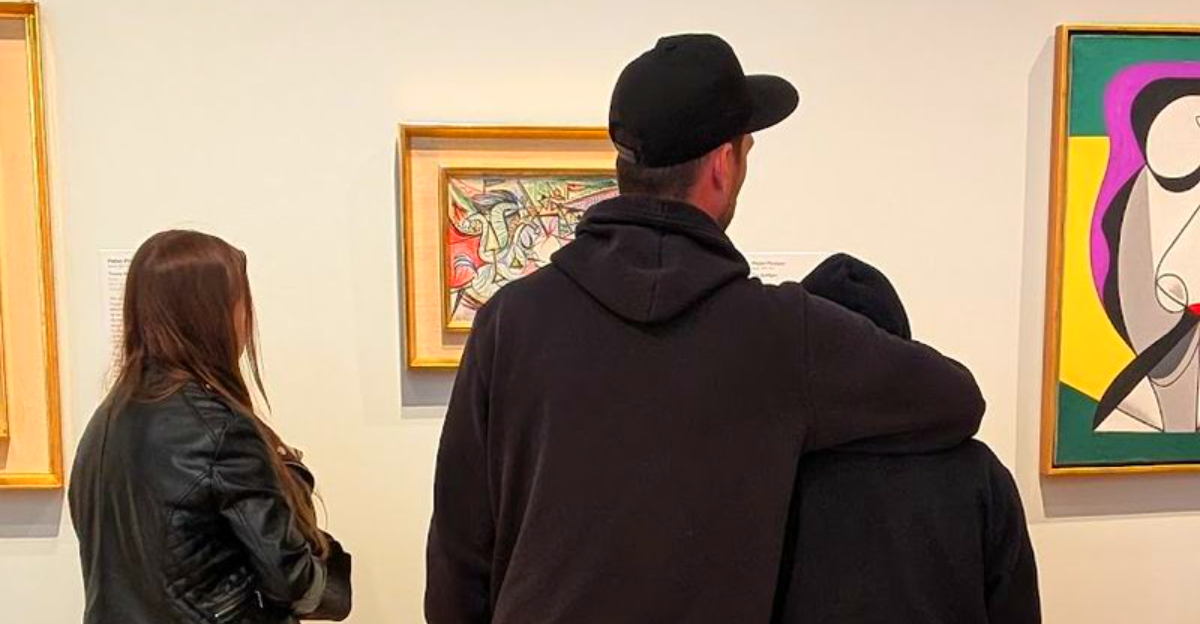
In Ann Arbor, you can see original works by Picasso, explore 4,000-year-old artifacts, and pay nothing for admission. The University of Michigan Museum of Art holds more than 20,000 pieces, making it one of the most accessible and wide-ranging collections in the state.
What sets it apart is the range you can cover in a single visit. Galleries move from ancient ceramics to modern and contemporary art, with major names and unexpected finds placed side by side.
It is an easy stop to overlook, but once inside, it quickly turns into a place where you spend far more time than planned.
Where You Will Find It and Why That Matters
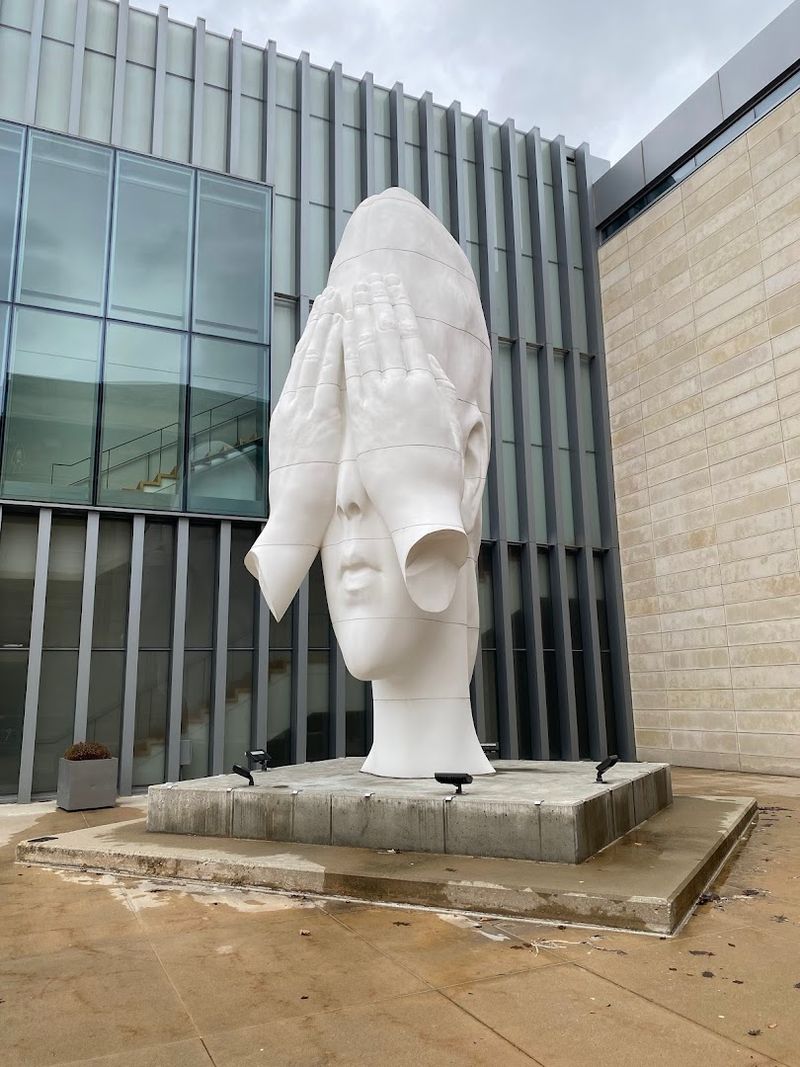
Right in the heart of the University of Michigan campus, at 525 S State St, Ann Arbor, MI 48109, the University of Michigan Museum of Art occupies a beautifully renovated building that blends historic architecture with a modern glass addition called the Maxine and Stuart Frankel and the Frankel Family Wing.
The address puts you squarely on one of Ann Arbor’s most walkable stretches, surrounded by university buildings, coffee shops, and student foot traffic. Getting there is straightforward, and the museum is easy to spot once you are on State Street.
Parking on campus can be tricky during weekdays, but arriving after 6 PM on Thursday or Friday means you can often find street parking at no charge. The museum’s phone number is +1 734-764-0395 if you want to call ahead and confirm hours or ask about current exhibitions before making the trip.
A Collection That Took Over a Century to Build
UMMA is one of the oldest and largest university art museums in the entire United States, and its collection of more than 20,000 works did not appear overnight. The museum traces its roots back to 1856, making it older than many institutions people consider far more famous.
What started as a modest academic collection has grown into something genuinely impressive, covering ancient civilizations through the 21st century. The breadth here is not just for show.
Each acquisition has been made with a clear intention to educate, challenge, and inspire.
Pieces from ancient China sit in conversation with American modernist paintings. African sculptures share wall space with European prints from the Renaissance era.
The result is a collection that feels alive rather than frozen in time, and that sense of ongoing dialogue between cultures and centuries is exactly what keeps visitors coming back for more than one afternoon.
Free Admission and What That Really Means
Free admission at UMMA is not a limited-time promotion or a special event perk. The museum is free every single day it is open, for everyone, regardless of whether you have any connection to the University of Michigan.
A suggested donation of ten dollars is mentioned at the entrance, and contributing does help the museum keep programs running. But nobody checks your pockets on the way out, and the staff greets every visitor with the same warmth whether you donate or not.
Museum memberships are also available for those who want to support the institution more regularly, and members receive perks like discounts at the museum cafe. For the rest of us, the free entry alone is a remarkable thing in an era when major city museums charge upward of thirty dollars per ticket.
The fact that world-class art is this accessible in a mid-sized Michigan city is something worth pausing to appreciate before you even reach the first gallery.
The Picasso Pieces That Stop You Cold
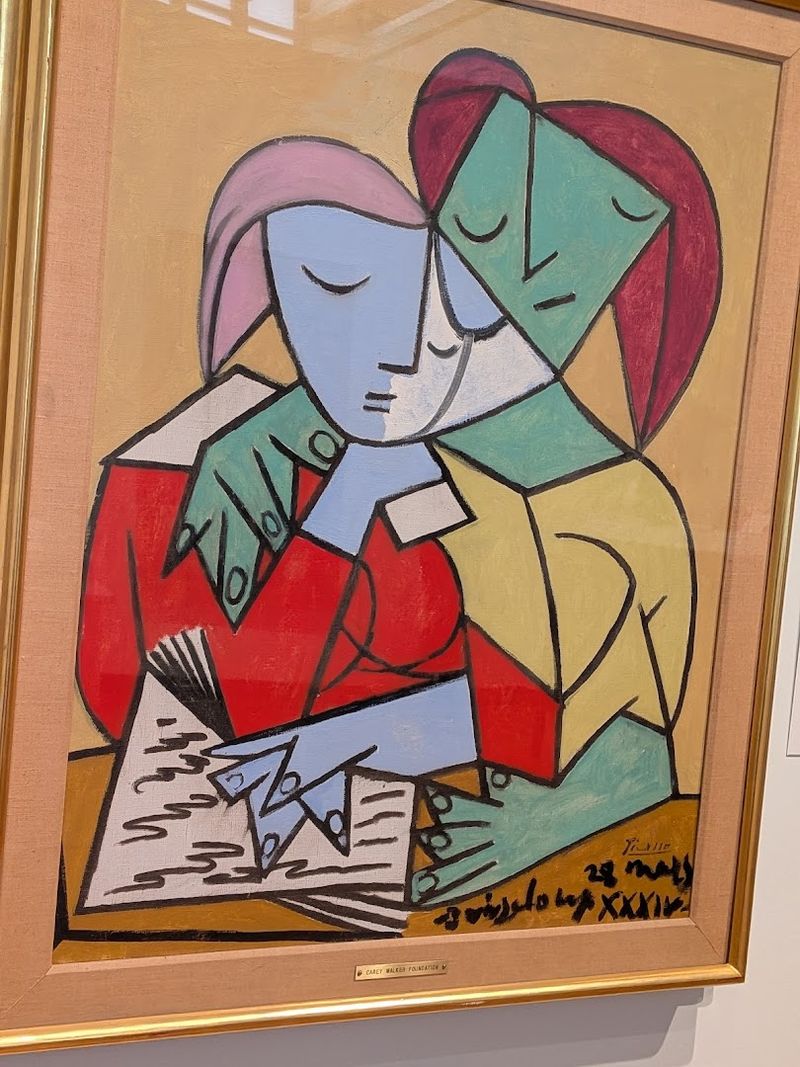
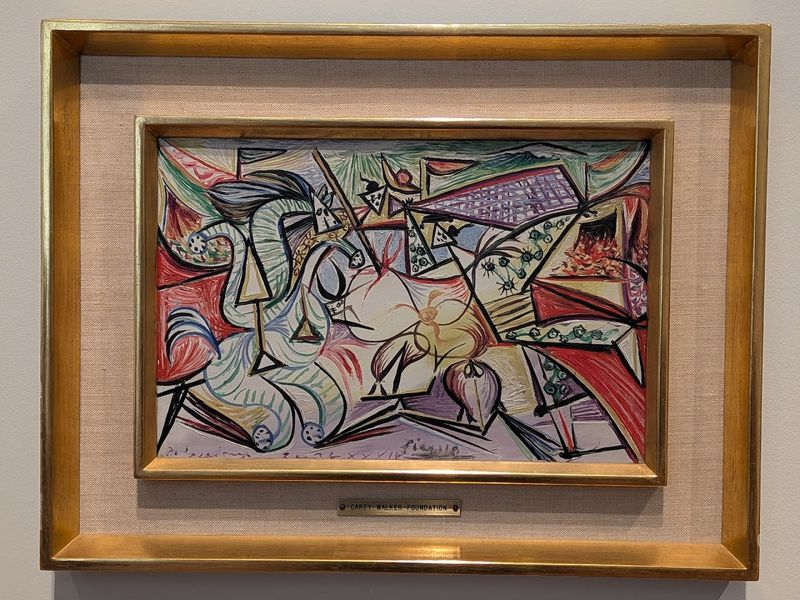
Four original Picasso works hang inside UMMA, and they are every bit as striking in person as you would expect from one of the most recognized names in art history. Standing close enough to see the brushwork is a different experience than viewing a reproduction online or in a textbook.
The paintings carry that unmistakable Picasso energy, the fractured forms and bold colors that somehow still feel urgent decades after they were made. Visitors often linger in front of these pieces longer than anywhere else in the museum, and it is easy to understand why.
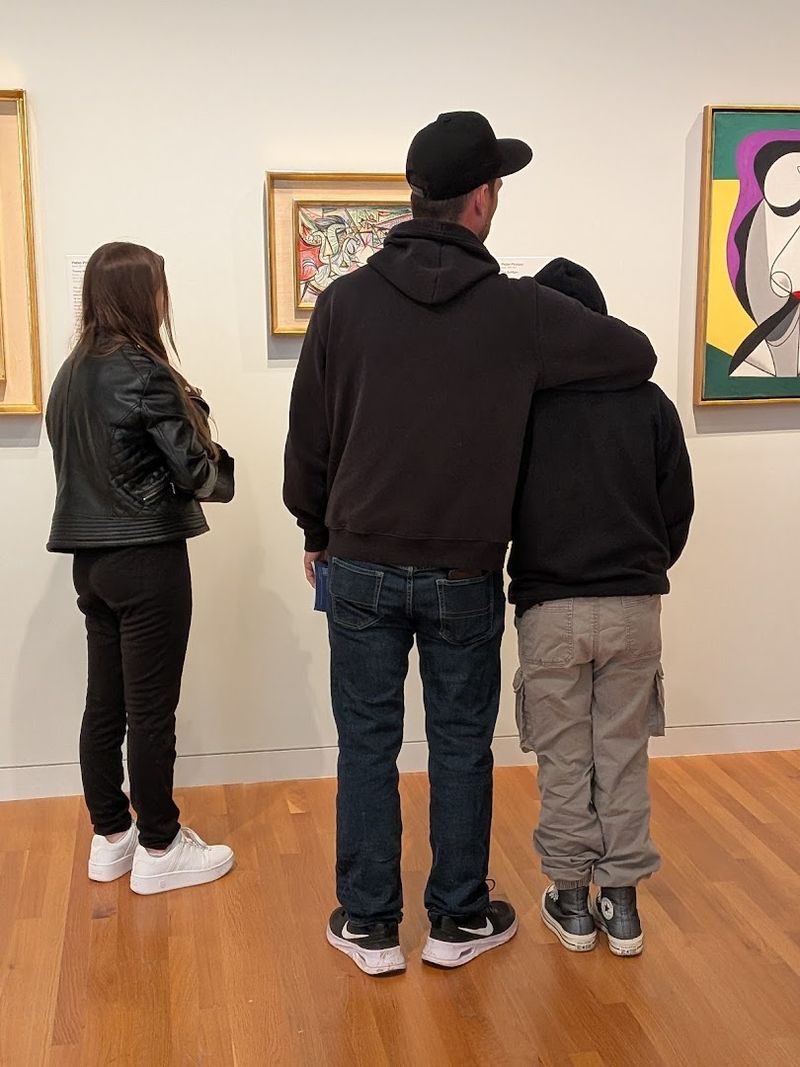
What makes the experience feel special is the context around them. The Picassos are not isolated in a VIP room or behind extra barriers.
They hang alongside other significant works, part of the larger conversation the museum is always trying to start. Seeing a Picasso next to work from other traditions and time periods changes how you read both pieces, and that is exactly the point.
Global Art That Covers Centuries and Continents
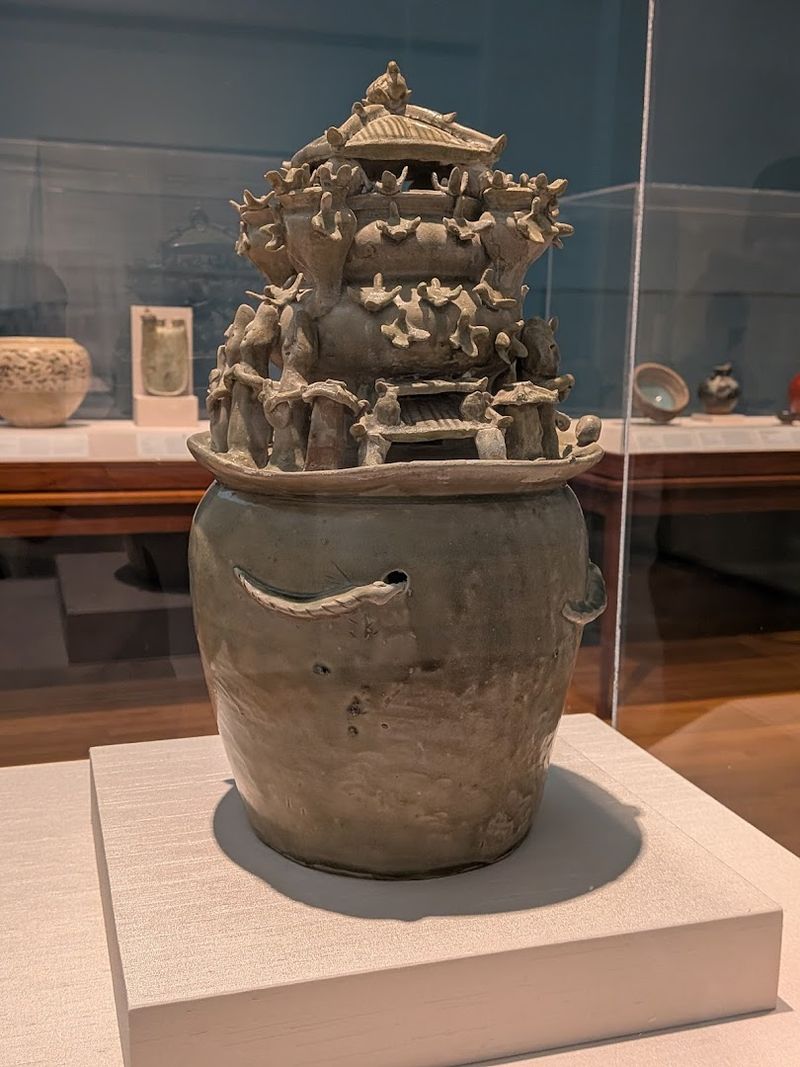
One of the most genuinely surprising things about UMMA is how far its collection reaches geographically and historically. Ancient Chinese ceramics, Indian sculptures, African masks, Japanese prints, and European oil paintings all share the same building, and the curation makes the connections between them feel intentional rather than random.
The African art collection in particular stands out. The pieces are presented with cultural context rather than treated as curiosities, and the accompanying information helps visitors understand the significance behind each object.
Japanese katana displays drew my attention in a way I did not anticipate. The craftsmanship visible even through the glass cases is extraordinary, and the museum provides enough background to make the viewing experience educational without feeling like a lecture.
Each cultural section of the museum rewards slow, careful looking. Rushing through would mean missing the smaller details that often carry the most meaning, and those quiet discoveries are part of what makes a visit here so personally rewarding.
Nearly 20 Special Exhibitions Every Single Year
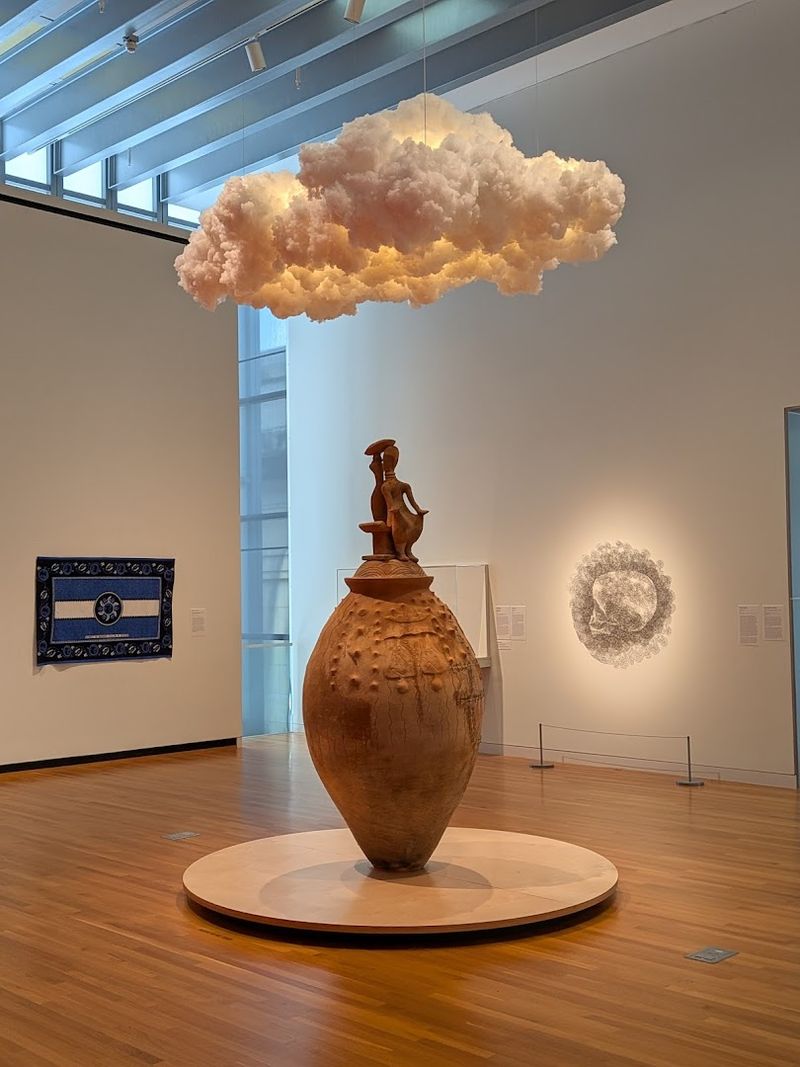
UMMA hosts close to twenty special exhibitions annually, which means the museum looks noticeably different depending on when you visit. A return trip even a few months later can feel like an entirely new experience because so much of the programming rotates.
Past exhibitions have tackled themes ranging from the legacy of colonialism in art history to contemporary works by living artists pushing the boundaries of their mediums. The museum does not shy away from difficult subjects, and the framing around sensitive topics like slavery and cultural displacement is thoughtful and educational.
Student exhibitions also appear regularly, giving emerging artists from the University of Michigan a platform to show their work alongside an established permanent collection. Seeing student pieces displayed with the same care and lighting as the museum’s major holdings sends a clear message about how UMMA values new voices.
Checking the museum’s website before your visit to see what is currently on display is genuinely worth the thirty seconds it takes.
The Museum Hours That Actually Work for Real People
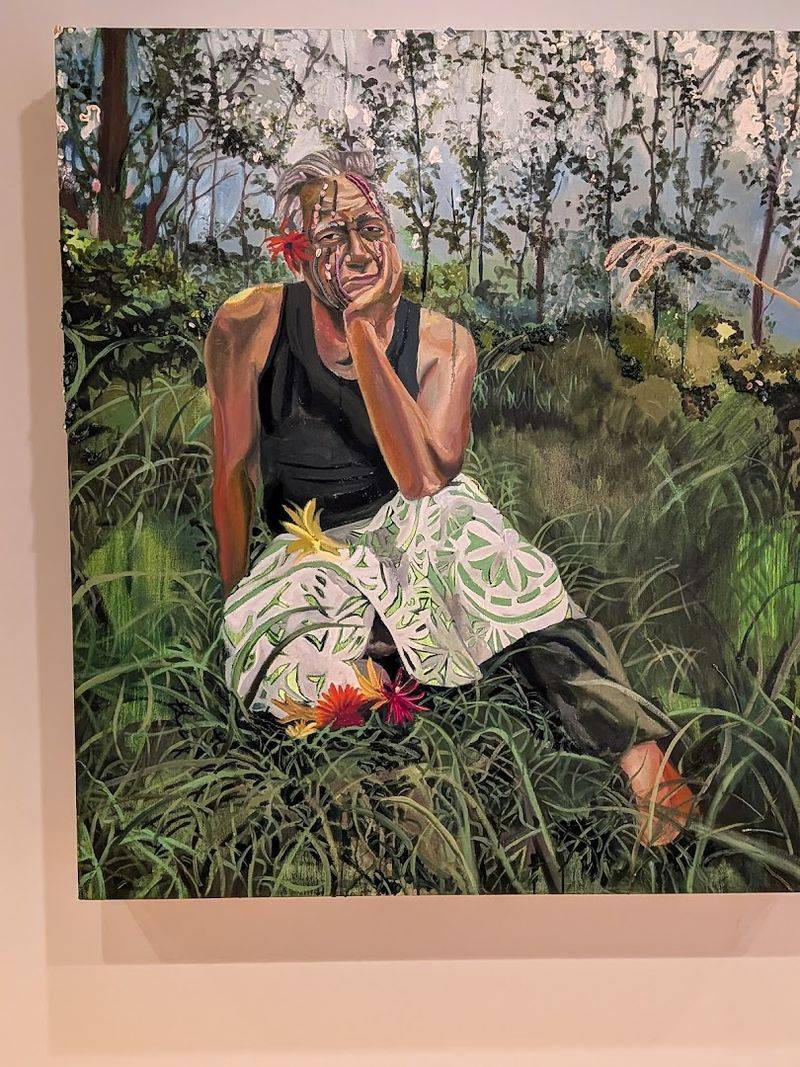
UMMA keeps hours that make it genuinely accessible for people with regular daytime commitments. On Thursdays and Fridays, the museum stays open until 8 PM, which is rare for a free institution and makes after-work visits completely realistic.
Saturdays and Sundays also run until 8 PM, giving weekend visitors a long window to explore without feeling rushed. Tuesday and Wednesday hours are 11 AM to 5 PM, and the museum is closed on Mondays.
The extended evening hours on Thursdays and Fridays are worth planning around specifically. The galleries feel calmer after 6 PM, the lighting takes on a different quality, and you can move through the collection at your own pace without the midday crowds.
Street parking also becomes easier after 6 PM in many nearby spots. If you have been putting off a visit because of a busy schedule, the evening hours remove that excuse entirely, and the museum is worth every minute you give it.
Programs and Events That Go Beyond Looking at Paintings
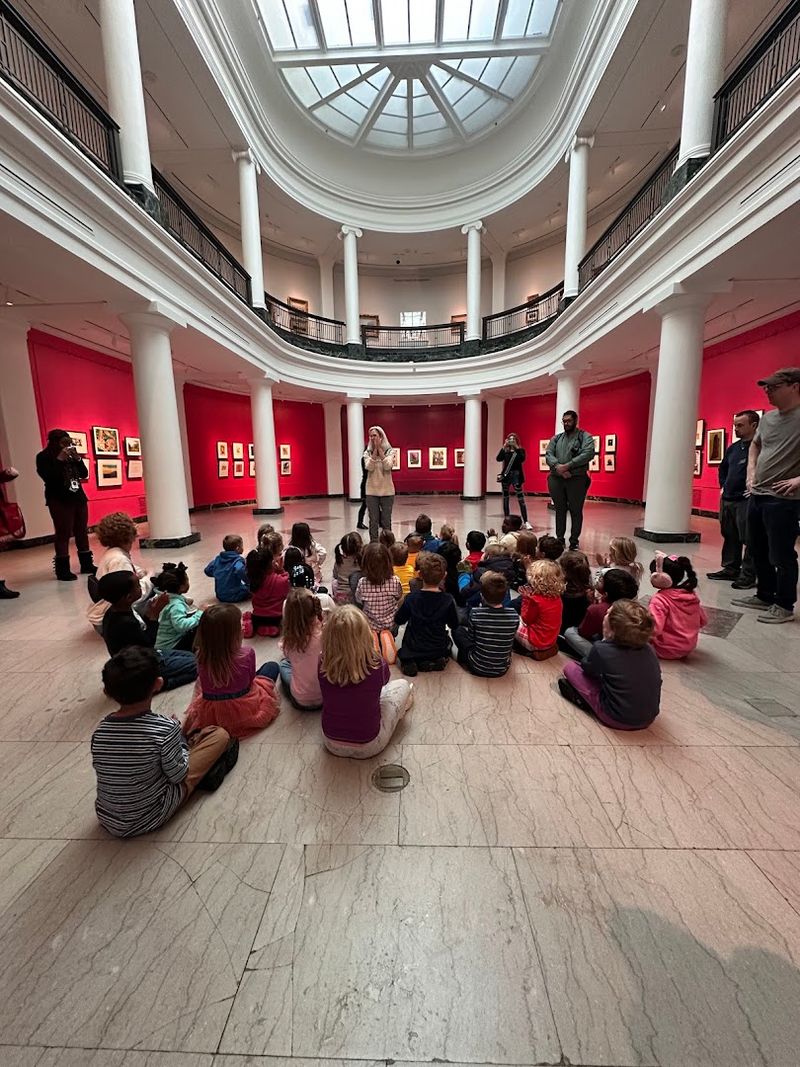
UMMA offers a range of programs that extend well beyond walking quietly through galleries. Lectures, workshops, and family-friendly activities run throughout the year, and many of them are tied directly to whatever exhibitions are currently on display.
School field trips are a regular part of the museum’s calendar, and the staff handles young visitors with genuine enthusiasm. Kindergartners on class trips have reportedly left with a real sense of wonder, which says something about how the education team approaches their work.
Community events have included formal gatherings like the University of Michigan Black Alumni Association’s annual gala, held right inside the museum’s beautiful spaces. The building doubles as an event venue that happens to be surrounded by world-class art, which makes for a setting that is hard to replicate anywhere else in Ann Arbor.
If you have kids, a curiosity about art history, or simply want something to do that feels enriching, the programming calendar is worth bookmarking on the museum’s official website.
The Architecture That Tells Its Own Story
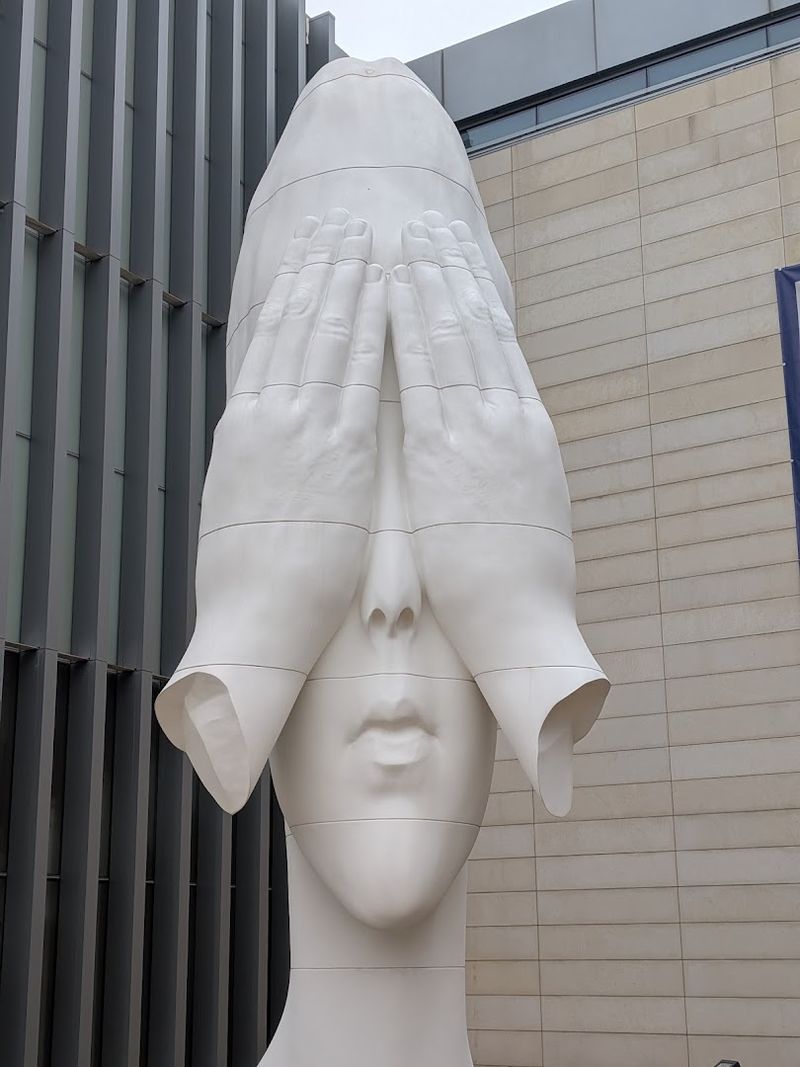
The building itself deserves attention before you even look at a single piece of art. UMMA’s structure combines a historic Alumni Memorial Hall with the Maxine and Stuart Frankel and the Frankel Family Wing, a contemporary glass addition that floods the interior with natural light.
The contrast between the older brick and stone sections and the clean modern glass creates a visual tension that mirrors what happens inside the galleries, where ancient objects meet contemporary works. The atrium space in the newer wing is genuinely beautiful, with high ceilings and an openness that makes the whole building feel generous rather than cramped.
The layout is designed so that visitors naturally move through the entire collection without feeling like they are backtracking or getting lost. One visitor described it as maze-like but in a satisfying way, where following the path forward eventually brings you full circle.
The architecture quietly guides your experience, and that thoughtfulness extends to every corner of the space.
The Cafe and Museum Shop Worth a Few Extra Minutes
After spending an hour or two in the galleries, the museum cafe offers a welcome place to sit down and process everything you just saw. The cafe is on the pricier side for what it offers, but the setting more than compensates for the cost, especially if you grab a window seat in the modern wing.
Museum members receive small benefits at the cafe as part of their membership perks, which is a nice incentive if you plan to visit regularly. The cafe is not huge, but it handles the midday crowd reasonably well on most days.
The museum shop carries a thoughtfully curated selection of gifts, books, and art-related items that lean toward the unique rather than the generic. It is the kind of place where you can find something genuinely interesting for a friend who is hard to shop for.
Both the cafe and shop are worth at least a quick browse before you head back out into the Ann Arbor afternoon.
What the Art Here Actually Does to You
There is something specific that happens when you spend time in front of art that was made thousands of miles away and hundreds of years ago. At UMMA, that feeling comes up repeatedly, and it is harder to shake than you might expect from a free afternoon visit.
The pieces here are not just decoration, as one visitor put it so well. They carry history, cultural memory, and human emotion in a way that rewards patient looking.
Standing in front of a work and trying to understand what the artist was communicating is an exercise that changes how you see the rest of your day.
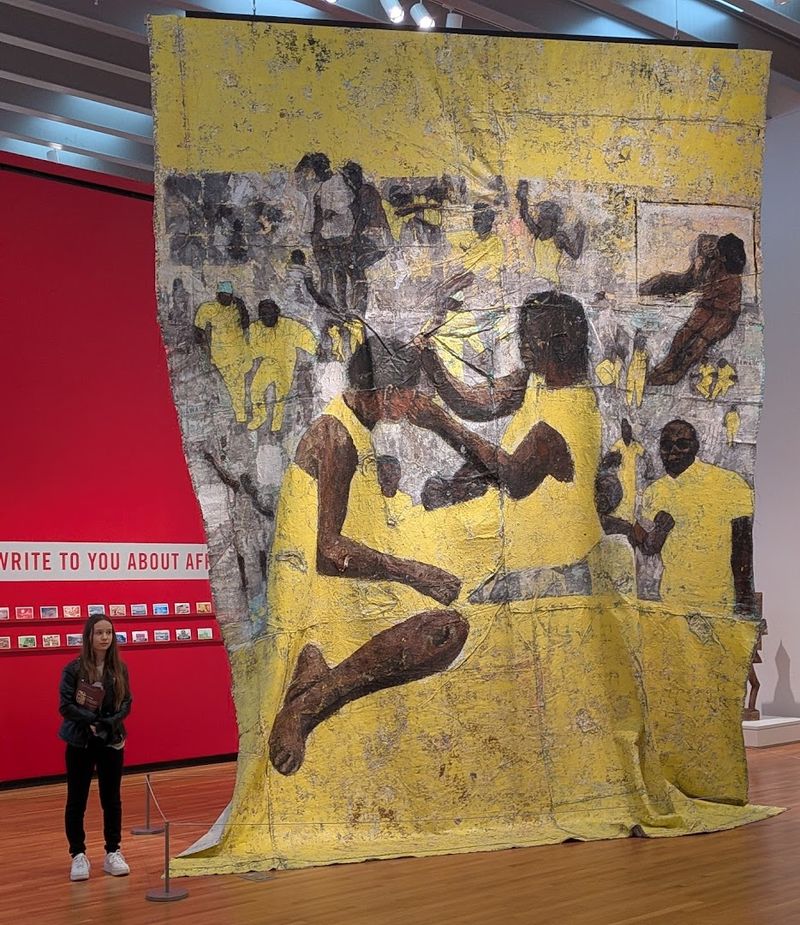
The museum’s commitment to framing art within its historical and social context adds another layer to the experience. Paintings connected to the history of slavery, for example, are presented with care and honesty that invites reflection rather than discomfort.
That willingness to engage with difficult truths is part of what makes UMMA feel like a serious institution rather than just a pleasant place to spend an afternoon.
Why This Museum Deserves a Spot on Every Ann Arbor Visit
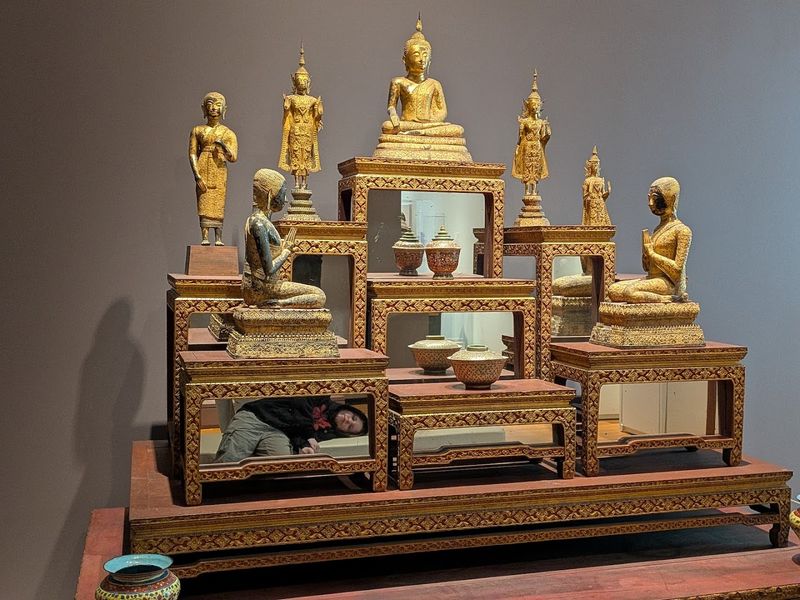
Ann Arbor has a reputation as a college town with good food and a lively downtown, but UMMA adds a cultural dimension that many visitors overlook entirely. The museum earns a 4.8-star rating from over 1,400 reviews, which is a number that reflects consistent quality rather than a single lucky visit.
The combination of free admission, extended evening hours, a globally diverse permanent collection, and nearly twenty rotating exhibitions per year makes this one of the most well-rounded cultural institutions in Michigan. There are not many places in the Midwest where you can see a Picasso original, ancient Asian ceramics, and a student exhibition all in the same afternoon without paying a dollar.
First-time visitors often leave saying they wish they had known about it sooner, and many come back within weeks. The museum sits at the intersection of accessibility and genuine artistic depth, and that balance is rarer than it sounds.
Once you visit, it is the kind of place that earns a permanent spot on your regular rotation.



