Nichols Arboretum in Ann Arbor offers something few places can match: a 123-acre natural area with free access, a nationally recognized peony garden, and a long-running tradition of outdoor Shakespeare performances. It sits next to the University of Michigan, yet feels removed from the city once you step inside.
The space is used year-round for walking, exploring, and seasonal events, drawing a mix of students, locals, and visitors. The peony garden alone brings in crowds each spring, while the open landscape keeps it relevant beyond peak bloom.
What makes it stand out is the range. It functions as both a quiet green space and an active cultural spot, which is why people return in every season.
Where Exactly You Will Find The Arb
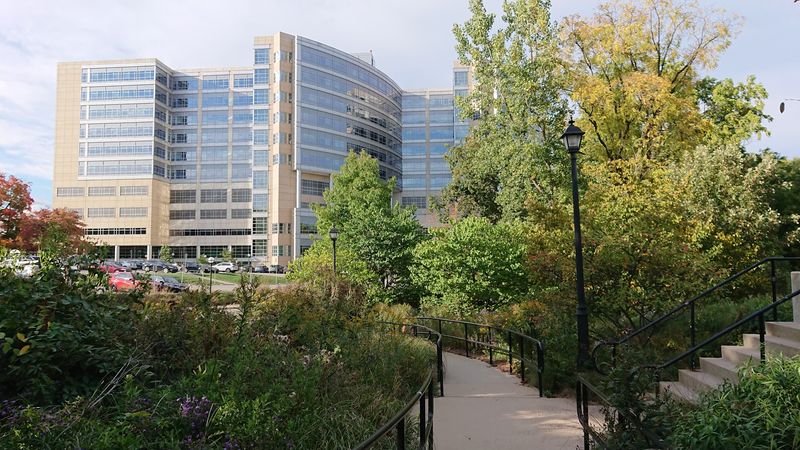
The full name is University of Michigan Nichols Arboretum, and the address is 1610 Washington Heights, Ann Arbor, MI 48104. It sits right along the eastern edge of the University of Michigan’s central campus, tucked between the academic buildings and the Huron River.
Getting there is straightforward, though parking takes a little planning. Limited metered street parking is available on Washington Heights and Observatory Street.
The university’s blue lot M28 on Washington Heights offers free parking after 5 p.m. on weekdays and all day on weekends, which is worth knowing before your visit.
The arboretum is open daily from 8 a.m. to 8 p.m. There is no entry fee, no ticket booth, and no reservation required.
You simply show up, find a trail, and start walking. That open-door policy is a big reason why The Arb feels like a true community space rather than just another tourist attraction.
How a Landscape Architect Turned a Hillside Into a Legacy
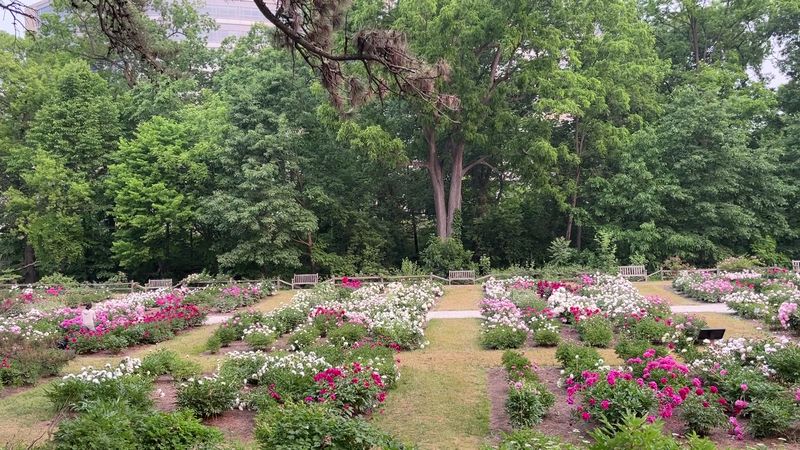
Back in 1907, the University of Michigan commissioned landscape architect O.C. Simonds to design an arboretum that would showcase native Michigan flora in a naturalistic setting.
Simonds was known for his philosophy that landscapes should feel like extensions of the natural world rather than formal, manicured gardens.
His vision shaped everything from the trail routes to the plant selections. He worked with the rolling topography of the land rather than against it, letting the hills and valleys define the experience of moving through the space.
That approach is exactly why The Arb feels so different from a typical city park.
Over the decades, the arboretum expanded and evolved, but Simonds’ original framework remained intact. The University of Michigan’s Matthaei Botanical Gardens and Nichols Arboretum now manages the property.
More than a century later, his design still guides how visitors experience the land, which is a quiet but powerful testament to thoughtful planning done right.
The Peony Garden That Stops People in Their Tracks
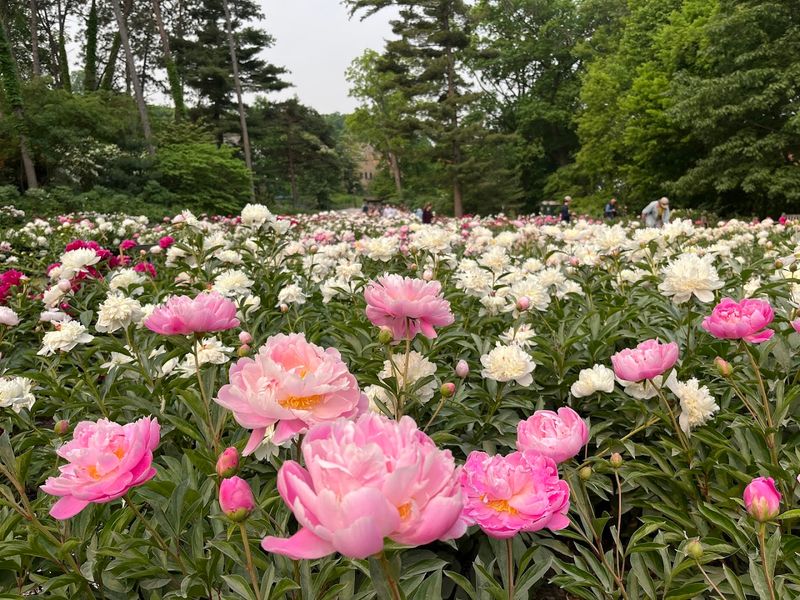
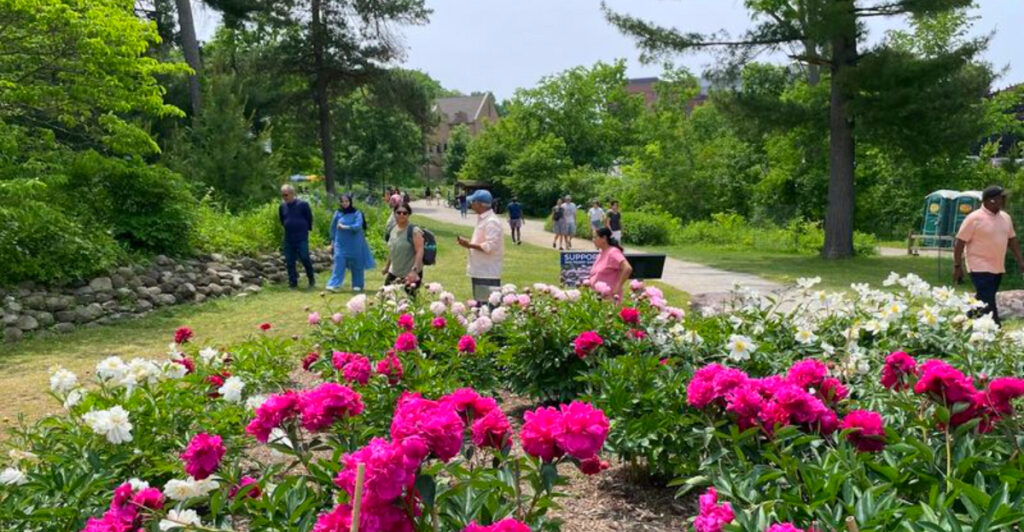
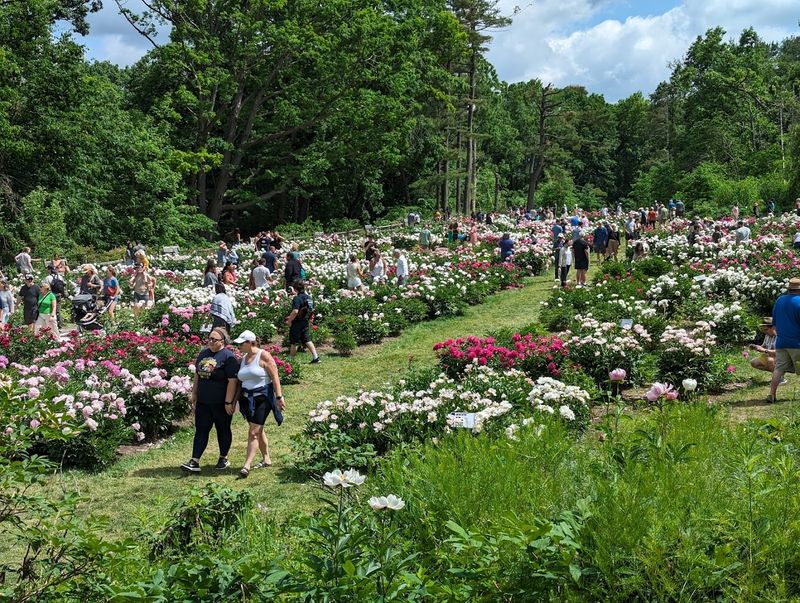
Few things in Michigan’s natural calendar are as visually striking as the W.E. Upjohn Peony Garden at peak bloom.
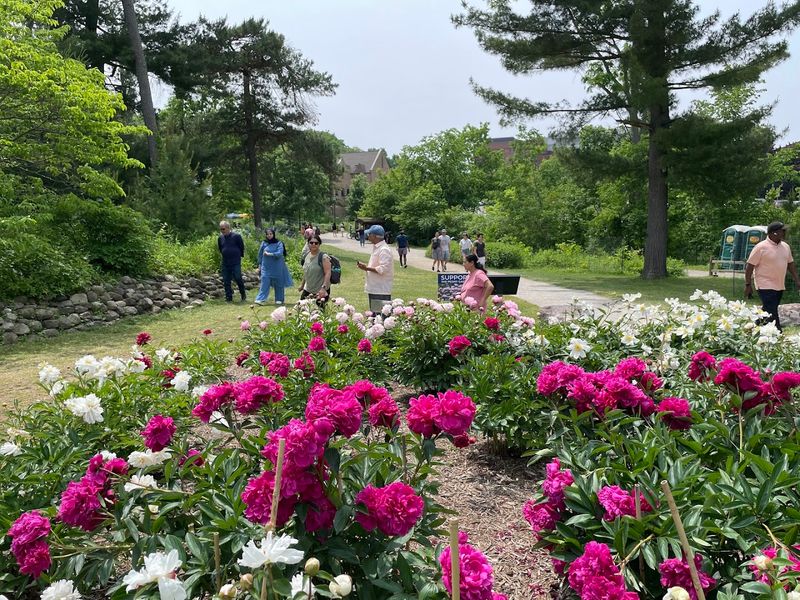
This garden holds the largest collection of heirloom peonies in North America, with over 270 historic varieties bursting into color from late May through early June each year.
The blooms range from soft blush and cream to deep crimson and magenta, and the fragrance on a warm morning is the kind that makes you stop walking and just stand still for a moment. Educational plaques throughout the garden identify each variety, so even first-time visitors leave knowing more than they expected.
Peak season draws large crowds, and for good reason. Following the arboretum’s social media accounts before your visit is a smart move, since they post regular updates on bloom progress.
Arrive early on weekday mornings for the most peaceful experience. The garden is free to visit, which makes it one of the most spectacular no-cost outings in the entire state.
123 Acres of Trails That Reward Every Kind of Walker
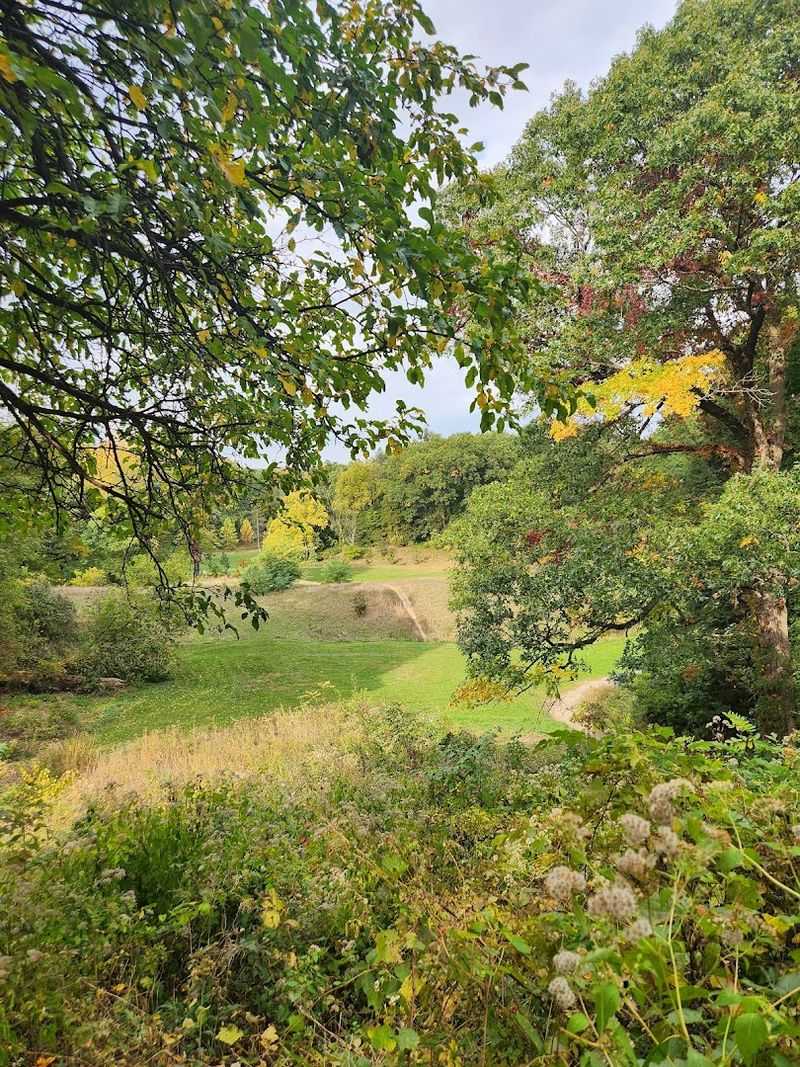
The trail network at The Arb is the kind that makes you forget how long you have been walking. The paths are unpaved and wind through a mix of terrain including flat meadow stretches, wooded hillsides, steep staircased sections, and open ridgelines with long views over the treetops.
Runners, hikers, and casual walkers all share these trails, and the variety of routes means you rarely feel like you are retracing the same ground twice. Trail entrances can be found near the Burnham House on Washington Heights or off Geddes Avenue at Nichols Drive, giving visitors multiple starting points depending on where they park.
One useful note: the trails are unpaved and can get muddy after rain, so sturdy shoes are a better choice than sneakers on wet days. The arboretum covers enough ground that even an hour of walking leaves plenty unexplored, and many people find themselves planning a return visit before they even reach the exit.
The Huron River Makes an Appearance Worth Seeking Out
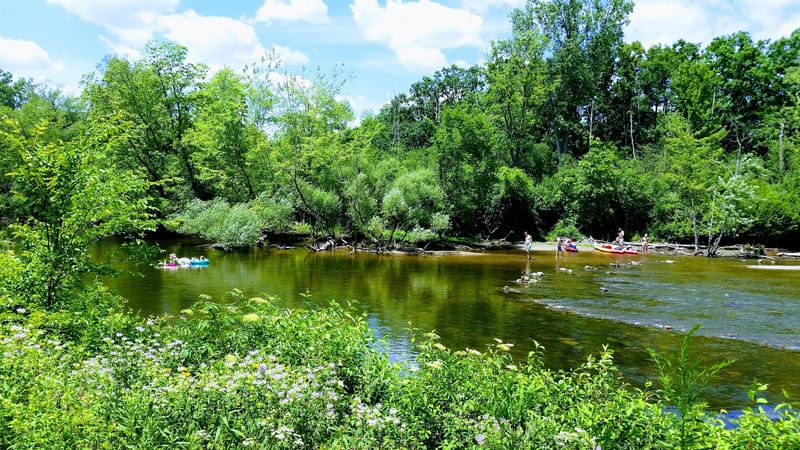
One of the quieter rewards of exploring The Arb’s deeper trails is arriving at the Huron River. The river forms part of the arboretum’s southern boundary, and reaching it requires a bit of a downhill walk through the woods, which makes the arrival feel genuinely earned.
The riverbank offers a completely different atmosphere from the hilltop trails. The water moves at a steady pace, the tree canopy closes in overhead, and the sound of the current provides a natural backdrop that is hard to find this close to a university campus.
Some visitors bring a book and simply sit for a while.
Kayaking on the Huron River near the arboretum is also possible, adding a water-based dimension to the visit for those who want it. Whether you stay on the bank or get out on the water, the river section of The Arb has a slower, more contemplative mood that feels like a different world from the busy trail entrances above.
Shakespeare in the Arb Turns the Whole Park Into a Stage
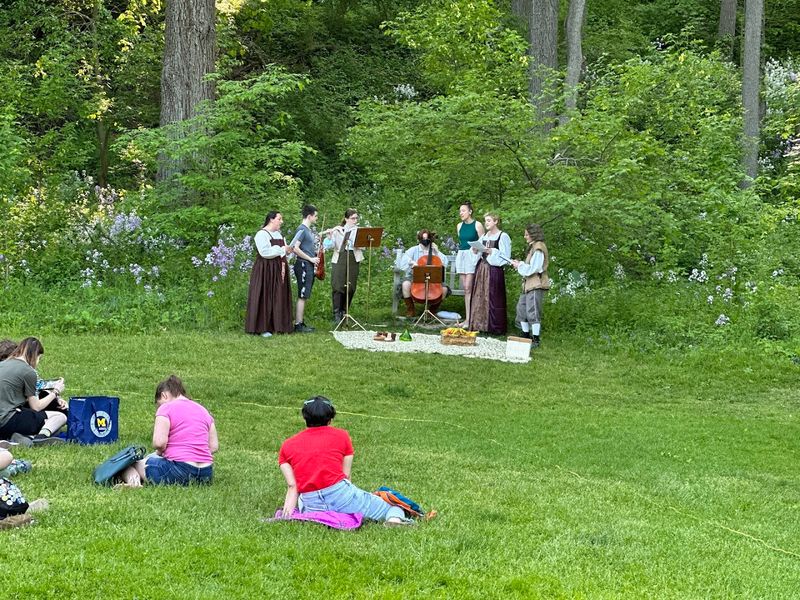
Every summer, Nichols Arboretum transforms into something unexpected: a fully immersive Shakespeare theater experience. “Shakespeare in the Arb” stages classic plays at different locations throughout the park, meaning the audience moves through the landscape as the story unfolds around them.
Scenes might play out on a hillside, along a trail, or in a clearing, with the natural setting becoming part of the production itself. The combination of live performance and outdoor surroundings creates an atmosphere that indoor theaters simply cannot replicate.
It has built a loyal following among both longtime Ann Arbor residents and first-time visitors.
Checking the official schedule before summer visits is a good idea, since performance dates and locations shift from year to year. The experience is accessible to people who have never seen Shakespeare performed before, partly because the natural setting keeps things from feeling stiff or formal.
It is one of those events that tends to surprise people who show up without high expectations and leave talking about it for weeks.
Prairie Restoration Work That Goes Deeper Than It Looks
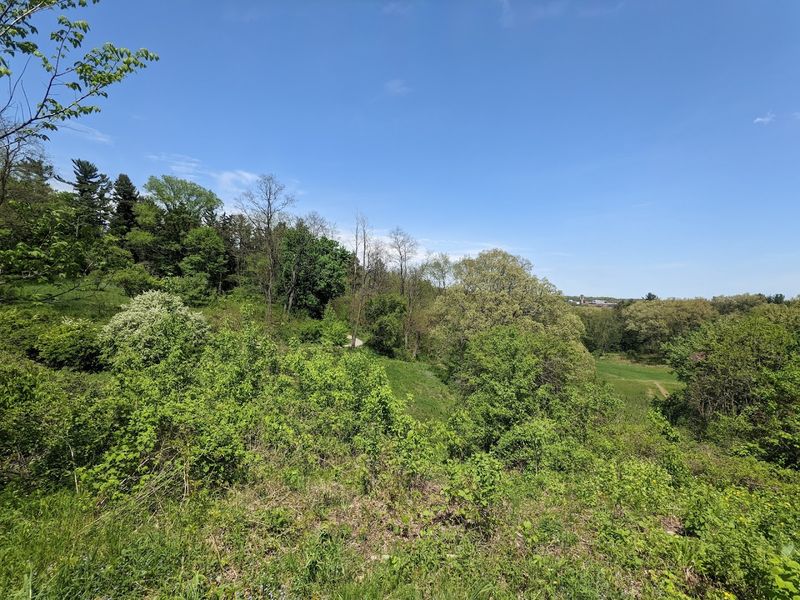
Not every part of The Arb is about dramatic views or famous flowers. The Alex Dow Field Prairie Restoration area represents a quieter but equally important side of the arboretum’s mission.
This section preserves native prairie ecosystems that once covered much of Michigan before agricultural development changed the landscape.
Native grasses and wildflowers grow here in patterns that support local pollinators, birds, and small mammals. The area looks different in every season, from the soft greens of spring growth to the tall, seed-heavy stalks of late autumn.
It is not the flashiest part of the arboretum, but it rewards visitors who slow down enough to notice the details.
The restoration work happening here connects to broader conservation goals managed by the University of Michigan. Understanding that this landscape is actively being cared for and rebuilt adds a layer of meaning to a simple walk through it.
Nature is not just being preserved at The Arb; in places like Alex Dow Field, it is being actively restored.
Fairy Homes, Troll Bridges, and Tiny Surprises Along the Trail
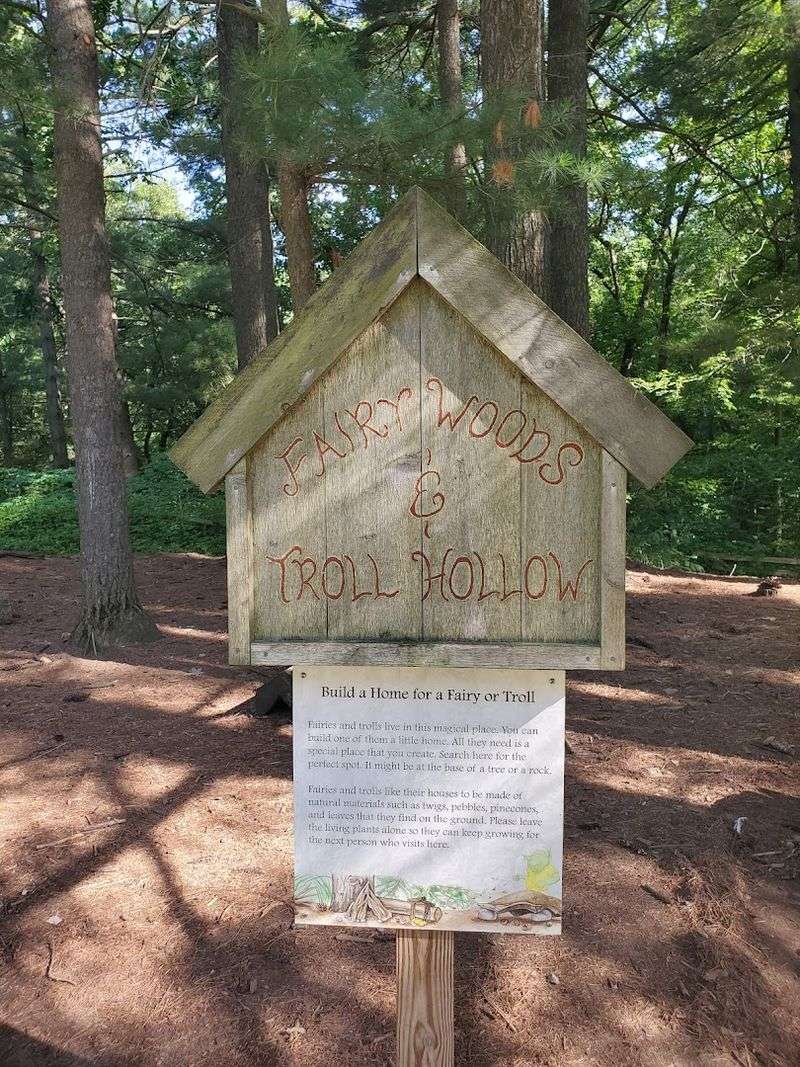
One of the most charming and completely unexpected features of The Arb is the fairy home community tucked along certain sections of the trail. Visitors, particularly families with children, have built small structures from natural materials like sticks, bark, and leaves, creating a whimsical collection of miniature homes at the base of trees.
There are also troll bridges to discover if you know where to look. These small, handcrafted details scattered through the woodland give the trails a storybook quality that children love and adults tend to find quietly delightful.
Building your own fairy home from materials you find along the path is encouraged, making it an interactive experience rather than just a passive one.
Two free “take a book, leave a book” spots are also found within the arboretum, offering a spontaneous reading option for anyone who wants to rest for a while. These small, community-built details reveal something genuine about how the people of Ann Arbor relate to this space.
What Every Season Brings to the Same 123 Acres
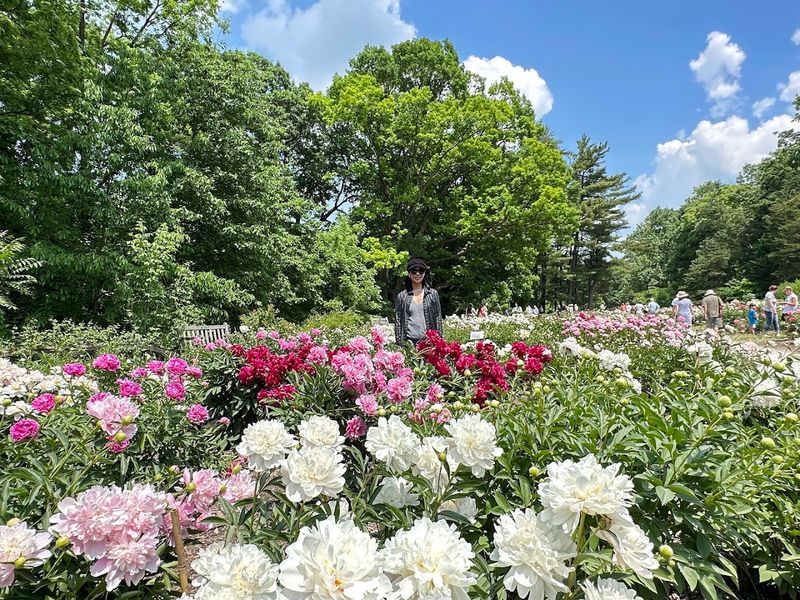
The Arb operates on a seasonal rhythm that gives each visit a completely different character depending on when you arrive. Spring is the most famous season here, with the peony garden drawing visitors from across the Midwest during its brief but spectacular bloom window in late May and early June.
Summer brings dense green canopy to the trails and hosts Shakespeare in the Arb performances that fill the evenings with live theater. Autumn transforms the hillsides into a mosaic of orange, red, and gold, making it one of the best spots in Ann Arbor for fall photography and birding.
Late fall birding in particular draws enthusiasts who come specifically for the seasonal wildlife activity.
Winter visits are less crowded but come with a caveat: the unpaved trails can become slippery after snow or ice, so footwear choices matter. The bare trees in winter reveal the arboretum’s topography in ways that the leafy summer canopy hides, offering a surprisingly different perspective on a familiar landscape.
Why Dogs, Families, and Solo Wanderers All Feel Welcome Here
The Arb has a rare quality: it genuinely works for almost everyone. Families with young children come for the fairy homes, the open meadows where kids can run, and the accessible flat sections near the garden.
Runners use the trails for training. Photographers arrive at golden hour to capture the light through the tree canopy.
Dogs are welcome throughout the arboretum, which makes it a popular destination for Ann Arbor pet owners looking for a trail that offers more variety than a standard city park. The diverse terrain keeps things interesting for both dogs and their humans.
University of Michigan students use The Arb as a study break destination, a place to decompress between classes or during exam season. Solo visitors come to read, sketch, or simply sit by the river.
The space accommodates all of these uses without any of them feeling out of place, which is a harder balance to achieve than it sounds.
The Education Center and What It Adds to the Experience
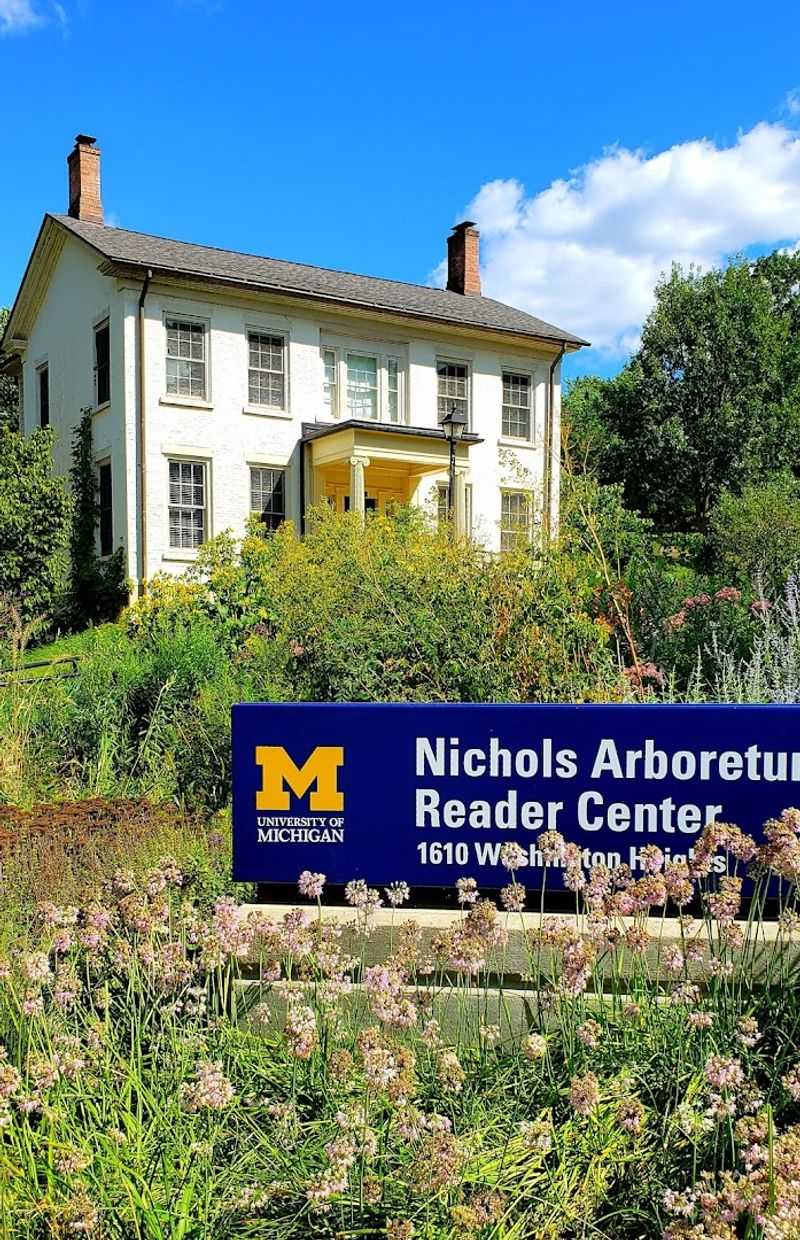
The James D. Reader Jr. Urban Environmental Education Center sits within the arboretum and serves as a hub for programming, research, and community engagement.
It represents the educational mission that has always been part of The Arb’s identity, connecting visitors to the science and conservation work happening on the grounds.
Throughout the year, the center and the broader arboretum host events, guided walks, and educational programs for school groups and community members. Informational plaques on trees and plants throughout the property add a self-guided learning dimension that works even on an unscheduled visit.
The trivia and identification information posted near tree specimens gives curious visitors something to engage with beyond just the scenery. For anyone who wants to understand what they are looking at rather than simply walking past it, The Arb rewards that curiosity consistently.
The education component is woven into the landscape itself rather than confined to a single building, which is what makes it feel genuinely integrated into the experience.
Practical Tips That Will Make Your Visit Smoother
A few practical details can make the difference between a smooth visit and a frustrating one. Parking is the most common challenge.
Street parking on Washington Heights and Observatory Street is metered and limited. The university’s blue lot M28 offers the most convenient free option after 5 p.m. on weekdays and all day on weekends, so timing your arrival around those windows saves both money and stress.
The arboretum opens at 8 a.m. and closes at 8 p.m. every day of the week. Arriving early on weekend mornings, especially during peony season, gives you the best chance of a quieter experience before the crowds build.
Bug spray is worth packing if you plan to stay past late afternoon near the river sections.
There is no entry fee, no food vendor on site, and no cash required for anything. Bringing water and wearing comfortable, sturdy shoes for the unpaved trails covers the basics.
The phone number for the arboretum is +1 734-647-7600 if you need to check on conditions before heading out.
Share this story