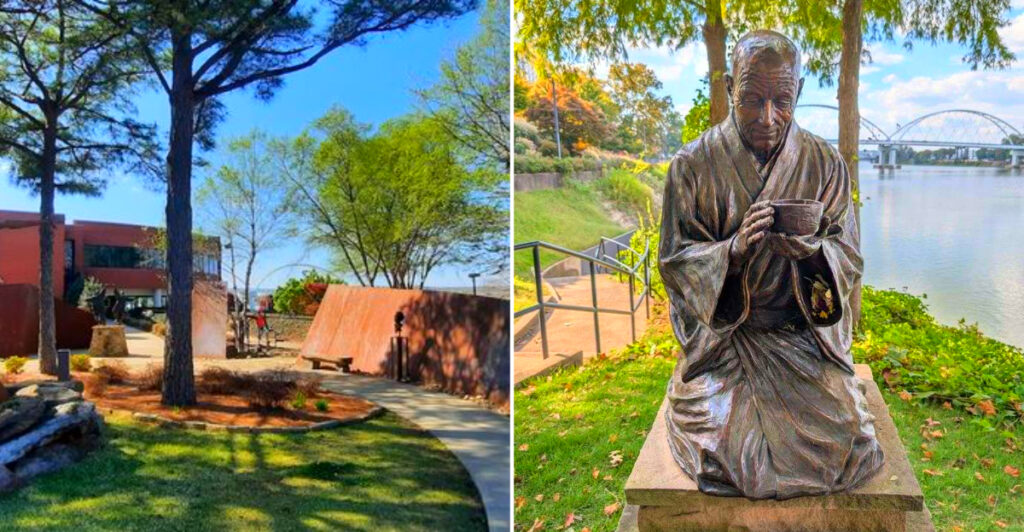
Along the Arkansas River in downtown Little Rock, one of the state’s most distinctive outdoor attractions blends public art with a scenic waterfront setting. Home to more than 90 sculptures, this expansive sculpture garden invites visitors to explore a diverse collection of works ranging from realistic figures to bold contemporary pieces, all in a setting that is free and open to the public.
Designed to encourage discovery, the garden reveals new artworks around nearly every turn, creating an experience that feels both relaxed and engaging. Since opening in 2009 and expanding significantly in 2017, it has become a cultural landmark that appeals to art enthusiasts, casual visitors, and anyone looking for a unique way to experience the city’s riverfront.
It’s the kind of place that rewards a quick stroll but easily justifies a much longer visit.
Where the Garden Begins: Address, Setting, and First Impressions
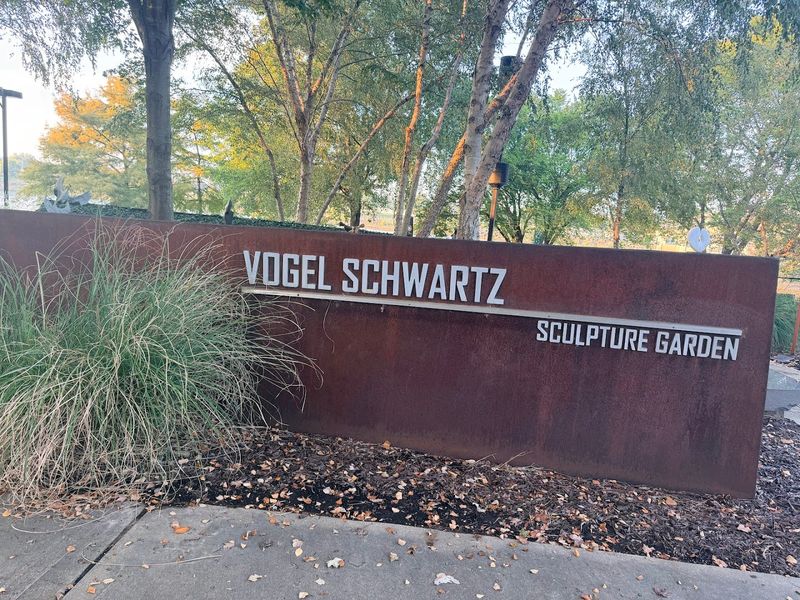
The Vogel Schwartz Sculpture Garden sits along the Arkansas River Trail in Riverfront Park, Little Rock, AR 72201, right in the heart of downtown. The moment you step onto the main path, the Arkansas River stretches out to your left while sculptures appear ahead of you like quiet surprises waiting to be discovered.
The garden was officially dedicated in October 2009, starting with just seven sculptures from a 2004 art show. Today, it holds over 90 works and keeps growing, with new pieces added every year.
That steady growth gives the collection a layered, evolving feel rather than a static display.
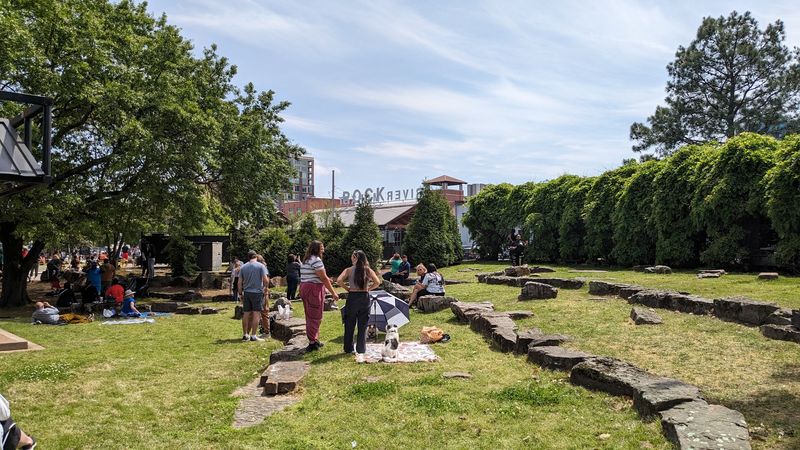
The setting does a lot of the work here. Natural terraces, wide walkways, and boulders brought in from nearby Petit Jean Mountain give the space a grounded, earthy quality.
The river views between sculptures add depth to the whole experience, making every visit feel a little different depending on the light and the season.
The Vision Behind the Garden: How It All Started
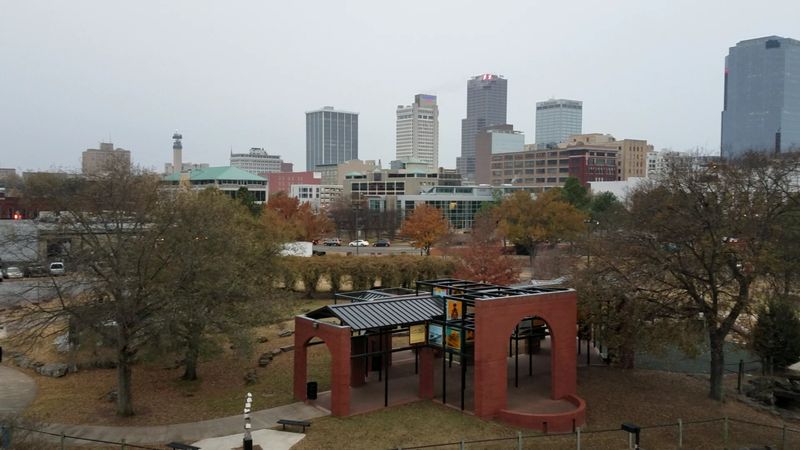
Not every great public art project starts with a city planner or a museum board. The Vogel Schwartz Sculpture Garden grew from the vision of Dr. Dean Kumpuris, who was inspired by the Benson Sculpture Garden in Loveland, Colorado, and believed Little Rock deserved something similar.
The project took root from a 2004 outdoor art show and gained real momentum through the support of the Vogel family and the Vogel Schwartz Foundation, whose contributions made the garden possible. Their investment in public art gave the city a lasting cultural landmark that remains free and accessible to everyone.
The Little Rock Parks and Recreation Department designed the layout, creating a space that feels intentional without feeling rigid. It is the kind of project that could have stayed a small idea but instead became something the whole city takes pride in.
That combination of private generosity and public vision is exactly why the garden works as well as it does.
More Than 90 Sculptures and Counting: The Art Collection Up Close
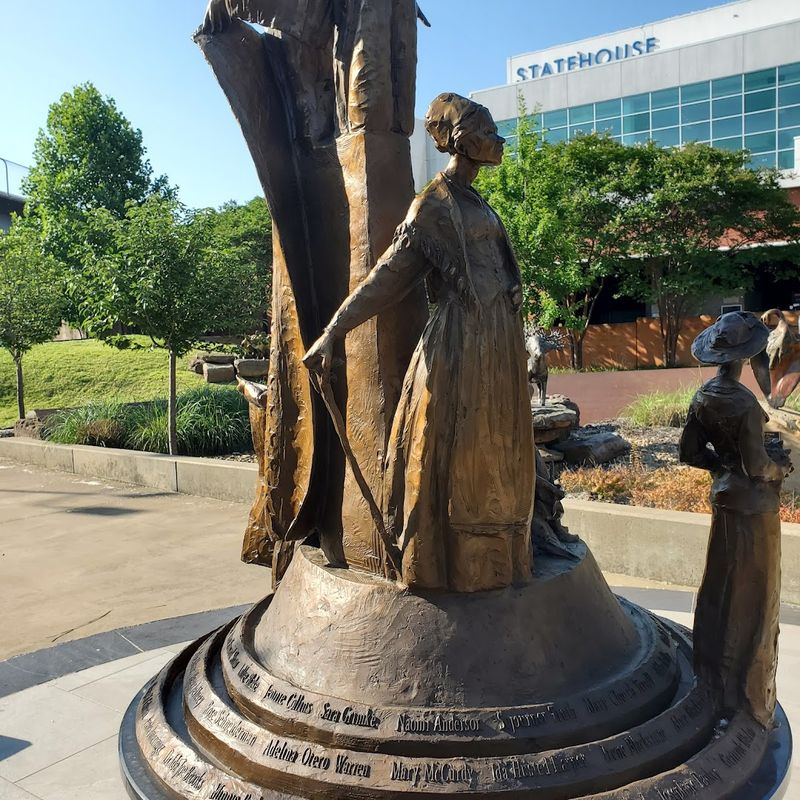
Ninety-plus sculptures sounds like a lot until you are actually walking among them and realize each one earns its place. The collection spans realistic animal figures, abstract geometric forms, and everything in between, crafted from bronze, marble, steel, and even repurposed barbed wire.
That last material might raise an eyebrow, but it works. The barbed wire pieces carry a distinctly regional character, nodding to Arkansas’s agricultural roots while still functioning as contemporary art.
The range of materials keeps the visual experience from ever feeling repetitive.
New sculptures are added annually, which means returning visitors almost always find something they have not seen before. That ongoing growth turns the garden into a living collection rather than a finished exhibit.
If you are the kind of person who likes to track changes over time, this is the sort of place that genuinely rewards a second or third visit, and the best pieces are still ahead in this article.
The 2017 Expansion: When the Garden Got Bigger and Bolder
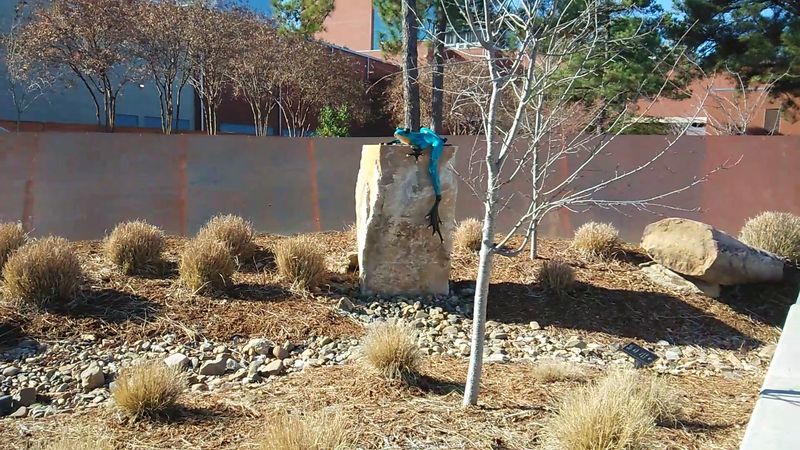
Before 2017, the garden was already impressive, but the expansion that year changed its scale entirely. The footprint doubled, and with that extra space came the ability to install much larger, more ambitious pieces that simply would not have fit before.
The redesign also brought in boulders sourced from Petit Jean Mountain, a beloved Arkansas state park located about an hour west of Little Rock. Those boulders do more than fill space.
They anchor the landscape, create natural seating, and give the garden a geological texture that connects it to the broader Arkansas environment.
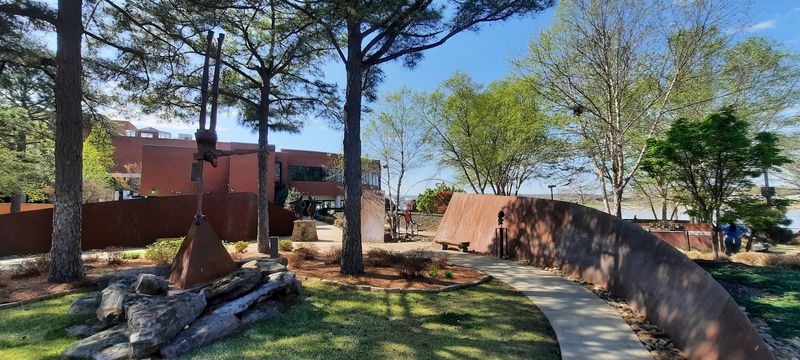
Steel panels were incorporated as part of the redesign to frame views and create a gallery-like flow. By partially blocking sightlines, they build anticipation as you move through the space, so you never quite see what is coming next.
That design choice transforms a simple walk into something closer to a curated experience, and it is one of the details that separates this garden from a standard park installation.
A Tribute Cast in Bronze: The Daisy Bates Sculpture
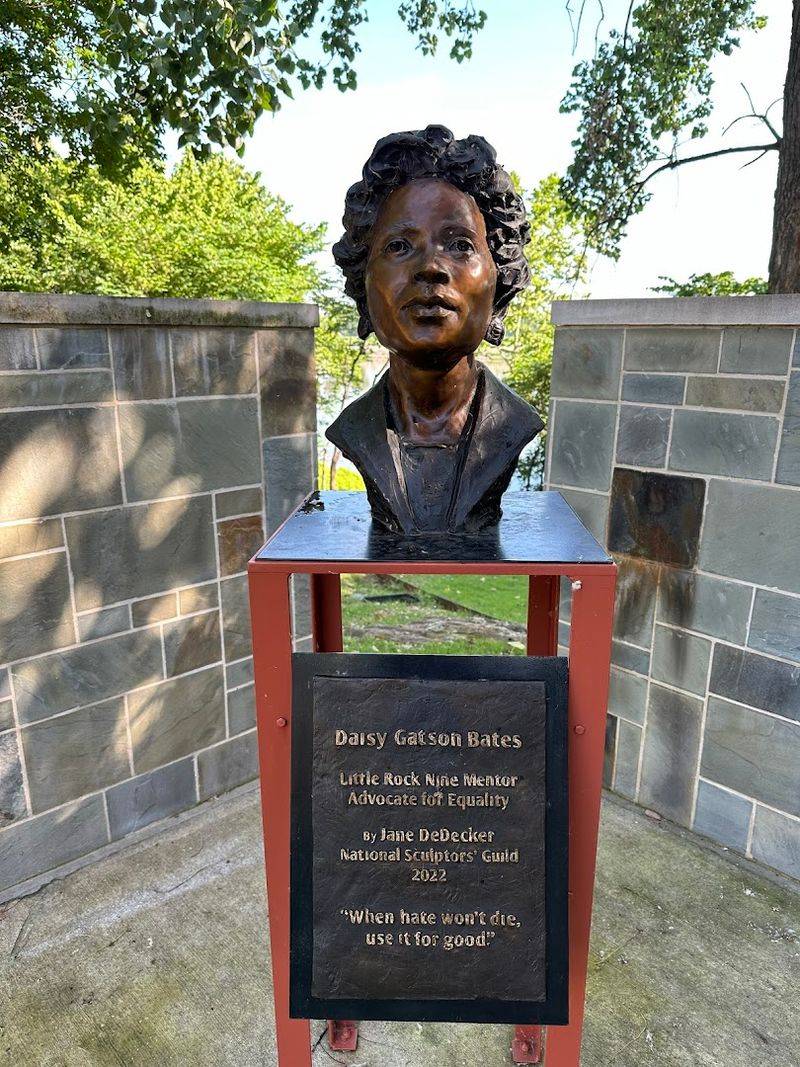
Among the many works in the collection, the bronze bust of Daisy Bates stands out for reasons that go beyond aesthetics. Bates was a civil rights activist, journalist, and local NAACP leader who played a central role in the 1957 Little Rock Central High School desegregation crisis, one of the most significant events in American civil rights history.
The sculpture was created by artist Jane DeDecker, known for her figurative bronze work that captures both the physical likeness and the emotional weight of her subjects. Seeing Bates rendered in bronze within a public garden alongside abstract and contemporary works is a meaningful curatorial choice.
It grounds the collection in local history and reminds visitors that art is not always separate from the community it lives in. For anyone unfamiliar with Daisy Bates, the sculpture is a quiet invitation to learn more about her remarkable life and her lasting impact on Little Rock and the country as a whole.
How the Landscape Architecture Creates Outdoor Rooms
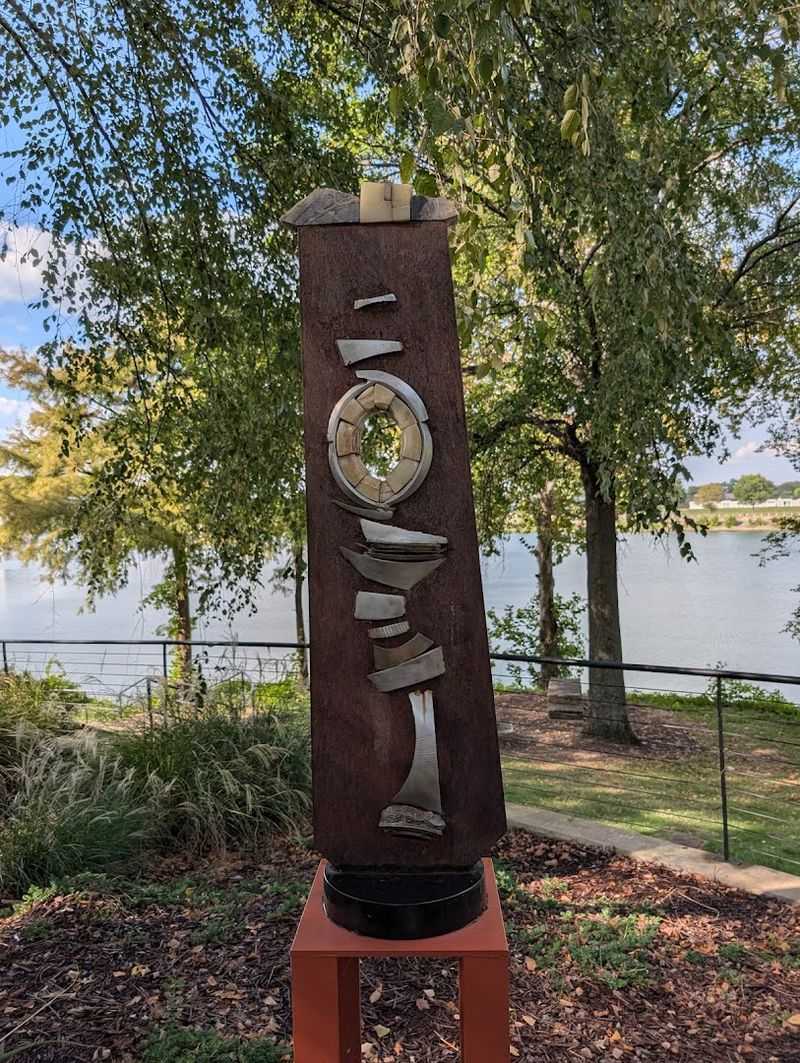
One of the most thoughtful aspects of the garden is how the landscape architecture divides the space into what feel like separate outdoor rooms. Rather than lining sculptures up along a single path, the design uses terraces, boulders, and steel panels to create distinct zones within the larger garden.
Each zone has its own mood. Some areas feel open and airy with long river views, while others feel more enclosed and contemplative.
That variety keeps the walk from becoming monotonous, and it gives visitors a reason to slow down and actually spend time with each piece rather than moving quickly from one to the next.
The Little Rock Parks and Recreation Department staff designed this layout, and the result feels more like landscape architecture than typical park planning. The steel panels deserve special mention again here because the way they guide your movement through the space is subtle but effective, and it is the kind of detail you notice more on a second visit than a first.
Walking Along the Arkansas River: The Scenery That Frames Everything
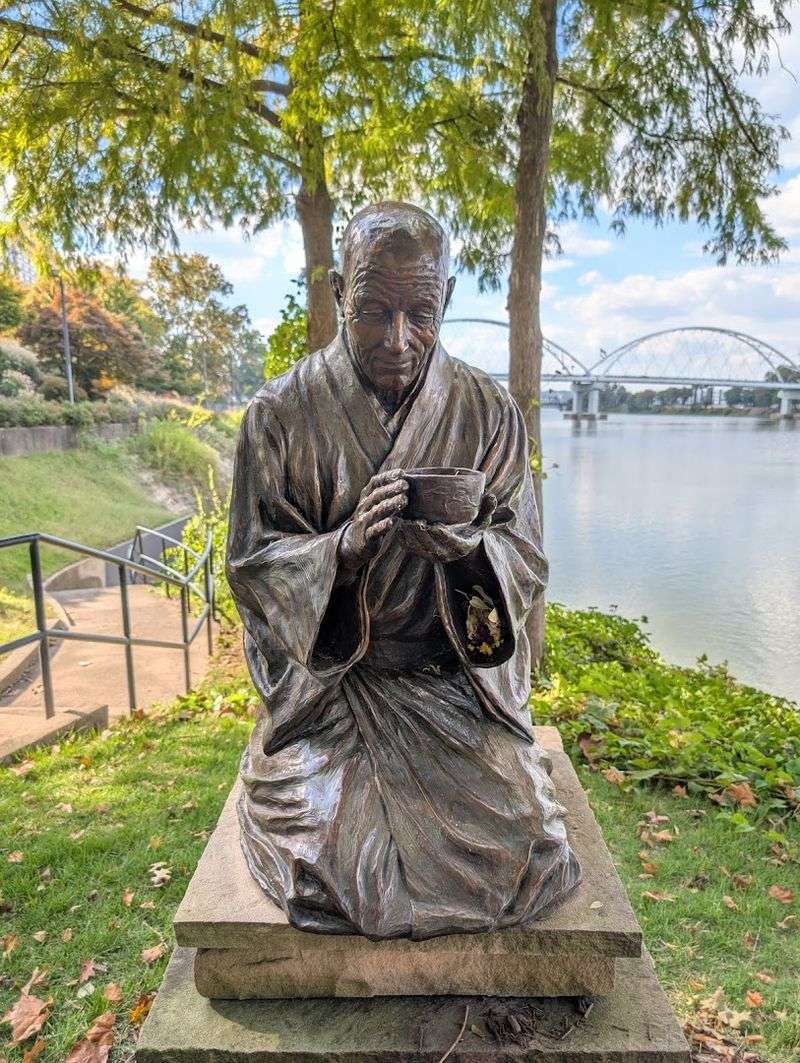
The Arkansas River does not just sit in the background here. It actively shapes the experience of walking through the garden, offering long open views between sculptures and a constant sense of movement and space.
The bridges visible upstream and downstream add a structural element to the scenery that works surprisingly well alongside the art.
On a calm morning, the water reflects the sky and the tree line, and the whole place takes on a quieter, more reflective quality. On a busy afternoon, the riverfront energy picks up, with cyclists and joggers moving along the trail and the sounds of the city mixing with the breeze off the water.
That flexibility is one of the garden’s quiet strengths. It works in different conditions and at different times of day, and the river views ensure that even if you have seen every sculpture before, the setting never looks exactly the same twice.
The changing light alone is worth the walk.
Practical Tips Before You Go: Timing, Parking, and What to Bring
A few practical details can make the difference between a frustrating visit and a great one. The garden is free to enter and open to the public, which is one of the best things about it.
Parking is available nearby, and it is free after 6:00 p.m., making an evening stroll an especially easy outing.
There are no public restrooms on site, so plan accordingly before you arrive. That is the one genuine inconvenience, and it is worth knowing ahead of time rather than discovering mid-walk.
Wear comfortable shoes because the paths cover enough ground that you will feel it if your footwear is not up to the task.
Plan for more than an hour if you want to see everything properly. Many visitors underestimate how much ground there is to cover and end up rushing through the later sections.
A slow, unhurried pace is genuinely the best way to take in a collection this size, and the riverside setting makes lingering feel completely natural.
Dogs, Families, and the Playground Next Door
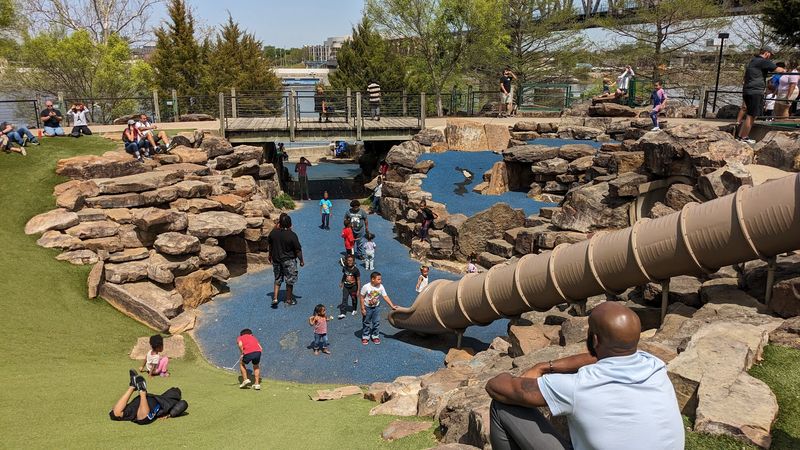
The garden is genuinely welcoming to dogs and families, and you will notice both on almost any visit. The wide paths and open layout make it easy to navigate with a stroller or a leashed dog, and the riverside setting gives the whole walk a relaxed, unhurried feel that suits all ages.
A playground sits nearby within Riverfront Park, and it is not a standard set of swings and slides. The equipment is distinctive and creative enough that kids tend to lose track of time there, which can be either a bonus or a challenge depending on how much of the sculpture garden you are hoping to cover.
For parents, the combination of the playground and the garden is actually a clever solution. Kids can burn energy on the equipment while adults take a closer look at the art nearby.
It makes the whole visit feel more balanced, and it is one of the reasons families keep coming back to this stretch of the riverfront.
Sunset Visits and the Evening Atmosphere
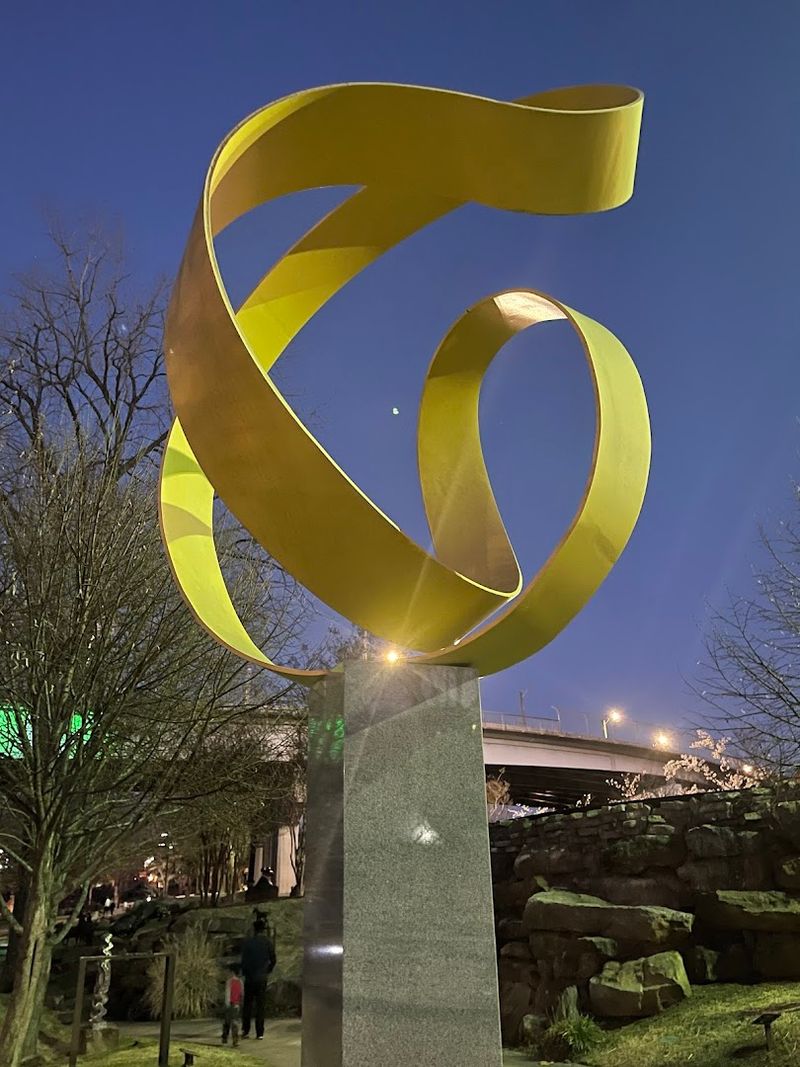
There is something about visiting this garden as the sun drops toward the Arkansas River that feels almost cinematic. The warm light catches the bronze and steel surfaces differently than midday sun does, and the shadows cast by the sculptures grow longer and more dramatic as the evening progresses.
The garden feels safe and comfortable around sunset on weekday evenings, and the free parking after 6:00 p.m. makes it an easy choice for an after-dinner walk. The crowd thins out compared to weekend afternoons, so you get more of the space to yourself, which changes the atmosphere considerably.
Couples in particular seem to gravitate toward evening visits, and it is easy to understand why. The combination of art, moving water, and fading light creates a setting that feels genuinely special without requiring any planning or expense.
It is the kind of place that makes an ordinary Tuesday evening feel like something worth remembering, and that is a rare quality for a free public space.
Why This Garden Belongs on Every Little Rock Itinerary
Little Rock has plenty of reasons to visit, but this garden earns a spot near the top of any list because it delivers something genuinely unexpected. A free, outdoor collection of over 90 sculptures with river views and thoughtful landscape design is not something most cities can offer, and Little Rock pulls it off with real style.
The garden carries a 4.7-star rating from visitors, and the consistent praise across reviews points to the same things: the peaceful atmosphere, the variety of sculptures, and the simple pleasure of walking along the river with something interesting to look at every few steps.
First-time visitors to Little Rock often say the garden alone gives them a reason to return, and that says a lot about how well the space works. Art, nature, history, and accessibility rarely come together this cleanly in one place.
The Vogel Schwartz Sculpture Garden is proof that public art done right can become one of a city’s most defining and beloved spaces.
Share this story