The Louise Arnold Tanger Arboretum offers one of Lancaster’s most peaceful and overlooked attractions, with more than 140 species of trees and shrubs from around the world spread across beautifully maintained grounds. Admission is free, making it an easy stop for anyone interested in nature, photography, or a quiet walk just minutes from downtown.
Visitors can see two Pennsylvania State Champion trees, explore an American Conifer Society Reference Garden filled with dwarf conifers, discover the rare Franklinia tree that no longer exists in the wild, and stroll through pollinator gardens alive with seasonal blooms. Located beside President James Buchanan’s historic Wheatland estate, the arboretum combines horticulture, history, and easy walking paths in a single visit.
Here’s why the Louise Arnold Tanger Arboretum has become one of Lancaster’s best-kept secrets for tree lovers, gardeners, and anyone looking for a relaxing outdoor escape.
Where to Find This Hidden Green Space
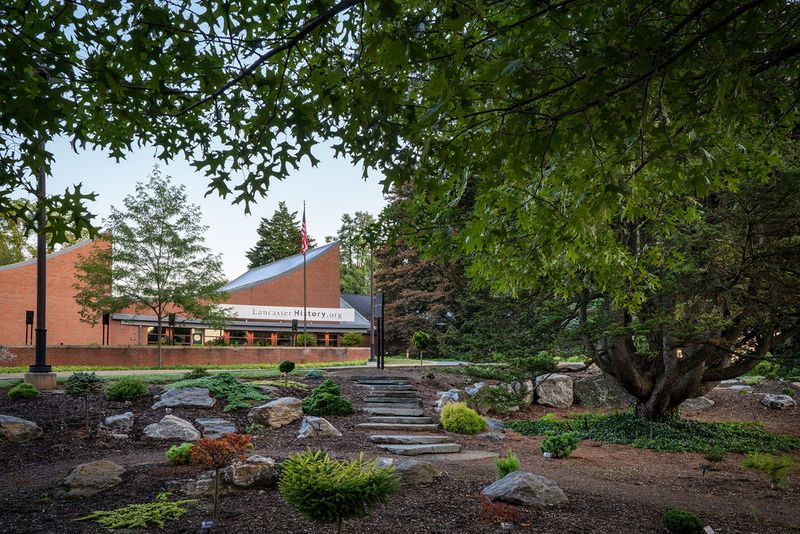
Most visitors to Lancaster spend their time on Penn Square or along the historic streets of the downtown district, which makes it easy to overlook what is quietly waiting just a short distance away. The Louise Arnold Tanger Arboretum is located at 230 North President Avenue, Lancaster, Pennsylvania 17603, on the grounds shared with the LancasterHistory Museum and Research Center.
The arboretum sits right alongside President James Buchanan’s historic Wheatland estate, giving the whole property a layered sense of history that you do not expect to find on a casual afternoon walk. The grounds are open from dawn to dusk, seven days a week, and there is no admission fee to explore the arboretum itself.
One practical tip worth knowing before you go: GPS can sometimes direct you to a blocked entrance, so check the LancasterHistory website for the correct access point. Once you find your way in, the paths open up and the city noise fades surprisingly fast.
How the Arboretum Took Root
Not every green space has a founding story worth telling, but this one does. The arboretum traces its origins to naturalist Louise Arnold Tanger, who in the late 1950s looked at the then-barren grounds surrounding the Willson Memorial Building and decided something needed to grow there.
Her offer to plant trees on those empty grounds was the seed, quite literally, that started everything. Between 1956 and 1959, her vision took shape with the help of designer Gustaf Malmborg, who gave the collection its thoughtful layout. What began as a generous act of civic-minded planting eventually grew into a curated collection that now holds over 140 varieties of trees and shrubs sourced from around the world.
Tanger’s passion for the natural world left a lasting mark on Lancaster in a way that most people never connect to a single name. The arboretum bearing her name is a quiet but meaningful tribute to what one determined naturalist can accomplish when she puts her love of trees into action.
Just How Many Trees Are We Talking About
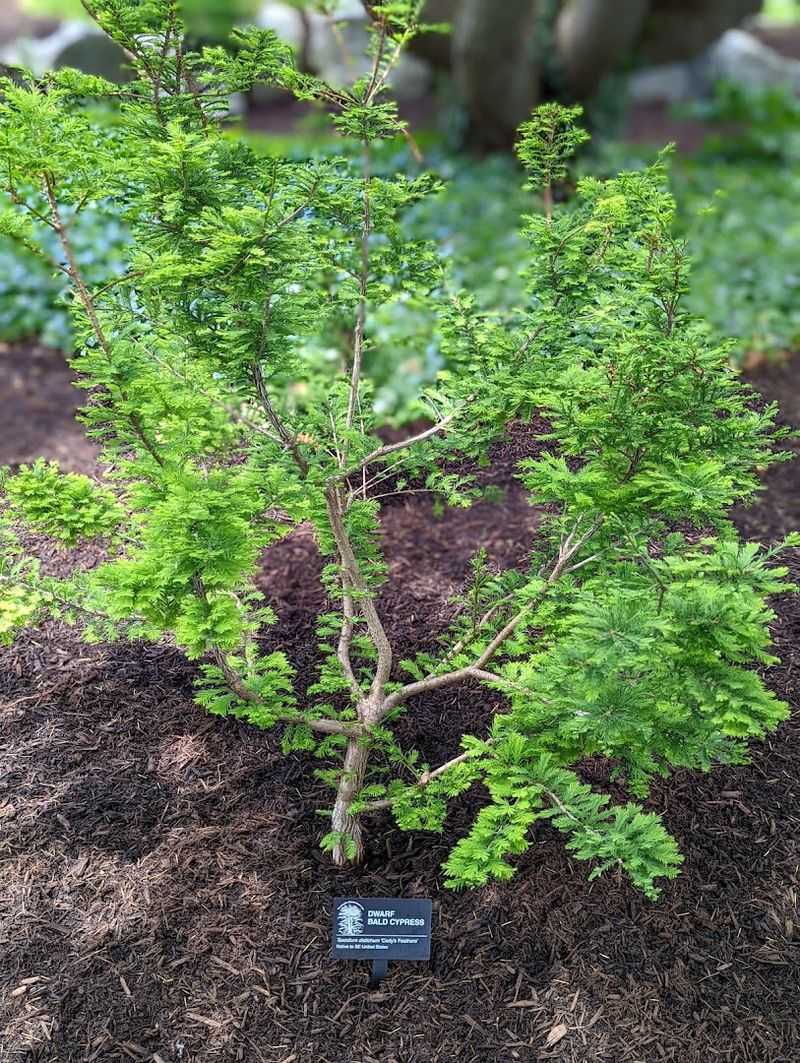
The number that keeps coming up when people describe this arboretum is impressive for a space of its size. Over 140 different varieties and species of trees and shrubs from across the globe are represented here, all packed into a compact but surprisingly navigable property.
The variety is genuinely striking. You will find American chestnuts, which carry their own fascinating backstory in North American forest history, alongside several types of beeches including Tricolor, Copper, and Purple varieties. Firs, Dove Trees, and Franklinia trees also appear in the collection, the latter being a species that no longer exists in the wild.
Each tree is labeled, which turns a simple walk into something closer to a self-guided lesson in dendrology without any of the pressure of a classroom. The labels are mostly accurate, and the range of growth stages visible across the collection gives you a real sense of how differently each species develops over time. Tree enthusiasts will find plenty to keep them busy here.
Two Trees That Hold a State Title
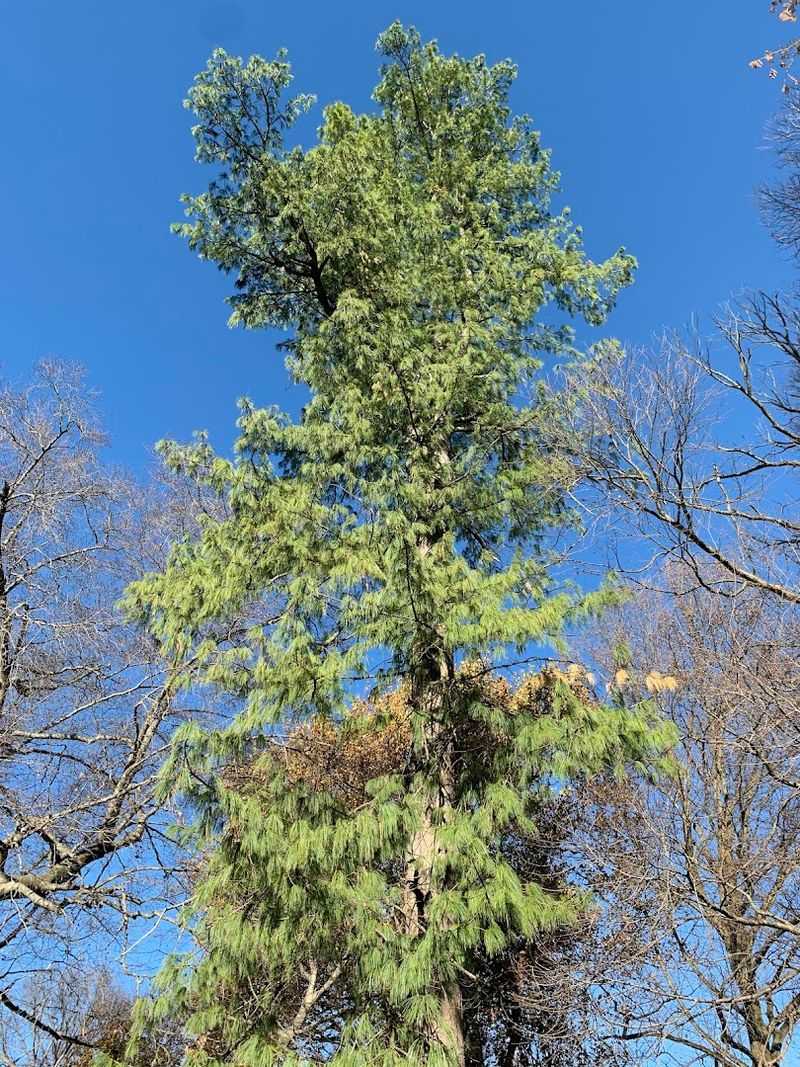
Here is something that does not come up in casual conversation about Lancaster’s attractions: this small arboretum is home to two Pennsylvania State Champion trees. A state champion designation means a tree has been officially recognized as the largest known specimen of its species within the state of Pennsylvania.
That is not a title handed out loosely. Trees are measured using a formula that accounts for trunk circumference, height, and crown spread, and only one tree per species can hold the title at any given time. Having two such trees on a single property of this size is a remarkable distinction that most visitors walk past without realizing the significance.
Standing near one of these record holders gives you a different appreciation for what old, well-established trees actually represent in terms of growth, time, and survival. They are not just large plants. They are living records of decades of growth in one spot, and the arboretum has two of them waiting quietly for anyone curious enough to seek them out.
The Dwarf Conifer Garden That Surprises Everyone
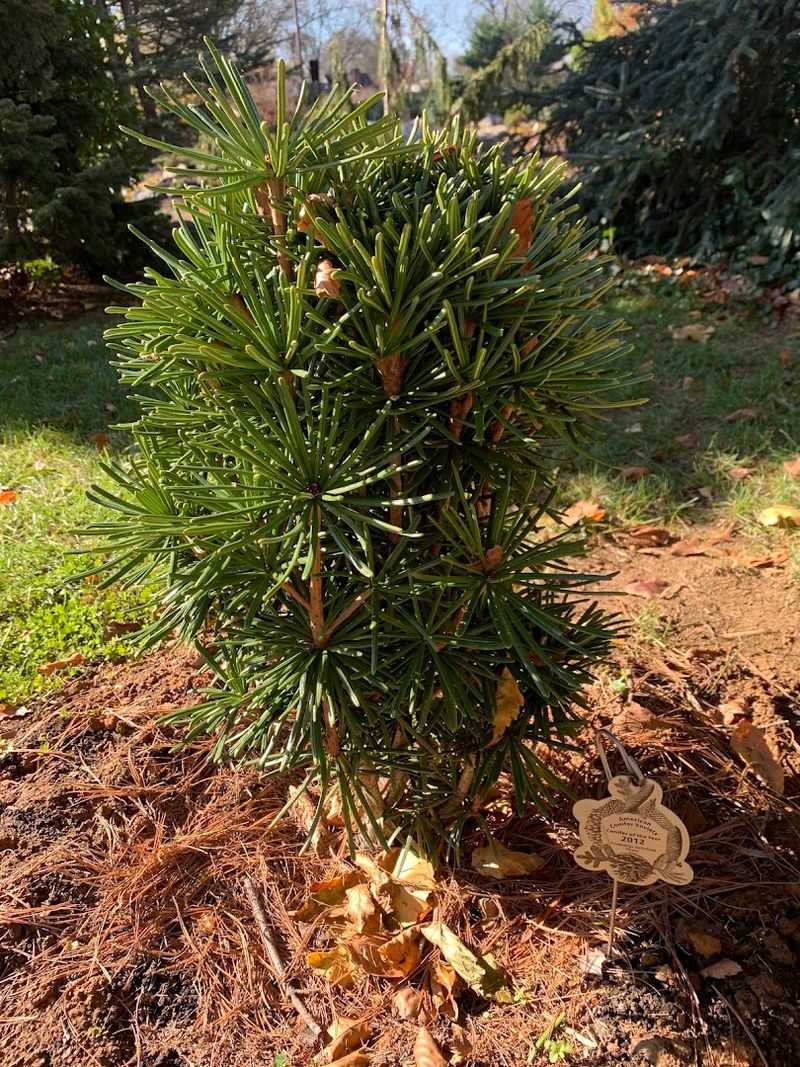
Before my visit, I would not have predicted that a garden full of small conifers would be one of the highlights of my afternoon. Then I actually walked through the Dwarf Conifer Garden, also recognized as an American Conifer Society Reference Garden, and my expectations shifted entirely.
The collection holds between 120 and 150 species of dwarf and miniature conifers, which sounds like a niche interest until you see how much variation exists within that category. The shapes range from tight globes to spreading mats to narrow spires, and the color palette moves through every shade of green, blue-green, gold, and silver you can imagine.
Each plant is labeled with its cultivar name, making it a useful resource for gardeners who want to understand what different conifer varieties actually look like at various stages of maturity. The garden has a calm, almost meditative quality to it, and the low-growing forms create a landscape that feels completely different from the taller tree sections of the arboretum. It is worth slowing down here.
Native Plant Pollinator Gardens Worth a Slow Look
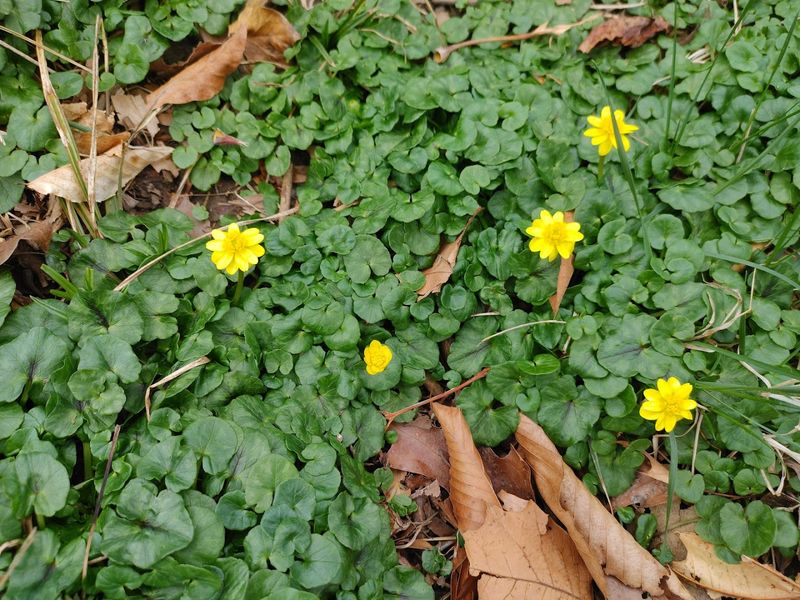
Tucked within the arboretum’s grounds are native plant pollinator gardens that bring a different kind of energy to the property. While the tree collection tends to draw the most attention, these planted areas buzz with activity during the warmer months, attracting bees, butterflies, and other pollinators to clusters of native flowering plants.
Native plant gardens serve a practical ecological purpose beyond looking pretty. They support local insect populations that have lost habitat to development, and they demonstrate how gardeners and homeowners can make their own outdoor spaces more wildlife-friendly using plants naturally suited to Pennsylvania’s climate and soil conditions.
The pollinator gardens also add seasonal color and texture to the arboretum that the tree canopy alone cannot provide. In late spring and summer especially, the contrast between the structured dwarf conifers, the towering specimen trees, and the loose, naturalistic plantings of the pollinator areas gives the whole property a layered visual appeal. It is the kind of detail that rewards visitors who take their time rather than rushing through.
Self-Guided Tours and How to Make the Most of Them
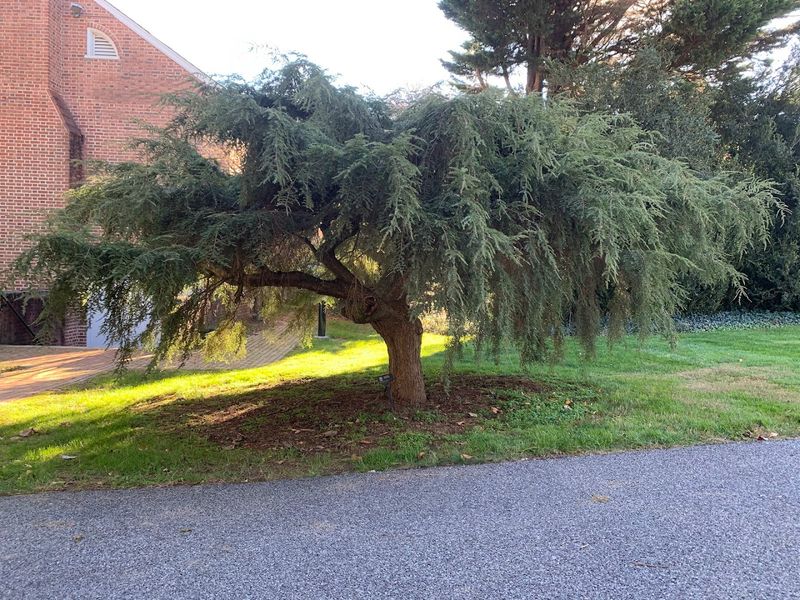
One of the practical things that sets this arboretum apart from a simple park is the availability of self-guided tour maps. Free maps are available at the LancasterHistory Visitor Services desk inside the main building, and additional copies are kept in map boxes placed throughout the arboretum itself, so you can pick one up even if you arrive outside of regular museum hours.
The maps help you navigate the collection in a logical order, which is useful given that the grounds do not follow a single obvious path. Some visitors have noted that the layout can feel a bit open-ended without a map in hand, so grabbing one before you start wandering is genuinely good advice rather than just a polite suggestion.
A comfortable pair of walking shoes is all the equipment you need. The terrain is relatively flat and accessible, and the signage throughout is clear enough to keep you oriented. Plan for at least an hour if you want to read the labels and take your time with the more unusual specimens scattered across the property.
The Volunteers Keeping This Place Alive
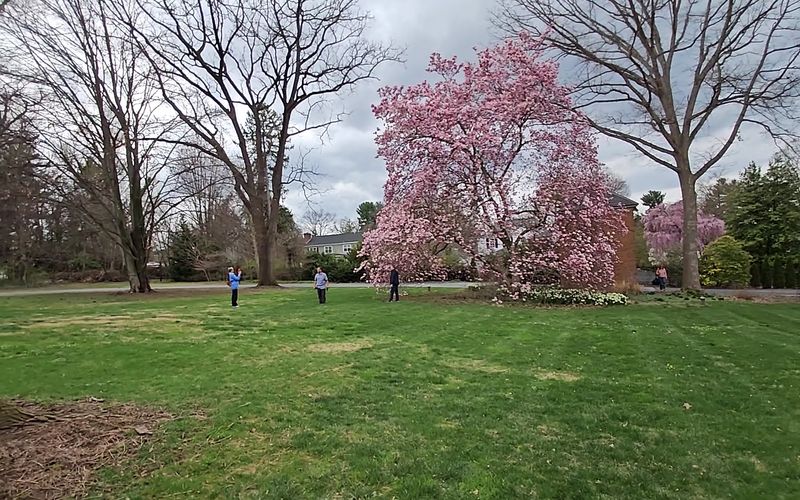
A place this well-maintained does not take care of itself, and the credit for the arboretum’s upkeep belongs largely to a dedicated volunteer group called the Friends of the Tanger Arboretum. This organization operates as a subsidiary of LancasterHistory and handles the ongoing preservation and care of the collection.
Volunteer-run green spaces often carry a particular warmth that professionally managed parks sometimes lack. The people maintaining this arboretum are there because they genuinely care about it, and that shows in the attention given to the labeled trees, the condition of the garden beds, and the overall sense that someone is paying close attention to what is growing here.
The Friends group also plays a role in expanding the collection over time, sourcing new specimens and ensuring that the arboretum continues to grow in scope and quality. If you visit and find yourself impressed by the condition of the grounds, the people behind that work are worth acknowledging. Community-driven conservation at this scale is rarer than it should be, and this group does it well.
President Buchanan’s Estate Next Door
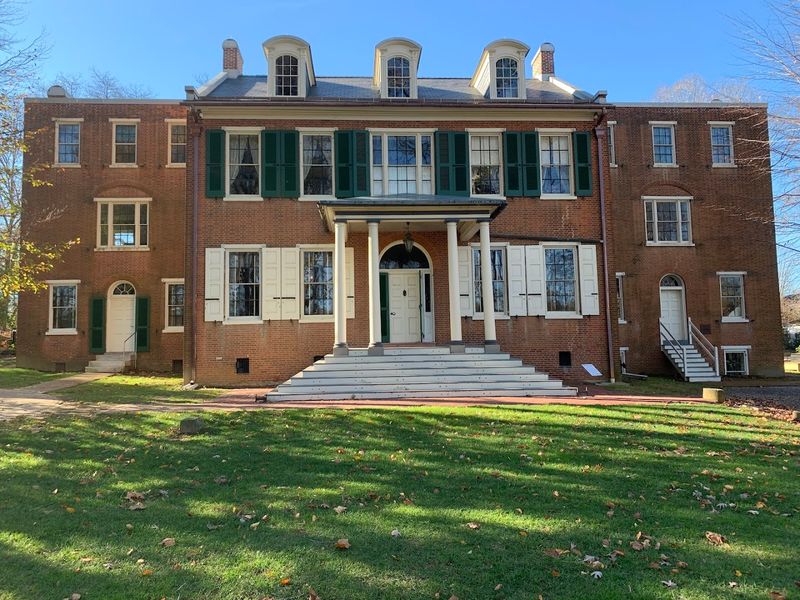
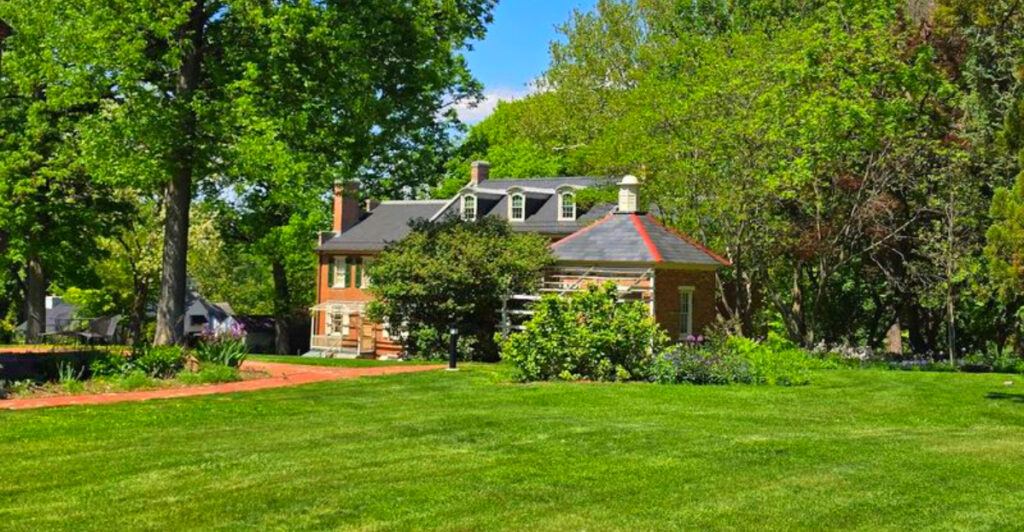
The arboretum shares its address with one of Lancaster’s most historically significant properties: Wheatland, the estate of President James Buchanan, the fifteenth president of the United States. The two sites exist side by side, and visiting both in a single afternoon is entirely doable without feeling rushed.
Wheatland is a Federal-style mansion built in 1828, and Buchanan lived there both before and after his presidency. The LancasterHistory Museum and Research Center manages both the estate and the arboretum, giving the property a dual identity as both a natural and a historical destination.
For visitors who enjoy layering their experiences, the combination of a presidential home and a nationally recognized tree collection is an unusual pairing that you will not find in many places. The estate tours run separately from the arboretum visit, so you can choose to do one or both depending on your interests and how much time you have set aside. The proximity alone makes the trip feel like good value for the effort of getting there.
What the Atmosphere Actually Feels Like
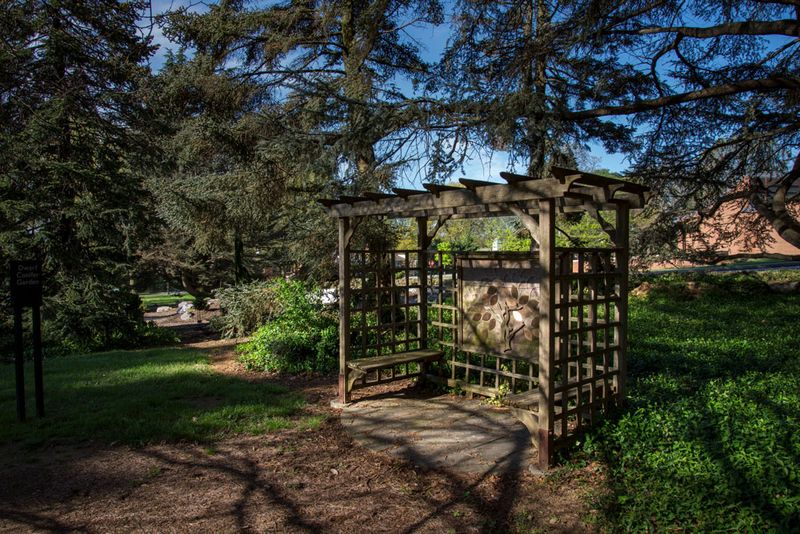
Describing the atmosphere of a place like this is harder than listing its features, because what makes it worth visiting is partly the feeling you get once you are actually there. The arboretum has a calm that is genuinely restorative, the kind that comes from being surrounded by old trees and well-tended ground without the noise and movement of a busy park.
The paths are quiet on most days, and the size of the property means you rarely feel crowded even when other visitors are present. The labeled trees give you something to focus on as you walk, which turns what might otherwise be a passive stroll into something more engaged and purposeful.
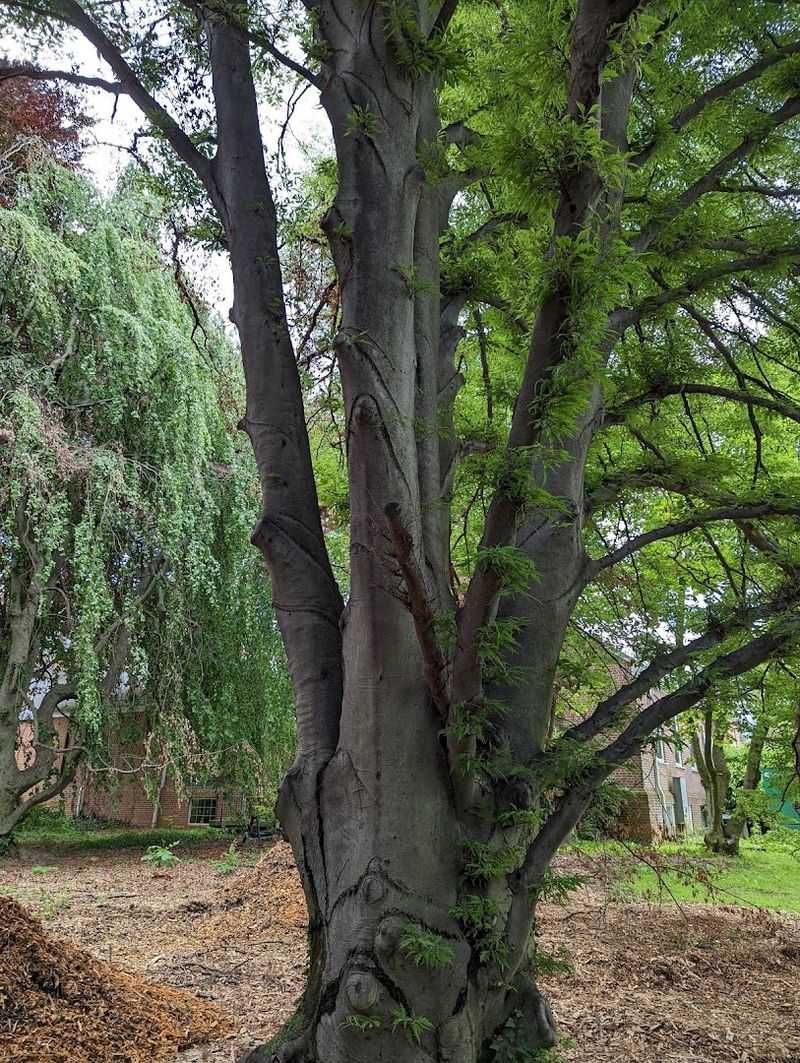
There is a large maple on the grounds that stops people in their tracks simply because of its sheer size, and moments like that are scattered throughout the property. The overall experience sits somewhere between a botanical garden and a neighborhood park, leaning closer to the former in terms of content and closer to the latter in terms of ease and accessibility. It is a rare combination that works.
Practical Tips Before You Plan Your Visit
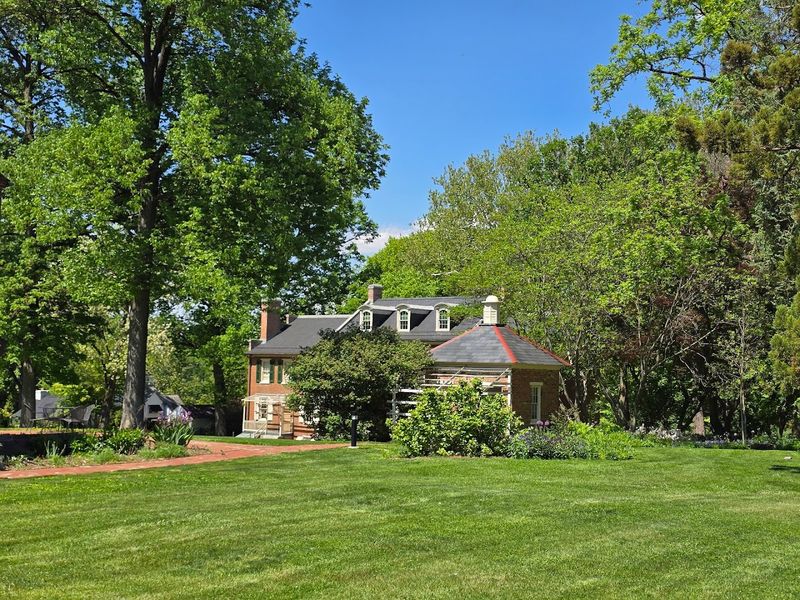
A few practical details can make the difference between a smooth visit and a frustrating one. The arboretum is open every day of the week from dawn to dusk, with no admission fee required to walk the grounds. The phone number for LancasterHistory is 717-392-4633, and their website at lancasterhistory.org has current information about the arboretum and any related events.
As mentioned earlier, GPS navigation has been known to send visitors to a blocked entrance, so confirming the correct access point ahead of time saves unnecessary confusion. Parking is available on the property, which makes the logistics straightforward once you know where you are going.
The arboretum is suitable for all ages and does not require any special equipment or fitness level to enjoy. Children tend to respond well to the variety of tree shapes and textures, especially in the dwarf conifer section where the scale of the plants feels more approachable. The combination of free admission, easy access, and genuine horticultural depth makes this one of Lancaster’s most underrated stops, and that is worth passing along to anyone planning a visit to the area.
Share this story