 Unearth The Voyage
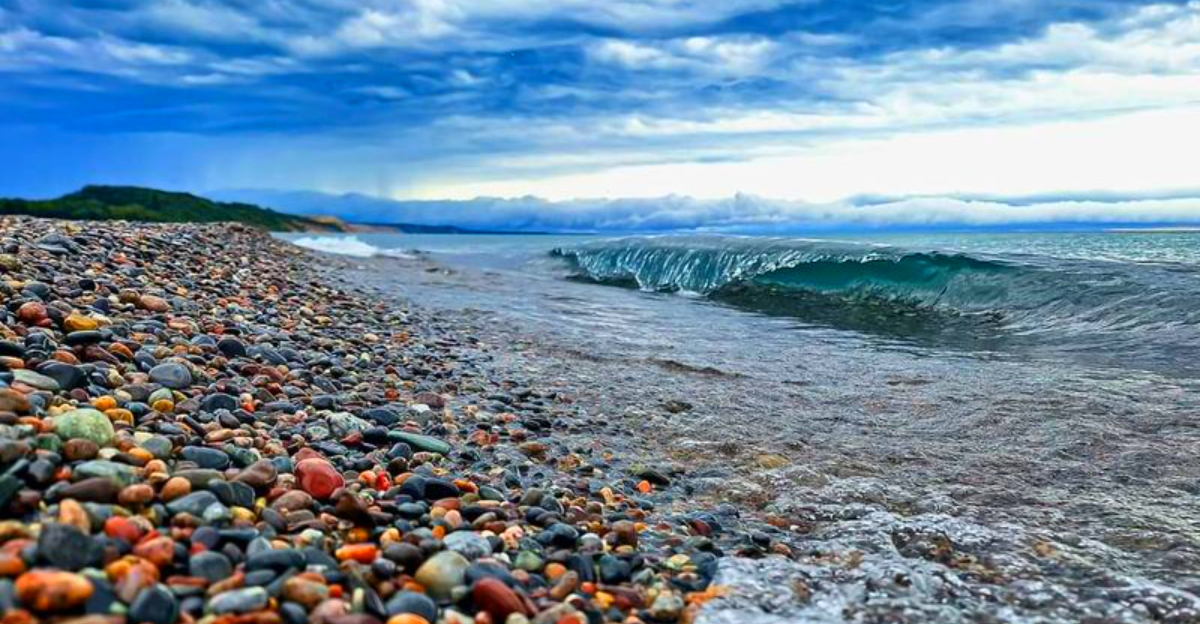
If you love the thrill of spotting treasure in plain sight, Michigan’s Upper Peninsula is the kind of place that keeps your eyes glued to the ground. Lake Superior’s wild shoreline, ancient bedrock, and glacier-shaped beaches create ideal conditions for finding agates, copper, fossils, and beautifully polished stones.
Some spots are famous for easy finds, while others reward patience, timing, and a little adventure. These ten rockhounding hotspots are the places I’d tell any curious collector to start exploring.
Keweenaw Peninsula
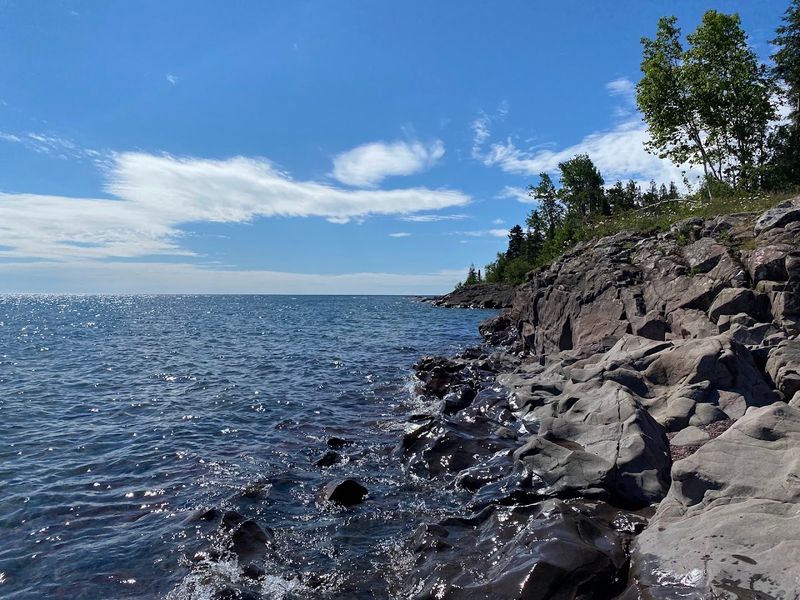
If you want the classic Upper Peninsula rockhounding experience, the Keweenaw Peninsula is where I would send you first. This long finger of land jutting into Lake Superior is famous for native copper, but it also turns up agates, jasper, chalcedony, quartz, and other polished shoreline treasures.
After windy weather or a strong storm, the beaches can look completely refreshed, giving you a fresh chance to spot something special among the wet stones.
What makes this area so exciting is the variety. You can spend one hour scanning for small banded agates and the next finding a chunk of copper that feels surprisingly heavy in your hand.
Public shoreline access is scattered throughout the peninsula, so it pays to move around and check several beaches in a day. Bring sturdy shoes, watch the waves, and remember that Michigan has collecting limits on state land.
If you like beautiful scenery with real treasure-hunt energy, this is the place that can easily turn a casual walk into an unforgettable day.
McLain State Park
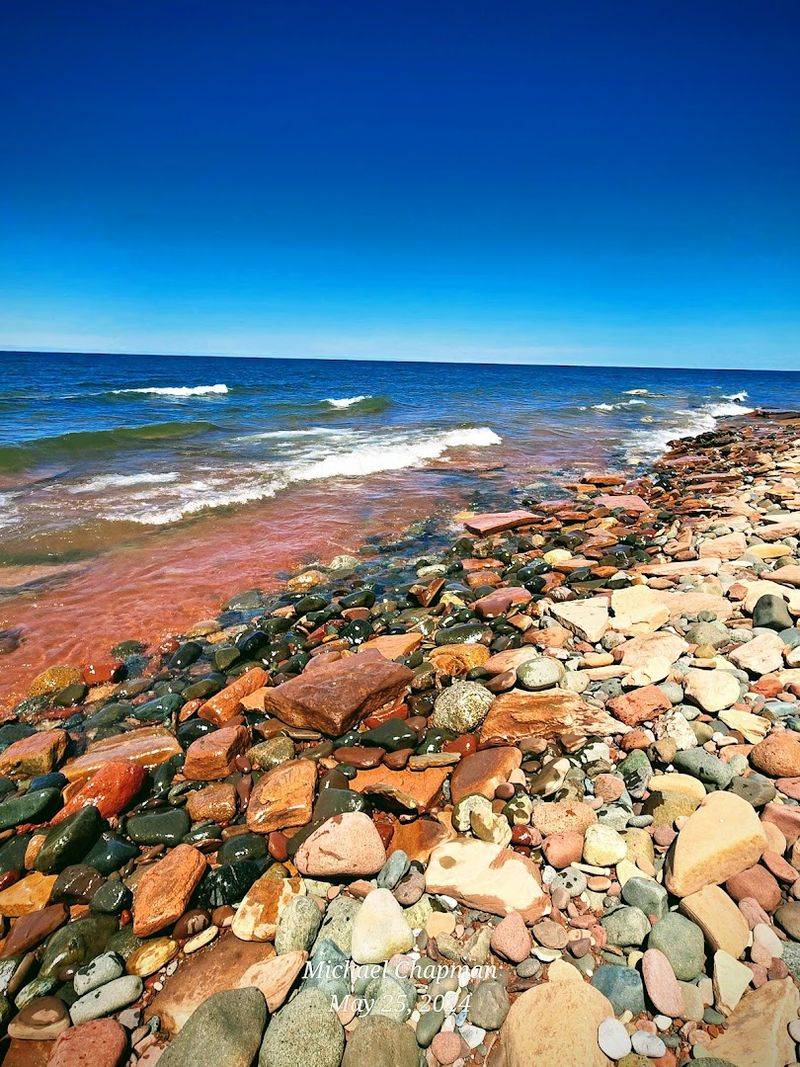
McLain State Park is one of those places that makes rockhounding feel wonderfully approachable. Just west of Hancock, it offers easy access, plenty of shoreline, and a reputation for producing Lake Superior agates, quartz, basalt, and other attractive beach stones without requiring a major backcountry adventure.
If you are new to the hobby, this is a very friendly place to practice slowing down, scanning carefully, and learning how wet rocks reveal their best color.
I would especially aim for early morning or the hours after rough weather, when the lake has churned up fresh material and fewer people are around. The beach can be surprisingly generous if you are patient enough to check ripple lines, gravel pockets, and spots where darker stones make lighter agates stand out.
Because it is a state park, it is smart to review current collecting rules before you go and keep your haul modest. Even when the finds are small, the open Lake Superior views make the hunt feel rewarding from the very first step.
Whitefish Point
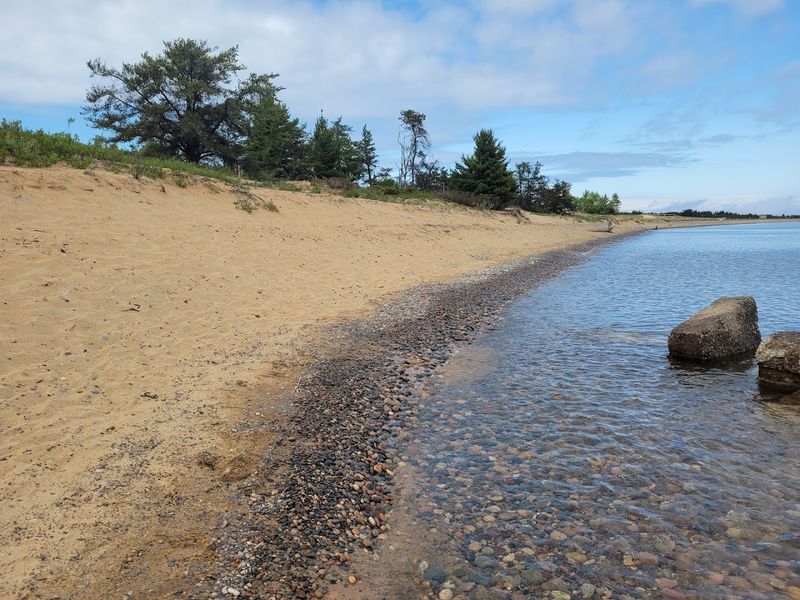
Whitefish Point is best known for shipwreck history and wild Lake Superior moods, but it is also a very worthwhile stop for rockhounds. The shoreline can produce chert, fossils, wave-worn stones, and the occasional agate, especially if you wander beyond the busiest stretches and take your time.
It feels like the kind of place where every handful of gravel might hold a small surprise, even if the finds are subtler than at some better-known agate beaches.
I think this spot is especially rewarding for collectors who enjoy the search as much as the score. The beach environment changes with water levels, wind, and storms, so each visit can reveal a different mix of material.
Look closely for unusual textures, fossil impressions, and translucent stones that stand out against the grayer rock. Because the point is also a popular destination for birders and history lovers, arriving early can make the experience quieter and more focused.
Bring layers, respect protected areas, and let yourself enjoy the fact that this shoreline offers both atmosphere and geology in equal measure.
Copper Harbor
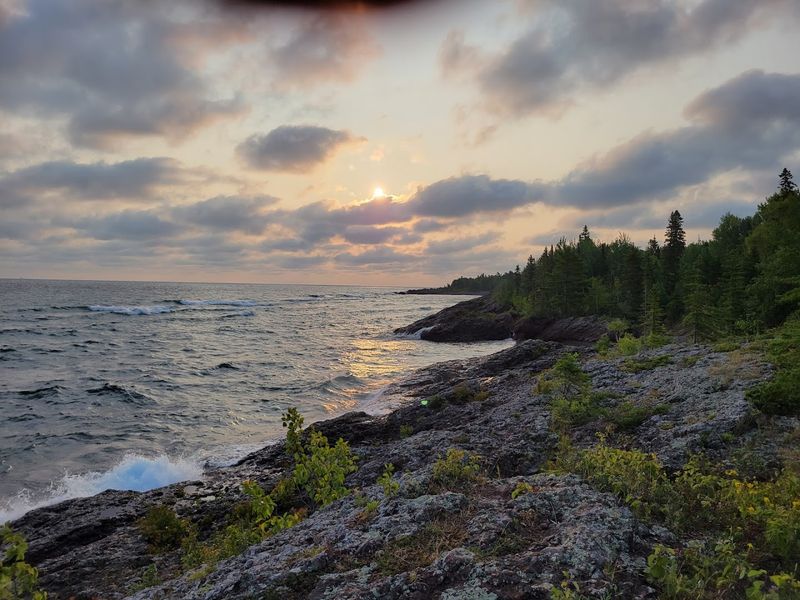
Copper Harbor combines some of the Upper Peninsula’s most dramatic scenery with genuinely exciting rockhounding potential. At the northern tip of the Keweenaw, this area is famous for native copper, but sharp-eyed collectors also search for epidote, quartz, and the highly prized datolite nodules that make local enthusiasts light up when they talk about a good day on the shore.
It is the kind of place where the landscape feels bold enough to match the treasures hidden under your boots.
The beaches around Copper Harbor reward patience and curiosity more than speed. I would move slowly, pay attention to heavier pieces that do not look like ordinary stone, and check pockets of gravel where wave action sorts material by size and weight.
Post-storm conditions can be excellent, and even a short shoreline walk may turn up something memorable if you stay observant. This is also an area where conditions can change quickly, so sturdy footwear and caution near slippery rocks really matter.
If you want a hunt that feels part geology lesson and part rugged lakeshore adventure, Copper Harbor is hard to beat.
Agate Beach (Grand Marais)
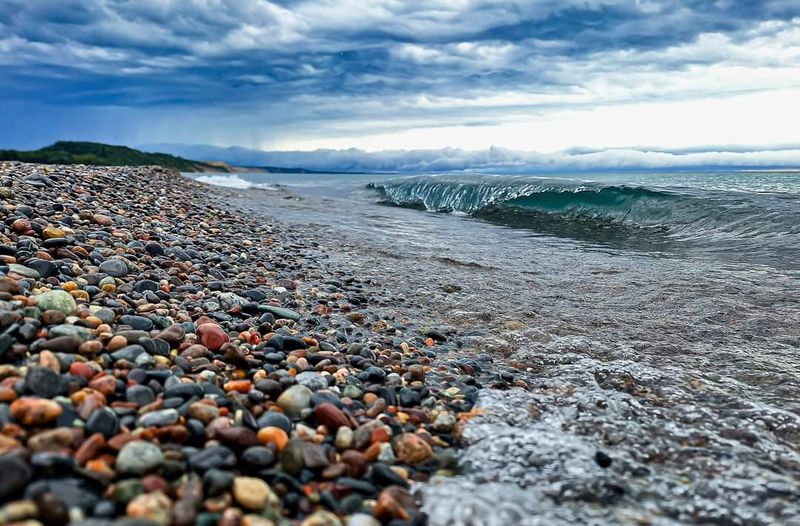
Agate Beach near Grand Marais absolutely lives up to its name, which is not something every promising rockhounding destination can say. This shoreline is well known for banded Lake Superior agates in shades of red, orange, yellow, cream, and smoky brown, and the stones can be surprisingly visible when the light is right.
If you have ever wanted that satisfying moment where a plain-looking pebble suddenly glows with hidden bands, this is a great place to chase it.
What I like most here is that beginners can actually feel encouraged instead of overwhelmed. The beach is scenic, accessible, and filled with enough interesting material that every slow pass along the shoreline feels full of possibility.
Wet stones usually show their colors best, so cloudy days, low-angle morning light, or the aftermath of a storm can really improve your odds. Even if you do not find a pocket full of agates, you will likely leave with a sharper eye and a deeper appreciation for how much beauty Lake Superior hides in ordinary-looking gravel.
Black River Harbor
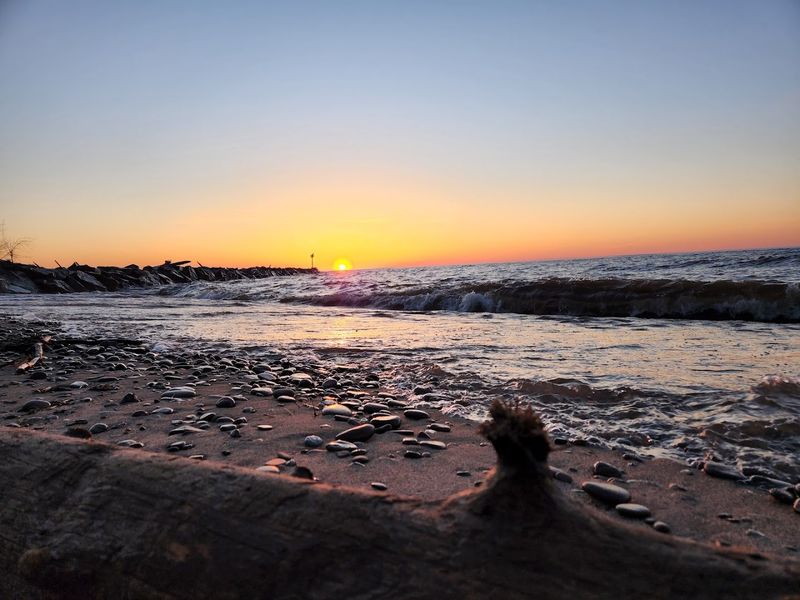
Black River Harbor has a quieter, more tucked-away feel that can make a day of rockhounding here especially satisfying. Near the Wisconsin border, this stretch of Lake Superior shoreline is known for jasper, quartz, agates, and even more distinctive material like banded iron formation and occasional copper-bearing pieces.
The beaches are rocky, scenic, and full of texture, which means you can spend hours searching without feeling like you have covered the same ground twice.
I like this spot for people who do not mind slowing down and really studying the stones. The best finds often blend in until water or sunlight reveals a flash of color, a banded pattern, or an unusual heft that makes you stop and take a second look.
Check gravel bars, wave-sorted patches, and edges where larger cobbles give way to finer material. Because this area can feel more remote than some popular beaches, it is smart to bring water, wear good shoes, and keep an eye on weather conditions.
When the shoreline is freshly turned, Black River Harbor can be a true hidden gem.
Marquette’s South Beach
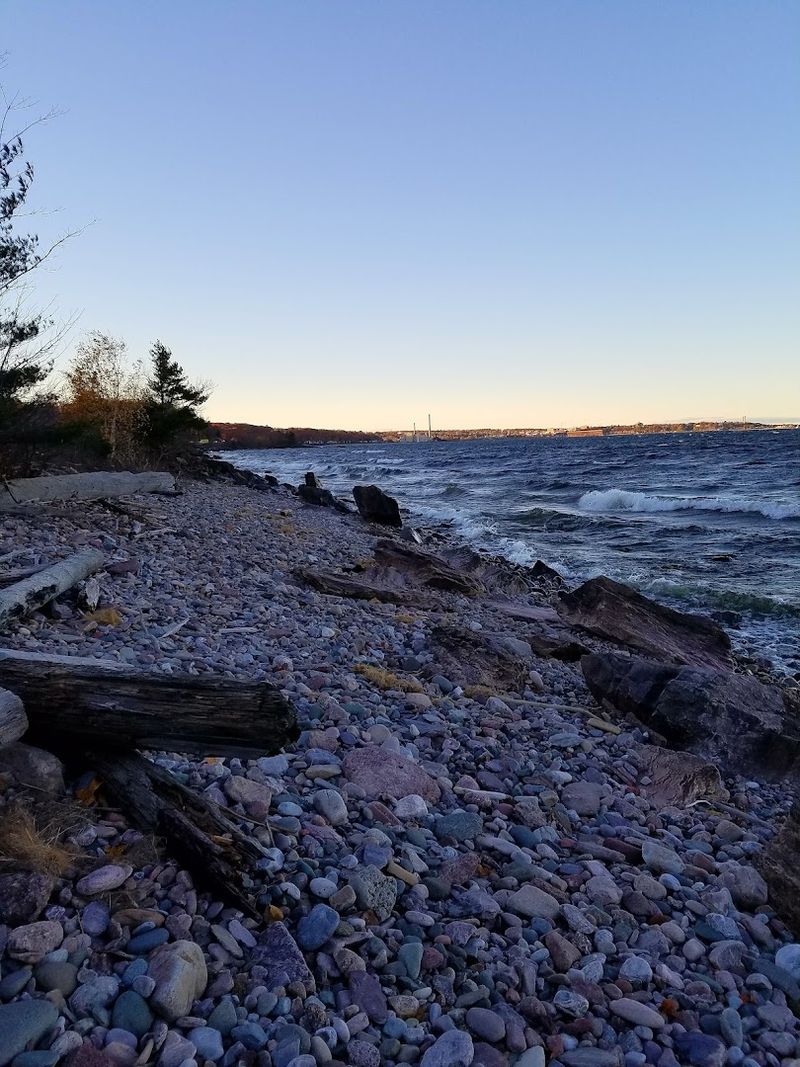
Marquette’s South Beach is proof that a convenient, popular shoreline can still offer a fun rockhounding experience. This beach is easy to reach, pleasant to walk, and often littered with colorful pebbles, jasper, quartz, and banded stones that catch your attention when the light hits them just right.
If you are visiting Marquette and want a low-stress place to search without committing to a long drive, it is a smart choice.
You should keep expectations realistic because this is not the most secluded beach in the Upper Peninsula, and plenty of people stroll it every day. Still, careful searching can absolutely pay off, especially near gravelly sections, after storms, or during quieter hours when fresh material has not been picked over.
I would focus on stones with unusual translucence, striping, or deeper red and orange tones. It is also a great place to practice identifying common Lake Superior beach rocks before heading to more remote hotspots.
Even when your finds are modest, the easy access and beautiful lake views make South Beach feel like time well spent.
Little Presque Isle
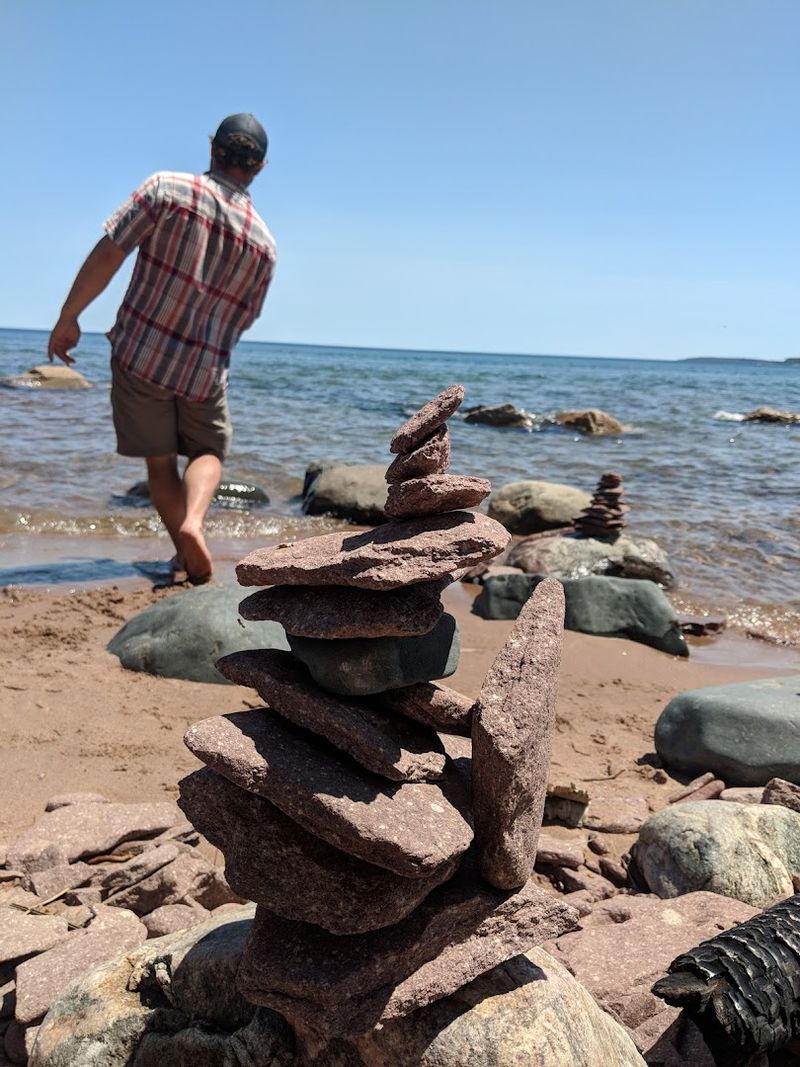
Little Presque Isle feels a bit more adventurous than the city beaches around Marquette, and that extra sense of escape is part of its charm. The shoreline mixes sand, cobbles, and wave-polished stones, giving you a nice variety of surfaces to check for agates, jasper, quartz, and other interesting pieces shaped by Lake Superior.
With fewer crowds than some nearby spots, it is easier to settle into the rhythm of scanning carefully and letting the beach reveal itself slowly.
I would come here when you want a quieter search and do not mind walking a little more for your reward. Drift-polished stones, unusual colors, and nicely rounded specimens can show up in patches, especially where the lake has concentrated material after wind or changing water conditions.
The scenery is also a major part of the experience, so this is a great place to combine a hike with a treasure hunt. Just be prepared for uneven footing and changing weather, because this shoreline can feel surprisingly wild.
For anyone who enjoys the peaceful side of rockhounding, Little Presque Isle offers beauty, solitude, and real collecting potential.
Grand Island
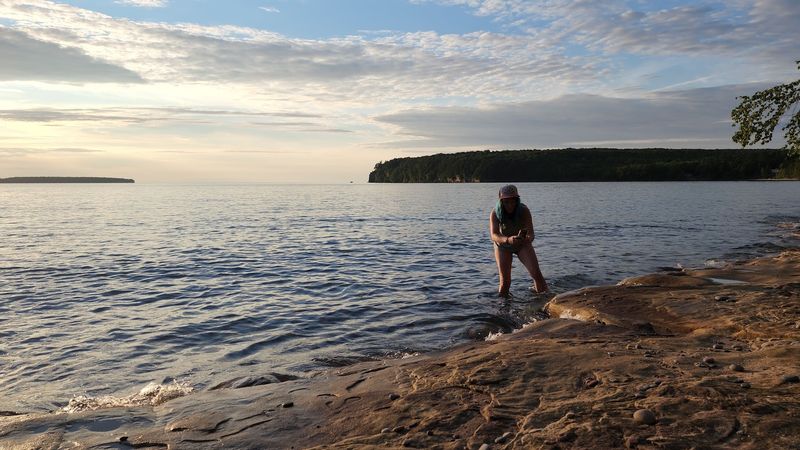
Grand Island adds a real sense of exploration to rockhounding because getting there already feels like part of the adventure. Reached by ferry from Munising, this island has remote stretches of shoreline where agates, quartz, and interesting volcanic rocks can turn up for collectors willing to wander beyond the most obvious stopping points.
The setting feels bigger, quieter, and more untamed than many mainland beaches, which makes every good find feel a little more earned.
If you go, I would treat the trip like a full outing rather than a quick stop. Bring the basics, plan your route, and expect to spend time walking before you settle into a productive stretch of beach.
The more isolated sections often offer the best chance of finding less-disturbed material, especially after active weather has shifted the shoreline. Pay attention to color contrasts, translucent stones, and rocks with unusual textures that hint at volcanic origins.
Since conditions and access can vary, it is wise to confirm current transportation details and collection rules before heading out. For adventurous collectors, Grand Island delivers both scenery and satisfying treasure-hunt potential.
Ontonagon County Beaches
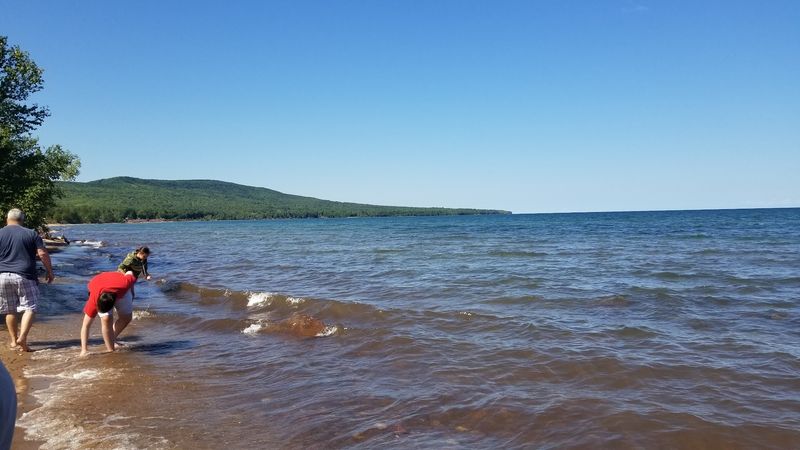
Ontonagon County’s Lake Superior beaches are ideal if you like the idea of finding something special without competing with a crowd. This stretch of western Upper Peninsula shoreline includes a number of quieter access points where agates, basalt, quartz, and occasional copper fragments can be found among wave-washed stones.
Instead of one famous beach drawing everyone in, you get a series of lesser-known spots that reward curiosity and a willingness to explore.
That variety is exactly what makes the county so appealing to me. One beach may be heavy on dark basalt cobbles, while another might hold lighter gravel where translucent agates stand out after rain or shifting surf.
I would check local maps, respect private property, and be ready to stop at multiple pull-offs rather than committing to just one location. Because some access points are less developed, it helps to carry water, wear sturdy footwear, and keep weather in mind.
If you enjoy quieter hunts where patience matters more than hype, Ontonagon County can deliver the kind of simple, satisfying day that keeps rockhounds coming back again and again.



