 Unearth The Voyage
America’s story lives in its landmarks, from rugged canyons to brick halls where bold ideas took shape. As you trace these places, you will encounter courage, conflict, creativity, and communities that shaped the nation. Each stop offers a powerful window into how people struggled, persevered, and reimagined freedom across centuries. Ready to explore a coast to coast tapestry that still speaks to today.
Statue of Liberty (New York, NY)
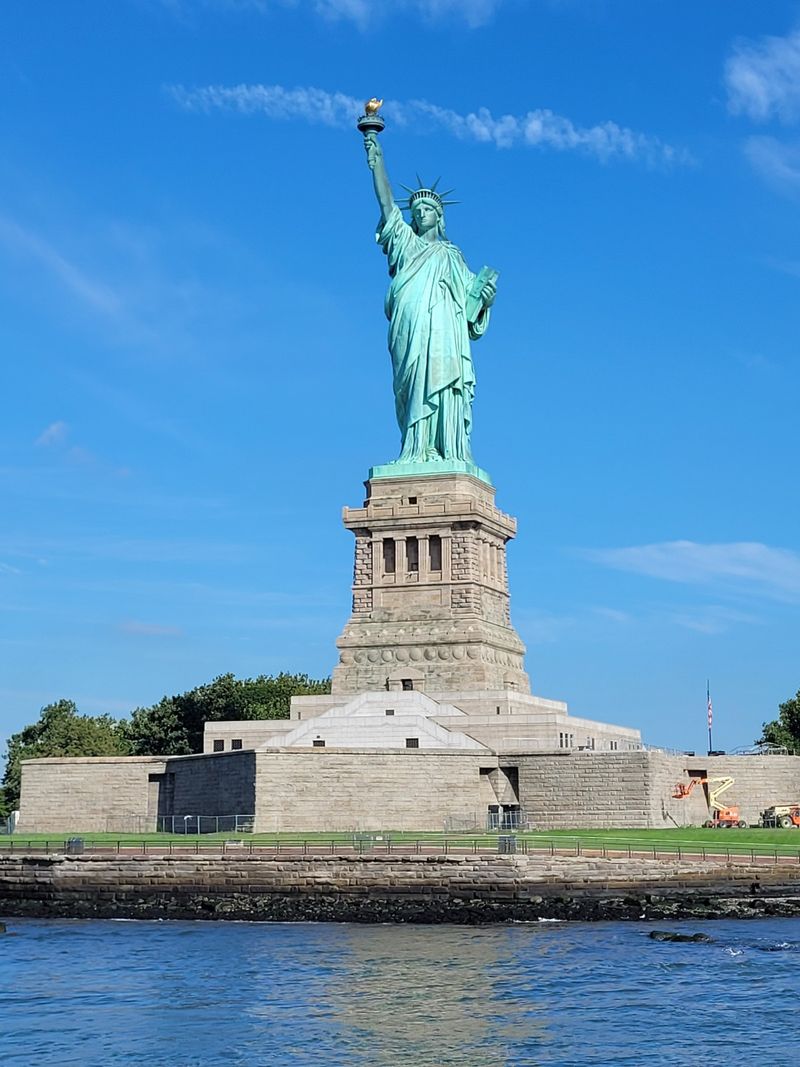
Stand on the ferry deck as the Statue of Liberty rises from the harbor, and you feel that mix of awe and arrival. This colossal copper figure, gifted by France in 1886, welcomed millions who sailed past her torch toward new beginnings. Walk the island paths, step into the museum, and sense how hope and history still converge here.
Inside, exhibits unpack engineering feats, symbolism, and the transatlantic alliance that forged Lady Liberty. You can trace immigrant stories through artifacts and oral histories, then look back across the water and imagine crowded decks below. If you reserve ahead, climbing to the crown rewards you with sweeping views and a heartbeat of the city.
Beyond the skyline, the monument asks you to consider civil liberties and who gets to claim them. Interpretive panels explore debates over identity and inclusion, reminding you that freedom is a promise renewed in every generation. As the wind whips the flag, the island becomes a living classroom and a personal mirror.
Independence Hall (Philadelphia, PA)
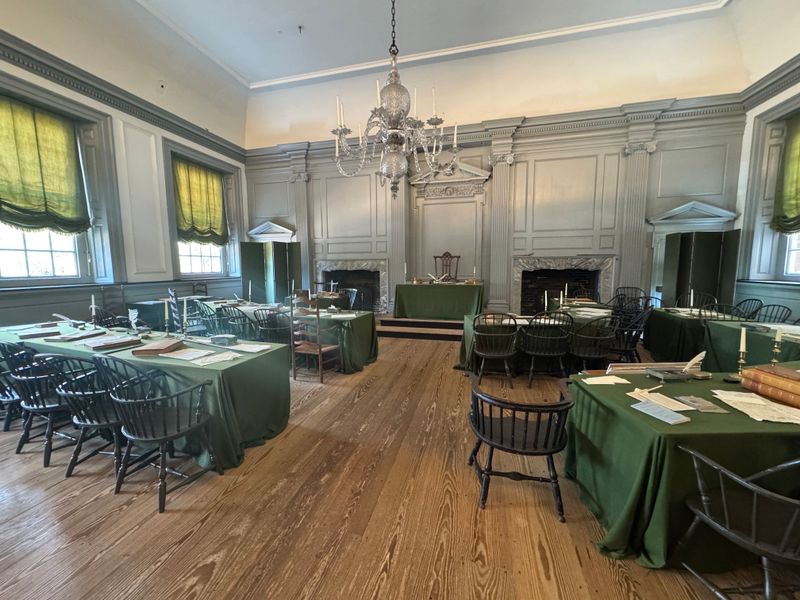
Step into Independence Hall and you enter the room where the United States took shape through debate, compromise, and audacity. The Assembly Room feels startlingly intimate, its green baize tables set for the 18th century. You can almost hear quills scratching as delegates wrestled with independence and the rules for a new government.
Guided tours lead you past original furnishings and the place where the Declaration and Constitution were adopted. Outside, the Liberty Bell remains a touchstone of protest and possibility, cracked yet resonant. You trace the neighborhood’s brick lanes and catch the echoes of pamphleteers, printers, and restless crowds.
The site invites you to weigh messy arguments that still define civic life. Rights, representation, and responsibility are not museum pieces here, they are your ongoing homework. As you leave, cobblestones underfoot, the promise of We the People feels both fragile and fiercely alive.
Grand Canyon National Park (Arizona)
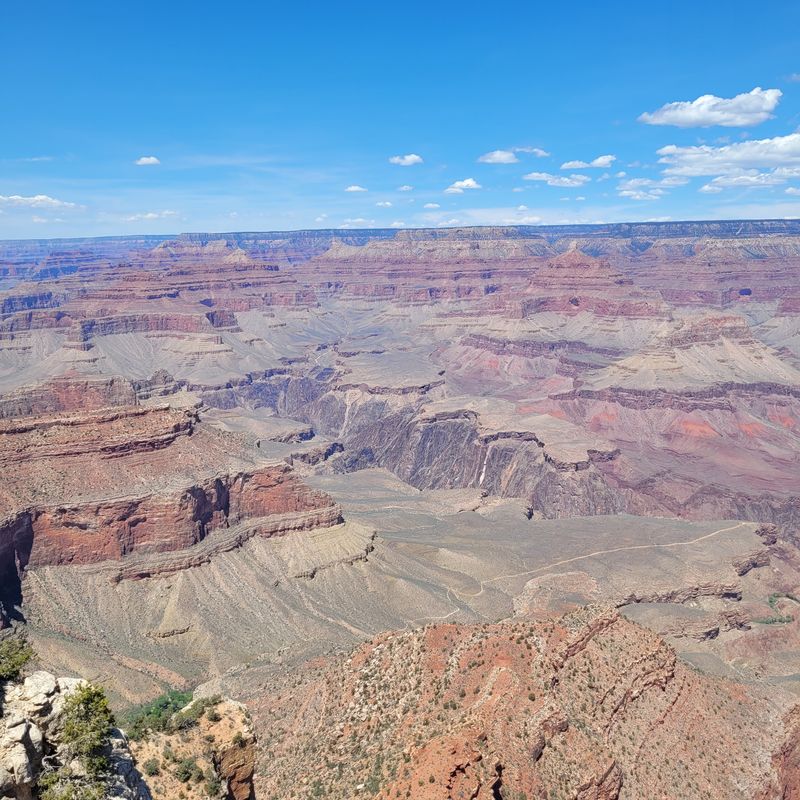
Stand at the rim and the Grand Canyon swallows your sense of scale, layering color, stone, and deep geologic time. Wind pulls at your jacket while ravens ride thermals and the Colorado glints far below. Every overlook reframes the story, shifting light across temples, buttes, and cliffs.
Yet this is also a human landscape, home to Indigenous communities whose connections long predate tourism. Ranger talks reveal ancestral dwellings, migration routes, and sacred views embedded in the terrain. Museums trace exploration, railroads, and the birth of national park ideals that reshaped American conservation.
Hike a short way down and history becomes tactile in dust, switchbacks, and the rhythm of careful steps. You feel how fragile survival is and how dependent travelers were on knowledge carried by Native guides. The canyon teaches patience, humility, and a wider sense of time that enriches every breath.
Gettysburg National Military Park (Pennsylvania)
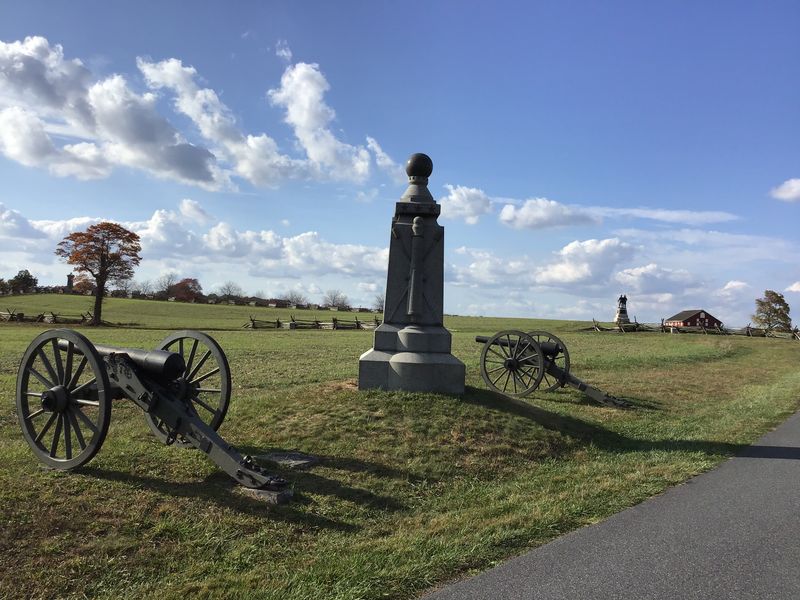
Across the ridges of Gettysburg, the grass hides a brutal ledger of three July days in 1863. Cannons still face open fields where infantry advanced, retreated, and fell in terrible numbers. Walking here slows you down, urging quiet respect and steadier breaths.
Guides trace the movements of armies and the choices of commanders, while monuments honor regiments from every corner. At the cemetery, the words of the Gettysburg Address frame sacrifice as the price of a nation still being born. You learn how strategy, terrain, and chance shaped the battle’s turning point.
This ground asks you to measure ideals against their cost. As you follow park roads and interpretive stops, the narrative becomes personal, name by name. You leave mindful that unity is not inevitable, and courage belongs to more than one uniform or moment.
Pearl Harbor National Memorial (Oahu, HI)
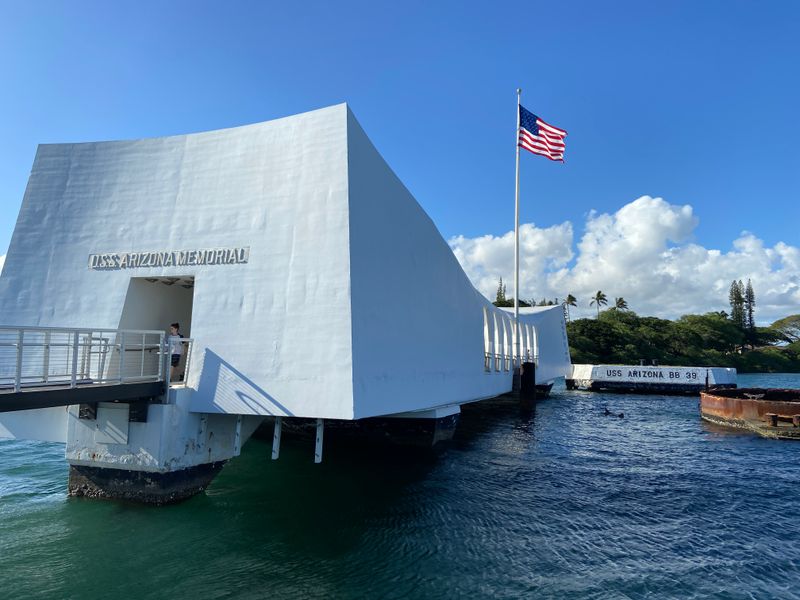
At Pearl Harbor, the quiet water holds a rupture that changed the world on December 7, 1941. The USS Arizona rests beneath the memorial, a shadowed grave marked by a thin rainbow of oil. You join a ferry, step into the white span, and the harbor becomes a chapel.
Exhibits and ranger talks weave strategy, shock, bravery, and loss into a single morning’s timeline. Photographs and letters lend faces to headlines, while artifacts ground the story in steel and salt. Nearby, the Battleship Missouri anchors the arc from attack to surrender.
Walking the site, you sense how rapidly ordinary life can pivot to history. The memorial encourages reflection without spectacle, asking you to listen longer. When trade winds rise, flags stir and the lessons feel immediate: vigilance, resilience, and the human cost beneath every monument.
Mount Rushmore National Memorial (South Dakota)
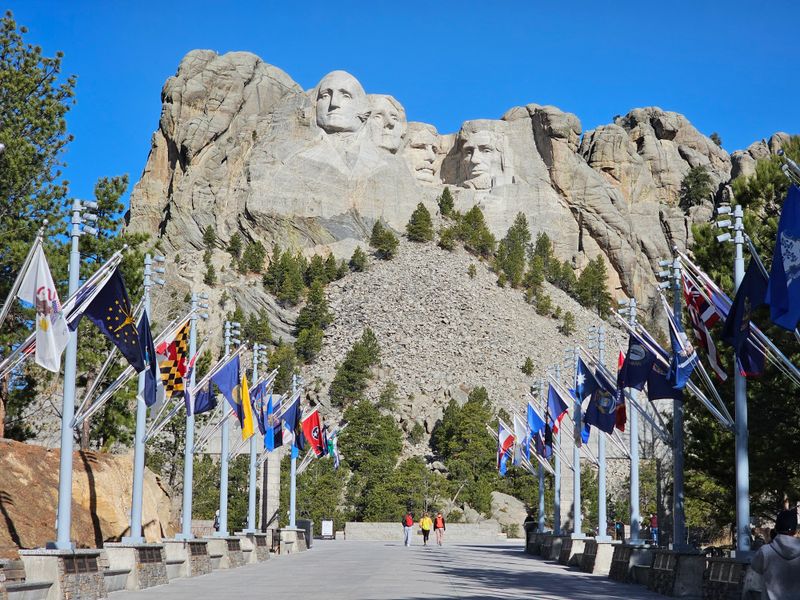
Mount Rushmore stares out from the Black Hills, four presidential faces carved in granite between 1927 and 1941. The scale is startling, a blend of art, engineering, dynamite, and stubborn ambition. Standing on the terrace, you feel the pull of national myth and memory.
Interpretive exhibits unpack the presidents’ legacies and the construction story, from drills to daring workers on swinging bosun chairs. You also encounter the Lakota perspective on the Black Hills, a sacred landscape contested since treaties were broken. It is a place where pride and pain share the same horizon.
As the light changes, details sharpen and soften, inviting fresh readings of leadership and ideals. An evening program adds music, stories, and a slow illumination that feels ceremonial. You leave weighing how monuments shape public history, and how conversation reshapes monuments in return.
Gateway Arch (St. Louis, MO)
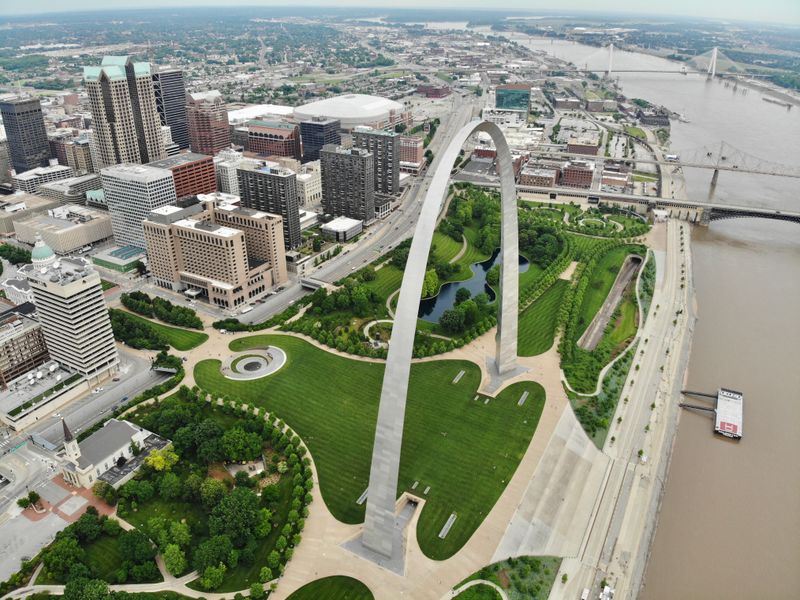
The Gateway Arch curves like a polished horizon, 630 feet of stainless steel framing the Mississippi. It marks a threshold to the West, where dreams met danger and stubborn geography. Stand beneath it and you feel both small and newly launched.
Ride the tiny tram to the top and peer through slot windows at river and city. Below, the museum recounts exploration, trade, treaties, and the migrations that redrew maps and lives. Stories of settlers sit alongside those of Native nations navigating loss and adaptation.
On the lawn, kids roll downhill while historians debate inside exhibits. The arch makes ambition look effortless, even though its math and assembly were anything but. You walk away with a sharper sense that expansion cost more than daring headlines admit.
Alcatraz Island (San Francisco, CA)
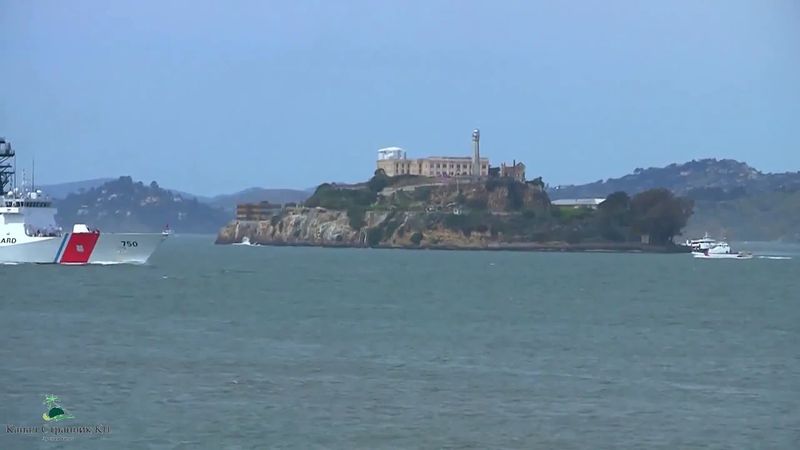
Alcatraz rises from the bay as a fortress of stories, from Civil War cannons to a federal penitentiary. The ferry ride builds suspense, fog often thinning to reveal stark concrete and razor wire. Inside, the audio tour guides you past cells, solitary, and echoes that linger.
Exhibits explore infamous inmates and the daily routines that shaped survival behind bars. You also encounter the Native American Occupation of 1969, a pivotal protest that reframed federal policy and self determination. The island’s wildlife and gardens soften edges without erasing hard truths.
Windows frame San Francisco like a taunt, close yet unreachable for those once confined. Walking the yard, you consider punishment, reform, and dignity in unequal measures. By the time the ferry returns, the city lights look different, complicated by everything you just heard.
Castillo de San Marcos (St. Augustine, FL)
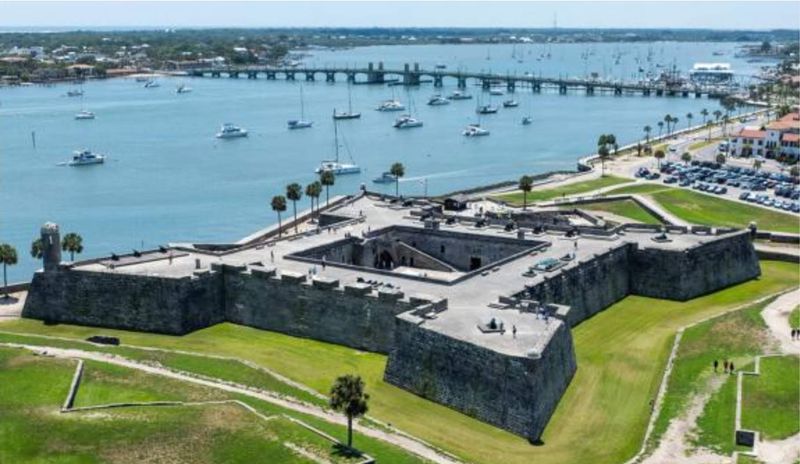
Castillo de San Marcos stands low and tough, its coquina walls glittering with shell fragments in Florida sun. Built by the Spanish in the late 1600s, the fort guarded sea routes and imperial ambitions. Walk the ramparts and you feel centuries of watchfulness in every angle.
Rangers and reenactors fire cannons, explain bastions, and reveal the science behind resilient masonry. Inside casemates, exhibits connect Spanish soldiers, Indigenous communities, enslaved people, and shifting flags of empire. The fort’s geometry turns warfare into measured lines and purposeful shadows.
From the parapet, St. Augustine’s harbor spreads calm while history recounts sieges and stubborn survival. You trace grooves worn by sentries and imagine night watches under coastal stars. The place lingers as a lesson in endurance and the layered identities of America’s oldest city.
Freedom Trail (Boston, MA)
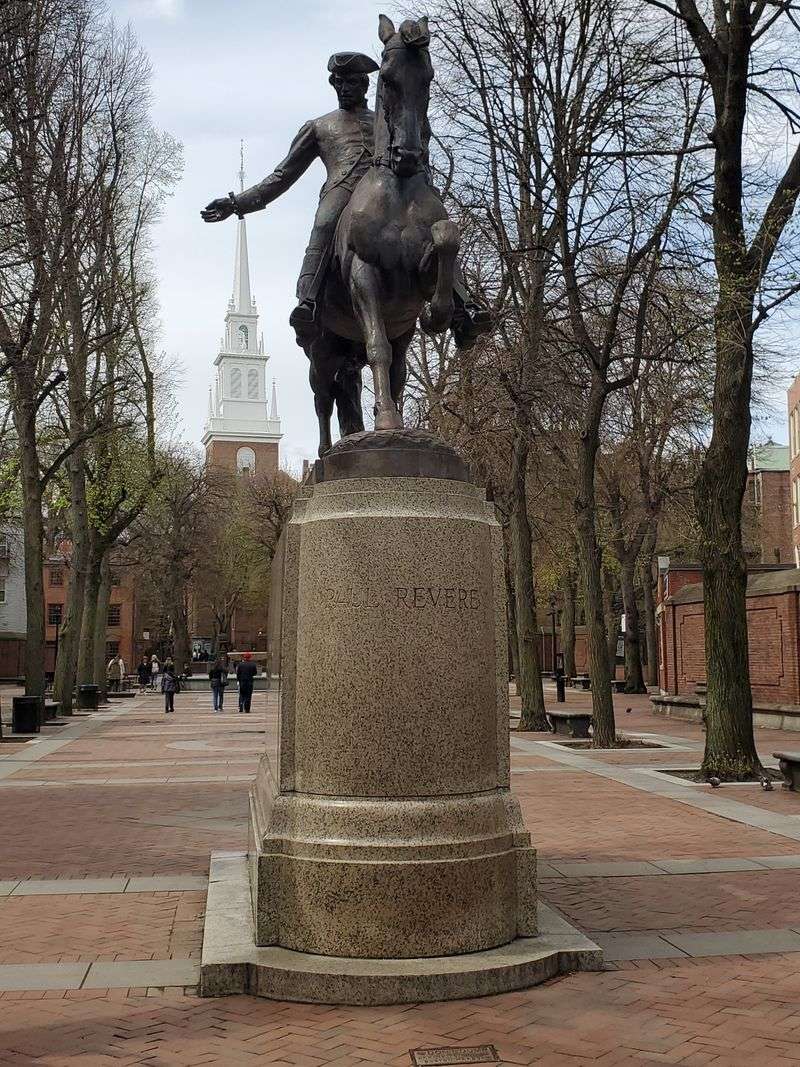
Follow the red brick line and Boston turns into a living textbook of revolt. Each stop adds a voice: Old South Meeting House, Paul Revere’s House, the Old North Church. You feel the city’s narrow lanes squeeze you closer to 1775.
Guided tours mix storytelling with street theater, connecting tavern talk to protests that tipped toward revolution. Burial grounds anchor names you learned in school to weathered stones and personal grief. Museums along the route unpack everyday life, trade, and the risk of speaking out.
As you walk, the rhythm of steps links disparate sites into one rising argument. The trail makes resistance tangible, encouraging questions rather than easy answers. By the final stop, you will recognize how ordinary places become engines of extraordinary change.
Hoover Dam (Nevada/Arizona)

Hoover Dam pushes back a desert river with audacious concrete and carefully orchestrated water. Built during the Great Depression, it delivered jobs, power, and a blueprint for Western development. Standing atop the crest, you feel the weight of engineering and the pull of deep water below.
Tours descend to turbine halls where the dam’s heartbeat hums through steel and wire. Exhibits trace survey crews, high scalers, and the human cost of a project this massive. You also learn how management choices ripple downstream in farms, cities, and fragile ecosystems.
From the new bypass bridge, the dam looks sculptural, almost impossibly smooth against rugged rock. Sun and shadow chase each other across the arc, and you realize big ideas demand ongoing stewardship. Leaving, you carry a sharper sense of how infrastructure shapes daily life.
Empire State Building (New York, NY)
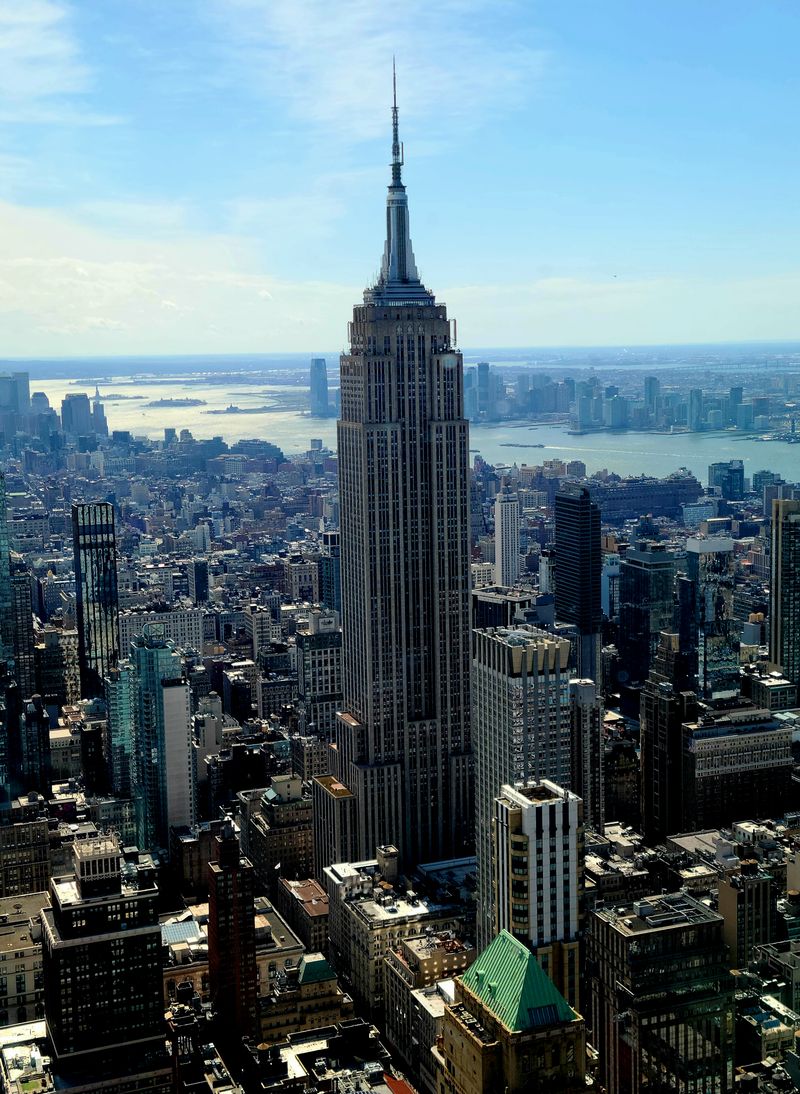
The Empire State Building still feels like ambition turned vertical, an Art Deco spear aimed at the sky. Built in a race of height during hard times, it became a beacon of capability and grit. Step into the lobby and gilded details set a cinematic tone.
Elevators whisk you to observatories where the city glitters like circuitry. Exhibits celebrate construction speed, steel choreography, and the workers who threaded beams in the wind. You sense how skylines become shorthand for identity and shared possibility.
On breezy decks, couples lean into the view while taxis flicker far below. The building’s story ties innovation to resilience, proving beauty and utility can share the same frame. When you exit onto Fifth Avenue, New York’s energy feels newly focused and bright.
Yellowstone National Park (WY/MT/ID)
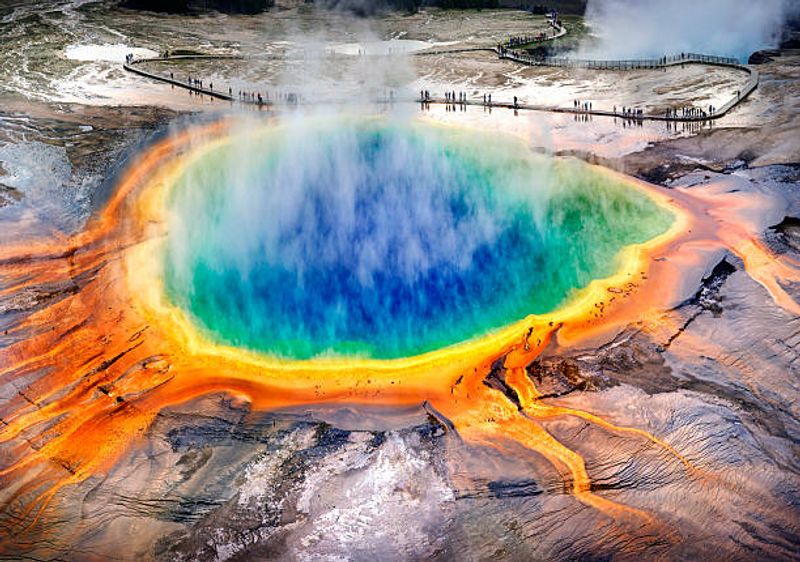
Yellowstone is a geothermal symphony where earth breathes through geysers, hot springs, and fumaroles. Old Faithful draws crowds, but quiet basins reveal surreal colors and delicate mineral terraces. Boardwalks keep you safe while steam writes its own weather.
The park’s history threads conservation, science, and complex relationships with Indigenous nations. Museums and ranger talks explore wildlife reintroduction, tourism booms, and changing stewardship philosophies. Watching bison amble across a valley, you feel how policy meets hoofprints.
Every turn asks for patience and respect, from bear country etiquette to protecting fragile crust. Nights bring huge stars and a reminder that dark skies are heritage too. Leaving Yellowstone, you carry the humbling sense that preservation is not a past victory but a daily choice.
Independence National Historical Park (Philadelphia, PA)
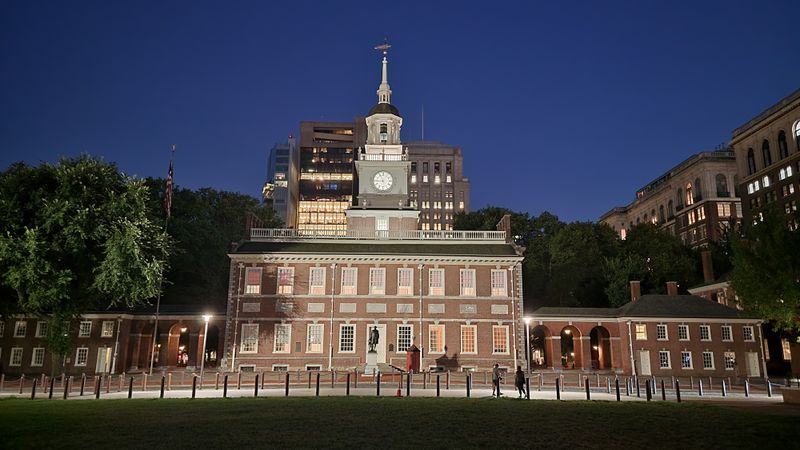
Independence National Historical Park gathers the buildings and stories that cradle America’s founding era. Beyond Independence Hall, you step into Congress Hall, Carpenters’ Hall, and quiet burial grounds where history feels close enough to touch. Brick facades and shaded squares slow your pace.
Exhibits humanize familiar names, linking public debates to private letters and everyday work. You notice how printers, artisans, and dissenters shaped momentum long before declarations took form. Franklin’s legacy threads through labs, libraries, and lively contradictions.
Walking block to block, you connect ideals to addresses and doorways. Rangers encourage questions about power, protest, and who was included or excluded. By day’s end, the park reads like a layered document, handwritten margins and all.
Boston Common (Boston, MA)
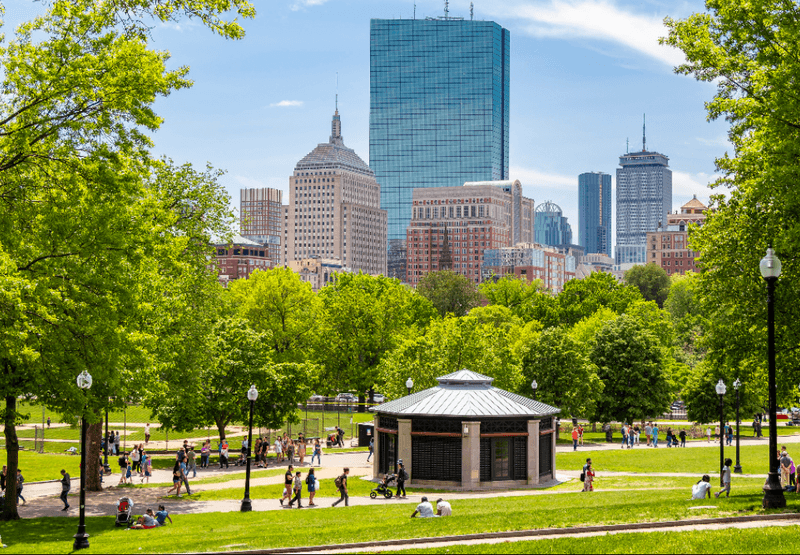
Boston Common feels familiar the moment you arrive, a communal green used since 1634. Sheep once grazed here, militias drilled, and crowds gathered to argue futures. Today, joggers and picnickers share space with statues that mark restless centuries.
Interpretive signs point toward protests, encampments, and moments when the city’s conscience spilled outdoors. The Common links to the Freedom Trail, threading everyday leisure with revolutionary memory. You sense how public land nurtures public voice.
Find a bench and watch the choreography of a democratic square unfold. Street musicians, school groups, and quiet readers make a chorus without conductor. Leaving, you understand why a park can be infrastructure for belonging as much as for shade.
Pigeon Point Lighthouse (Pigeon Point, CA)

Pigeon Point Lighthouse stands slim and steadfast above a restless Pacific. Since 1871 its beam has warned mariners off treacherous shoals and fog heavy nights. The station’s cliffs feel like the continent’s edge, raw and briny.
Inside exhibits showcase a magnificent Fresnel lens, a jewel box of prisms bending light across miles. Keeper stories evoke isolation, storms, and the precise routines that kept ships safe. Seabirds wheel overhead while wildflowers grip wind carved soil.
As dusk drops, the tower turns silvery and the surf becomes a steady drum. You understand navigation as community care stretched across horizons. Leaving, salt still on your lips, the lighthouse reads as both machine and metaphor for guidance.
Pilgrim Monument (Provincetown, MA)

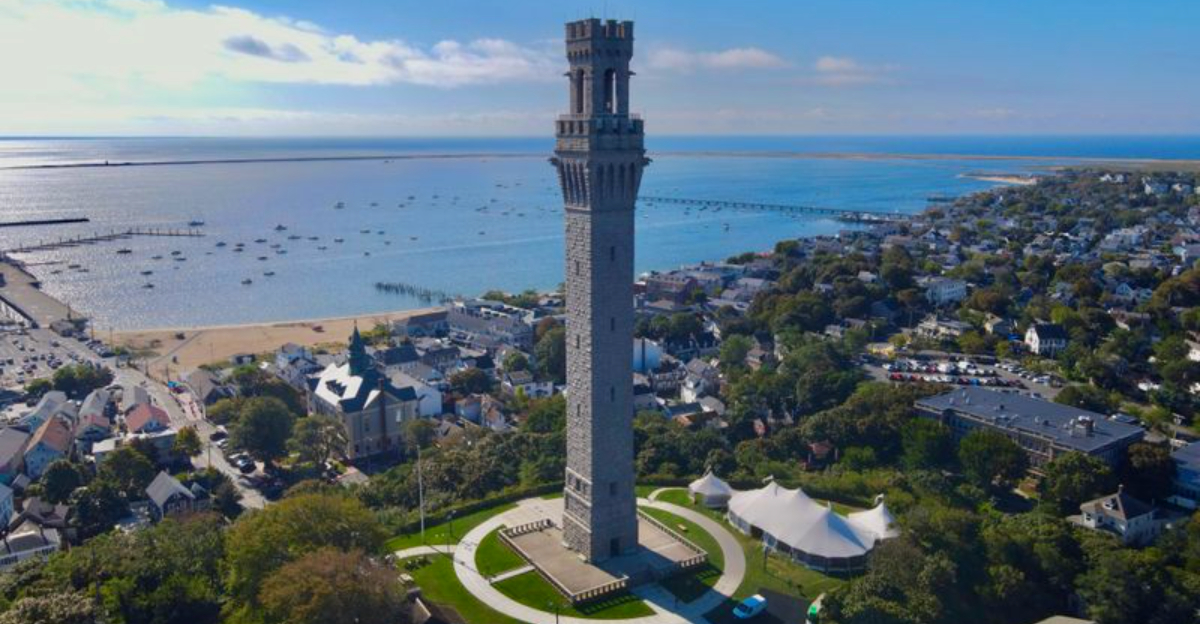
The Pilgrim Monument climbs skyward like a granite exclamation, marking the Pilgrims’ first landing in Provincetown. From its summit, Cape Cod arcs like a compass needle across the bay. Climbing the interior ramps becomes a small pilgrimage of your own.
In the museum, the Mayflower Compact takes shape as a practical pact for survival and order. Exhibits broaden the story to Wampanoag perspectives and the complexity of early encounters. You see how myth simplifies what diaries and artifacts complicate.
Back outside, sea air mixes with gallery thoughts, and the tower feels both proud and questioning. Maritime culture, art, and LGBTQ history layer the town’s modern identity. The monument invites you to connect self governance with community in motion.
Cahokia Mounds (Collinsville, IL)
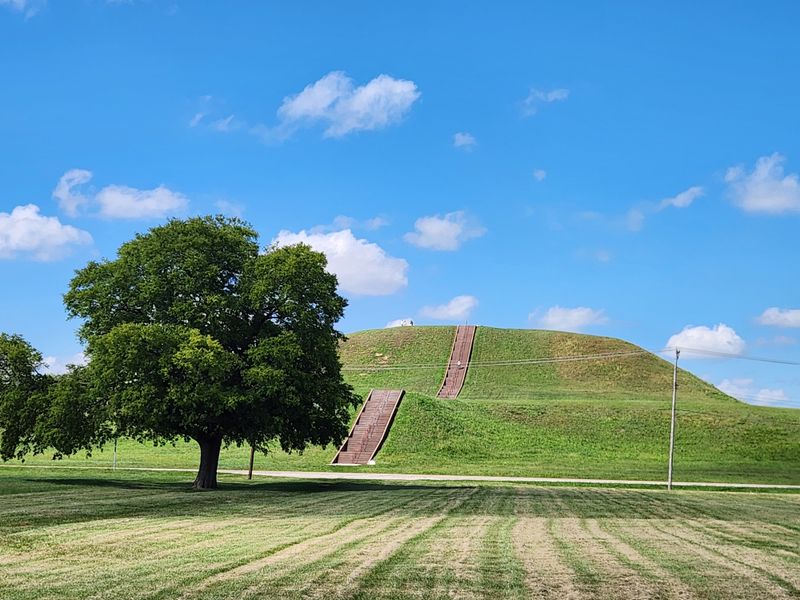
Cahokia Mounds reveals an Indigenous city that flourished long before European arrival. Monks Mound rises like an earthen pyramid above prairie grasses and quiet trails. Standing atop, you scan a landscape once alive with plazas, homes, and ritual.
The interpretive center presents artifacts, cosmology, and trade routes that linked distant regions. Reconstructed palisades and markers help you visualize scale, governance, and sophisticated planning. You realize urbanism here was vibrant, adaptive, and deeply spiritual.
As you walk, birdsong replaces traffic and time stretches wider. The site encourages respectful curiosity and a more honest American timeline. Leaving, you carry gratitude for knowledge keepers who help this city speak again.
Alamo Mission (San Antonio, TX)

The Alamo is compact yet mighty in memory, its limestone chapel etched into Texas identity. In 1836, a desperate stand unfolded here, shaping a narrative of resistance and regional pride. You step through the gate and the courtyard hushes city noise.
Exhibits and artifacts trace mission life, the siege, and the tangled politics of the era. Guides invite you to parse legend from document, heroism from hindsight. The walls carry layered stories of Tejano fighters, settlers, and shifting frontiers.
As dusk cools the stones, the site’s contradictions feel more honest and compelling. Courage, loss, and myth share the same small footprint. You leave with deeper respect for complexity and the people who lived it in real time.
Trail of Tears National Historic Trail
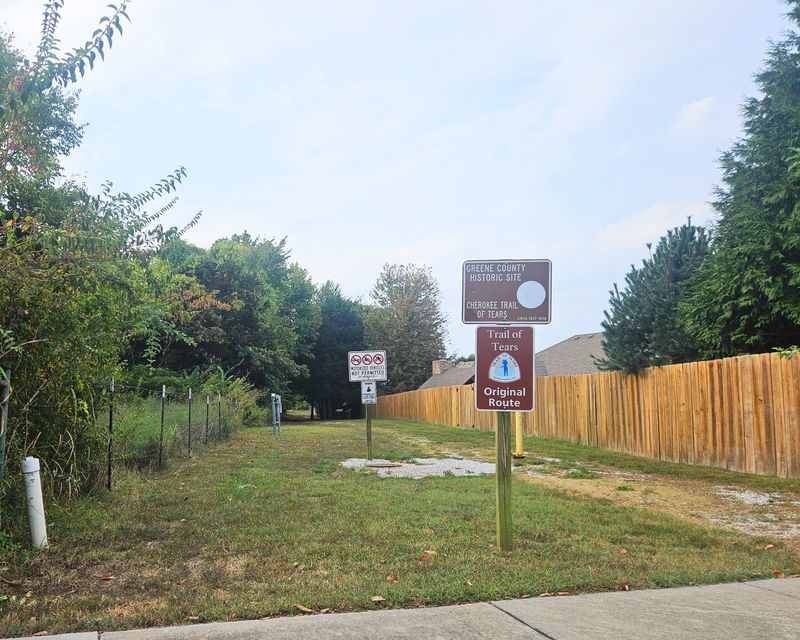
The Trail of Tears stretches across states and memories, marking forced removals of Native nations in the 1830s. Standing at a signed segment, you hear water move and leaves whisper around you. It is a gentle place holding an unforgiving story.
Interpretive panels detail routes, treaties, and the staggering toll of displacement and death. Tribal voices and descendants’ accounts anchor the narrative beyond dates. Museums along the corridor provide context that ties policy to the weight of footsteps.
Walking even a short distance becomes an act of witness. You measure miles not in fitness but in empathy, breath by breath. The trail’s power lies in stillness, asking you to carry remembrance into daily choices.



