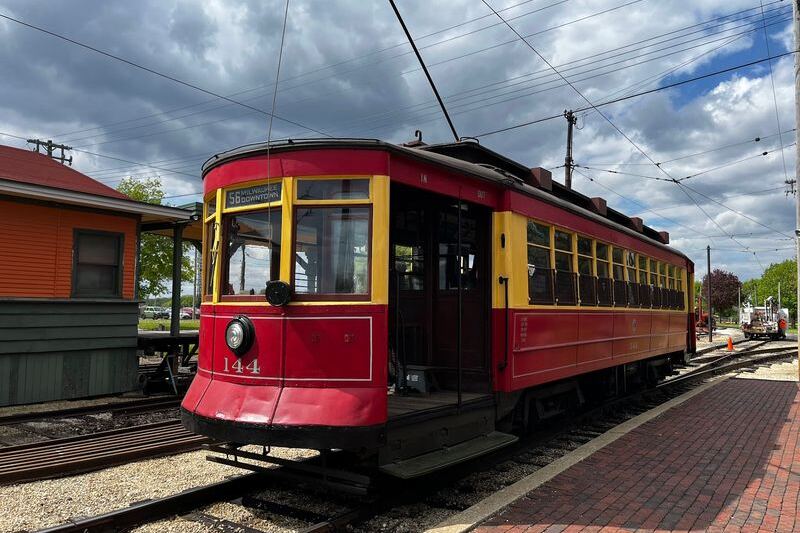
There is a place in central Illinois where real fighter jets sit just feet away from you, close enough to touch, close enough to make your jaw drop. It is not a massive Smithsonian-style complex, but what it lacks in size it more than makes up for in raw, authentic aviation history.
The volunteers are passionate, the aircraft are the real deal, and the stories attached to each machine will stick with you long after you leave. Whether you are eight years old or eighty, this spot in Bloomington has a way of turning even casual visitors into aviation fans by the time they reach the parking lot exit.
Where You Will Find This Aviation Treasure
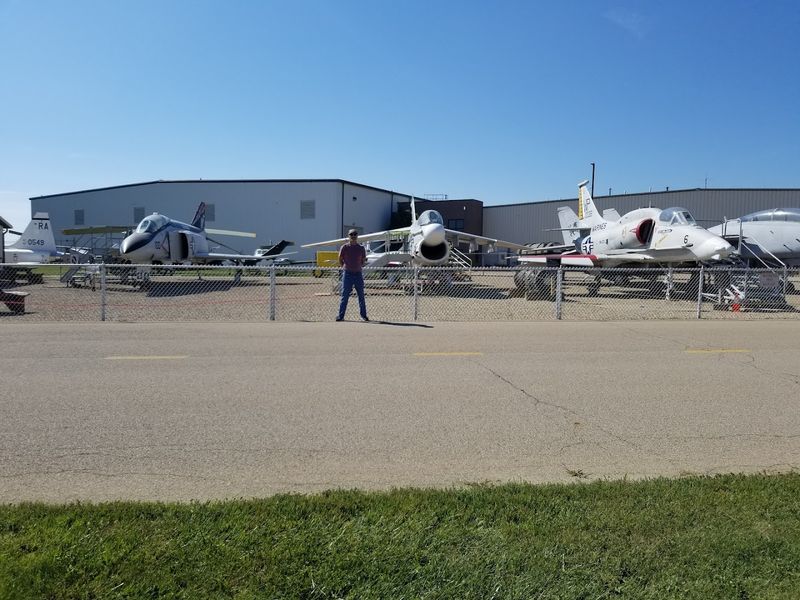
Right off one of Bloomington’s main roads, tucked near the local airport almost as if it belongs there by design, Prairie Aviation Museum sits at 2929 E Empire St, Bloomington, IL 61704. The location makes perfect sense once you arrive and see real aircraft lined up outside like a greeting party you never expected.
The museum is open on Saturdays and Sundays from 11 AM to 3 PM, which makes weekend trips the obvious choice. Admission is just five dollars for adults, making it one of the most affordable ways to spend a meaningful afternoon in central Illinois.
You can reach the museum by phone at 309-663-7632, and their website at prairieaviationmuseum.org has updated event schedules worth checking before you go. The building itself is compact, but the outdoor grounds extend the experience considerably, giving visitors plenty of space to walk around and get genuinely close to historic aircraft that most people only see in photographs or action films.
The F-14D Tomcat: Crown Jewel of the Collection
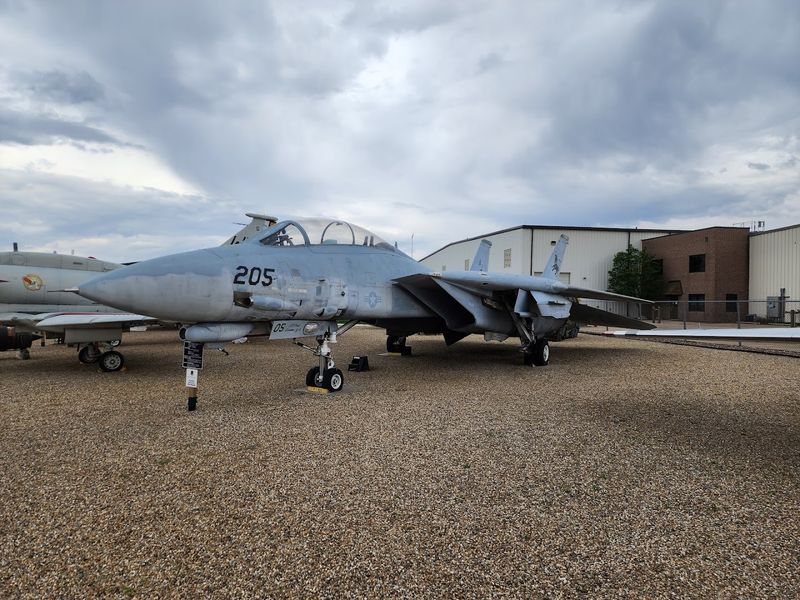
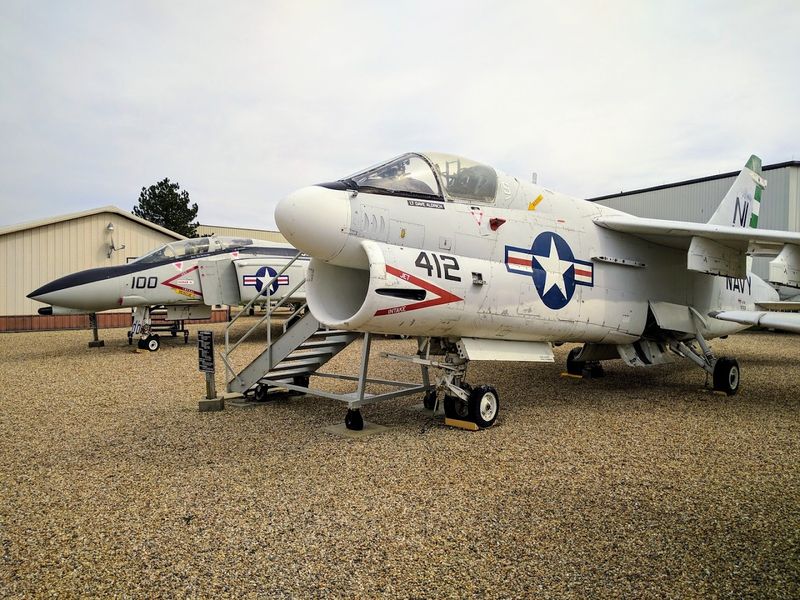
Few aircraft in American aviation history carry the cultural weight of the F-14D Tomcat, and Prairie Aviation Museum has one sitting right outside where you can walk up and put your hand on it. This is the plane that made a generation of kids want to become fighter pilots, and seeing it in person hits differently than any movie poster ever could.
The swept-wing design is even more dramatic up close. Standing beneath those massive engines and looking up at the cockpit gives you a real sense of the engineering that went into building machines meant to operate at supersonic speeds.
On regular open days, visitors can climb a ladder and peer directly into the cockpit, which is the kind of hands-on access that larger museums rarely allow. The Tomcat consistently draws the most attention from first-time visitors, and it photographs beautifully against the Illinois sky.
Kids and adults alike tend to linger here the longest, circling the aircraft from every angle as if they cannot quite believe something this impressive ended up in a mid-size Midwest city.
The F-4 Phantom With a Real Combat Story
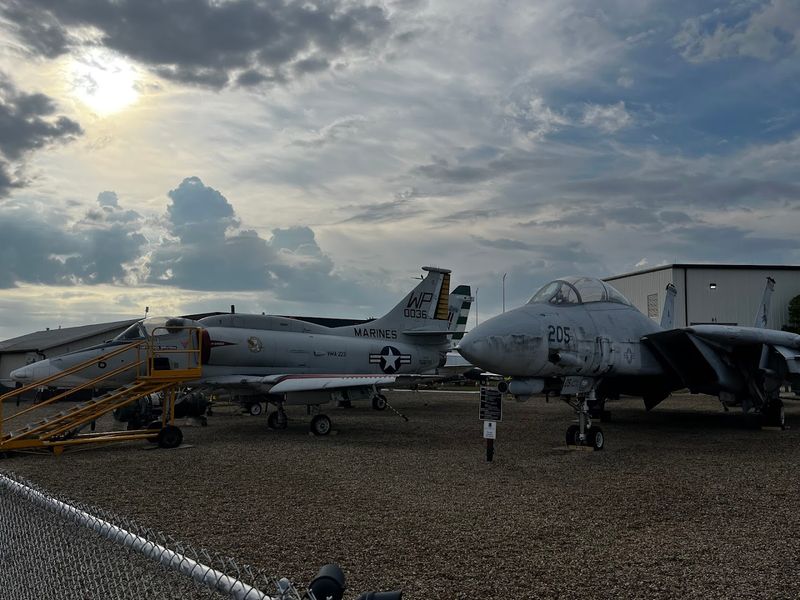
Some aircraft on display carry history painted right onto their skin, and the F-4 Phantom at this museum is one of the most compelling examples of that anywhere in the Midwest. This specific aircraft flew into a real dogfight against six MiG fighters, and the two kill markings still visible on the fuselage are exactly as they were applied over four decades ago.
The story behind those markings involves a pilot who first engaged the enemy, scored a kill, and then turned back to protect a wingman who was in serious trouble. The second MiG went down before it could do further damage, and both pilots made it home.
That story does not come from a textbook; it comes from the aircraft itself.
Standing next to the Phantom while a knowledgeable volunteer explains what those markings mean transforms a static display into something almost cinematic. This is not a replica or a recreation.
It is the actual aircraft, with the actual history, sitting in a field in Bloomington, Illinois, waiting for curious visitors to come ask the right questions.
Open Cockpit Days: The Museum’s Most Popular Event
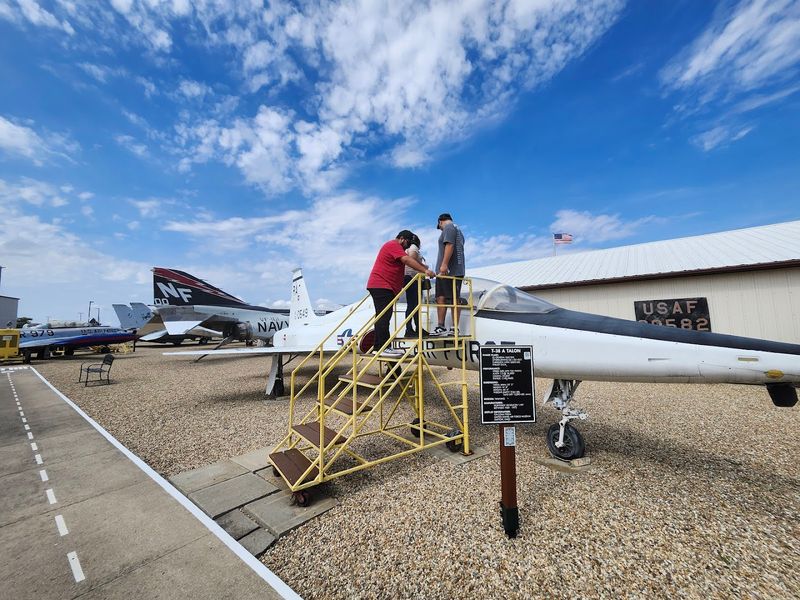
If your visit happens to fall on an Open Cockpit Day, consider yourself genuinely lucky. These special event days transform the museum from a standard walk-around experience into something far more interactive and memorable, especially for younger visitors who want to do more than just look.
On these days, the cockpits of multiple aircraft are opened up so visitors can actually climb in and sit where pilots once sat. Kids who have been dreaming about flying light up when they lower themselves into a real cockpit and wrap their hands around actual controls.
Parents tend to enjoy it just as much, if not more.
Veterans and former pilots volunteer their time on Open Cockpit Days to answer questions and share firsthand accounts of what it felt like to operate these machines in real conditions. That combination of hands-on access and personal storytelling creates an atmosphere that no exhibit placard can replicate.
Check the museum website before your visit to find out when the next Open Cockpit Day is scheduled, because planning your trip around one is absolutely worth the effort.
Veterans and Volunteers Who Bring History to Life
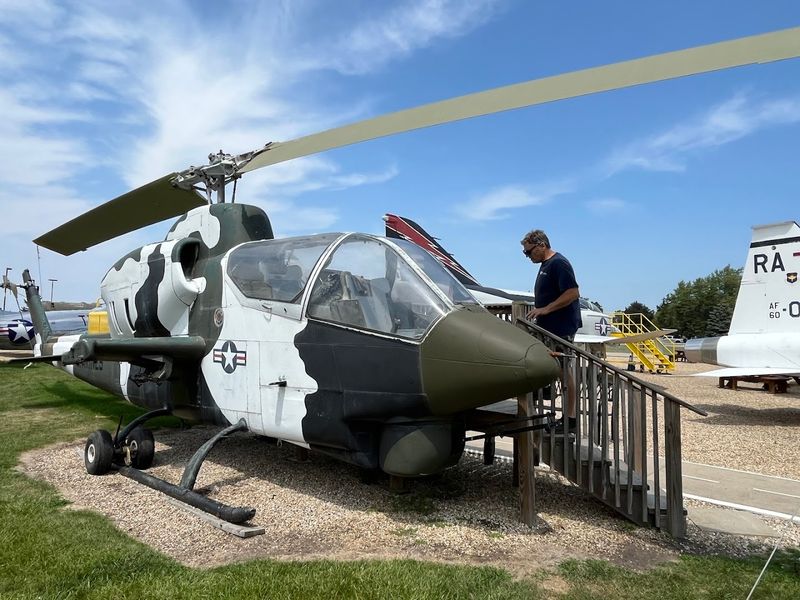
The aircraft are impressive on their own, but the people who show up every open weekend to share their knowledge are what truly set this museum apart. Many of the volunteers are veterans or former aviators who have personal connections to the machines on display, and that shows the moment they start talking.
A volunteer-led tour of the outdoor aircraft is a completely different experience from walking around on your own. These guides know which planes flew in which conflicts, which pilots are still alive and occasionally visit, and which details on each aircraft most visitors walk right past without noticing.
The staff inside the building matches that same energy. Visitors consistently describe the welcome they receive as warm and genuine, not the scripted kind you sometimes get at larger institutions.
There is a guest book near the entrance that has been signed by thousands of visitors over the years, and flipping through a few pages gives a quick sense of how broadly this place resonates. The people running this museum treat every visitor like someone worth talking to, and that makes the whole experience feel personal.
Inside the Building: More Than Just a Lobby
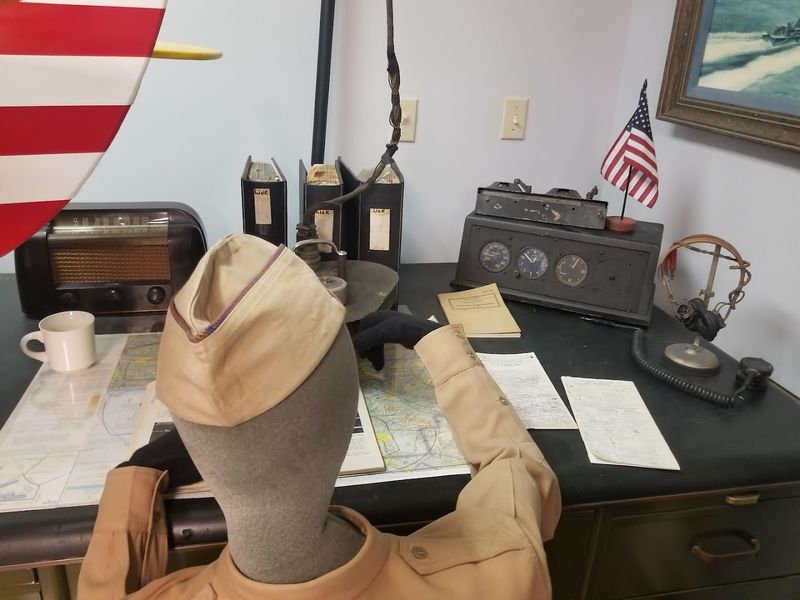
The outdoor aircraft get most of the attention, but the interior of the museum holds its own with a surprisingly rich collection of aviation history packed into a compact space. The building may not be large, but every inch of it has been put to good use.
A dedicated NASA section covers the space program with photographs, artifacts, and informational displays that trace the arc from early rocketry to modern missions. Model aircraft hang from the ceiling and line display cases, representing decades of aviation development in miniature form.
Binders, plaques, and framed documents fill the walls with context that rewards visitors who slow down and read.
Wartime memorabilia is displayed with care and intention, giving each artifact room to breathe rather than cramming everything together. The indoor experience works well as both a starting point before heading outside and as a quieter place to return to after walking the grounds.
Families with young children often cycle between the two, letting the kids burn energy outside before bringing them back in to look at the models and ask questions about what they just saw up close.
The UH-1 Huey Helicopter Up Close
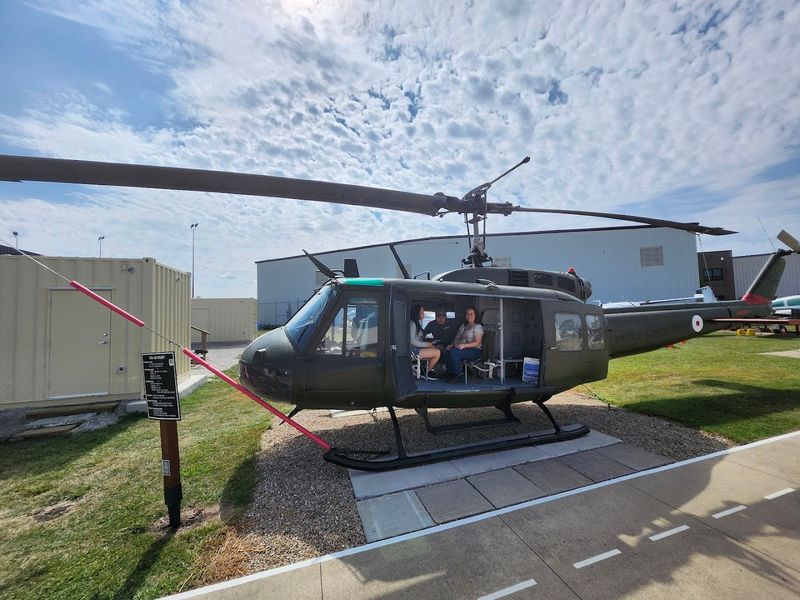
Not everything at this museum has wings and afterburners. The UH-1 Huey helicopter is one of the outdoor exhibits that consistently draws strong reactions from visitors, particularly those who grew up during or after the Vietnam era when this aircraft became one of the most recognizable military vehicles in the world.
The Huey is accessible in a way that makes it feel less like a museum piece and more like a machine that recently came in from a mission. Its distinctive rotor system and boxy silhouette are immediately recognizable, and standing close to it gives you a real appreciation for how much these aircraft carried and endured.
Volunteers near the Huey often have specific stories about this type of helicopter that go well beyond what any placard could convey. The aircraft served in multiple roles including transport, medical evacuation, and fire support, and the museum does a solid job of representing that range.
For visitors who came primarily to see the jets, the Huey ends up being a pleasant and genuinely interesting addition that broadens the whole experience in an unexpected direction.
A Family-Friendly Stop That Works for Every Age
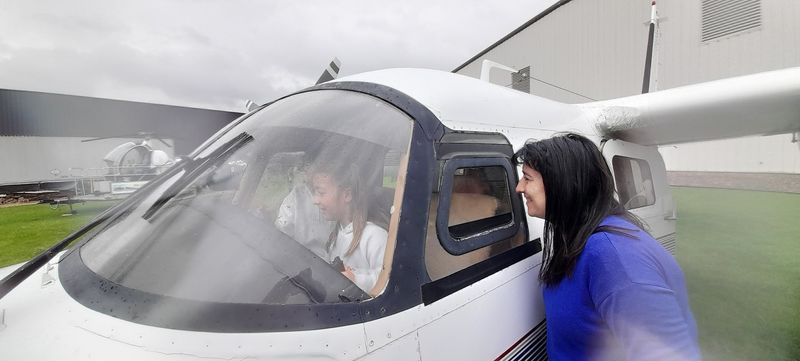
One of the more surprising things about this museum is how well it works for groups with very different ages and interests. A two-year-old and a seventeen-year-old can both have a genuinely good time here, which is not something most attractions can honestly claim.
Younger kids respond to the sheer size and visual drama of the aircraft outside. There is something about standing next to a fighter jet that produces pure, unfiltered excitement in children, and the museum does not rope everything off or put it behind glass.
The hands-on nature of the experience is a big part of why families come back.
Older visitors and history enthusiasts find plenty to engage with in the indoor exhibits and in conversations with the knowledgeable volunteers. Grandparents who remember these aircraft from their own era often become the most animated members of the group once a volunteer starts talking details.
The five-dollar admission fee means a family of four can have a two-hour adventure for less than the cost of a single movie ticket, which is the kind of value that makes people recommend this place to everyone they know.
Photography Opportunities That Are Hard to Beat
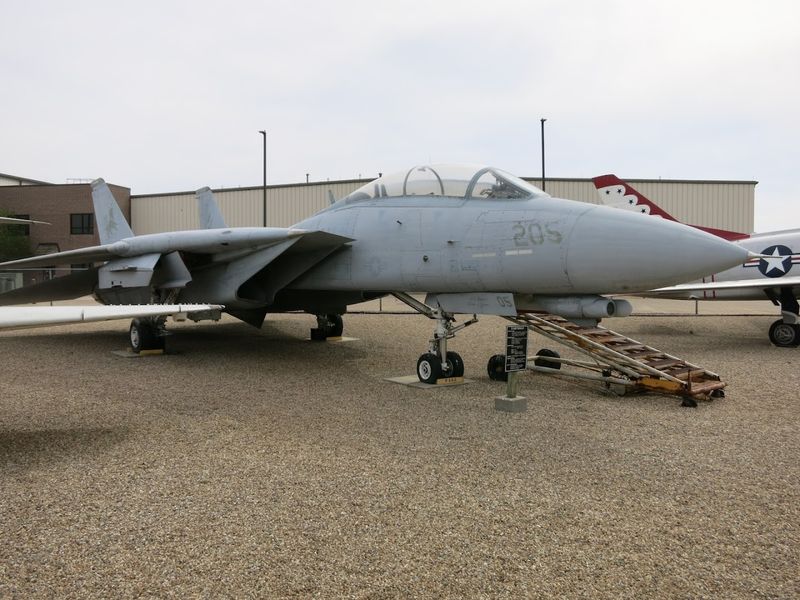
Aviation photography enthusiasts tend to treat this place like a personal photo studio with the best props imaginable. The aircraft are parked in open areas with enough room to move around them freely, and the Illinois sky provides a clean, wide backdrop that works beautifully in almost any light.
The F-14D Tomcat in particular photographs in a way that makes it look like it belongs on the cover of a magazine. The angles available from ground level are dramatic, and if you visit on an Open Cockpit Day, the combination of people in cockpits and real aircraft creates layered, story-rich images that feel genuinely cinematic.
Early afternoon light during weekend hours tends to produce the best results, with the sun at an angle that catches the aircraft surfaces without washing them out. Even visitors who are not serious photographers find themselves taking dozens of shots they actually want to keep.
The museum does not restrict photography, so you are free to get creative with angles, proximity, and composition in ways that larger, more crowded aviation museums would never permit.
What the Admission Price Actually Gets You
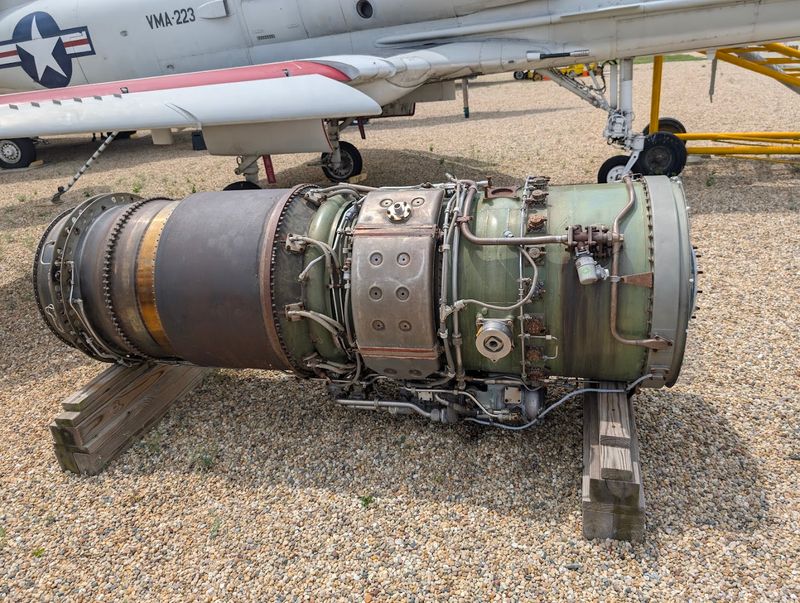
Five dollars is the kind of admission price that makes you wonder if someone made a mistake. For that amount, you get access to the indoor exhibits, the outdoor aircraft walk, and the expertise of volunteers who genuinely want to share what they know.
It is one of the most straightforward value propositions in Illinois tourism.
Even visitors who skip the indoor portion entirely can drive up and walk past the jets at no charge, which speaks to the museum’s community-first philosophy. That kind of open access is rare and refreshing, and it means there is really no reason not to stop in if you are anywhere near Bloomington on a weekend.
Many visitors end up donating additional amounts at the front desk because the experience far exceeds what five dollars typically buys. The guest book near the entrance captures reactions from people who clearly did not expect to be as moved or entertained as they were.
Supporting this museum with a little extra is easy to justify when the staff and volunteers have clearly put so much of themselves into keeping it running and welcoming.
Getting the Most Out of Your Visit
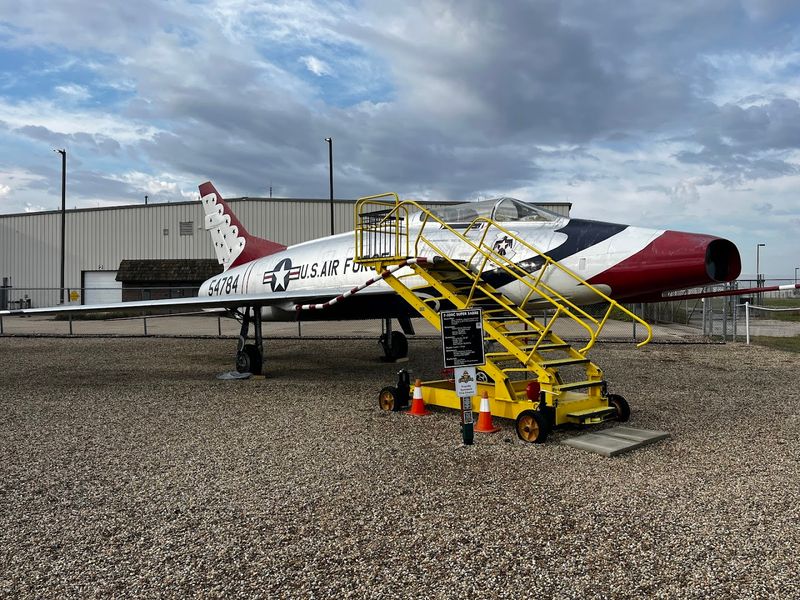
A little planning goes a long way at this museum. The hours are limited to Saturdays and Sundays from 11 AM to 3 PM, so showing up on a weekday will leave you looking at the exterior only.
Arriving closer to opening time gives you the best chance of a relaxed, uncrowded experience with plenty of volunteer attention available.
Checking the museum website before your visit is worth the two minutes it takes. Open Cockpit Days and special events are listed there, and those occasions offer a noticeably richer experience than standard open days.
The difference between a regular visit and an Open Cockpit Day is significant enough that it is worth timing your trip around one if your schedule allows.
Wear comfortable shoes because the outdoor grounds involve some walking and a few sets of steps up to cockpit viewing areas. Bring a camera or make sure your phone is charged because the photo opportunities are genuinely excellent.
The museum is easy to spot from the road, so navigation is simple once you are in the area, and the staff inside will make sure you leave knowing exactly what you saw and why it matters.
Why This Museum Deserves a Spot on Your Illinois Road Trip
Central Illinois does not always make the top of road trip lists, but this museum is the kind of discovery that makes people rethink their routes. The combination of real combat aircraft, passionate volunteers, hands-on access, and an almost absurdly affordable admission price adds up to something genuinely special.
Larger aviation museums in Washington D.C. or Dayton have more aircraft and bigger budgets, but they also have crowds, restrictions, and a certain institutional distance that can make the experience feel less personal. Prairie Aviation Museum operates on a different frequency entirely.
Every visit feels like you stumbled onto something the rest of the world has not fully caught onto yet.
The museum’s 4.7-star rating across nearly 140 reviews is not an accident. It reflects a consistent pattern of visitors arriving with modest expectations and leaving with a story they want to tell.
If your travels take you through Bloomington on a Saturday or Sunday, this is not the kind of stop you skip and then forget about. It is the kind of stop you think about on the drive home and immediately start recommending to people you care about.
Share this story