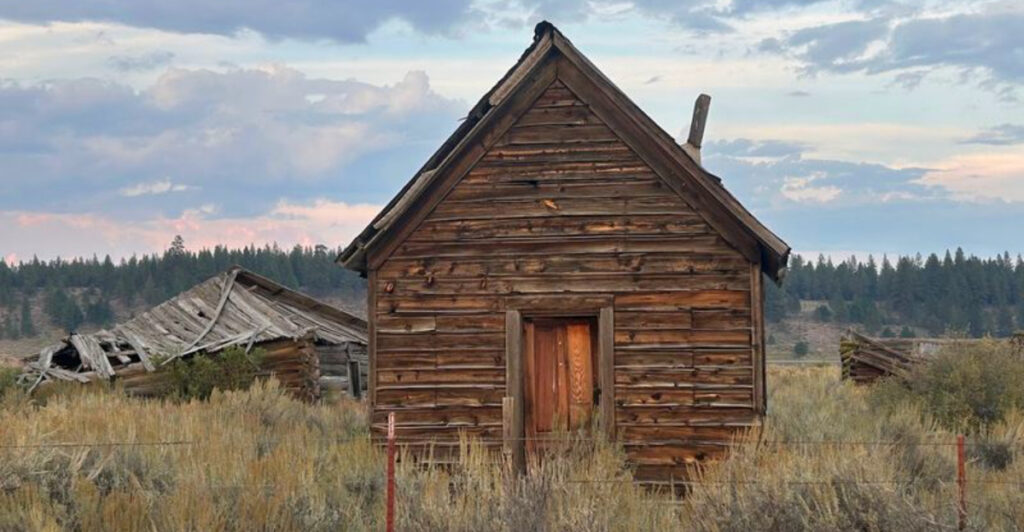
Oregon is full of surprises, and some of the most fascinating ones have been sitting quietly off the beaten path for over a century. Ghost towns scattered across the state tell the stories of miners, ranchers, loggers, and dreamers who built communities that time eventually swallowed whole.
From the high desert of eastern Oregon to the forested mountains of the south, these abandoned places are hauntingly beautiful. Pack a curiosity and a full tank of gas because not a single one of these nine ghost towns will cost you an admission fee.
Shaniko, Wasco County
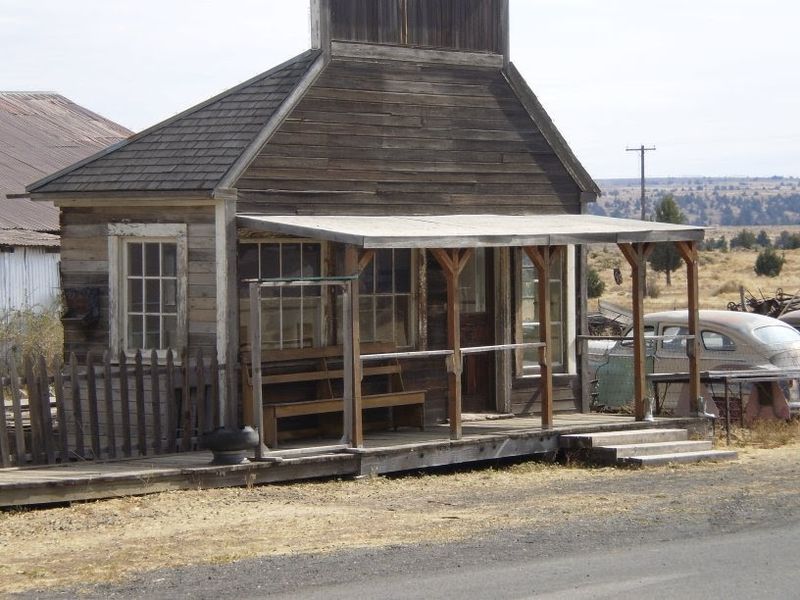
At its peak, Shaniko was the wool-shipping capital of the entire country, which is a wild claim for a town most people today have never heard of. Thousands of pounds of wool passed through here every year, and the town hummed with merchants, saloons, and ambition.
Then the railroad rerouted, and almost overnight, Shaniko went quiet.
Walking through Shaniko today feels like stepping into a faded photograph. The old Columbia Southern Hotel still stands, along with a water tower, jail, and scattered storefronts that look ready for a Western film shoot.
Most buildings are accessible from the outside, and a few have been partially restored.
Shaniko sits along Highway 97, making it one of the easiest ghost towns in Oregon to visit. There are no gates, no entry fees, and no crowds on most days.
Bring a camera, wear comfortable shoes, and give yourself at least an hour to soak in the atmosphere. The combination of open sky, weathered wood, and total silence makes this one genuinely unforgettable stop.
Golden, Josephine County
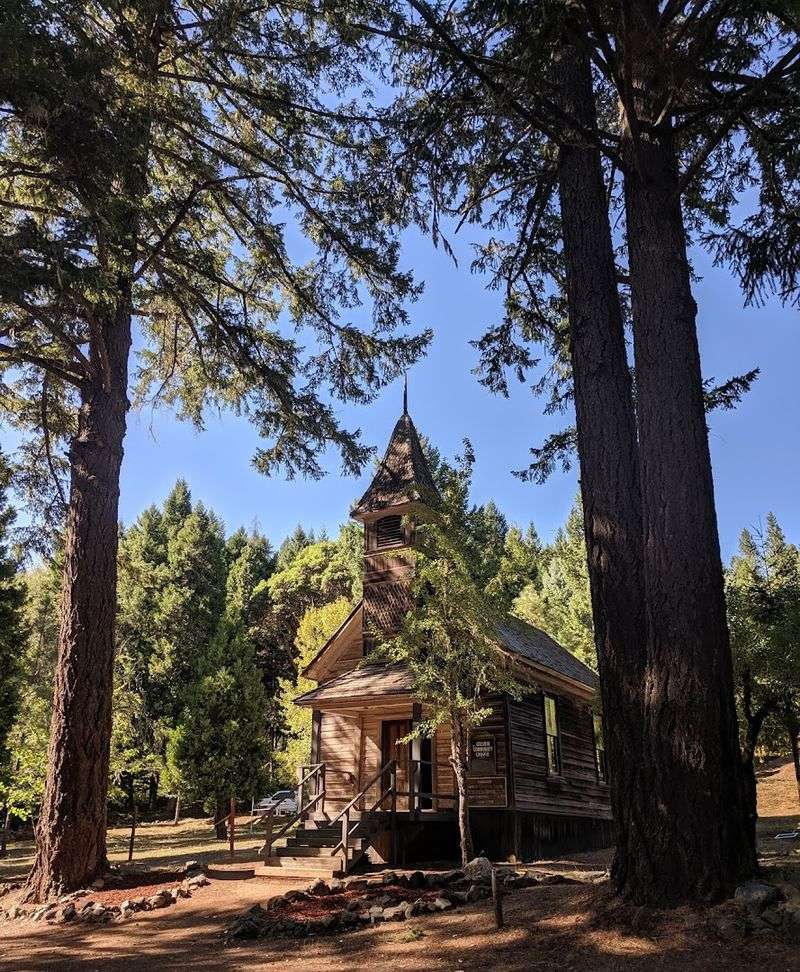
Tucked into the forested hills of southern Oregon, Golden has a name that does exactly what it promises. Gold brought people here in the 1850s, and for a while, the town was a genuine hub of activity.
Miners, families, and merchants all carved out a life among these hills.
What makes Golden special is how well its remaining structures have held up. A white wooden church, a schoolhouse, and a community hall still stand, remarkably intact for buildings pushing 150 years old.
The state of Oregon has helped preserve the site, and the surroundings feel more like a living museum than a ruin.
The forested setting adds a layer of magic that desert ghost towns simply cannot match. Tall trees shade the old buildings, birds fill the air with sound, and the whole place smells like pine and history.
Getting here requires a short drive off the main road, but the route is manageable for most vehicles. Visiting Golden feels like discovering a secret, and honestly, that is exactly what it is.
Plan for a peaceful afternoon and bring a picnic if you want to linger.
Hardman, Morrow County
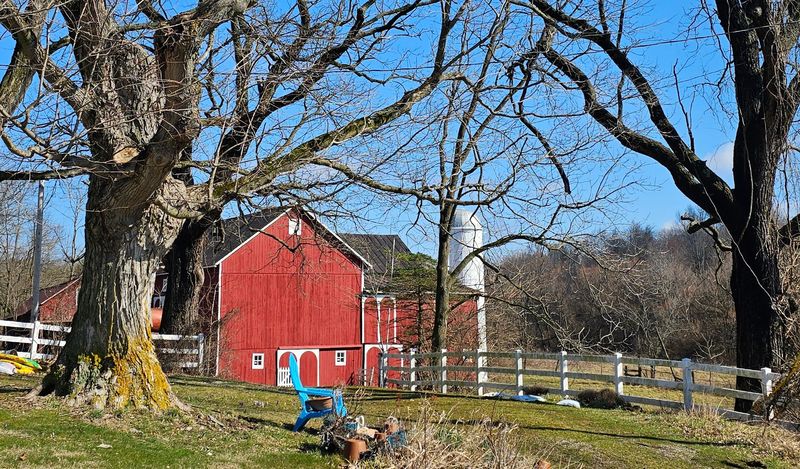
Hardman does not beg for attention, and that is honestly part of its charm. Sitting quietly in the rolling hills of Morrow County, this little community served eastern Oregon ranchers and farmers for decades before the modern world simply moved on without it.
A handful of original structures still stand, including the old church that anchors what remains of the townsite.
The isolation here is real. You will not find a gift shop or a tourist map.
What you will find is a profound stillness that city dwellers rarely get to experience. The surrounding landscape of sagebrush, grass, and open sky stretches in every direction, giving the whole scene a cinematic quality.
Hardman is best visited on a clear day when the light plays beautifully across the weathered wood and rolling terrain. The drive out here through rural Morrow County is itself worth the trip, passing through farmland and wide-open spaces that feel genuinely remote.
Because so few visitors make it out this way, you will likely have the place entirely to yourself. That kind of solitude is rare, and Hardman offers it completely free of charge.
Whitney, Grant County
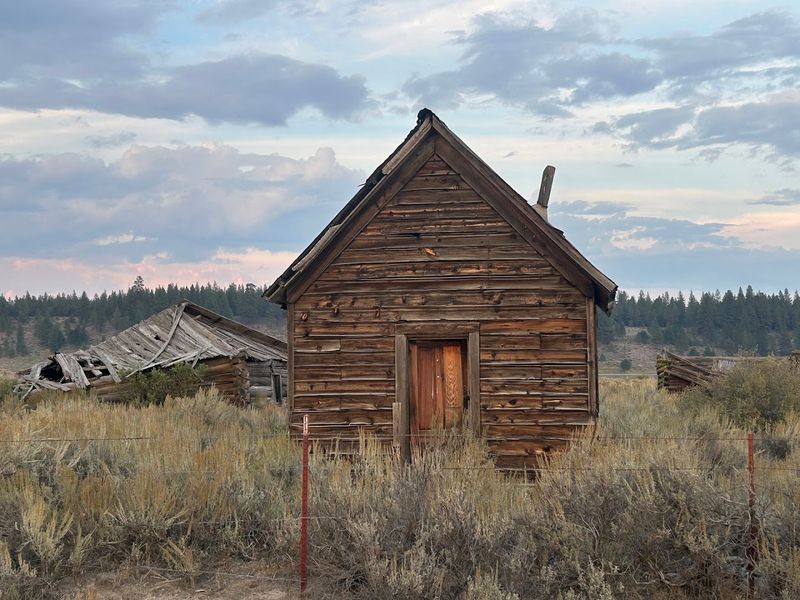
Oregon’s timber industry once made towns like Whitney roar with the sound of sawmills and loaded trucks. At its height, this Grant County settlement was a real working community, complete with homes, businesses, and families building lives in the forest.
Then the economics shifted, the mills closed, and Whitney slowly became a memory.
Wandering through the site today, you can still spot the bones of that former life. Collapsed homes, stone foundations, and rusted remnants peek through the brush and trees.
The forest has been quietly reclaiming the land for decades, which gives Whitney an eerie, almost fairy-tale quality that is hard to describe until you see it yourself.
History fans who appreciate the raw, unpolished kind of ghost town experience will feel right at home here. Whitney has not been cleaned up or turned into a tourist attraction, which means the experience feels genuinely authentic.
The surrounding pine forest is beautiful, especially in early autumn when the light filters gold through the trees. Pair a stop here with a visit to nearby Granite for a full day of Grant County ghost-town exploration that costs absolutely nothing.
Bourne, Baker County
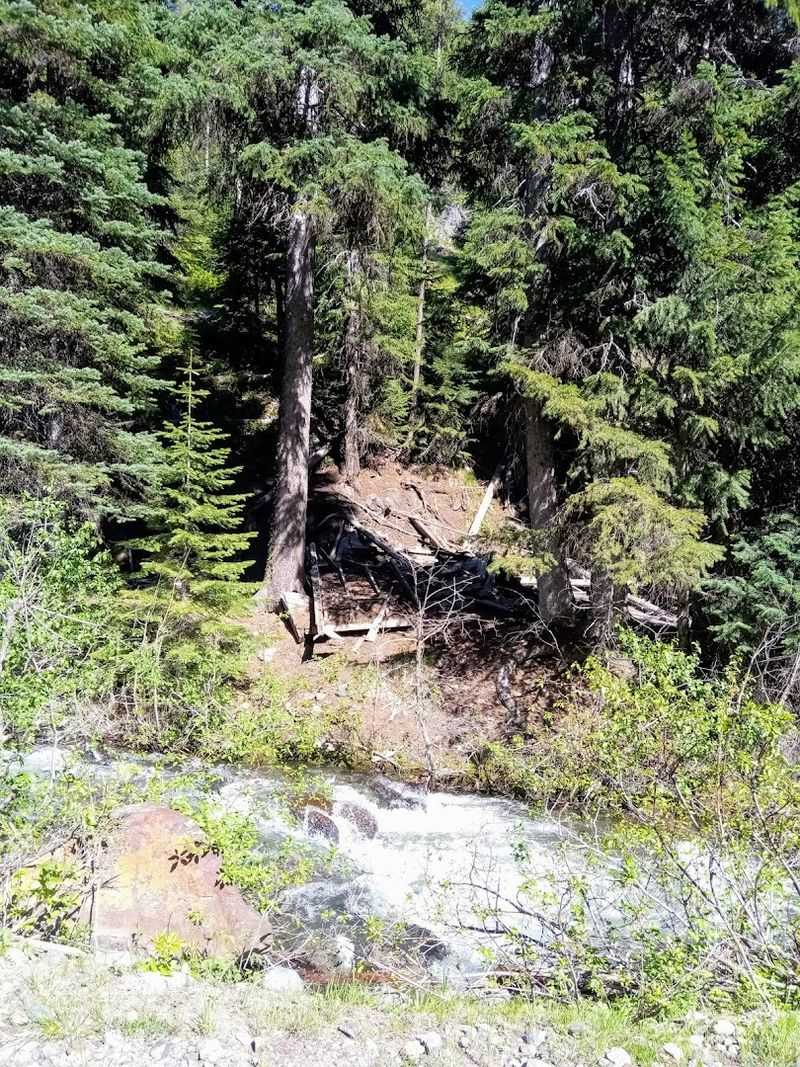
Bourne is the kind of place that makes you want to look over your shoulder, not from fear, but from the feeling that someone might still be panning the creek just around the bend. Nestled in a narrow canyon east of Baker City, this former mining town once drew prospectors chasing gold through the rugged Blue Mountains.
The creek still runs cold and clear through the canyon today.
What remains of Bourne is mostly foundations, old road traces, and the occasional mining relic poking out of the hillside. The structures are largely gone, but the landscape itself tells the story powerfully.
Steep canyon walls, rushing water, and thick forest create a dramatic backdrop that history books simply cannot replicate.
Getting to Bourne requires navigating some unpaved road, so a higher-clearance vehicle is a smart call depending on conditions. That extra effort filters out casual visitors, meaning you can explore in genuine peace.
History enthusiasts and outdoor adventurers both find something to love here. Bring water, sturdy footwear, and a healthy respect for the terrain.
Bourne rewards the curious traveler with a raw, unfiltered glimpse into Oregon’s gold rush era that no museum visit could ever match.
Friend, Wasco County
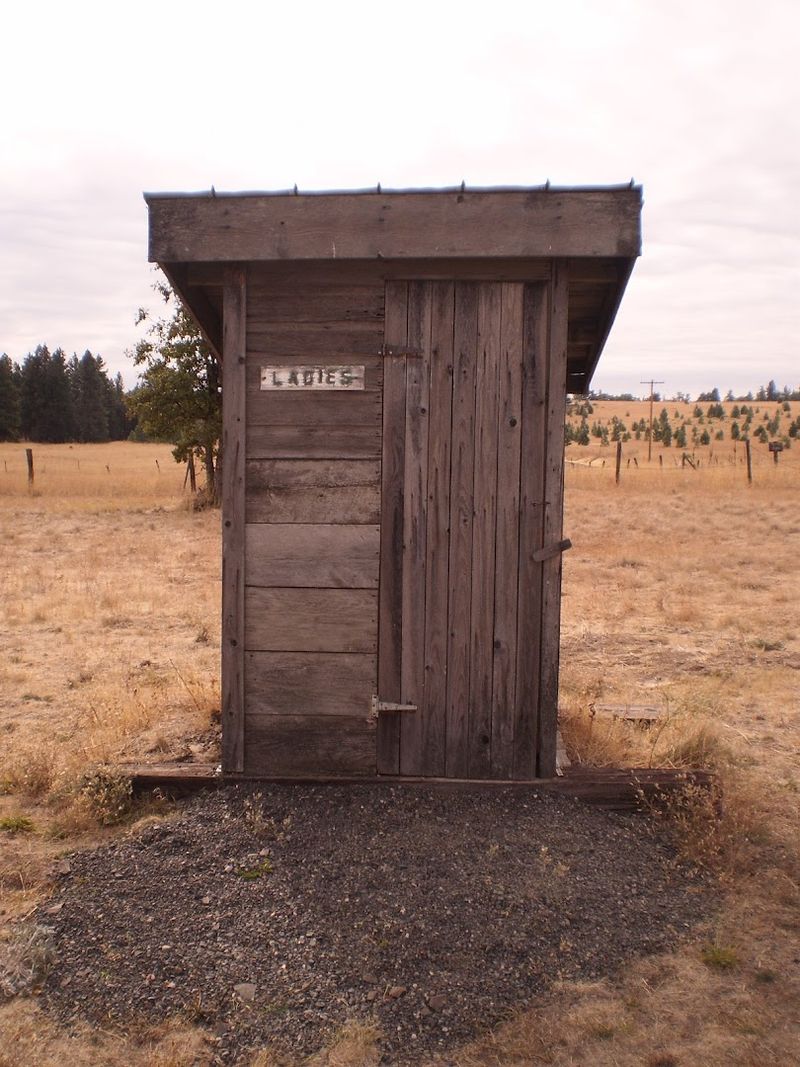
Photographers have been driving down rural Wasco County backroads for years just to capture one particular building: the abandoned Friend schoolhouse, standing completely alone in a sea of wheat. Built in 1915, the little white structure has somehow survived over a century of wind, rain, and neglect, and it looks every bit the part of a classic rural ruin.
The town of Friend itself has almost entirely vanished, which makes the schoolhouse even more striking by contrast. There are no other buildings nearby, no fences, and no signs pointing you toward it.
Finding it feels like a small adventure, and arriving at the scene delivers a genuine visual reward.
Visiting Friend is best done in late spring or early summer when the surrounding wheat fields are green and lush, or in golden late summer when the grain turns amber. Either way, the contrast between the pale weathered wood and the surrounding farmland is simply stunning.
The location is free to visit and sits along a rural road that is easy enough to navigate. Bring a wide-angle lens if you have one, because the sweeping landscape demands it.
This is one of Oregon’s most quietly iconic spots.
Granite, Grant County
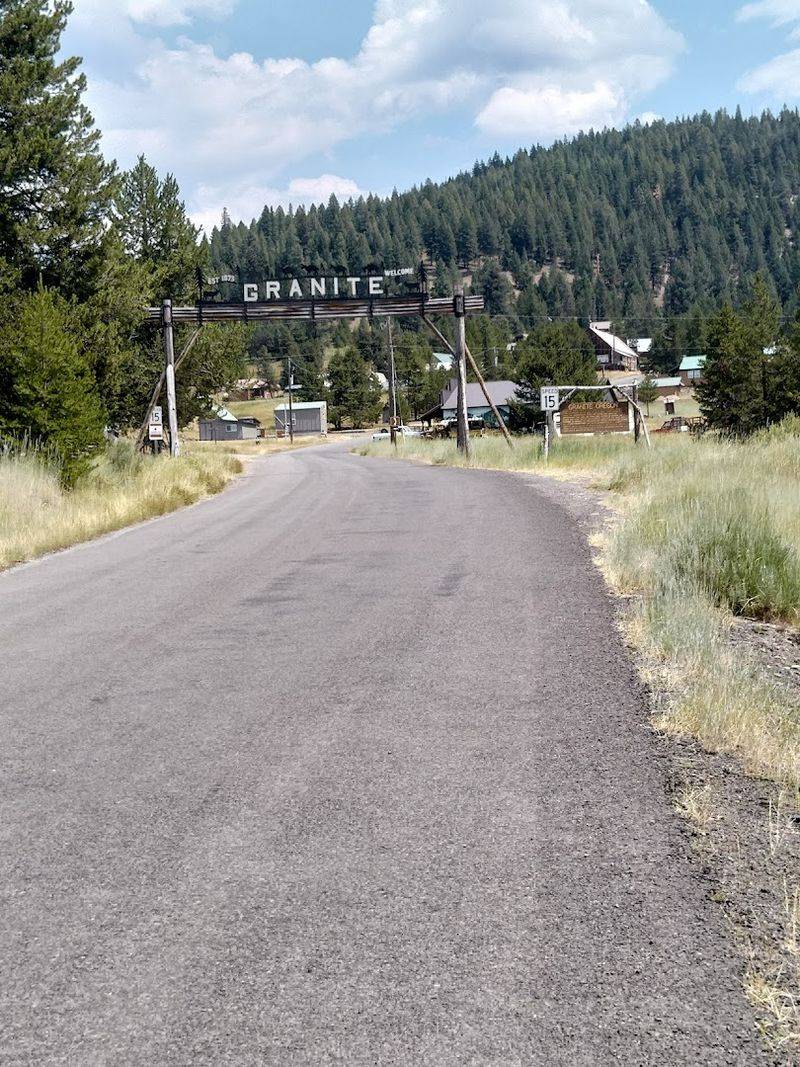
Granite has a secret that most ghost towns do not: a handful of people still actually live there. This small Grant County mountain town never fully emptied out, which means it exists in a fascinating middle ground between ghost town and living community.
Gold mining put Granite on the map in the late 1800s, and the bones of that booming past are still visible everywhere you look.
Old buildings line the quiet streets, mining relics dot the landscape, and the surrounding Blue Mountains provide some of the most beautiful scenery in all of eastern Oregon. The elevation keeps things cool even in summer, making it a refreshing stop during a hot-weather road trip through the region.
Because Granite still has a few residents, visitors should be respectful of private property while exploring. Stick to public areas, keep noise low, and treat the place with the care it deserves.
The drive up to Granite is part of the appeal, winding through gorgeous mountain forest that rewards patient travelers. Fall foliage season turns the surrounding hills into a blaze of color, making October visits particularly memorable.
Granite is proof that a ghost town does not have to be completely empty to be completely captivating.
Cornucopia, Baker County
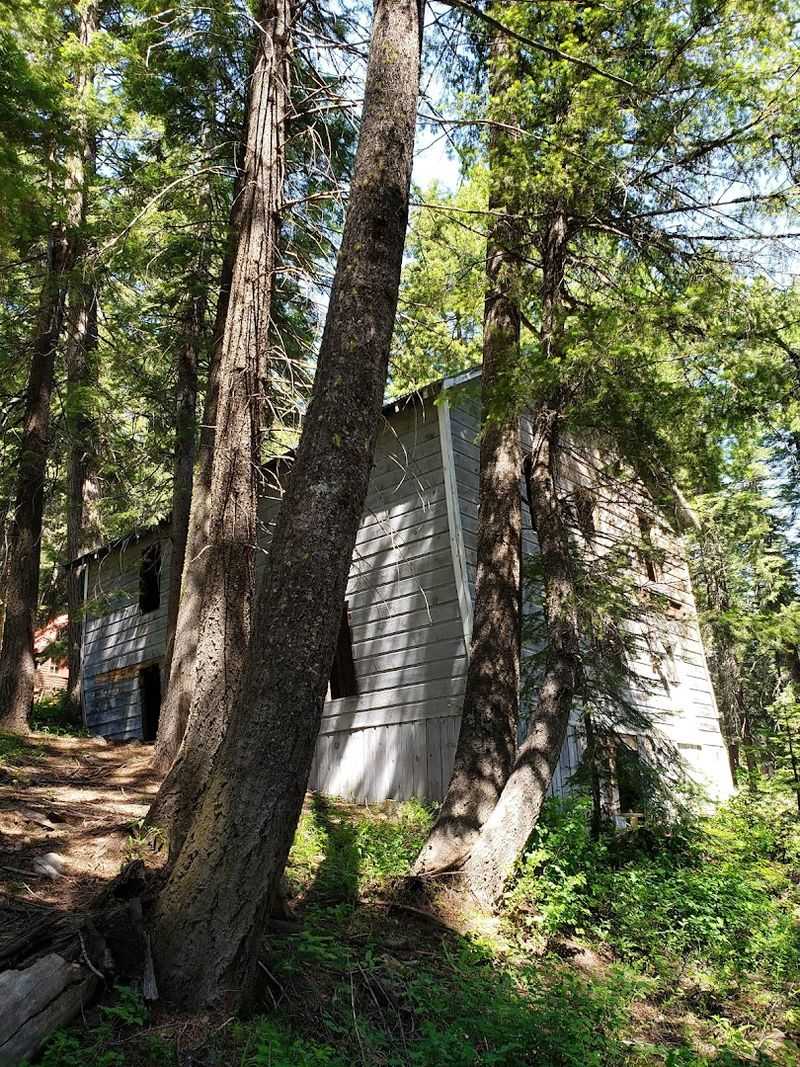
Few ghost towns in Oregon demand as much from a visitor as Cornucopia, and fewer still reward that effort so generously. Perched high in the Wallowa Mountains of Baker County, this former gold-producing powerhouse once ranked among the richest mining districts in the entire state.
The mountains here are serious business, and so is the scenery.
Getting to Cornucopia involves a winding road climb into genuine alpine territory. The ruins scattered across the area include old mill foundations, collapsed structures, and rusted equipment slowly being absorbed by the mountain environment.
Standing among them with the Wallowas rising all around you is a genuinely humbling experience.
Summer is the ideal time to visit because snow can block access well into spring at this elevation. Bring layers regardless of the season because mountain weather shifts quickly and the temperature drops fast once the sun dips behind a ridge.
Hikers will find additional trails nearby that extend the adventure well beyond the ghost town itself. Cornucopia is not the easiest Oregon ghost town to reach, but it absolutely earns its reputation as one of the most rewarding.
The combination of mining history and mountain grandeur here is completely unmatched anywhere else in the state.
Greenhorn, Grant and Baker Counties
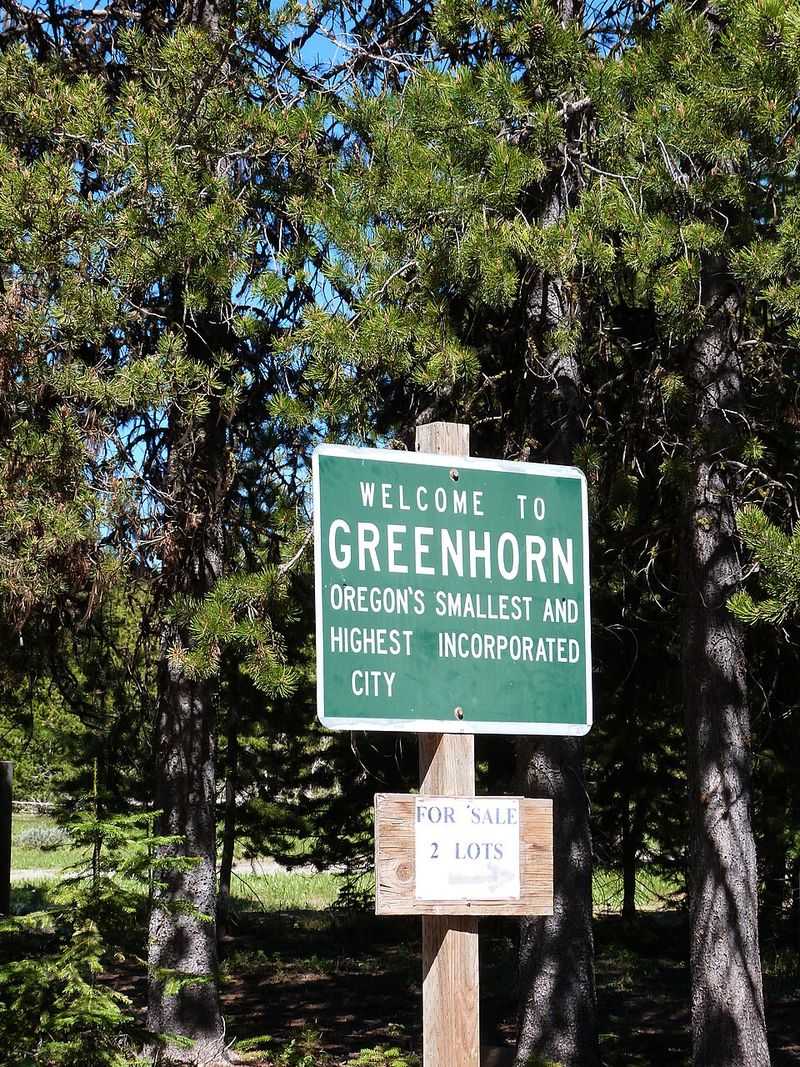
Sitting at more than 6,000 feet above sea level, Greenhorn holds the quirky distinction of being one of the highest incorporated towns in the entire state of Oregon. The thin mountain air and short summers made life here genuinely tough, but gold had a way of convincing people to overlook inconvenience.
Miners flooded in during the boom years, and for a while, Greenhorn was a real town with real ambitions.
The gold eventually ran low, the winters kept coming, and Greenhorn’s population shrank to almost nothing. A few historic buildings still stand, stubborn and weathered, at the edge of a landscape that feels more like wilderness than civilization.
The views from up here are extraordinary, stretching across mountain ridges in every direction.
Visiting Greenhorn requires planning because the access road can be rough and conditions change fast at this elevation. Check road conditions before heading out, and never attempt the drive in questionable weather.
Late summer offers the most reliable access and the most pleasant temperatures. The remoteness of Greenhorn is both its greatest challenge and its greatest appeal.
Travelers who make the effort will find a place so quiet and so far removed from everyday life that the ghost town experience here feels genuinely otherworldly.
Share this story