 Unearth The Voyage
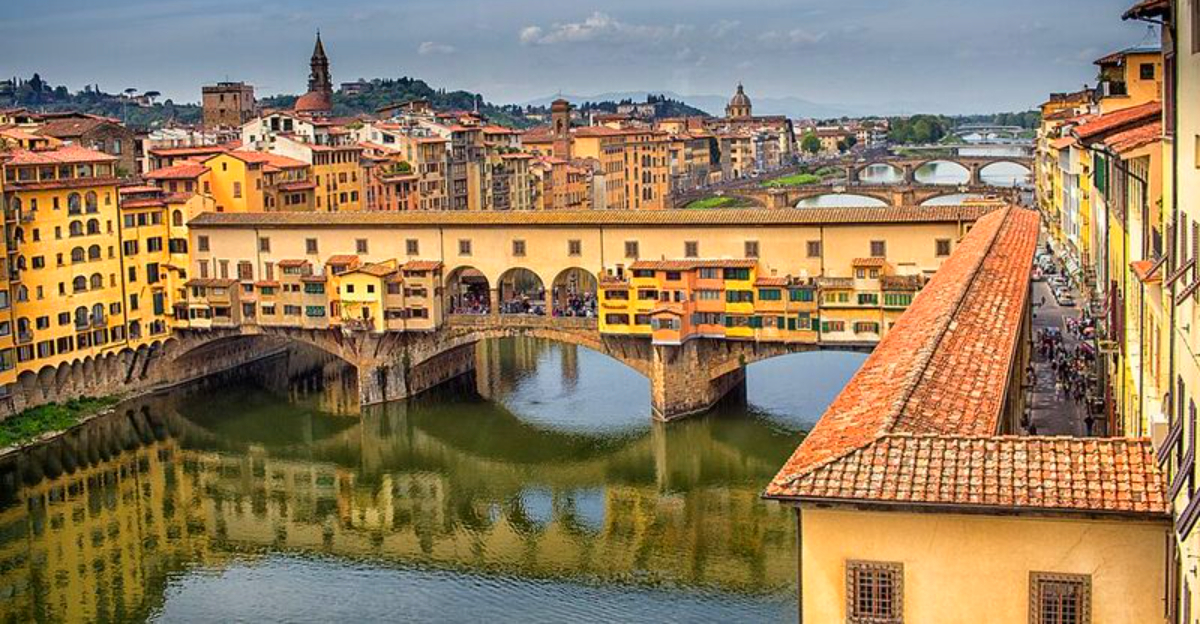
Italy is a country you can taste, touch, and walk through, one layered story at a time. From steaming plates of pasta to echoing amphitheaters, every corner invites you to linger and look closer.
You will find artistry in everyday rituals, from a morning espresso at the bar to an evening passeggiata along centuries old streets. Ready to explore what makes Italy unforgettable, from pasta to ancient ruins and everything between?
Pasta — Italy’s Cornerstone Culinary Icon
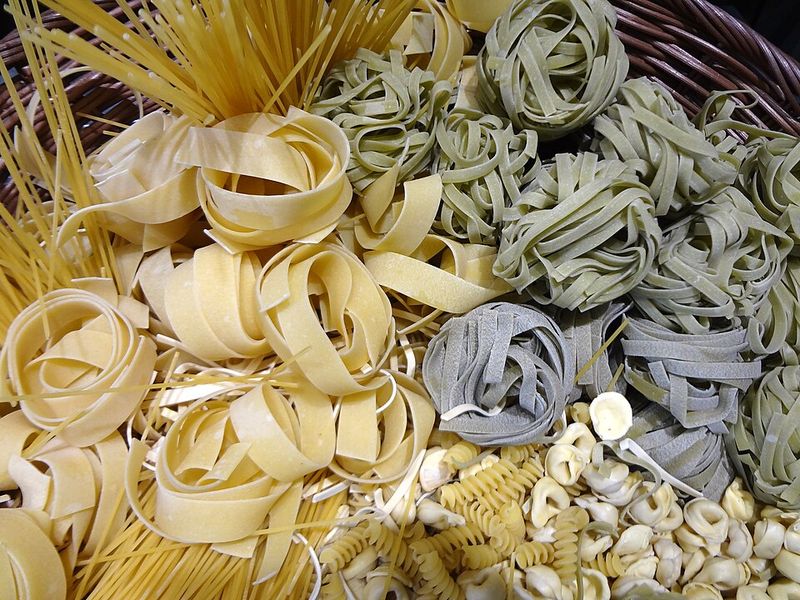
Pasta is Italy’s edible language, spoken in curls, tubes, and ribbons that tell regional stories. You taste sun baked wheat fields in each bite, shaped by hands that learned from generations.
Whether tossed with ragù alla Bolognese or silky carbonara, the dish carries memory, place, and technique.
Ordering pasta in Italy feels like joining a ritual. You notice the al dente bite, the way sauce hugs rather than drowns, and the quiet pause between first forkfuls.
Even the shapes serve purpose, from ridged rigatoni that grips sugo to delicate capellini meant for lightness.
Beyond the plate, pasta anchors family tables and Sunday lunches, a rhythm of boiling water and shared stories. UNESCO’s recognition of Italian culinary tradition honors that bond, not just recipes but community.
When you twirl spaghetti in Rome or break orecchiette in Bari, you participate in living heritage.
Pizza — Naples’ World-Renowned Gift to the Globe
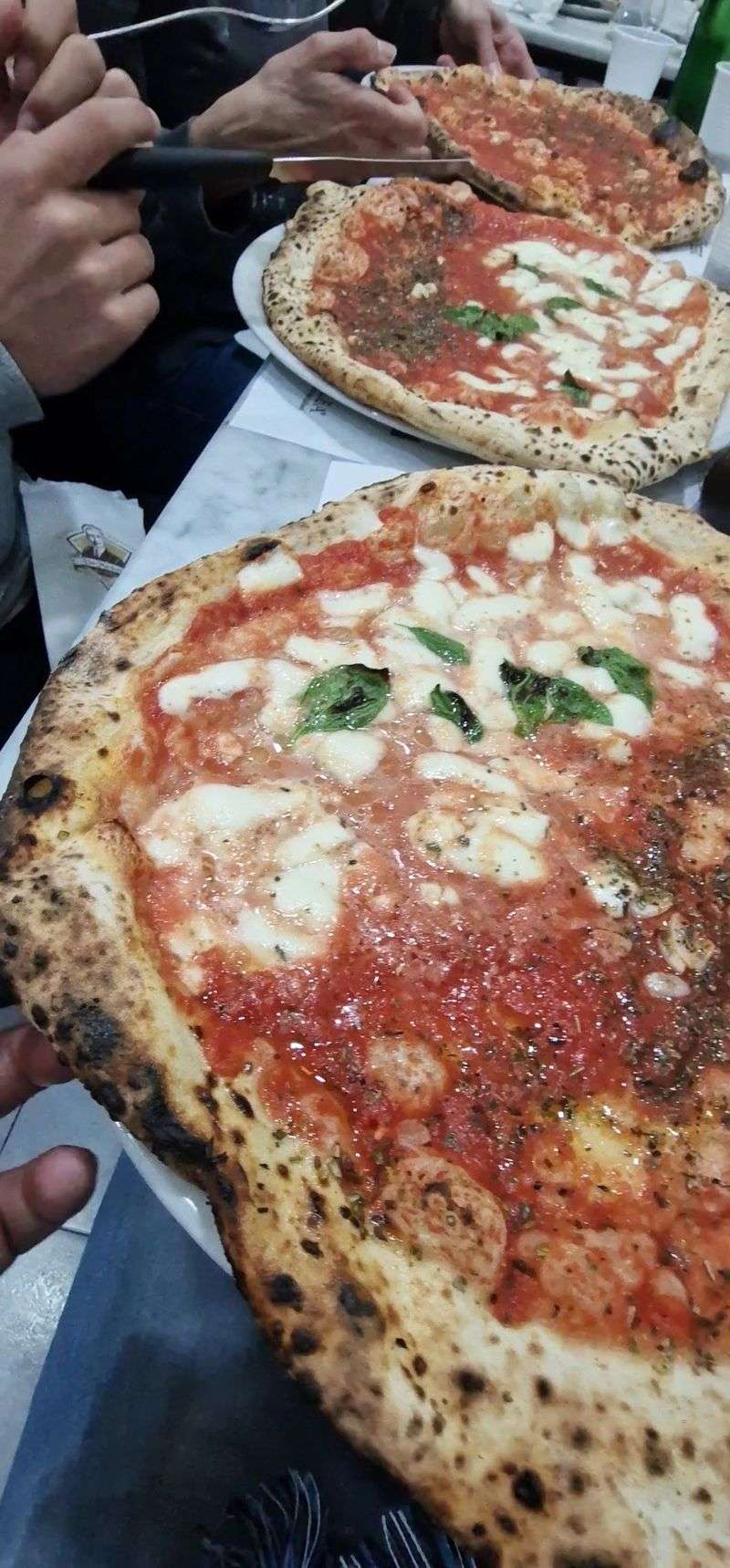
Pizza in Naples is both craft and heartbeat. You watch the pizzaiolo knead, stretch, and launch dough into a roaring wood oven, then count seconds until bubbles char and cheese sighs.
The result is tender, leopard spotted crust with clean, bright flavors.
Neapolitan tradition is exacting yet soulful. San Marzano tomatoes, fior di latte or buffalo mozzarella, and disciplined fermentation give the pie lift and character.
UNESCO recognition honors not just ingredients, but the gestures, songs, and camaraderie surrounding the bench.
Eating pizza here changes your taste map. You fold a slice, breathe the basil, and feel the sea air through the doorway.
In that moment, you get why Naples remains a pilgrimage for pizza lovers and why simplicity, executed perfectly, travels the world.
Ancient Roman Ruins — Walk Through History in Stone
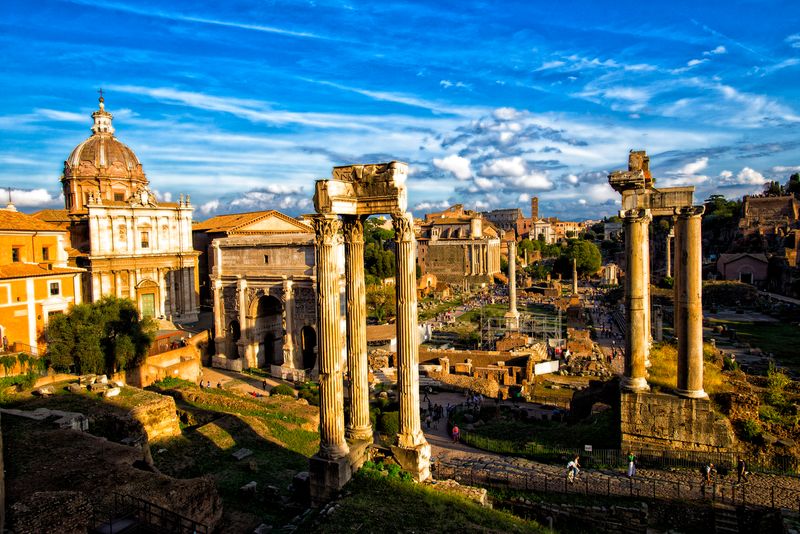
Roman ruins turn history from text into texture. You step onto stones polished by centuries of footsteps and feel time flatten beneath your shoes.
The Colosseum’s ribs arch overhead while the Forum unfurls temples, triumphal arches, and whispers of law and trade.
Pompeii adds intimacy to this scale. Houses preserve frescoes, kitchens, graffiti, and everyday objects that survived under ash.
Walking those streets, you sense ordinary moments embedded in extraordinary loss, a town paused mid breath.
These sites sit under open sky, not sealed away. Sun, wind, and the hum of modern life mingle with antiquity, making each visit immediate.
You are not merely looking at ruins, you are moving through an empire’s blueprint, stone by deliberate stone.
Renaissance Art & Architecture — Florence and Beyond
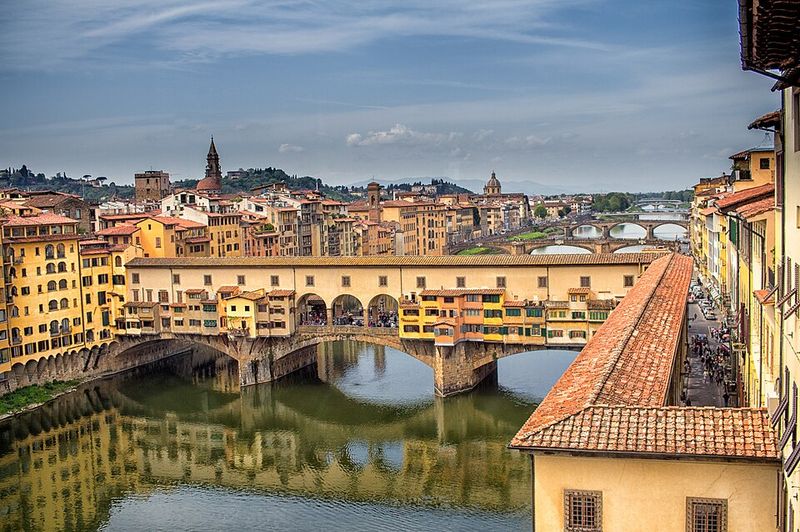
Florence feels like a studio with the ceiling peeled back to sky. You meet Michelangelo’s David, Botticelli’s Venus, and Leonardo’s restless ideas between galleries and streets.
Brunelleschi’s dome rises like a problem solved with beauty and math.
In churches and palazzi, perspective turns flat walls into deep worlds. Frescoes breathe with saints and merchants, geometry and grace aligning.
You trace lines from the Arno outward, where Siena, Urbino, and Venice join the chorus with their own genius.
The Renaissance is more than a period label. It is a way of looking, where curiosity meets craft and faith meets inquiry.
Wandering Florence, you feel that gaze on you, inviting patience, close attention, and the joy of seeing how ideas take form.
Gelato — Italian Ice Cream Elevated to an Art
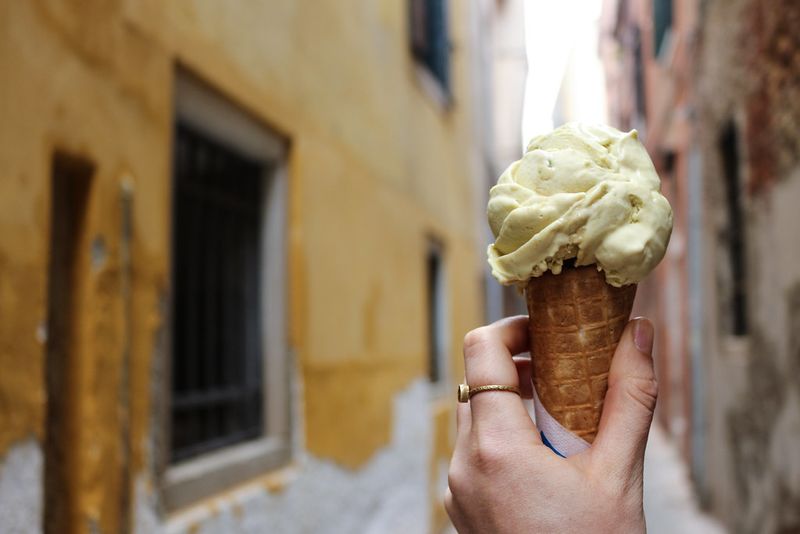
Gelato is a lesson in restraint and intensity. Lower fat, slower churn, and minimal air create dense texture that carries flavor honestly.
You taste pistachio that actually tastes like nuts, not perfume, and fruit that feels freshly crushed.
The best gelaterie keep ingredient lists short and seasons in mind. Pear in autumn, strawberry in May, chocolate always.
You spot natural colors, not neon, and a clean finish that makes you want another lick before it melts.
Enjoying gelato becomes a walking meditation. Cup or cone in hand, you drift along a piazza, watch kids compare drips, and learn to savor quickly.
It is everyday luxury, affordable and unpretentious, the sweetest proof that craft thrives in simplicity.
Wine — From Tuscany to Sicily
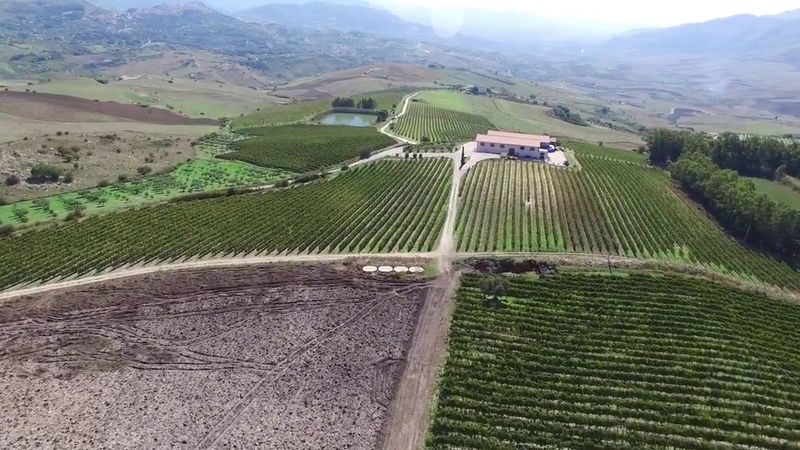
Italian wine is geography you can sip. From Piedmont’s fog kissed Nebbiolo to Sicily’s sunlit Nerello Mascalese, landscapes speak through tannin, acid, and aroma.
You learn place names with your palate, hill by hill and vintage by vintage.
Visits to wineries feel intimate and instructive. A winemaker pours Chianti next to Sangiovese grapes on the vine, then leads you into cool cellars where barrels breathe oak and time.
Prosecco’s sparkle, Barolo’s grip, and Etna’s volcanic edge mark different moods.
Wine in Italy pairs with life, not just meals. A simple table, a loaf, a wedge of pecorino, and a bottle turn into conversation and celebration.
You leave a tasting understanding why terroir matters and why patience, like wine, rewards those who wait.
Espresso & Coffee Culture — From Bar to Morning Ritual
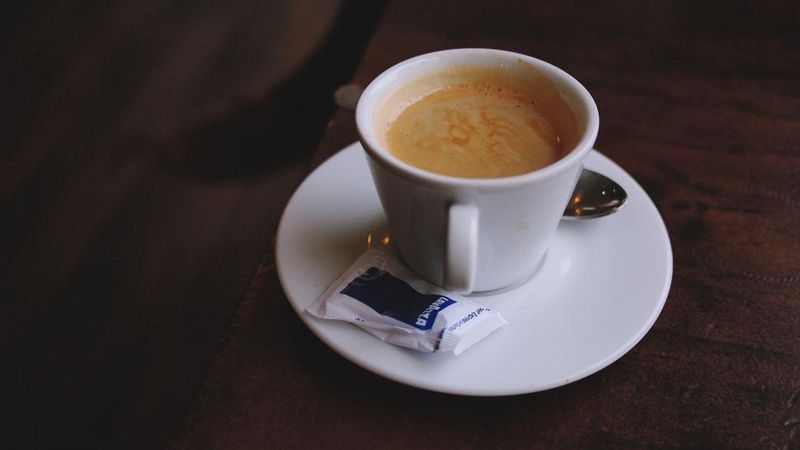
Italian coffee culture is fast yet mindful. You stand at the bar, order a caffè, and drink it hot, strong, and brief.
The crema catches light, the clink of cups keeps tempo, and the day begins.
Menus are concise but expressive. Macchiato for a touch of milk, cappuccino before late morning, and espresso almost anytime.
Prices stay fair, encouraging routine rather than ceremony, and regulars trade greetings with baristi.
What you taste is calibration and pride. Machines gleam, grinders hum, and extraction timing is muscle memory.
In that small porcelain cup rests a national habit, a democratic luxury that makes every morning feel purposeful and connected.
Leather & Fashion — Style With Substance

Italy dresses the world with conviction. Milan sets the calendar, calling editors, buyers, and photographers to watch lines and fabrics move.
Florence whispers craftsmanship, where leather breathes under the hands of people who still cut by feel.
Labels like Prada, Gucci, and Armani become shorthand for sharp tailoring and enduring silhouettes. Yet the soul lives in ateliers and markets where hides age, seams are hammered smooth, and mistakes get unpicked until right.
You sense time stitched into every piece.
Buying Italian leather or fashion feels like joining a lineage. A jacket molds to your shoulders, a bag softens with travel, and shoes carry streets in their soles.
Style here stands on substance, built to last, made to be worn, not worshipped.
Historic Cities — Rome, Venice, and Florence
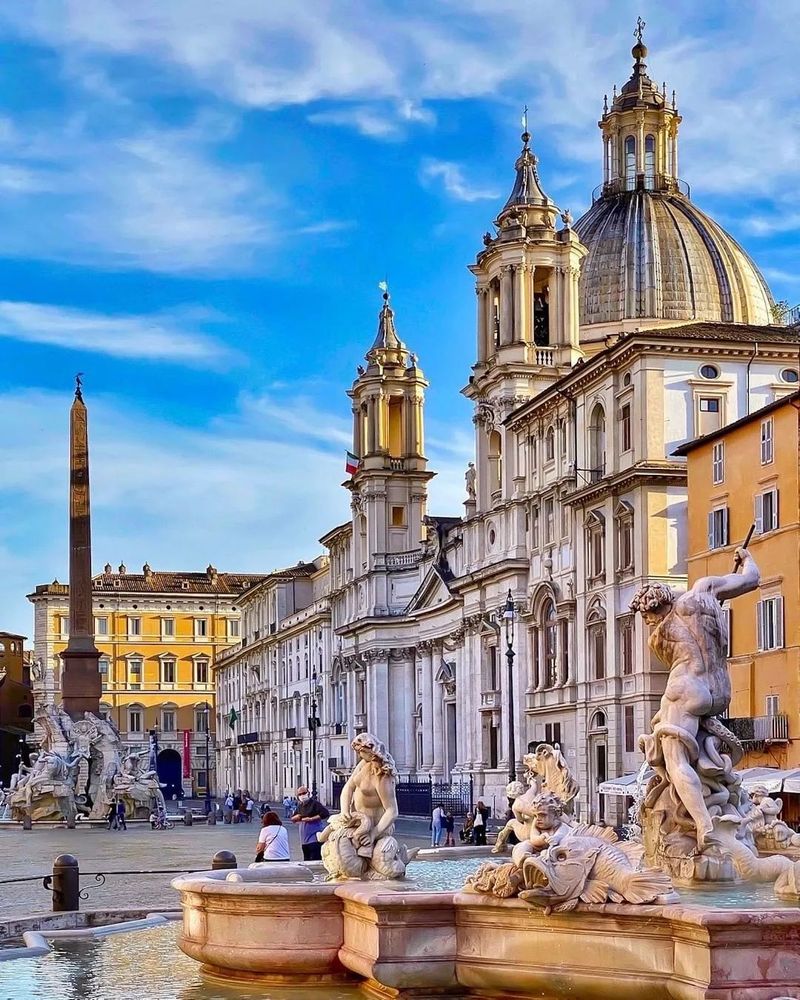
Italy’s great cities read like chapters in a living book. Rome layers empire, papacy, and modern grit, where ruins lean against traffic and trattorie.
Venice floats on light and tide, a city that edits out cars and replaces them with echoes.
Florence concentrates art and study, compact yet inexhaustible. You cross the Ponte Vecchio, browse workshops, and climb to Piazzale Michelangelo for a skyline that explains the Renaissance with one glance.
Each city asks you to slow down and look up.
The magic lies in rhythm. Morning markets, midday church coolness, late afternoon gelato, and blue hour strolls bind days together.
You carry away not just photos but cadences, a pattern of living you want to remember.
UNESCO World Heritage Sites — A Global Leader
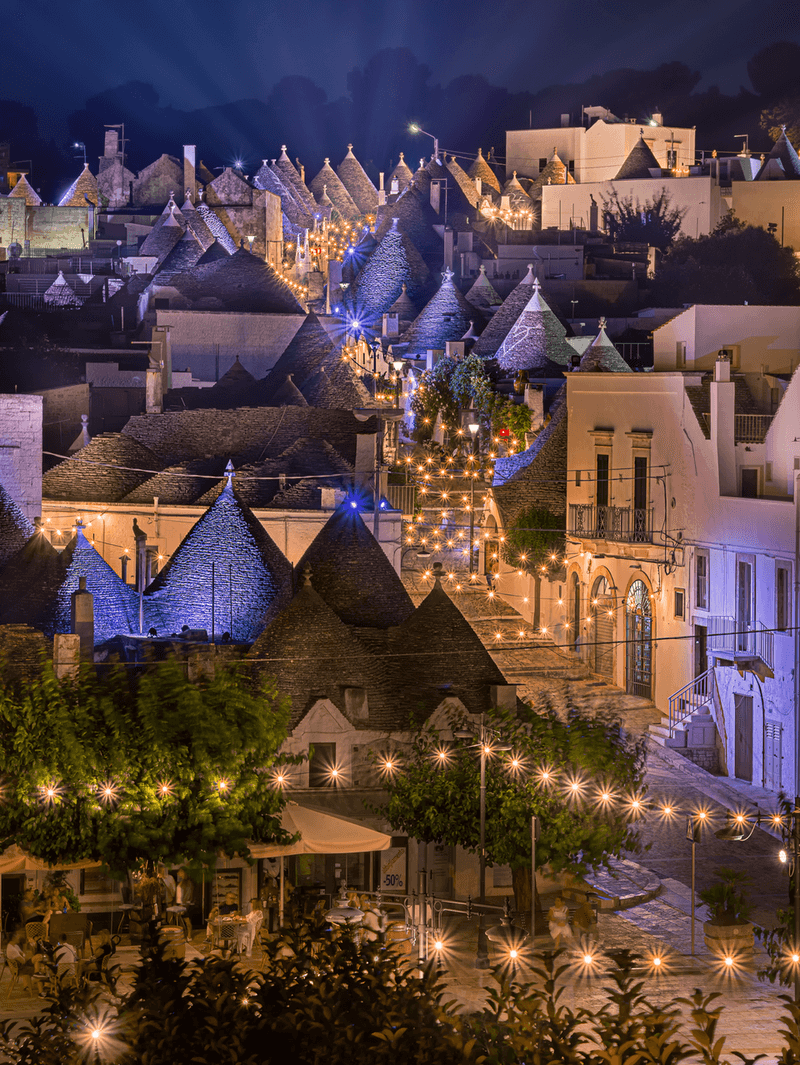
Italy hosts an unmatched constellation of UNESCO sites. Historic centers, ancient ruins, and natural marvels form a network of protected stories.
Visiting them feels like traveling through a curated album of civilization and landscape.
You move from the trulli of Alberobello to the Dolomites, from Verona’s Roman arena to Ravenna’s glittering mosaics. Each listing carries criteria and care, reminding you preservation is deliberate work.
Guides talk about authenticity, integrity, and the balance with tourism.
What you gain is context. UNESCO designations help you prioritize and understand why a place matters beyond postcard beauty.
In Italy, this list becomes a roadmap that links artistry, geology, and human resilience across centuries.
The Leaning Tower of Pisa — Architectural Oddity & Icon
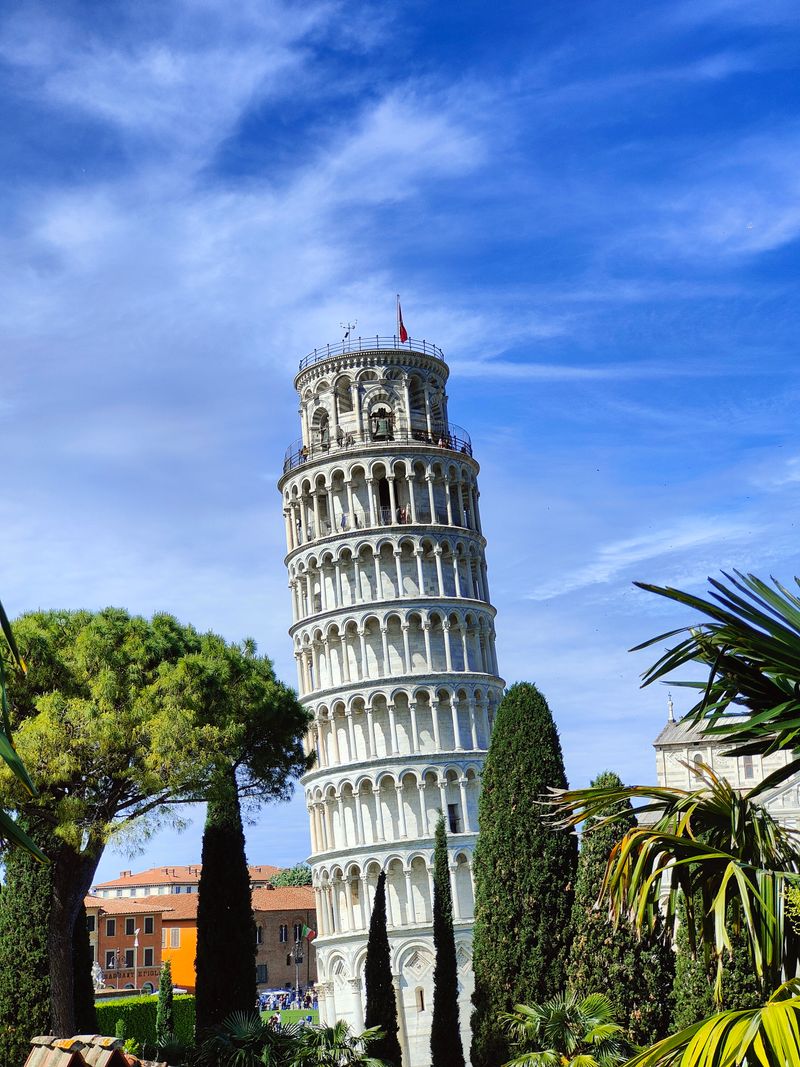
The Leaning Tower of Pisa charms by mistake and persistence. Its tilt began during construction, a problem of soft ground that turned into celebrity.
Standing beneath it, you feel both fragility and endurance in the marble spiral.
The surrounding piazza amplifies the effect. The cathedral and baptistery frame the tower, offering a trio of Romanesque elegance.
You circle the lawn, study columns, and watch the playful choreography of perspective photos.
Climbing the tower tightens the story. Steps curve underfoot, vertigo nudges, and the view rewards with rooftops and river.
The lesson lingers: engineering evolves, humility helps, and flaws can become icons the world travels to admire.
Sassi di Matera — Ancient Cave Dwellings
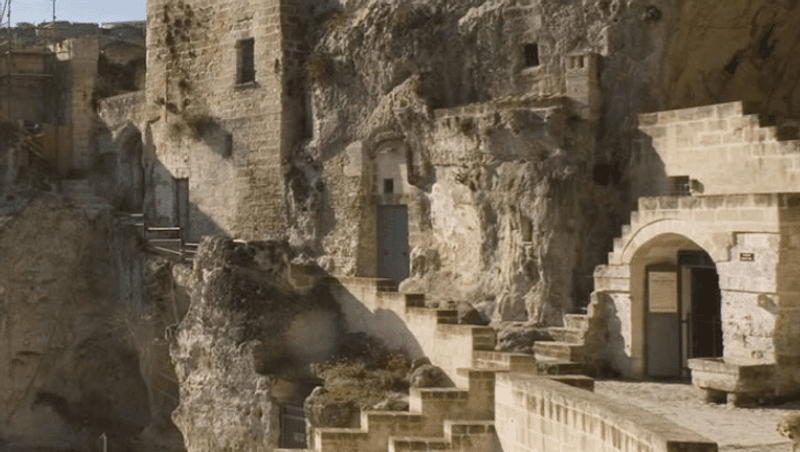
Matera looks like memory carved into rock. The Sassi districts descend in tiers of caves, stairways, and tiny facades that seem grown rather than built.
At dusk, lights flicker and the ravine glows like a theater set.
Walking here slows your breath. Churches hollowed from stone, cisterns, and humble rooms reveal resourcefulness and hardship.
Film crews come for atmosphere, but you come for continuity, a human timeline etched in limestone.
Staying overnight makes the city whisper. You wake to church bells and swallows, then trace paths that locals have trod for centuries.
Matera asks for respect and gives perspective, reminding you that shelter is invention and culture adapts.
Football Fandom — Calcio Passion
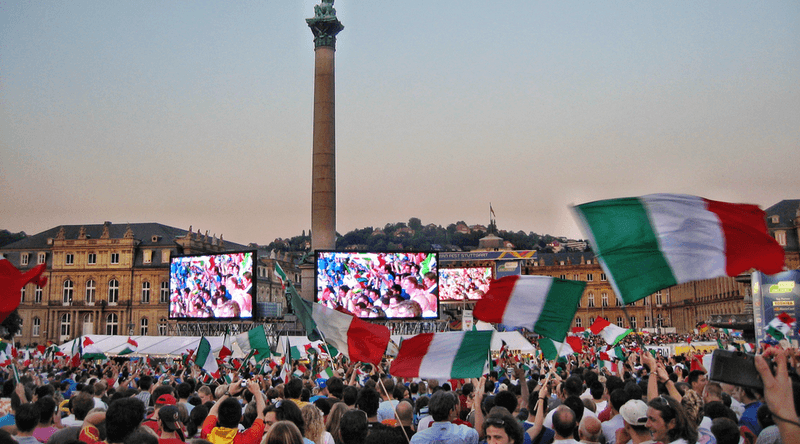
Calcio beats like a national drum. Matchday starts at bars and sidewalks, where scarves knot and predictions fly.
In the stadium, songs rise in waves and banners unfurl into living murals.
Clubs are family identities as much as teams. Derby days redraw city maps, turning streets into rival territories.
You feel belonging in the chants, the gasp at a near miss, and the groan that unites strangers.
Italian football is tactics and theater. Catenaccio lore, daring counterattacks, and star playmakers shape narratives that continue all week.
Follow a club for a season and you will understand a neighborhood, a dialect, and the stubborn joy of loyalty.
Natural Landscapes — Lakes, Coasts & Mountains
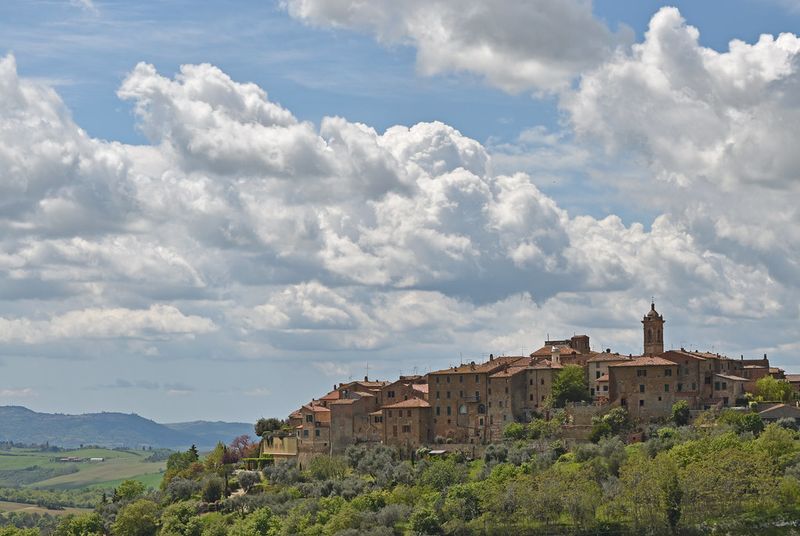
Italy’s outdoors offers drama with variety. The Amalfi Coast pours towns down cliffs into blue water, turning roads into ribbons.
Lake Como slows time, where mountains cradle villas and reflections glide.
In the Dolomites, limestone towers glow pink at sunset. Trails switchback through meadows to rifugi serving hot polenta and views that reset priorities.
You hear cowbells, smell pine, and feel altitude sharpen appetite.
From Sardinia’s hidden coves to Gran Paradiso’s quiet valleys, choices stack up quickly. You can ski, sail, hike, and swim within days of each other.
Nature here feels curated by contrast, inviting you to explore breadth as much as depth.
Dolce Vita Lifestyle — Laid-Back Italian Charm
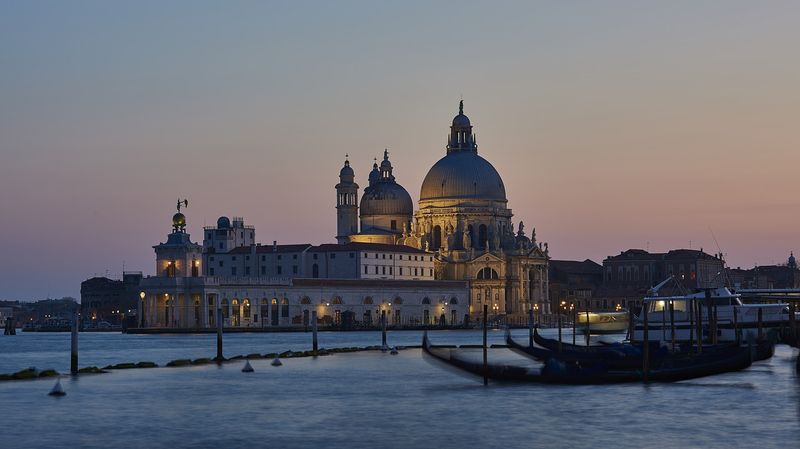
La dolce vita is tempo and attention. You linger over an aperitivo, nibble olives, and watch the light soften on stone.
Conversations stretch, meals breathe, and small pleasures become anchor points.
It is not laziness, but selection. Choosing the scenic route, the seasonal tomato, the extra minute with a friend.
You notice design in everyday objects, beauty in ordinary errands, and humor in delays.
Traveling Italy teaches this rhythm by example. You return home with new defaults, like walking more and eating better.
The sweet life becomes habit, a skill you practice wherever you are.



