 Unearth The Voyage
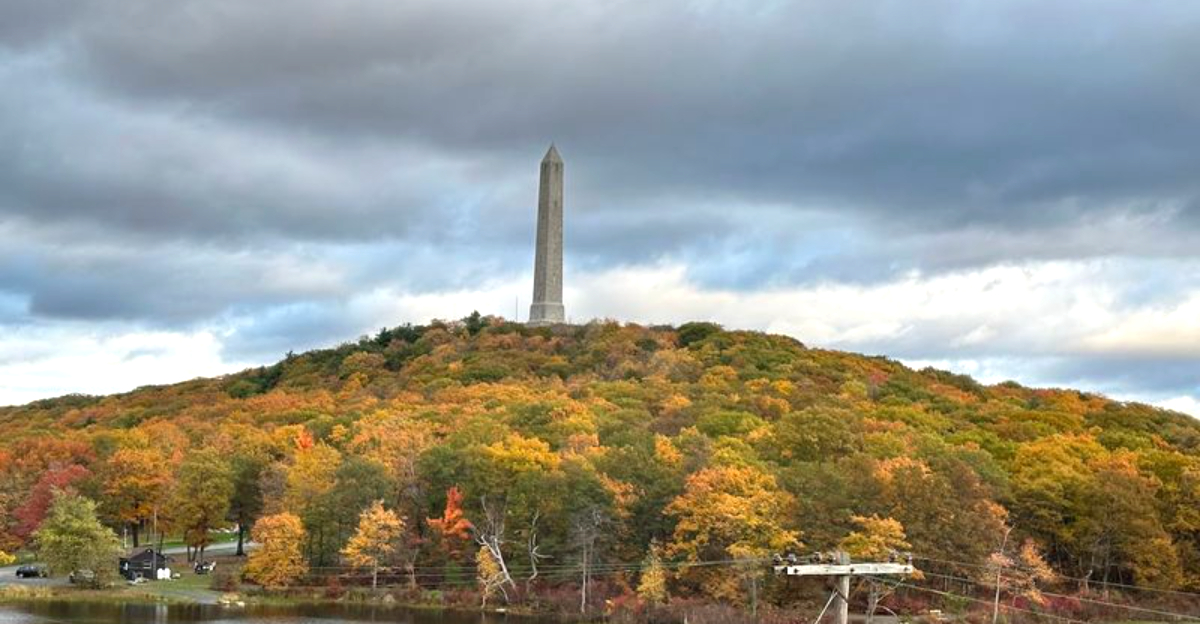
New Jersey might not be the first place that comes to mind when you think of mountain-top views, but the northwestern corner of the state holds a genuine surprise. At 1,803 feet above sea level, the highest point in New Jersey offers a panoramic sweep that stretches across three states on a clear day.
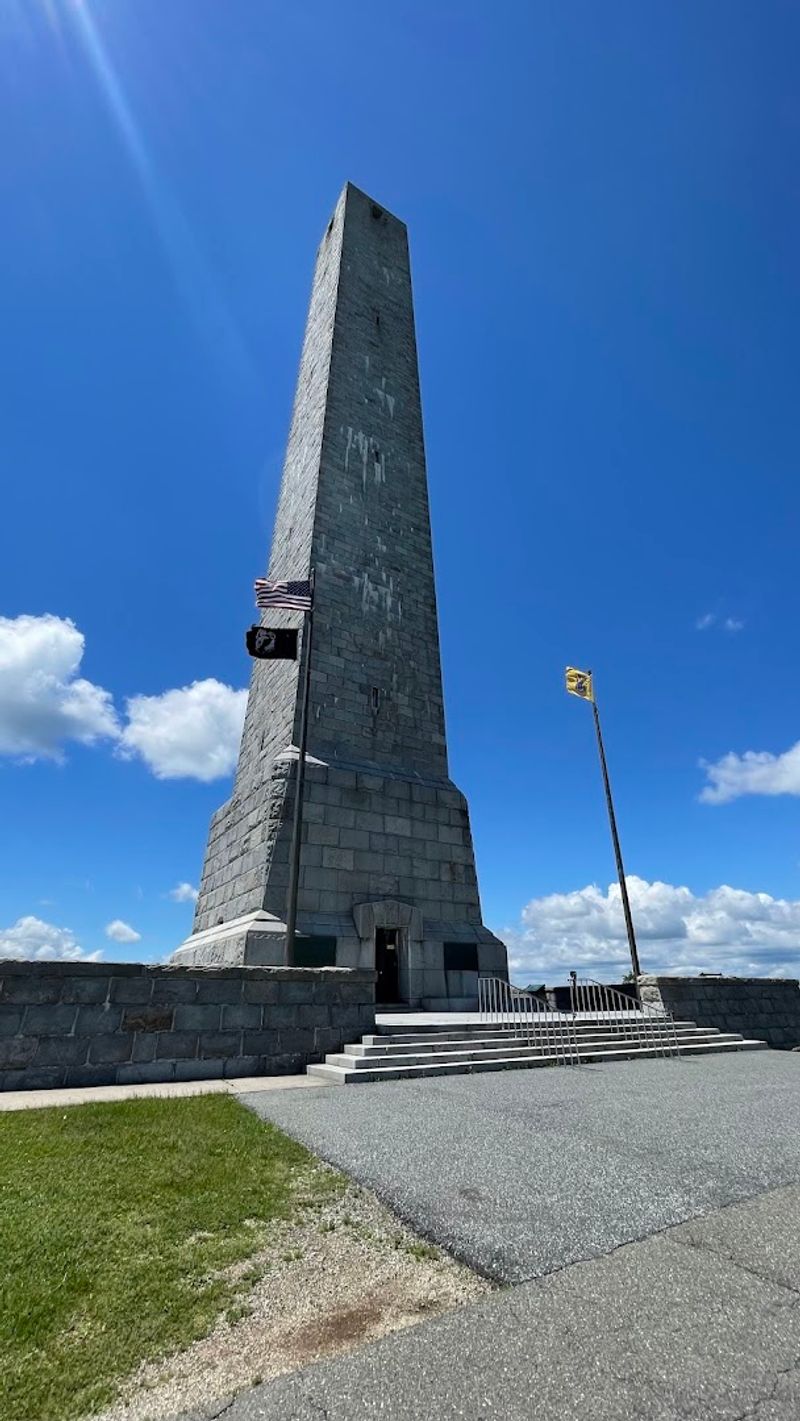
A towering obelisk stands at the very peak, built to honor veterans and visible for miles in every direction. I made the trip out to High Point State Park and came back with a full memory card, tired legs, and a completely new appreciation for what the Garden State is hiding up in Sussex County.
If you have ever doubted that New Jersey can deliver a genuinely dramatic landscape, this is the place that will change your mind for good.
Where Exactly You Are Going
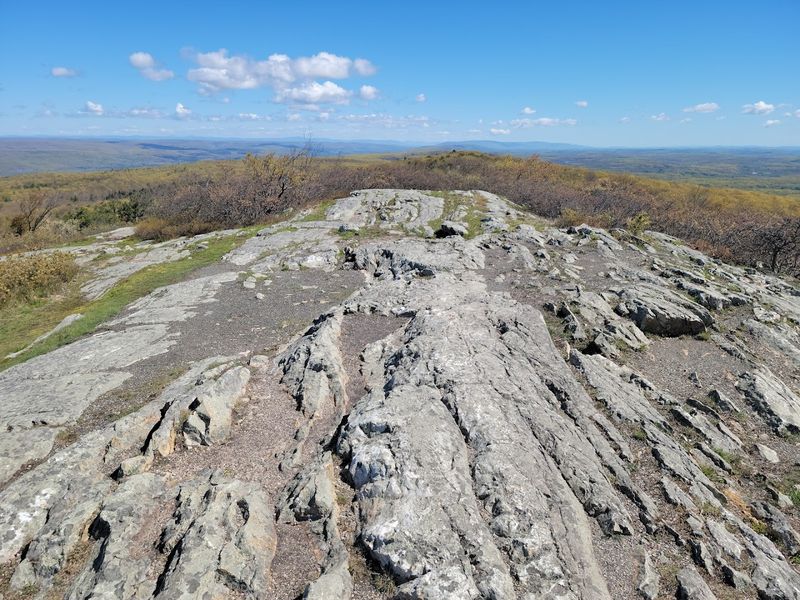
Before anything else, the basics deserve a proper introduction. High Point Monument stands at the summit of Kittatinny Ridge inside High Point State Park, located at High Point Monument, Montague, NJ 07827, in Sussex County in the northwestern corner of New Jersey.
The park sits right along the border where New Jersey, New York, and Pennsylvania converge, which is exactly why the view from the top reaches into three different states. The monument itself is managed by the New Jersey Division of Parks and Forestry, and the official website at njparksandforests.com has updated hours and seasonal schedules.
Getting there is straightforward from most of the tri-state area, and the drive through Sussex County is a pleasant one through rolling hills and farmland. The monument is open Wednesday through Sunday from 8:30 AM to 3:30 PM, and the park is closed on Mondays and Tuesdays, so plan your visit around those hours.
The Story Behind the Obelisk
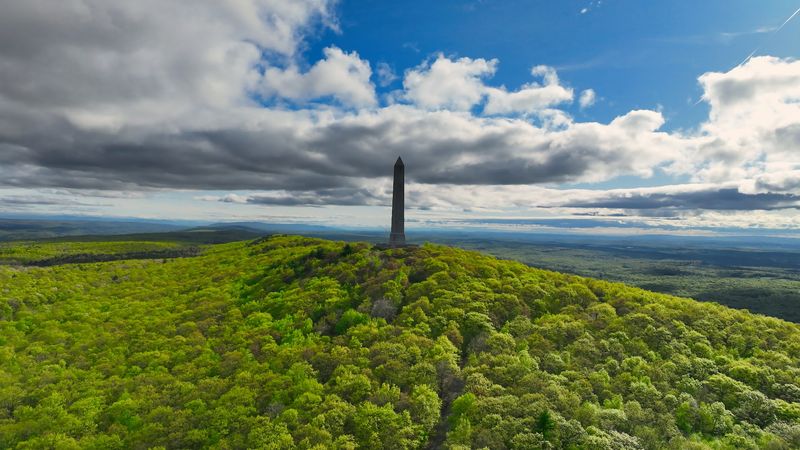
The monument was built as a tribute to New Jersey veterans, honoring those who served in all branches of the military across every conflict, past, present, and future. Construction was completed in 1930, and the structure was funded largely through a donation from Colonel and Mrs. Anthony Kuser, who also donated the surrounding land to the state of New Jersey.
The design draws a clear comparison to the Washington Monument in Washington, D.C., though on a smaller scale. It stands 220 feet tall, and when you add that height to the already elevated summit, the top of the monument sits at roughly 2,023 feet above sea level.
The dedication to veterans gives the site a layer of meaning that goes well beyond the view. Visiting here is not just a hike or a sightseeing stop; it is a chance to stand at a place that was built with genuine civic pride and lasting respect for military service.
The Three-State View That Makes It All Worth It
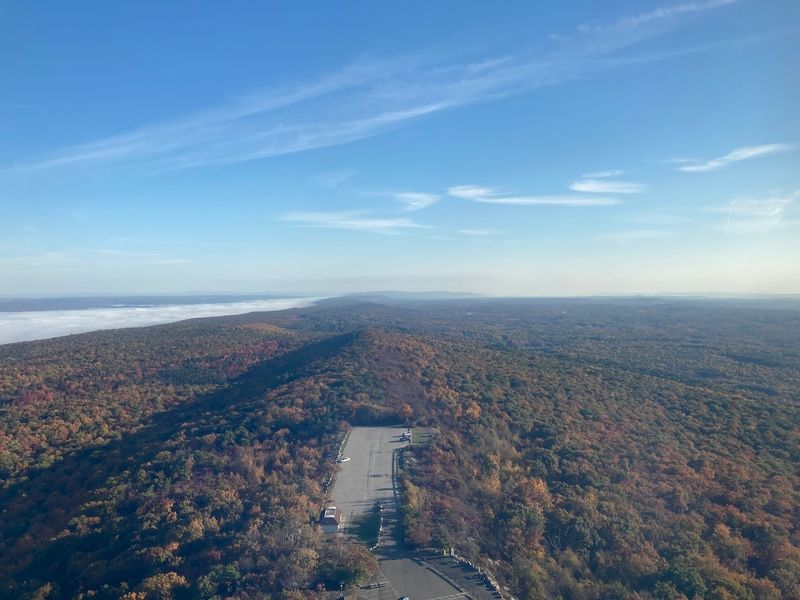
Standing at the base of the monument on a clear day, the landscape opens up in every direction in a way that is genuinely hard to prepare for. To the northeast, the skyline of New York State comes into view.
To the southwest, Pennsylvania farmland rolls out across the horizon. And below and around you, New Jersey stretches out in a wide green sweep.
The full 360-degree view from the monument pedestal is one of the most rewarding payoffs in the entire state park system. On a hazy day the distant details soften, but even then the sheer scale of the landscape is worth the trip.
Photographers tend to linger here longer than they planned, and it is easy to understand why. The combination of elevation, open sky, and that three-state reach makes every direction feel like a different postcard, and no two visits look exactly the same depending on the season or the weather.
Climbing the Monument: What to Expect Inside
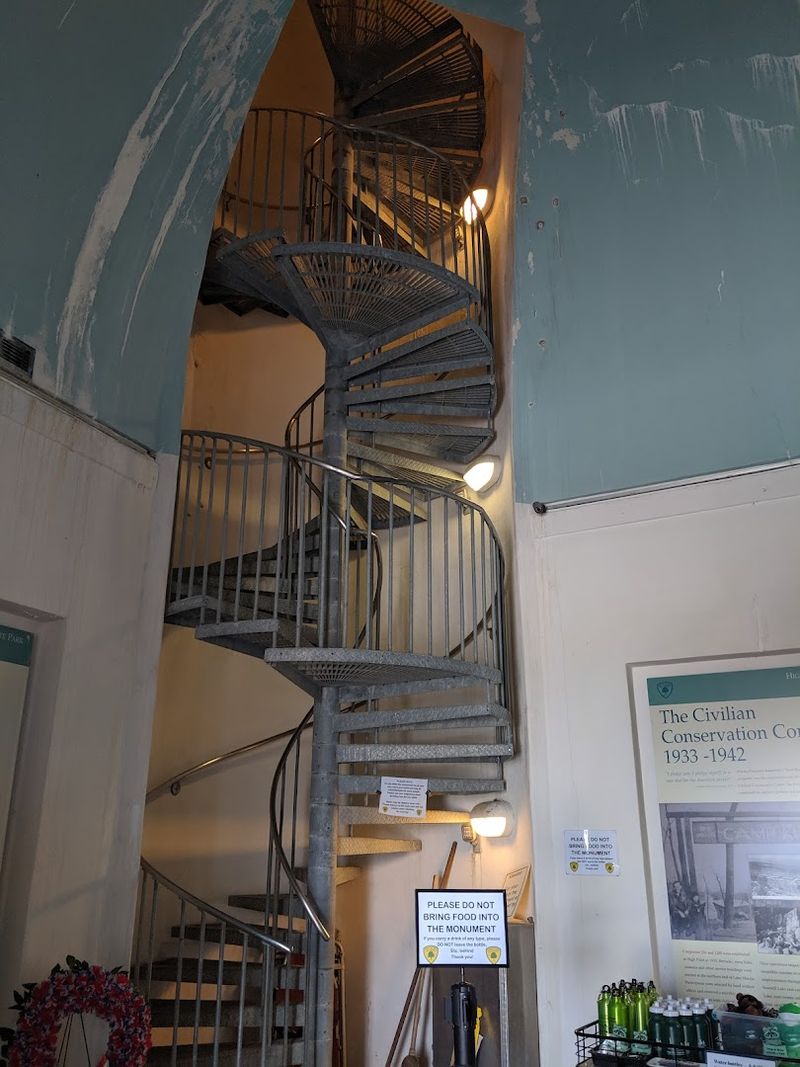
When the monument is open to visitors, you can climb all the way to the top via an internal staircase. The number of steps varies slightly depending on who you ask, with estimates ranging from 241 to 292 steps, but the consistent message from everyone who has done it is that your legs will feel every single one of them.
The staircase is narrow, the ceiling is low in places, and the climb is continuous without any flat resting platforms. Anyone with a strong dislike of enclosed spaces or heights may want to think twice before heading up, but for those who go for it, there is a real sense of accomplishment waiting at the top.
One honest note: the windows at the summit level have been reported to be less than clean due to years of water runoff and weathering, which limits the view from inside. The better payoff is the outdoor observation deck at the base of the obelisk, which delivers the full panoramic experience.
Entry Fees and Park Access
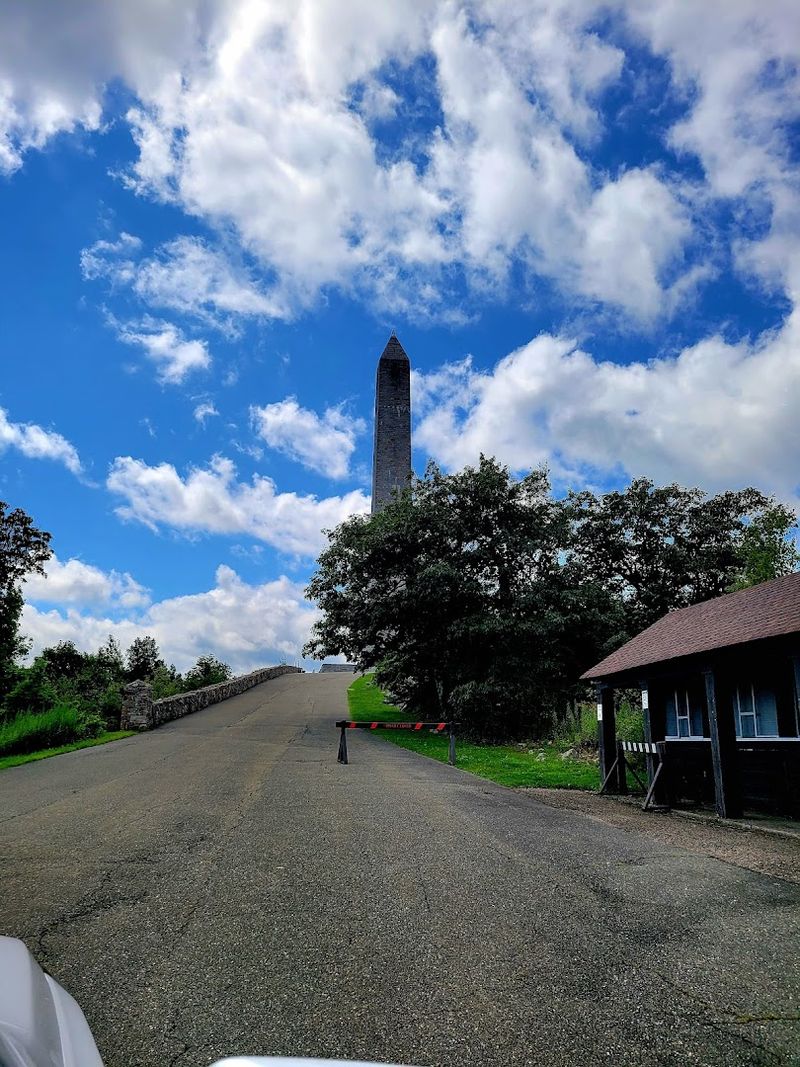
High Point State Park charges an entry fee, and the rate depends on where your vehicle is registered. New Jersey residents pay around $10 per vehicle, while out-of-state visitors pay approximately $20.
These fees are subject to seasonal adjustments, so checking the official park website before your visit is always a smart move.
The fee covers access to the entire park, not just the monument area. That means you get entry to the hiking trails, the lake, the beach area, and the picnic facilities all in one visit, which makes the cost feel very reasonable for a full day out.
The monument itself has a separate consideration when it comes to the climb, since the interior is only accessible during staffed hours. Arriving early in the day gives you the best chance of completing the climb before the 3:30 PM closing time, and it also means you beat the midday crowds that tend to gather around the summit on weekends.
Autumn at the Summit
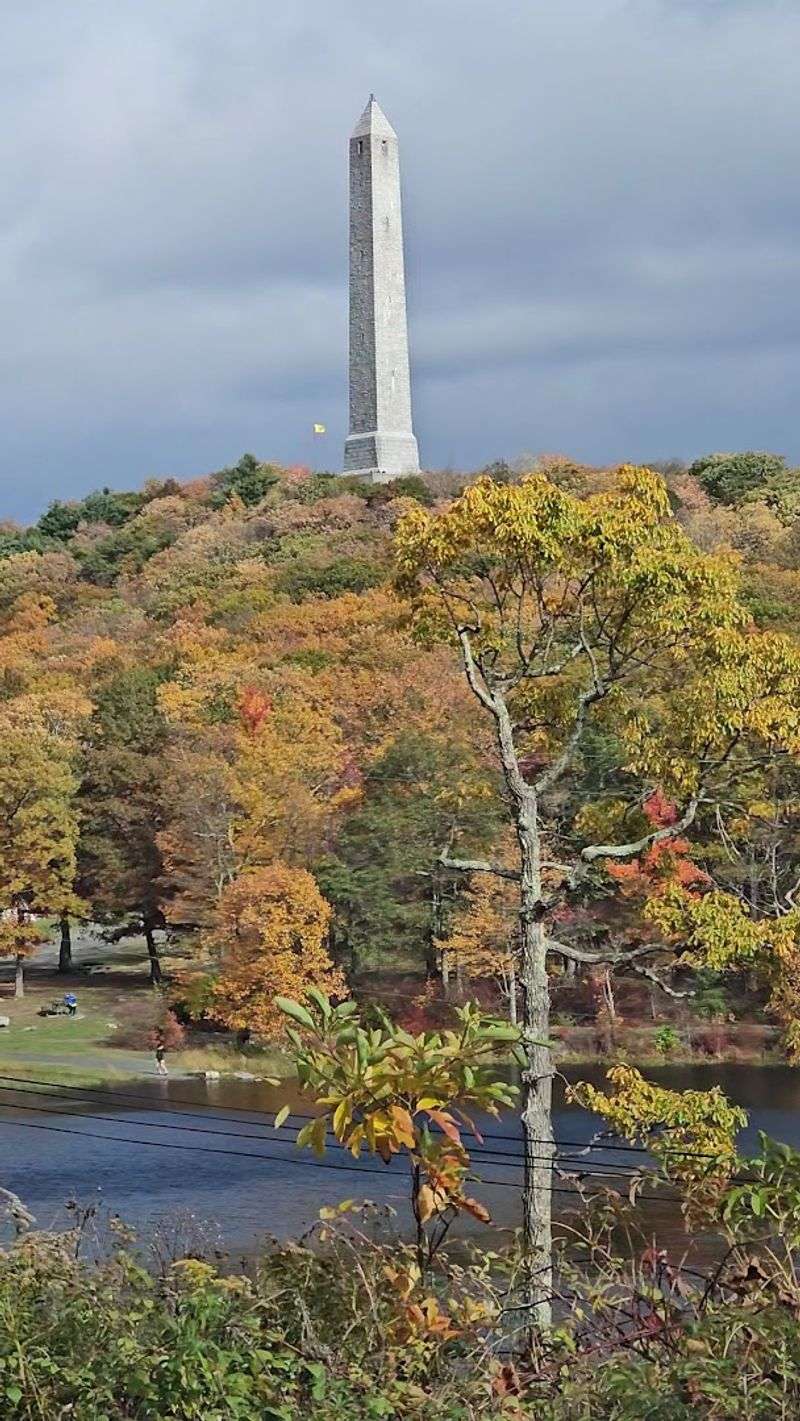
Fall is widely considered the best season to visit, and the reasoning becomes obvious the moment the leaves start turning in October. The ridge sits high enough that the color change happens slightly earlier here than in the valleys below, which means you can catch peak foliage while lower elevations are still mostly green.
The combination of the elevated summit and the surrounding forest creates a view that is layered with color in every direction. Red, orange, and gold fill the hillsides, and the three-state panorama takes on a completely different personality compared to a summer visit.
Early October tends to be the sweet spot for foliage at this elevation, though the exact timing shifts from year to year depending on temperatures. Weekends in October get busy, so arriving right at the 8:30 AM opening gives you a quieter experience and better light for photos before the parking area fills up and the summit gets crowded with fellow leaf-peepers.
Lake Marcia and the Beach Area
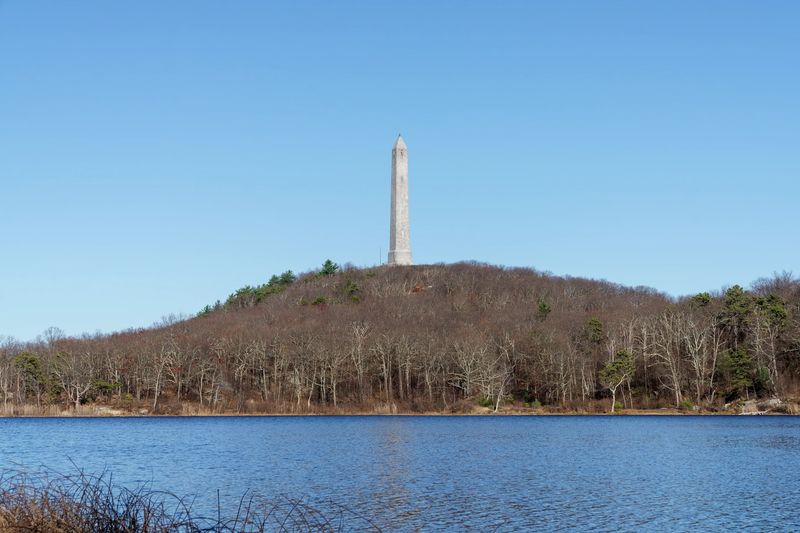
The monument gets most of the attention, but Lake Marcia sits just below the summit and deserves its own mention. The lake has a designated swimming area that operates during the summer season, making it a natural extension of a monument visit for families who want to turn the trip into a full day out.
The water is clear and the setting is quiet, surrounded by the same forested ridgeline that frames the rest of the park. Picnic tables are available near the lake and beach area, so packing a lunch and settling in for a few hours is a completely reasonable plan.
Even outside of swimming season, the lake is worth a short walk down from the monument. The calm water reflects the surrounding trees, and the area around it feels noticeably more peaceful than the busy summit parking lot.
It is the kind of spot that rewards visitors who take a little extra time rather than heading straight back to the car.
Hiking Trails Through the Park
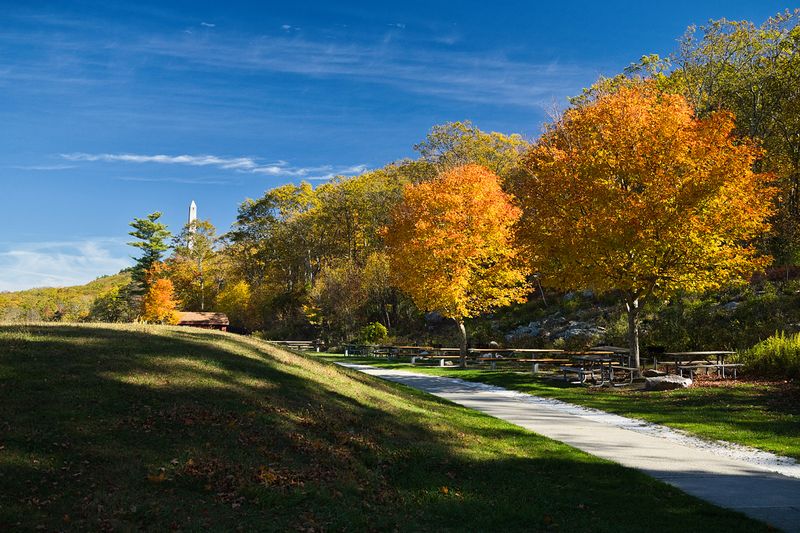
High Point State Park contains a solid network of hiking trails that wind through the surrounding forest and along the Kittatinny Ridge. The Appalachian Trail passes through the park, which means serious hikers can connect to a much larger trail system from right here.
Trail difficulty ranges from easy loop walks to more demanding ridge hikes, so the park works well for a wide range of fitness levels and age groups. Some trails lead to overlooks that offer their own versions of the multi-state view, giving hikers a different perspective from the one at the monument summit.
Trail maps are available at the park office, and the official website also has downloadable versions. The trails are generally well-marked, though conditions can vary by season, particularly in early spring when muddy patches are common after snowmelt.
Wearing proper footwear makes a real difference, and bringing enough water is worth repeating because the ridge elevation means more wind exposure than most people expect.
USGS Survey Markers at the Summit
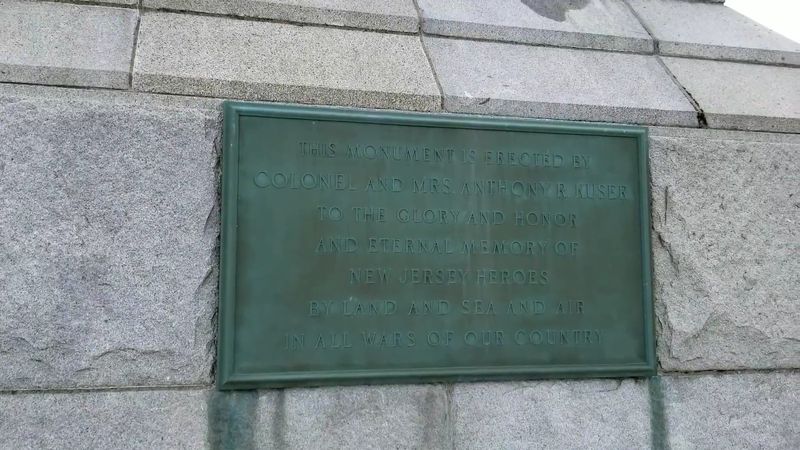
For visitors with a specific interest in surveying history or geographic benchmarks, the summit area around the monument has something extra to offer. There are three USGS geodetic survey markers located in the immediate vicinity of the monument, embedded in the rock at the highest point in the state.
These small metal discs are placed by the United States Geological Survey to mark precise geographic positions and elevations. They are used as reference points for mapping, construction, and scientific measurement, and they have been in place for decades.
Finding them requires a bit of looking around, but they are not hidden. The markers sit flush with the ground or rock surface near the monument base, and they are clearly stamped with USGS identification information.
For anyone who enjoys collecting benchmark finds or simply appreciates the intersection of history and science, these three markers add a genuinely interesting layer to what is already a rewarding summit visit. It is a small detail that most visitors walk right past without noticing.
Picnic Areas and Facilities on Site
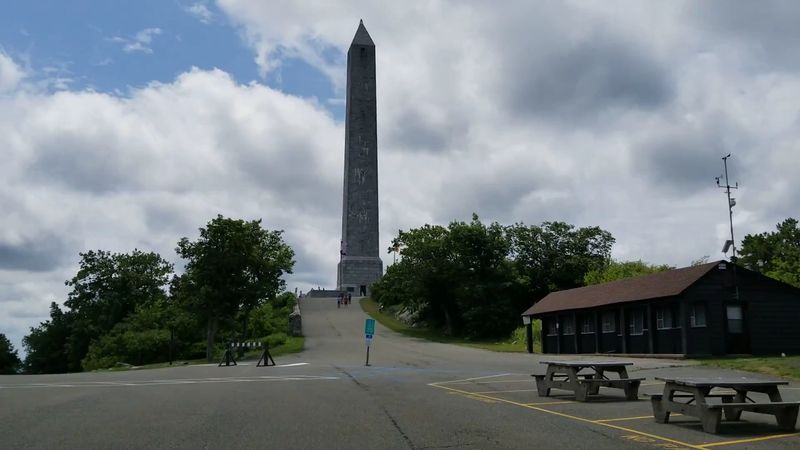
High Point State Park is well set up for a full day visit rather than a quick stop. Picnic tables are scattered throughout the park in several locations, including near the monument, along the road down toward the lake, and in more wooded areas that offer shade and a quieter atmosphere.
Restroom facilities are available at the park, though some visitors have noted that the bathrooms near the monument are basic. The facilities are clean and functional, which is the main thing that matters on a day hike, even if the amenities are not elaborate.
There is also a cross-country ski lodge within the park that serves visitors in the winter season, adding another dimension to what the park offers across the year. Bringing your own food and spending a few hours exploring the different picnic spots and overlooks turns a monument visit into a full outdoor day, and the park is well worth the extra time rather than treating it as a quick photo stop.
Best Times to Visit and Practical Tips
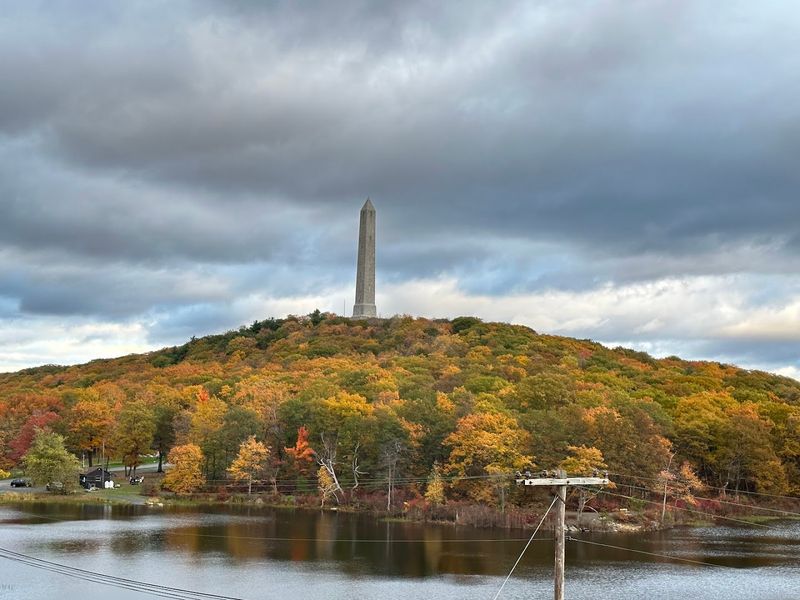
The monument is open Wednesday through Sunday from 8:30 AM to 3:30 PM, with the last entry for climbing typically around 3:30 PM. Monday and Tuesday closures catch some visitors off guard, so confirming the schedule before making the drive is a good habit, especially since seasonal closures also apply in the colder months.
Spring and summer bring lush green surroundings and the swimming lake, while fall delivers the foliage show. Winter visits are possible for the grounds and views even when the monument interior is closed, and the park does offer cross-country skiing when conditions allow.
Wind at the summit is stronger than most people expect, even on warm days. A light jacket is worth throwing in the bag regardless of the forecast.
Arriving at or shortly after the 8:30 AM opening on weekends gives you the quietest experience and the clearest light for photography before the summit parking area gets full and the pace of the place shifts from peaceful to busy.
Why This Place Sticks With You After You Leave
There is a particular kind of satisfaction that comes from standing at the highest point in your state and realizing it is better than you expected. High Point Monument delivers that feeling reliably, and the combination of the veterans memorial, the three-state view, the lake, and the trails makes it a place with real depth rather than a one-angle attraction.
The monument has a 4.8-star rating from hundreds of visitors, which reflects how consistently the place delivers on its promise. People drive from Pennsylvania, New York, and well beyond just to catch a clear-day view from the summit, and many of them make the trip more than once.
A visit here is the kind of thing that quietly earns a permanent spot in your rotation of favorite day trips. The view does not get old, the park keeps rewarding exploration, and the monument itself carries enough history and meaning to make standing at the top feel like more than just another overlook on a road trip map.



