 Unearth The Voyage
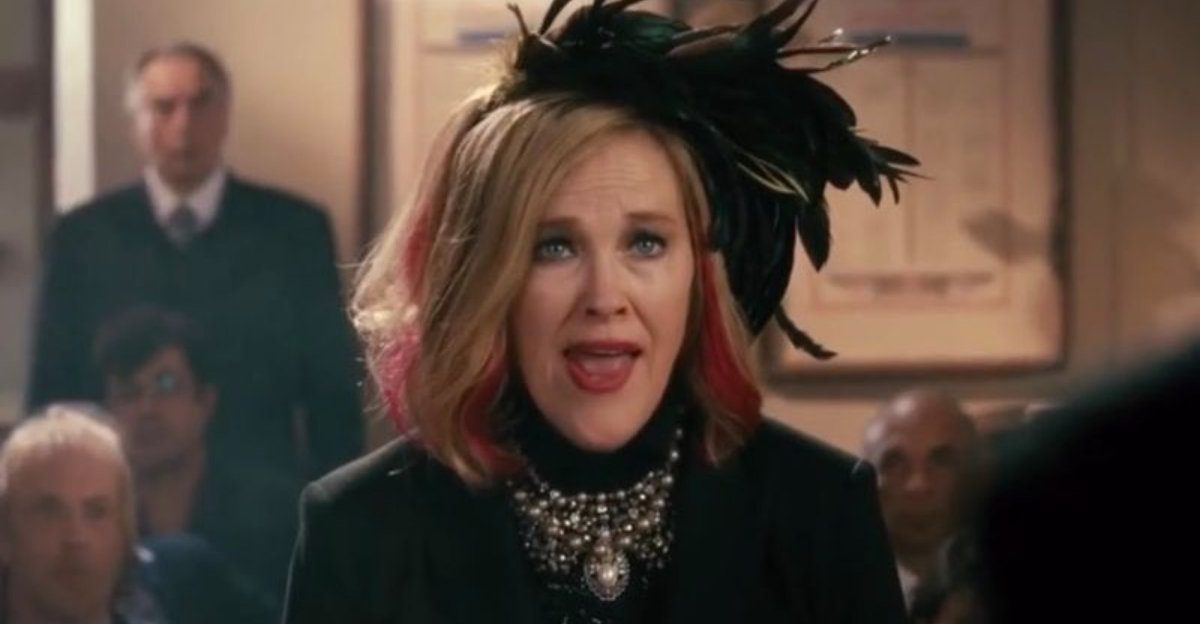
Catherine O’Hara turned Moira Rose into a cultural touchstone, blending high-camp glamour with genuine heart. If you love unforgettable characters, razor-sharp writing, and those quotable lines that live rent-free in your head, this story is for you.
You will find the craft behind the accent, the wigs, and the timing that made Moira impossible to ignore. Keep reading to see how a lifetime in comedy culminated in a role that still shimmers on screen.
Catherine O’Hara’s Role as Moira Rose Became Legendary

Moira Rose arrived like a hurricane in pearls, and Catherine O’Hara made that entrance feel both outrageous and inevitable. You watched a fallen soap star navigate a tiny town with operatic conviction, every syllable dipped in theatrical varnish.
Yet beneath the couture armor, O’Hara revealed a vulnerable woman learning to love a simpler life without losing her signature extravagance.
The alchemy worked because O’Hara calibrated scale and sincerity. One moment, Moira would loft a baroque insult, and the next, she delivered a tremulous confession about fear and reinvention.
That pivot made the laughter richer, and gave the show a beating heart that you could recognize in your own missteps and recoveries.
Across seasons, Moira grew into a mother and neighbor who could still command a room, but now invited it in. O’Hara never softened the edges; she gave them purpose.
The result was a character who felt iconic and human at once, a performance that transcended sitcom rhythms to become television lore.
O’Hara Crafted Moira’s Distinct Wardrobe and Wigs
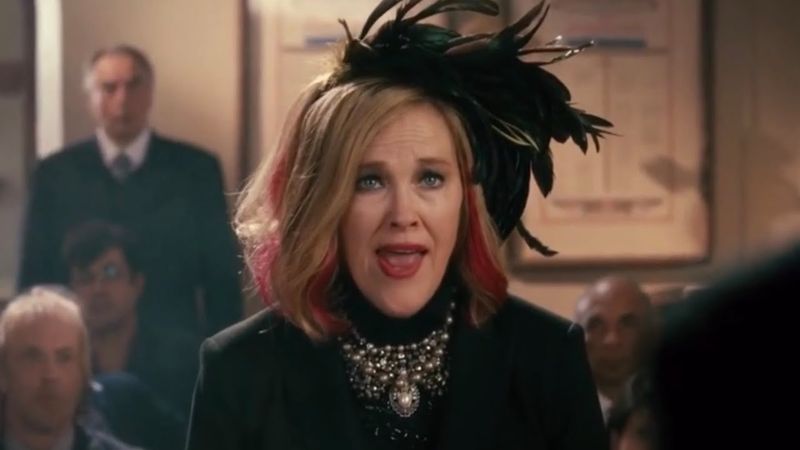
From the first appearance, Moira’s clothes told a story, and Catherine O’Hara insisted they speak loudly. You can read each outfit like a diary entry: sculptural silhouettes for defense, monochrome severity for control, metallics for triumph.
The wigs were not props but emotional instruments, dialed to match plot beats and private storms.
O’Hara collaborated closely with the costume team, fusing runway severity with small-town dissonance. That contrast created visual comedy before a line was delivered, and it deepened character when the punchline landed.
You felt the discipline behind the drama, a performer showing how style becomes psychology, and how a wig change can cue a new chapter.
Because the choices were intentional, the wardrobe never felt like gimmickry. It was dramaturgy in fabric and hair, a moving gallery of Moira’s self-protection and aspiration.
The lookbook lives on because it captured a truth: dress not to hide, but to declare who you are becoming.
Moira’s Accent Was a Deliberate Creation
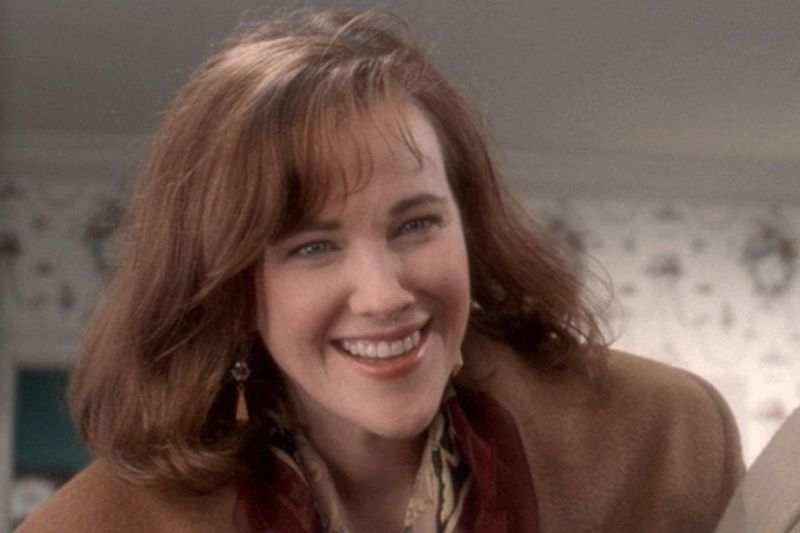
That voice is a passport to Moira’s inner nation, and Catherine O’Hara stamped it with intention. You hear vintage cinema, boarding school elocution, and a soap star’s muscle memory colliding in every vowel.
It is not regional; it is aspirational, a performance of elegance maintained under pressure.
The accent draws laughs because it is precise and unexpected, but it also signals how Moira resists surrendering identity. In small-town kitchens, she still speaks as if to a crystal ballroom.
You notice the humor, then notice the ache, as O’Hara shades consonants to reveal nerves and pride.
Over time, the cadence loosens in family scenes, letting warmth slip between syllables. The evolution is slight, and therefore believable.
That is O’Hara’s craft: a voice that is a mask, and a mask that occasionally smiles with genuine affection.
O’Hara Started in Improvisational Comedy
Before Schitt’s Creek, Catherine O’Hara trained where quick decisions meet live audiences. You can feel the SCTV lineage in her timing, the way she finds a left turn just when a joke seems settled.
Improvisation taught her to listen, commit, and escalate, gifts that power Moira’s whiplash wit.
On set, that background meant choices arrived sharp and flexible. A gesture could become a running bit, a pause could balloon into a laugh, a mispronunciation might bloom into character lore.
O’Hara builds from tiny discoveries, trusting that truth and absurdity can share the same breath.
The legacy of improv is confidence without arrogance: you go big, then refine. That is how Moira feels spontaneous while remaining controlled.
The performance hums with risk, and that risk keeps you leaning forward, waiting for the next dazzling swerve.
She Nearly Joined Saturday Night Live
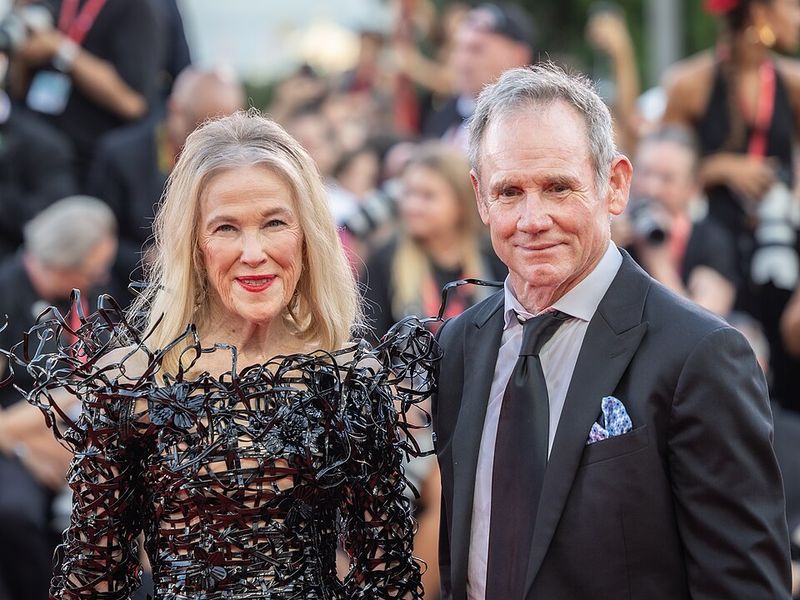
The road to Moira included a near detour through Saturday Night Live. Catherine O’Hara briefly joined the roster, then stepped away when SCTV revived, a pivot that preserved her place in Canadian sketch history.
You can imagine the alternate timeline, but her choice sharpened the path that led to Schitt’s Creek.
That near-miss underscores how careers hinge on timing and loyalty. O’Hara carried SCTV’s collaborative ethos into every later ensemble, valuing chemistry over spotlight.
The lesson is clear: sometimes the right stage is the one that lets you build, not merely appear.
In Moira, you see the dividends of that decision. The character is engineered for ensemble interplay, blooming beside scene partners rather than eclipsing them.
It is a reminder that momentum is not always linear; it is crafted by the rooms you choose to fill.
The Role Earned Her Major Awards
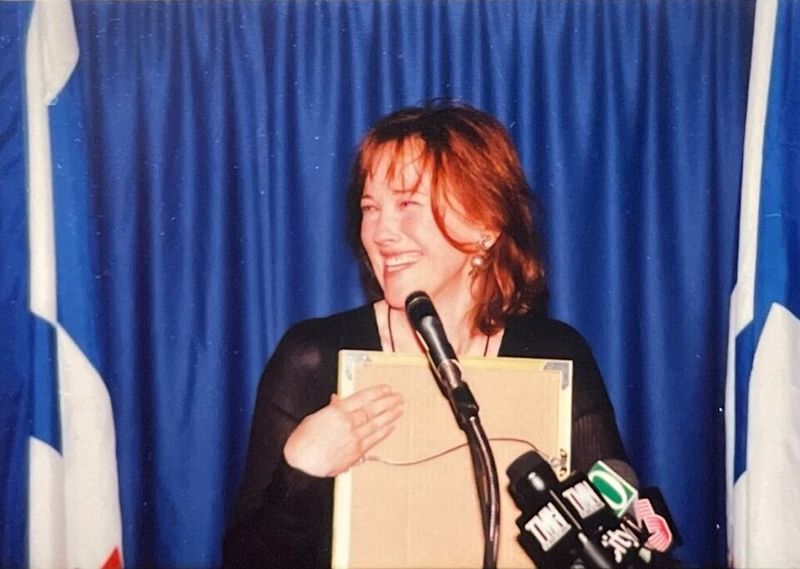
Critical acclaim followed the fandom, sealing Moira Rose as a modern classic. Catherine O’Hara claimed the Emmy for Outstanding Lead Actress in a Comedy Series in 2020, joined by Golden Globe and SAG recognition.
You saw a career’s precision distilled into a single role that dazzled on paper and in performance.
Awards matter because they signal to the industry what audiences already felt: the work is masterful. Yet O’Hara’s acceptance moments carried the same generous spirit seen on set, crediting collaborators and the writing that framed Moira’s bravado.
It takes a village to shape a voice that singular.
These honors also recalibrated how character comedy is valued. The trophies validated risk, specificity, and tonal dexterity.
When you revisit those episodes, the wins feel inevitable, like a curtain call for a performance that never missed its cue.
She Was Central to the Schitt’s Creek Ensemble

Moira shines brightest beside the people who challenge and cherish her. Catherine O’Hara’s long partnership with Eugene Levy anchors the show’s marriage at the core, giving you comedy built on trust.
Their scenes feel lived-in, as if private jokes lurk just off camera.
Ensemble work is a dance of tempo and space, and O’Hara leaves room for others to sparkle. She tosses a line like a perfect set, inviting her partner to spike.
That generosity elevates the family arcs, where affection sneaks through the sarcasm and turns laugh lines into lifelines.
In town meetings and family squabbles, Moira’s presence refracts the group’s energy. O’Hara modulates volume, allowing secondary characters to reshape scenes.
The result is a community portrait, not a solo showcase, and that is why the finale lands with such earned warmth.
Her Wide-Ranging Career Before Schitt’s Creek
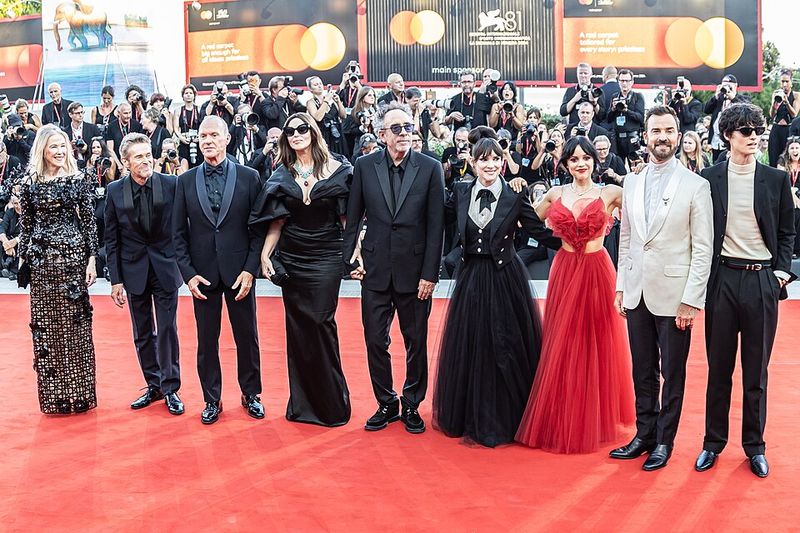
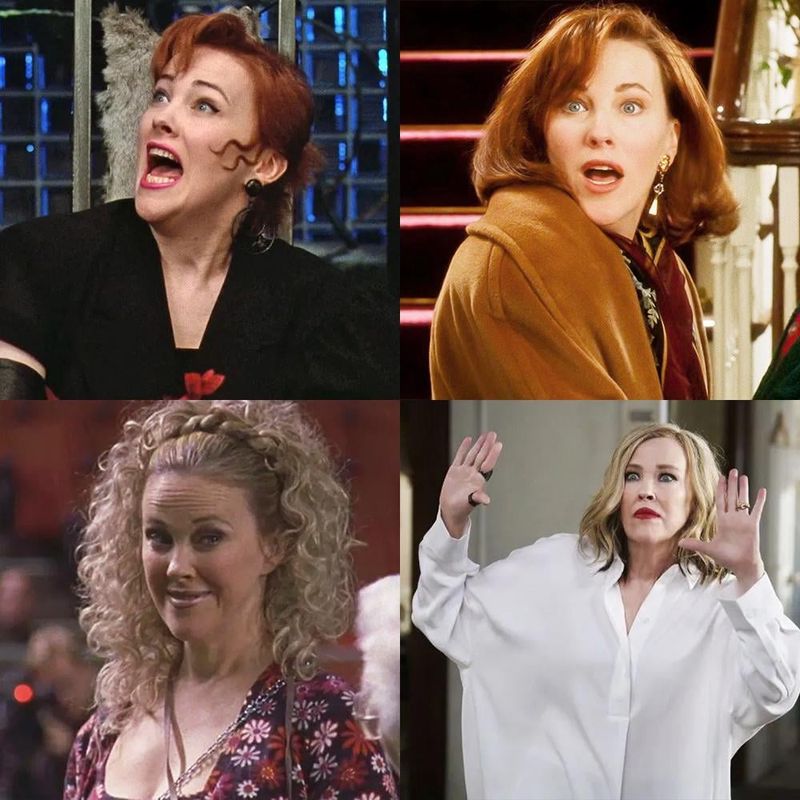
Moira was not a debut; it was a culmination. You have already met Catherine O’Hara as Delia in Beetlejuice, as Kevin’s mom in Home Alone, and as a chameleonic presence in Christopher Guest mockumentaries.
Those roles taught elasticity: jump genres, keep truth, honor the laugh.
Mockumentary work, especially, honed her ability to improvise within structure. She can make a throwaway aside feel canon, a glance feel scripted.
That muscle arrives fully toned in Schitt’s Creek, where small choices ripple outward into running gags and emotional turns.
Seen in total, the résumé is a map of curiosity. O’Hara chases projects that let character lead, not just premise.
By the time Moira lifts a bejeweled hand, you can trace the lineage of craft that steadies it.
Moira’s One-Liners and Quotable Moments
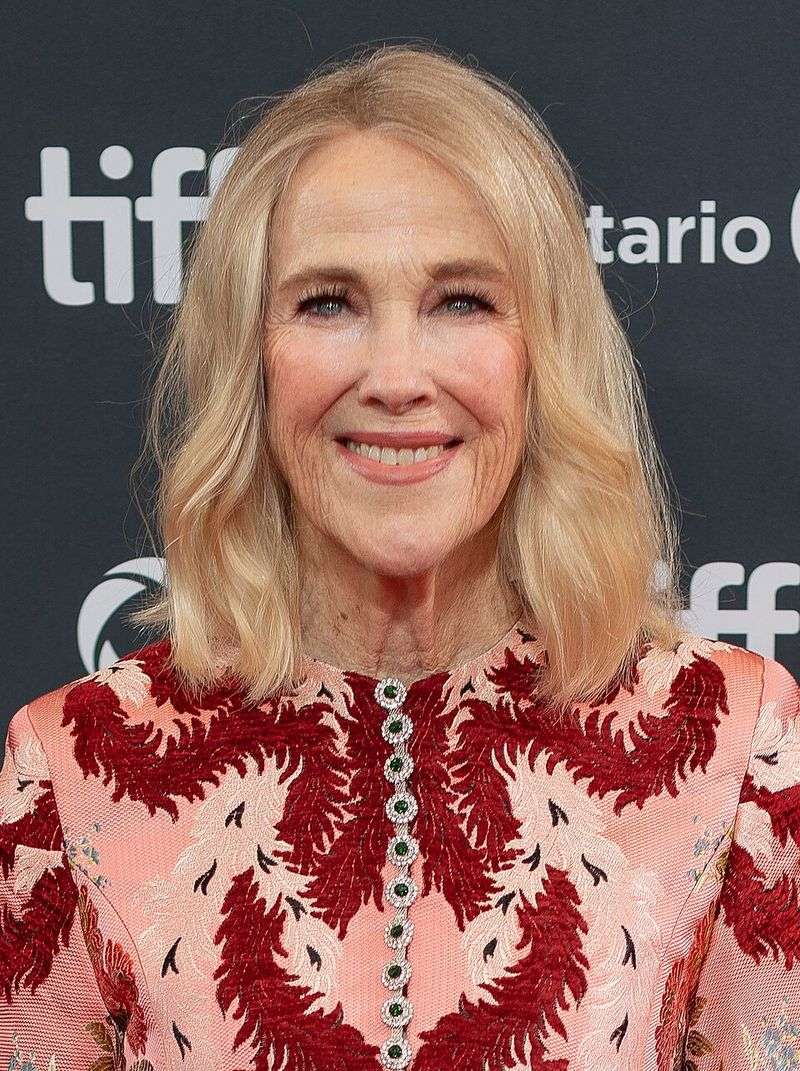
“What you did was impulsive, capricious and melodramatic but it was also wrong.” Moira’s one-liners thrum with theatricality, and Catherine O’Hara delivers them with needlepoint precision. You can hear the breath placement, the micro pauses, the sly emphasis that turns a sentence into a souvenir.
Quotability comes from rhythm as much as wit. O’Hara rides the line endings like punchy cadences, then undercuts them with an eye flick or oddly formal noun.
The result is meme-ready dialogue that does not flatten on repeat; it gains patina.
Behind each zinger is character logic: survival through style. When Moira refuses the ordinary, she invents language to match her refusal.
That is why the jokes endure; they are not just jokes, but a worldview rendered in glittering syntax.
Her Legacy Beyond the Show

Across decades, Catherine O’Hara built a body of work that invites rewatching and rediscovery. Schitt’s Creek extended that arc, introducing Moira to new generations streaming late at night and sharing clips by morning.
You feel the continuity: a performer who keeps surprising you, even in familiar scenes.
The legacy lives in craft others can study. There is a masterclass in every beat: how to commit, how to pivot, how to turn excess into truth.
Wigs and wordplay are entry points, but the staying power is empathy made theatrical.
As audiences return to the show, Moira becomes a compass for resilience with flair. Fashion and language remain signatures, but the lasting note is tenderness wrapped in bravado.
That is the inheritance: comedy that sparkles, then settles somewhere close to the heart.



