 Unearth The Voyage
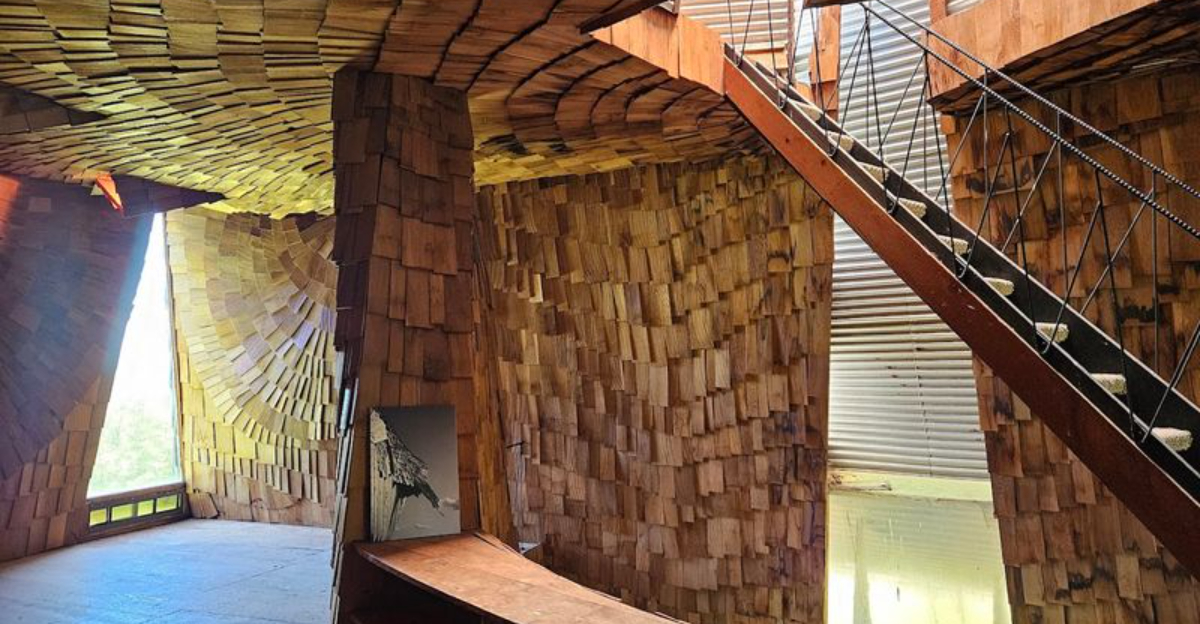
There is a house sitting quietly on the Oklahoma prairie that most people have driven past without a second thought, and yet architects from around the world have made special trips just to stand at the road and stare. Built in the 1960s by a visionary designer who believed a home should feel alive, this structure looks less like a house and more like something that grew straight out of the earth.
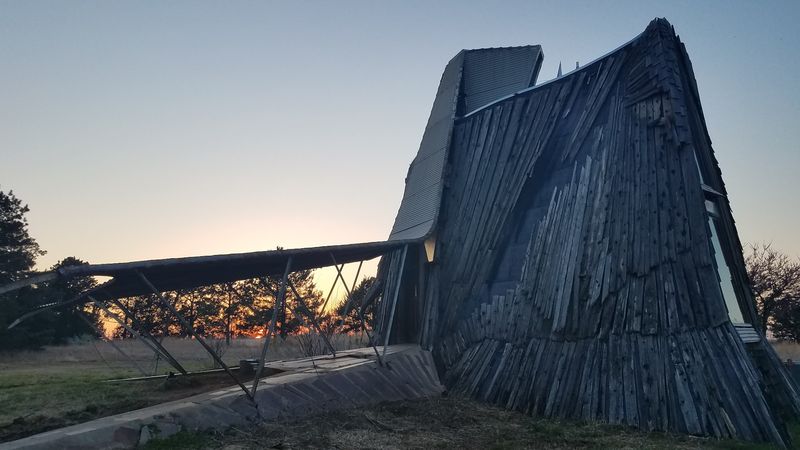
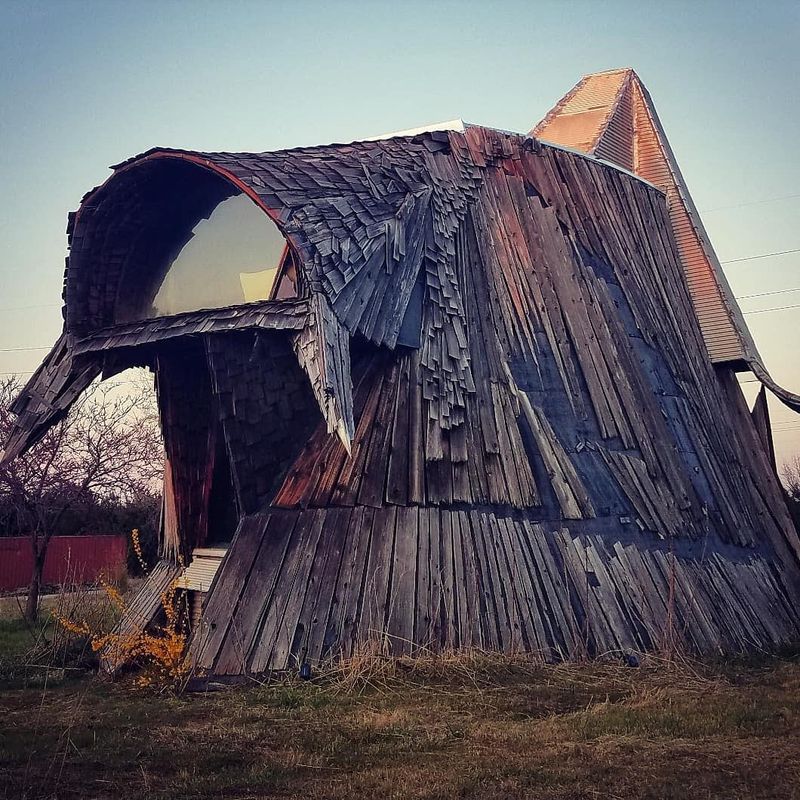
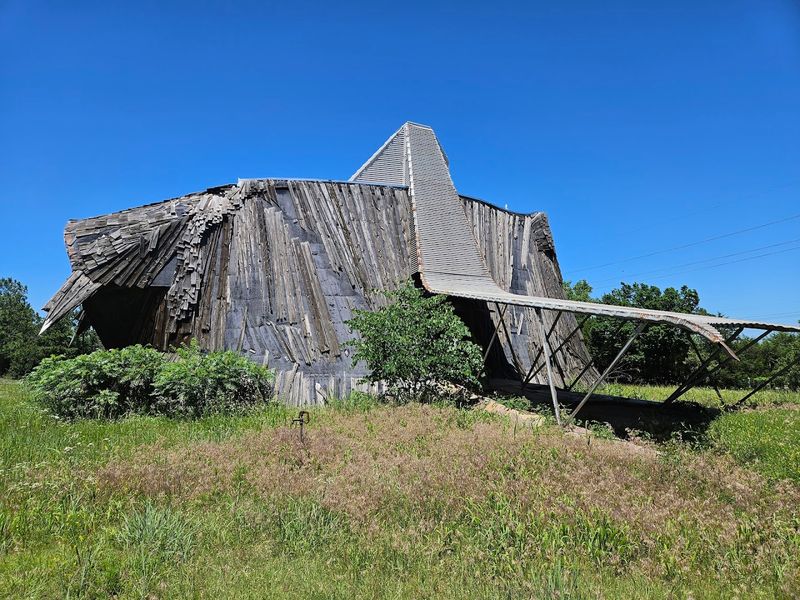
Covered in cedar shingles that fan outward like feathers or scales, it blurs the line between building and living creature. After decades of keeping a low profile, the Prairie House in Norman, Oklahoma is finally getting the recognition it deserves, and trust me, once you see it, you will not forget it.
The Address and Setting That Make It All Feel Surreal
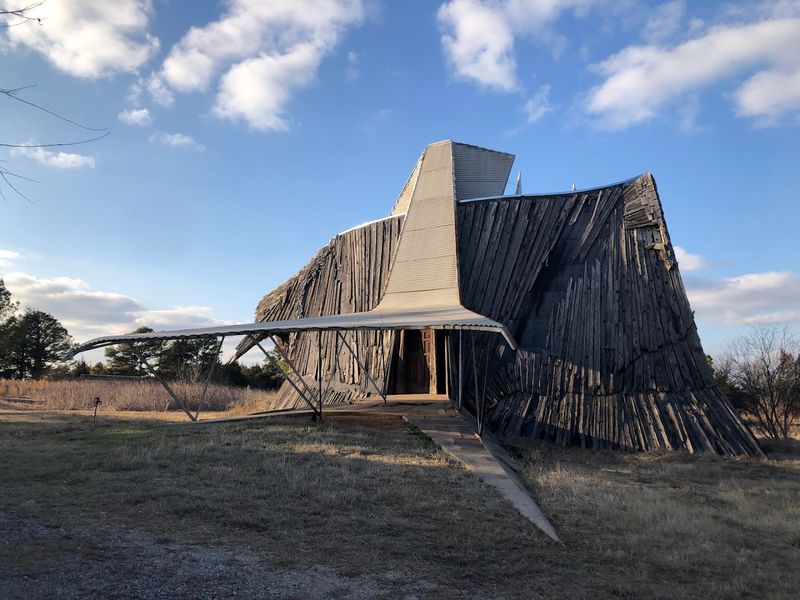
At 510 48th Ave NE, Norman, OK 73026, the Prairie House sits on a wide stretch of flat Oklahoma land that gives the structure no competition for your attention. There are no neighboring buildings crowding it, no busy streetscape to distract you.
Just open sky, dry grass, and this extraordinary structure rising from the ground like something from another era.
Norman is a college town best known for the University of Oklahoma, but this address sits northeast of the city center, out where the roads get quieter and the horizon stretches wide. The surrounding landscape feels almost deliberately spare, as if nature itself stepped back to let the house speak first.
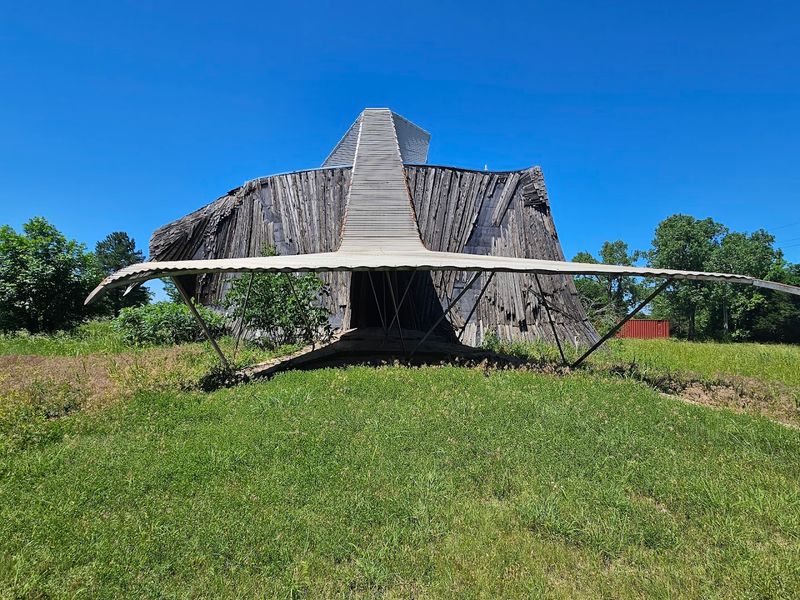
The driveway is gated and locked, so most visitors pull up to the road and take in the view from about 75 feet away. That distance is actually enough to appreciate the full silhouette, which is dramatic no matter the season.
The house does not need you to stand close to make an impression. It commands the landscape from wherever you happen to be standing.
Herb Greene and the Vision Behind the Structure
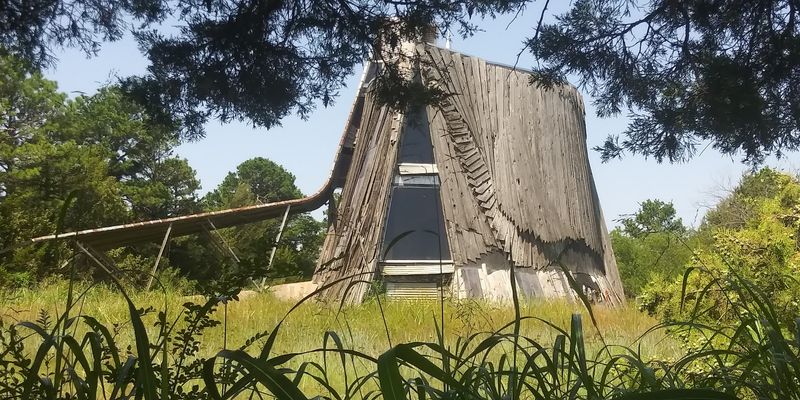
The mind behind the Prairie House belongs to Herb Greene, an architect who studied under the legendary Bruce Goff at the University of Oklahoma during the 1950s. Goff was himself a student of Frank Lloyd Wright’s philosophy, and that lineage of organic, nature-inspired design flows directly into every angle and surface of this building.
Greene designed the Prairie House in 1961 as his personal residence, and he lived in it for several years before eventually moving on. The house was never meant to be a showpiece for clients.
It was a personal statement, a built manifesto about how architecture could respond to the natural world rather than impose on it.
Greene went on to teach, write, and exhibit internationally, but the Prairie House remained his most talked-about work. His ideas about form, texture, and the psychological relationship between humans and their built environments were genuinely ahead of their time.
The house is proof that great design does not need to shout to be heard across generations.
Cedar Shingles That Turn a Wall Into a Texture You Cannot Stop Looking At
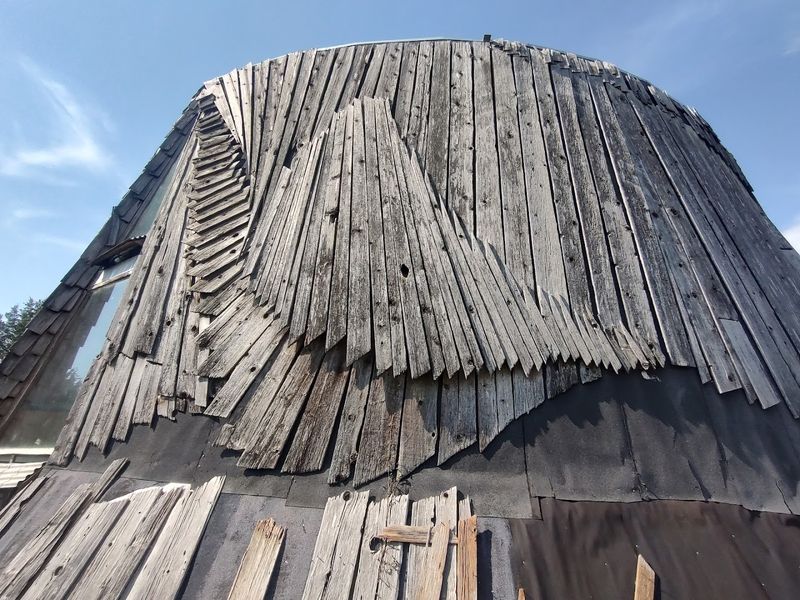
The exterior of the Prairie House is sheathed in thousands of cedar shingles, and they are not laid flat in the standard way you would expect. They fan outward and overlap in curving patterns that shift depending on where the surface bends or bulges.
The effect is somewhere between a pinecone, a bird wing, and a fish scale.
Cedar was chosen for practical as well as aesthetic reasons. It weathers well in Oklahoma’s climate, which swings between hot summers and cold winters with the occasional severe storm.
Over the decades, the wood has taken on a silvery, weathered tone in some areas, which only deepens the organic quality of the design.
Up close, the shingles reveal tiny variations in grain, color, and placement that make the surface feel handcrafted rather than manufactured. No two sections look quite identical.
This is intentional. Greene wanted the house to feel like something that had grown rather than been assembled.
The texture rewards patient observation, and every new angle reveals a detail you missed the first time around.
The Interior Layout That Defies Conventional Floor Plans
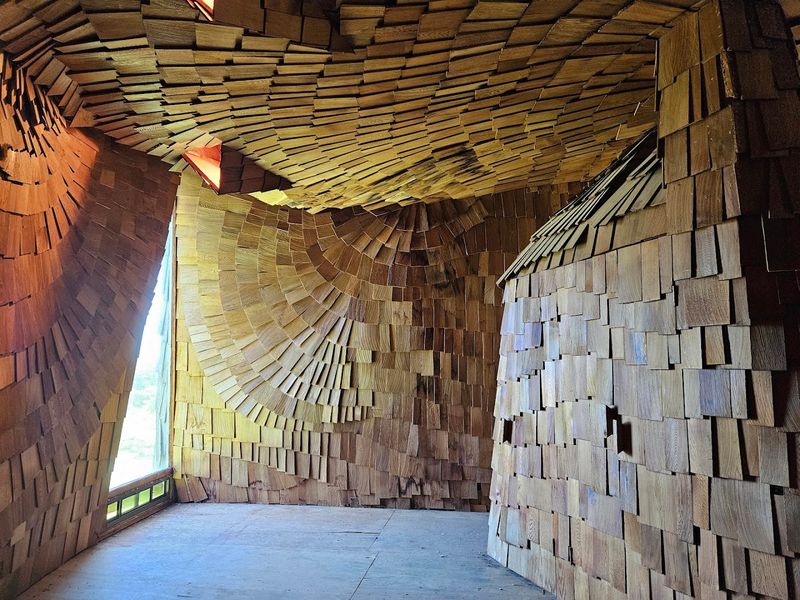
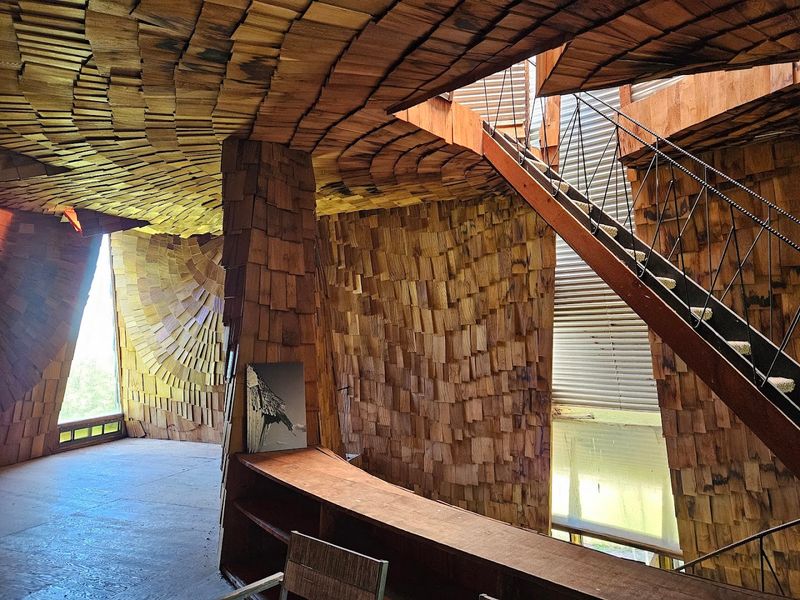
Getting inside the Prairie House is not something that happens casually. Tours are offered by appointment through the preservation society, and the experience of stepping into the interior is reportedly as disorienting as it is captivating.
The floor plan does not follow right angles or standard room proportions.
Spaces flow into one another in ways that feel more like caves or burrows than conventional rooms. Ceilings vary in height, walls curve unexpectedly, and natural light enters through openings placed with deliberate care rather than convention.
The result is a home that feels sheltered and intimate even when the spaces are generous.
Greene was deeply interested in how architecture affects human psychology, and the interior reflects that. Every spatial decision was made with the inhabitant’s emotional experience in mind.
The house was built to feel protective, even primal, in a way that most modern homes simply do not attempt. Visitors who have taken the guided tour often describe it as the most unusual domestic space they have ever entered, and they tend to mean that as the highest possible compliment.
How the Preservation Society Saved It From Obscurity
For many years, the Prairie House existed in a kind of architectural limbo. It was known to specialists and enthusiasts, occasionally mentioned in design publications, but largely invisible to the general public.
Without active stewardship, a structure this unusual faces real risks from neglect, misunderstanding, and the simple passage of time.
The Prairie House Preservation Society stepped in to change that trajectory. The organization manages the property, coordinates tours, and works to raise awareness about the building’s historical and cultural significance.
Their website, prairiehouseok.org, provides contact information for anyone who wants to arrange a visit or learn more about the ongoing conservation work.
Preservation efforts for buildings like this one require a particular kind of dedication, because the unconventional materials and forms demand specialized knowledge. Cedar shingles, curved surfaces, and bespoke joinery do not respond well to standard repair techniques.
The society has worked carefully to maintain the integrity of Greene’s original design while ensuring the structure remains sound for future visitors. Their commitment has turned what could have been a forgotten curiosity into a living landmark.
What the Oklahoma Prairie Landscape Adds to the Experience
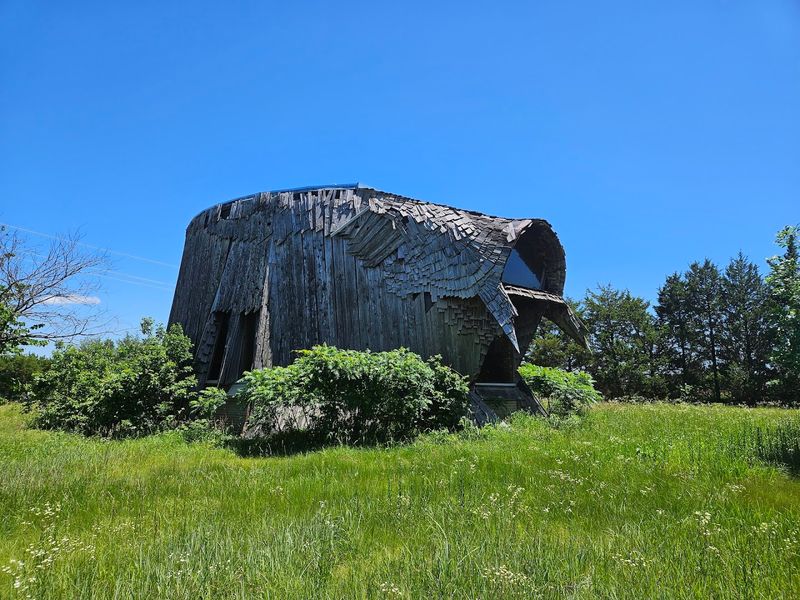
There is something specific about the flat Oklahoma terrain that makes the Prairie House even more striking than it would be anywhere else. The land here offers almost no visual interruption between the ground and the sky, which means the house reads as a silhouette against a very large canvas.
On a clear day, the light hits the cedar shingles at angles that change by the hour.
Oklahoma’s weather is famously dramatic, and the house has weathered decades of it. Thunderstorm seasons bring towering cloud formations that dwarf everything below them, and the Prairie House, low and organic as it is, seems to crouch into the landscape rather than fight against the elements.
That relationship between structure and sky feels intentional, even poetic.
Seasonal changes also affect how the house looks from the road. In winter, when the surrounding grass goes pale and dry, the cedar shingles warm the scene considerably.
In summer, the greenery softens the boundary between the house and the earth it rests on. Every visit offers a slightly different version of the same remarkable view, which is reason enough to return more than once.
Planning Your Visit and What to Actually Expect
The Prairie House is not the kind of place you can drop in on unannounced. The driveway is gated and locked, and access to the property requires either a scheduled appointment or attendance at one of the special open events organized by the preservation society.
The website at prairiehouseok.org is the best starting point for planning.
From the road, visitors can photograph the exterior from roughly 75 feet away, which is genuinely enough distance to take in the full form of the building. Bring a camera with a decent zoom if you want detail shots of the shingle work.
Early morning or late afternoon light tends to bring out the warmth of the wood tones most effectively.
Guided tours, when available, are led by knowledgeable volunteers who can speak to both the architectural history and the ongoing preservation work. The experience is unhurried and personal rather than the kind of rushed group tour you might expect at a more commercial landmark.
If you want to understand what makes this house so remarkable, the guided visit is worth every bit of effort it takes to arrange.
The Architectural Legacy That Connects Oklahoma to Global Design History
The Prairie House sits within a broader story about American architecture that is not widely known outside of specialist circles. The University of Oklahoma’s architecture program, under Bruce Goff’s leadership during the 1940s and 1950s, became one of the most experimental schools of design in the country.
Herb Greene was among its most gifted graduates.
That lineage connects Norman, Oklahoma to a global conversation about organic architecture that was happening simultaneously in Europe and Japan during the same decades. Greene’s work was featured in international publications, and the Prairie House was recognized by design historians as a significant example of mid-century American experimental architecture.
The house is not just a local curiosity. It is a node in an international network of ideas about how buildings can relate to nature, memory, and human experience.
Knowing that context does not change the way the house looks from the road, but it does change the way you feel standing in front of it. This particular stretch of Oklahoma prairie turns out to be a surprisingly important address in the history of world architecture.
Why Visitors Keep Coming Back Year After Year
Some places earn a single visit out of curiosity, and that is the end of it. The Prairie House seems to work differently.
Visitors who first encountered it in the 1960s and 1970s still return decades later, drawn back by something that is hard to put into words but easy to recognize as genuine attachment.
Part of what keeps people returning is the way the house changes with the light, the season, and your own shifting perspective. A person who first saw it as a strange roadside novelty might return years later with a deeper understanding of architecture and experience it as something entirely new.
The house rewards the knowledge you bring to it.
There is also something reassuring about a structure that has endured. Oklahoma’s weather is not gentle, and the decades have not always been kind to experimental buildings.
The fact that the Prairie House still stands, still looks extraordinary, and is now actively cared for by a dedicated preservation community gives the whole experience a sense of continuity. Returning feels less like revisiting the past and more like checking in on something that is very much alive.
A Closing Look at What This House Really Represents
A house that looks like a living creature, built by a young architect on the Oklahoma plains in 1961, managed to outlast the trends that dismissed it and the neglect that could have ended it. That is not a small thing.
Most bold ideas in architecture fade quickly. This one kept its grip on the imagination of everyone who encountered it.
The Prairie House at 510 48th Ave NE in Norman, Oklahoma is now recognized as a genuine historic landmark, and the preservation society’s work ensures that future generations will be able to see it in person rather than only in photographs. That access matters, because photographs, however good, do not fully capture the texture, the scale, or the strange emotional pull of the real thing.
What the house ultimately represents is the possibility that design can be deeply personal, rooted in a specific place, and still speak to something universal about the relationship between people and the world they build around themselves. Herb Greene built it as a home.
It became something larger without ever trying to be. That quiet confidence, it turns out, is the most futuristic thing about it.



