 Unearth The Voyage
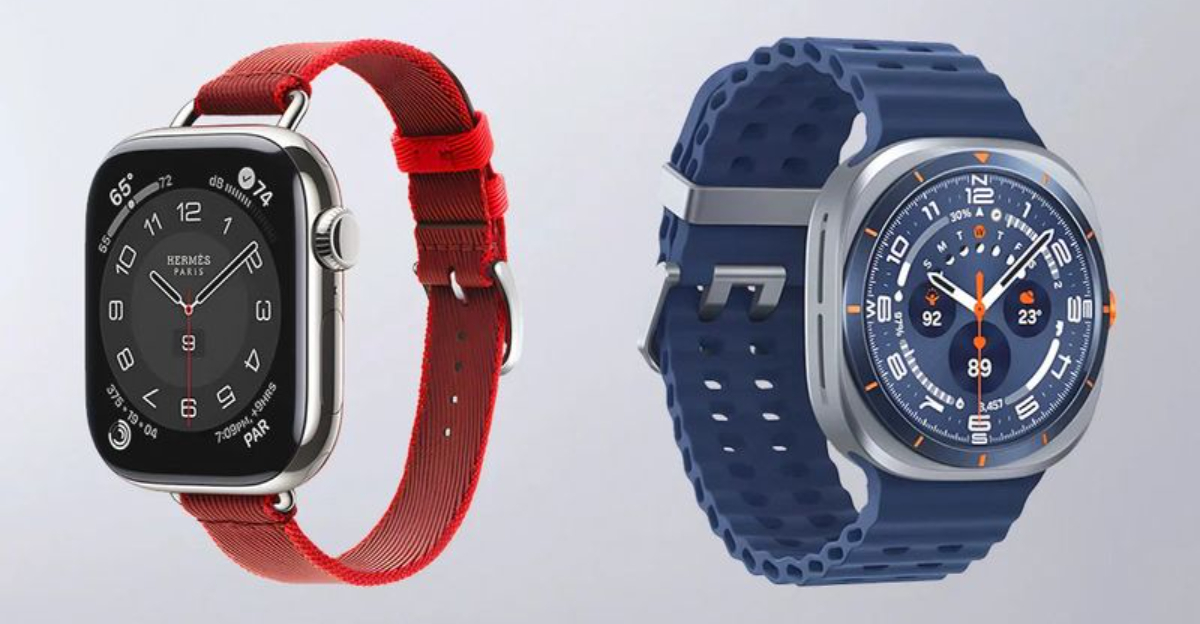
Choosing between a Garmin and an Apple Watch can feel overwhelming, especially when both brands keep releasing impressive new models. After months of testing these devices during actual workouts, travel adventures, and everyday wear, we discovered some surprising differences that really matter. Whether you care about battery life, GPS accuracy, or simply getting through a busy day without charging, this guide breaks down what we actually learned in the real world.
1. Battery life on training days
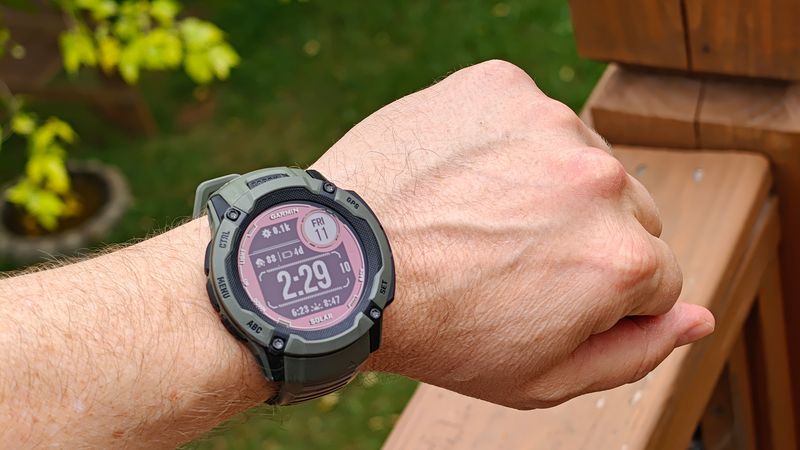
Garmin watches like the Forerunner 965 and fēnix 8 absolutely crush Apple when it comes to battery endurance. The FR965 delivers up to 23 days in smartwatch mode and 31 hours with GPS running, while the fēnix 8 promises weeks of use depending on your settings.
Apple Watch Series 11 targets around 24 hours per charge, which means nightly charging is basically mandatory. The Ultra 3 stretches that to 42 hours normally or 72 hours in Low Power mode, making weekend trips less stressful.
2. GPS accuracy & formats
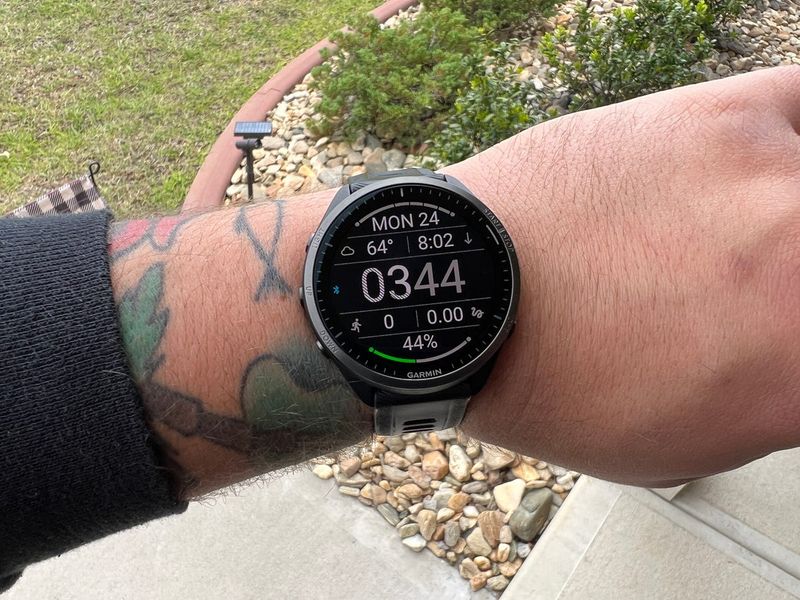
Apple’s Ultra 2 and Ultra 3 feature dual-frequency GPS using both L1 and L5 bands, which proved incredibly accurate during independent third-party testing. This tech keeps your route maps looking clean and precise, even in tricky spots like dense forests or urban canyons.
Garmin’s FR965 and fēnix 8 pack multi-band GNSS with robust course navigation tools that support GPX files. Both brands nail GPS tracking, but Garmin offers more flexibility for importing custom routes and courses directly to your wrist.
3. Offline maps & on-wrist navigation
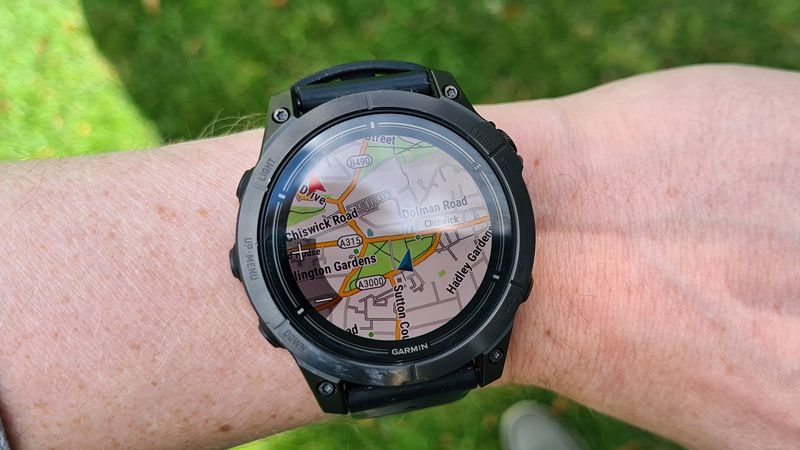
Garmin stands out here with full offline topographic maps and detailed turn-by-turn navigation built right into the watch. You can create routes in Garmin Connect, sync them over, and confidently explore long trail runs or unfamiliar cities without your phone.
Apple finally added offline Apple Maps and route syncing with watchOS 11, which works great for urban navigation and popular hiking trails. Still, Garmin delivers deeper map layers and more advanced course creation tools that serious adventurers appreciate.
4. Training Load / Readiness vs Apple’s new metrics
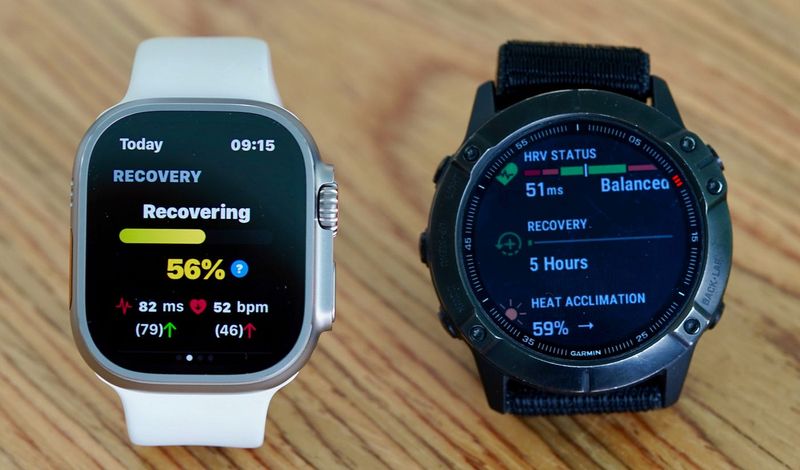
Apple introduced Training Load with watchOS 11, surfacing workout intensity trends and tying in your overnight vitals to help you understand recovery. It’s a smart addition that gives iPhone users better insight into how hard they’ve been pushing their bodies lately.
Garmin’s Training Readiness and Training Status metrics combine sleep quality, HRV, recent workout load, and more into a simple 1 to 100 readiness score. This daily guidance helps you decide whether to crush intervals or take it easy.
5. Recovery & energy scoring
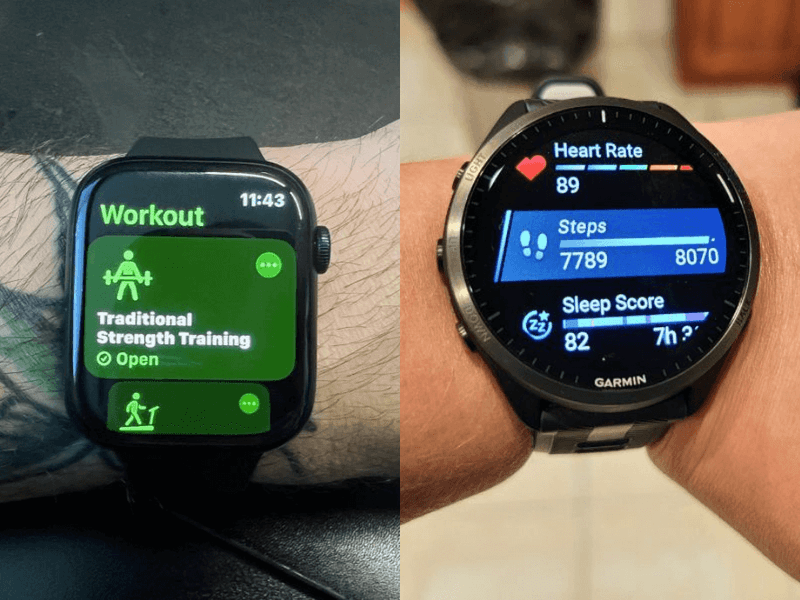
Garmin’s Body Battery feature estimates your energy reserves on a scale from 5 to 100, drawing from HRV, stress levels, and recent activity. It’s surprisingly handy on travel days or after red-eye flights when you need to gauge whether you’re ready for a workout or should rest up instead.
Apple relies on its Vitals app combined with sleep trends to help you understand recovery, but there’s no single energy score. Training Load and Vitals together still provide useful feedback for modulating your effort day to day.
6. Safety features (useful while traveling)
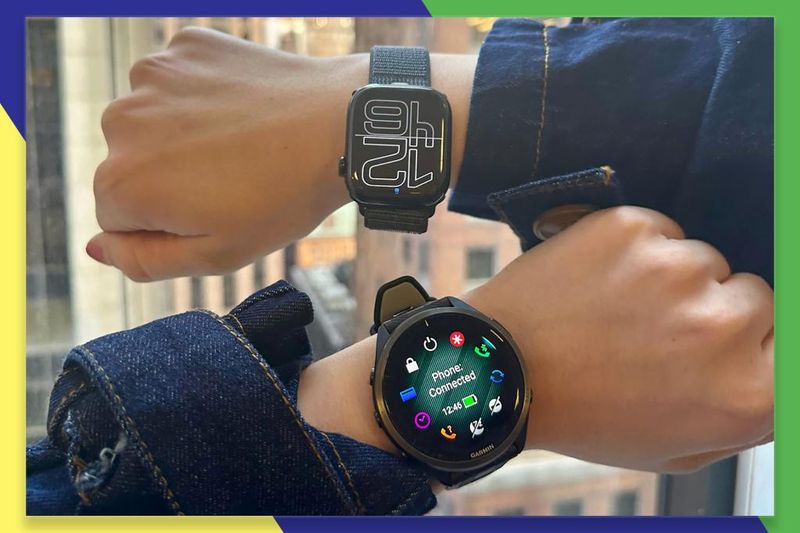
Apple Watch Ultra 3 brings Emergency SOS via satellite to your wrist, which can be a lifesaver when you’re off-grid or traveling in remote areas. Combined with Fall Detection and Crash Detection, it delivers serious peace of mind whether you’re hiking solo or exploring a new city abroad.
Garmin offers Incident Detection and live location sharing through your paired phone, which is robust and reliable for most situations. However, these watches lack built-in satellite SOS, so you’re dependent on cellular or phone connectivity.
7. Heart-rate accuracy in workouts
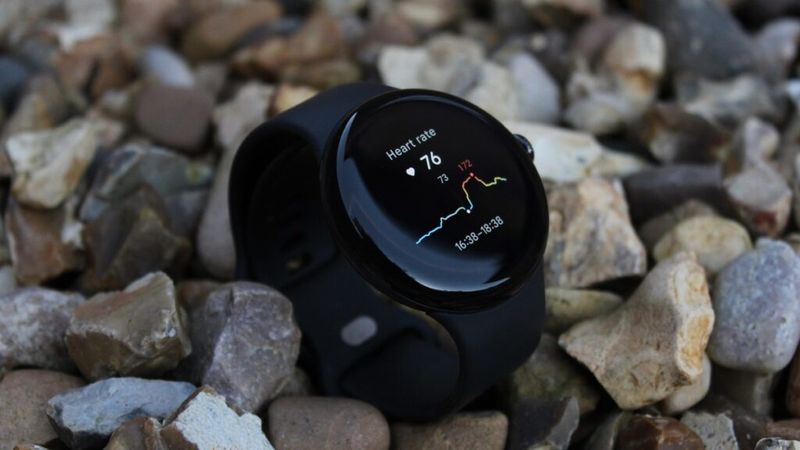
Independent testing labs found that the Apple Watch Ultra 2’s optical heart-rate sensor and GPS accuracy are excellent, and the Ultra 3 keeps that same dual-frequency approach. Garmin’s top-tier watches also deliver strong optical HR performance that holds up well during steady-state cardio and tempo runs.
For high-intensity interval training, though, a chest strap still wins on both ecosystems. Optical sensors can lag slightly during rapid heart-rate changes, so serious athletes often pair external monitors for the most precise data.
8. App ecosystems & smart features
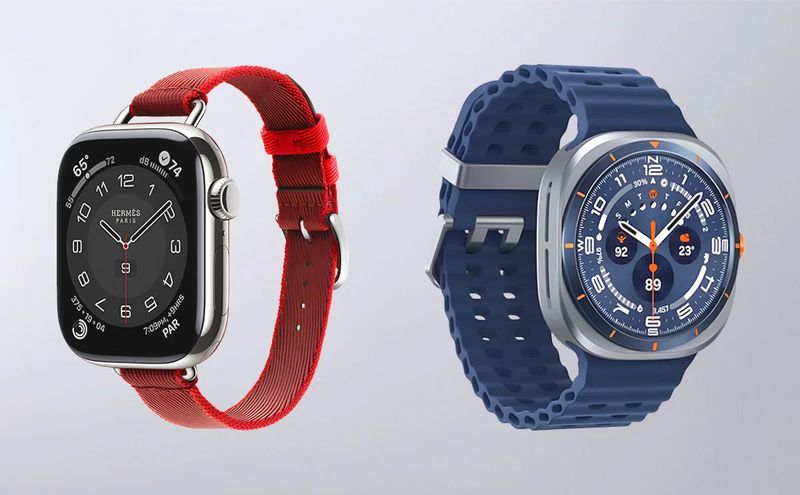
Apple Watch boasts the deepest third-party app store and unbeatable iPhone integration, giving you instant access to Wallet, Siri, Notes, and tons of mainstream apps. WatchOS features like wrist-flick gestures and the new Workout Buddy make daily interactions feel seamless and intuitive.
Garmin Connect and the Connect IQ Store continue improving with sport-focused widgets like stamina graphs and ClimbPro on the fēnix series. While Garmin nails the fitness-first experience, you’ll find fewer general lifestyle apps compared to Apple’s vast ecosystem.
9. Payments & transit on the go
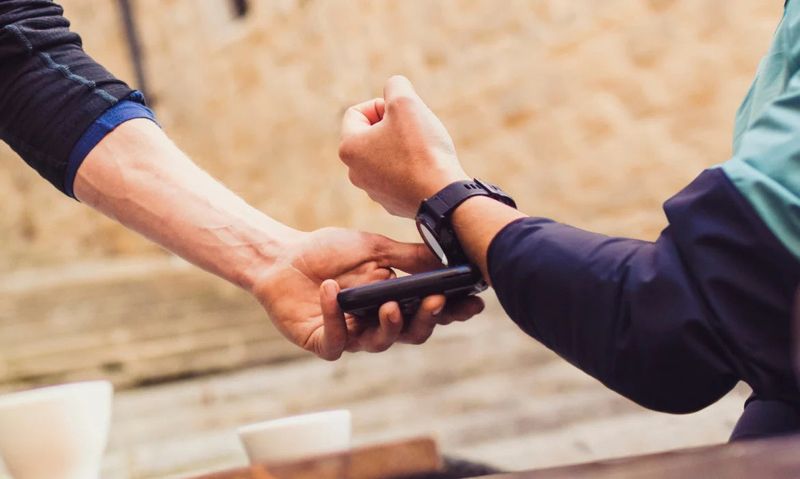
Apple Pay works virtually everywhere contactless payments are accepted, making quick purchases at coffee shops, subway stations, and stores incredibly convenient. You just double-click the side button, hold your wrist near the terminal, and you’re done in seconds without fumbling for your wallet or phone.
Garmin Pay is available on many models including the FR965, fēnix 8, Epix, and Venu series, but bank and card support varies significantly by region. Before relying on it for travel, double-check that your bank participates in Garmin’s payment network.
10. Displays & readability
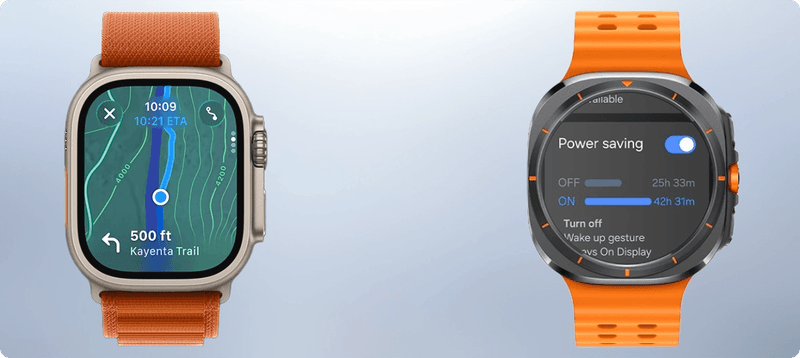
Garmin’s Forerunner 965 and many fēnix 8 variants now feature bright AMOLED screens that look vibrant and modern, though MIP and solar variants remain available for those prioritizing ultra-long battery life. The AMOLED upgrade makes navigating menus and reading maps much more enjoyable, especially indoors or at dusk.
Apple Watch uses an always-on Retina OLED display, with the Ultra 3 reaching up to 3000 nits of brightness. That makes it incredibly easy to read in direct sunlight and at night thanks to Night Mode.
11. Strength & outdoor tools
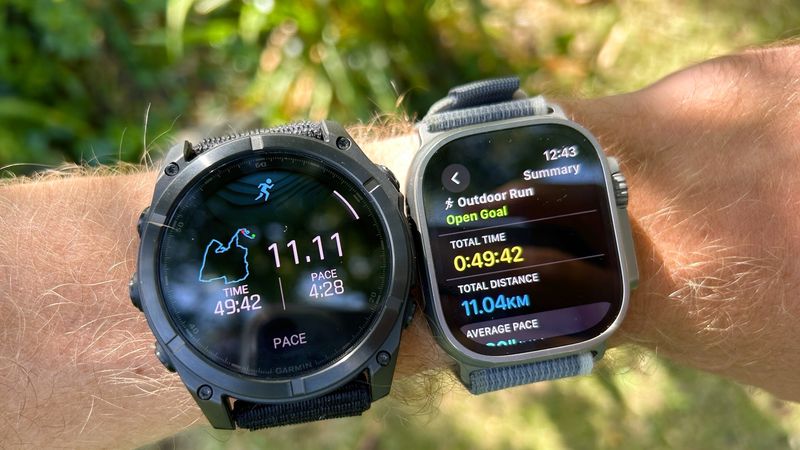
Garmin’s fēnix 8 is built like a tank with a rugged design, built-in LED flashlight, and advanced strength training tools that track reps, sets, and rest times automatically. It’s engineered for harsh environments, whether you’re scrambling up rocky trails or lifting heavy in the gym.
Apple Watch Ultra 3 features a titanium case and a big flat sapphire crystal that can take a beating while maintaining a polished, premium smartwatch aesthetic. It’s tough enough for serious outdoor adventures but still looks sleek at the office.
12. Battery reality on travel days
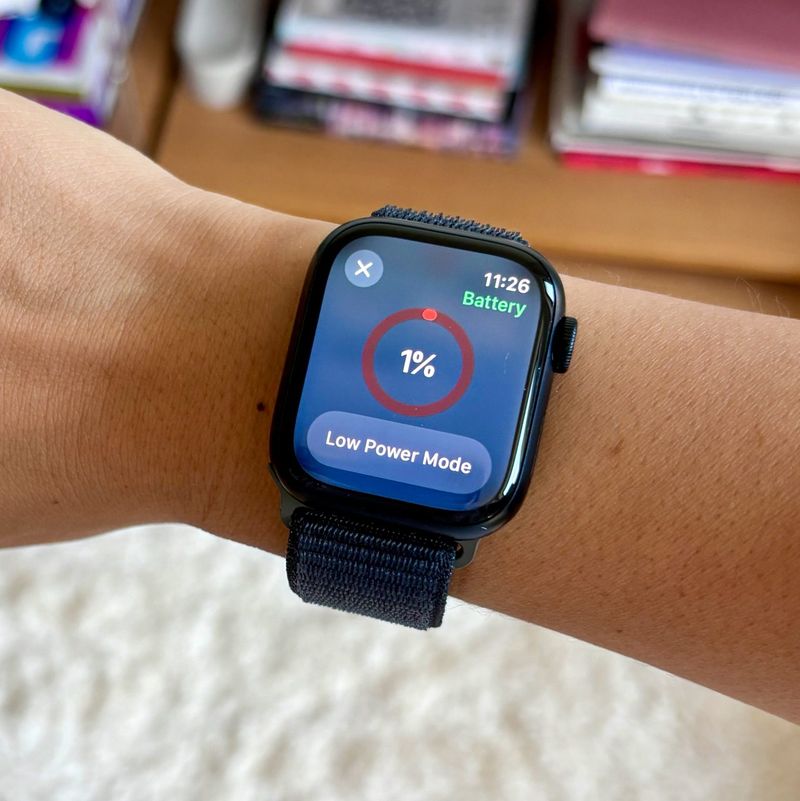
Garmin watches make multi-day trips much easier since you can stretch several days without hunting for a charger every night. Solar and MIP variants extend that endurance even further, which is perfect for backpacking or business trips where outlets are scarce.
Apple Watch Series 11 now genuinely delivers a full day of use, but you’ll still need to charge nightly. The Ultra 3 comfortably handles overnight sleep tracking plus the entire next day, and Low Power mode stretches that considerably for long weekends away.
13. Price & availability (late 2025 snapshot)
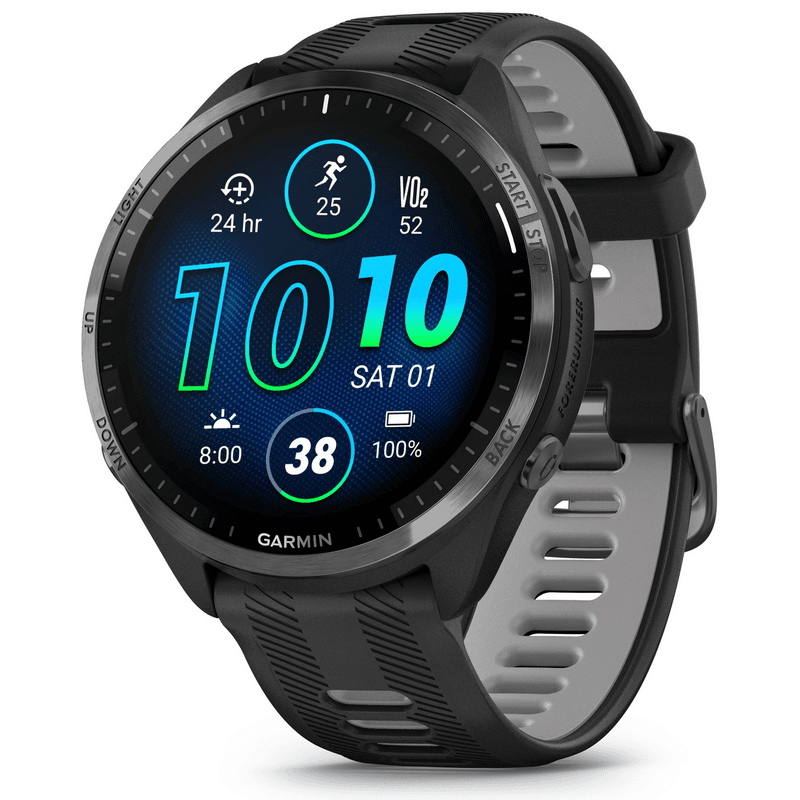
Apple Watch Series 11 sees frequent discounts around the holidays, making it more affordable for budget-conscious buyers. The Ultra 3 became available in September 2025 and remains at premium pricing, though occasional promotions pop up during major shopping events.
Garmin’s fēnix 8 and Forerunner 965 are retail staples with solid availability year-round. Both models often go on sale, especially the fēnix 8 after Black Friday and Cyber Monday, giving you a chance to snag a high-end Garmin at a better price point.
14. Navigation quality on long runs
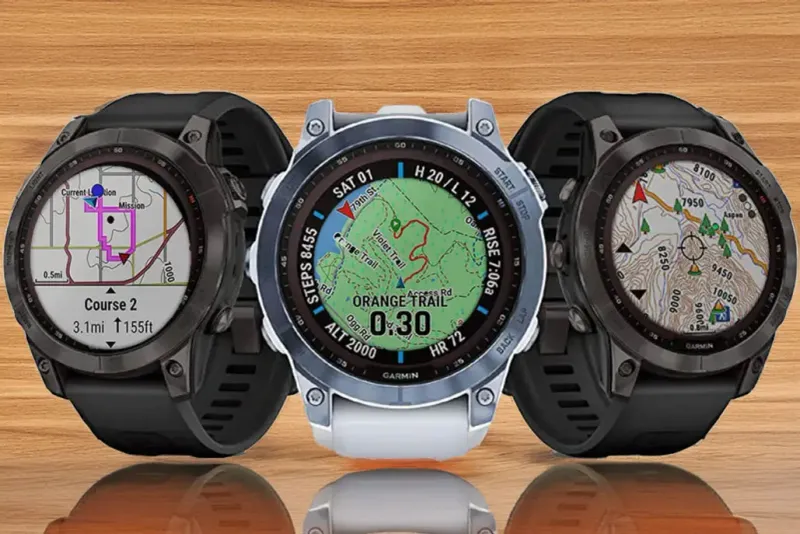
Garmin excels here with course creation directly in Garmin Connect that syncs turn-by-turn directions straight to your watch. The rich route data and breadcrumb trails make exploring unfamiliar cities or twisty trail systems feel confident and stress-free, even when you’re miles from home.
Apple’s route syncing and offline directions arrived with recent updates and work well for most runners tackling popular routes. For complex trail routing or custom GPX imports, though, Garmin still offers a more feature-rich and flexible navigation experience on the wrist.
15. Garmin vs. Apple Watch – Bottom line
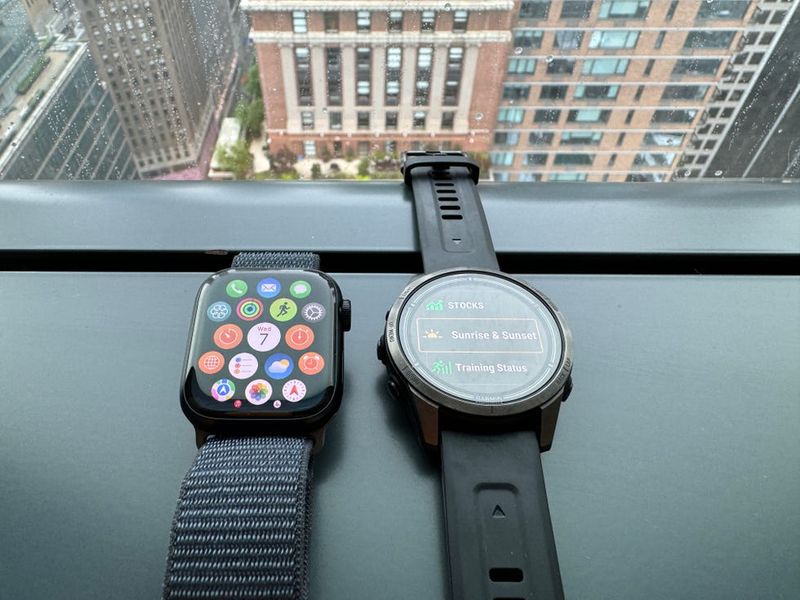
You live in workouts/trails & want maximal battery + maps: Garmin fēnix 8 (all-around, rugged) or Forerunner 965 (lighter, runner-centric).
You want the best iPhone smartwatch that’s now legit for training/travel: Apple Watch Ultra 3 (battery + SOS via satellite + top display).
Best value daily iPhone watch with credible fitness: Apple Watch Series 11 (now with stronger day-long battery and the latest watchOS features).



