 Unearth The Voyage

Every generation has its own way of looking at the world, and sometimes the differences between them can feel like night and day. Gen Z has brought fresh ideas about work, technology, and self-expression, but that doesn’t mean everything older generations believed was outdated. Baby Boomers, who grew up in a very different time, actually got a lot of things right that still hold true today.
1. Living Below Your Means Matters

Your grandparents probably told you to save more than you spend, and science backs them up completely. Spending less than you earn remains the most reliable path to building real financial stability over time. When you budget carefully, build emergency funds, and resist the urge to upgrade your lifestyle every time you get a raise, you’re setting yourself up for long-term success.
Research consistently links these habits to lower debt levels and higher net worth across all income brackets. The temptation to keep up with friends or influencers online can make this advice feel outdated or boring. But lifestyle inflation, where your spending rises as fast as your income, keeps people trapped in paycheck-to-paycheck cycles.
Boomers understood that financial freedom comes from discipline, not just earning more. Building wealth isn’t about deprivation but about making intentional choices that protect your future self from unnecessary stress and worry.
2. Hard Skills Age Better Than Trends
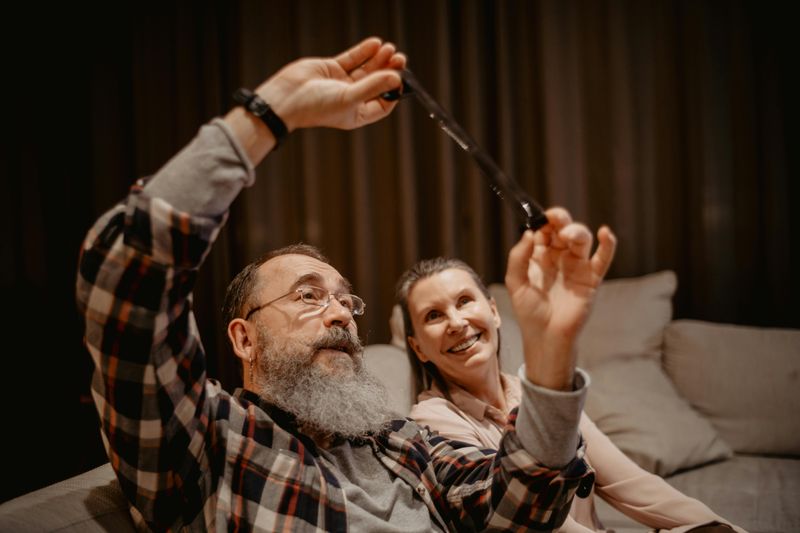
Boomers pushed their kids toward trades and technical careers for good reason. Electricians, mechanics, engineers, and machinists possess skills that remain valuable regardless of economic ups and downs. While trend-based careers might offer quick excitement or social media fame, they often disappear as fast as they arrive.
Deep expertise in practical fields has proven far more recession-resistant over decades of economic changes. When budgets tighten and companies cut costs, they still need people who can fix broken equipment, build infrastructure, and solve technical problems. These aren’t jobs that algorithms can easily replace or that lose relevance when the next big thing comes along.
Learning a solid trade might not seem glamorous compared to becoming an influencer or content creator. But the stability, earning potential, and job security that come with mastering hard skills provide a foundation that weathers any storm. Boomers knew that substance outlasts hype every single time.
3. Face-to-Face Communication Builds Stronger Trust
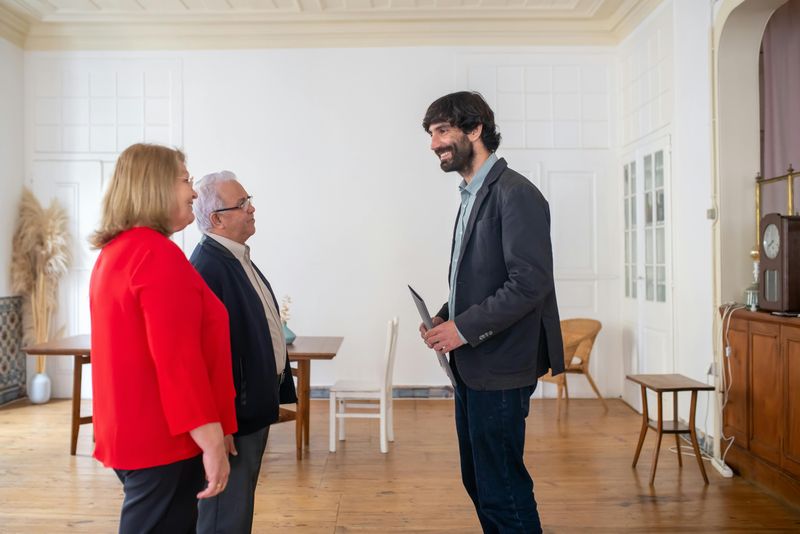
Text messages and video calls are convenient, but they can’t fully replace sitting down with someone in person. Decades of psychological research confirm what Boomers always knew: face-to-face interaction creates deeper empathy, better cooperation, and stronger trust between people. Body language, tone of voice, and immediate feedback all contribute to richer communication that screens simply can’t capture.
Digital-only relationships often feel hollow compared to connections built through shared physical space and real-time presence. Important conversations, difficult discussions, and meaningful negotiations work better when people can read each other’s full range of expressions and energy. Remote communication has its place, but relying on it exclusively limits our ability to truly understand each other.
Boomers prioritized showing up in person because they recognized how much gets lost in translation otherwise. Building genuine relationships still requires the vulnerability and presence that only face-to-face meetings can provide.
4. Not Everything Needs to Be Shared Publicly

Social media makes it tempting to broadcast every thought, meal, and moment of your life. But research shows that oversharing actually correlates with higher anxiety and increased stress levels. Boomers understood that some experiences are meant to be private, processed internally, or shared only with your closest circle.
Keeping certain things to yourself allows for healthier emotional processing and stronger personal boundaries. When everything becomes content for public consumption, you lose the space to figure out how you really feel without outside judgment or pressure. Privacy also protects you from long-term digital consequences that can affect job prospects, relationships, and mental health.
Not every sunset needs a caption, and not every problem requires a public post. Boomers were right that discretion and selectivity about what you share creates a healthier relationship with both yourself and others. Some moments gain more meaning when they stay between you and the people who matter most.
5. Delayed Gratification Works

Remember the famous marshmallow test? Kids who could wait for a bigger reward later showed better outcomes in nearly every area of life. The ability to delay gratification remains one of the strongest predictors of success in academics, finances, and emotional health. Boomers grew up in an era that emphasized patience and working toward long-term goals rather than seeking instant satisfaction.
Today’s world of same-day delivery and instant streaming makes waiting feel almost unbearable. But training yourself to postpone small pleasures builds mental muscles that help with everything from saving money to completing difficult projects. People who can resist immediate temptation tend to make better decisions when it really counts.
Whether it’s finishing homework before playing games or saving up for something instead of buying it on credit, delayed gratification creates better life outcomes. Boomers understood that good things really do come to those who wait and work for them.
6. Physical Activity Isn’t Optional

Boomers didn’t have gym memberships or fitness apps, but they understood that moving your body every day was non-negotiable. Regular physical activity, whether walking, lifting weights, or just staying active throughout the day, dramatically reduces your risk of chronic diseases and improves mental health across all ages. Modern research proves they were absolutely right about this fundamental truth.
Sitting for hours scrolling through screens creates real health consequences that show up over time. Your body was designed to move, and when it doesn’t, everything from your mood to your metabolism suffers. Exercise isn’t just about looking good; it’s about maintaining the basic functions that keep you healthy and happy.
Simple daily movement like taking the stairs, walking instead of driving short distances, or doing yard work all count. Boomers stayed active not because it was trendy but because they felt better when they did, and science now confirms their instincts were spot-on.
7. You Don’t Need the Latest Thing

Marketing constantly tells you that happiness is just one purchase away, but Boomers knew better. Long-term satisfaction research consistently shows that experiences, stable relationships, and financial security outperform material upgrades when it comes to actual happiness. Chasing the latest phone, car, or fashion trend creates a cycle that never ends and never truly satisfies.
The excitement of getting something new fades quickly, usually within weeks or even days. Meanwhile, the debt or financial stress from constant upgrading lingers much longer. Boomers made things last because they understood that possessions don’t create meaning or joy in any lasting way.
Using what you have until it truly needs replacing, rather than upgrading at every opportunity, builds both character and savings. Contentment with enough, rather than always wanting more, leads to genuine peace that no shopping spree can match. Your grandparents were right about finding satisfaction in what you already have.
8. Routine Creates Freedom

Routines might sound boring, but they actually unlock more freedom than constant spontaneity ever could. Predictable habits reduce decision fatigue, which means you save mental energy for things that truly matter. Boomers structured their days around consistent routines for sleep, meals, and work because it made everything else easier and more productive.
When you don’t have to think about basic daily decisions, your brain has more capacity for creativity and problem-solving. Regular sleep schedules improve mental health, consistent meal times support better nutrition, and work routines increase focus and output. Research backs up what Boomers practiced instinctively.
Flying by the seat of your pants might feel exciting temporarily, but it usually leads to stress and inefficiency over time. Building solid routines creates a stable foundation that actually gives you more flexibility when opportunities or challenges arise. Structure isn’t the opposite of freedom; it’s what makes real freedom possible in daily life.
9. Debt Should Be Treated Carefully

Buy now, pay later sounds convenient until the bills arrive with interest attached. High-interest consumer debt creates statistical links to increased stress, poorer health outcomes, and significantly reduced financial mobility. Boomers approached debt with caution because they understood that borrowing money always comes with strings attached that can strangle your future options.
Credit cards and easy financing make it simple to spend money you don’t have, but the long-term costs extend far beyond just paying back the principal. Interest compounds, minimum payments barely make a dent, and suddenly you’re working just to service debt rather than building wealth. The psychological burden of owing money affects sleep, relationships, and overall wellbeing.
Boomers weren’t perfect with money, but they generally understood that debt should be reserved for investments like education or homes, not everyday purchases. Treating borrowed money with respect and caution protects your future self from years of financial stress and limited choices.
10. Respecting Authority (Within Reason) Has Value

Questioning authority when it’s wrong is important, but completely rejecting all structure and hierarchy creates its own problems. Boomers understood that learning to work effectively with systems, mentors, and institutions improves both career advancement and conflict resolution skills. Blind obedience isn’t healthy, but neither is reflexive rebellion against every rule or person in charge.
People in authority positions often have experience and knowledge worth learning from, even when you don’t agree with everything they say. Developing the skill to navigate hierarchies, accept feedback gracefully, and work within existing structures opens doors that pure defiance keeps locked. Respect doesn’t mean surrendering your values; it means recognizing that cooperation often achieves more than confrontation.
Boomers weren’t suggesting you follow unjust rules or tolerate abuse, but they knew that showing basic respect and learning from those ahead of you creates opportunities. Maturity includes understanding when to challenge authority and when to work within it strategically.
11. Fixing Things Saves Money (and Skills)

Throwaway culture tells you to replace everything that breaks, but Boomers knew that repair culture builds both savings and competence. Learning to fix things yourself, whether it’s a leaky faucet, a broken appliance, or a car issue, dramatically reduces costs over a lifetime. Even basic maintenance skills can extend the lifespan of homes, vehicles, and equipment by years or even decades.
Beyond the financial benefits, knowing how to repair things creates self-sufficiency and confidence that purchasing replacements never provides. When you understand how things work and can troubleshoot problems, you’re less dependent on expensive professionals for every minor issue. These practical skills also connect you to how the physical world actually functions.
Boomers grew up fixing things because they had to, but the skills they developed served them well throughout life. In a world of planned obsolescence, knowing how to maintain and repair what you own is both economically smart and personally empowering.
12. You Don’t Need to Love Your Job

Follow your passion sounds inspiring, but it sets up unrealistic expectations that leave many people feeling like failures. Boomers understood that work is often just work, and that’s perfectly okay. Research shows that finding meaningful work matters more than feeling constant passion, and many fulfilled adults discover purpose outside their job rather than expecting their career to provide all life satisfaction.
Not every day at work will feel exciting or purposeful, and that doesn’t mean you’ve failed or chosen wrong. A job that pays bills, uses your skills, and doesn’t make you miserable is actually a success worth appreciating. Expecting your career to be your identity and passion often leads to disappointment and burnout.
Boomers worked jobs they didn’t love but found meaning through family, hobbies, community involvement, and personal interests outside work hours. Separating your identity from your employment creates healthier balance and more realistic expectations about what a career can and should provide.
13. Being On Time Still Counts

Fashionably late might seem relaxed and casual, but chronic lateness sends clear messages about reliability and respect. Being on time remains strongly associated with professionalism, trustworthiness, and competence, especially in workplace and educational settings. Boomers emphasized punctuality because they recognized that showing up when you say you will demonstrates that you value other people’s time as much as your own.
Consistently arriving late forces others to wait, disrupts schedules, and suggests that you consider your time more important than theirs. In professional contexts, punctuality directly affects how colleagues and supervisors perceive your reliability and commitment. Even in casual settings, respecting agreed-upon times shows basic consideration for others.
Technology makes it easier than ever to be on time with reminders and GPS, yet many people still treat schedules as suggestions. Boomers were right that punctuality builds trust and reputation in ways that talent alone cannot. Showing up on time is a simple way to demonstrate respect and professionalism.
14. Community Matters More Than Online Validation

Likes and followers feel good temporarily, but they don’t provide the deep support that real community offers. Strong local relationships and face-to-face social networks correlate with significantly better mental health and even longer lifespans compared to digital engagement alone. Boomers built their lives around physical communities because that’s what creates genuine belonging and support during difficult times.
When crisis hits, whether personal or broader, your neighbors and local connections provide practical help that online friends simply cannot. Real community means people who show up with meals when you’re sick, who watch your kids in emergencies, and who know your name and story. Digital validation disappears as quickly as it arrives and provides no substance when life gets hard.
Investing time in local organizations, neighborhood relationships, and face-to-face friendships builds the safety net everyone eventually needs. Boomers were right that knowing your community and being known by them creates security and meaning that no social media platform can replicate.
15. Life Isn’t Fair and That’s Not New

Expecting fairness from life sets you up for constant disappointment and frustration. Boomers grew up understanding that circumstances, opportunities, and outcomes are rarely equal, and that complaining about it changes nothing. Research supports their approach: accepting unfairness while focusing energy on controllable actions leads to better long-term resilience than expecting equal outcomes or waiting for justice to arrive.
Some people start with advantages, others face obstacles, and random chance affects everyone differently. These realities have existed throughout human history and won’t disappear because they feel unjust. What matters is how you respond to your specific situation rather than comparing your path to others or demanding that life should work differently.
Boomers weren’t saying injustice doesn’t exist or shouldn’t be challenged when possible. They were teaching that personal progress comes from working with reality as it is, not as you wish it were. Resilience grows from accepting what you cannot control while taking full responsibility for what you can.



