 Unearth The Voyage

Slip across the water and you land on a world that feels timeless. Cumberland Island greets you with whispers of wind through live oaks, the hush of waves on a 17 mile beach, and wild horses stepping through the dunes.
There is no car traffic, no restaurants, and no quick comforts, just raw beauty and stories etched into tabby and tide. If you are ready to trade convenience for wonder, this boat accessed island will stay with you long after the ferry pulls away.
Getting There By Ferry: Your Essential Game Plan
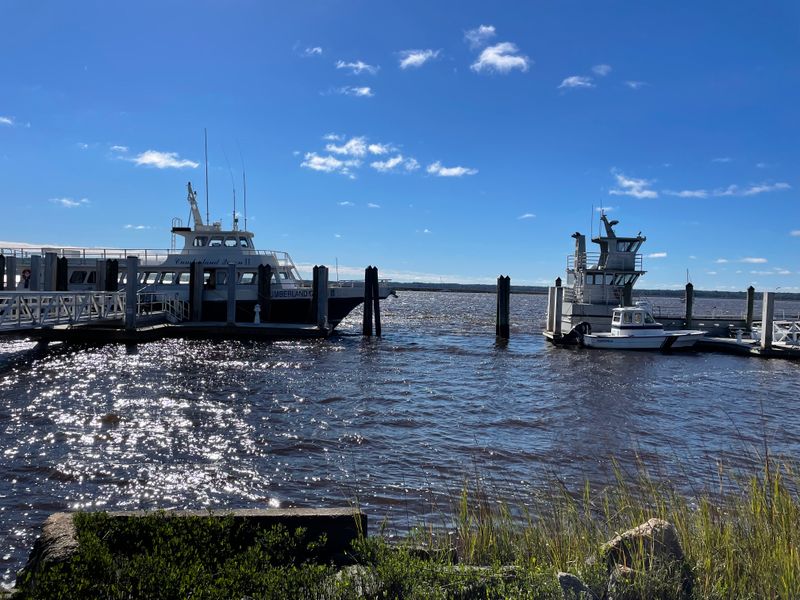
The only practical way in is the public ferry from St. Marys, a 45 minute ride that feels like a reset. Reserve early, especially in spring and fall when demand spikes, and arrive at least 45 minutes before departure to check in.
Pack like you cannot buy anything on the island, because you cannot, and keep your load manageable. Expect two daily runs most of the year, with schedules that define your visit.
Miss the return and you may scramble for backup plans, so keep one eye on the clock and weather. Bring cash or card for park fees, and remember coolers and wagons are allowed on the ferry, which helps if you are camping.
Seas are usually calm, but storms can roll in quickly. Stow rain jackets on top, and waterproof your essentials in dry bags.
The boat can be crowded, but there is a hush when marshes slide by and dolphins arc alongside.
First Steps At Sea Camp Dock
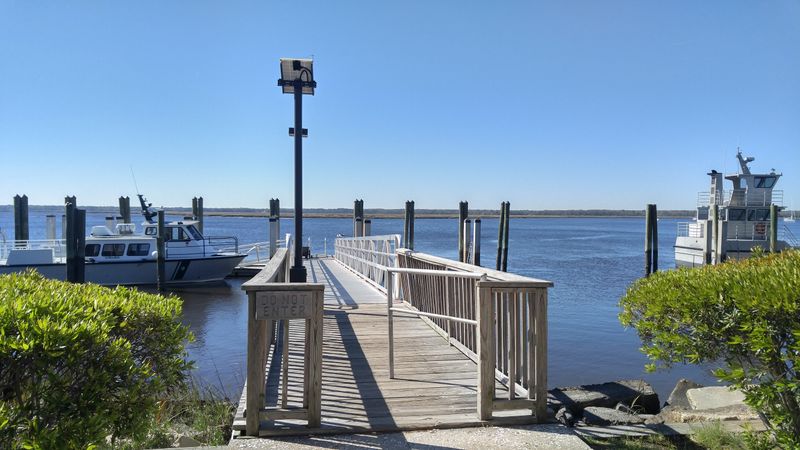
Stepping off at Sea Camp Dock, you pass into cathedral shade beneath live oaks stitched with Spanish moss. Rangers cluster by a bulletin board with tide times, water updates, and trail advisories.
Take the short orientation talk, then refill bottles at the spigot and adjust your pack straps. The path from the dock is shell and sand, soft underfoot, with palmetto fans brushing your calves.
Birdsong is a constant soundtrack, punctuated by the thud of distant surf. You can roll a wagon toward Sea Camp campground or shoulder everything and head straight for the Dungeness area.
Phones may have intermittent service, which feels liberating once you let it. You notice your breath, the salt, the faint sweetness of bay.
Take a beat here and do not rush; the island rewards people who tune in.
Dungeness Ruins And Wild Horses

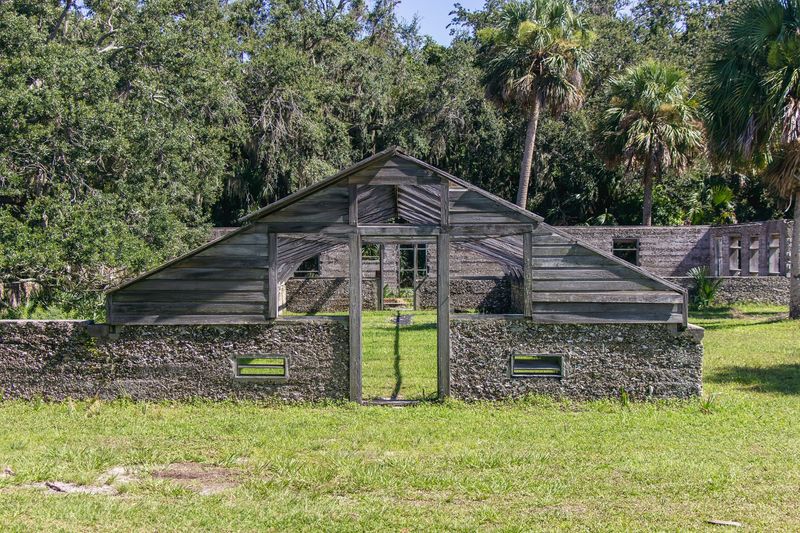
The Dungeness ruins rise from a lawn like a dream half remembered, tabby walls and chimneys open to sky. You walk through shadows of the Carnegie era, hearing gulls wheel overhead and the clop of horses in the grass.
The animals belong to the scene with an ease that photographs cannot capture. Keep a respectful distance; they are unpredictable and truly feral in behavior even if not historically wild.
Watch the angle of light in late afternoon when the ruins glow and the horses silhouette against the marsh. Listen for the snuffle and rip of grazing as you frame your shot from a safe margin.
Wind purls through archways, the bricks warm under your palm, and you sense the weight of layered stories. Deer may slip along the edge of the lawn.
It is an irresistible place to linger, but mind the return time.
The Walk To The Atlantic Beach
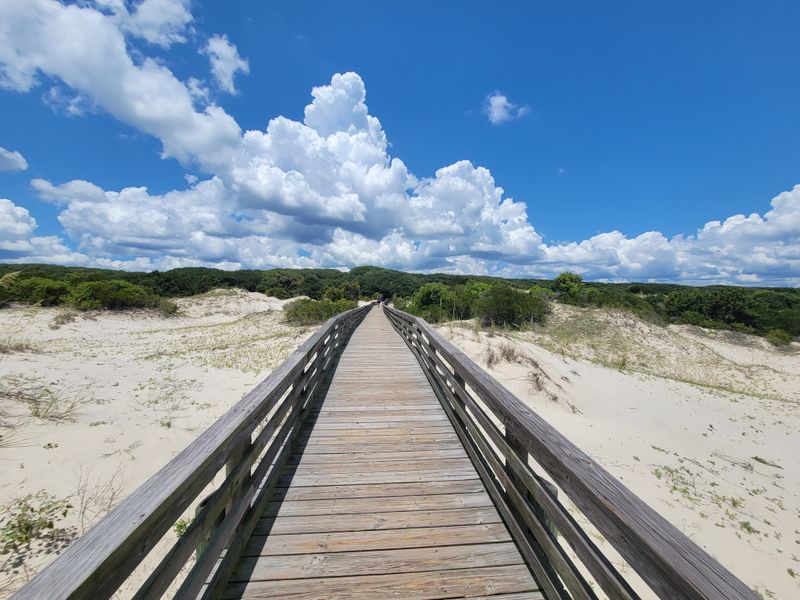
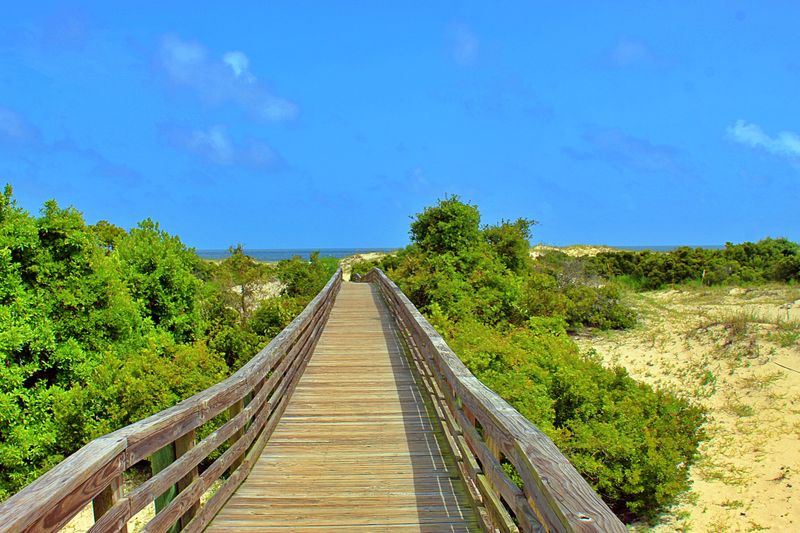
The beach approach is a gradual reveal: maritime forest to open dunes to bright Atlantic horizon. Boardwalks protect the sea oats as you crest the ridge and feel the wind slap your cheeks.
Sand squeaks underfoot, and the ocean sound is constant and low. When you step onto that 17 mile strand, there is usually no one in either direction.
Shell lines curl along the swash and ghost crabs skitter sideways like animated punctuation. The water is not Caribbean clear, but it smells alive and tastes clean with salt.
Set a small base above the wrack line and keep your pack out of the wind. Swim if the flags and conditions look safe, or walk for miles and watch pelicans arrow into the surf.
Time moves differently here, stretched by horizon.
Oak Tunnels And Maritime Forest
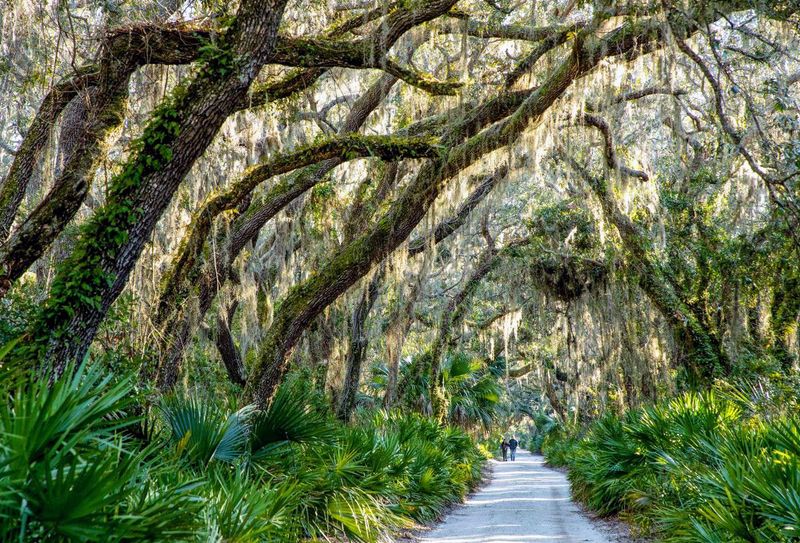
The inland trails feel like secret passages, oak limbs knitting together in long green tunnels. You breathe damp earth, crushed bay, and faint brine as palmettos brush your knees.
Armadillos root in the leaf litter, unbothered by your presence. Light flickers, and the sand road can be soft, so a steady pace beats speed.
Bikes work on some stretches, but deep sand will win a few times, so plan to push. In summer, the shade is mercy, and in winter the filtered sun warms cold knuckles.
Stop and listen: woodpeckers tap, cardinals ping, and the forest holds its own slow music. The canopy here protects relic dunes and stabilizes the island against storms.
Your footsteps fall quiet, and worries back on the mainland feel irrelevant.
Sea Camp Campground: Easy Basecamp
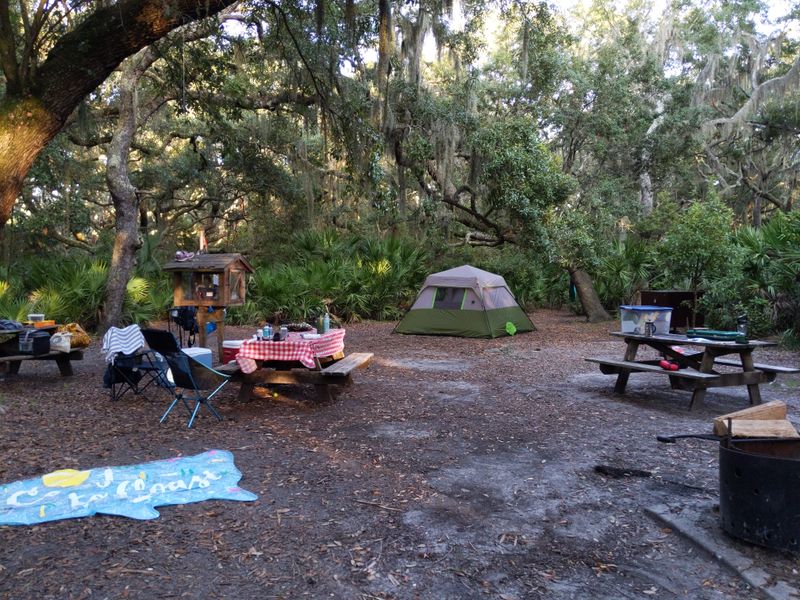
Sea Camp is the soft landing option, a half mile from the dock and shaded by sprawling oaks. Sites are roomy with picnic tables and fire rings, plus cold showers and flush toilets nearby.
You hear waves at night like distant traffic that never arrives. Wagons at the dock let you haul coolers and water jugs without drama.
Plug in your phone briefly at the bathhouse outlets if needed, but try to lean into disconnect mode. Rangers swing by often, sharing tide notes and wildlife updates.
It is social without being noisy. You catch snippets of stories around the fire, compare shell finds, and plan sunrise beach walks.
For many, this is the perfect first taste of staying overnight on Cumberland.
Stafford Beach And Backcountry Vibes
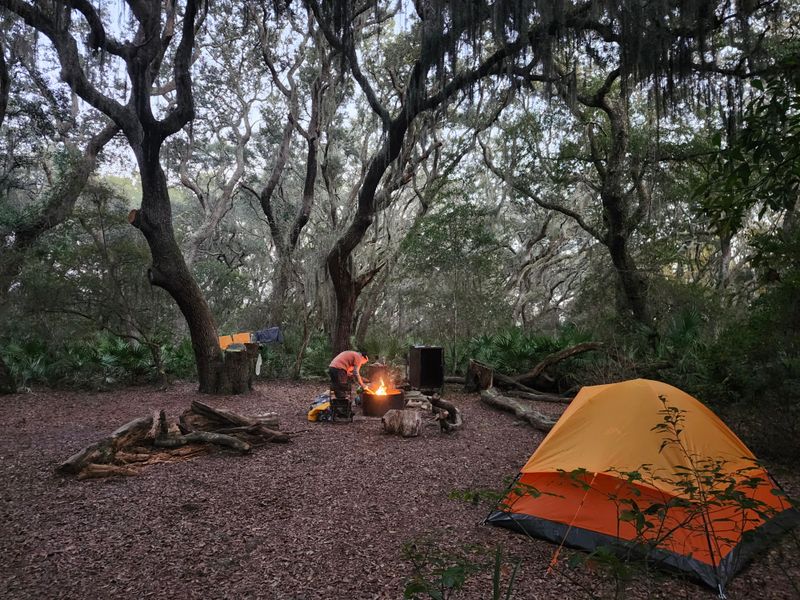
Four miles north, Stafford Beach campground pushes you further into quiet. The hike in is straightforward, but the sand sections make each mile count.
When you hang your hammock between oaks, the forest seems to exhale. Facilities are minimal, and water may require treatment depending on your plan, so bring a filter.
The beach here feels even emptier, and stars bloom hard after moonrise. Tracks lace the morning sand: deer, raccoon, and the scribble of shorebirds.
Expect ticks in warm months along the path to the beach, so tuck pants into socks and use repellent. Wind peels heat off your back at dusk as you cook.
The solitude is sticky sweet, the kind that lingers.
Plum Orchard And The Island’s Gilded Echoes

Plum Orchard appears out of the trees like a postcard from another century, a Carnegie era mansion perched near the marsh. The white columns and broad porch feel improbable after miles of sandy road.
Tours run when staff are available, so time your approach with the ferry day. Inside, you sense a world of formal dinners and river breezes through open windows.
Outside, the lawn rolls toward spartina and fiddler crabs clatter at low tide. Birdlife is fantastic here, from ospreys to marsh wrens rustling in cordgrass.
Facilities are limited, and directions can be confusing, so verify resources with rangers before committing the miles. Bring water, snacks, and patience.
The place repays you with texture and perspective you will not forget.
Biking The Main Road: Know Before You Pedal
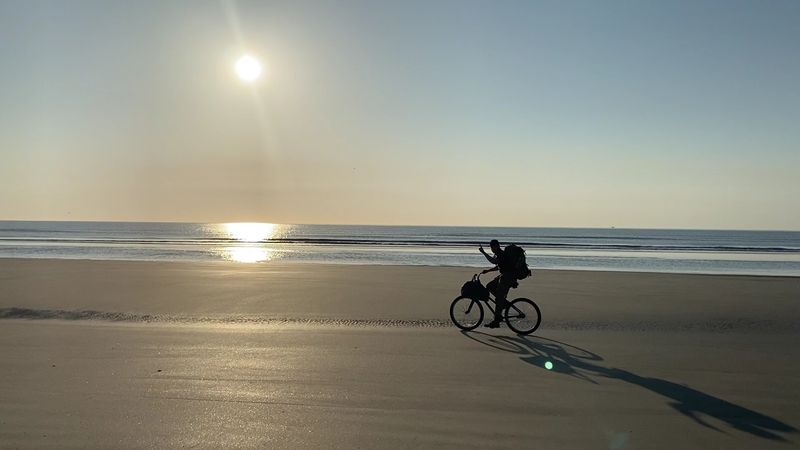
A bike can be freedom or a burden here. The main road looks rideable on a map, but sand dictates the rules and sometimes swallows your tires.
After rain, the surface firms and riding becomes joyful in long shady tunnels. Bring a simple, sturdy bike with fat tires and a calm attitude about dismounting.
You will push through sugar sand, then hop back on for blissful stretches. The payoff is range: reaching Stafford, Plum Orchard, or even Yankee Paradise if you plan well.
Carry a patch kit, water, and a lock to lean your bike without worry at trailheads. Helmets make sense on rutted segments.
And remember, returning with the tide of time toward the ferry is non negotiable.
Weather, Bugs, And Best Seasons
Summer can feel like a sauna with sand gnats, mosquitoes, and sudden thunderstorms. Winter trades swims for cool air, fewer bugs, and broad beaches painted with long shadows.
Spring and fall balance comfort with crowds, when ferry bookings climb fastest. Permethrin treated clothing and picaridin or DEET help, and a head net can be sanity in still air.
After rains, sand firms up for bikes, but standing water spawns insects. Storms change plans quickly, so check the forecast and carry light rain layers.
Choose your tradeoffs: fewer bites and cool temps, or warm surf and sweat. Either way, the island reveals itself if you come prepared.
The payoff is a day that feels both rugged and restorative.
Water, Food, And Packing Smart
Think expedition, not boardwalk outing. Bring at least two liters of water per person for a day, more if it is hot, plus electrolytes.
Pack a full lunch and snacks because there are no concessions and hunger arrives earlier than planned. Sun protection, bug repellent, and a light rain shell earn their space.
Add a small first aid kit, a map, and a power bank if you are shooting photos. Closed toe shoes handle sand spurs and soft stretches better than flip flops.
Wagons help for Sea Camp, but go minimal if you intend to roam far. Seal food carefully since raccoons are expert opportunists.
A little forethought turns the day from a grind into a glide.
Wildlife Etiquette And Safety
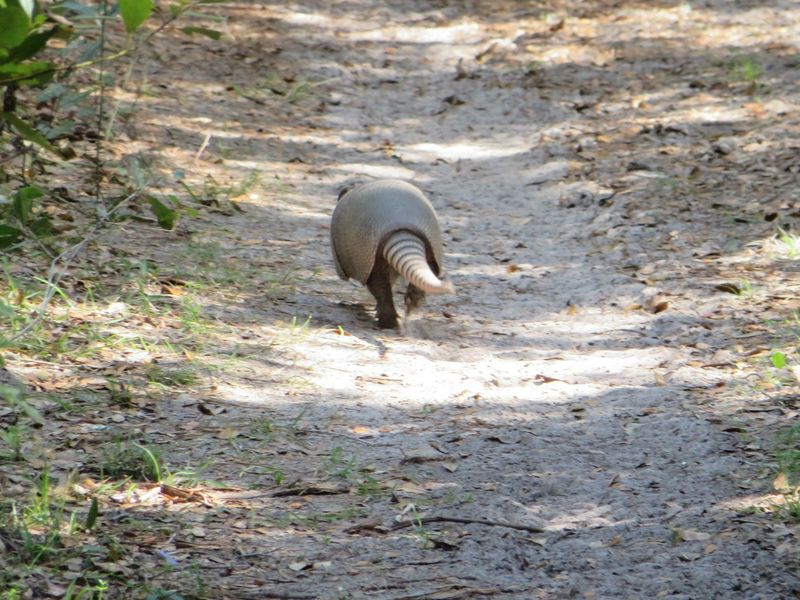
You will likely see horses, deer, armadillos, and a parade of birds. Give everything space and never feed or touch, no matter how calm an animal appears.
Horses can kick or bite, and they are better admired through a zoom lens. Store food securely, keep camps clean, and respect closures.
Snakes and alligators exist, but encounters are usually uneventful if you stay observant. On the beach, shuffle feet in the shallows during stingray season as a gentle precaution.
Leave no trace is not a slogan here, it is how the island stays wild. Pack out every wrapper and bottle.
Quiet footsteps and curiosity unlock more sightings than any shortcut ever will.
History In The Sand: From Timucua To Today
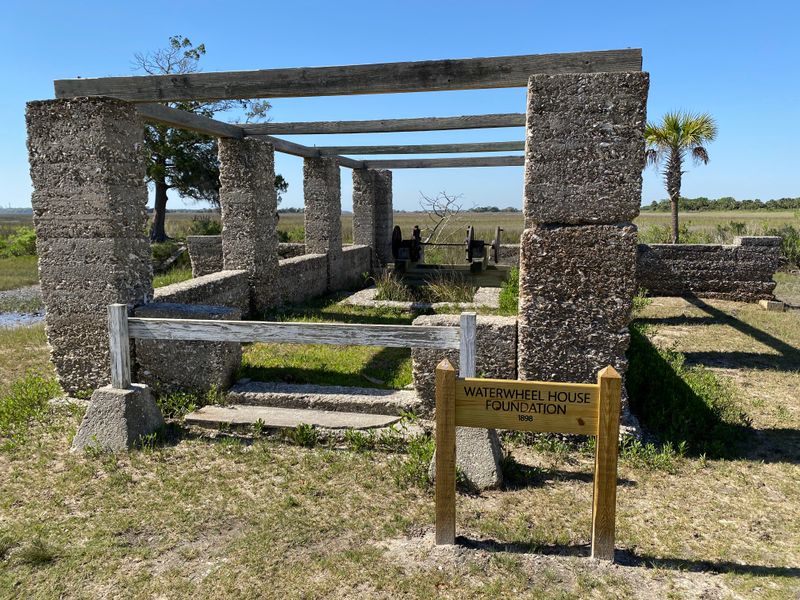
Human footprints here span centuries, from Indigenous Timucua to Spanish missions to plantation eras. The tabby ruins whisper of wealth shaped by marsh lime and enslaved labor, a truth worth standing with.
Later, the Carnegie family built grand homes, now open to wind and wren. In 1972, the island became a National Seashore, protecting 90 plus percent of its terrain.
That decision preserved 17 miles of shoreline and a labyrinth of forest and marsh. Today, visitation is capped by ferry capacity, which keeps the experience intimate.
As you walk, interpretive signs add weight and context to the beauty. You carry both awe and responsibility.
The future of this place rides on choices made quietly by visitors every day.
Storm Strategy And Staying Dry
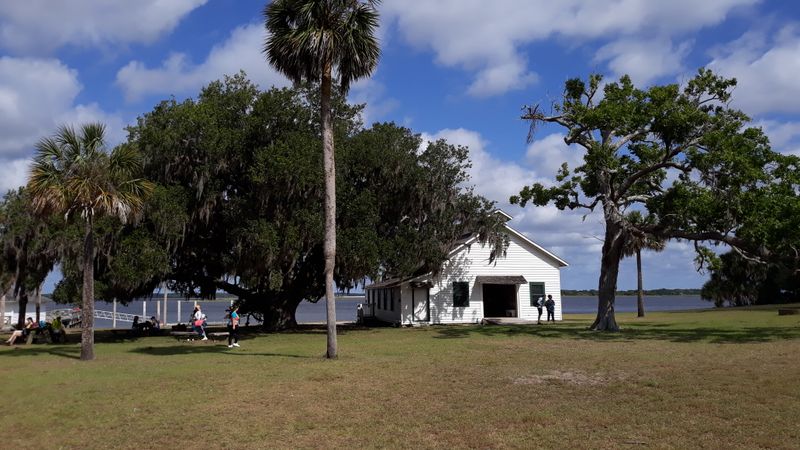
Coastal storms arrive like flipped switches. One minute you are sunlit, the next you are wringing water from sleeves.
Pack a real rain shell or poncho, and stash a dry base layer in a sealed bag for the ferry ride back. Know where ranger stations are and which boardwalks lead to quick shelter.
A small sit pad keeps you warmer than standing on soaked ground. Hot drinks are not provided, so bring an insulated bottle with tea or cocoa if chill is a concern.
Lightning changes plans immediately; leave open beaches and isolate from tall exposed trees. After squalls, trails steam and sand firms for easier movement.
The right mindset and gear turn a rough day into a story you will love telling.
Photography And Quiet Moments
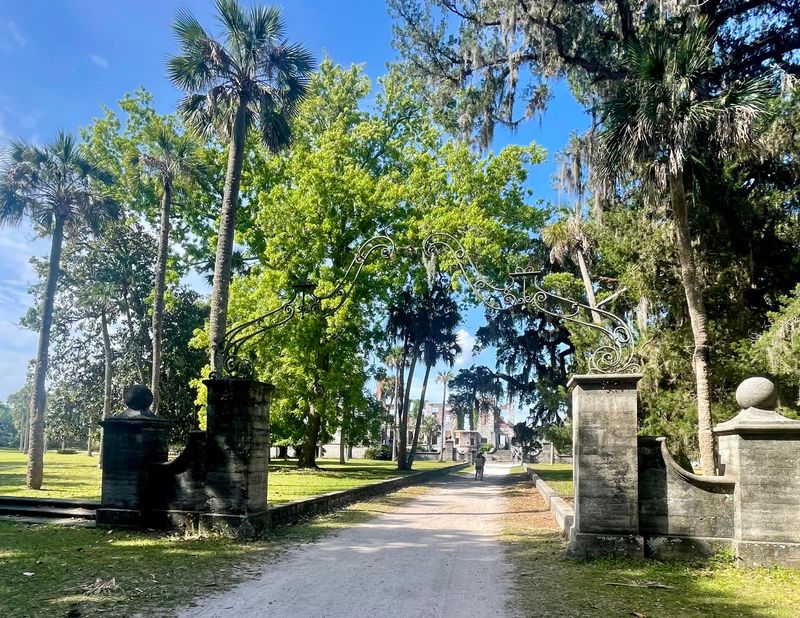
Light here is everything. Sunrise pulls pink across the water and outlines horses as living brushstrokes on the dunes.
Midday punches contrast through oak tunnels, while late afternoon gilds tabby with honey. Travel light with a telephoto for respectful wildlife shots and a wide lens for landscapes.
Keep sand out of gear with zip bags and a small blower. Most magic happens when you pause long enough for silence to fill the frame.
Footprints wash away, so move slowly and watch your edges. A tripod is nice, but a stable knee and breath can steady most moments.
Let the rhythm of surf guide your shutter finger.
Sample Day Itinerary Without The Rush
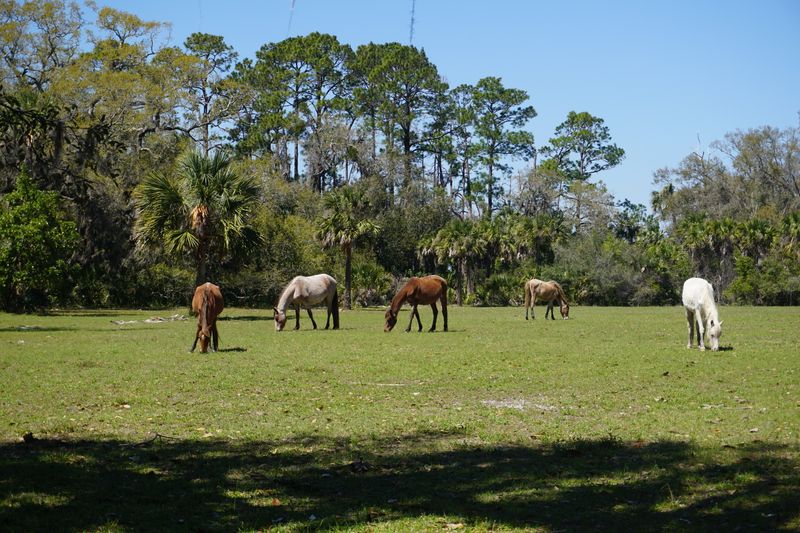
Catch the morning ferry and sit on the upper deck to watch marsh light grow. At Sea Camp, join the brief ranger talk, then hike the River Trail to Dungeness.
Explore the ruins, keep horse distance, and cut over the boardwalk to the beach. Walk north on firm sand for an hour, snack above the wrack line, and listen to the constant hush.
Loop back through the oak tunnels toward Sea Camp, grabbing shade breaks under broad limbs. Stop at a spur trail to spot armadillos and listen for woodpeckers.
Refill water at the dock and check your return ticket time. If you have energy, a final beach dash delivers one more horizon fix.
Board early, sun tired and salt happy, ready to plan a longer stay next time.



