Few places bring American history to life like Gettysburg. During three pivotal days in July 1863, this small Pennsylvania town became the site of one of the Civil War’s most important battles, with its fields, ridges, and roads shaping the course of the conflict.
Today, much of that historic landscape remains remarkably preserved. From iconic battlefields to historic homes and monuments, these locations offer a powerful connection to the events that helped define the nation’s future.
1. Gettysburg National Cemetery, Gettysburg, Pennsylvania
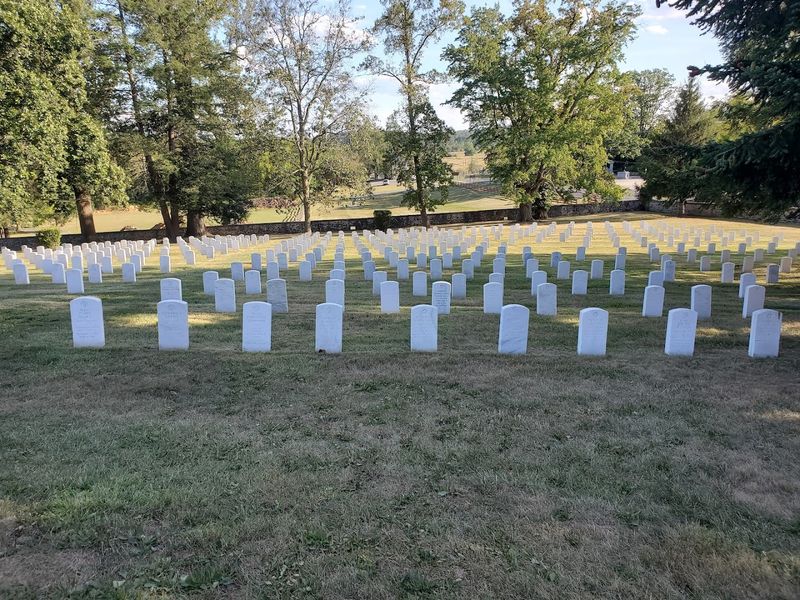
On November 19, 1863, Abraham Lincoln stood on this ground and delivered a 272-word speech that changed how Americans understood the purpose of their nation. The Gettysburg Address was not the main event that day, but it became the most remembered moment of the entire dedication ceremony.
The cemetery was established to provide a proper burial site for Union soldiers who fell during the battle. More than 3,500 Union soldiers are buried here, with graves arranged in a semicircular pattern organized by state.
The Soldiers’ National Monument marks the approximate spot where Lincoln delivered his address. Visitors often pause here longer than anywhere else in Gettysburg, reading the speech on nearby markers and reflecting on its enduring message about equality and national purpose.
Unlike many historic sites, the cemetery requires no ticket and no tour guide to appreciate. Its layout and quiet atmosphere do the storytelling on their own, making it one of the most accessible and genuinely moving stops in the entire Gettysburg area.
2. David Wills House, Gettysburg, Pennsylvania
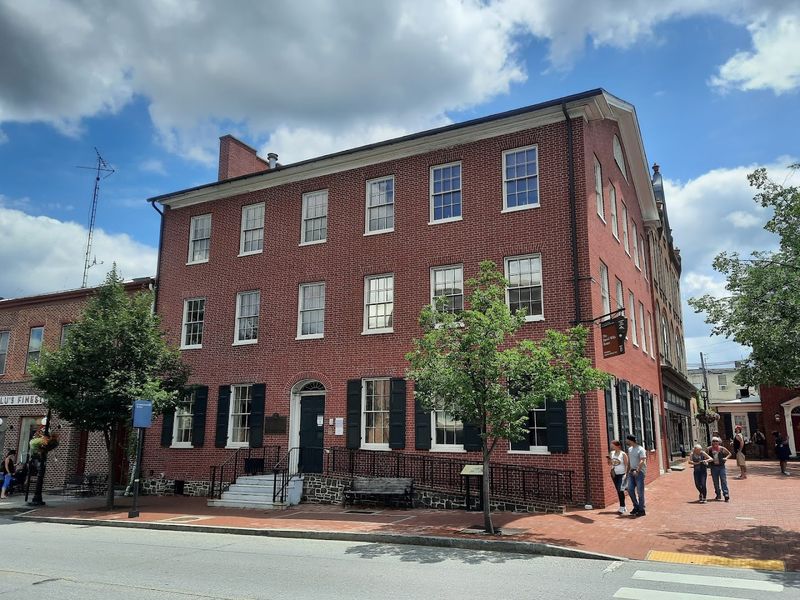
The night before one of the most famous speeches in American history, President Abraham Lincoln slept in this brick townhouse on the central square of Gettysburg. That detail alone makes the David Wills House worth a visit.
David Wills was a prominent local attorney who organized the creation of Gettysburg National Cemetery and personally invited Lincoln to attend the dedication. Lincoln arrived by train on November 18, 1863, and finished revising his address in the upstairs bedroom now preserved for visitors.
The house reopened as a museum in 2009 after a major restoration project. Interactive exhibits on multiple floors explore Lincoln’s visit, the aftermath of the battle, and the enormous logistical challenge of organizing a national cemetery in a town still overwhelmed by the consequences of three days of fighting.
A reproduction of the room where Lincoln stayed is among the most visited spaces inside. The museum is operated by the National Park Service and sits directly adjacent to the visitor center for the broader Gettysburg historic district.
3. Seminary Ridge Museum And Education Center, Gettysburg, Pennsylvania
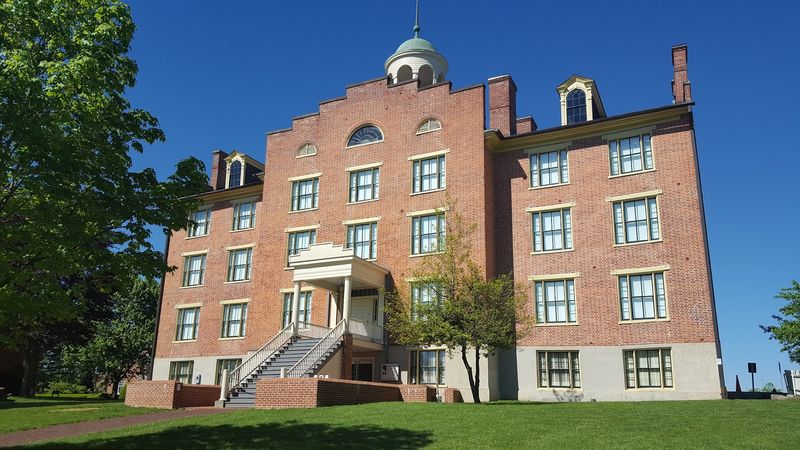
Before a single shot was fired on July 1, 1863, Union cavalry commander General John Buford climbed to the cupola of this building and spotted Confederate columns approaching from the west. That observation set the entire battle in motion.
The building, known as Schmucker Hall, is part of the Lutheran Theological Seminary and served as a field hospital during and after the battle. Today it houses the Seminary Ridge Museum, which focuses on the experiences of soldiers and civilians caught in the chaos of the opening day of fighting.
Visitors who climb to the cupola get the same sweeping view Buford had, looking out across the ridges and roads where Confederate forces advanced. The experience makes it remarkably easy to understand why controlling this high ground mattered so much in the early hours of the battle.
The museum’s exhibits use personal accounts, artifacts, and maps to explain the complex decisions made on July 1, which ultimately shaped where and how the rest of the battle would unfold over the following two days.
4. Little Round Top, Gettysburg, Pennsylvania
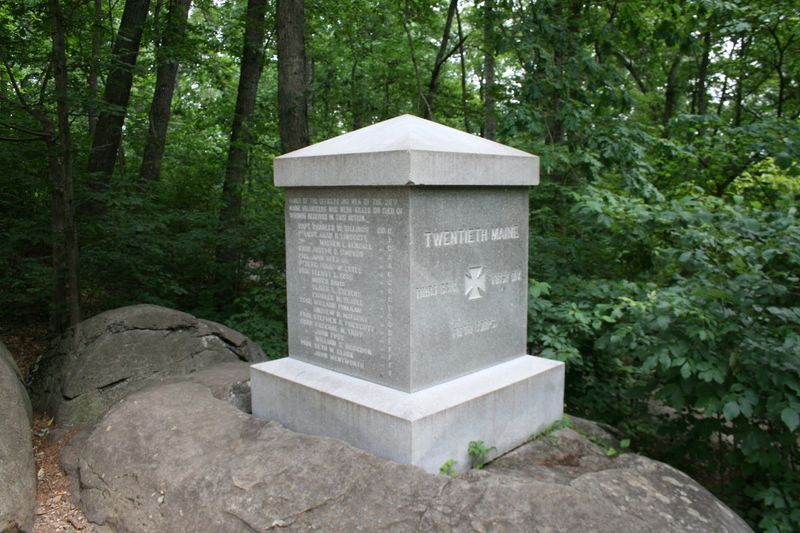
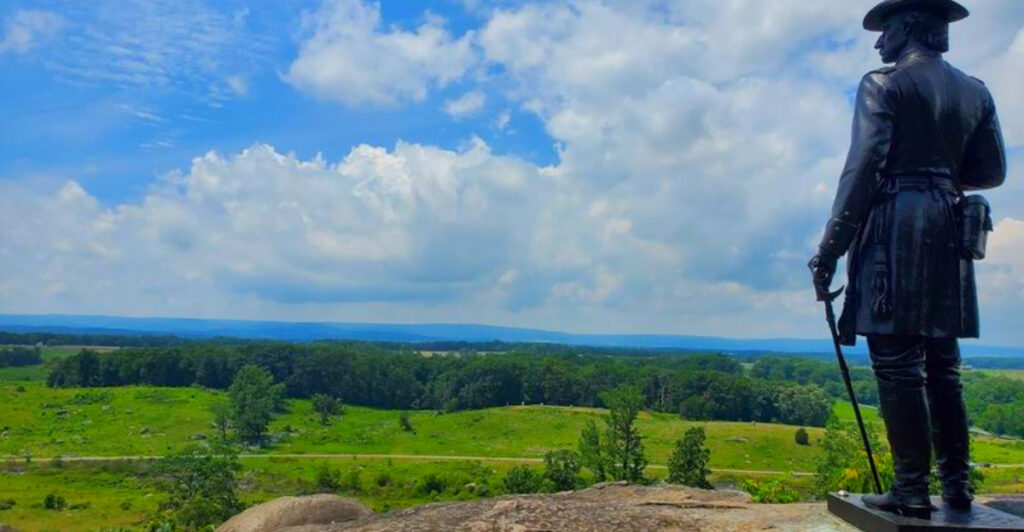
Colonel Joshua Chamberlain and the 20th Maine Volunteer Infantry Regiment were nearly out of ammunition on the afternoon of July 2, 1863, when Chamberlain made a decision that military historians still discuss today. He ordered his men to fix bayonets and charge downhill.
That charge stopped a Confederate flanking movement that could have rolled up the entire Union left and potentially collapsed the Army of the Potomac’s defensive line. Little Round Top, a rocky hill at the southern end of the battlefield, was described at the time as the key to the whole Union position.
Today the hill is one of the most visited spots in the park. Restored walking paths wind through the boulder-strewn landscape, passing monuments to the units that fought here. The views from the summit stretch across the battlefield in several directions, giving visitors a clear sense of the strategic value of the high ground.
The monument to the 20th Maine sits near the spot where Chamberlain’s men made their famous stand, and it draws visitors from across the country who know the story well.
5. Gettysburg National Military Park, Gettysburg, Pennsylvania
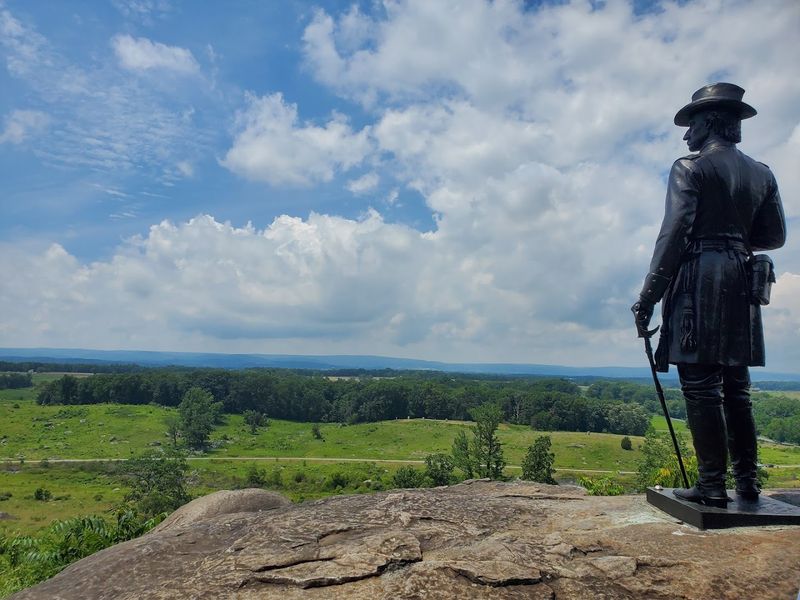
Covering more than 6,000 acres of preserved battlefield, Gettysburg National Military Park is the kind of place that makes history feel genuinely close rather than textbook-distant.
The park protects fields, ridges, woodlands, and farm structures where the three-day Battle of Gettysburg unfolded between July 1 and 3, 1863. More than 1,300 monuments, markers, and memorials have been placed across the landscape by states, regiments, and individual units that fought here.
Visitors can follow an 18-mile auto tour route that winds through the most significant positions on both sides of the battle. Ranger-led programs, cycling routes, and licensed battlefield guides offer different ways to experience the terrain at your own pace.
The park’s visitor center includes a massive cyclorama painting depicting Pickett’s Charge, which stretches 377 feet in circumference and gives a dramatic overview of the battle’s climactic moment. Few historic sites in the country offer this combination of scale, detail, and accessibility all in one place.
6. Devil’s Den, Gettysburg, Pennsylvania
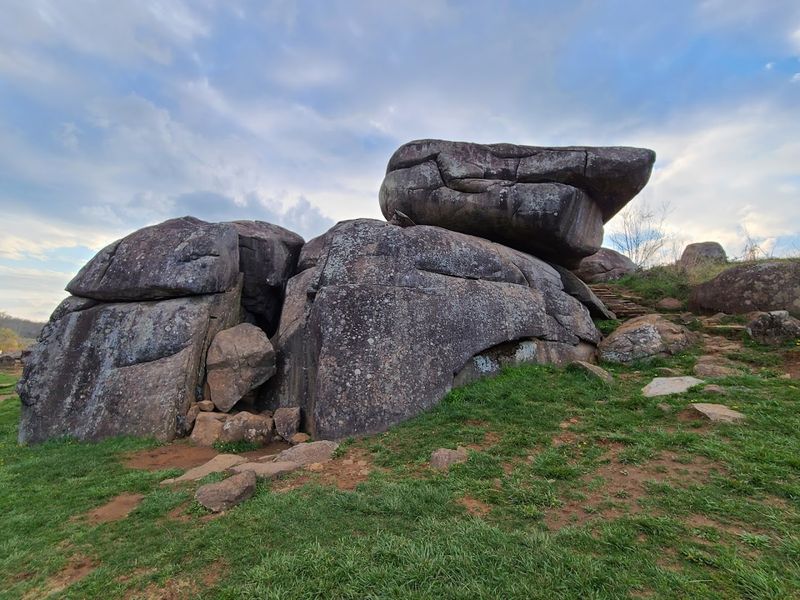
Nature arranged the boulders at Devil’s Den so dramatically that visitors often assume someone placed them there for effect. Nobody did. The geology of southern Pennsylvania simply produced this striking cluster of massive rocks at the base of Little Round Top, and in July 1863, both sides immediately recognized its tactical value.
Confederate forces captured Devil’s Den on the afternoon of July 2 after intense fighting. The rocks provided excellent cover for sharpshooters, who used elevated positions among the boulders to fire toward Little Round Top and the surrounding fields. Casualties were severe on both sides during the struggle for this position.
One of the most famous photographs from the entire Civil War was taken here by photographer Alexander Gardner, showing a Confederate soldier positioned among the rocks. The image became one of the defining visual documents of the battle.
Today Devil’s Den is one of the most photographed locations in the entire park. Children especially enjoy climbing the boulders, making it a spot where families tend to linger longer than expected on any battlefield tour.
7. The Peach Orchard, Gettysburg, Pennsylvania
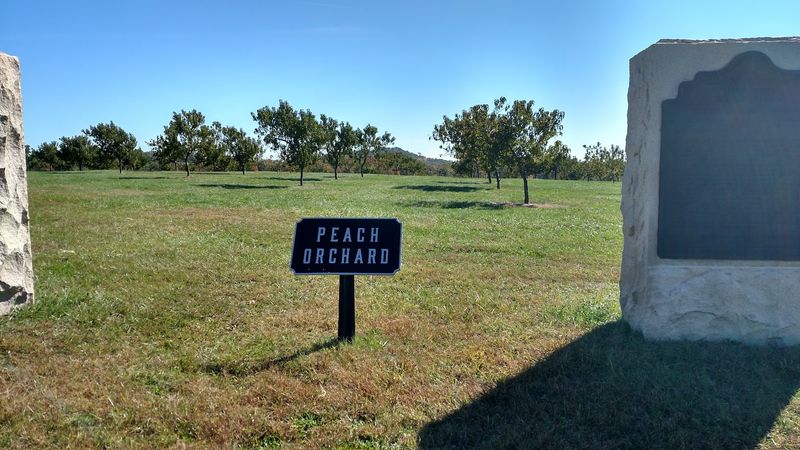
Union General Daniel Sickles made one of the most controversial decisions of the entire battle when he moved his Third Corps forward to this elevated crossroads without orders from his commanding general. He thought the higher ground was worth the risk. He was wrong, and the consequences were catastrophic.
Sickles created a dangerous salient, a position that jutted out from the main Union line and could be attacked from multiple directions at once. Confederate forces under General James Longstreet hammered the exposed position on July 2, triggering some of the most ferocious artillery exchanges and infantry combat of the entire battle.
The Union line at the Peach Orchard eventually collapsed, forcing a desperate retreat and nearly unraveling the entire left side of the Army of the Potomac. Sickles himself lost his leg to a cannonball during the fighting, and he spent the rest of his long life insisting his decision was correct.
Informational markers along Emmitsburg Road today explain the tactical situation clearly, making this one of the best spots in the park for understanding how quickly battlefield decisions can spiral out of control.
8. The Wheatfield, Gettysburg, Pennsylvania
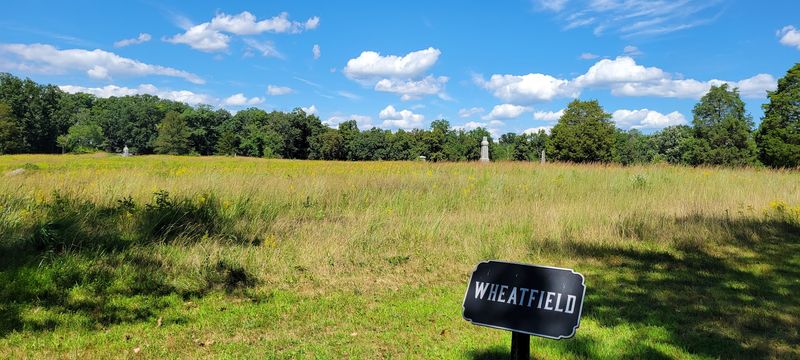
Few places on the Gettysburg battlefield look as peaceful today as the Wheatfield, and few places saw more concentrated chaos during the battle. Control of this roughly 26-acre field changed hands at least six times on the afternoon of July 2, 1863.
Brigade after brigade was fed into the fighting here as Union and Confederate commanders each tried to hold a position that kept slipping away. The casualty numbers from just a few hours of fighting in and around the Wheatfield were staggering, earning it a grim reputation among historians who study the second day of the battle.
The field sits between the Peach Orchard and Devil’s Den, meaning the fighting in all three locations was closely connected. Troops moving through the Wheatfield faced fire from multiple directions as the Union line in the area began to fracture under Confederate pressure.
Walking the field today, visitors pass stone walls and wooden fencing that mark the original boundaries of the farmland. The contrast between the current pastoral setting and the documented violence of July 2 is something that tends to stay with visitors long after they leave.
9. Jennie Wade House, Gettysburg, Pennsylvania
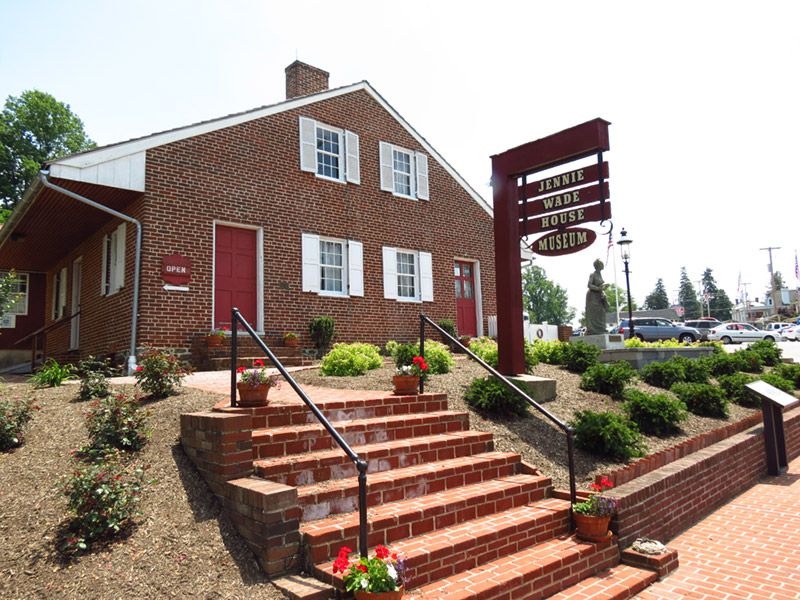
Mary Virginia Wade, known to everyone as Jennie, was 20 years old and baking bread for Union soldiers when a bullet passed through two wooden doors and struck her on the morning of July 3, 1863. She became the only civilian recorded as having been killed during the Battle of Gettysburg.
The house where she died still stands on Baltimore Street, just a short walk from Cemetery Hill. Her sister Georgia had recently given birth, and Jennie had come to help care for the newborn when the fighting surrounded the neighborhood.
Guided tours take visitors through the preserved rooms, where original period furnishings and the actual bullet holes in the doors remain visible. The tour provides a powerful reminder that the battle did not only affect soldiers. Thousands of civilians were trapped in and around Gettysburg during three days of intense fighting.
The Jennie Wade House is privately operated and one of the most visited attractions in town. It offers a personal, human-scale perspective on the battle that complements the broader military history told across the rest of the battlefield.
10. Shriver House Museum, Gettysburg, Pennsylvania
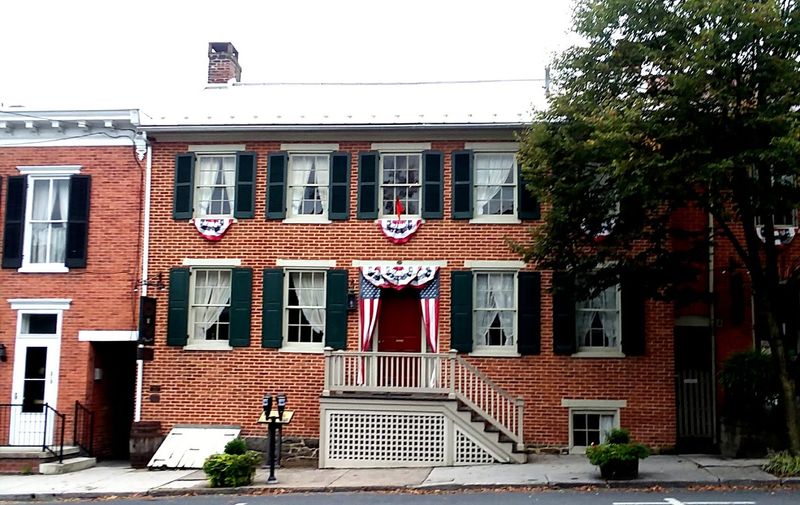
George and Hettie Shriver built this comfortable home on Baltimore Street just two years before the battle arrived at their doorstep. When Confederate forces occupied Gettysburg on July 1, 1863, the Shriver family had already fled. What they left behind became something far more complicated than a family home.
Confederate sharpshooters set up positions in the garret of the house, using holes they cut into the walls to fire at Union positions on Cemetery Hill. The billiard hall George had built on the ground floor was converted into a makeshift holding area. The house was essentially commandeered for military use within hours of the family’s departure.
The museum that operates there today focuses specifically on the civilian experience of the battle, using the Shriver family’s story as the central thread. Careful restoration work has returned many rooms to their 1863 appearance, including the garret where the sharpshooter positions are still visible.
Guided tours are available and are especially effective at helping younger visitors connect with the human side of a battle often discussed primarily in terms of military strategy and troop movements.
11. Sachs Covered Bridge, Gettysburg, Pennsylvania
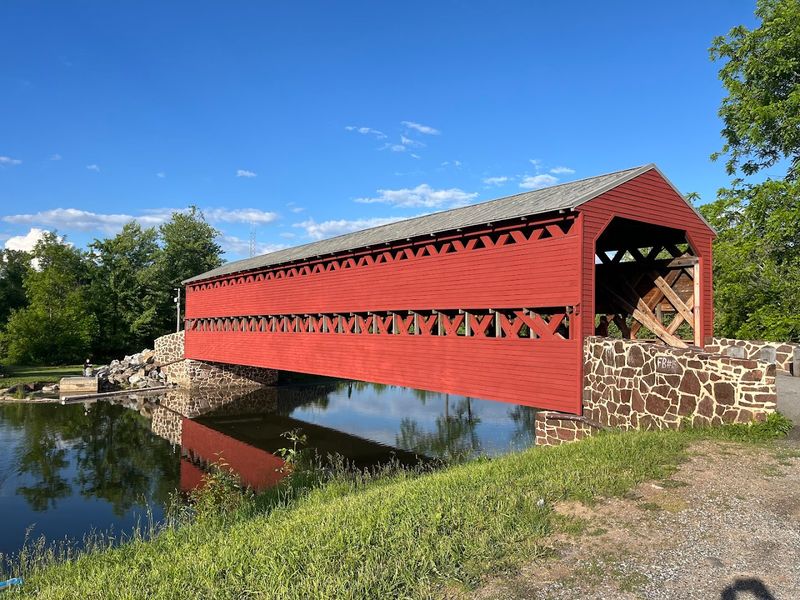
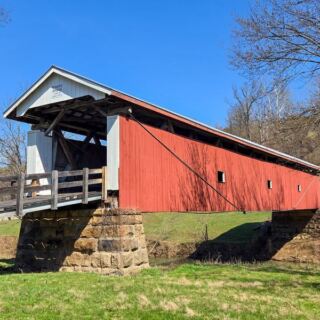
Built in 1854, this 100-foot wooden covered bridge crossing Marsh Creek has outlasted the battle, multiple floods, and nearly two centuries of Pennsylvania winters. It is one of the oldest surviving covered bridges in Adams County, and it has a direct connection to the campaign that defined Gettysburg’s place in history.
Both Union and Confederate forces used the bridge during the battle. Confederate troops retreating after their defeat crossed here on the night of July 4 and into July 5, 1863, making it one of the last places in the Gettysburg area to see significant military traffic during the campaign.
The bridge is located about a mile south of town on Pumping Station Road and is easily accessible to visitors on foot or by car. It was restored in the 1990s after flood damage and remains open to pedestrians today.
12. Eisenhower National Historic Site, Gettysburg, Pennsylvania
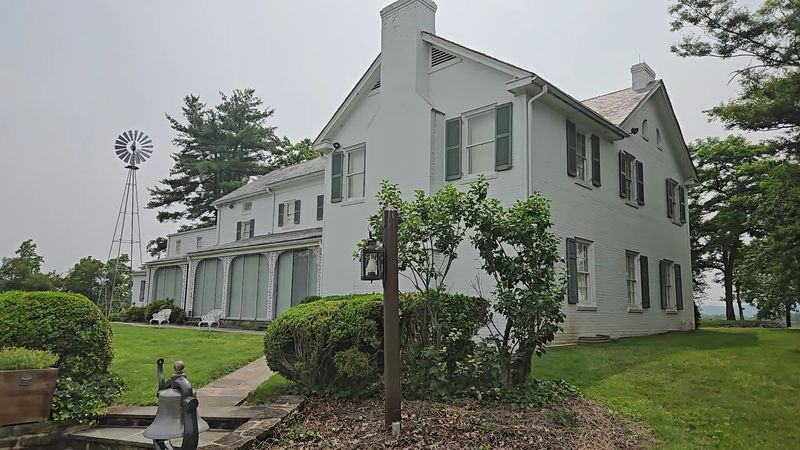
Gettysburg’s connection to American presidential history did not end with Lincoln. Nearly a century after the Civil War, President Dwight D. Eisenhower and his wife Mamie chose this 189-acre farm just outside town as their first and only permanent home.
Eisenhower purchased the property in 1950 and used it as a retreat during his presidency from 1953 to 1961. World leaders including Winston Churchill, Nikita Khrushchev, and Charles de Gaulle visited the farm for meetings, making this quiet Pennsylvania property an unlikely backdrop for Cold War diplomacy.
After Eisenhower’s presidency, the couple retired here permanently. The farm was donated to the National Park Service in 1967 and opened to the public following Mamie Eisenhower’s passing in 1979. Tours of the fully furnished home reveal a surprisingly modest residence for a five-star general and two-term president.
The site is accessible via shuttle from the Gettysburg National Military Park visitor center.
Share this story