 Unearth The Voyage
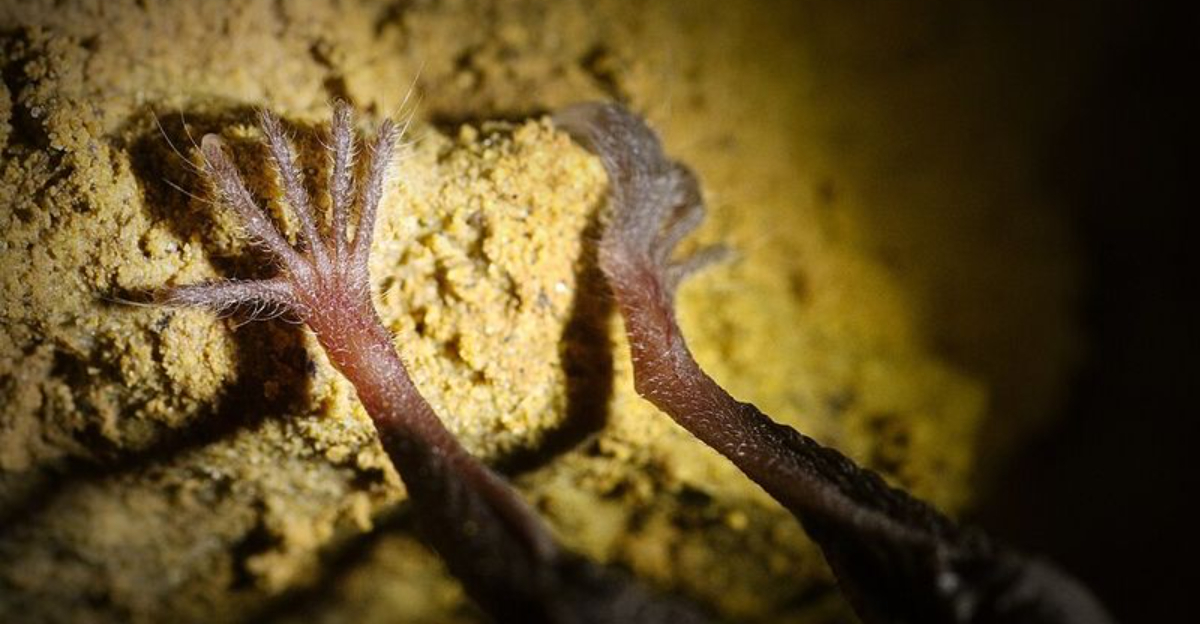
A new global study has identified which animals are most likely to host viruses capable of triggering the next major human epidemic, and the answer is more specific than many people expect. By analyzing data from nearly 900 mammal species worldwide, researchers tracked which animals have repeatedly hosted viruses that cause severe, fast-spreading outbreaks in humans.
The findings, published in the journal Communications Biology, reveal that epidemic risk is not evenly spread across animals, but instead clusters within specific evolutionary groups.
1. Most New Human Diseases Come From Animals

More than 70% of emerging infectious diseases in humans originate in animals, making it critical to understand where epidemic risk is concentrated. Scientists are no longer asking whether animals like bats are dangerous in general.
Instead, they want to pinpoint which specific species and families pose higher risks and why.
This approach helps researchers focus their efforts on the most dangerous threats. By studying patterns in how diseases jump from animals to humans, experts can predict where the next outbreak might start.
Understanding these connections could save millions of lives in the future.
The research moves beyond simple assumptions about wildlife. It uses hard data to reveal which creatures truly deserve our attention.
This scientific method gives public health officials better tools to prepare for emerging diseases.
2. Researchers Studied Nearly 900 Mammal Species
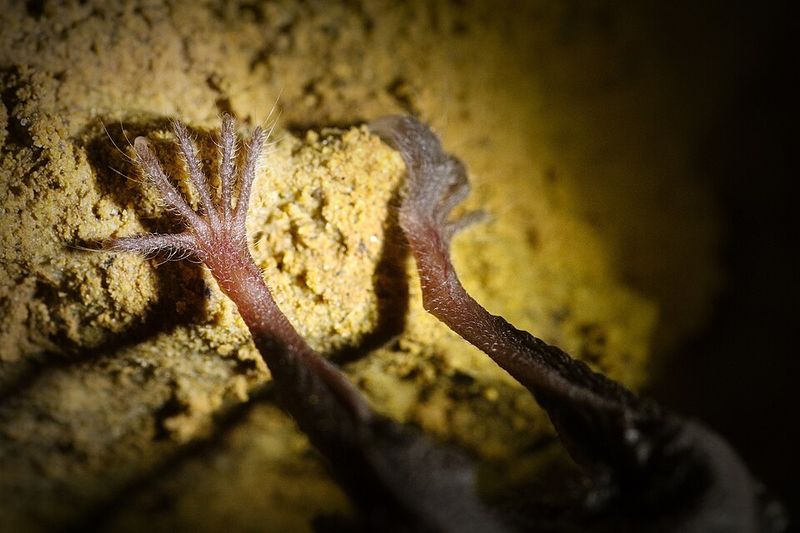
Caroline Cummings, a doctoral researcher at the University of Oklahoma, led a team that compiled extensive data on mammals and the viruses they host. The scientists examined how often each species had produced viruses linked to severe illness, rapid human-to-human transmission, and high death tolls.
This massive undertaking required analyzing countless scientific papers and disease records.
By looking at nearly 900 different mammal species, the team created one of the most comprehensive databases ever assembled on animal-borne diseases. They tracked which animals repeatedly showed up as sources of dangerous viruses.
This allowed them to move beyond assumptions and focus on measurable epidemic potential.
The study represents years of careful work collecting and organizing information. Rather than guessing which animals might be risky, scientists now have solid evidence.
This groundbreaking research provides a roadmap for future disease prevention efforts.
3. Scientists Created a New Epidemic Potential Score

To compare species fairly, researchers developed a unique metric called viral epidemic potential. This innovative scoring system combined how deadly a virus is, how easily it spreads, and how many deaths it has caused.
Using this framework, the team identified which animal hosts repeatedly produce high-risk viruses, rather than one-off events.
Think of it like a report card for dangerous viruses. Each virus gets graded on multiple factors that determine how much trouble it could cause for humanity.
Animals that host viruses with high scores deserve the most attention from disease surveillance programs.
This scoring system represents a major breakthrough in pandemic prediction. Before this research, scientists lacked a standard way to rank epidemic threats from different animal sources.
Now they can prioritize their monitoring efforts based on real risk levels instead of hunches or media hype.
4. Not All Bats Are High Risk, Only Certain Families
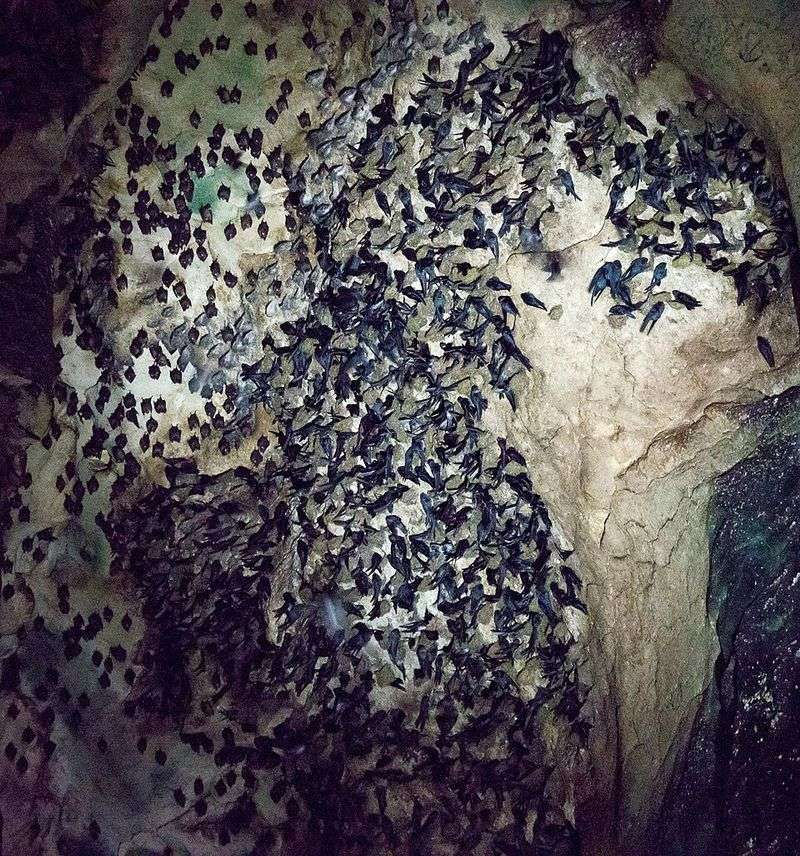
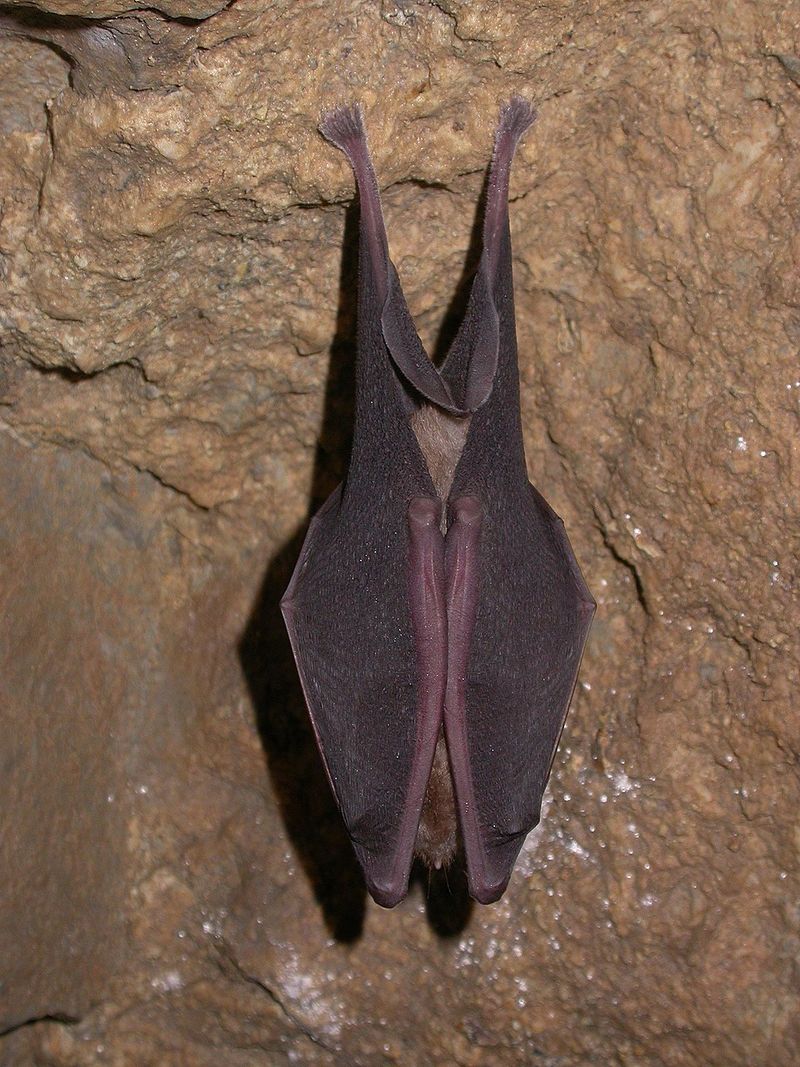
Contrary to popular belief, bats as a whole did not stand out as unusually dangerous. Instead, epidemic risk clustered within specific bat lineages, particularly horseshoe bats (Rhinolophidae) and certain insect-eating bats, including free-tailed and vesper bats.
Caroline Cummings explained, “As opposed to all bats carrying all dangerous viruses, it’s only certain bats.”
This finding challenges the common misconception that people should fear all bats equally. Most bat species pose little threat to human health and play vital roles in ecosystems by eating insects and pollinating plants.
Only a handful of bat families consistently host viruses capable of causing human epidemics.
Understanding this distinction matters for conservation efforts. Protecting beneficial bat populations while monitoring high-risk species requires knowing which is which.
Blanket fear of all bats could harm ecosystems without improving disease prevention at all.
5. Human Activity Increases the Risk of Spillover
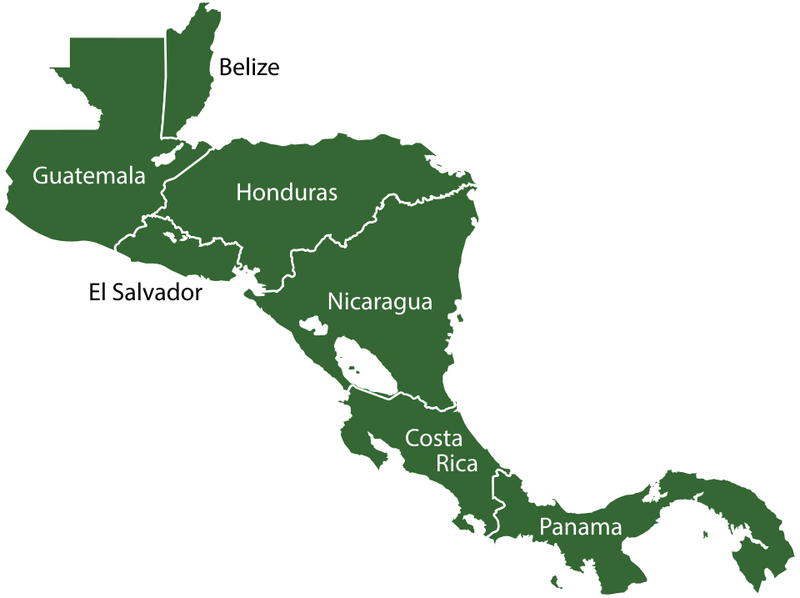
After identifying high-risk bat families, researchers mapped where they live alongside human environmental impact, such as deforestation and urban expansion. They found major overlap hotspots in Central America, coastal South America, equatorial Africa, and Southeast Asia.
These regions show the highest probability of future disease spillover events.
Studies show bats living in disturbed landscapes carry higher rates of coronaviruses than those in intact habitats. When forests get cleared for farms or cities, bats lose their natural homes and food sources.
Stressed and hungry, these animals venture closer to human settlements, increasing the chances of virus transmission.
The connection between habitat destruction and disease risk is clear. Human expansion into wild areas creates dangerous intersections where people and high-risk animals meet.
Protecting natural habitats benefits both wildlife conservation and human health security simultaneously.
6. Human Behavior Matters More Than the Animals Themselves

Land clearing, agricultural expansion, and urban development force bats into closer contact with people, increasing stress and viral shedding. Some high-risk bat families already roost in barns, attics, and bridges.
This overlap means human choices, not bats alone, largely determine whether a virus spills over into people.
When bats experience stress from losing their habitat, their immune systems weaken and they shed more viruses. Agricultural practices that bring livestock into former wildlife areas create perfect opportunities for diseases to jump species.
Urban sprawl pushes the boundaries between wild and domestic spaces ever closer together.
The good news is that humans have control over these risk factors. Better land use planning, protecting wildlife corridors, and maintaining buffer zones between wild and developed areas can significantly reduce spillover risk.
Changing our behavior offers powerful pandemic prevention that costs far less than responding to outbreaks.
7. Targeted Monitoring Could Prevent Future Pandemics
Testing wildlife for new viruses is expensive and time-consuming. By identifying specific high-risk bat families, scientists say surveillance can become more focused and effective.
This targeted approach also frees resources to monitor rodents, primates, and livestock, all of which are known carriers of dangerous pathogens.
Rather than testing every animal everywhere, researchers can concentrate their efforts where the data shows the greatest risk. This strategy makes limited funding and scientific personnel go much further.
Public health agencies can set up monitoring stations in high-risk regions identified by the study.
Early detection of emerging viruses gives humanity a fighting chance to contain outbreaks before they become pandemics. Did you know that catching a dangerous virus in wildlife before it reaches humans could prevent the next global health crisis?
This research provides the blueprint for smart, science-based pandemic prevention that actually works.



