 Unearth The Voyage
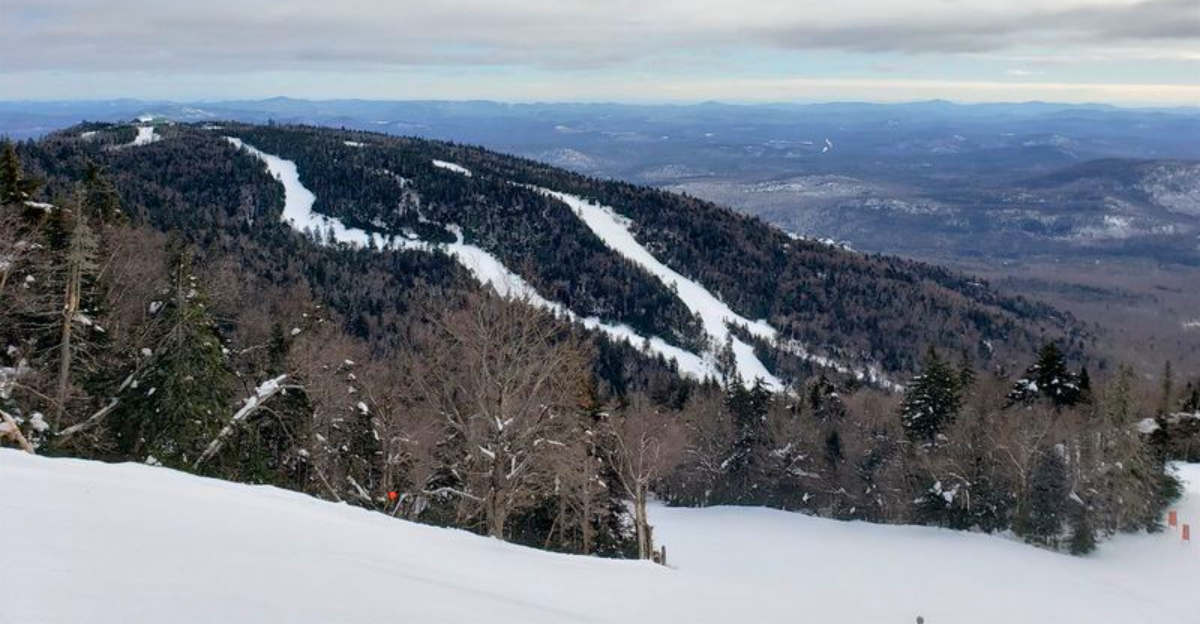
A quiet winter morning at Gore Mountain turned tense when the Northwoods Gondola shuddered to a halt, stranding dozens of riders midair. You could almost feel the hush over the trees as emergency teams mobilized, ropes and radios in hand.
What followed was a carefully choreographed rescue that balanced speed with safety. Here is how it unfolded, what caused it, and why the ski day ultimately carried on.
A Gondola Breakdown on the Slopes of Gore Mountain
On a crisp Wednesday morning in upstate New York, the Northwoods Gondola at Gore Mountain stopped abruptly, suspending roughly 60 to 70 riders over fir and hardwood canopies. Radios crackled from the base as lift operators confirmed a mechanical alignment issue and executed a controlled stop.
You can picture the cabins swaying slightly in the breeze, skiers peering out, scanning the forested slopes while waiting for instructions. Within minutes, resort staff and forest rangers assembled beneath the line, pulling sleds, rope kits, and thermal blankets.
Standard protocols clicked into place because lift systems are engineered for contingencies like this. The goal was straightforward yet delicate: stabilize each cabin, brief passengers, and lower them methodically to the snow.
From below, the scene looked calm, with responders moving in practiced sequences. These incidents are rare but not unimaginable at large resorts where gondolas carry massive loads all day.
Gore, a popular Adirondack destination, treats the lift network like a circulatory system for the mountain. When an artery pauses, the entire operation adapts.
For riders, the wait felt longer than it was, time stretching with every creak and whisper of wind. Teams worked cabin by cabin, maintaining communication so everyone knew what to expect.
The priority never wavered: keep guests safe, keep the process orderly, and avoid secondary risks. While the mountain’s hum slowed, its safety culture took center stage.
By the time the last rope lowered, confidence in the system had endured.
Rescue Efforts Bring Everyone to Safety
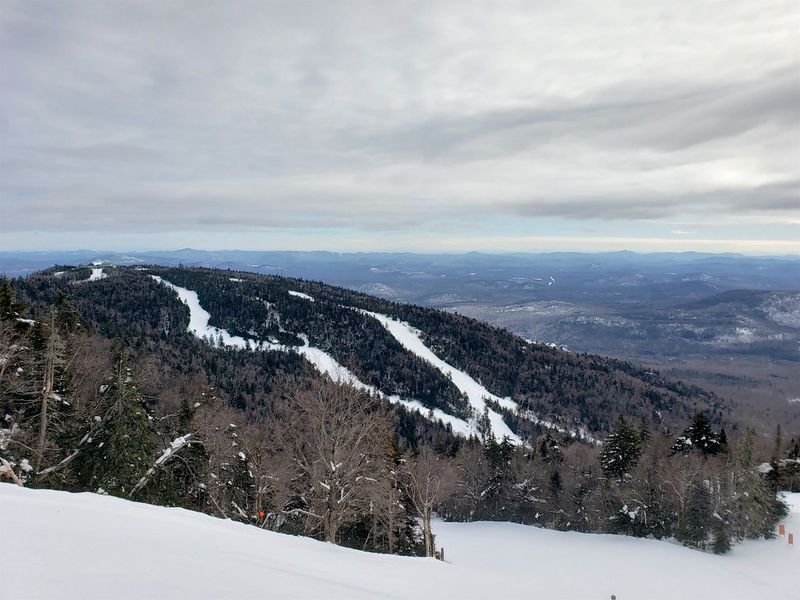
When the gondola stalled, the response snapped into motion with practiced clarity. Dispatch confirmed a 911 call just after 10:30 a.m., and State Police synced with mountain operations and forest rangers.
You could hear crisp commands carry through the cold, each team member focusing on harnesses, anchors, and belay checks. Evacuations began systematically, prioritizing cabins easiest to access and riders most in need.
Rescuers clipped in, opened doors carefully, and reassured passengers before lowering them to the snow on controlled lines. No injuries were reported, a testament to training, communication, and calm cooperation.
Riders stepped off, legs a little shaky, then gathered for quick assessments and warm-ups. The tempo felt deliberate rather than dramatic.
Rope technicians confirmed edge protection and knot integrity, while patrollers managed crowd flow below. Radios relayed progress cabin by cabin, keeping the operation steady.
You could sense the professionalism in the cadence: assess, brief, lower, confirm, repeat. As hours passed, the line of rescued skiers grew, bundled in helmets and goggles, chatting with responders who maintained easy, reassuring tones.
The last descents drew quiet applause from onlookers near the base. By early afternoon, the mountain could say everyone was safe, accounted for, and on solid ground.
The operation read like a textbook drill, executed in real conditions, with human patience making all the difference.
What Happened and What Comes Next
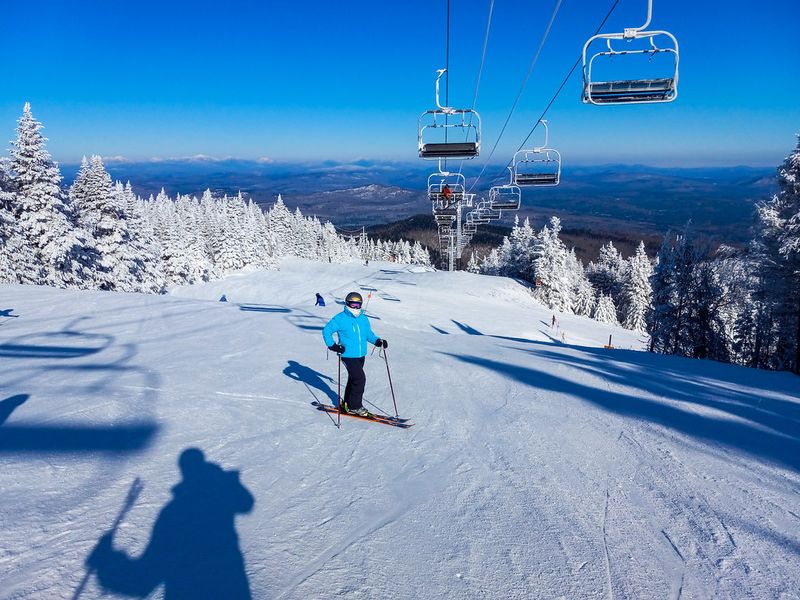
Resort officials traced the stoppage to a mechanical alignment issue within the gondola system, a fault that triggered an immediate safety shutdown. That automatic stop is exactly what ride engineering intends.
It halts movement, protects passengers from compounding forces, and gives technicians time to evaluate without escalating risk. The Northwoods Gondola, an eight-passenger lift installed in 1999, usually moves thousands uphill through winter.
After evacuations concluded, other lifts and trails reopened while teams dug into inspections. You could feel the operational pivot: keep the mountain open where safe, isolate the problem zone, and verify every relevant component.
Later service depends on clear diagnostics and documented fixes. Technicians now review alignment tolerances, grips, towers, and drive systems, logging results against maintenance schedules.
Any suspect parts will be replaced, then tested under controlled loads before public operation resumes. You may not see that work up close, but it is exacting and repetitive by design.
Redundancy reduces surprises. Officials made the call to hold the gondola offline until every box is checked.
That patience is not hesitation. It is risk management applied to winter recreation, where trust is earned in increments.
Once complete, reporting will outline what failed, why, and how it was corrected. The takeaway is familiar: protocol worked, training held, and safety eclipsed speed.
Ski Season Continues After the Scare
Despite the disruption, the ski day found its footing. With evacuations finished, 10 of 14 lifts spun and 81 of 108 trails reopened, giving guests room to settle back into turns.
You could sense the reset in lift lines and on corduroy, where conversations shifted from ropework to snow quality. Resort management emphasized that lift stoppages are uncommon thanks to constant maintenance and rigorous inspections.
That message matters after a scare, especially during a busy holiday week. Many riders took a warm break, then headed back out, layering confidence with each run.
The Adirondack air stayed sharp, but the mood lightened. For regulars and visiting families, the day’s ending felt pragmatic, not triumphant.
Operations adapted, communications stayed clear, and skiing continued within safe parameters. When a marquee lift pauses, the mountain reroutes travelers without losing momentum.
You get choices: alternate chairs, different pods, fresh views. Looking ahead, the gondola will return only after exhaustive checks and documented sign-off.
Until then, terrain remains open, snowmaking presses on, and patrol keeps watch along familiar fall lines. If you are planning a visit, expect transparency on lift status and plenty of options to explore.
The lesson is simple: resilience is built into the mountain, and so is your ability to keep carving.



