 Unearth The Voyage
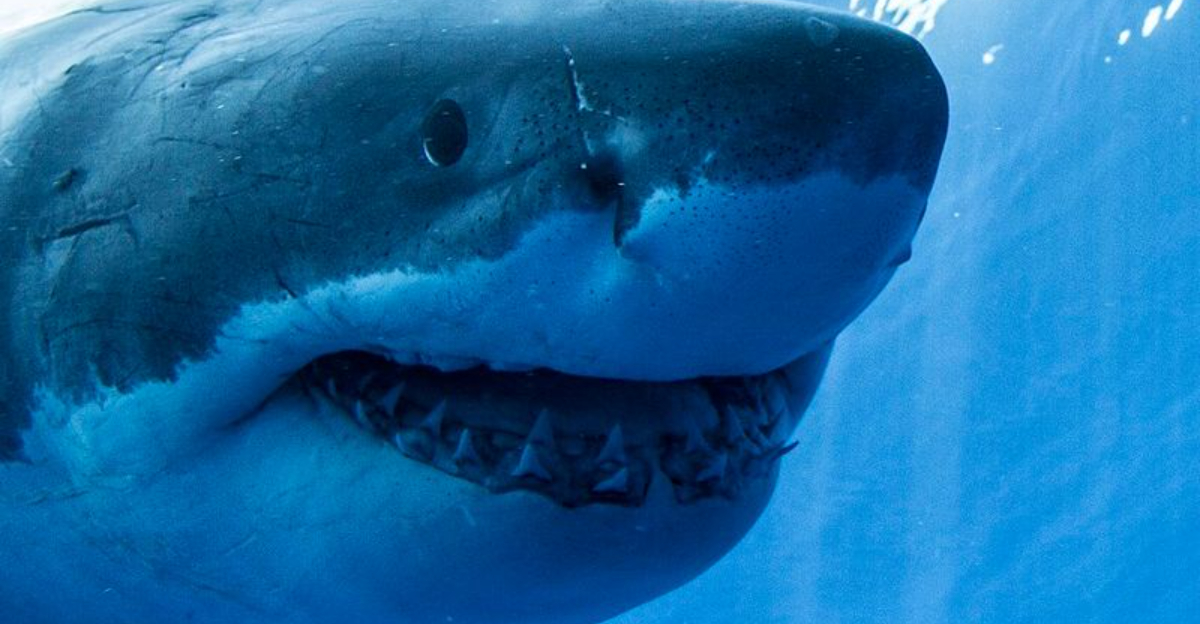
Winter storms do more than rearrange beach sandbars. They can also reshape the underwater highways that great white sharks follow, drawing these apex predators closer to the coast.
As nor’easters stir currents and shuffle prey, sharks like Cayo ride shifting temperatures and food cues along the Atlantic corridor. Here is how science is decoding that interplay in real time, and what it means for you on shore.
Cayo is a 10 foot, 689 pound great white tracked from Mahone Bay, Nova Scotia, since July 2025. Her pings now cluster off the Carolinas as January closes, aligning with the species winter push toward milder, prey rich shelves.
You can picture a living chart: currents, temperatures, and bait schools guiding each surface break that triggers a satellite ping. Researchers rely on SPOT tags that transmit whenever Cayo lifts her dorsal above the chop.
Those brief connections marry location with environmental context, letting teams compare her path to shifting temperature gradients and foraging fronts. The data offers evidence of how white sharks surf seasonal edges without needing to see the map humans draw.
For you onshore, the takeaway is nuance. Sharks do not chase storms, but they do track the ocean rearranged by storms, especially after energetic nor’easters reshape food fields.
Following Cayo in real time helps scientists refine forecasts of where and when juveniles and adults overlap with fishing, surfing, and boating along the Atlantic coast.
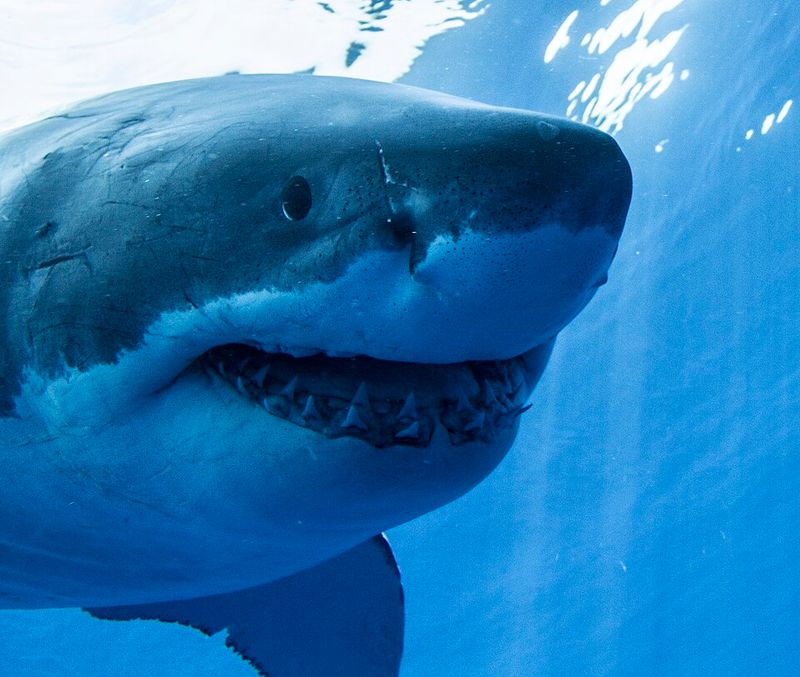
Great whites stitch together far flung ecosystems, and Cayo’s track is a thread you can follow. Summer means cooler, prey rich northern waters, then a winter slide south as temperatures and forage shift.
Each waypoint reveals how climate variability, prey pulses, and current structure shape decisions made at fin level. Managers study these corridors to reduce bycatch, inform seasonal advisories, and safeguard hotspots used by sharks and their prey.
Knowing when juveniles transit mid Atlantic shelves can guide gear choices and safety messaging without fear mongering. Migration timing also becomes an early signal if warming trends or altered storms nudge sharks off their historical rhythm.
Because white sharks are sensitive to temperature bands, a consistent southward arc by January fits expectations. Deviations matter: late season detours, compressed routes, or prolonged stops can point to anomalies in prey or ocean mixing.
Cayo’s path, contextualized with satellite temperatures and acoustic receivers, helps translate scattered pings into policy relevant patterns for coasts you visit. Nor’easters do not attract sharks like magnets, but they do rewrite the backdrop sharks respond to.
Strong storms mix surface layers, push fronts, and shuffle bait schools along the shelf. After a blow, water clarity, temperature, and current lines can realign, creating short lived paths that migrating great whites already favor.
In the Carolinas and Outer Banks corridor, these physical changes meet useful geography: variable depths, shelf breaks, and abundant forage. When storms exit, eddies and upwelling can concentrate prey, offering efficient refueling stops.
You might see pings tighten near frontal boundaries that fishermen also target for tuna, menhaden, or mackerel. Scientists compare Cayo’s positions against weather reanalysis, sea surface temperatures, and chlorophyll to isolate storm linked effects.
The goal is not hype, but pattern recognition that keeps people informed without inflating risk. Understanding this interplay helps schedule surveys, guide responsible recreation, and explain why coastlines feel busier with wildlife after energetic winter systems.
Every ping from Cayo is a data point that makes the ocean legible to you and to managers. Linked with temperature, depth, and productivity, those pings sketch migration corridors and reveal habitat preferences across seasons.
Over years, the lines become living climatologies of predator movement shaped by warming and weather volatility. These insights support conservation by highlighting critical habitats and time windows when overlap with fisheries is highest.
Agencies can adjust gear, timing, or outreach to reduce risk while maintaining livelihoods. Public trackers also build trust and curiosity, letting communities witness science rather than only reading results later.
Big picture, sharks are indicators for ecosystem health because they integrate many signals through behavior. If routes stretch, compress, or shift earlier, the change often mirrors altered prey fields or thermal structure after intense winters.
Following Cayo today improves tomorrow’s forecast for where wildlife and people meet, turning curiosity into practical ocean stewardship you can act on.



