 Unearth The Voyage
Music history is filled with voices that changed everything. Some singers didn’t just perform songs; they rewrote the rules of what a human voice could do. From smoky jazz clubs to sold-out stadiums, these vocal legends shaped the way we hear and feel music today.
1. Aretha Franklin
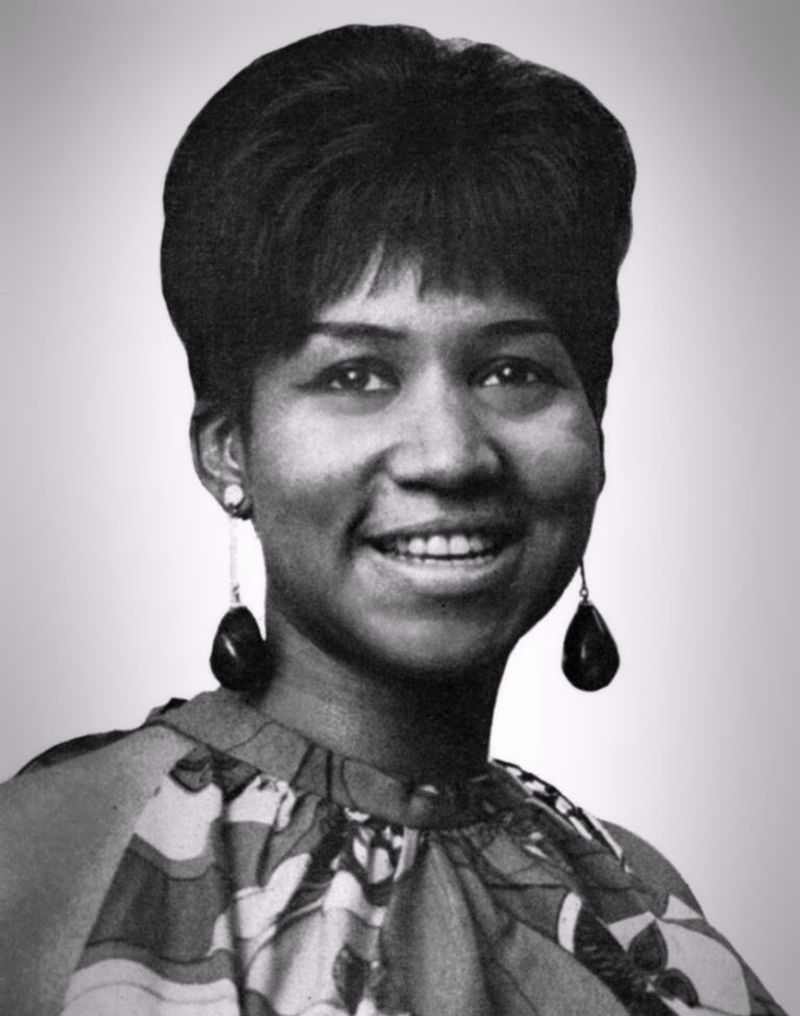
A powerhouse blend of gospel fire and pop precision, Aretha Franklin created the blueprint for modern soul singing. Her voice carried the weight of church pews and the polish of pop radio, making every note feel like both prayer and celebration.
When she sang, you didn’t just hear music; you felt generations of emotion pouring through. Her control was so precise that she could shift from a whisper to a roar without losing an ounce of feeling.
Signature listen: “Respect” showcases her ability to transform a song into an anthem, turning simple lyrics into a powerful statement that still resonates today.
2. Freddie Mercury
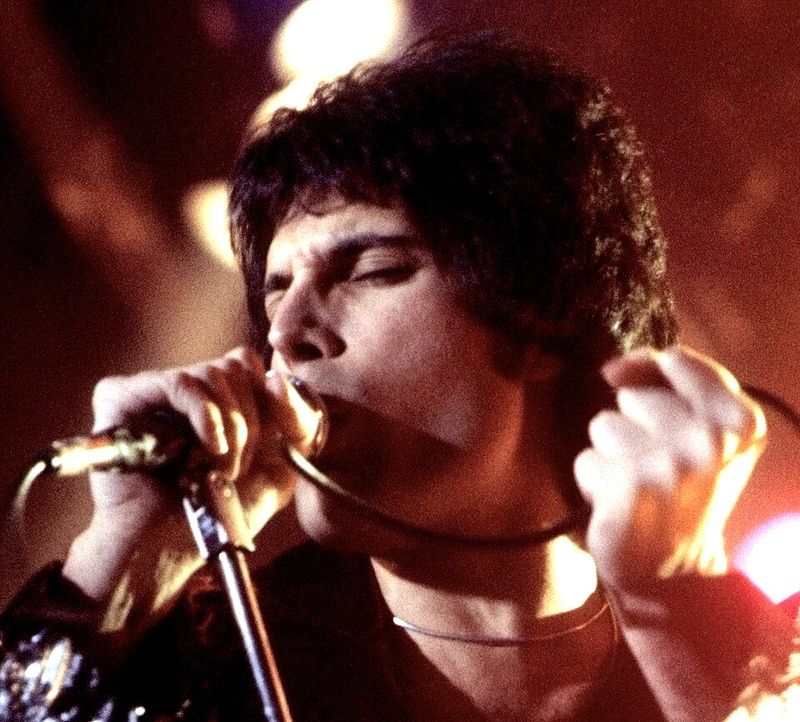
Four-octave agility, operatic flair, and volcanic power made Freddie Mercury one of rock’s most unforgettable voices. He could whisper tenderly in one moment and unleash thunderous belts in the next, all while maintaining perfect pitch and dramatic presence.
His vocal gymnastics weren’t just technical tricks. Every run and leap served the story he was telling, whether playful, tragic, or triumphant.
Signature listen: “Bohemian Rhapsody” remains the ultimate showcase of his range, blending rock, opera, and ballad styles into a six-minute masterpiece that defies categorization and continues to captivate new generations of listeners worldwide.
3. Whitney Houston
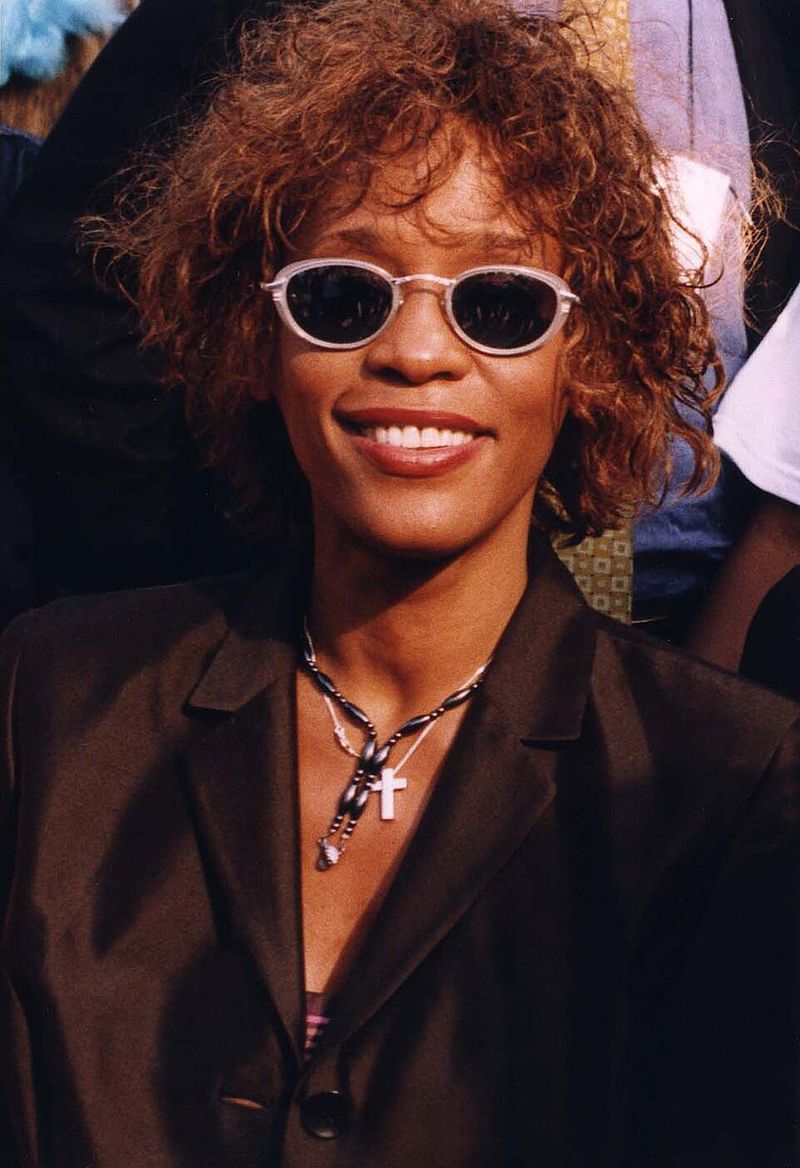
Titanium control and shimmering tone defined Whitney Houston’s voice, setting standards that vocalists still chase. Her belts seemed to defy gravity, soaring effortlessly into stratospheric heights while maintaining warmth and clarity that made every note feel personal.
She combined technical perfection with raw emotion, never letting one overshadow the other. Her runs were clean and purposeful, never excessive or showy for show’s sake.
Signature listen: “I Will Always Love You” demonstrates her ability to build a song from intimate verses to explosive climaxes, creating moments that make audiences hold their breath before erupting in applause.
4. Michael Jackson
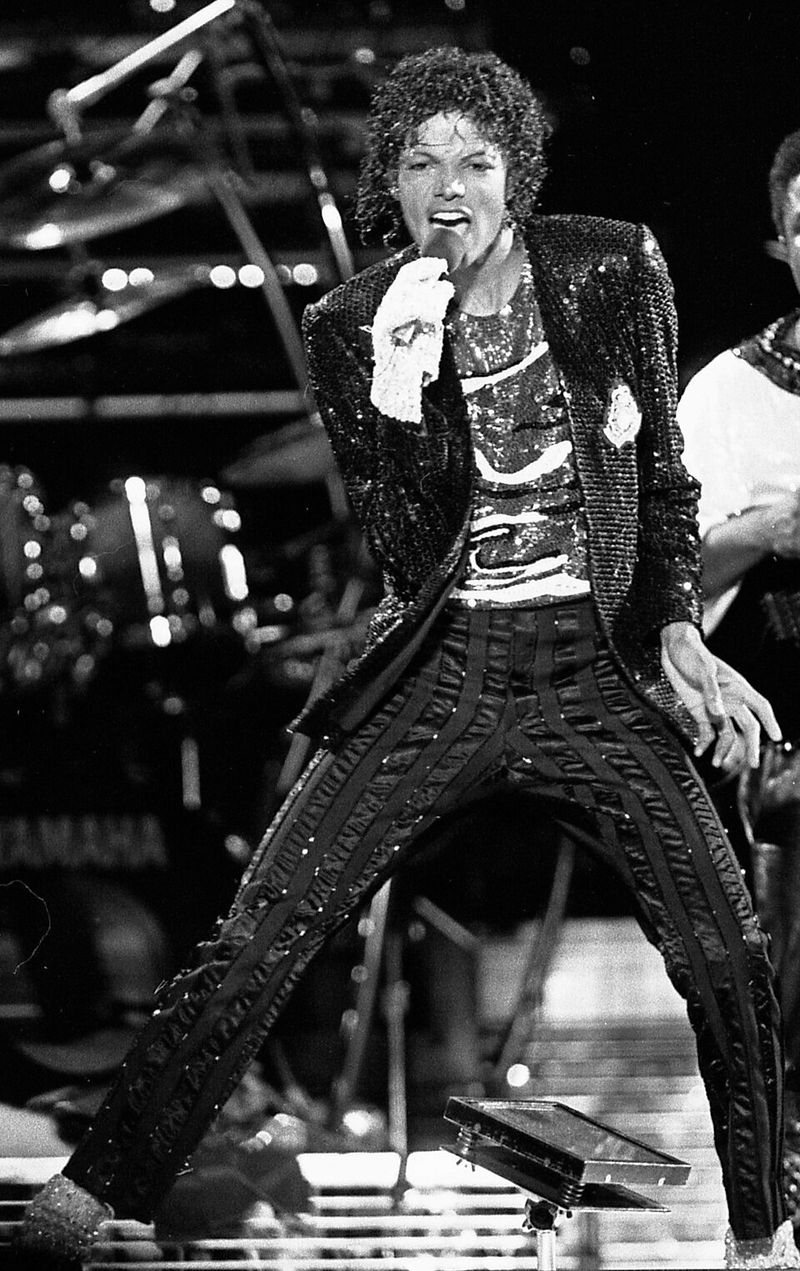
Aerial lightness and percussive ad-libs gave Michael Jackson’s voice an emotional immediacy that cut through any mix. His hiccups, gasps, and rhythmic punctuations became as recognizable as his melodies, turning vocals into another layer of the beat.
He sang with childlike wonder even when tackling adult themes. That contrast made his performances feel both innocent and knowing, creating a unique tension that kept listeners hooked.
Signature listen: “Billie Jean” showcases his ability to make every syllable count, using his voice as rhythm and melody simultaneously while maintaining the mysterious energy that made the song a global phenomenon and cultural touchstone.
5. Elvis Presley
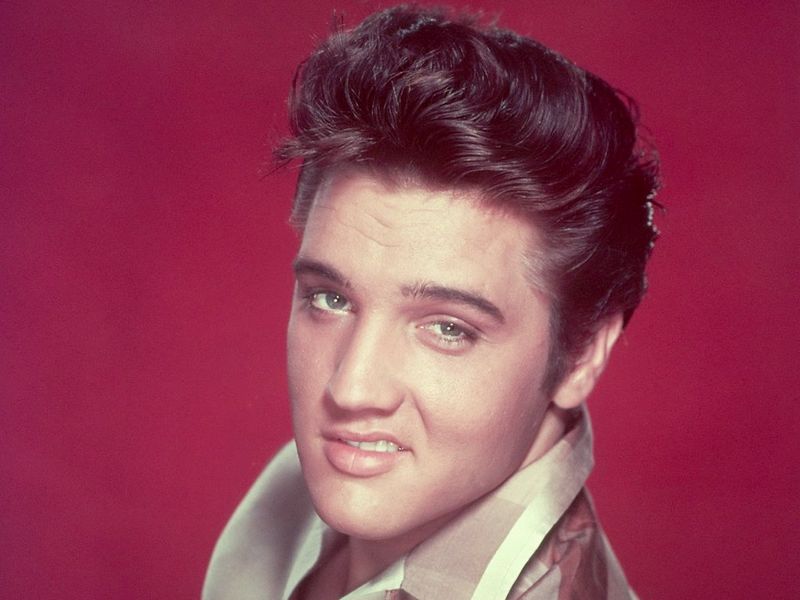
A velvet baritone that slid from rockabilly bite to gospel warmth made Elvis Presley a genre-blending pioneer before the term existed. His voice carried both the rebellion of rock and the reverence of Sunday morning church, creating a sound that appealed to everyone.
He could smolder on ballads and explode on uptempo numbers. That versatility, combined with his natural charisma, made him impossible to ignore or imitate successfully.
Signature listen: “Suspicious Minds” captures his mature vocal power, showing how he evolved from the young rockabilly cat into a seasoned performer who could convey complex emotions with subtle phrasing and dynamic control.
6. Frank Sinatra
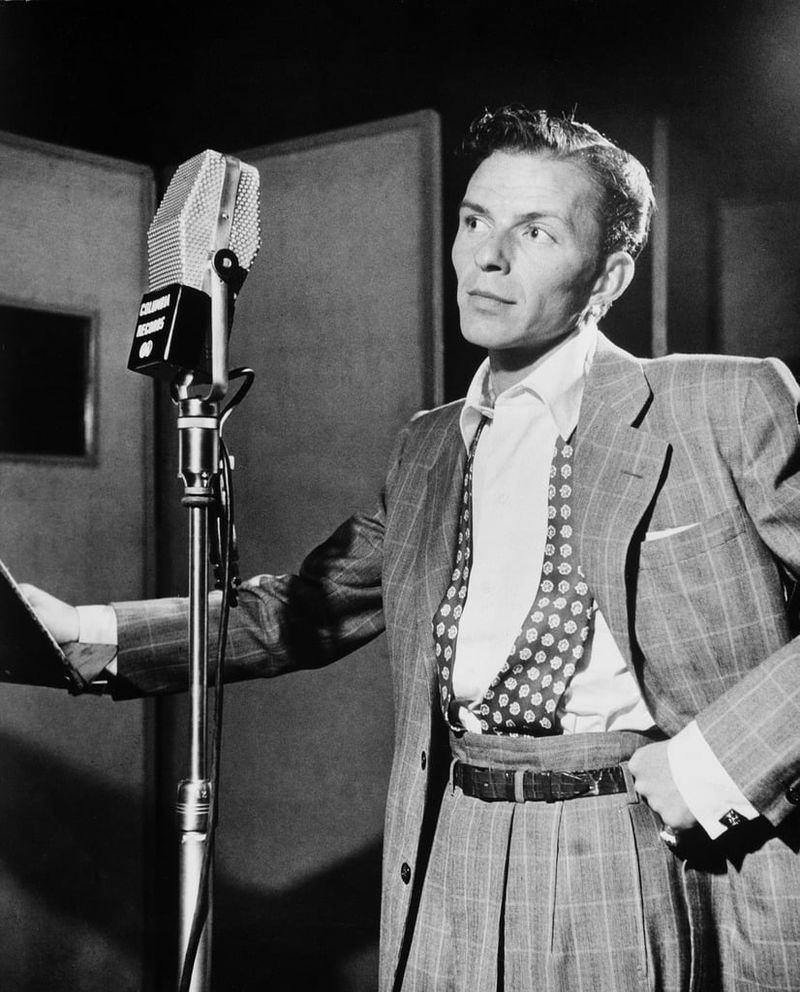
Conversational phrasing and impeccable breath control established Frank Sinatra as the gold standard in pop crooning. He sang like he was telling you a story over drinks, making every lyric feel personal and unrehearsed even though every note was carefully planned.
His timing was jazz-influenced, stretching and compressing phrases to fit the emotion rather than the metronome. That made his performances feel alive and spontaneous, never mechanical.
Signature listen: “Fly Me to the Moon” demonstrates his effortless cool, showing how he could make a romantic standard feel like an intimate conversation while maintaining the swing and sophistication that defined his entire career and influenced generations.
7. Billie Holiday
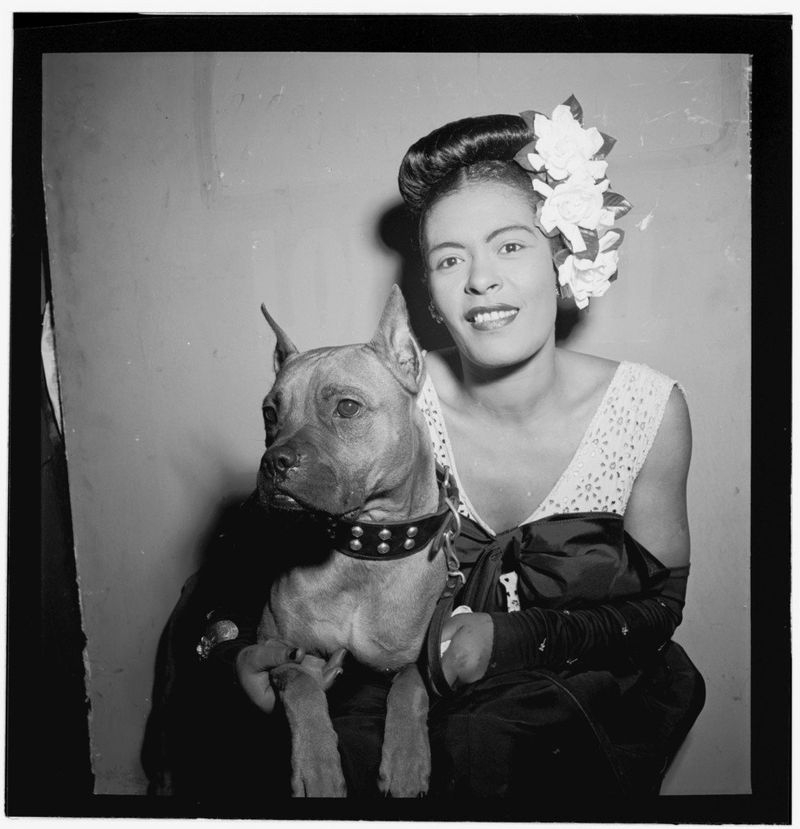
Fragile, smoky intimacy and time-bending phrasing turned every lyric Billie Holiday sang into lived experience. She didn’t just interpret songs; she inhabited them, making listeners feel like they were overhearing her deepest thoughts and most painful memories.
Her voice wasn’t technically perfect, but that made it more powerful. The cracks and rough edges conveyed authenticity that polished singers couldn’t match, creating emotional connection that transcended technique.
Signature listen: “Strange Fruit” remains one of music’s most haunting performances, as she transforms a protest song into a visceral experience that still carries devastating impact decades later, proving that true artistry outlives trends and time.
8. Ella Fitzgerald
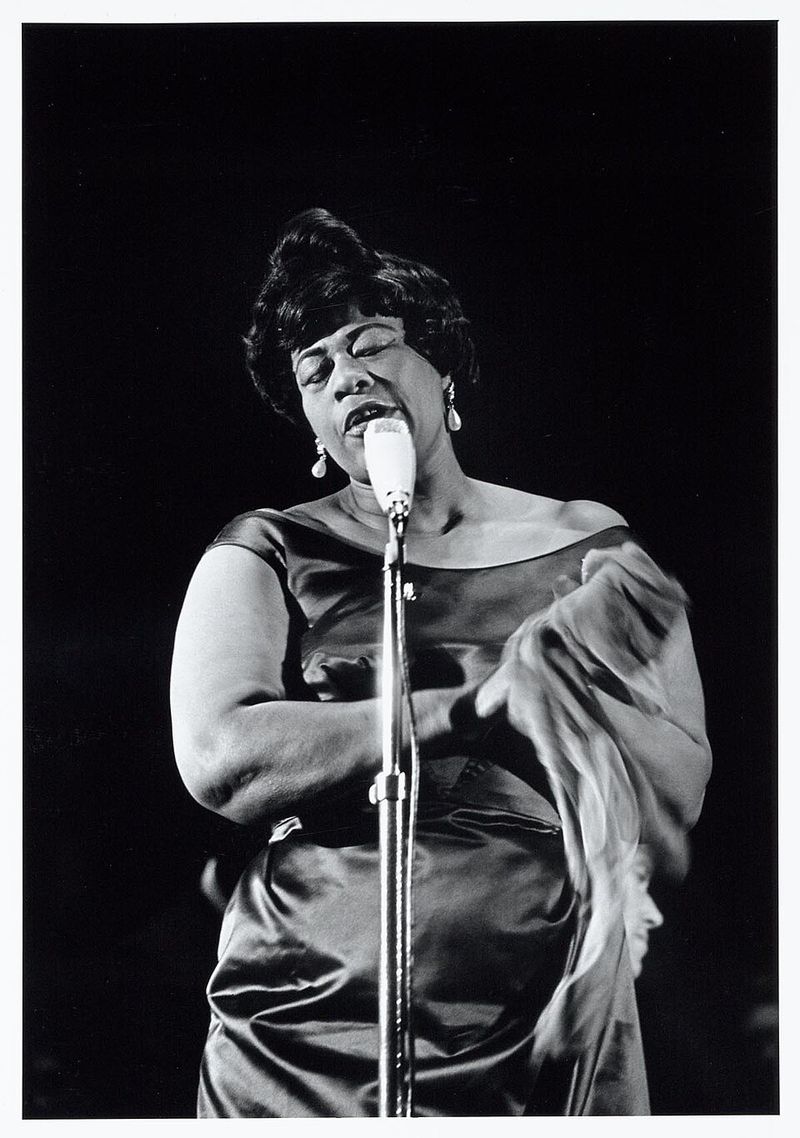
Pure tone, effortless swing, and virtuosic scatting represented jazz vocal technique at its absolute peak in Ella Fitzgerald’s performances. Her voice was an instrument in the truest sense, capable of matching any horn player note-for-note while maintaining a warmth that made complex improvisation feel accessible and joyful.
She could swing hard or deliver ballads with heartbreaking tenderness. That range made her equally comfortable in intimate club settings or concert halls, always adapting without losing her essential sound.
Signature listen: “Summertime” showcases her ability to take a familiar standard and make it her own through impeccable phrasing, tonal beauty, and improvisational genius that never felt showy.
9. Nina Simone
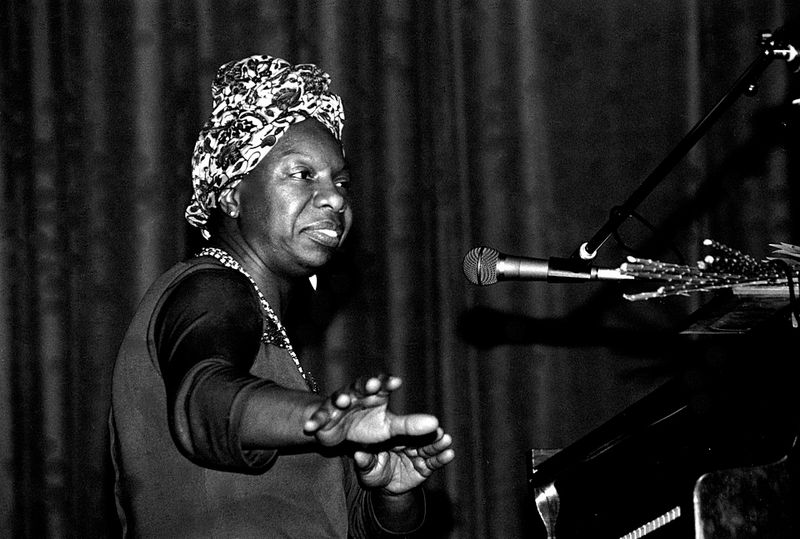
Earthy contralto, classical poise, and fearless emotional gravity made Nina Simone unmistakable from the first note. Her voice carried the weight of protest and poetry, blending her classical training with raw soul and jazz freedom to create something entirely her own.
She commanded attention without begging for it. Every performance felt like a sermon, a confession, and a challenge rolled into one, demanding that listeners engage rather than simply consume.
Signature listen: “Feeling Good” demonstrates her ability to transform optimism into something darker and more complex, using her rich lower register and dramatic phrasing to create layers of meaning that reveal themselves with each listen.
10. Sam Cooke
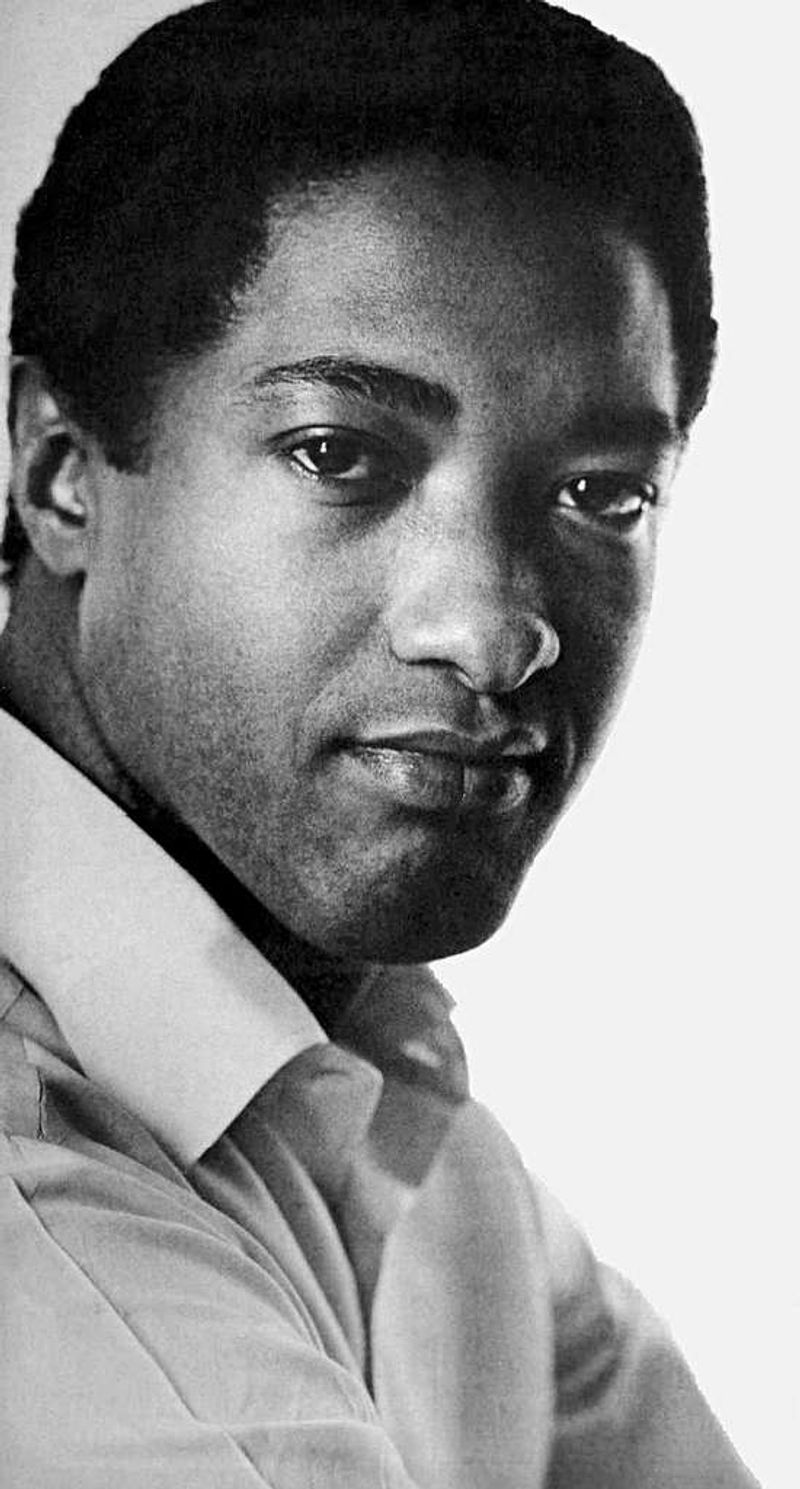
Silken timbre and gospel-bred lift earned Sam Cooke the title “King of Soul” for very good reason. His voice glided effortlessly between registers, combining the sacred intensity of his church roots with the secular appeal of pop radio to create a sound that transcended boundaries.
He made difficult notes sound easy and simple phrases sound profound. That gift allowed him to convey hope even in songs about struggle, making his music both comforting and inspiring.
Signature listen: “A Change Is Gonna Come” stands as his masterpiece, blending his smooth delivery with lyrics of deep yearning to create an anthem that captured the civil rights movement’s spirit while remaining timeless.
11. Otis Redding
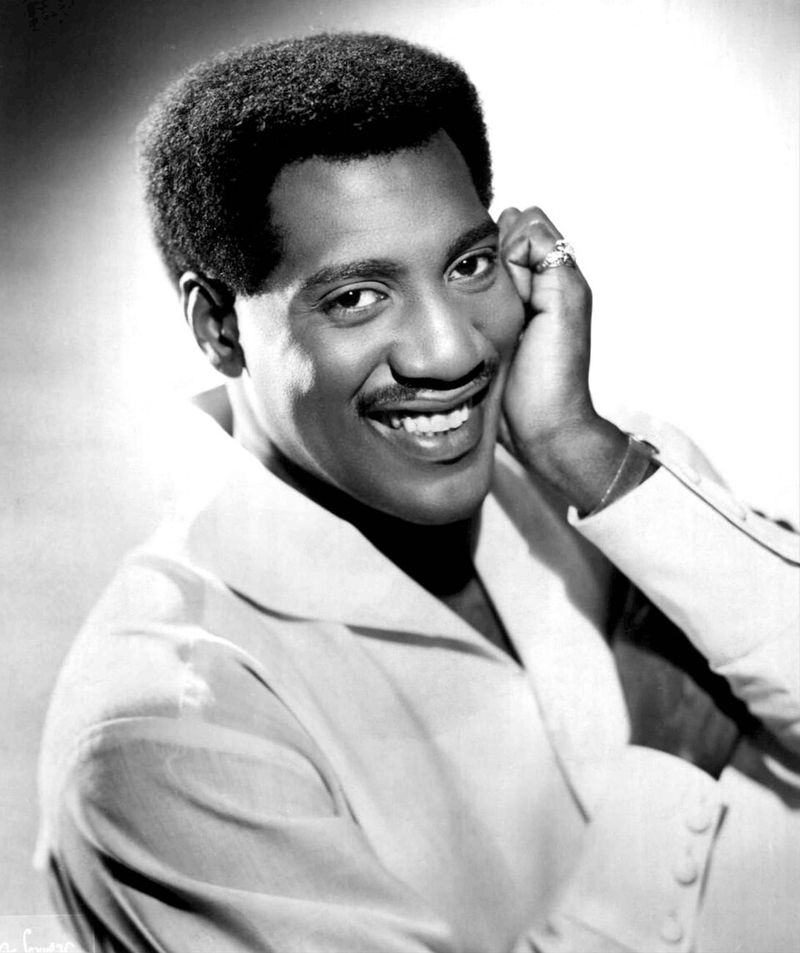
Raspy intensity with church-pew sincerity gave Otis Redding a raw soul that felt hand-to-hand, as if he was reaching directly into your chest. His voice carried grit and gravel, but also tremendous warmth, creating a combination that made ballads ache and uptempo numbers explode with energy.
He wore his heart on his sleeve with every note. There was no pretense or polish, just honest emotion delivered with vocal power that could shake walls or break hearts depending on the song.
Signature listen: “Try a Little Tenderness” showcases his ability to build from gentle coaxing to explosive passion, demonstrating why he remains soul music’s most emotionally direct voice.
12. Stevie Wonder
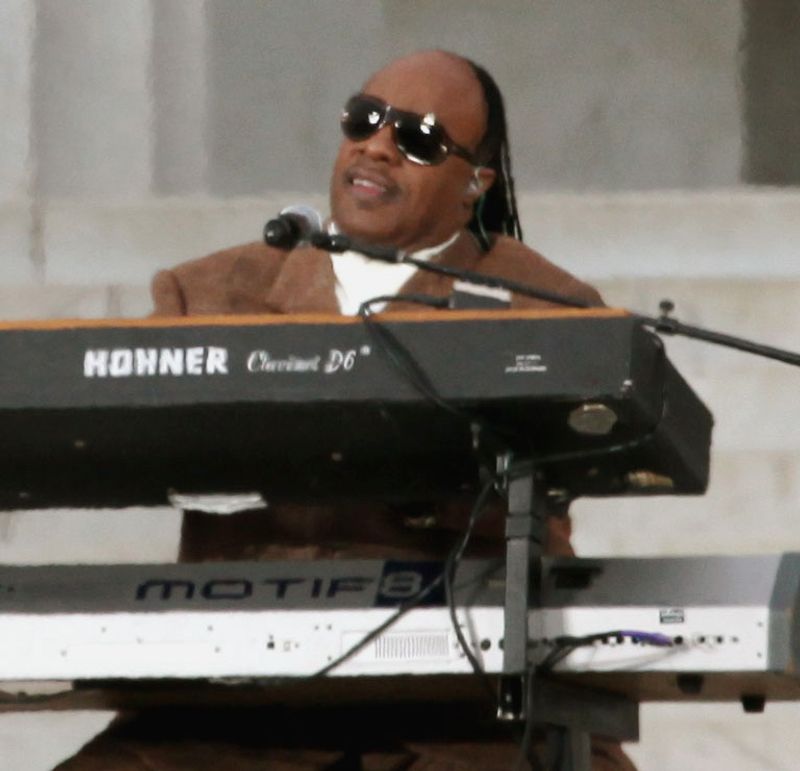
Elastic range, joyful improvisation, and a tone that radiates soul and curiosity make Stevie Wonder’s voice instantly recognizable. He sings with the enthusiasm of someone who genuinely loves making music, turning every performance into a celebration even when the lyrics address serious themes.
His vocal runs dance around melodies like his fingers dance across keyboards. That playful approach never undermines the emotion; instead, it adds layers of complexity that reward repeated listening and reveal new details each time.
Signature listen: “Superstition” demonstrates how he uses his voice as another instrument in the groove, locking into the funk while maintaining melodic clarity that makes the song impossible to forget or resist.
13. Prince
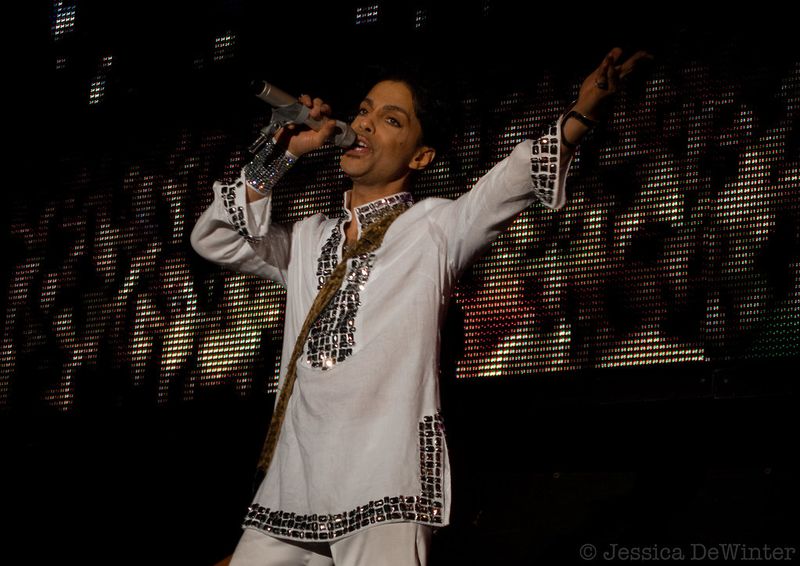
Falsetto sweetness to gritty snarl gave Prince a chameleonic, theatrical, and always magnetic vocal presence. He could shift characters within a single song, moving from vulnerable whispers to rock-god screams without warning, keeping listeners constantly surprised and engaged throughout every performance.
His vocal choices were as bold as his fashion. He refused to be boxed into any single style, blending funk, rock, pop, and soul with equal confidence and skill.
Signature listen: “Purple Rain” showcases his ability to sustain emotional intensity across an epic ballad, using his voice to build from intimate verses to stadium-filling climaxes that feel both personal and universal in their power and appeal.
14. Tina Turner
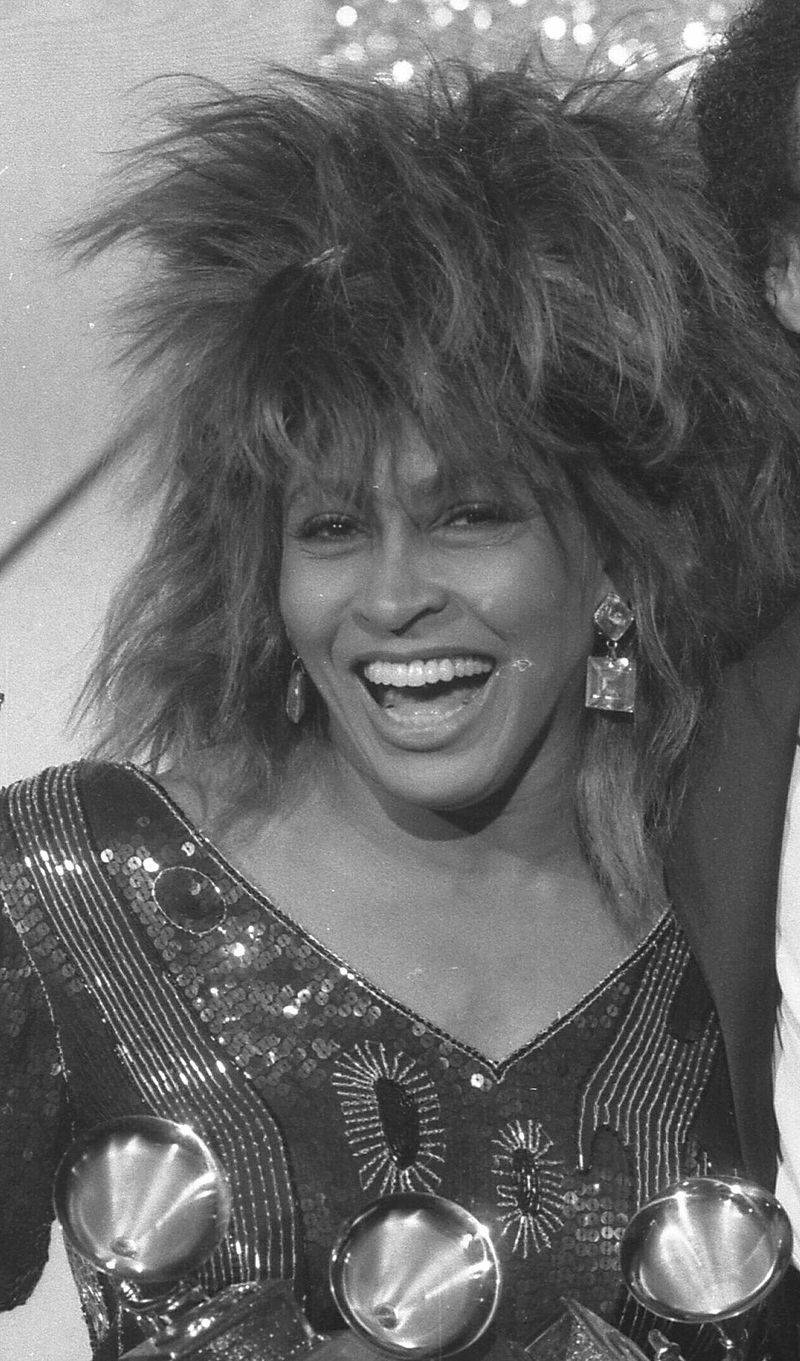
Grit, stamina, and electric stage presence fused rock and soul into one roaring instrument in Tina Turner’s voice. She attacked songs with ferocious energy, never holding back, making every performance feel like a victory lap even when singing about heartbreak or struggle that she knew all too well.
Her voice had texture and bite that separated her from smoother singers. That roughness wasn’t a flaw but a feature, adding authenticity and power that made her concerts legendary events rather than simple shows.
Signature listen: “What’s Love Got to Do with It” demonstrates her ability to bring rock attitude to pop production, creating a sound that dominated the eighties while remaining distinctly her own.
15. Mariah Carey
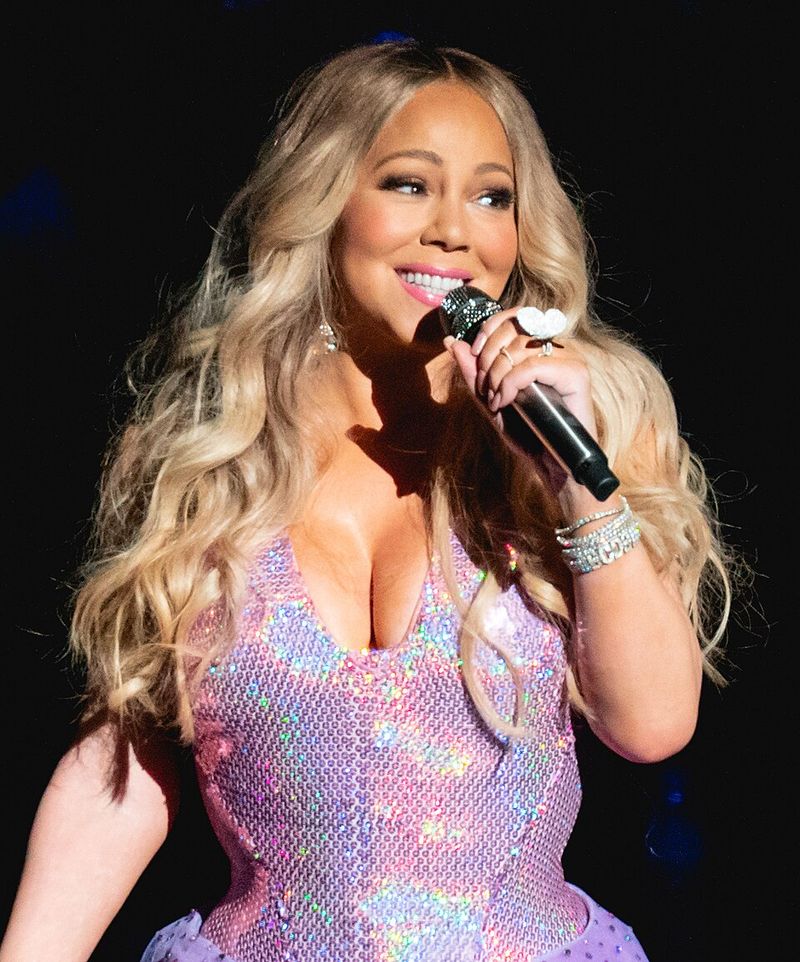
Virtuosic melisma, whistle-register fireworks, and a buttery lower range made Mariah Carey both technical and emotional in ways few singers achieve. Her runs became a signature style that influenced an entire generation, though few could replicate her precision and musicality when executing them.
She didn’t just show off her range for spectacle. Each vocal flourish served the song’s emotional arc, adding excitement and drama while maintaining the melody’s integrity and ensuring listeners stayed connected to the story being told.
Signature listen: “Vision of Love” introduced her to the world with a performance that showcased every aspect of her voice, from breathy lows to stratospheric highs, establishing her as a vocal force immediately.
16. Celine Dion
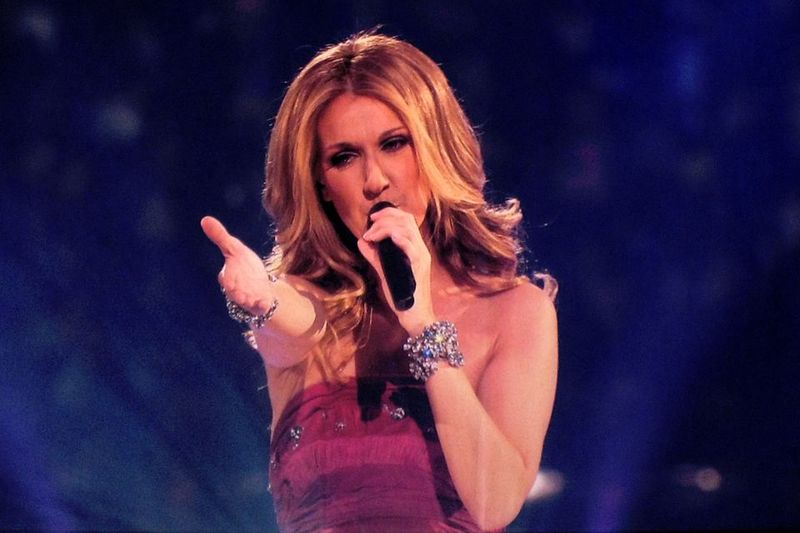
Laser-accurate belts, crystalline diction, and Olympic-level sustain define Celine Dion’s vocal approach. She hits notes with sniper precision, holding them longer than seems humanly possible while maintaining tone quality that never wavers or weakens, creating moments of pure vocal athleticism that leave audiences stunned.
Her technical perfection never feels cold or mechanical. She combines power with vulnerability, making even the biggest ballads feel intimate and personal rather than simply impressive displays of vocal prowess without emotional connection.
Signature listen: “My Heart Will Go On” became a global phenomenon partly because her voice matched the Titanic’s epic scale while conveying the story’s intimate tragedy, proving that technique and emotion can coexist perfectly.
17. Adele
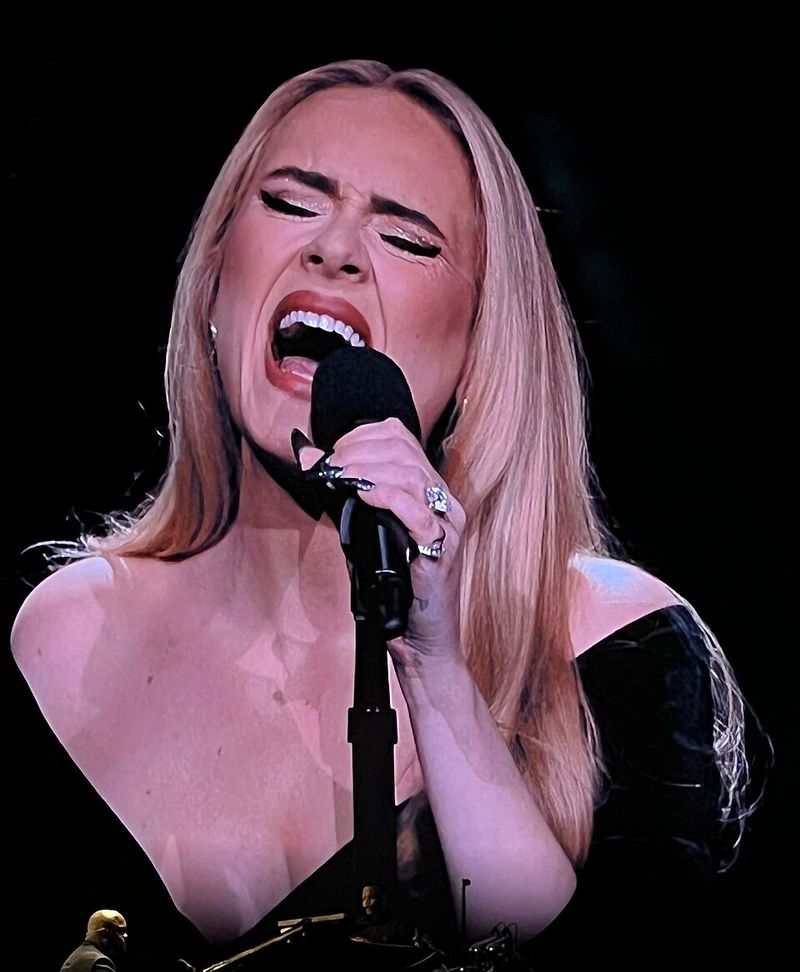
Soulful heft with classic pop clarity creates heart-on-sleeve storytelling in every phrase Adele sings. Her voice carries the weight of vintage soul singers while remaining thoroughly modern, making her appeal to multiple generations who find their own heartbreaks reflected in her performances.
She doesn’t rely on vocal gymnastics or technical tricks. Instead, she focuses on honest delivery that makes simple melodies devastating, proving that emotional connection often matters more than complexity when trying to reach listeners’ hearts.
Signature listen: “Someone Like You” became a worldwide phenomenon because her vulnerable performance made millions feel less alone in their pain, demonstrating the power of authentic emotion delivered with a voice that can fill arenas or break in whispers.
18. Beyoncé
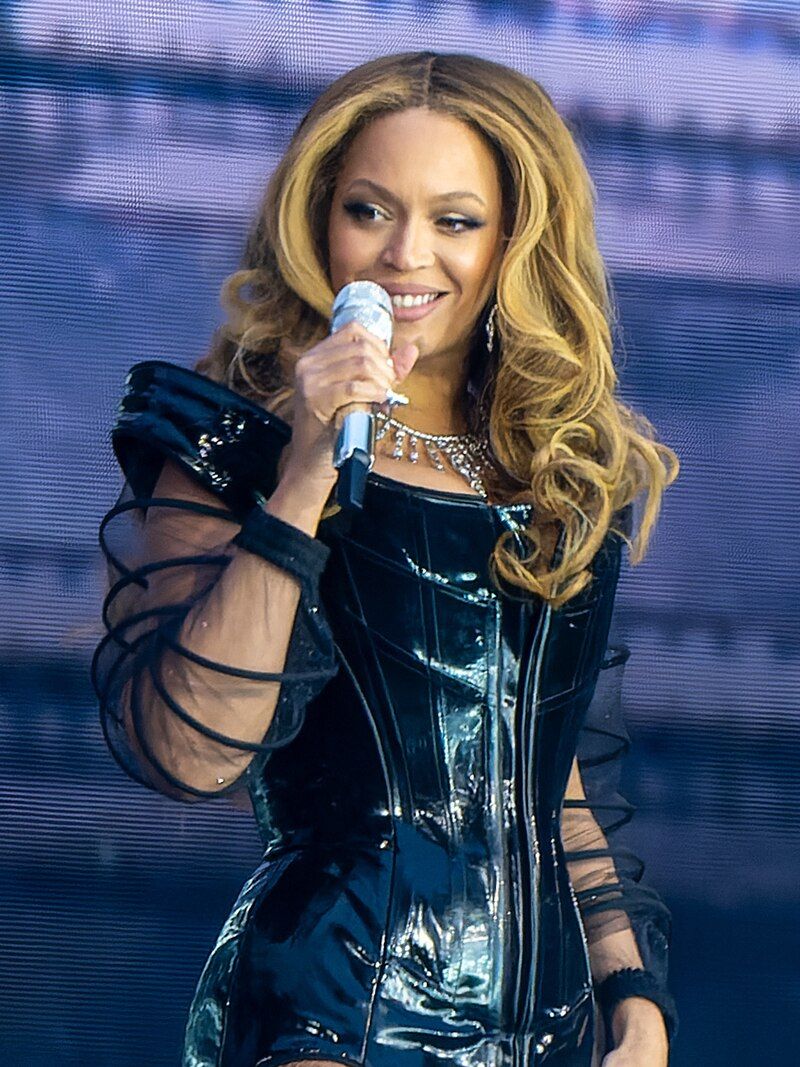
Athletic runs, ironclad control, and genre-spanning versatility take Beyoncé from R&B to pop to gospel-tinged ballads with equal mastery. She approaches singing like a professional athlete approaches competition, combining natural talent with relentless discipline to deliver performances that seem impossible to sustain night after night.
Her voice serves the performance rather than the other way around. She knows when to unleash her full power and when to pull back, creating dynamic shows that keep audiences engaged from first note to last.
Signature listen: “Halo” showcases her ability to build emotional intensity through vocal layering and dynamic control, creating a stadium anthem that still feels personal and intimate despite its massive production and scope.
19. Luciano Pavarotti
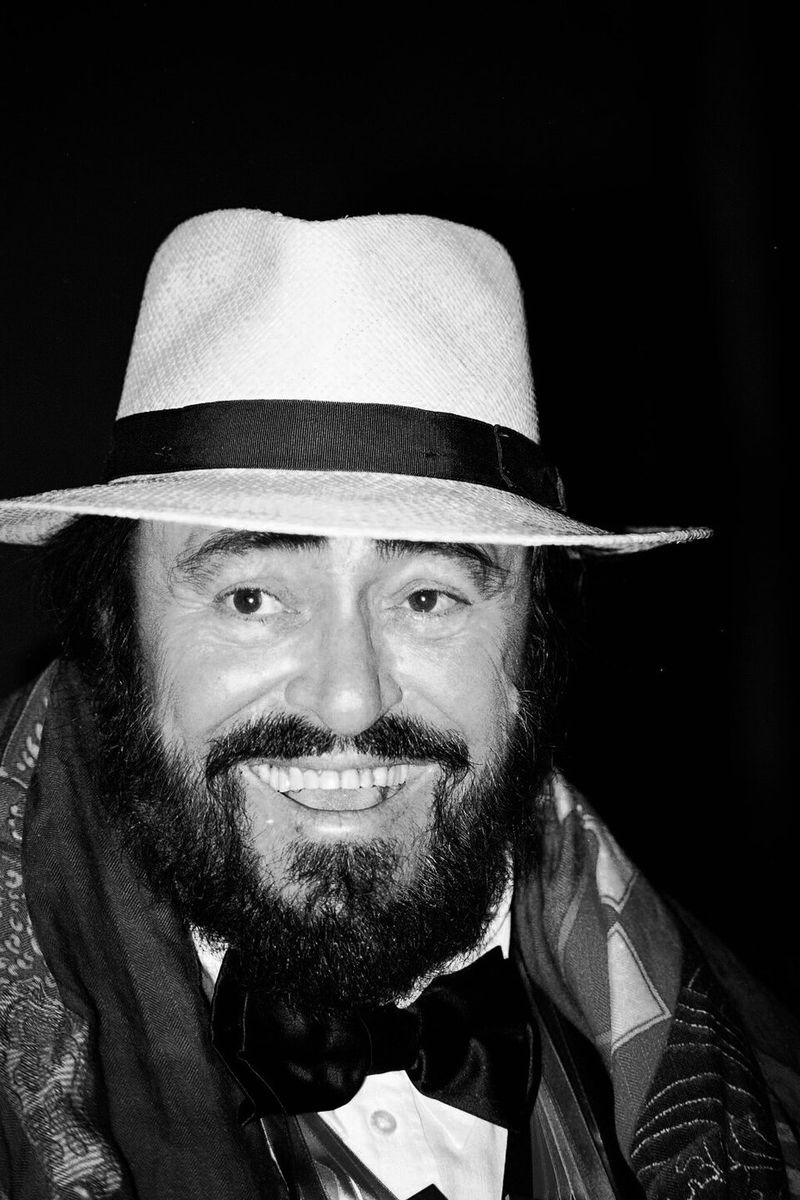
Ringing, sun-bright tenor made opera arias feel universal in Luciano Pavarotti’s performances. He brought classical music to mainstream audiences without dumbing it down, proving that technical excellence and popular appeal weren’t mutually exclusive when delivered with genuine passion and charisma that transcended language and cultural barriers.
His voice had a warmth that made even non-opera fans stop and listen. That accessibility, combined with his joyful stage presence, helped break down the walls between high art and popular entertainment without compromising either tradition.
Signature listen: “Nessun dorma” became his signature, showcasing the power and beauty that made him opera’s most recognizable voice and introduced countless people to classical singing’s emotional possibilities and technical demands.
20. Maria Callas
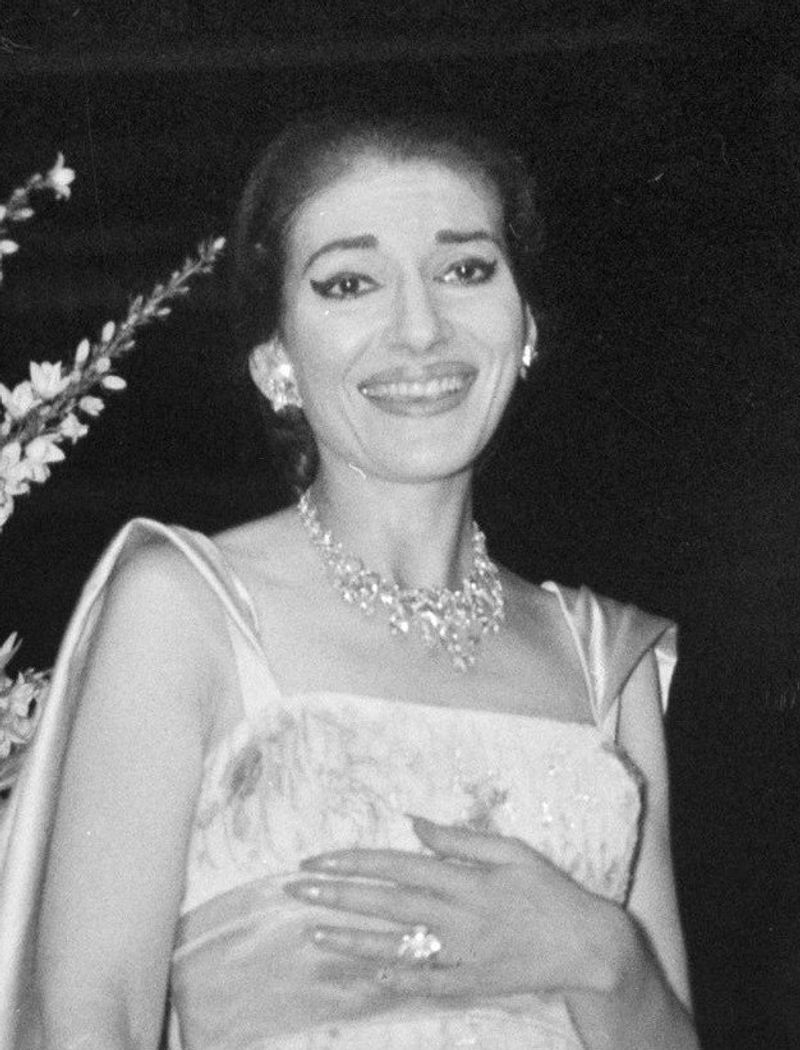
Dramatic intensity and expressive coloring made Maria Callas opera’s ultimate storyteller. She didn’t just sing notes; she embodied characters with such conviction that audiences forgot they were watching a performance, getting lost instead in the emotional truth she brought to every role she inhabited throughout her legendary career.
Her voice wasn’t always technically perfect, but that humanity made her interpretations unforgettable. She prioritized expression over beauty, willing to sacrifice tonal perfection if it meant conveying the character’s inner life more authentically and powerfully.
Signature listen: “Casta Diva” demonstrates her ability to combine technical control with emotional depth, creating a performance that remains the standard by which all other interpretations are measured and judged by critics and audiences alike.



