 Unearth The Voyage
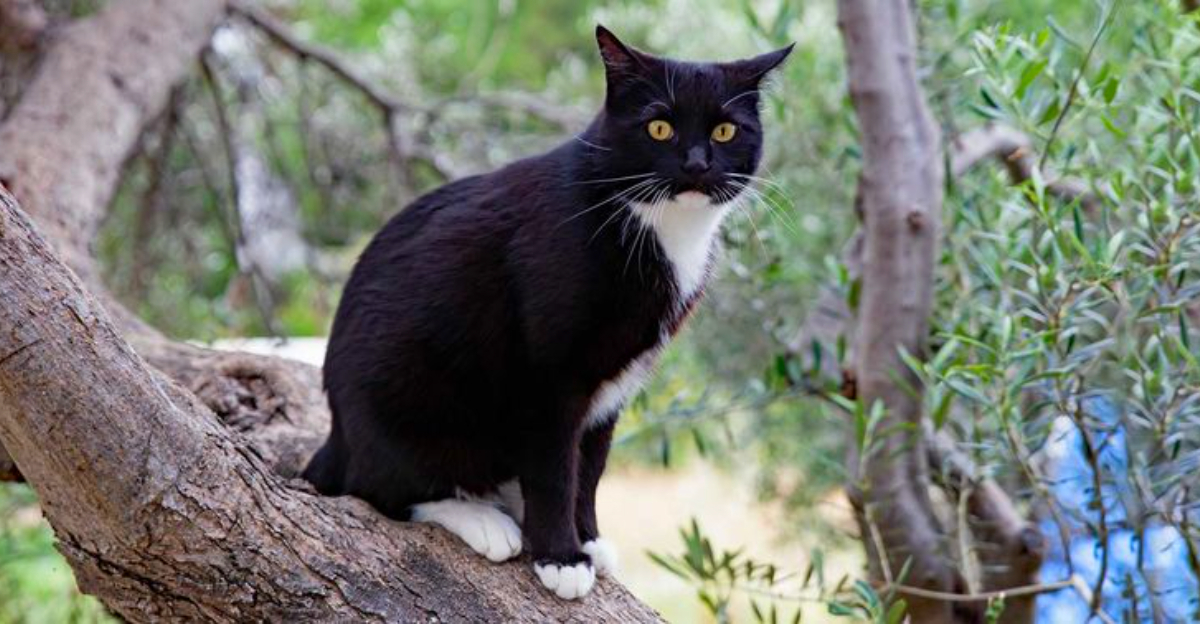
Yes, it is real. On Syros, a volunteer exchange with Syros Cats can place you in a shared house near the Aegean while you care for rescued felines.
You trade time and heart for a private bedroom, breakfast, and utilities, then spend your free hours roaming Ermoupoli, Kini, and sunlit villages. If you love cats and crave Cycladic culture, this might be your most meaningful island stay yet.
1. How the volunteer exchange actually works

Here is the deal you are really getting. You volunteer to care for cats on Syros in exchange for a private bedroom within a shared house, breakfast, and utilities covered.
You are not getting a free holiday, but a structured volunteer program that supports a nonprofit rescuing and rehabilitating strays across the island.
Expect about four to five hours a day, five days a week, feeding, cleaning, socializing, and assisting with vet logistics. Outside your shift, the island is yours to explore at your pace.
Think sunsets over Kini, marble lanes in Ermoupoli, and quiet chapels above the sea.
Travel, lunch, dinner, and personal expenses are on you, so budget wisely. If you are a compassionate, steady person who enjoys routine, this exchange fits beautifully.
It is meaningful work that keeps the sanctuary running, and it offers you an immersive, grounded way to live in the Cyclades.
2. What Syros Cats provides
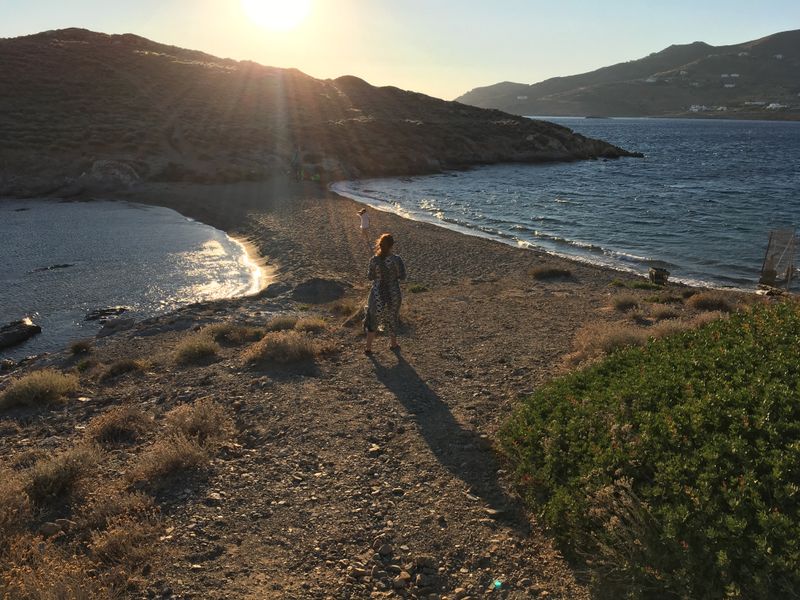
You get a private bedroom in a shared volunteer house, plus breakfast and utilities covered. The setup is simple, clean, and social, with a kitchen for your own meals and common spaces to relax after morning rounds.
Expect an island rhythm: sunrise feeding, coffee, cleanup, then a slow drift into blue horizons.
There is Wi-Fi for staying connected or managing remote work outside volunteer hours. Bedding, basic kitchen gear, and essentials are on hand, though you should bring personal toiletries and any special items.
The house usually hosts around three volunteers, keeping the vibe friendly but focused.
What you do not get is a salary or full board, so plan for groceries and dinners out in Ermoupoli or Kini. Utilities like electricity and water are covered, a real bonus on a Greek island.
It is comfortable, not luxury, and perfect for people who value purpose over polish.
3. What you cover yourself

You handle your own transport to Syros, whether by ferry from Piraeus or island hops through the Cyclades. You also pay for lunch, dinner, and personal expenses, like groceries, cafe stops, and weekend bus rides to beaches.
Breakfast is provided, but the rest requires smart planning and a realistic budget.
Think simple Mediterranean cooking in the shared kitchen, with fresh produce from local markets. Occasional dinners out in Ermoupoli can add up, so pace your splurges.
Factor in sunscreen, laundry, and maybe a scooter rental if you want wider exploration.
Greece can be affordable if you eat like a local and shop in neighborhood stores. Carry cash for small purchases and bus fares.
You are volunteering, not vacationing, so keep spending aligned with your purpose. With thoughtful choices, you will save money while still sampling Syros flavors and coastal walks.
4. Daily schedule and time commitment
Plan on four to five hours a day, five days a week, with mornings often being the busiest. You will feed different colonies or enclosures, refresh water, clean trays, sweep, and check health notes.
After that, time goes to socializing shy cats, grooming, or prepping for vet runs and sterilizations.
Afternoons are usually free for beaches or errands. Some days bring extra tasks, like reorganizing supplies or helping trap cats for appointments.
The rhythm encourages consistency: cats thrive on routine and calm hands.
Your days off are your own to wander Ermoupoli’s marble square, catch buses to Kini, or hike hilltop chapels. Keep flexible, because island life includes wind, ferries, and surprises.
A steady approach keeps stress low. If you enjoy structure balanced with generous free time, this schedule is a sweet spot between service and exploration.
5. Core cat care tasks

Your main jobs are practical and compassionate: feeding, cleaning enclosures and litter trays, refreshing water bowls, and tidying bedding. You will learn how to approach shy cats slowly, use quiet body language, and build trust.
Gentle grooming sessions help with matting and comfort.
Medication is administered only as instructed, with careful notes. You might assist with sterilization schedules, set traps humanely, and prep carriers for vet visits.
Accuracy matters, because small errors can ripple through a busy sanctuary.
Expect lifting litter bags, carrying food, and frequent handwashing. The work can be messy, but there is a deep rhythm to it.
You will see progress as kittens grow confident and older cats relax. Every clean space and measured dose expands a cat’s chance at a healthy, calm life on Syros.
6. Physical demands and responsibilities

This is not just cuddling kittens. You will haul litter bags, carry food sacks, scrub trays, and manage waste responsibly.
Trapping for sterilization requires patience, coordination, and steady nerves. Some cats are fearful or semi-feral, so safety and respect come first.
Plan for early starts, sun, wind, and dust. Good shoes, a hat, and breathable clothing help.
Hydration is essential, especially on hot days, and pacing yourself prevents burnout.
You are trusted with living beings, medication logs, and hygiene standards. Mistakes can harm animals, so attention to detail is nonnegotiable.
If you keep your promises and show up steady, the team will rely on you. The reward is seeing tangible improvements daily and knowing your hands made life gentler for Syros cats.
7. Who should apply

Applicants should be mature, independent, and comfortable living simply. Experience with cats, especially feral or medical cases, is a bonus, yet genuine commitment matters more.
If you can follow instructions, keep routines, and stay kind under pressure, you will fit right in.
Generally, adults have the best chance of acceptance, with younger applicants needing to demonstrate extra responsibility. Clear communication, punctuality, and respect for shared spaces are essential.
Being a problem solver who cleans as they go is gold.
If you are a digital nomad with flexible hours, you can align work outside volunteer shifts. Love for animals should anchor your decision, not the free room.
Bring patience, resilience, and curiosity about local culture. If that sounds like you, Syros will feel both purposeful and welcoming.
8. Application timing and availability

Applications for 2026 are currently closed due to overwhelming demand. Do not be discouraged.
Openings tend to reappear, and the organization shares updates on their official channels when they can accept new volunteers.
Set alerts, follow their socials, and prepare documents in advance. A clear, concise note about your experience, availability, and willingness to commit helps you stand out when spots reopen.
Flexibility on dates often increases your chances.
Use the waiting time to learn basics of cat handling, medication safety, and Greek island logistics. Gather references and ensure your passport and travel plans can adapt quickly.
With preparation and patience, you will be ready to step in when the next round starts.
9. Living arrangements in the volunteer house

Expect a private bedroom and shared common spaces, usually with around three fellow volunteers. The kitchen is the social hub, where breakfasts are simple and dinners become shared experiments with Greek produce.
Bathrooms and living areas are communal, so cleanliness and courtesy are key.
Quiet hours help everyone rest before morning rounds. Bring earplugs, a quick-dry towel, and a packing cube system to keep organized.
A clothesline on a breezy balcony becomes your best friend.
House rules keep the space respectful and cat focused. You will learn a lot from each other, swapping tips for shy kittens or stubborn litter box habits.
It is cozy rather than fancy, but the sea breeze and island sunsets more than compensate. You will remember laughter in the kitchen as much as any beach.
10. Transportation and getting around Syros

You are responsible for travel to and from the island, usually by ferry from Piraeus or nearby Cyclades. Once on Syros, buses connect Ermoupoli with beaches like Kini, Azolimnos, and Vari, though timetables can be limited.
Walking the marble streets is a joy, but hills are real.
Some volunteers rent scooters for flexibility, especially on days off. Taxis exist but can be scarce in peak hours, so book ahead if you have vet appointments.
Expect wind on coastal roads and plan for extra time.
Keep bus apps or printed schedules handy, and carry small change. If you embrace the island rhythm, transport becomes part of the adventure.
When in doubt, ask locals at the kiosk. They know which bus you actually need and when it truly arrives.
11. Beaches and free time
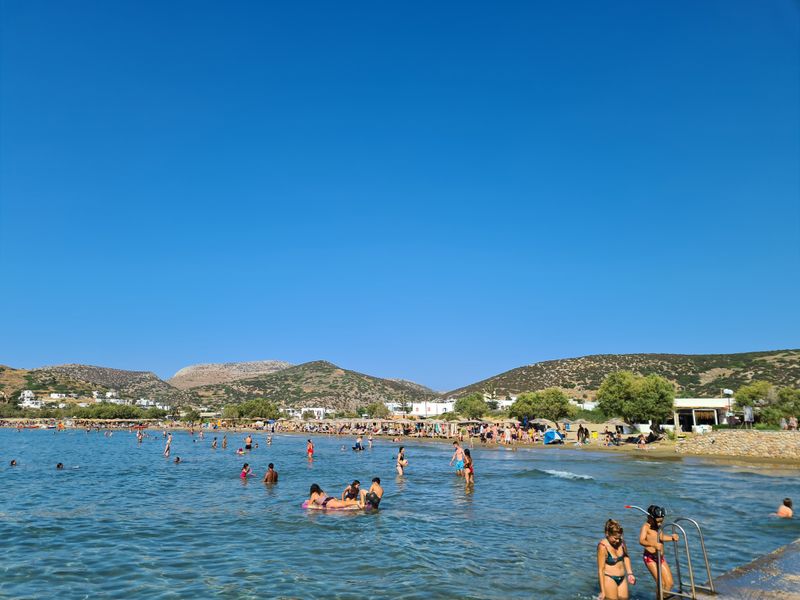
Your afternoons open to the island’s soft edges. Kini shimmers at sunset, with tavernas serving fresh fish and easy smiles.
Azolimnos and Vari offer calm swims, while Megas Gialos spreads shallow, family friendly water perfect for unwinding after morning rounds.
Pack light: towel, water, fruit, sunscreen, and a paperback. Buses make beach-hopping feasible if you time it right.
Windy days happen, so find coves with natural shelter or head for a pastry and coffee in town.
This is where the volunteer exchange shines. You work with purpose, then live like a local, rinsing sand from your feet before cooking dinner at home.
The balance feels restorative. In small ways, the island teaches you to slow down and pay attention.
12. Culture in Ermoupoli and Ano Syros

Ermoupoli dazzles with neoclassical facades, marble squares, and the Apollo Theater echoing La Scala. Cafes spill onto lanes where you can people watch between shifts.
Festivals, live music nights, and art events appear often, making culture part of your weekly rhythm.
Climb to Ano Syros for medieval alleys, panoramic views, and quiet chapels. The climb is steep but worth every step.
You will find both Catholic and Orthodox churches, a rare and beautiful pairing in the Cyclades.
Snack on loukoumia or a slice of chalvadopita with coffee. Let local shopkeepers recommend family tavernas over tourist traps.
In free hours, these small rituals fold you into island life. Culture here is not a checklist, but an atmosphere you breathe.
13. Stray cats on Syros and why help is needed

Syros has a significant stray and semi-feral cat population across villages and beaches. Seasonal tourism, limited resources, and uncontrolled breeding create cycles of vulnerability.
Rescue groups coordinate feeding, sterilization, and foster care to break that cycle humanely.
Volunteers keep daily operations moving so vets can focus on treatment and surgeries. Reliable feeding reduces roaming and fights.
Clean enclosures lower disease risk, while socialization increases adoption chances.
You will witness hard moments, from timid kittens to injured adults. But you will also see transformations: glossy coats, steady weight, confident paws.
Each consistent shift shifts the island’s trajectory a little. That is why hands-on help matters so much here, beyond pretty postcards and sunsets.
14. What to pack for success

Bring breathable work clothes you do not mind getting dirty, sturdy shoes, and a hat. Add work gloves, a refillable bottle, sunscreen, and hand sanitizer.
Quick-dry towels, a compact laundry line, and a small first-aid kit go a long way.
For evenings, pack a light sweater and comfortable sandals. Earplugs help in shared spaces, while a headlamp is useful for early starts.
A notebook for medication logs and feeding notes keeps you organized.
Travel light but intentional. You can buy toiletries and snacks locally, supporting island shops.
If you have space, toss in a few toys or soft brushes for socialization. The right kit lets you focus on cats and island life, not missing items.
15. Digital nomads and remote work
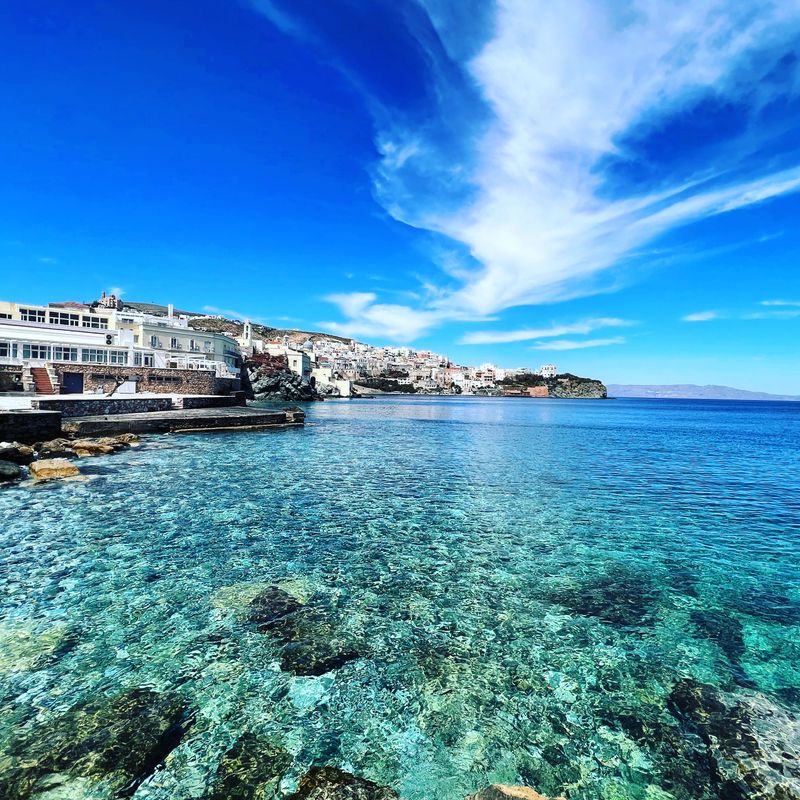
If your remote work is flexible, you can fit it around volunteer shifts. Mornings often belong to the cats, leaving afternoons or evenings for calls and focused laptop time.
The house Wi-Fi supports typical workloads, but you should plan for occasional island hiccups.
Set boundaries so work never disrupts animal care or shared spaces. Noise-canceling earbuds and offline task lists help when the wind howls or buses rumble by.
Choose cafes in Ermoupoli for backup, ordering something small to be a good guest.
When you close the screen, the Aegean is your screen saver in motion. You will feel both productive and grounded, as purpose shapes each day.
It is a rare arrangement: meaningful service, cultural immersion, and sustainable personal work in one place.
16. How to stand out when applying

Keep your application concise and sincere. Emphasize reliability, previous animal care, and any experience with medication, trapping, or feral cats.
Mention you can handle physical tasks, early mornings, and shared living gracefully.
Offer flexible dates and a minimum one month commitment. Provide references who can vouch for your steadiness and kindness.
If you have remote work, explain how you will keep it outside volunteer hours.
Proofread, then trim fluff. A clear plan shows you respect the team’s time.
When you are transparent about expectations and costs, you already act like a good volunteer. That clarity helps your application rise to the top when spots reopen.



