 Unearth The Voyage
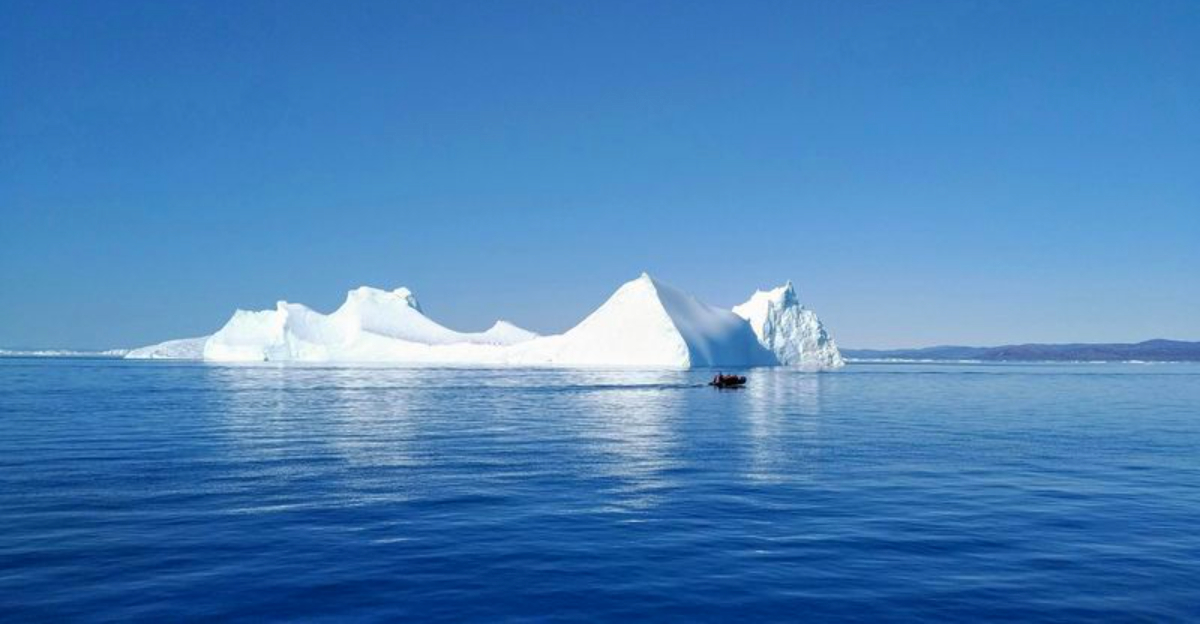
Greenland is a land of ice, adventure, and wonder that feels like stepping into another world. From glowing northern lights dancing across midnight skies to massive icebergs floating through crystal-clear fjords, this Arctic island offers experiences you simply can’t find anywhere else.
Whether you’re paddling among ice floes, mushing with sled dogs, or tasting fresh Arctic cuisine, Greenland promises unforgettable moments that will stay with you long after you return home.
Cruise the Ilulissat Icefjord
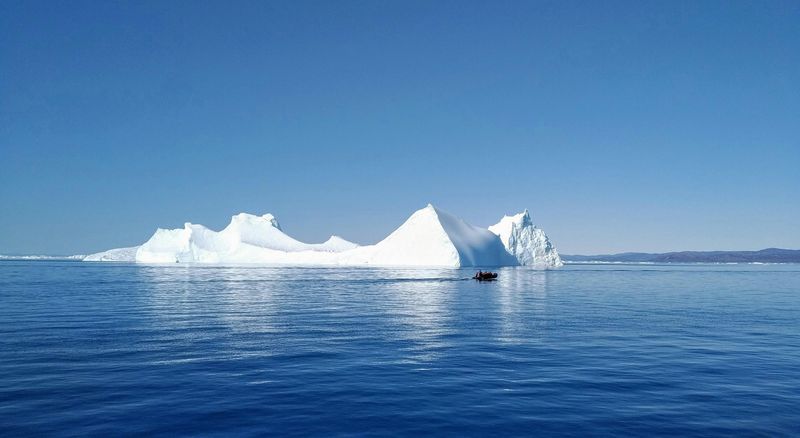
Picture yourself gliding past ice towers that reach skyward like frozen skyscrapers, each one groaning and cracking as it drifts through crystal waters. That’s exactly what awaits at Ilulissat Icefjord, a UNESCO World Heritage Site where nature puts on its most spectacular show.
The Sermeq Kujalleq glacier continuously births these giants, sending them floating into Disko Bay in an endless parade of ice. Boat tours bring you close enough to hear the ice sing—a symphony of pops, creaks, and thunderous cracks that echo across the water.
Some icebergs tower ten stories high, their blue-white surfaces glinting in the Arctic sun. Others flip and roll, revealing underwater sculptures that have been hidden for years.
Wildlife adds extra magic to the journey. Seals pop their heads up between ice chunks, while seabirds circle overhead hunting for fish.
On lucky days, you might spot whales breaching in the distance. Most visitors say this experience tops their entire Greenland adventure.
The combination of ancient ice, raw power, and stunning beauty creates memories that photographs simply can’t capture. Tour operators offer everything from quick two-hour trips to full-day expeditions with meals onboard.
Chase the Northern Lights
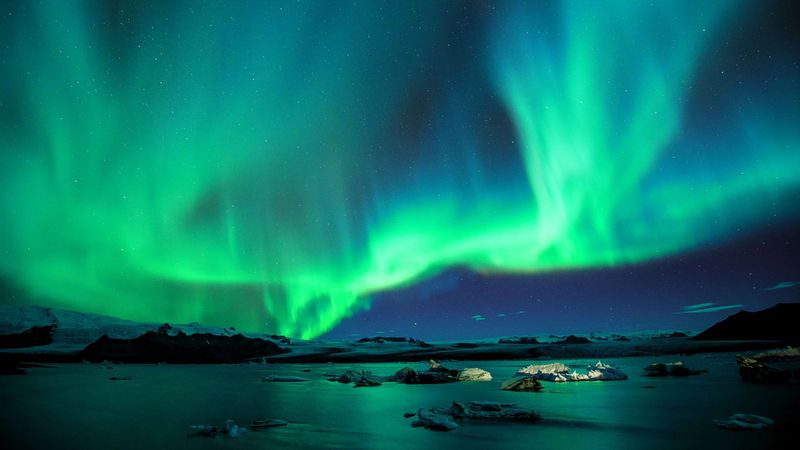
Few natural wonders match the thrill of watching ribbons of green, pink, and purple light dance across a pitch-black Arctic sky. Greenland’s position near the magnetic North Pole makes it prime aurora territory, especially from September through April when darkness returns to the far north.
The lights appear suddenly, swirling and shifting in patterns that seem almost alive. Your best bet is getting away from town lights completely.
Local guides know the perfect spots—quiet fjord shores, elevated viewpoints, or remote bays where nothing blocks your view of the horizon. Bundle up in your warmest gear because you’ll want to stay outside for hours once the show begins.
Towns like Nuuk, Ilulissat, and Kulusuk serve as excellent base camps for aurora hunting. Many hotels will wake guests when lights appear, and tour companies offer evening excursions complete with hot drinks and photography tips.
The lights move fast, so keeping your camera ready helps capture the magic. Locals have watched these lights for generations, weaving stories and legends around their mysterious glow.
Standing beneath them yourself creates an almost spiritual connection to the Arctic that words struggle to describe.
Go Whale Watching in Summer
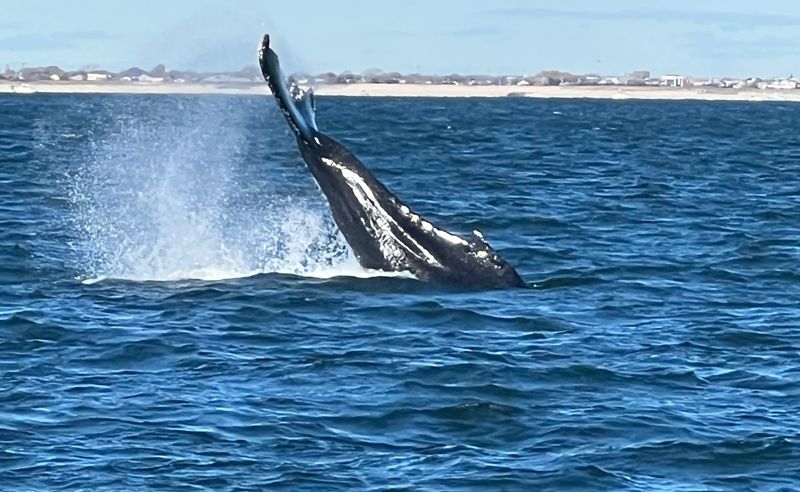
When Arctic waters warm in summer, these seas transform into a marine highway bustling with life. Humpback whales arrive to feed, their massive bodies launching clear out of the water in spectacular breaches that leave everyone gasping.
Orcas patrol in family pods, their distinctive black-and-white patterns cutting through waves as they hunt. Tour boats depart regularly from Nuuk and Ilulissat during peak season, which runs roughly June through September.
Minke whales often swim right alongside vessels, curious about their human visitors. Patient watchers might also spot fin whales—the second-largest creatures on Earth—surfacing to breathe before disappearing into the depths.
These tours do double duty, combining wildlife encounters with stunning fjord scenery. Icebergs drift past like floating sculptures while steep mountains rise from the waterline.
Guides share fascinating details about whale behavior, migration patterns, and the Arctic ecosystem that supports them. Bring binoculars, dress in layers, and keep your camera ready.
Whales surface unpredictably, and that perfect shot might happen in any direction. The combination of these gentle giants and Greenland’s dramatic backdrop creates photo opportunities you’ll treasure forever.
Most tours last three to four hours and include warm drinks onboard.
Explore Nuuk’s Culture and Museums
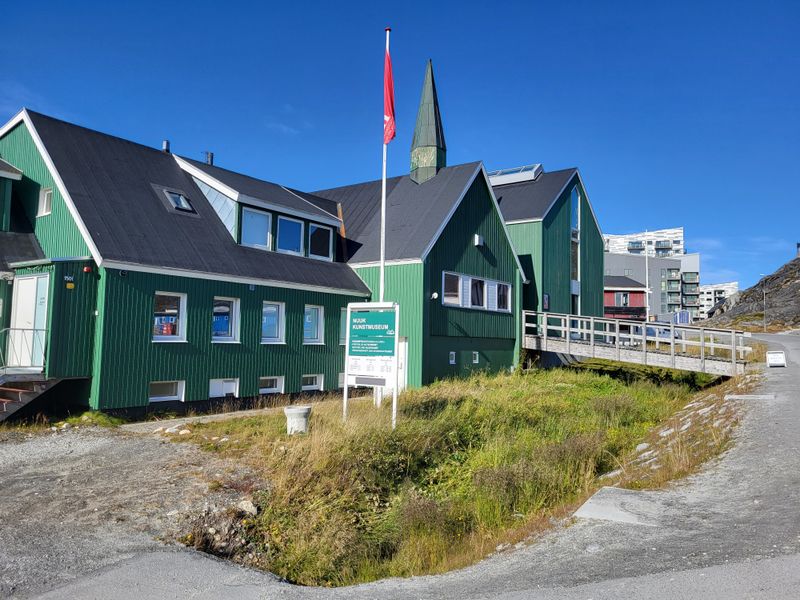
Greenland’s capital manages to pack thousands of years of history into one compact, colorful city perched on fjord shores. Nuuk might be small by world standards, but it punches way above its weight when it comes to cultural experiences.
Walking these streets means stepping between ancient Inuit traditions and modern Nordic life in just a few blocks. The Greenland National Museum & Archives houses treasures that span centuries—everything from perfectly preserved mummies to intricate tools carved from bone and stone.
The Nuuk Art Museum showcases contemporary Greenlandic artists whose work reflects both traditional heritage and modern perspectives. You’ll see paintings, sculptures, and installations that capture the Arctic spirit.
Outside the museums, the city itself tells stories. Brightly painted houses cling to rocky hillsides in reds, blues, yellows, and greens—a cheerful contrast to the white ice and gray stone surrounding them.
Down at Kalaaliaraq Market, locals sell fresh fish hauled in that morning, plus seal meat, reindeer, and other Arctic staples. Cafes and restaurants blend Greenlandic and Danish influences, creating unique flavors you won’t find elsewhere.
Spending time in Nuuk helps visitors understand how traditional and modern life coexist in this remarkable place.
Kayak Among Icebergs and Fjords
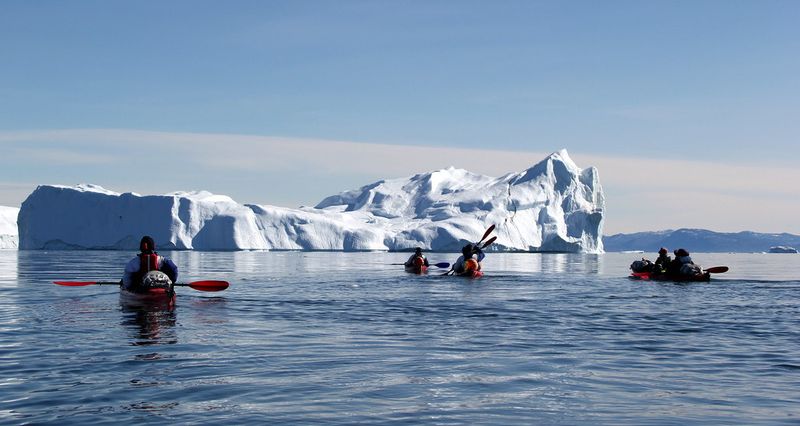
Slicing through mirror-smooth water while icebergs tower around you creates an intimate connection with Greenland’s frozen world that bigger boats simply can’t match. Kayaking here isn’t just adventure—it’s participating in a tradition that stretches back thousands of years.
Inuit hunters invented the kayak specifically for these waters, designing the perfect vessel for navigating among ice and hunting seals. Modern tours let you experience that same perspective, paddling through fjords where every turn reveals new wonders.
Seals pop up nearby, curious about the quiet craft gliding past. Seabirds nest on cliff faces that rise straight from the water.
The silence is profound, broken only by your paddle strokes and the occasional crack of shifting ice. Your reflection shimmers on glassy surfaces, and small ice chunks bob gently in your wake.
Guides teach proper techniques while sharing stories about kayaking’s cultural importance. Some tours last just a few hours, while multi-day expeditions camp on remote shores.
No previous kayaking experience is necessary for beginner routes, though you should be comfortable in water. Outfitters provide all equipment, including dry suits that keep you warm even if you tip over.
The unique perspective from a kayak seat makes this one of Greenland’s most memorable activities.
Stand-Up Paddle Against a Polar Backdrop
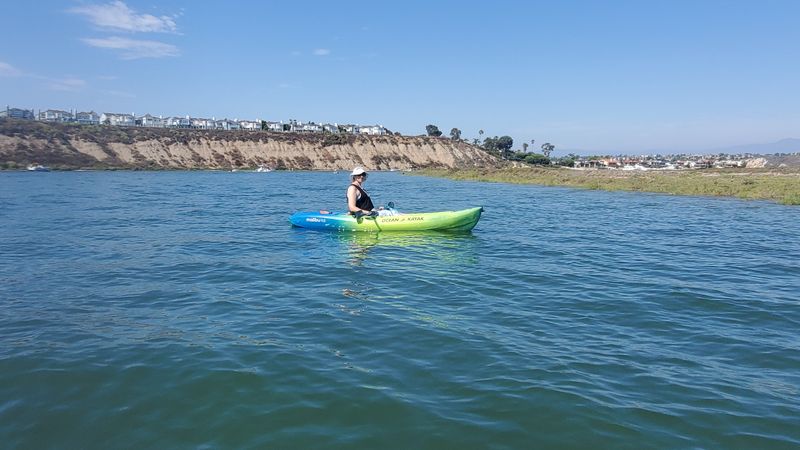
Balancing on a paddleboard while surrounded by Arctic wilderness creates moments of pure zen that feel almost meditative. The water beneath you is so clear you can see straight to the rocky bottom, and every paddle stroke sends gentle ripples across the glassy surface.
Protected bays and fjord inlets provide perfect conditions—calm enough for beginners yet stunning enough to wow experienced paddlers. Unlike kayaking, stand-up paddleboarding puts you higher above the water, offering different perspectives on your surroundings.
Towering cliffs reflect perfectly in still waters, creating mirror images that confuse the eye. Small ice floes drift past, close enough to touch but best admired from your board.
This activity works best during summer months when temperatures climb and ice conditions allow safe access to sheltered areas. Local outfitters provide boards, paddles, and wetsuits or dry suits depending on conditions.
They’ll also scout the best locations based on weather and ice movement. The silence is remarkable.
No motor noise, no crowd chatter—just you, your board, and one of Earth’s most pristine environments. Seabirds wheel overhead while fish dart below your board.
It’s a workout that doesn’t feel like exercise because the scenery keeps you completely distracted. Most sessions last two to three hours, perfect for fitting between other activities.
Hike Arctic Trails & Dramatic Landscapes
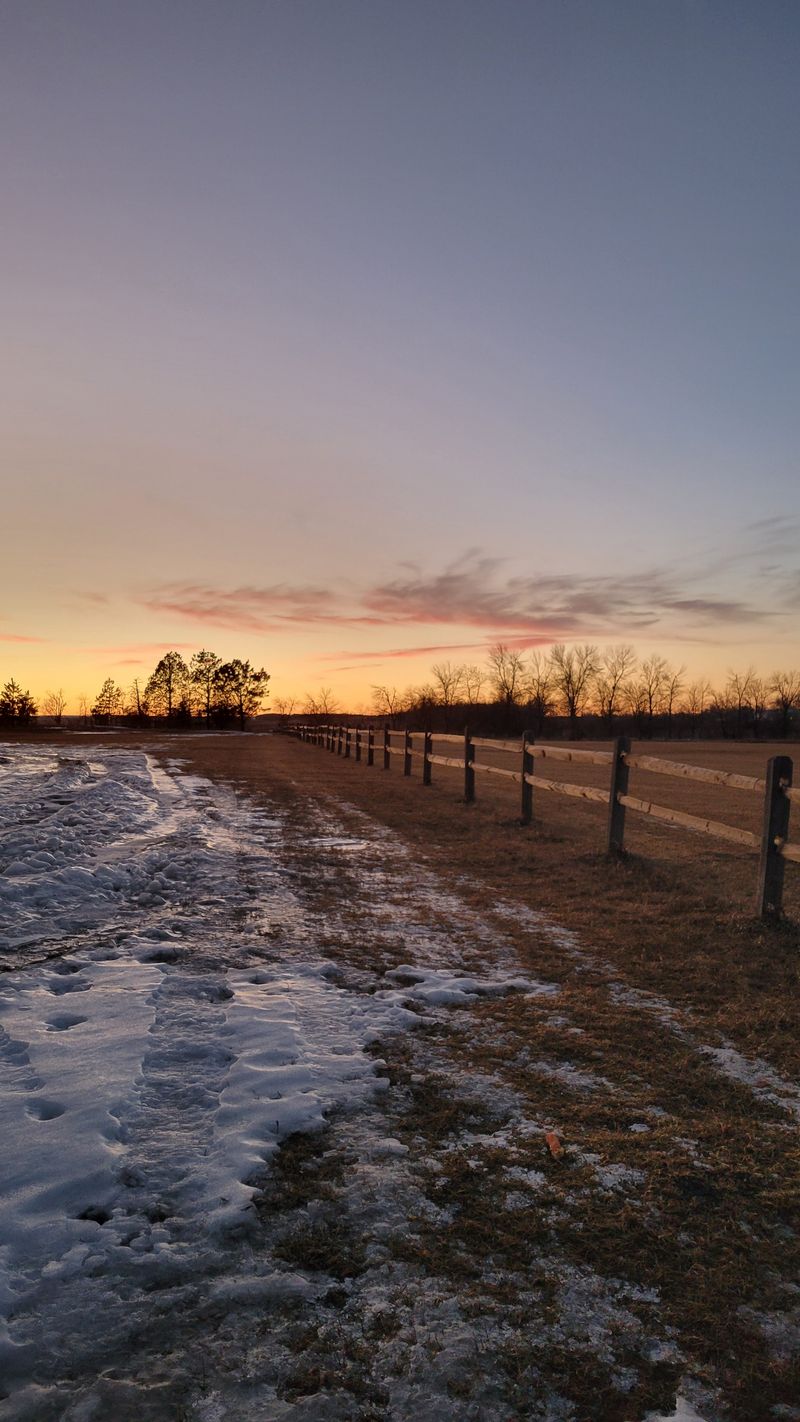
Greenland’s backcountry rewards every step with views that belong on postcards. Trails wind through landscapes so vast and empty they make you feel like the first person to ever walk there.
Waterfalls tumble down cliff faces, coastal ridges offer panoramic fjord views, and rugged mountains challenge even experienced hikers with their steep approaches. Routes range from easy coastal strolls near settlements to demanding multi-day treks across true wilderness.
The Arctic Circle Trail between Kangerlussuaq and Sisimiut spans 165 kilometers of unmarked terrain where hikers must be completely self-sufficient. Shorter day hikes near towns like Ilulissat and Qaqortoq provide stunning scenery without the survival-level commitment.
The air up here is impossibly crisp and clean. Silence surrounds you except for wind, birdsong, and your own footsteps crunching on rock or tundra.
Wildflowers bloom in summer, painting the ground in unexpected colors. Wildlife sightings—musk oxen, Arctic foxes, reindeer—happen when you least expect them.
Always check with local guides about trail conditions, weather, and safety requirements. Greenland’s weather changes fast, and what starts as sunshine can turn to fog or rain within hours.
Proper gear, navigation tools, and trip plans filed with authorities keep adventures safe. The solitude and natural beauty make every challenging climb worthwhile.
Experience the Midnight Sun

Watching the sun circle the horizon without ever setting messes with your mind in the best possible way. From late May through late July, areas north of the Arctic Circle experience continuous daylight—the sun dips low but never disappears, bathing everything in golden light even at midnight.
Your body clock goes haywire, sleep schedules become suggestions, and suddenly you’re hiking or photographing at 2 a.m. because why not? This phenomenon transforms how you experience Greenland.
Extended daylight means extended adventure time, letting you pack more activities into each day. Photography enthusiasts go crazy for the magical quality of light during these weeks—everything glows warm and soft, creating images that look almost unreal.
Locals take full advantage, staying active around the clock during these bright months. You’ll see children playing outside late into the evening and boats heading out for midnight fishing trips.
The energy level in towns noticeably increases as people soak up every moment of warmth and light before winter returns. Experiencing midnight sun requires some adjustment.
Bring eye masks for sleeping, since hotel curtains rarely block all that brightness. Stay hydrated and watch for fatigue—your body might not realize how long you’ve been active.
The trade-off is worth it for witnessing one of nature’s most unusual phenomena while exploring Arctic landscapes under endless sunshine.
Visit Historic Inuit Villages
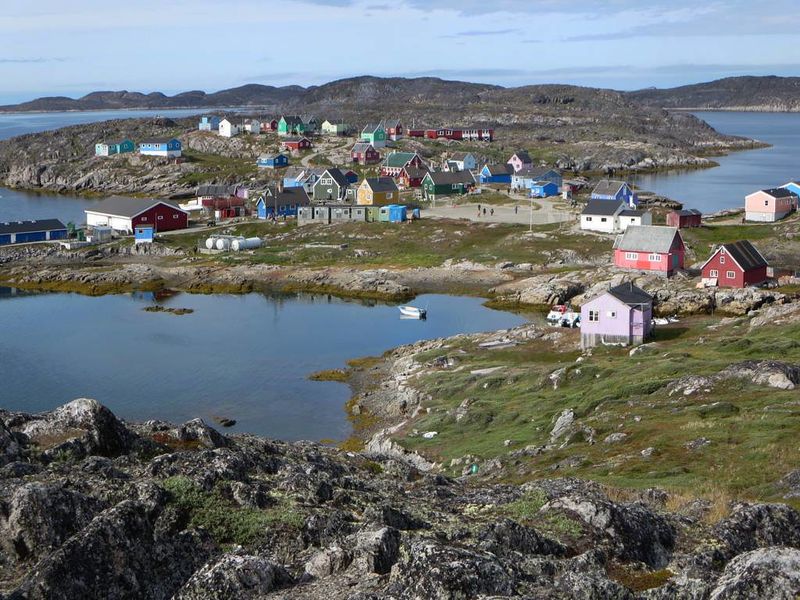
Small coastal settlements scattered along Greenland’s shores offer windows into ways of life that have endured for generations. Places like Qaqortoq, Aasiaat, and Nanortalik feel worlds away from modern cities, where hunting and fishing still form the backbone of daily existence.
Meeting locals here means learning directly from people who maintain deep connections to land, sea, and tradition. These villages showcase Inuit culture in living form rather than museum displays.
Watch hunters prepare their boats, see traditional foods being prepared, and hear stories passed down through families for centuries. Local museums house incredible artifacts—Thule implements, Norse relics, intricately carved tools, and traditional kayaks that demonstrate remarkable craftsmanship.
The Qaqortoq Museum displays archaeological finds that span thousands of years of human presence. Aasiaat Museum focuses on traditional boat building and hunting practices.
Walking through these collections with local guides provides context that brings objects to life. Respectful visitors are usually welcomed warmly.
Ask permission before photographing people or their property. Purchase local crafts directly from artists when possible—carved figures, beadwork, and sealskin items represent genuine cultural traditions.
These small communities face challenges maintaining their ways of life in a changing world, and thoughtful tourism can provide meaningful support while offering visitors authentic cultural exchanges they’ll never forget.
Go Dogsledding in Winter
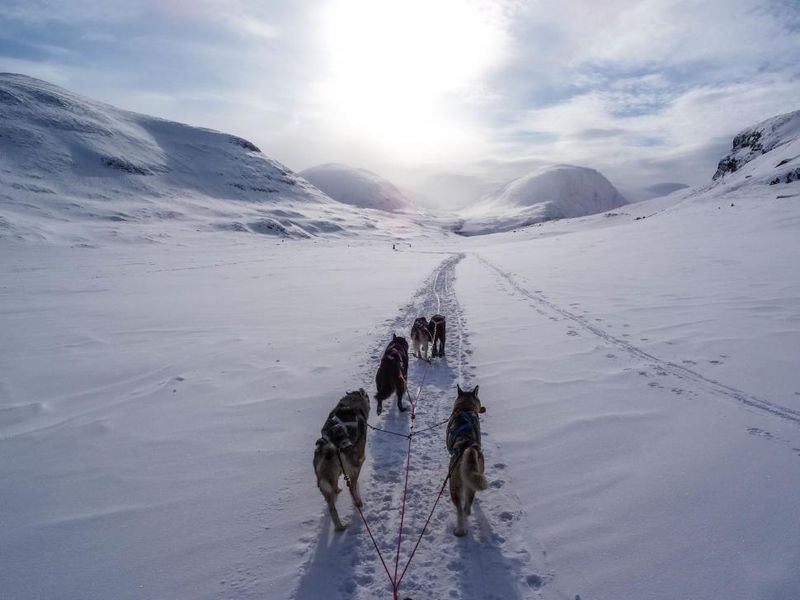
The excited howls of sled dogs eager to run will wake something primal in your soul. Dogsledding isn’t just a tourist activity in Greenland—it’s a living tradition that remains essential for winter travel in many communities.
Climbing onto a sled behind a team of powerful, athletic dogs connects you directly to centuries of Arctic life. Experienced mushers guide you across pristine snowscapes that stretch endlessly in every direction.
The dogs work in perfect coordination, their paws barely making sound on packed snow. Speed varies from gentle cruising to exhilarating sprints when the team really gets moving.
Wind bites your face while runners hiss beneath you, and the landscape scrolls past in whites and blues. These aren’t pets—they’re working animals bred for strength, endurance, and Arctic conditions.
Mushers share deep bonds with their teams, knowing each dog’s personality and preferences. Between rides, you might help feed dogs or learn about their care and training.
Winter dogsledding typically runs from December through April when snow conditions are best. Tours range from hour-long introductions to multi-day expeditions camping on the ice.
Dress in the warmest gear you own—standing still on a sled in Arctic wind tests even the best clothing. The experience provides both thrilling adventure and cultural insight into traditional Greenlandic life.
Sail Prince Christian Sound
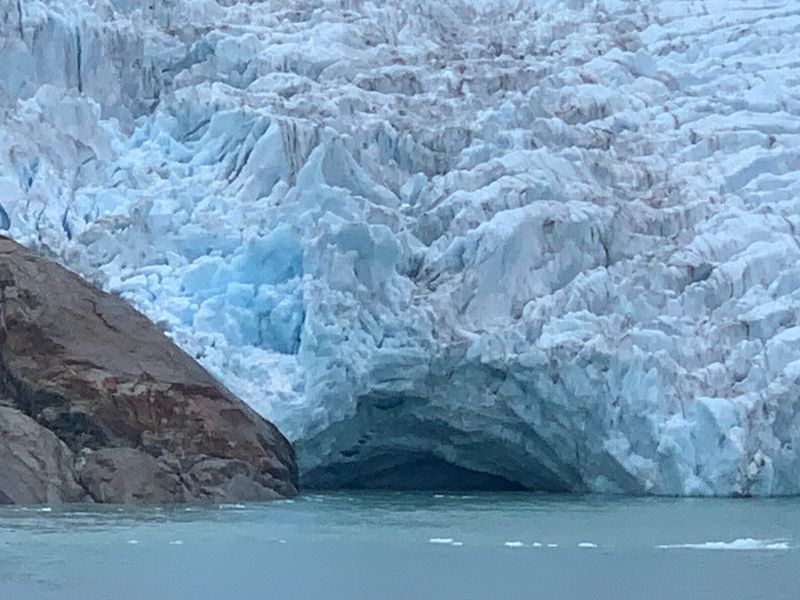
Cruising through Prince Christian Sound feels like sailing through a cathedral built by glaciers. This narrow strait cuts through southern Greenland between mountains that rise nearly straight from the water, their peaks often hidden in clouds.
Waterfalls cascade hundreds of feet down sheer rock faces, and chunks of ice drift silently past your vessel in a slow-motion dance. The sound stretches about 60 kilometers, connecting the Atlantic Ocean to inner fjords.
Its remote location means few ships venture here, creating an atmosphere of pristine wilderness. Wildlife thrives in these protected waters—seals haul out on ice floes, whales sometimes surface nearby, and Arctic birds nest on impossible cliff ledges.
Small expedition ships navigate these waters best, able to maneuver close to cliffs and adjust course to explore interesting features. Some cruises pause for zodiac excursions, letting passengers get even closer to waterfalls and ice formations.
The scale of everything makes humans feel wonderfully small. Photography opportunities appear constantly as light and weather create ever-changing conditions.
Morning fog might shroud the cliffs in mystery, while afternoon sun illuminates every detail. Pack layers since temperatures can shift quickly, and keep cameras ready because you never know when a whale will breach or an iceberg will calve.
This journey ranks among Greenland’s most spectacular scenic experiences.
Try Arctic Cuisine

Eating in Greenland means tasting the Arctic itself—foods that reflect the harsh environment and resourceful people who call this place home. Forget imported vegetables and tropical fruits; here the menu features seal, whale, reindeer, musk ox, and incredibly fresh fish hauled from icy waters.
These aren’t novelty foods but traditional staples that have sustained communities for millennia. Arctic char might be the most accessible entry point for cautious eaters.
This fish tastes similar to salmon but with its own delicate flavor, often served simply prepared to highlight its freshness. Reindeer appears on many restaurant menus, usually as steaks or in stews, offering lean meat with a slightly gamey taste.
Braver diners should try seal, which locals prepare in various ways—dried, cooked, or even raw. The taste is strong and distinctly marine, definitely an acquired flavor but culturally important.
Musk ox offers tender, rich meat when properly cooked. Greenlandic shrimp are famously sweet and delicious, often served cold with bread.
The Kalaaliaraq Market in Nuuk provides the most authentic experience. Locals shop here daily, selecting from fresh catches and traditional ingredients.
Vendors are usually happy to explain different items and preparation methods. Restaurants throughout Greenland increasingly showcase New Nordic cuisine approaches, combining traditional ingredients with modern techniques.
Trying these foods connects you to the land in ways sightseeing alone cannot achieve.
Ski Touring & Snow Adventures
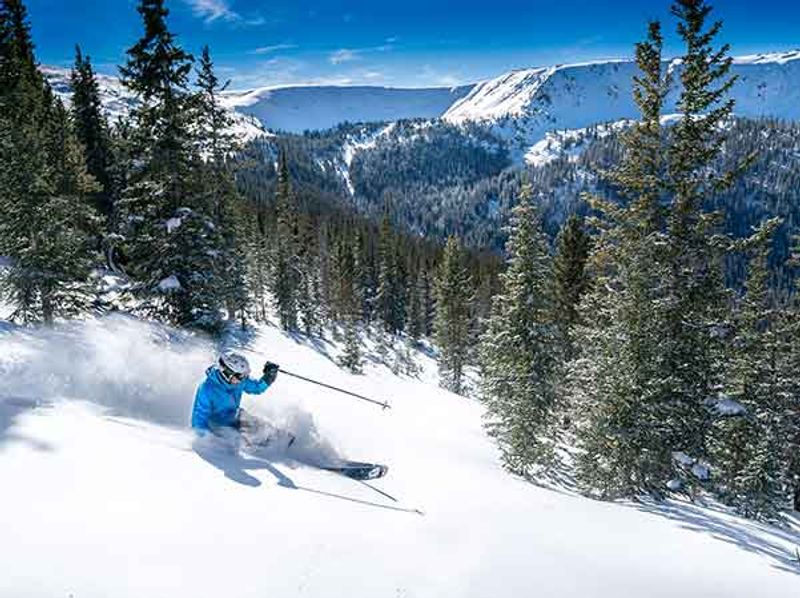
Forget crowded ski resorts with groomed runs and lift lines—Greenland offers something far more raw and rewarding. Ski touring here means earning every downhill turn by climbing first, traveling through backcountry where your group might be the only humans for miles.
The vastness and silence create experiences that commercial ski areas simply cannot match. Routes vary from moderate snow-covered valleys to technical mountain ascents requiring serious skills and equipment.
Experienced ski mountaineers can tackle challenging peaks with spectacular summit views across ice caps and fjords. Less aggressive tours focus on covering distance through Arctic terrain, camping along the way and soaking in the winter wilderness.
Snowshoeing provides an alternative for non-skiers wanting to explore snowy expanses. These allow travel across deep powder and uneven terrain that would be impossible on foot alone.
Both activities offer incredible solitude and natural beauty during Greenland’s long winter. Safety requires proper preparation.
Avalanche awareness, navigation skills, and appropriate gear are non-negotiable in Greenland’s backcountry. Hiring local guides familiar with terrain and conditions is strongly recommended unless you’re highly experienced in Arctic travel.
Weather can deteriorate rapidly, and rescue resources are limited in remote areas. The rewards for those properly prepared include some of the world’s most pristine and challenging snow adventures in landscapes few people ever witness.
Take an Arctic Expedition Cruise
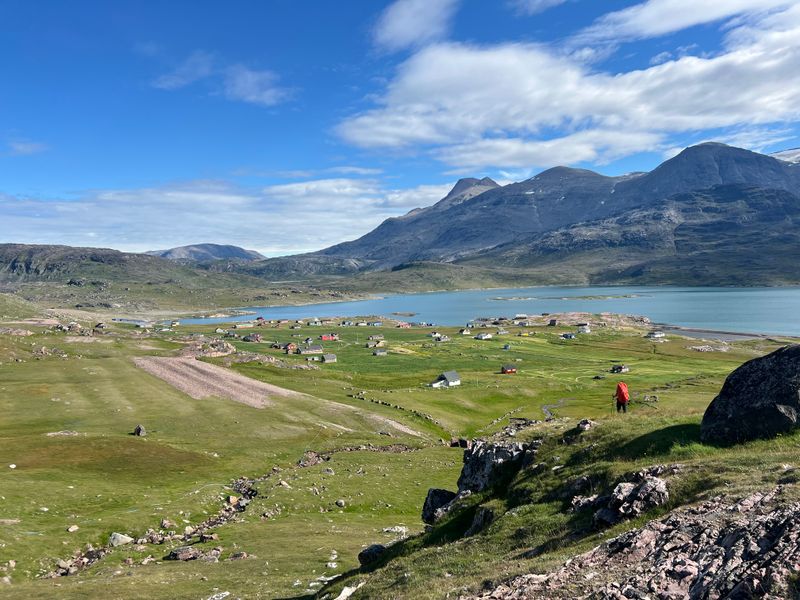
For the most comprehensive Greenland experience, nothing beats a multi-day expedition cruise that ventures deep into regions accessible only by sea. These journeys combine everything—icebergs, wildlife, culture, geology, and Arctic ecology—into one immersive adventure that reveals Greenland’s many faces.
Small ships carry fewer than 200 passengers, creating intimate experiences impossible on massive cruise liners. Expedition cruises don’t just sail past scenery; they actively explore it.
Zodiac boats ferry passengers to remote shores for hiking, wildlife watching, and visiting tiny settlements rarely seen by outsiders. Expert guides include naturalists, geologists, historians, and cultural specialists who provide context for everything you encounter.
Evening presentations deepen understanding of Arctic ecosystems, climate science, and Greenlandic culture. Routes typically range from 7 to 14 days, covering hundreds of miles of coastline.
You might visit several communities, cruise multiple fjord systems, and encounter various wildlife species. Meals onboard often feature regional ingredients, and comfortable cabins provide rest between adventures.
These cruises operate mainly during summer months when ice conditions permit safe passage. They’re not cheap, but the comprehensive experience justifies the investment for travelers serious about understanding Greenland.
You’ll return home with deep appreciation for this remarkable place, having witnessed its wild heart from the best possible vantage point—a small ship designed specifically for Arctic exploration.



