Some guitar riffs are so iconic that a few notes instantly spark recognition. Across decades of rock history, a select group of intros transcended their songs to become cultural landmarks, heard on radio, in films, and in packed arenas worldwide.
While thousands of great tracks have been recorded, only a handful of guitar openings achieved truly universal status. This list explores eighteen of the most recognizable intros ever recorded and the lasting impact they made on rock music.
1. Smoke on the Water, Deep Purple
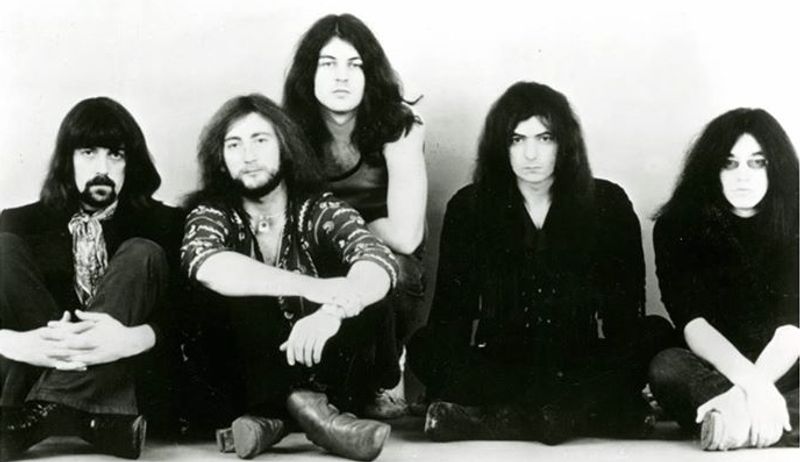
Rock guitar history has a handful of moments that changed everything, and this four-note riff is one of the clearest examples. Ritchie Blackmore recorded it in December 1971 at the Casino in Montreux, Switzerland, after the band was forced to relocate following a fire at the original venue.
The riff uses parallel fourths, a relatively simple technique, yet its directness gave it a power that more complex patterns often lack. Deep Purple released it on the Machine Head album in 1972, and it became a global hit almost immediately.
Guitar teachers worldwide have used it as a beginner exercise for over fifty years, cementing its place in rock education as much as in rock history.
2. Sweet Child O’ Mine, Guns N’ Roses
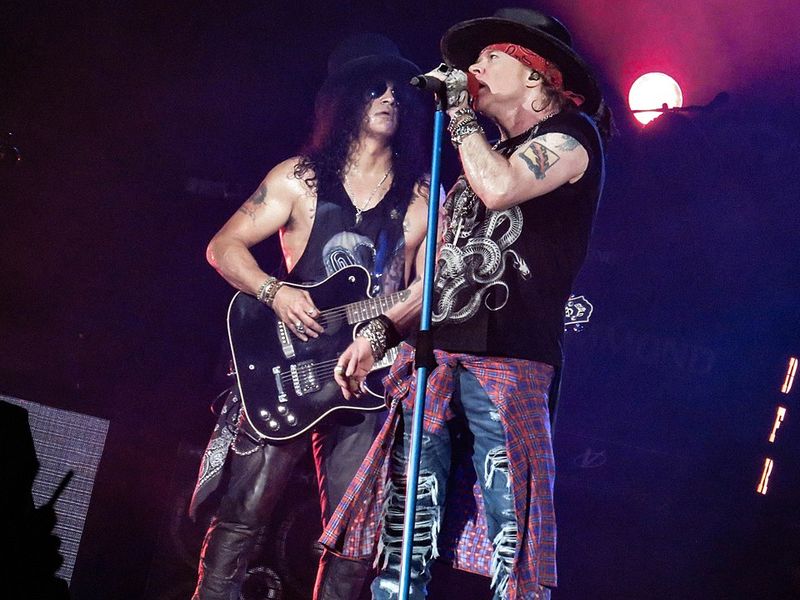
Slash has described the opening riff of this song as something he never intended to become famous. During a rehearsal session in 1986, he began playing a circular, ascending pattern as a finger exercise, and the band built an entire song around it.
Guns N’ Roses released it on Appetite for Destruction in 1987, and it reached number one on the Billboard Hot 100 in 1988, becoming the band’s only chart-topper in the United States.
The intro’s melodic quality set it apart from the harder material on the album, giving it broad crossover appeal that kept it on radio playlists long after the record’s initial release cycle ended.
3. Stairway to Heaven, Led Zeppelin
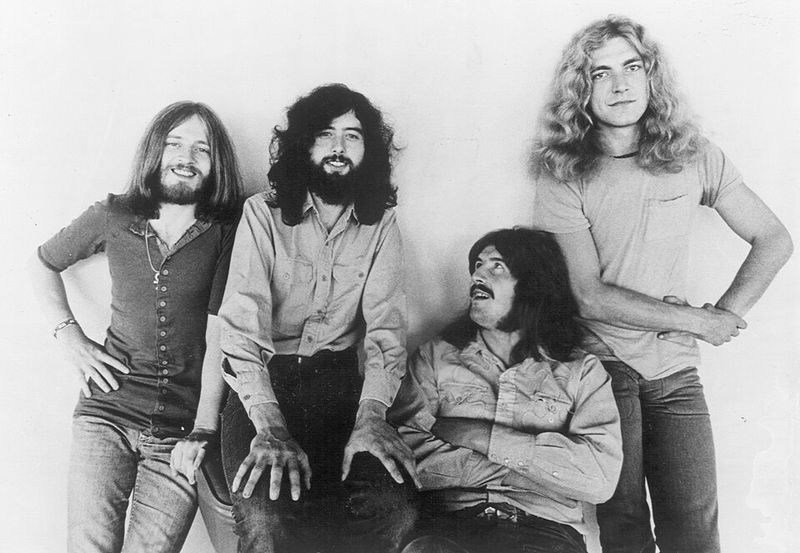
Jimmy Page wrote the acoustic introduction to this song in 1970 at Headley Grange, a country house in Hampshire, England, where Led Zeppelin recorded much of their fourth album. The descending chord progression unfolds over nearly two minutes before the full band enters.
Released in November 1971, the song was never issued as a single in the United Kingdom or United States during its original run, yet it became one of the most-requested tracks in FM radio history throughout the 1970s.
Its structure, moving from quiet acoustic guitar to full electric crescendo, influenced how rock bands thought about song architecture for the following decade.
4. Back in Black, AC/DC
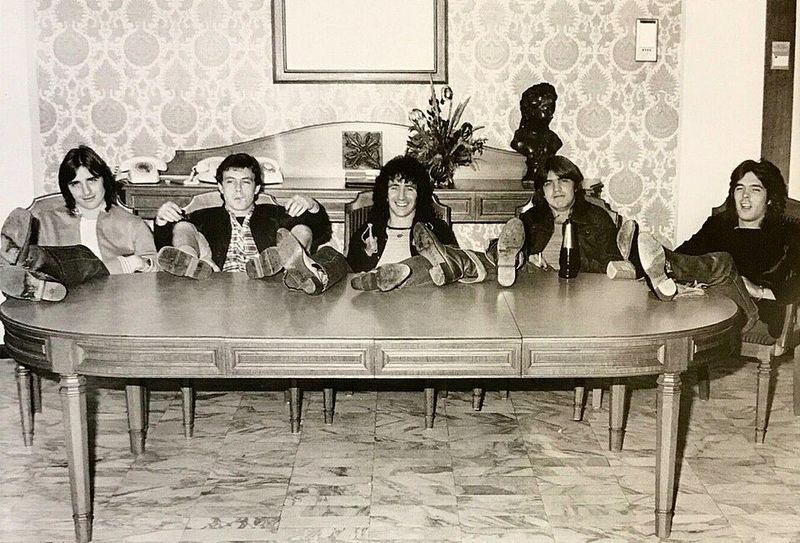
Angus Young opens this track with one of rock’s most direct statements, a riff so confident it requires no buildup. AC/DC recorded Back in Black in 1980 at Compass Point Studios in Nassau, Bahamas, under producer Mutt Lange.
The album of the same name was released in July 1980 and has since sold over fifty million copies worldwide, making it one of the best-selling albums in recorded music history. The riff itself draws heavily from blues structure but strips it to its most essential form.
Its punchy, no-frills delivery made it a touchstone for hard rock production throughout the 1980s, influencing how engineers approached guitar tone in the studio.
5. Layla, Derek and the Dominos
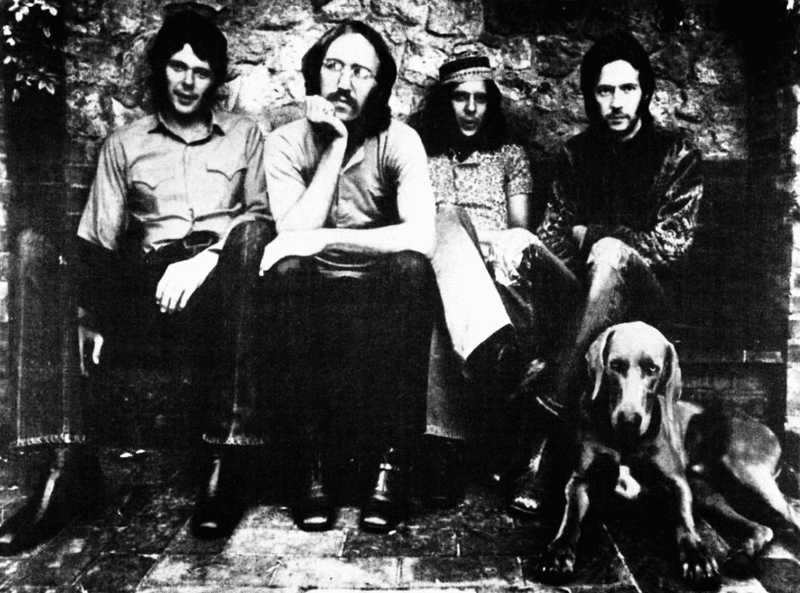
Eric Clapton co-wrote this song with guitarist Duane Allman in 1970, and the opening riff carries an urgency that reflects the personal nature of the lyrics. The track was recorded at Criteria Studios in Miami, Florida, and released on the album Layla and Other Assorted Love Songs in November 1970.
Despite its initial modest commercial performance, the song gained significant traction through FM radio play and became a classic rock staple throughout the 1970s. The guitar-driven intro, featuring both Clapton and Allman, showcased a dual-guitar approach that became highly influential in rock.
6. Johnny B. Goode, Chuck Berry
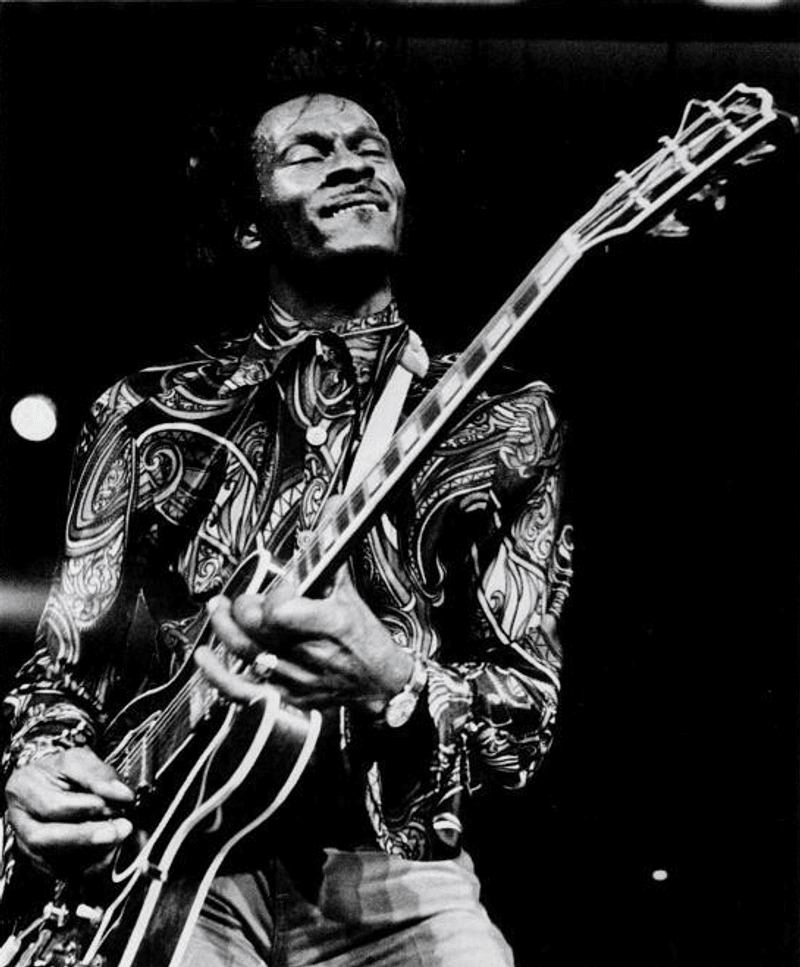
Chuck Berry recorded this track at Chess Studios in Chicago in 1958, and its opening guitar run immediately set a new standard for rock and roll energy. The song’s intro borrowed elements from boogie-woogie piano lines and translated them directly onto the electric guitar.
Berry’s picking technique and rhythmic precision gave the intro a propulsive quality that influenced virtually every rock guitarist who followed, from Keith Richards to Angus Young. The song reached number two on the Billboard R&B chart in 1958.
7. Iron Man, Black Sabbath
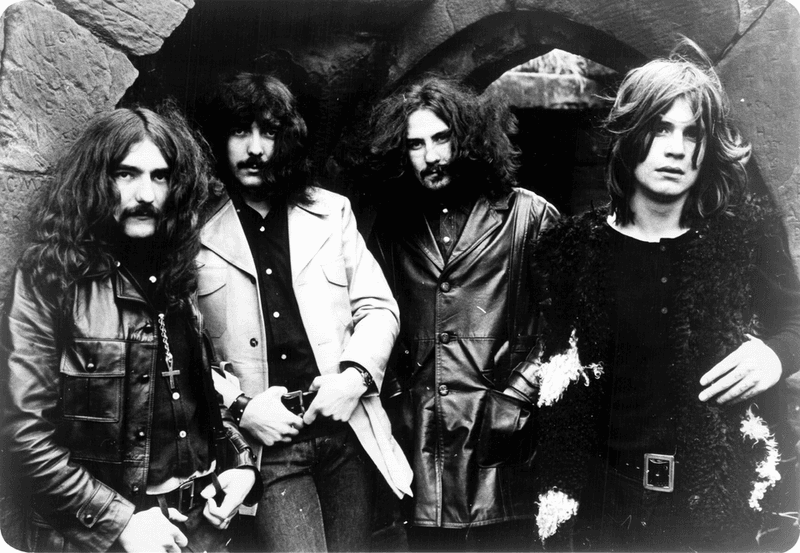
Tony Iommi recorded the central riff to this song despite having lost the tips of two fingers on his right hand in a factory accident in 1965. He developed custom thimble-like prosthetics and retuned his guitar to reduce string tension, which inadvertently contributed to the heavy, low-end quality that defined Black Sabbath’s sound.
Iron Man appeared on the Paranoid album, released in September 1970, and the opening riff quickly became one of the most recognized in heavy metal history. Its slow, deliberate tempo was a departure from the faster rock of the era.
That deliberate pacing gave it a weight that faster riffs could not match, and it remains a foundational text in metal guitar playing.
8. Sunshine of Your Love, Cream
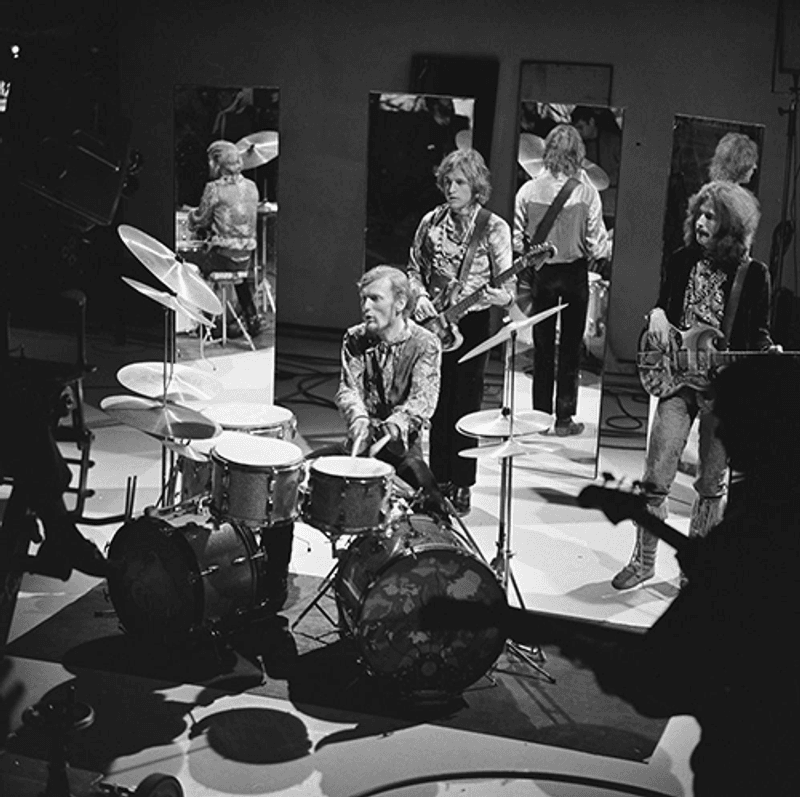
Jack Bruce came up with the bass line for this song in 1967 after attending a Jimi Hendrix concert in London, and Eric Clapton and Pete Brown built the guitar riff and lyrics around it shortly afterward. The track was recorded at Atlantic Studios in New York and released in December 1967.
Its distinctive descending riff combined blues phrasing with a harder-edged delivery that helped bridge the gap between blues rock and the heavier sounds that would emerge in the early 1970s. Cream’s approach to the track was deliberately raw and unpolished.
The song reached number five on the Billboard Hot 100 in 1968 and remains one of the clearest examples of late-1960s British blues rock at its most direct.
9. Enter Sandman, Metallica
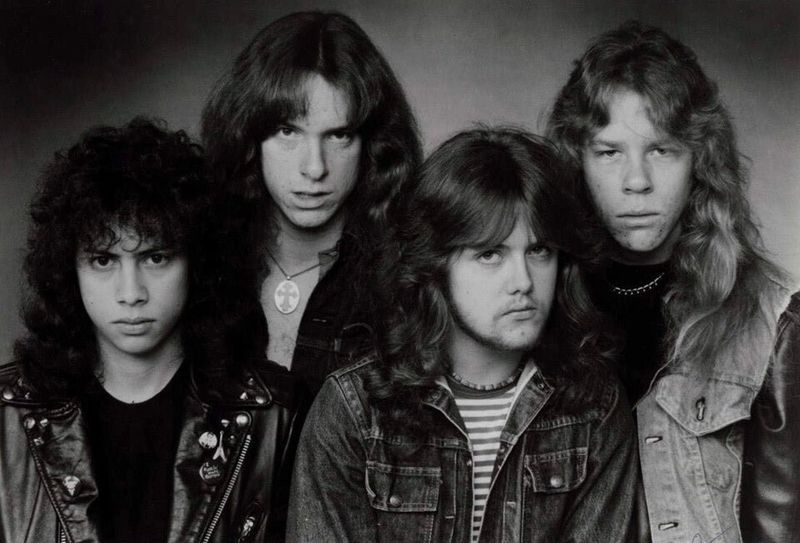
Kirk Hammett wrote the main riff for this song during a rehearsal in 1990, and it became the lead single from Metallica’s self-titled album, commonly known as The Black Album, released in August 1991. The clean guitar intro builds tension for several bars before the full band enters with the main riff.
The album sold over sixteen million copies in the United States alone, making it one of the best-selling records in American history. Enter Sandman’s accessibility helped bring Metallica to a mainstream audience that had not engaged with their earlier, more complex material.
The intro’s structure, quiet to loud, became a template that many rock and metal bands adopted throughout the 1990s.
10. Purple Haze, The Jimi Hendrix Experience
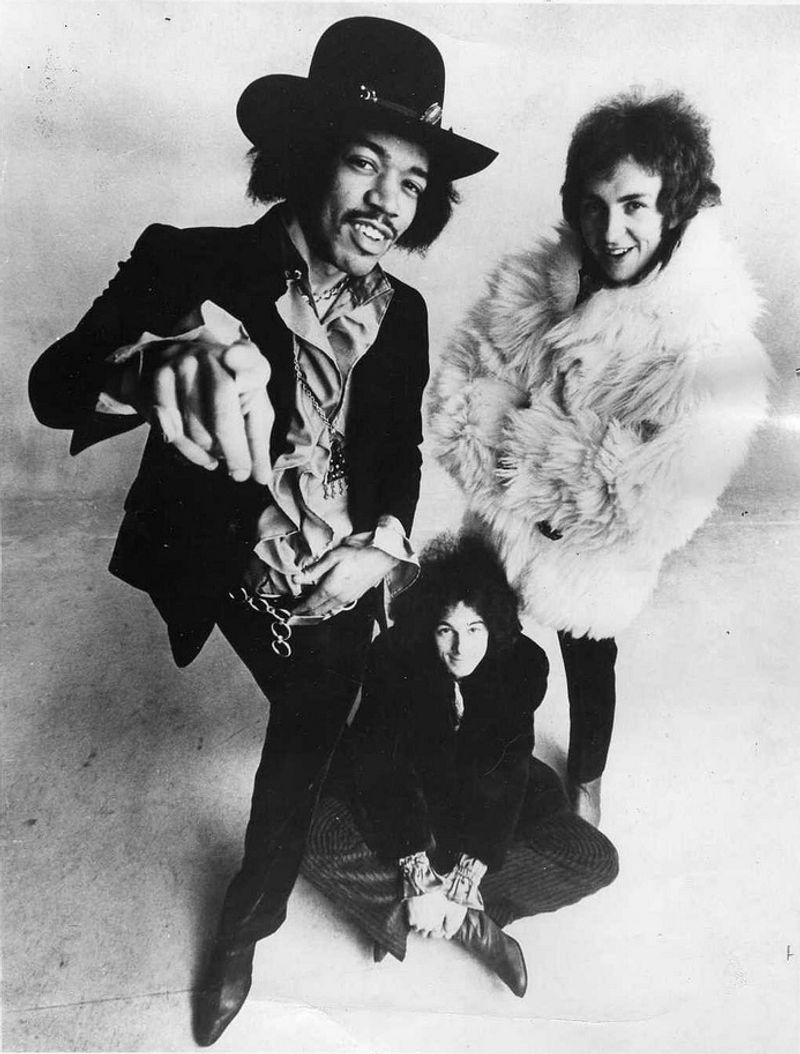
Jimi Hendrix wrote this song in December 1966 and recorded it at De Lane Lea Studios in London in January 1967. The opening tritone interval, sometimes called the devil’s interval in music theory, gave the intro an immediately disorienting quality that matched the song’s surreal lyrical content.
Released as a single in March 1967, it reached number three on the UK Singles Chart and helped establish Hendrix as one of the most innovative guitarists of his generation. His use of the Octavia effects pedal and feedback as compositional tools was highly unconventional for the period.
The riff’s influence extended well beyond psychedelic rock, shaping how guitarists in funk, metal, and alternative music approached dissonance and effects.
11. Money for Nothing, Dire Straits
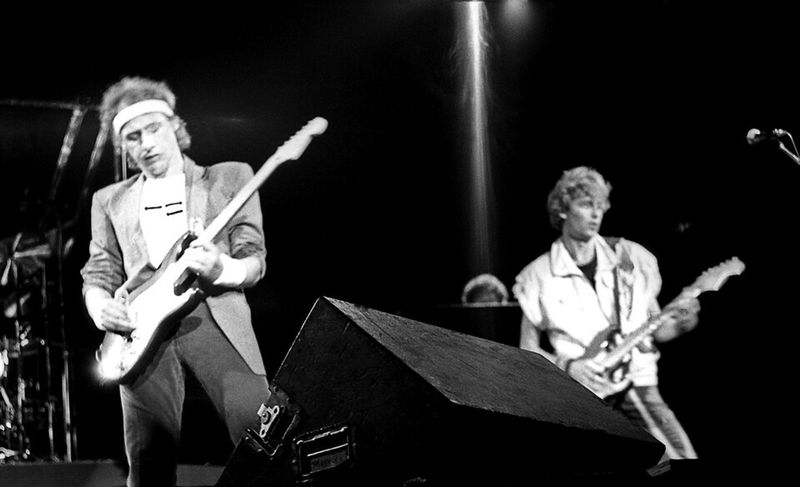
Mark Knopfler wrote this song after overhearing a conversation in a New York appliance store in the early 1980s, and the guitar intro he constructed around it became one of the most distinctive of the decade. Dire Straits recorded it for the Brothers in Arms album, released in May 1985.
The intro’s heavy, syncopated riff was unusual for Knopfler, who was better known for his fingerpicking style. The song featured Sting on backing vocals, and the combination of the two artists’ profiles helped push it to number one in the United States.
Brothers in Arms became one of the best-selling albums of 1985, and Money for Nothing was among the most-played videos during MTV’s early years.
12. You Really Got Me, The Kinks
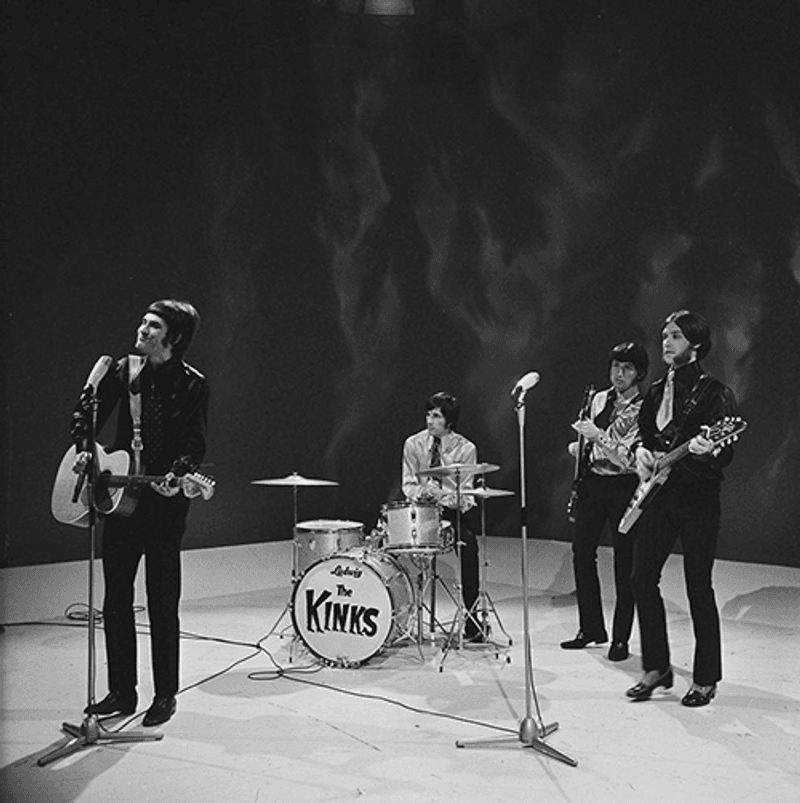
Image Credit: VARA.. Photographer: W.
Veenman, licensed under CC BY-SA 3.0 nl. Via Wikimedia Commons.
Dave Davies achieved the distorted guitar tone on this track by slashing the speaker cone of a small amplifier with a razor blade, a modification that produced a raw, overdriven sound that studio engineers at the time had no conventional way to replicate. The Kinks recorded the song at IBC Studios in London in June 1964.
Released as a single in August 1964, it reached number one on the UK Singles Chart and became one of the defining recordings of the British Invasion era. The power chord-driven riff predated similar techniques used by Pete Townshend and later by hard rock and metal guitarists.
13. Crazy Train, Ozzy Osbourne
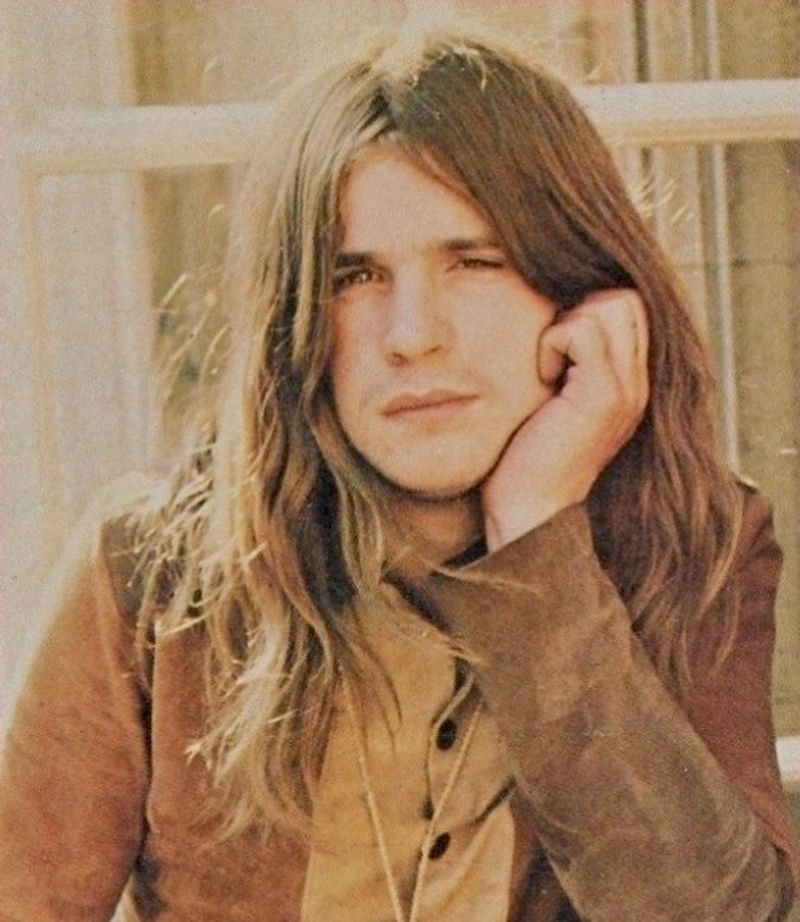
Randy Rhoads was twenty-four years old when he recorded this track, and the guitar intro he crafted combined classical music training with hard rock precision in a way that was genuinely new for heavy metal in 1980. The song appeared on Ozzy Osbourne’s debut solo album, Blizzard of Ozz, released in September 1980.
Rhoads had studied classical guitar formally and applied those techniques to electric guitar playing, producing a tone and phrasing style that stood apart from most of his contemporaries. The intro’s combination of harmonics and precise picking became a template for an entire generation of metal guitarists.
14. Whole Lotta Love, Led Zeppelin
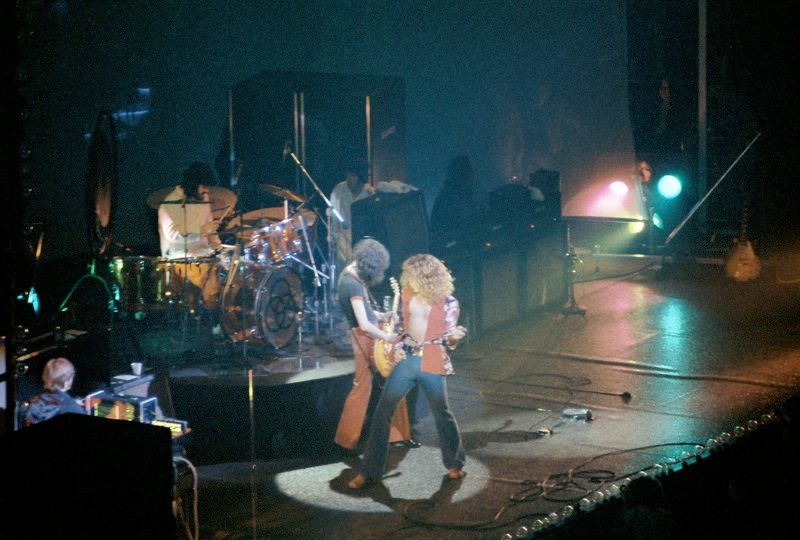
Jimmy Page built this riff around a repeating two-bar figure that he had been developing during Led Zeppelin’s early touring period in 1968 and 1969. The band recorded the track at Olympic Sound Studios in London and released it on Led Zeppelin II in October 1969.
The song reached number four on the Billboard Hot 100 and became the band’s biggest American single at the time. Page’s use of a violin bow on the guitar during live performances added a theatrical dimension to the song that reinforced its larger-than-life reputation.
The riff’s combination of swagger and blues-derived phrasing made it a defining example of what rock guitar could accomplish when played with full commitment and no restraint.
15. Hotel California, Eagles
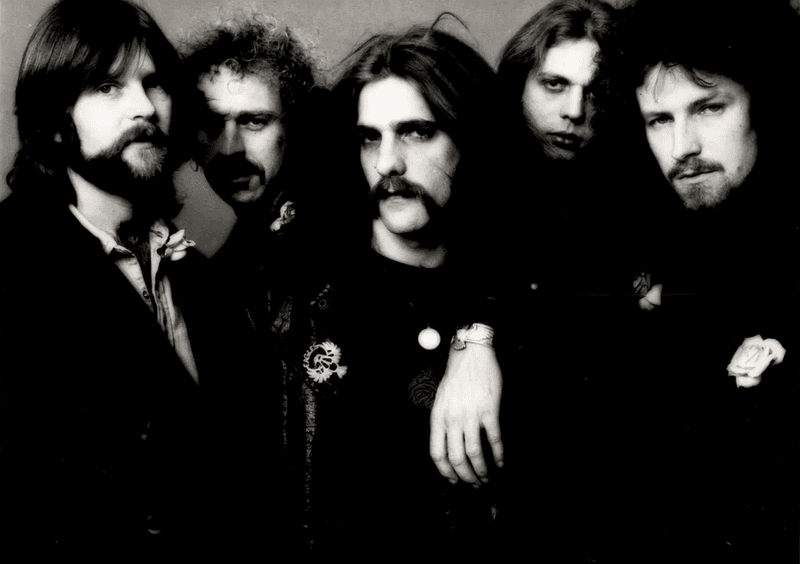
Don Felder wrote the guitar introduction to this song on a cassette demo recorded at his Malibu home in 1976, and the Eagles built the full arrangement around it over several months of studio work. The track was recorded at Criteria Studios in Miami and released as a single in February 1977.
The twelve-string acoustic guitar opening, played by Felder, creates a specific harmonic atmosphere that immediately sets the song apart from straightforward rock tracks of the era. The song reached number one on the Billboard Hot 100 and won the Grammy Award for Record of the Year in 1978.
Its extended dual-guitar outro, featuring Felder and Joe Walsh trading lines, became one of the most studied passages in rock guitar history.
16. Day Tripper, The Beatles
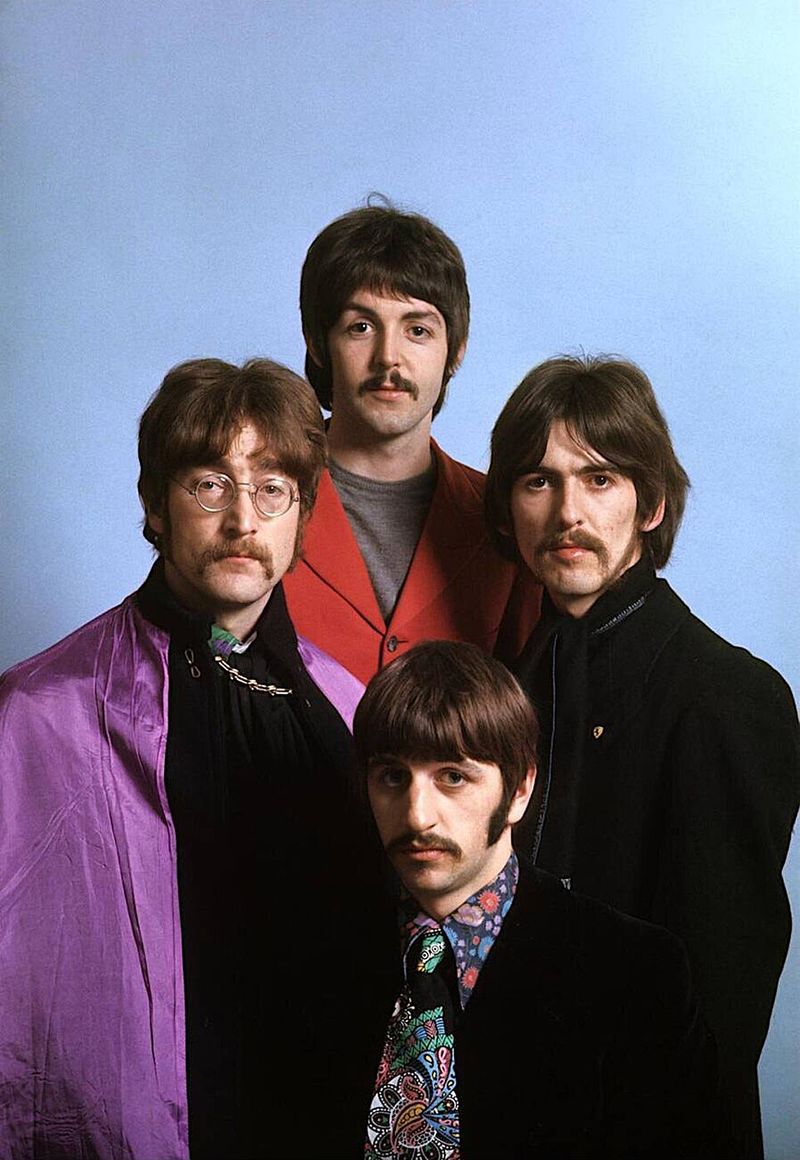
John Lennon and Paul McCartney wrote this song in October 1965, and the opening riff, played by George Harrison and Lennon together, drew directly from the blues structures both had studied during the band’s early years in Liverpool and Hamburg. The Beatles released it as a double A-side single alongside We Can Work It Out in December 1965.
It reached number one in the United Kingdom and the United States almost simultaneously, making it one of the band’s most commercially successful releases of that period. The riff’s repetitive, hooky structure was unusual for a Beatles single at the time, leaning harder into rock territory than their earlier pop material.
17. Barracuda, Heart
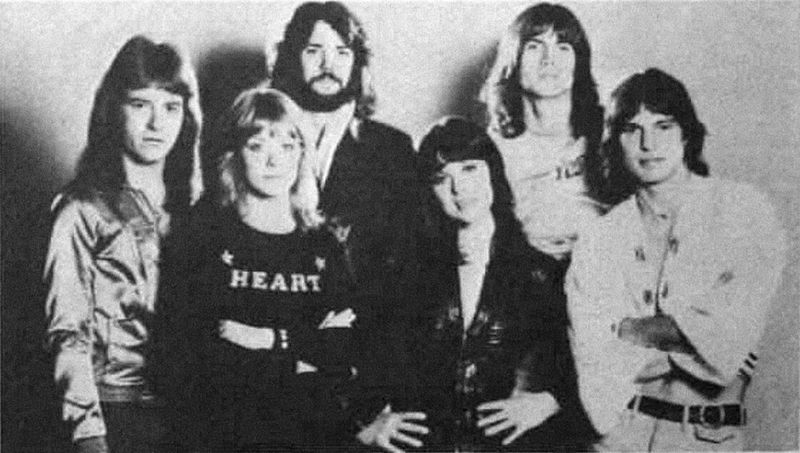
Nancy Wilson wrote the central riff to this song in 1977 as a direct response to a misleading promotional story circulated by the band’s record label. The track appeared on Heart’s second studio album, Little Queen, released in May 1977, and it reached number eleven on the Billboard Hot 100.
Wilson’s guitar work on the intro combined hard rock aggression with a precision that was relatively uncommon in the male-dominated rock landscape of the mid-1970s. The riff uses a series of power chords and hammer-ons that give it a driving, forward momentum from the very first bar.
Heart’s commercial success with Barracuda helped open doors for women in rock music at a time when the genre’s mainstream was largely defined by male artists and bands.
18. Start Me Up, The Rolling Stones
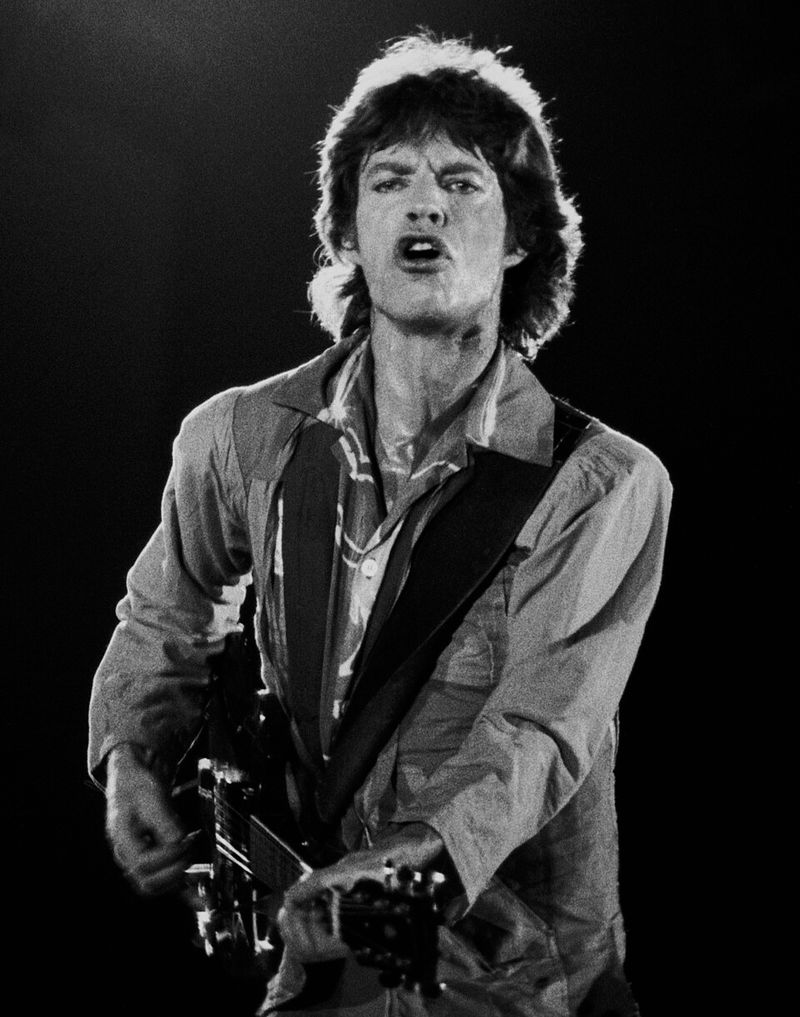
Keith Richards originally recorded this riff in 1975 during the sessions for the Black and Blue album, but the band shelved it until 1981 when they revisited the recording and recognized its potential as a lead single. Start Me Up was released in August 1981 and reached number two on the Billboard Hot 100.
Richards played the riff using open G tuning with the low E string removed, a technique he had adopted in the early 1970s that gave his rhythm guitar work a distinctive chord voicing. The intro’s compressed, punchy sound was partly a product of the production approach used at Pathé Marconi Studios in Paris.
Microsoft licensed the song for the launch of Windows 95 in 1995, introducing it to a generation who had not been present for its original release.
Share this story