Some trails are just trails. But a few of them carry something extra, a heaviness you can’t quite shake, a quiet that feels too quiet, a history that refuses to stay buried.
From Civil War battlefields to crumbling forest ruins, America has no shortage of hikes where the past feels uncomfortably close. Lace up your boots, because these 11 haunted hikes are equal parts beautiful and bone-chilling.
Bloody Lane Trail, Sharpsburg, Maryland
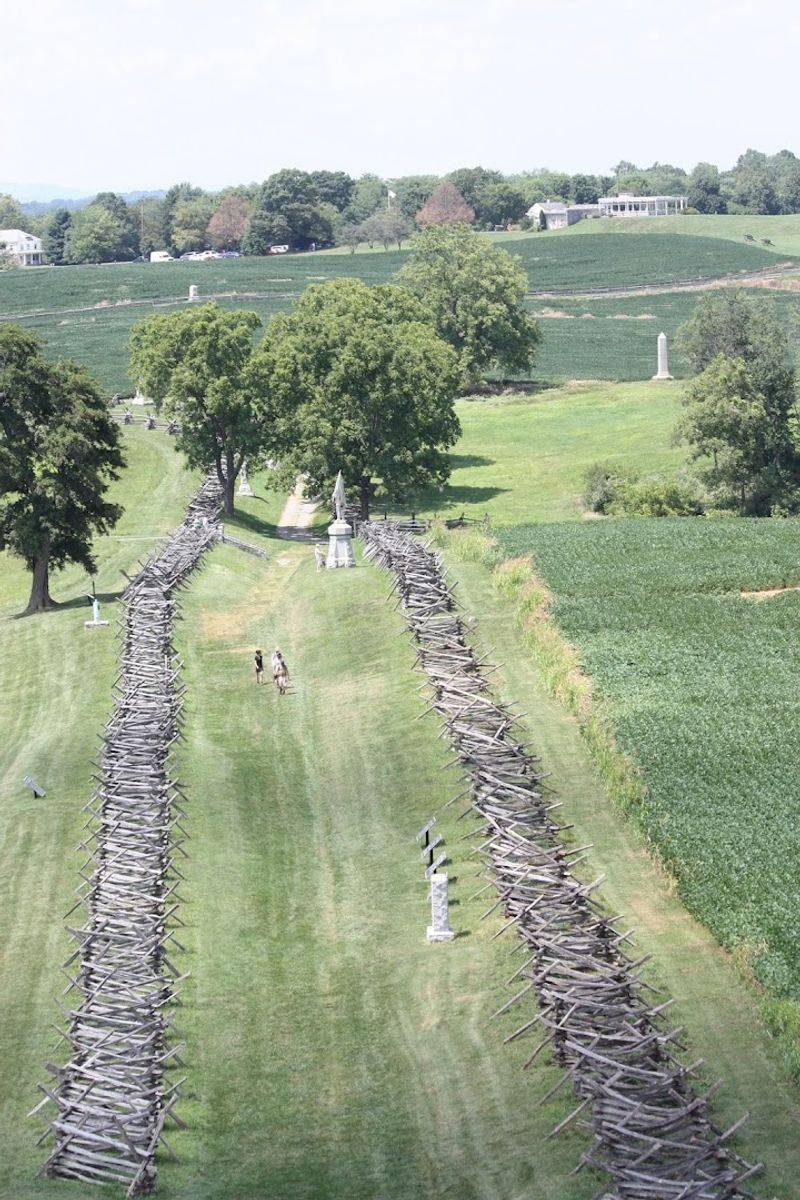
On September 17, 1862, over 23,000 soldiers became casualties in a single day. Antietam holds the grim title of bloodiest single-day battle in American history, and Bloody Lane is its most haunting corridor.
This sunken road was literally piled with Confederate soldiers by the end of the fighting.
The 1.6-mile trail is short, almost deceptively so. You walk it quickly, but something about the stillness here slows your pace whether you want it to or not.
Visitors have reported hearing faint sounds that have no obvious source.
Monuments, cannons, and interpretive signs line the path, giving you plenty of historical context. Go early in the morning when the fog sits low over the fields.
That is when Bloody Lane earns its reputation most honestly. Bring water, comfortable shoes, and maybe a little extra courage.
Devil’s Den, Gettysburg, Pennsylvania
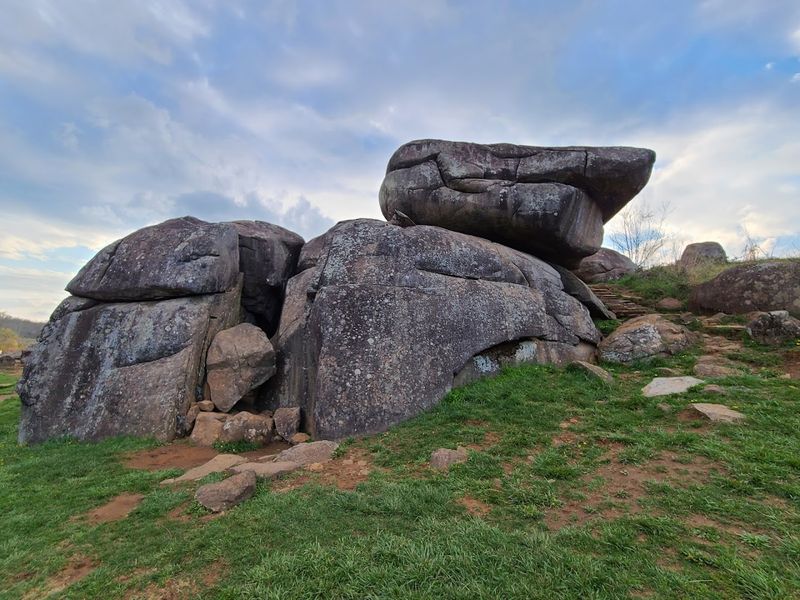
Devil’s Den has a reputation that walks ahead of it. The boulder-covered landscape at Gettysburg saw some of the fiercest fighting of the entire Civil War, and the rocks themselves seem to hold that memory.
Visitors consistently describe the area as heavy, like the air weighs more here than anywhere else.
I visited on a sunny afternoon and still felt oddly unsettled near the triangular field below. Ghost hunters have flocked here for decades, and the site regularly appears on lists of America’s most paranormally active locations.
The walking paths around the rocks and nearby battlefield markers make this a worthwhile historic stroll even for skeptics. A famous wartime photograph of a fallen Confederate soldier was taken here, though historians later discovered it was staged.
That detail somehow makes the place feel even stranger. Wear good walking shoes and stay on the marked paths.
Witch’s Castle, Portland, Oregon
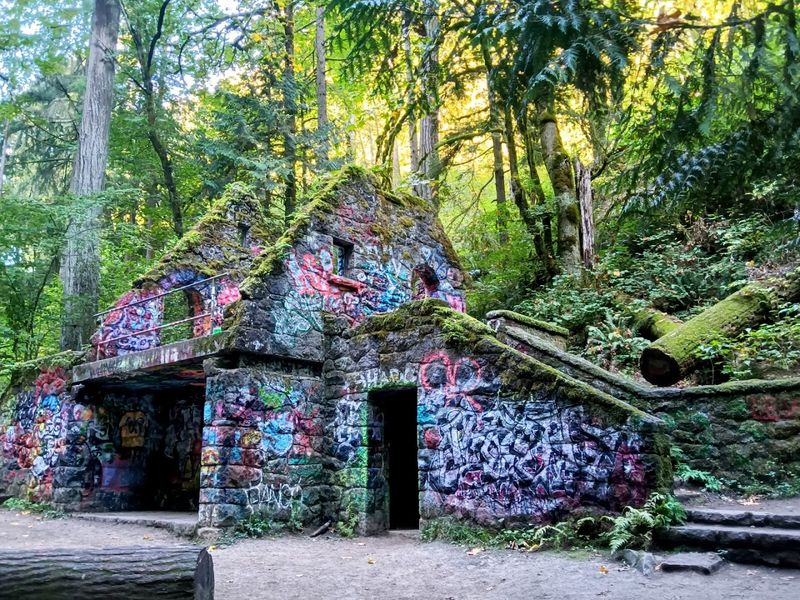
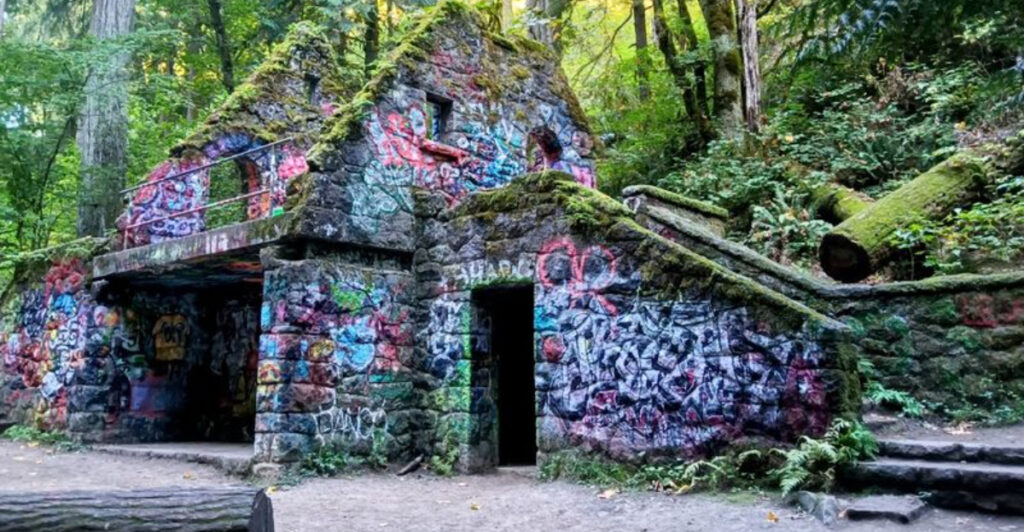
Forest Park holds a lot of Portland’s secrets, but Witch’s Castle might be its weirdest. The Lower Macleay Trail winds through a lush, mossy canyon before depositing you in front of a crumbling stone structure that looks pulled straight from a fantasy novel.
It was originally built as a park restroom in the 1930s, which honestly makes it funnier and creepier at the same time.
Local legends about the site involve a land dispute, a man named Danford Balch who was hanged for murder, and decades of eerie tales passed between Portland hikers. The graffiti-covered walls and dark interior add to the atmosphere considerably.
The trail itself is easy and well-marked, making it accessible for most fitness levels. Round trip runs about two miles.
Go on a foggy morning for full effect, or bring kids who love a good spooky story. Either way, nobody leaves disappointed.
Norton Creek Trail, Great Smoky Mountains National Park, North Carolina
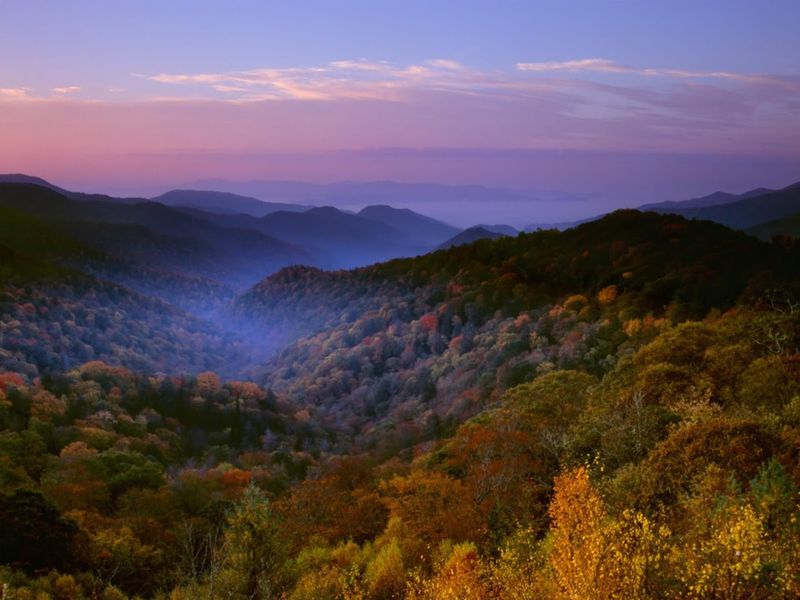
Deep in the Smokies, Norton Creek Trail passes through one of the quietest and most remote corners of the entire national park. Old cemeteries and remnants of long-abandoned mountain settlements dot the landscape, and Appalachian folklore runs thick through this part of the forest.
This is not a trail that shows off. It earns its reputation slowly.
Local ghost stories connected to this region include mysterious floating lights, unexplained sounds at dusk, and tales of lost souls tied to the families who once farmed these hollows. Whether you believe any of that is up to you, but the atmosphere makes a strong case.
The trail runs about 8.4 miles round trip, so plan for a full morning. Bring plenty of water since there are no facilities along the route.
The old grave sites along the path are worth a respectful pause. Few hikes in America feel this genuinely isolated or this quietly powerful.
Old Man’s Cave, Logan, Ohio
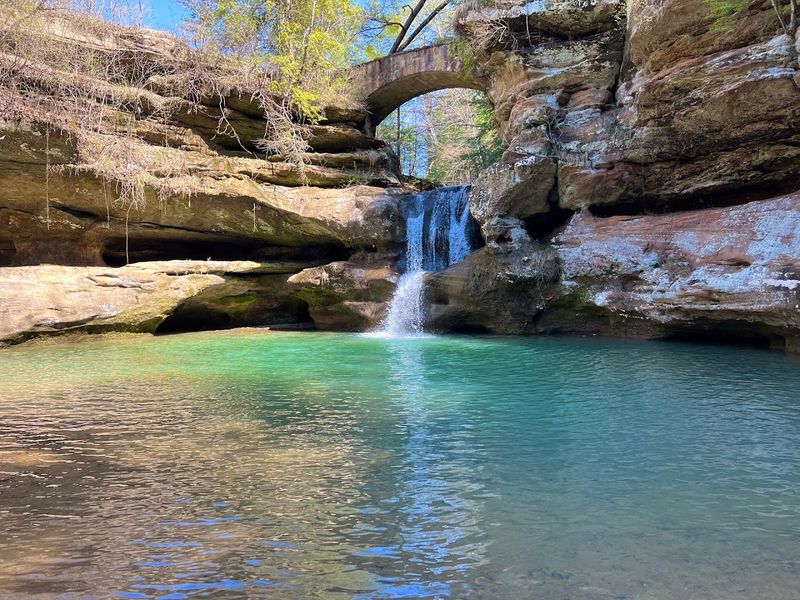
Richard Rowe was a real hermit who actually lived inside a cave in this Ohio gorge, which is either admirably independent or deeply unsettling depending on your perspective. Old Man’s Cave in Hocking Hills State Park takes its name from him, and the shadowy gorge he called home is every bit as atmospheric as you would hope.
The trail winds past waterfalls, stone recesses, and dramatic sandstone formations that seem carved by something more deliberate than erosion. The gorge walls block sunlight in ways that keep certain sections dim even at midday.
It is popular for good reason, but quieter on weekday mornings.
The main loop runs about 1.5 miles and is manageable for most hikers. However, wet rocks and uneven terrain mean solid footwear is non-negotiable.
Rowe reportedly died in the cave and was buried nearby, which the park does not exactly advertise on the welcome signs. A fun detail to share with your hiking companions.
Mammoth Cave National Park, Mammoth Cave, Kentucky
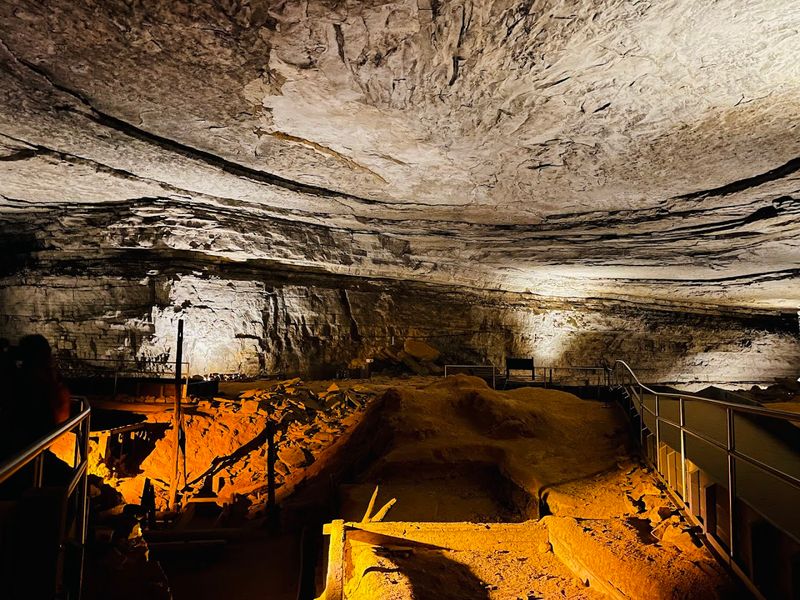
Mammoth Cave stretches over 400 miles of mapped passageways underground, making it the longest known cave system on Earth. That fact alone should inspire some awe.
But what makes Mammoth Cave genuinely eerie is its human history, which includes enslaved people forced to mine saltpeter here during the War of 1812.
Guides have shared ghost stories about this cave for over a century. A tuberculosis hospital once operated inside the cave in the 1840s, and several patients died there.
The cave reportedly absorbed sound in ways that made the hospital eerily silent, which did nothing to help patient morale.
Tours run year-round and range from easy lantern walks to more adventurous crawl-through routes. The Historic Tour is the best starting point for first-timers.
Temperatures inside stay around 54 degrees Fahrenheit regardless of the season, so bring a jacket. Few places on this list hit the haunted mark quite so historically and atmospherically at once.
First Manassas Trail, Manassas, Virginia
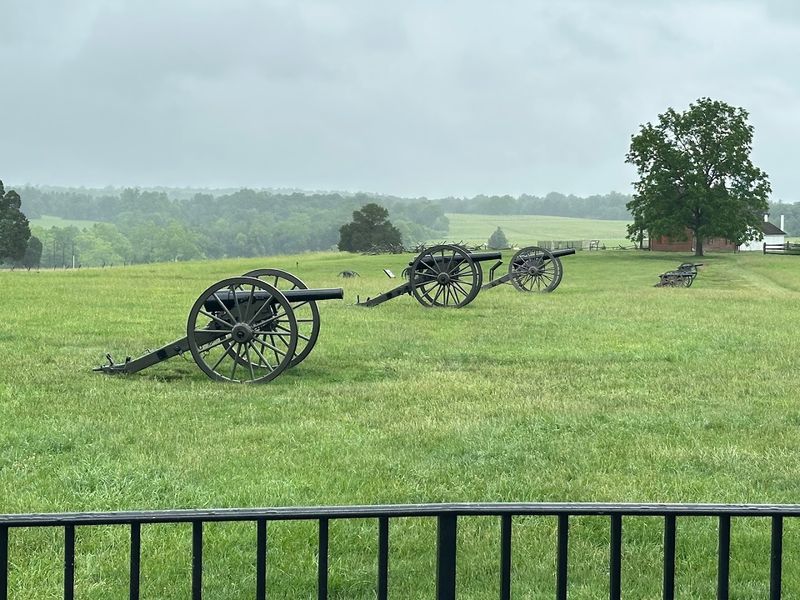
The first major land battle of the Civil War happened here in July 1861, and both sides walked away shocked by how brutal it had been. Nobody expected the war to last long after Bull Run.
They were catastrophically wrong. Walking the First Manassas Trail today, that miscalculation hangs in the air like something unresolved.
The 5.4-mile loop passes historic markers, open fields, and the famous Henry Hill where fighting was most intense. The Stone House, which served as a field hospital, still stands along the route and is worth a stop.
Its walls have absorbed more history than most buildings in America.
Start early to avoid afternoon heat in summer. The trail is mostly flat and well-maintained, making it accessible without being boring.
Rangers occasionally lead guided walks that add serious depth to what you are seeing. Go on a weekday if you prefer your battlefield walks without a crowd competing for the silence.
Chickamauga Battlefield Trails, Fort Oglethorpe, Georgia
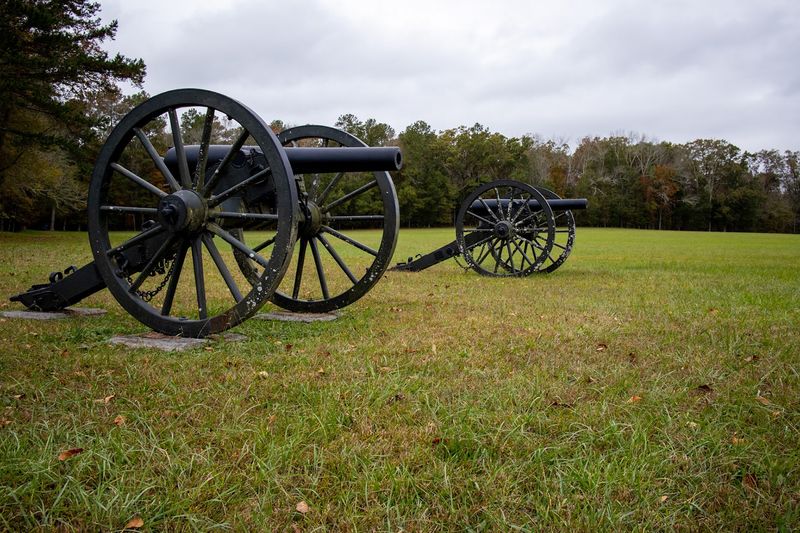
Chickamauga was the second deadliest battle of the entire Civil War, with over 34,000 casualties over two days in September 1863. The battlefield now hosts miles of peaceful hiking and biking trails, which creates a strange contrast that never fully resolves itself.
You are walking through a park that was once a catastrophe.
The wooded paths and open fields are dotted with hundreds of monuments placed by veterans and states decades after the battle. The density of memorials gives the landscape a layered, almost crowded feeling even when no other hikers are around.
Ghost stories here are plentiful and well-documented. A ghostly soldier known as Old Green Eyes has been reported by visitors for over a century.
Whether that is folklore or something else is your call. The park is free to enter and open year-round.
Bring bug spray in summer and a willingness to walk slowly. This one rewards patience.
Transept Trail, Grand Canyon National Park, Arizona
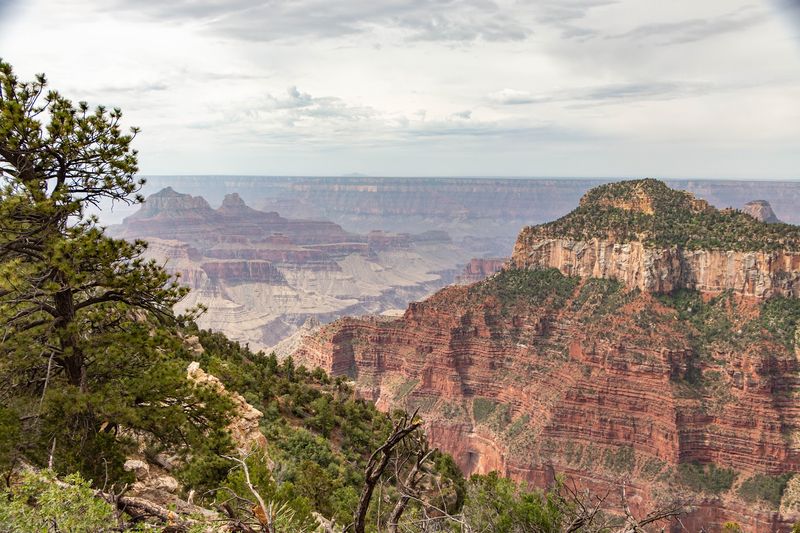
The North Rim of the Grand Canyon gets about one-tenth the visitors of the South Rim, which means the Transept Trail offers something increasingly rare: genuine solitude. The trail runs about three miles through ponderosa pine forest with periodic views into the canyon that will stop you mid-step every single time.
There are no ghost stories attached to this one, and honestly, none are needed. The canyon itself is 1.8 billion years old in its deepest layers.
That kind of age creates its own particular silence, one that feels less empty and more ancient. Standing at the rim here feels like standing at the edge of something much larger than yourself.
The trail connects Grand Canyon Lodge to the North Rim Campground, making it useful and scenic. The North Rim is only open from mid-May through mid-October due to snow.
Visit in late September for cooler temperatures and thinner crowds. Sunrise along this trail is something that stays with you.
Devil’s Path, Catskill Park, New York
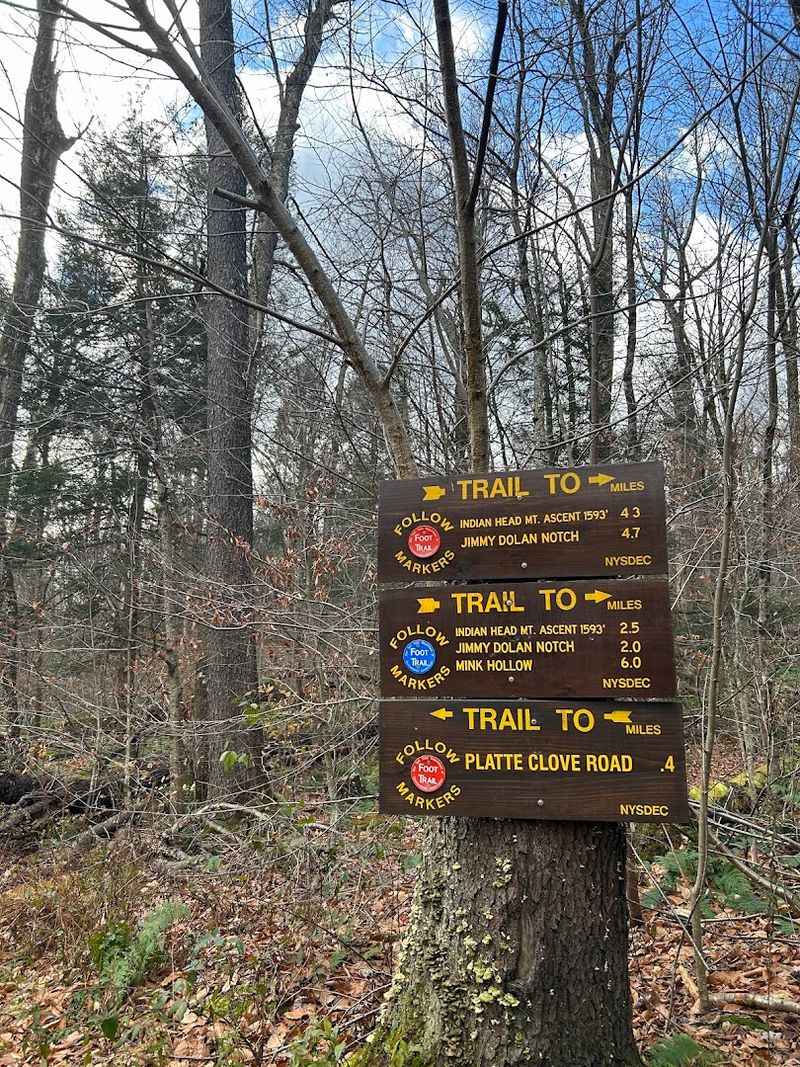
Devil’s Path has a name that does the heavy lifting before you even tie your laces. Stretching roughly 24 miles through the Catskills, it crosses six peaks and drops into deep cols between each one, which means the elevation gain is relentless and unforgiving.
Experienced hikers call it one of the hardest trails in the Northeast.
The remoteness is part of what makes this trail feel genuinely unsettling. Cell service disappears quickly, the forest is dense, and sound travels strangely through the ridges.
A few sections require actual scrambling over wet rock faces, which keeps your attention sharply focused.
Most hikers break Devil’s Path into a multi-day trip with overnight camping. The western trailhead starts near Spruceton Road in Hunter, New York.
Go prepared with a map, extra layers, and more food than you think you need. This trail does not forgive under-preparation.
But for those who take it seriously, the views from the ridgelines are absolutely worth every brutal foot of climbing.
Mission Reach Hike and Bike Trail, San Antonio, Texas
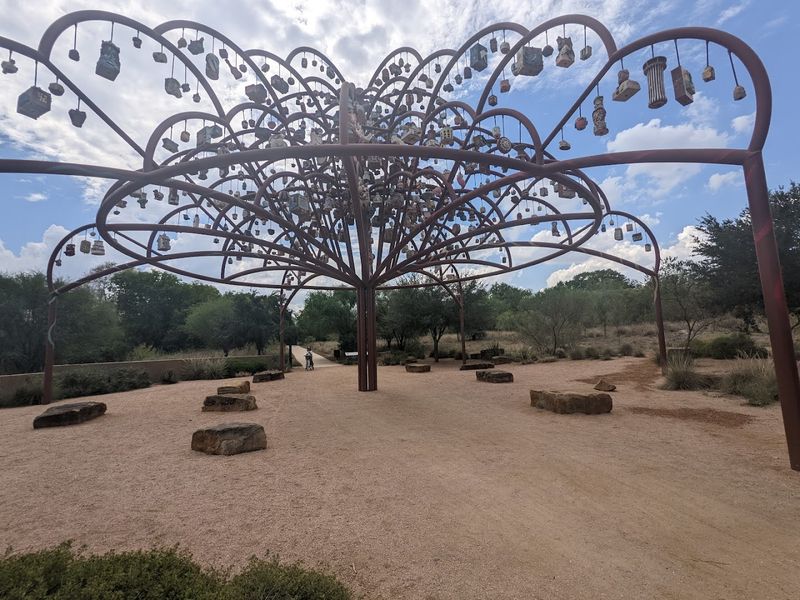
Not every haunted hike needs to make you sprint back to your car. Mission Reach Trail in San Antonio stretches about eight miles along the river, connecting four historic Spanish colonial missions that date back to the 1700s.
The missions themselves are UNESCO World Heritage Sites, which means the history here is certified serious.
As the afternoon light fades and the crowds thin out, the old stone walls take on a different quality. These missions survived centuries of conflict, drought, and change.
Walking past them near dusk, it is easy to feel the weight of everything they witnessed without anyone needing to tell a ghost story.
The trail is paved and mostly flat, making it a good choice for hikers who want atmosphere without altitude. Restrooms and water fountains are available along the route.
Mission San Jose is the most impressive stop, with a stunning carved doorway called the Rose Window. Go on a weekday evening for the best light and the fewest people.
Share this story