 Unearth The Voyage
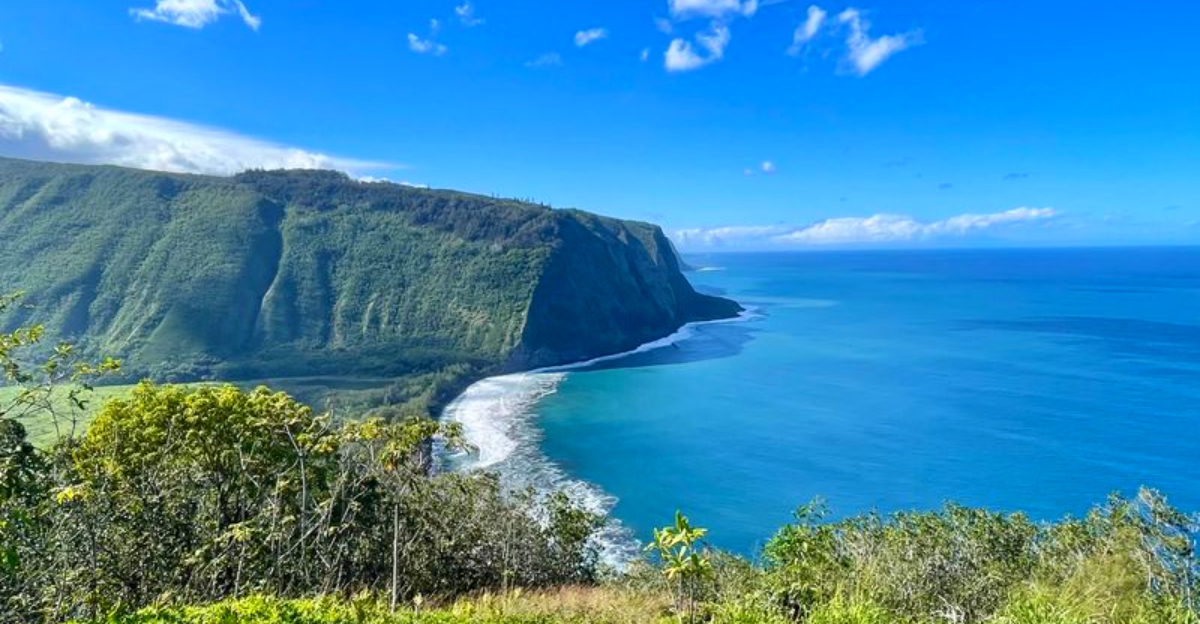
Hawaii is home to some of the most stunning natural wonders on Earth, from towering waterfalls to volcanic craters that glow with ancient fire. Every island offers unique landscapes that seem almost too beautiful to be real. Whether you love hiking through rainforests, snorkeling in crystal-clear bays, or watching the sunrise above the clouds, these unforgettable spots will fill your heart with awe and adventure.
1. Nāpali Coast State Wilderness Park, Kauaʻi
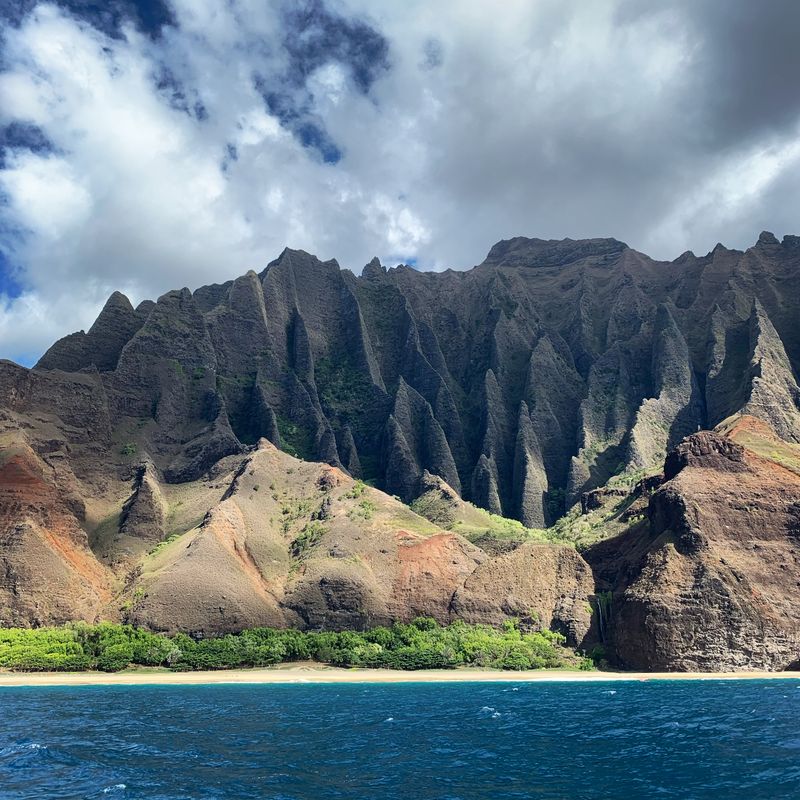
Imagine towering cliffs cloaked in emerald green, rising straight from the Pacific like ancient giants guarding a secret world. Nāpali Coast is a place where waterfalls tumble hundreds of feet into the ocean and valleys hide themselves in mist. It is one of the most photographed coastlines in the world, and for good reason.
Reaching this wilderness requires planning. If you want to hike the famous Kalalau Trail or explore Hā’ena State Park, you must book advance reservations online. Camping permits also grant you access if backpacking is your adventure style.
The views reward every bit of effort. Whether you trek, kayak, or take a boat tour, Nāpali will leave you speechless. This is raw nature at its finest.
2. Waimea Canyon State Park, Kauaʻi
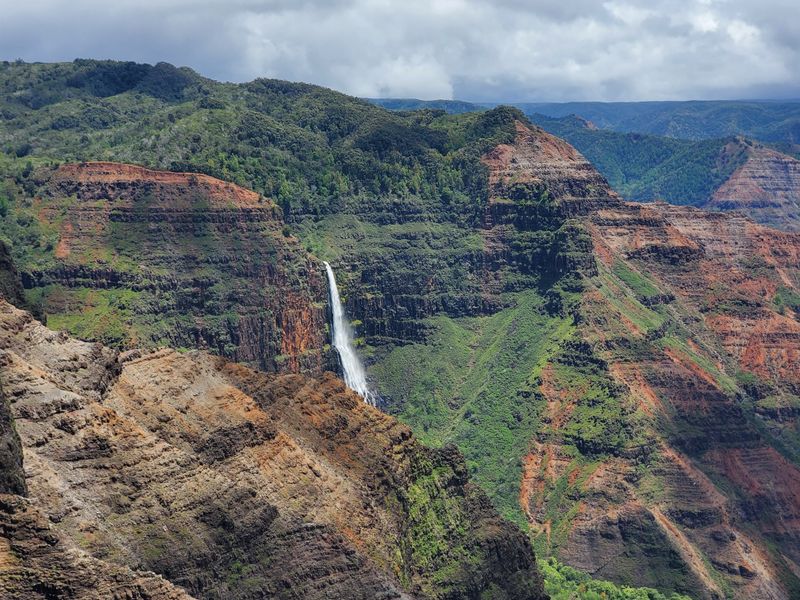
Mark Twain never actually called it the Grand Canyon of the Pacific, but the nickname stuck because Waimea Canyon truly earns it. Layers of red, orange, and brown rock carve deep into the island, creating a canyon that stretches ten miles long and over three thousand feet deep. Every lookout offers a different perspective on this geological masterpiece.
You can drive right up to several scenic viewpoints along the road, making it accessible for all visitors. Trails like the Waipo’o Falls path let hikers venture deeper into the canyon for closer encounters with waterfalls and native plants.
Bring your camera and plenty of water. The colors shift with the light, so sunrise and late afternoon are magical times to visit.
3. Hanalei Bay, Kauaʻi
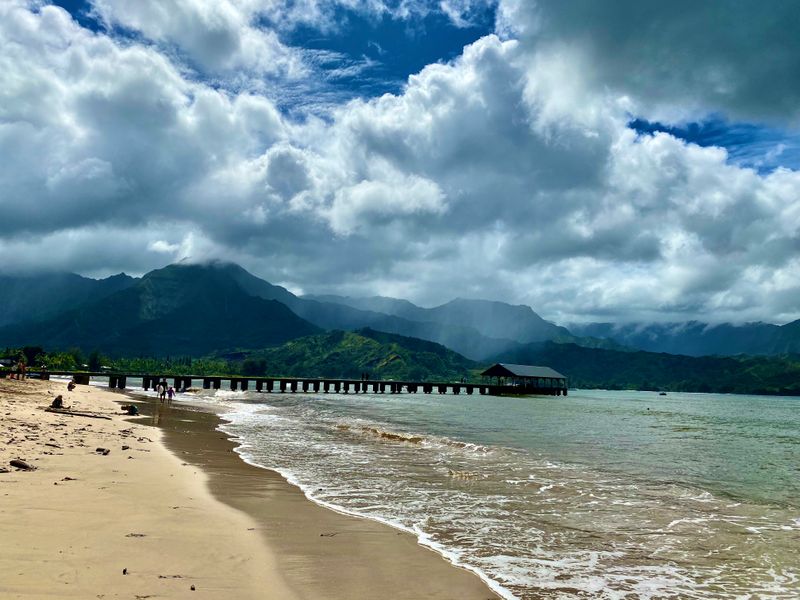
Picture a two-mile crescent of soft white sand curving gently between emerald peaks and turquoise water. Hanalei Bay feels like stepping into a postcard, with waterfalls cascading down mountain ridges and swaying palms framing the shore. Surfers, swimmers, and sunbathers all find their happy place here.
County beach parks line the bay, offering facilities and easy parking most days. Always check Kauaʻi County announcements before you go, as weather or maintenance can occasionally close areas. The bay is calm in summer, perfect for paddleboarding, but winter swells bring impressive waves that attract experienced surfers from around the globe.
Sunsets here are legendary. Grab a beach blanket and watch the sky turn shades of pink and gold over the water.
4. Wailua Falls, Kauaʻi
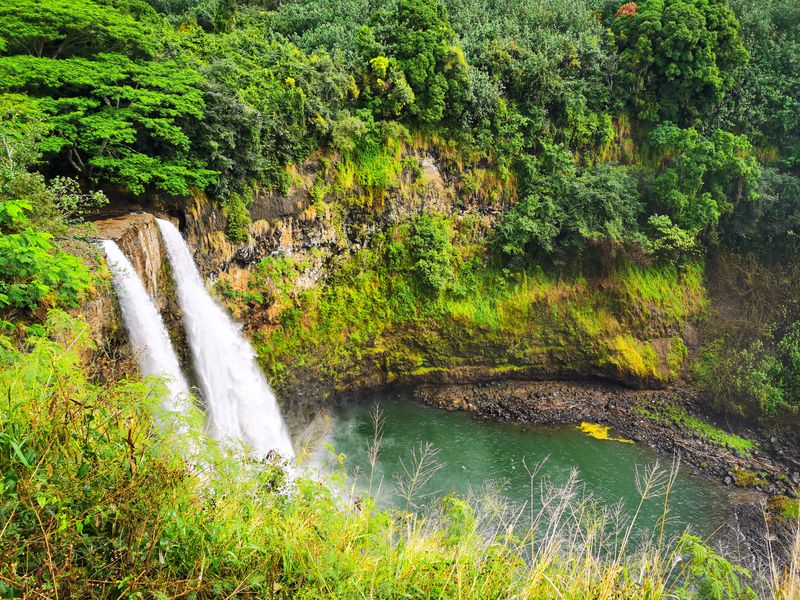
You have probably seen Wailua Falls before, even if you have never been to Hawaii. This iconic double waterfall appeared in the opening credits of an old TV show and has been gracing postcards ever since. Water pours over an eighty-foot cliff in two graceful streams, crashing into a tranquil pool surrounded by jungle.
The best part? You do not need to hike a single step to enjoy the view. A roadside lookout near Līhu’e gives you the full spectacle right from your car. Morning light creates rainbows in the mist, making it an ideal time for photos.
Respect the barriers and enjoy the scene safely. This natural wonder is easy to reach and impossible to forget.
5. Haleakalā National Park, Maui
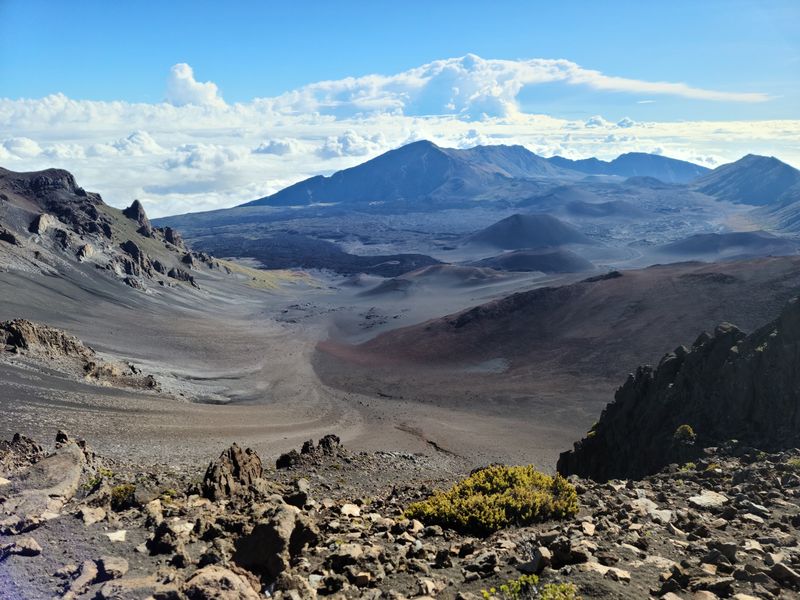
Standing above the clouds at ten thousand feet, watching the sun break over a volcanic crater, is a moment that changes you. Haleakalā means House of the Sun, and ancient legends say this is where the demigod Maui lassoed the sun to slow its journey across the sky. The summit landscape feels like another planet, with cinder cones and craters painted in rust, purple, and gold.
Sunrise is the most popular time to visit, but you must reserve your spot online well in advance. Temperatures can drop below freezing at dawn, so bundle up in layers. The drive up takes about two hours from coastal towns.
Explore the trails or simply soak in the silence. Few places on Earth offer such otherworldly beauty.
6. Waiʻānapanapa State Park (Black Sand Beach), Maui
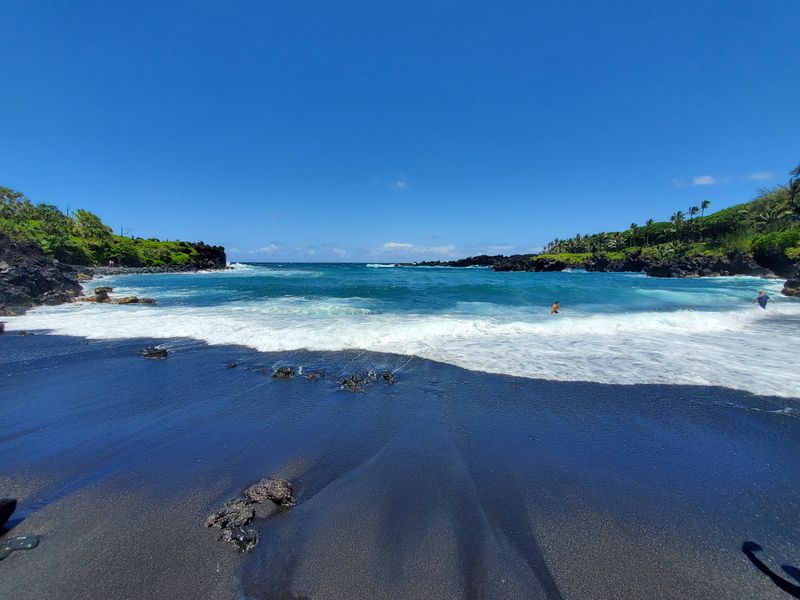
Jet-black sand meets electric blue water at Pailoa Beach, creating a color contrast so vivid it almost looks unreal. Waiʻānapanapa sits along the legendary Hāna coast, where volcanic rock has been ground into fine dark grains over centuries. Sea arches frame the coastline, and blowholes shoot water high into the air when waves crash just right.
This park is popular, so nonresidents must book timed entry reservations online before visiting. Arrive early to explore tide pools, lava tubes, and coastal trails. Respect the sacred Hawaiian sites within the park and follow all posted guidelines.
Swimming can be dangerous due to strong currents, so always check conditions before entering the water. The scenery alone is worth the trip.
7. Hāna Highway (Road to Hāna), Maui
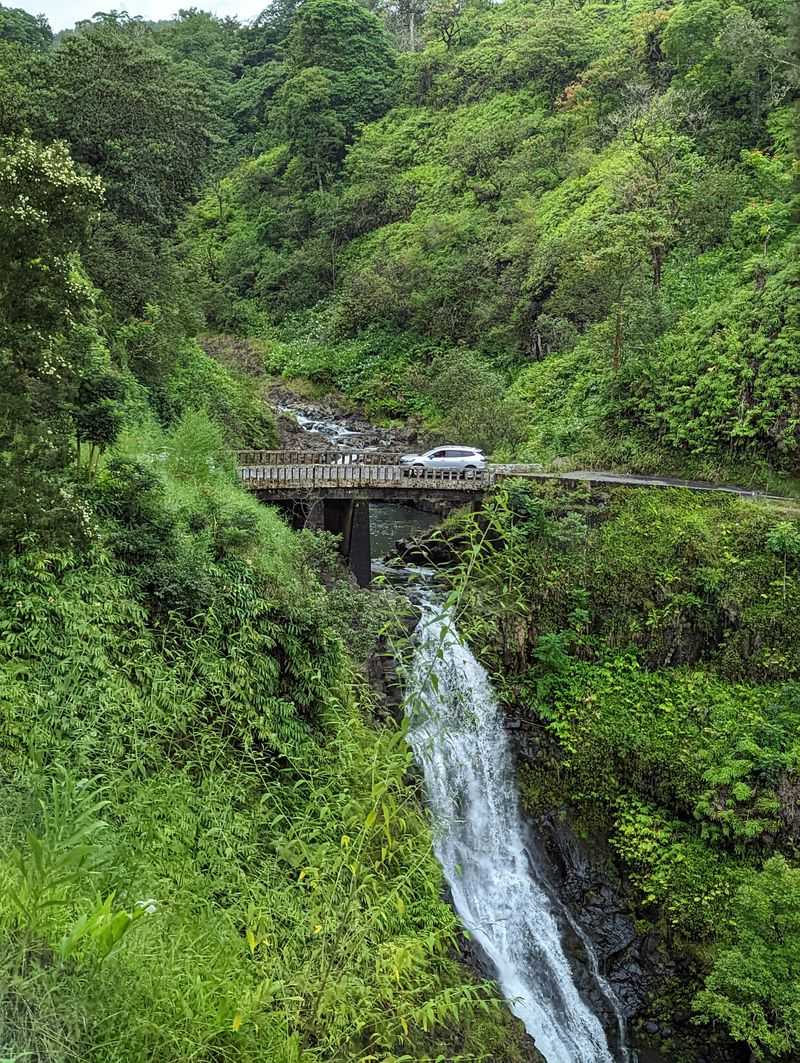
This is not just a drive. It is an adventure that winds through rainforest, past countless waterfalls, over more than fifty one-lane bridges, and along cliffsides that drop into the crashing Pacific. The Road to Hāna stretches about sixty-four miles, but plan on several hours because you will want to stop constantly. Every curve reveals something new.
Roadside fruit stands, hidden swimming holes, and bamboo forests invite you to slow down and explore. Bring snacks, water, and patience, because this journey is about savoring the moment, not rushing to a destination. The road can be narrow and winding, so drive carefully and respect local traffic.
Many travelers say the journey to Hāna is far more memorable than the town itself.
8. ʻĪao Valley State Monument, Maui
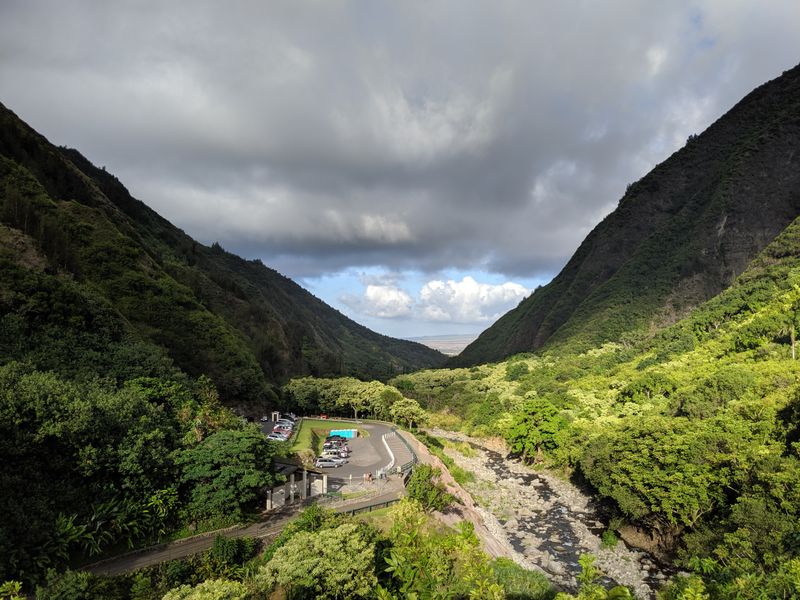
A needle of green rock pierces the sky, rising twelve hundred feet from the valley floor like a silent guardian of history. ʻĪao Valley holds deep cultural significance for Native Hawaiians, as it was the site of a major battle in 1790. Today, it is a peaceful place where visitors walk short trails through the West Maui Mountains and learn about the island’s past.
The valley is often shrouded in mist, giving it a mystical atmosphere. A paved path leads to viewing platforms where you can photograph the famous ʻĪao Needle and surrounding peaks. Rain is common here, so bring a light jacket and wear sturdy shoes.
The entire visit takes about an hour, making it a perfect stop when exploring central Maui.
9. Hawaiʻi Volcanoes National Park, Island of Hawaiʻi
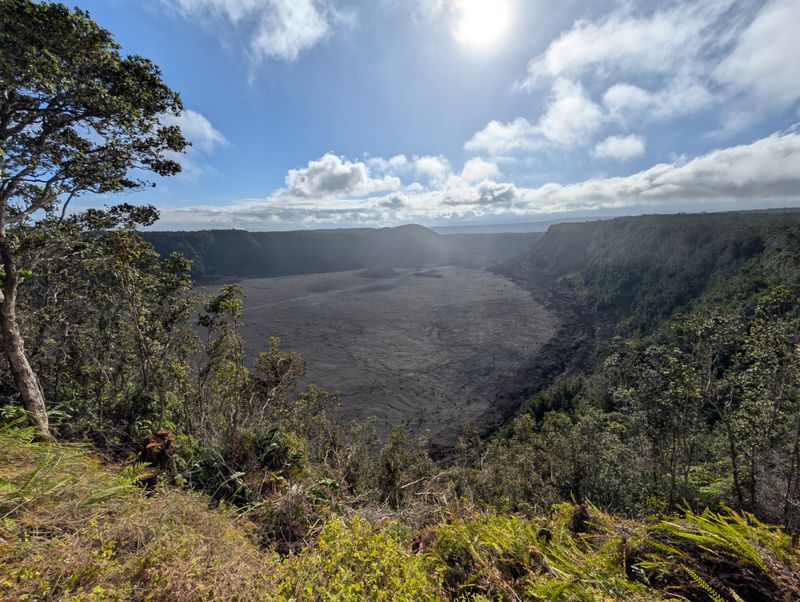
Nowhere else on Earth can you witness creation in action quite like this. Kīlauea and Mauna Loa, two of the world’s most active volcanoes, shape the landscape daily with fire and molten rock. Steam vents hiss, craters glow at night, and lava fields stretch for miles, reminding you that this island is still being born.
Before you visit, check the National Park Service website for current conditions, closures, and active lava locations. Volcanic activity changes constantly, so what you see today might be different tomorrow. Trails range from easy paved walks to challenging backcountry routes.
Bring a flashlight if you plan to view glowing lava after dark. Witnessing the raw power of an active volcano is humbling and unforgettable.
10. Maunakea (Onizuka Visitor Information Station & summit area), Island of Hawaiʻi
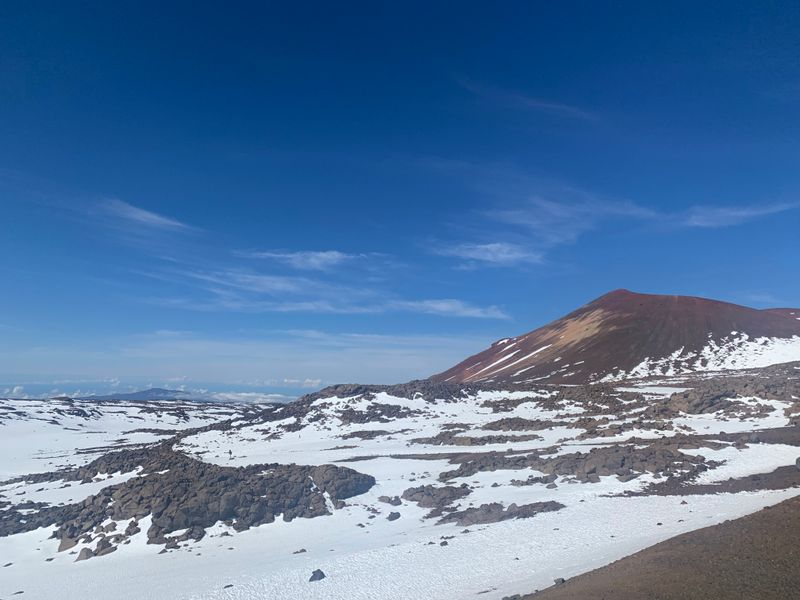
Few places on the planet offer stargazing as pristine as the summit of Maunakea. At nearly fourteen thousand feet above sea level, the air is thin, the sky is impossibly dark, and the stars seem close enough to touch. Observatories from around the world cluster here because conditions are perfect for peering into the universe.
Most visitors stop at the Onizuka Visitor Information Station at 9,200 feet, where you can acclimate, learn about astronomy, and enjoy free stargazing programs. Check posted hours and guidance before heading up. Summit access may be restricted due to weather, cultural events, or altitude concerns, so always verify conditions online.
Dress warmly, even in summer. Temperatures drop dramatically after sunset, and the experience is worth every shiver.
11. ʻAkaka Falls State Park, Island of Hawaiʻi
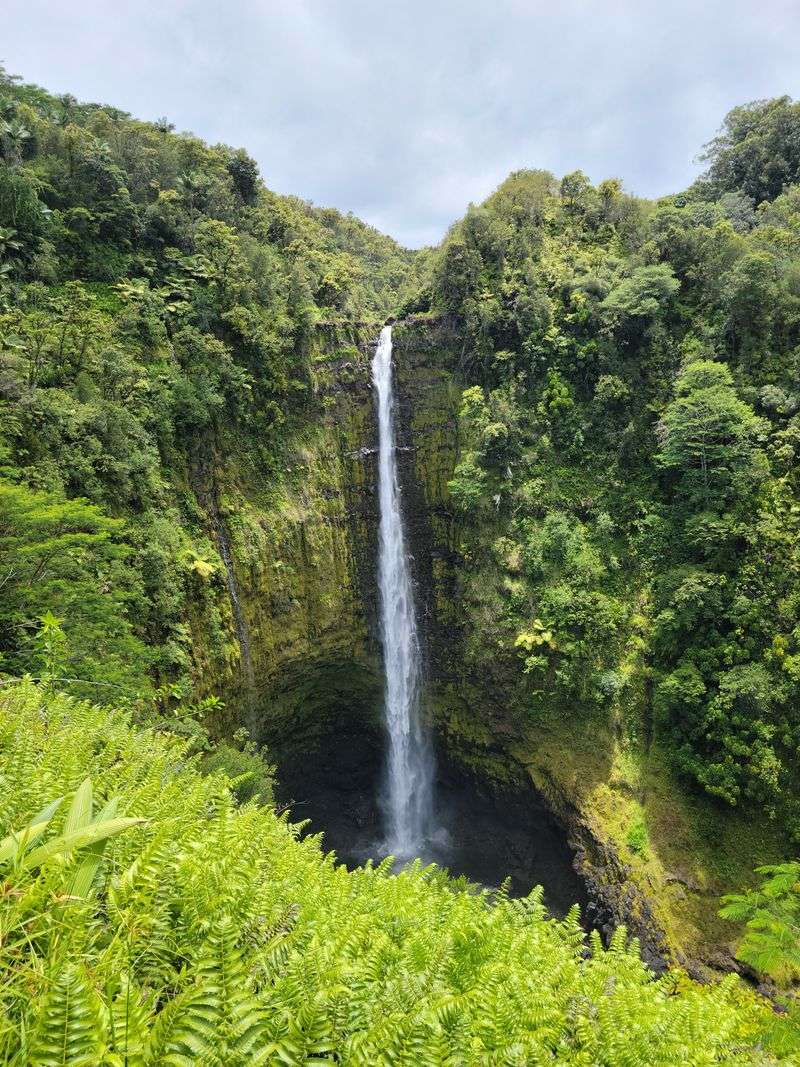
A ribbon of water drops 442 feet through a jungle canyon, creating a scene so enchanting it feels like a fairy tale. ʻAkaka Falls is one of the tallest waterfalls in Hawaii, and reaching it requires only a short loop trail through a rainforest bursting with bamboo, ferns, and orchids. The path is paved and easy for most visitors.
You will also pass Kahuna Falls, a smaller but equally beautiful cascade along the way. The entire loop takes less than an hour, making it a perfect stop during a drive along the Hāmākua Coast. Morning visits often mean fewer crowds and better lighting for photos.
Bring bug spray and enjoy the sights and sounds of this lush tropical paradise managed by DLNR.
12. Waipiʻo Valley Lookout, Island of Hawaiʻi
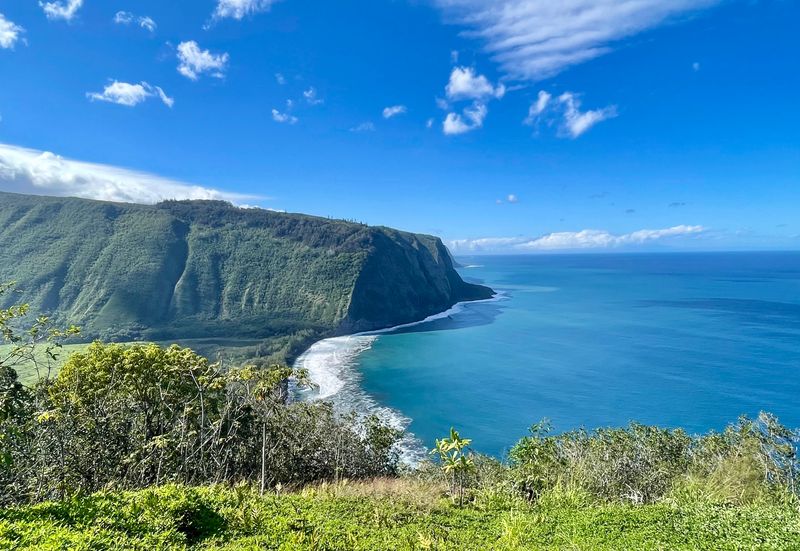
From the rim, you gaze down into a valley so steep and green it takes your breath away. Waipiʻo Valley is an amphitheater carved by time and water, with cliffs rising a thousand feet on either side and a black sand beach meeting the ocean far below. Waterfalls thread down the walls like silver ribbons.
The overlook itself is open and easy to reach by car, offering jaw-dropping views without any hiking required. However, the road down into the valley remains closed under a county traffic emergency, so plan to enjoy the scenery from above. The valley holds deep cultural importance and was once home to Hawaiian kings.
Sunrise and late afternoon provide the best light for photography and a quieter experience.
13. Hulopoʻe Bay (Mānele–Hulopoʻe MLCD), Lānaʻi
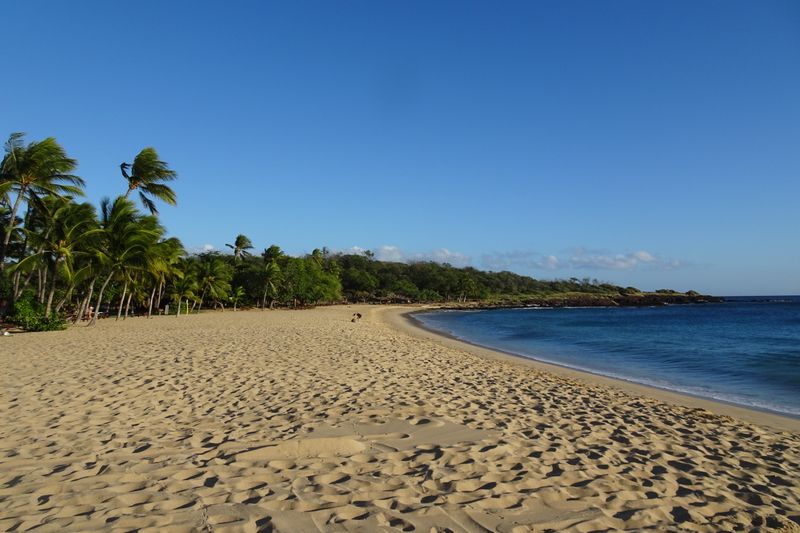
Crystal-clear water reveals a world beneath the surface where colorful fish dart between coral and tide pools teem with life. Hulopoʻe Bay is a Marine Life Conservation District, meaning the ocean here is protected and thriving. Snorkeling is exceptional, with spinner dolphins sometimes making surprise appearances offshore.
The bay features a crescent of white sand perfect for sunbathing and gentle waves ideal for families. Tide pools along the rocky edges are natural aquariums where kids can safely observe sea creatures up close. Always respect the marine life and avoid touching or disturbing anything.
Lānaʻi is quieter and less crowded than other islands, so Hulopoʻe offers a peaceful escape. Pack your snorkel gear and prepare to be amazed by the underwater beauty managed by DLNR.
14. Hanauma Bay Nature Preserve, Oʻahu
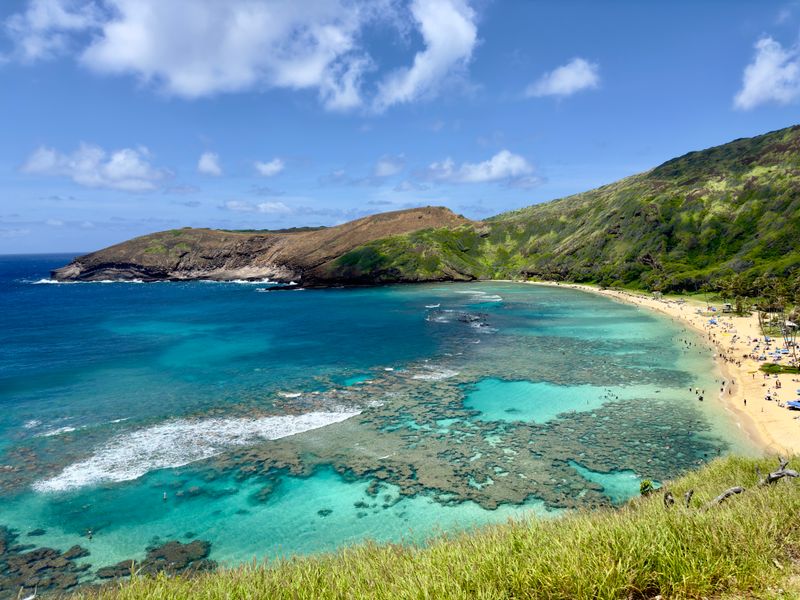
Formed inside a volcanic crater, Hanauma Bay curves like a turquoise jewel set into the southeastern shore of Oʻahu. It is one of the most famous snorkeling spots in the world, where calm, shallow water lets you float above coral gardens teeming with tropical fish. Sea turtles often glide past, unbothered by the human visitors sharing their home.
Entry is limited to protect the delicate ecosystem, so you must reserve your spot online in advance. Check city notices for special closure days, usually Mondays and Tuesdays, when the bay rests and recovers. An educational video is required before entry, teaching visitors how to respect and preserve this natural treasure.
Arrive early for the best experience and bring reef-safe sunscreen to protect the coral.
15. Diamond Head State Monument, Oʻahu
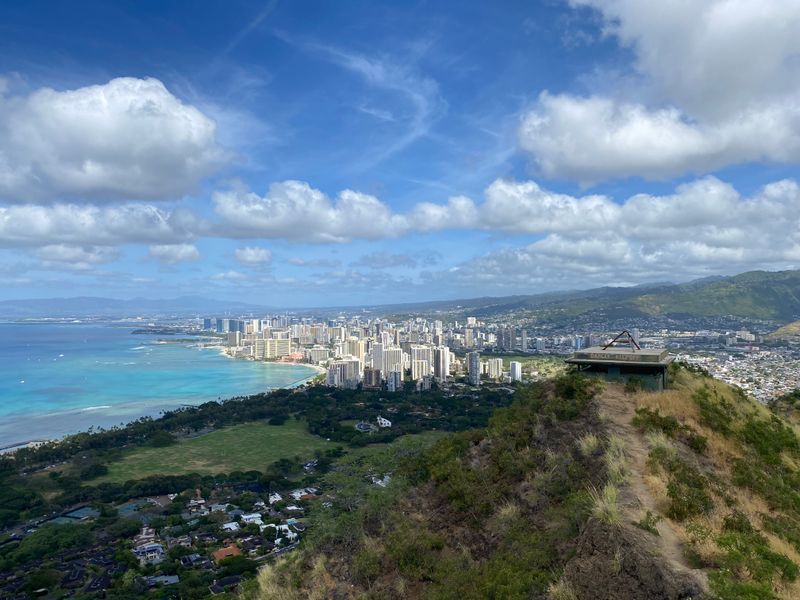
Rising above Waikīkī like a sleeping giant, Diamond Head is the iconic volcanic crater that defines Honolulu’s skyline. The hike to the summit is short but steep, climbing through tunnels and up staircases carved into the crater wall. Your reward at the top is a 360-degree view that stretches from the city to the endless Pacific.
Nonresidents must book reservations online before visiting, and spots fill up quickly during peak tourist seasons. Start early in the morning to avoid the midday heat and crowds. Wear comfortable shoes, bring water, and take your time on the climb.
The entire hike takes about an hour round trip. Once you reach the top and see the view, you will understand why Diamond Head is one of Hawaii’s most beloved landmarks.



