 Unearth The Voyage
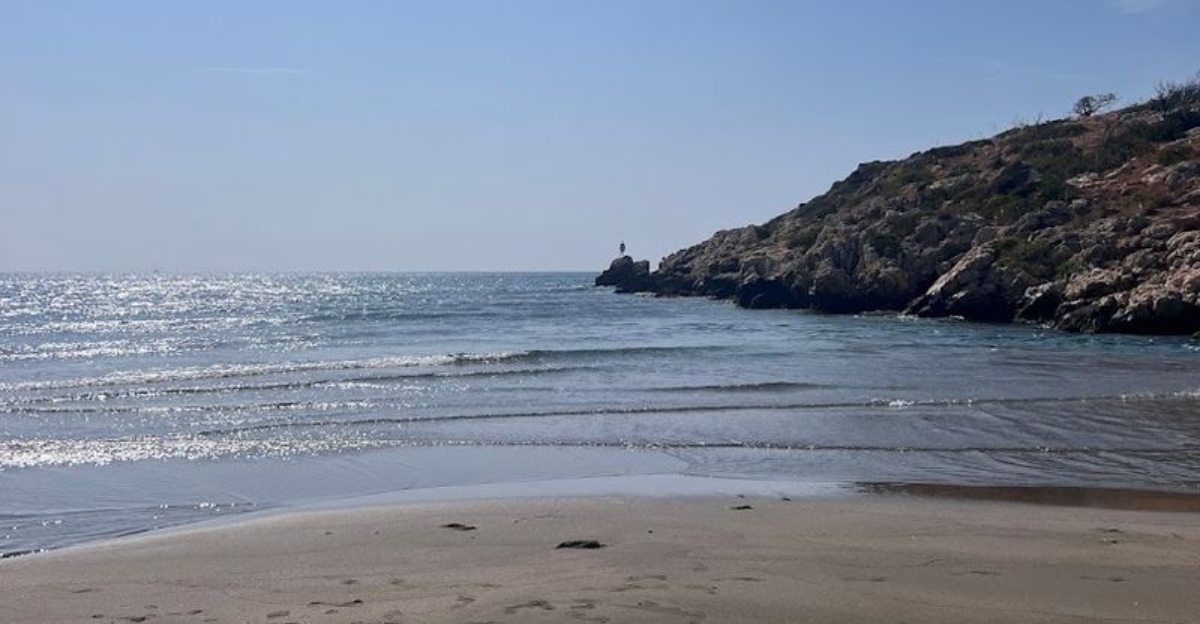
There is a small island off the coast of Kauai that most people have never set foot on, and for good reason. For over a century, it has been privately owned, fiercely protected, and almost completely off-limits to the outside world.
No hotels, no fast food, no internet, and definitely no tourist selfie spots. The island is Ni’ihau, Hawaii’s legendary “Forbidden Island,” and after more than 100 years of near-total isolation, limited access is slowly becoming a reality for a handful of lucky visitors.
What makes this place so special, so secretive, and so worth knowing about? Read on, because the story of Ni’ihau is unlike anything else in the United States.
Where Ni’ihau Actually Is and Why It Matters
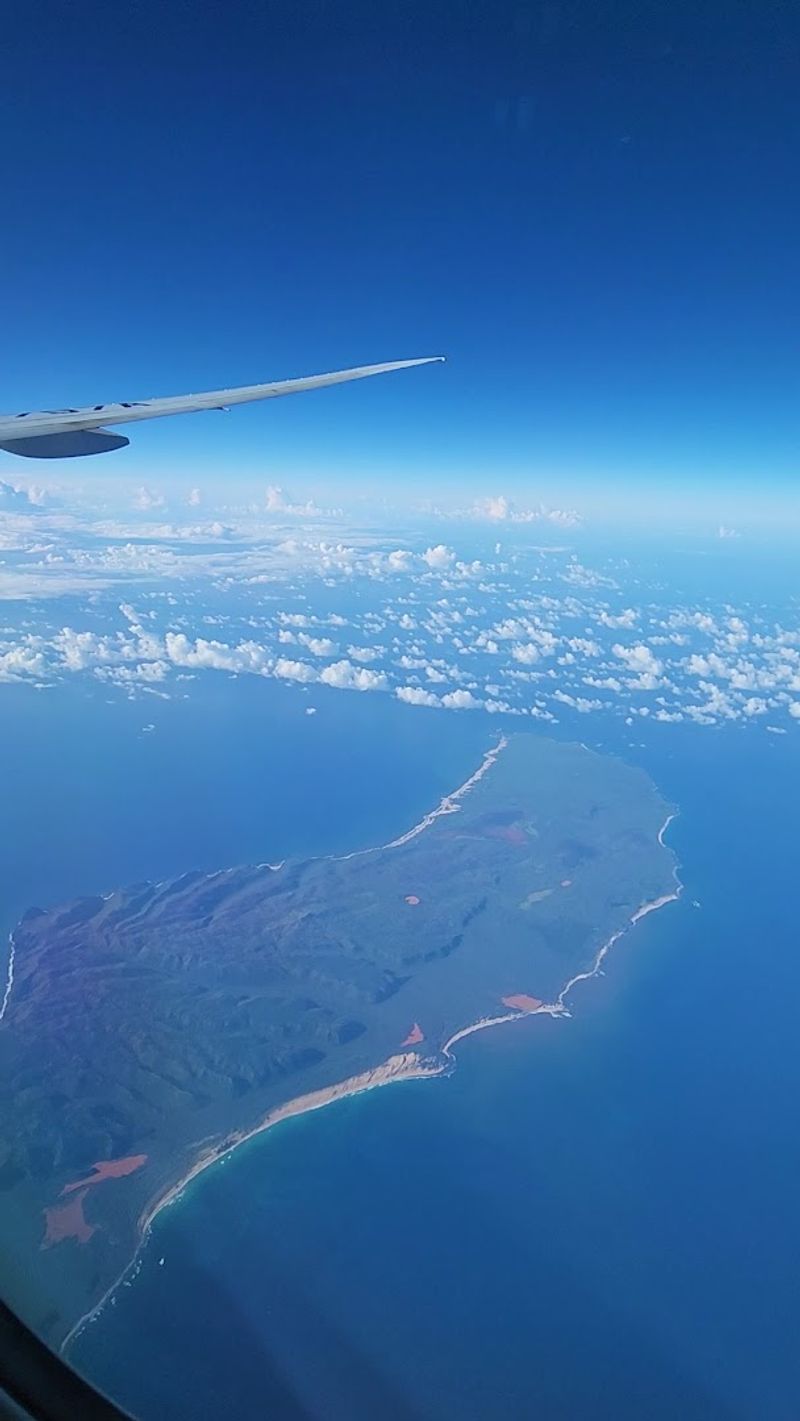
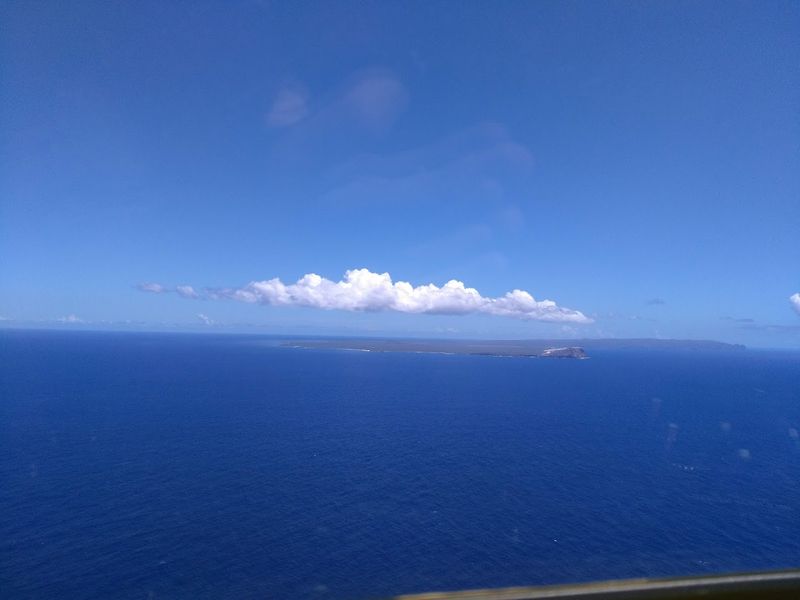
Tucked about 17 miles southwest of Kauai, Ni’ihau sits at coordinates 21.8921, -160.1574, within the state of Hawaii. It is the smallest inhabited island in the Hawaiian archipelago, covering roughly 70 square miles of mostly dry, flat terrain.
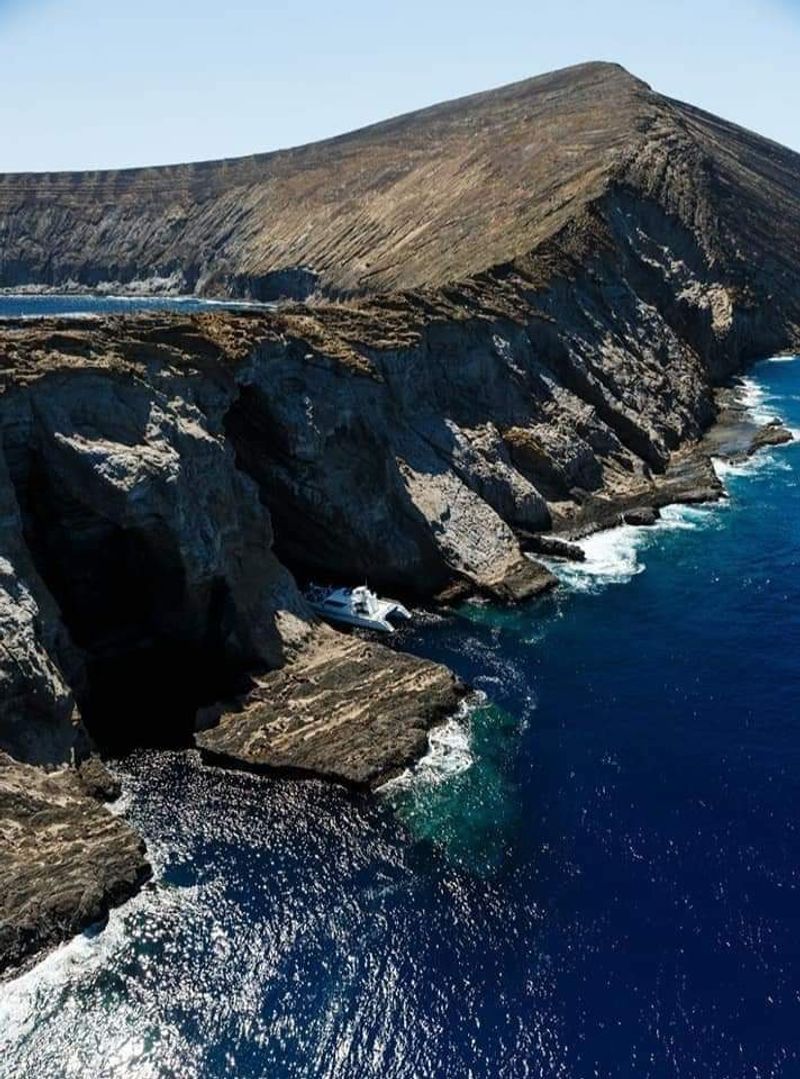
Unlike the lush green cliffs of Kauai or the volcanic drama of the Big Island, Ni’ihau has a quieter, more rugged look. The land is largely arid, with scrubby vegetation, red dirt roads, and wide-open skies that stretch forever.
Its geographic isolation is part of what has kept it so untouched. There are no bridges, no ferry routes open to the public, and no commercial flights.
Getting here has always required special permission, and that exclusivity is precisely what gives the island its legendary status among travelers and history buffs alike.
The History Behind the ‘Forbidden’ Label
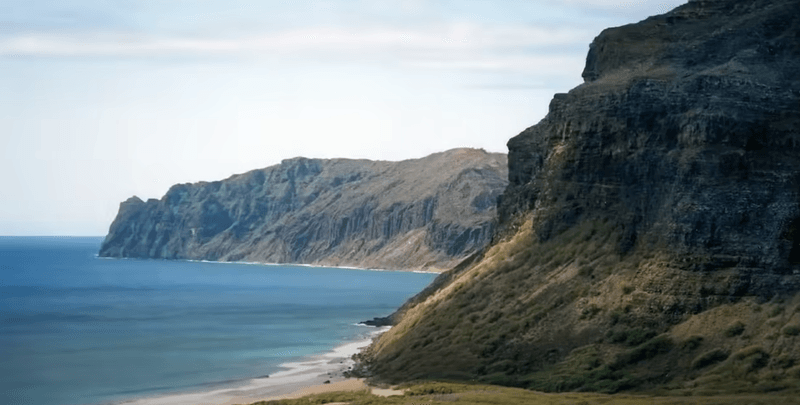
Back in 1864, King Kamehameha V sold Ni’ihau to Elizabeth Sinclair, a Scottish widow, for $10,000 in gold. That transaction set the island on a completely different path from every other Hawaiian island.
The Sinclair family, later known as the Robinsons, chose to preserve the island as a private ranch and sanctuary for Native Hawaiians. They closed it off from outside visitors, banned outside influence, and maintained that policy through generations.
The “forbidden” nickname stuck naturally, because for most of the 20th century, that is exactly what it was.
The Robinson family’s decision was not about greed or secrecy for its own sake. It was a genuine, if paternalistic, attempt to protect the last community of Native Hawaiians living in a traditional way.
Whether you agree with the approach or not, the result is one of the most preserved cultural landscapes in all of the Pacific.
The Native Hawaiian Community Still Living There
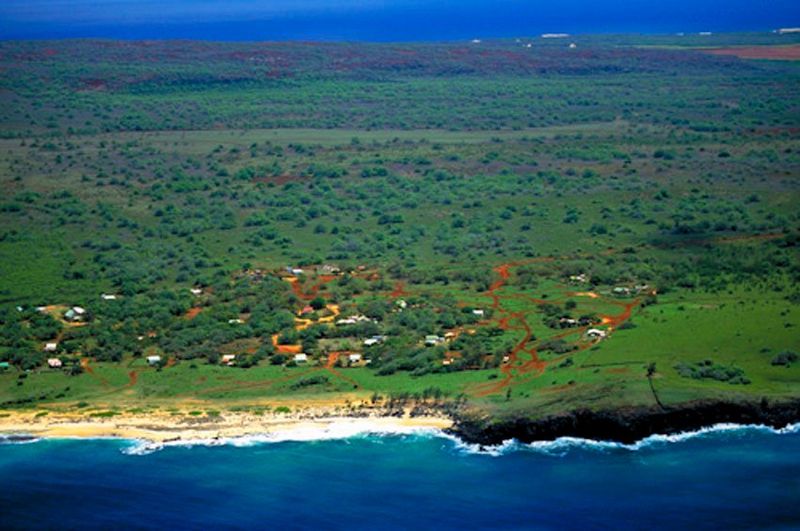
About 70 to 130 Native Hawaiians currently call Ni’ihau home, making it the only island in Hawaii where the Hawaiian language is still spoken as the primary everyday language. That fact alone is extraordinary in a world where indigenous languages are disappearing at an alarming rate.
The residents live without many modern conveniences. There is no public electricity grid, no running water connected to a municipal system, no internet service, and no stores stocked with brand-name goods.
Life moves at a slower, more self-sufficient pace.
The community fishes, farms, and maintains traditions that have been passed down for generations. Their shell lei work, made from the rare Ni’ihau shells found on the island’s beaches, is considered among the most valuable and skillfully crafted jewelry in all of Hawaii.
These tiny shells have been used for centuries and carry deep cultural meaning that no souvenir shop can replicate.
What ‘Opening to Tourists’ Actually Means
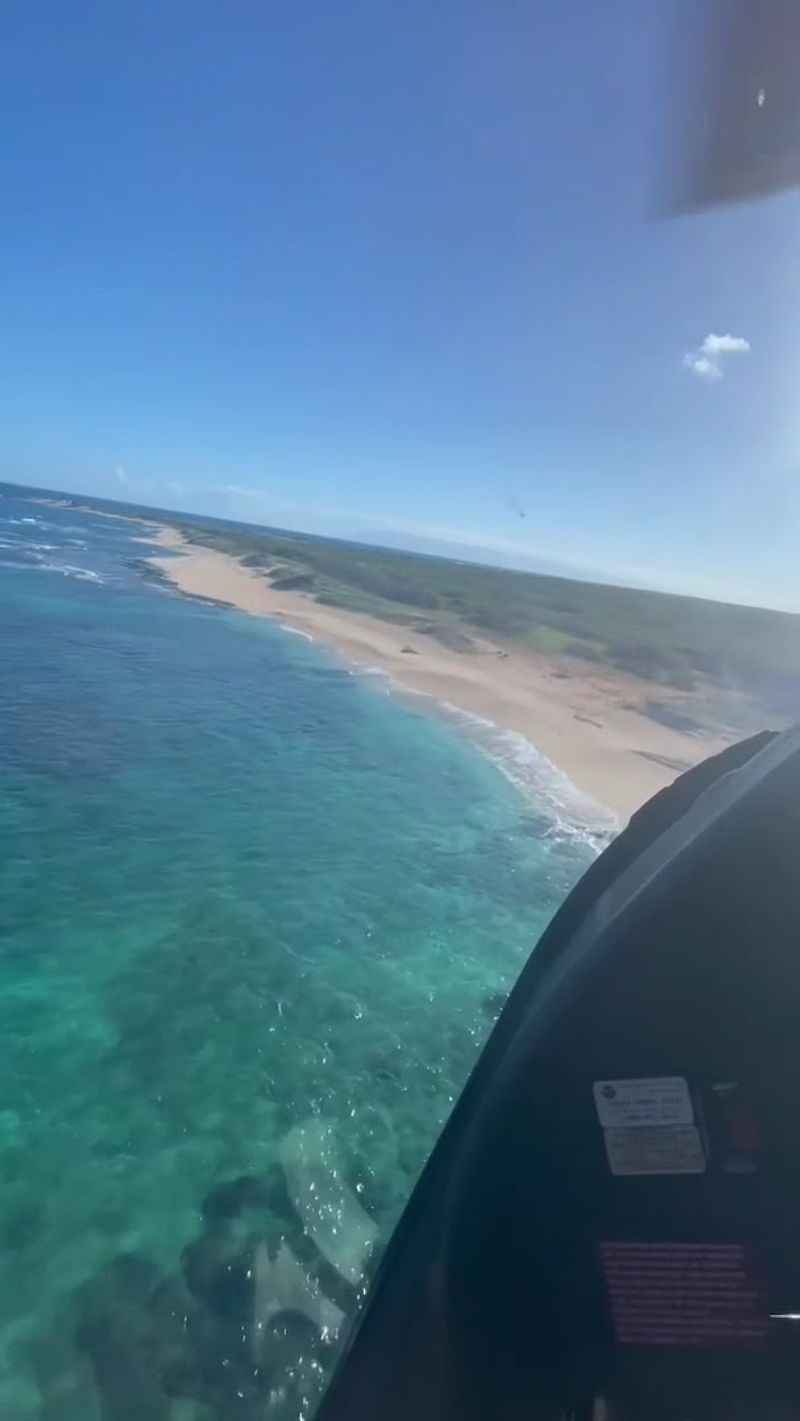
Here is where things get interesting, and also where expectations need a reality check. Ni’ihau is not throwing open its gates for mass tourism.
There are no resort plans, no beachside bars, and no guided walking tours through the village.
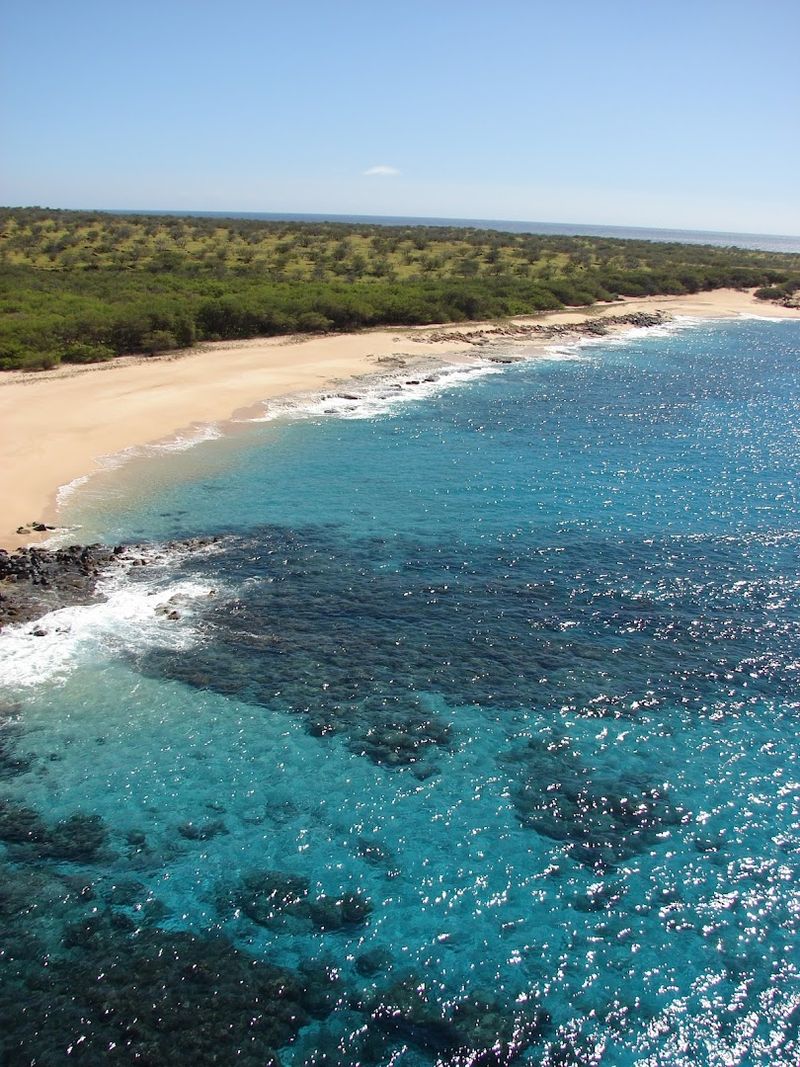
What has been available for some years now, through the Robinson family’s own operation called Ni’ihau Helicopters, is a limited helicopter tour experience. Small groups can fly over the island, land on a remote beach, snorkel in the crystal-clear waters, and explore a small coastal area.
Visitors do not enter the residential areas or interact with the island’s residents.
The “opening” is really a carefully controlled crack in the door, not a full welcome mat. The Robinson family maintains strict boundaries to protect the community’s privacy and way of life.
For the visitor, though, even this limited access feels like a rare privilege that very few people in the world have experienced.
The Ni’ihau Helicopter Tour Experience
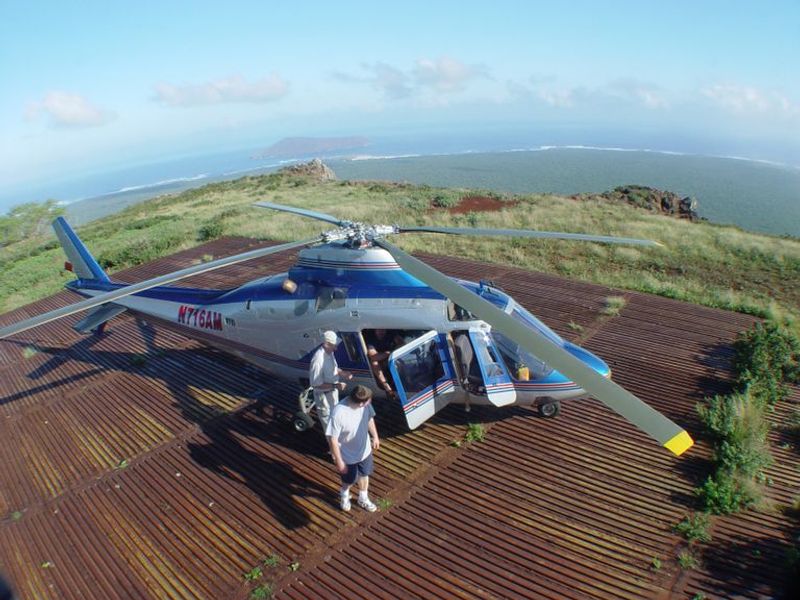
The Robinson family’s helicopter tours depart from the island of Kauai and take a small group of passengers on a roughly half-day adventure. The flight itself gives you a bird’s-eye view of Ni’ihau’s dramatic coastline, white sand beaches, and inland terrain that most people will only ever see on a map.
Once on the ground, guests can snorkel in waters that are genuinely pristine. Because so few people have ever been allowed here, the marine life is abundant, the coral is healthy, and the visibility underwater is the kind that makes you forget to breathe for a moment.
The tour also includes time on the beach, where guests have been known to find the legendary Ni’ihau shells scattered in the sand. Finding one feels like stumbling onto a tiny treasure.
The entire experience is described by those who have done it as humbling, quiet, and unlike any other tour in Hawaii.
The Famous Ni’ihau Shells and Their Cultural Value
Few things from Ni’ihau are as famous as its shells. The island’s beaches produce several rare shell species, including the kahelelani, momi, and laiki shells, which are found in sizes so small that a single lei can require thousands of individual pieces and hundreds of hours of work.
A finished Ni’ihau shell lei can sell for anywhere from a few hundred dollars to well over $10,000, depending on the complexity, the shell types used, and the skill of the maker. These are not mass-produced trinkets.
Each one is a handcrafted artwork that reflects generations of knowledge and patience.
The shells are only found in meaningful quantities on Ni’ihau’s beaches, which is another reason why the island’s isolation has been so important to preserve. If tourism had opened up decades ago, the beaches might have been picked clean long before anyone thought to protect them.
The shells remain a living link to Hawaiian heritage.
Wildlife and Nature on the Island
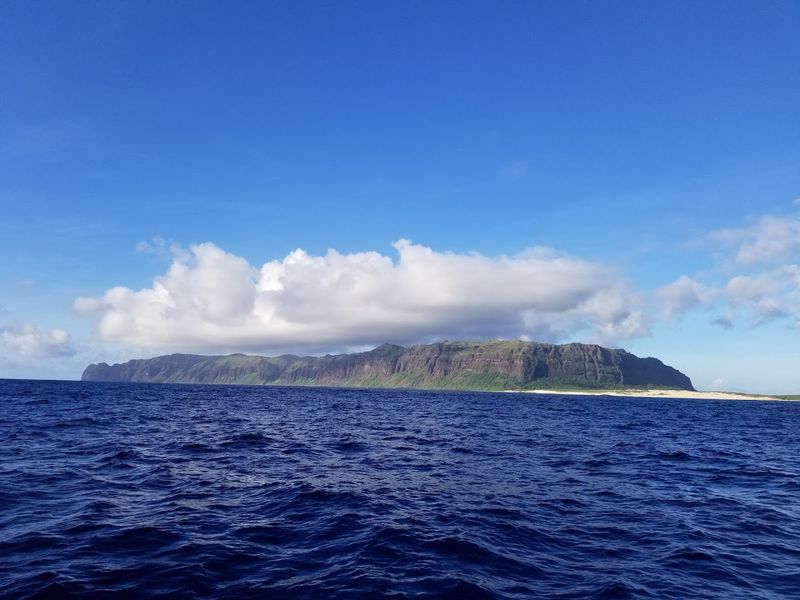
Because humans have had such a limited footprint on Ni’ihau, the island’s wildlife has thrived in ways that are hard to find elsewhere in Hawaii. The surrounding waters are part of what researchers describe as one of the healthiest coral reef ecosystems in the entire Hawaiian archipelago.
Hawaiian monk seals, one of the most endangered marine mammals in the world, are frequently spotted resting on Ni’ihau’s beaches. Green sea turtles nest along its shores.
Spinner dolphins are a common sight in the offshore waters, and the island serves as habitat for several native Hawaiian bird species.
On land, the terrain is home to axis deer and feral sheep, which were introduced over the years and have adapted to the dry conditions. The island also hosts hunting expeditions as one of the few permitted activities for outsiders.
The combination of untouched reef and quiet beaches makes Ni’ihau a genuinely rare ecological treasure.
Hunting Expeditions as a Rare Way In
For those who enjoy hunting, Ni’ihau has offered one of the most exclusive hunting experiences in the United States for years. The Robinson family has permitted small, carefully managed hunting parties onto the island to hunt axis deer, feral sheep, and wild boar.
These trips are not cheap, and they are not frequent. Access is tightly controlled, and participants must follow strict rules about where they can go and what they can do.
The experience is less about trophy hunting and more about accessing a landscape that virtually no one else gets to walk through.
Hunters who have made the trip often describe the island’s silence as the most striking part of the experience. No traffic, no background hum of civilization, no distant music from a beach bar.
Just wind, dry grass, and the sound of your own footsteps. For certain travelers, that kind of silence is the most exotic thing imaginable.
Why the Robinson Family Has Kept It Closed for So Long
The Robinson family’s decision to keep Ni’ihau private has been both praised and criticized over the decades. On one hand, their stewardship has preserved a community, a language, and a way of life that would almost certainly have been eroded by tourism and development.
On the other hand, some have questioned whether isolating a community from the modern world was ever truly in the residents’ best interest.
The Robinsons have maintained that the island’s Native Hawaiian residents have always had a choice about whether to stay or leave. Many have left over the years, particularly younger generations seeking education and employment opportunities.
Those who remain do so by choice, and the population has continued to shrink as a result.
The family’s approach reflects a long-standing tension in Hawaii between preservation and progress. Ni’ihau sits at the center of that tension more visibly than any other place in the state, which is part of why it continues to fascinate people from around the world.
What to Know Before You Plan a Visit
Planning a trip to Ni’ihau requires patience, flexibility, and a budget that can handle a premium experience. The helicopter tours run through Ni’ihau Helicopters, which is based on Kauai.
Tour availability is limited, prices are significant, and the weather can cancel trips with little notice.
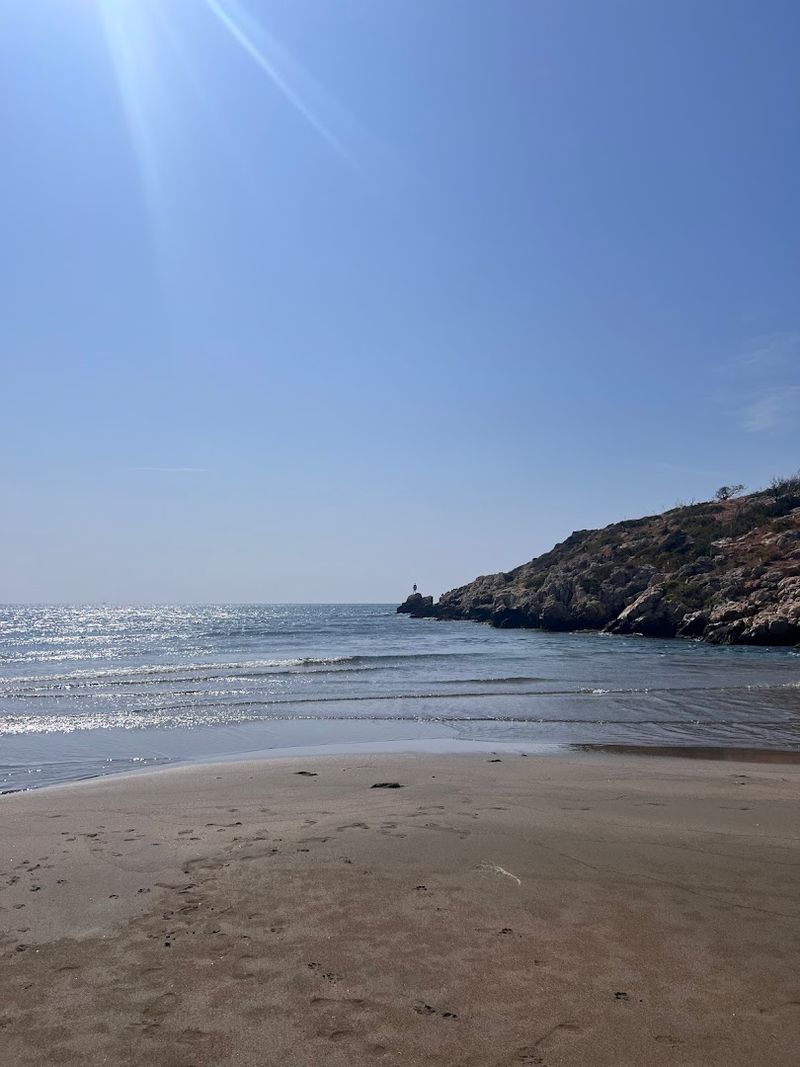
There are no accommodations on Ni’ihau itself, so all visitors must be based on Kauai and make the crossing as a day excursion. Bring your own snorkel gear if you have it, wear reef-safe sunscreen, and pack water and snacks since there are no facilities on the island’s accessible beach areas.
Respect is the most important thing you can bring. The residents of Ni’ihau have a right to their privacy, and the rules that keep tourists away from the village exist for very good reasons.
Visiting with curiosity and humility rather than entitlement will make the experience richer for you and more respectful toward the community that has called this island home for generations.



