 Unearth The Voyage

Fresh black rock meets ocean air where Kīlauea breathes, and you can feel the island being born beneath your boots. Guided routes and overlooks reveal glowing skylights, steaming fissures, and rippling pahoehoe textures that look poured yesterday. You will learn how each eruption reshapes the Big Island, layer by layer, trail by trail. Ready to witness geology in real time and walk where the Earth is still writing itself?
Crater Rim Drive Overlooks
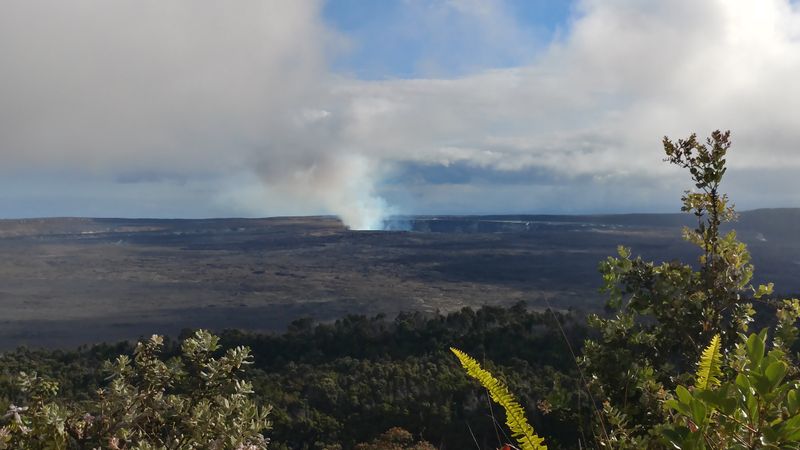
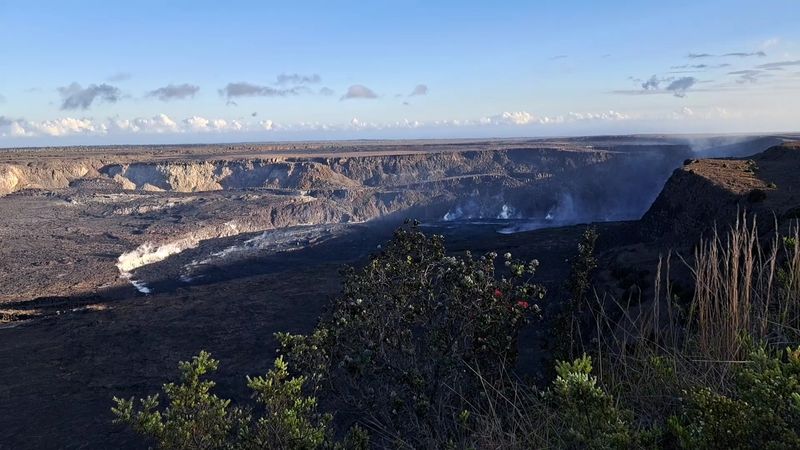
Start here to understand the scale of Kīlauea. The overlooks frame Halemaumau and the sprawling caldera, where gases thread the sky and new crust cools into charcoal hues. You can watch shifting steam plumes and trace young flows that finger across the caldera floor.
Listen for crackling clinker underfoot near safe viewpoints, and notice ropey pahoehoe curling like taffy. Rangers often share current eruption updates and trail advisories. Bring layers, because wind along the rim bites even on warm days.
You will leave with perspective and a plan, knowing where to step next for closer texture, color, and heat.
Pahoehoe vs Aʻā Field Walk
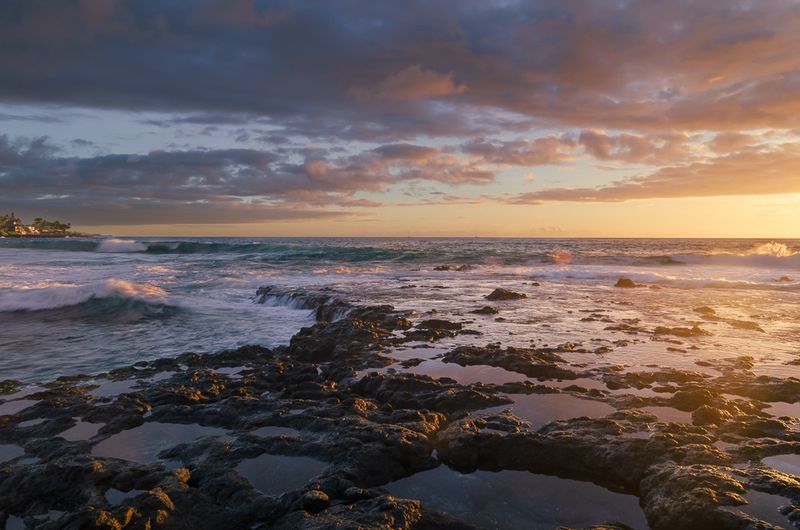
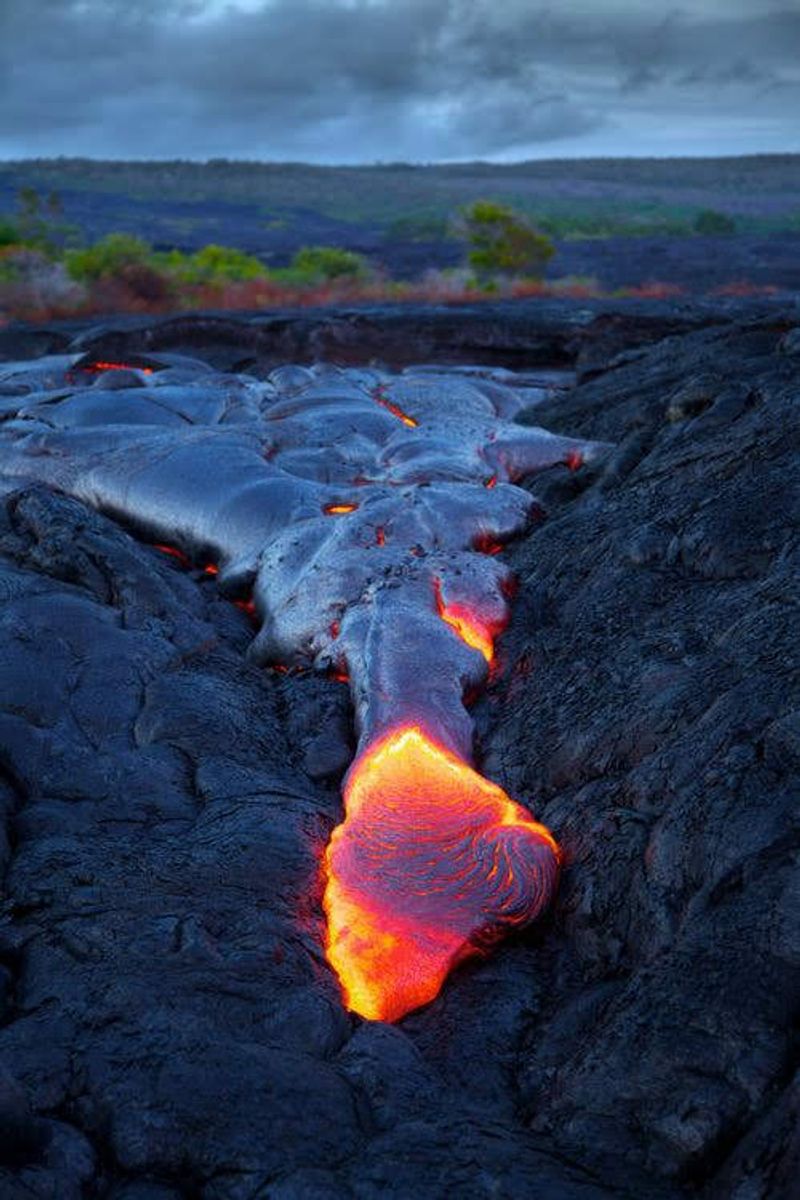
Step onto contrasting lava personalities. Pahoehoe flows ripple smooth and ropey, easy to traverse if you watch your footing. Aʻā is rubble and jagged clinker, loud under boots and sharper than it looks. You will quickly learn why local guides say respect the rock.
Follow established paths and look for squeeze ups, pressure ridges, and skylights where heat may linger. The color palette shifts from glassy black to oxidized reds and subtle greens.
Carry water, gloves, and sturdy footwear. The ground is young and unforgiving, yet mesmerizing, like walking across a frozen river of time.
Puʻuhonua O Steam Vents Approach

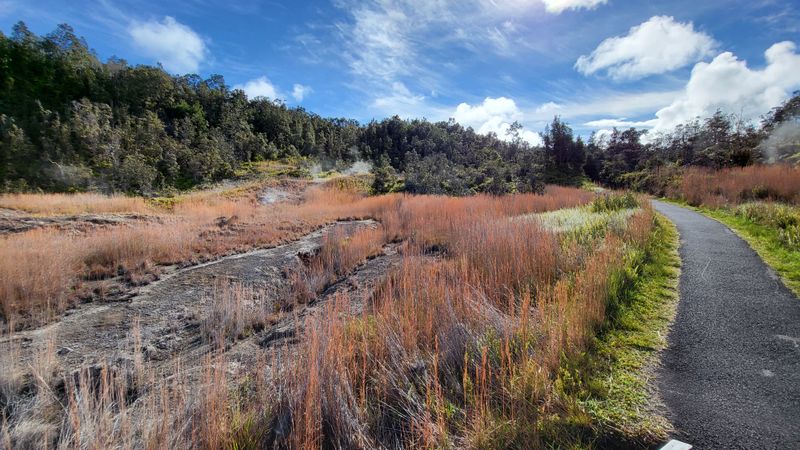
Before entering vast flows, feel the Earth exhale at the steam vents. Warm vapor seeps from fractures as groundwater meets residual heat. You can hover your hands above gentle warmth while native grasses sway around sulfur-tinted earth.
Stay on paths and avoid fragile ground crusts. The vents whisper about the heat beneath every step toward the lava fields. It is a preview of the power that shapes the landscapes you are about to explore.
Photograph backlit steam at sunrise for ethereal columns and soft silhouettes. Then continue toward viewpoints where fresh flows stretch like velvet to the horizon.
Devastation Trail To New Growth
This path tells a story of loss and renewal. Cinders crunch as you pass fallen trunks and ghostly snags, a reminder of eruptions that scoured the slope. Then come hardy ʻōhiʻa saplings, lehua blossoms, and ferns threading through dark ash.
You will see how quickly life returns, rooting into cracks and collecting moisture from trade winds. Watch for tiny insects and birds testing new habitat. The contrast between fresh lava barrens and green pioneers is striking.
Bring a light jacket and camera. This is where resilience feels tangible underfoot, a transition zone between still-warm earth and patient biology.
Lava Tubes And Skylights
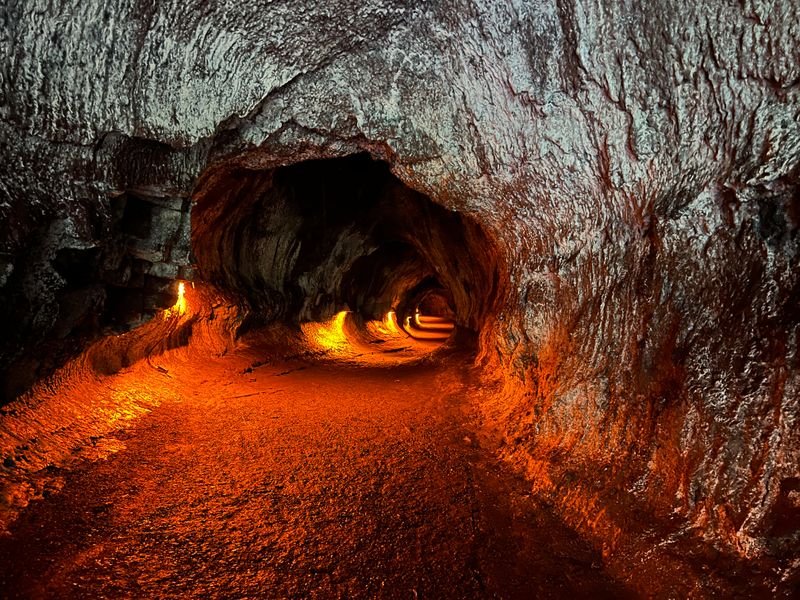
Explore the arteries of former flows where molten rock once rushed toward the sea. In safe, open tubes you can see dripstone lava, bench lines, and ropy ceilings that froze mid motion. Skylights pierce the surface, revealing tunnels and occasional lingering warmth.
Headlamps help reveal subtle colors from mineral films and volcanic glass. Stay within designated areas and respect closures. Tubes can be slippery with condensation and sharp edges.
You will leave with a three dimensional sense of how a thin crust hides moving fire. It is like stepping inside a paused river, quiet and echoing.
Night Glow Over Halemaumau

After dark, the caldera feels intimate and alive. If activity returns, a faint orange glow can paint the steam, turning the crater into a quiet lantern. Even without visible lava, stars, sulfur haze, and rumbles compose a hushed soundtrack.
Check current alerts and closures before planning a night visit. Pack a red light, warm layers, and patience. Tripods help capture low light drama without blinding neighbors.
You will sense scale differently at night, with horizons erased and heat made visible by color. It is a moment that settles into memory like embers cooling slowly.
Coastal Flow Front And Benches

Where lava meets ocean, new land is born. The coastline tells stories in benches, littoral cones, and black sand pulses. You will hear waves hammer fresh rock and smell brine mixing with volcanic gases.
Heed every closure here. Instability is real, with hidden caverns and sudden collapses possible. View from sanctioned distances and guided vantage points only.
Bring binoculars to track billowing laze plumes and floating pumice. Even on calm days, wind shifts quickly. Watching young cliffs face the Pacific shows the island negotiating every edge, one spatter at a time, carving a margin that never settles.
Ranger Led Lava Field Briefing

Start with experts who read these landscapes daily. Rangers translate seismic swarms, deformation data, and gas trends into clear choices for your day. You will learn which trails are open, where heat is strongest, and how to tread lightly.
Briefings also cover cultural respect, safety gear, and Leave No Trace ethics. Questions are welcomed, from footwear to photography. The advice feels practical and calm.
After fifteen minutes, your map becomes a living plan. You will move with confidence, staying curious and cautious. It is the smartest way to meet a place that changes faster than headlines.
Packing For Sharp Young Rock
Lightweight layers, sun protection, and grippy boots change everything. Add gloves for scrambling, a brimmed hat, and two liters of water per person. Stash electrolytes, a small first aid kit, and a backup light.
Treat your phone like a tool, not a lifeline. Signal drops happen. Download offline maps and save the park website for alerts. Trekking poles ease long lava crossings and spare knees on aʻa rubble.
With solid prep, you can focus on textures, sounds, and horizon lines. You will feel present instead of preoccupied, free to notice wind, heat shimmer, and tiny plant pioneers.
Respecting Culture And Place
This landscape carries story and ceremony. Names like Halemaumau hold meaning that predates every new flow. You will see offerings and quiet moments along trails. Respect them, stay on paths, and learn a few Hawaiian words to greet places with care.
Visit the park website and visitor center exhibits to understand cultural protocols and moʻolelo. Ask permission with your actions by treading lightly and taking only photographs.
When you leave, the island should feel heavier with context, lighter on your conscience. That balance is the best souvenir from Kīlauea, where geology and culture breathe together.



