 Unearth The Voyage
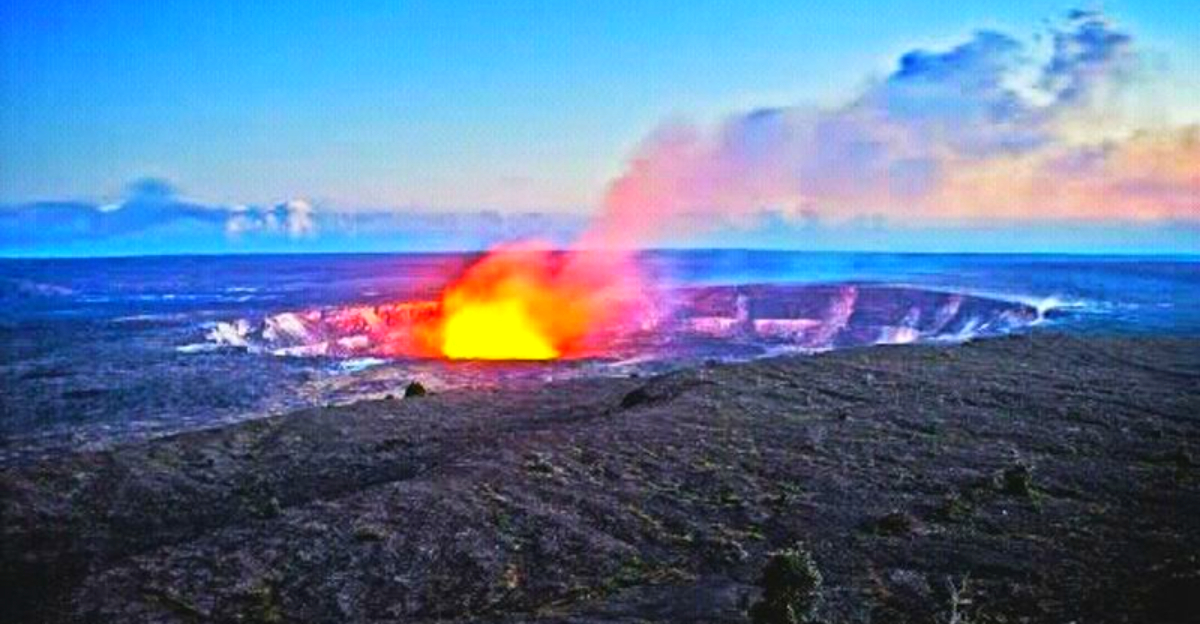
The Kīlauea volcano in Hawaii continues its dramatic display of molten power, with the United States Geological Survey’s Hawaiian Volcano Observatory (USGS-HVO) confirming ongoing activity as of December 4, 2025. The eruption remains confined to the summit, and the alert level stays at “Orange” (Level 3 on a 4-level scale), signaling that volcanic activity is still significant but largely contained. Scientists and visitors alike are keeping a close eye on one of the world’s most active volcanoes as it reshapes the landscape with each lava fountain and plume of volcanic gas.
1. Continuous Eruption Since December 2024
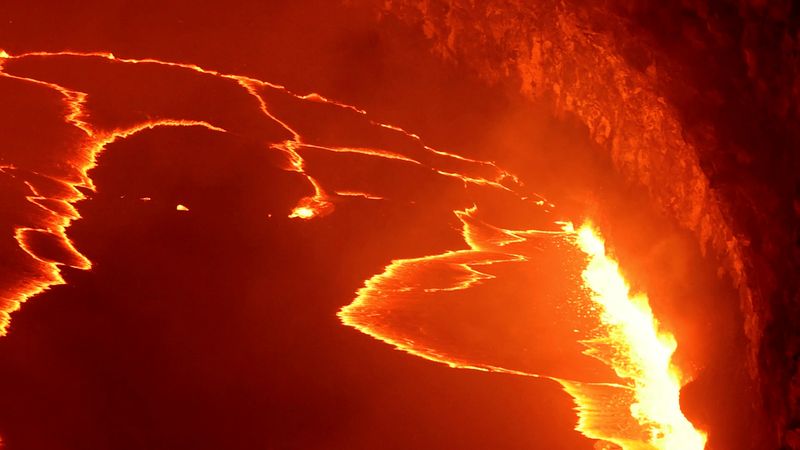
Kīlauea began its latest eruption on December 23, 2024, marking another chapter in its long history of volcanic activity. The Halemaʻumaʻu crater has become the stage for this ongoing natural performance, offering a unique opportunity to see Earth’s creative forces at work.
Unlike past eruptions that lasted only days or weeks, this event has shown remarkable persistence. Visitors now have an extended window to plan trips and witness active lava flows, something that doesn’t happen every day. Scientists monitor the volcano around the clock, tracking changes in lava levels and eruption patterns.
This rare chance to observe an active volcano makes Kīlauea one of the most accessible volcanic sites on the planet. The ongoing nature of the eruption allows researchers to gather valuable data while giving nature enthusiasts an unforgettable experience.
2. Lava Fountains Reach 15 to 30 Meters
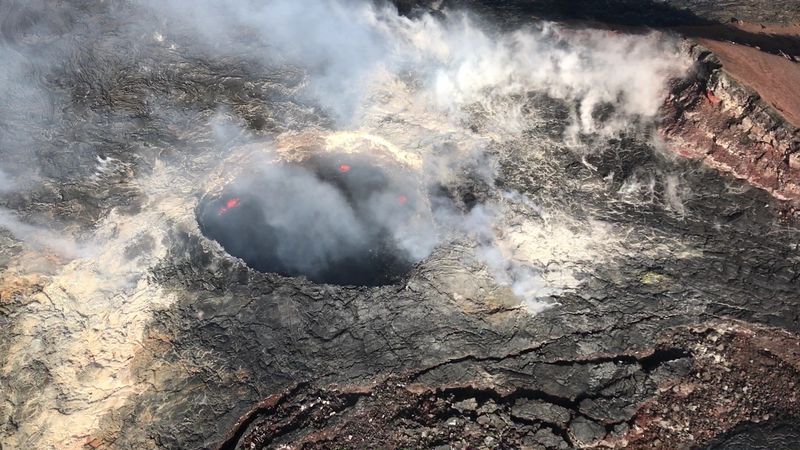
Imagine molten rock shooting as high as a ten-story building into the air. That’s exactly what’s happening at Kīlauea’s northern vent, where lava fountains regularly reach heights between 15 and 30 meters. The sight is nothing short of mesmerizing, with bright orange lava arcing through the air before crashing back down.
Recent video footage has captured these incredible displays, showing the raw power contained beneath Hawaii’s surface. The fountains create spectacular patterns as they erupt, with glowing steam mixing with molten rock to produce an otherworldly scene. Each eruption sounds like distant thunder, reminding observers of the immense energy being released.
Photographers and nature lovers find these fountains particularly captivating at night when the glow illuminates the surrounding landscape. The contrast between darkness and fire creates unforgettable images that showcase nature’s artistic side.
3. Activity Confined to Halemaʻumaʻu Crater
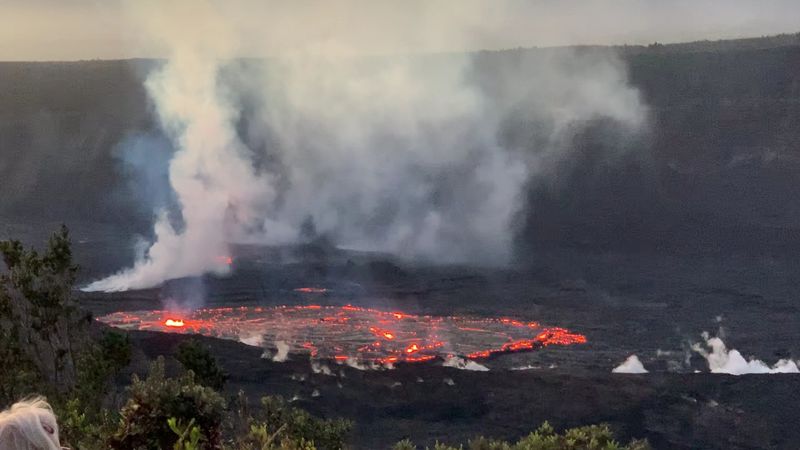
Good news for safety: all the volcanic action stays put inside Halemaʻumaʻu crater. This natural containment means lava flows aren’t threatening nearby communities or infrastructure outside the park boundaries. The crater acts like a giant bowl, holding the molten material within its walls.
Park officials and volcanologists carefully watch the lava levels to ensure they remain safely contained. The crater’s depth and size provide plenty of room for lava accumulation without overflow risks. This controlled environment allows visitors to observe the eruption from designated safe zones without worrying about unexpected lava flows.
Hawaii Volcanoes National Park has established multiple viewing areas where people can safely witness the eruption. Rangers regularly update information about viewing conditions and any changes in volcanic activity. This setup makes Kīlauea one of the safest active volcanoes to observe in the world.
4. Volcanic Gas Can Travel Downwind
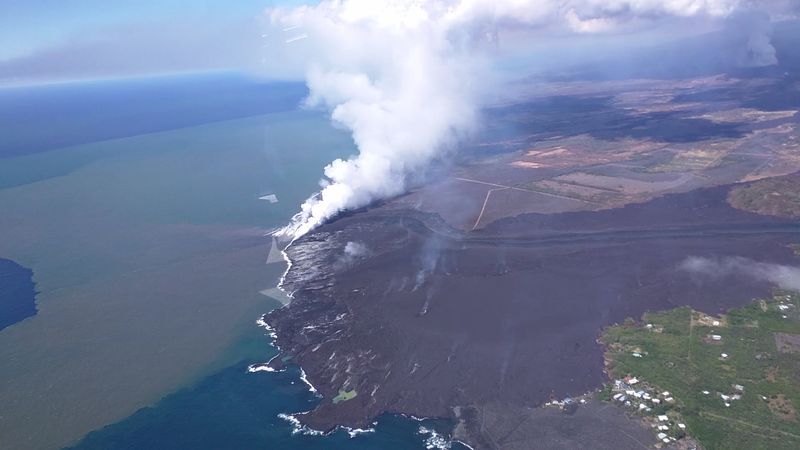
While lava stays in the crater, volcanic gases tell a different story. Northeast winds blowing at about 5 meters per second carry these gases and tiny debris particles southward from the eruption site. This creates a hazardous condition called vog, which combines volcanic fog with sulfur dioxide and other gases.
Communities downwind may experience reduced air quality, breathing difficulties, and visibility problems. People with respiratory conditions like asthma should pay close attention to air quality reports and consider staying indoors when vog levels spike. The gases can irritate eyes, nose, and throat even in healthy individuals.
Local authorities issue regular updates about gas concentrations and affected areas. Checking these reports before visiting helps you prepare properly with masks or plan alternative timing. Understanding wind patterns and gas movement keeps you informed and safe during your volcano visit.
5. Park Access Remains Restricted
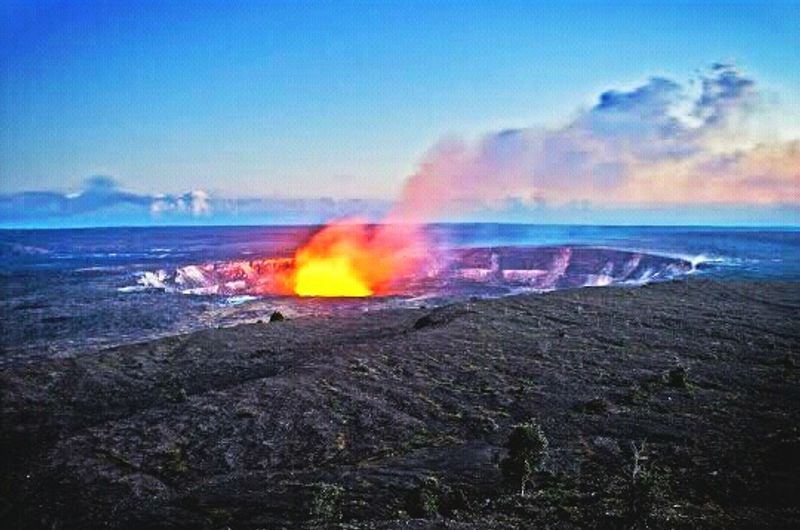
Safety comes first at Hawaii Volcanoes National Park, which means certain areas stay off-limits during active eruptions. The summit region near Halemaʻumaʻu crater has restricted access, with only approved viewing points and specific trails open to visitors. Park rangers enforce these closures strictly to protect everyone from potential hazards.
Volcanic eruptions bring multiple dangers beyond flowing lava, including unstable ground, sudden gas releases, and flying debris. Designated viewing areas undergo regular safety assessments to ensure they remain secure for public use. These spots provide excellent views while maintaining safe distances from active vents and hazardous zones.
Before arriving, check the park’s official website or visitor center for current closure information and trail status. Rangers provide helpful guidance about the best and safest viewing locations based on daily conditions. Following these restrictions protects both you and the fragile volcanic landscape.
6. A Living Laboratory
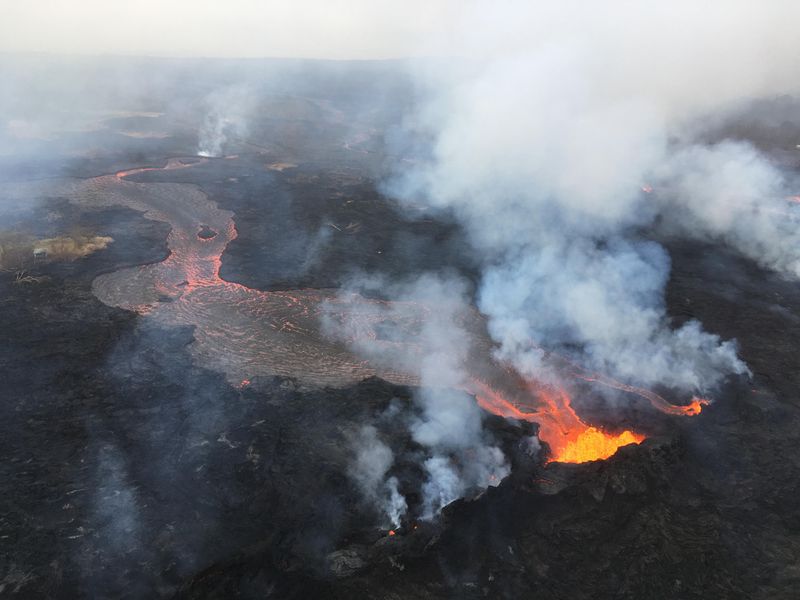
Every eruption teaches scientists something new about how our planet works. Kīlauea’s ongoing activity serves as an incredible outdoor classroom where researchers study magma movement, eruption patterns, and volcanic behavior in real time. The Hawaiian Volcano Observatory maintains constant surveillance, collecting data that advances our understanding of volcanoes worldwide.
Scientists use sophisticated instruments to measure ground deformation, gas emissions, and seismic activity. This information helps predict future eruptions and improves volcano monitoring techniques globally. The knowledge gained here benefits communities living near active volcanoes everywhere, potentially saving lives through better warning systems.
Students, researchers, and geology enthusiasts visit Kīlauea to witness volcanic processes that usually remain hid



