There is a restaurant on the Big Island of Hawaii where people have been ordering the same pork chops for over a century. Not a recreation of the original spot, not a rebranded version with a nod to the past, but the actual place, still standing, still cooking, still drawing people in from across the islands and beyond.
What started in 1917 as a small roadside stop has quietly outlasted wars, economic shifts, and generations of changing food trends. The story behind this place is one of the most quietly remarkable in all of American dining history, and most people have never heard of it.
A Building That Has Stood Since 1917
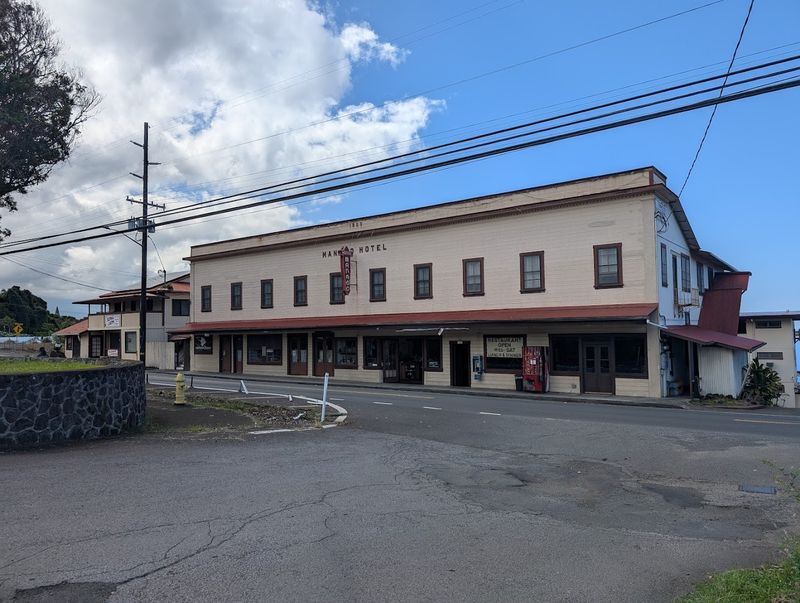
Most restaurants celebrate their tenth anniversary with a banner and a discount menu. Manago Restaurant in Captain Cook, Hawaii is marking its second century of continuous operation, and the building still looks like it belongs to another era entirely.
The structure at 82-6155 Hawaii Belt Road has stood since 1917, making it one of the oldest surviving commercial buildings of its kind on the Big Island.
Walking up to the exterior, you immediately notice the low-rise, no-frills architecture that feels completely out of step with modern restaurant design. That is precisely the point.
Nothing about this place tries to impress you before you walk through the door.
The age of the building is not a liability here. It is the whole story.
Every weathered surface and worn step is a physical record of the community that kept coming back, decade after decade, long before anyone called it a landmark.
How a Japanese Immigrant Family Built Something Lasting
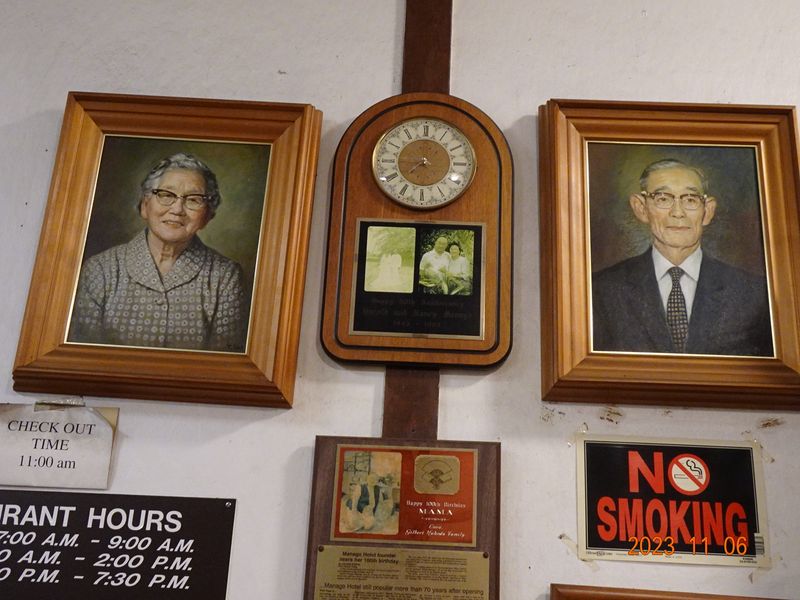
The Manago family originally came from Japan and settled on the Big Island during an era when Hawaii’s landscape was being shaped by waves of immigrant communities. They opened their roadside establishment in 1917, and what began as a practical stop for travelers along the Hawaii Belt Road gradually became something much more personal for the surrounding community.
The Japanese influence never disappeared from the restaurant. You can still see it in the decor, in the rice bowls and dishware that carry a traditionally Japanese aesthetic, and in the quiet, unpretentious hospitality that has defined the place across multiple generations.
That cultural thread running from early twentieth-century immigrant life all the way to today is part of what makes a meal here feel like more than just lunch. You are sitting inside a living piece of Hawaii’s multicultural history every time you pull up a chair.
The Pork Chops That Made People Fly Across the Ocean
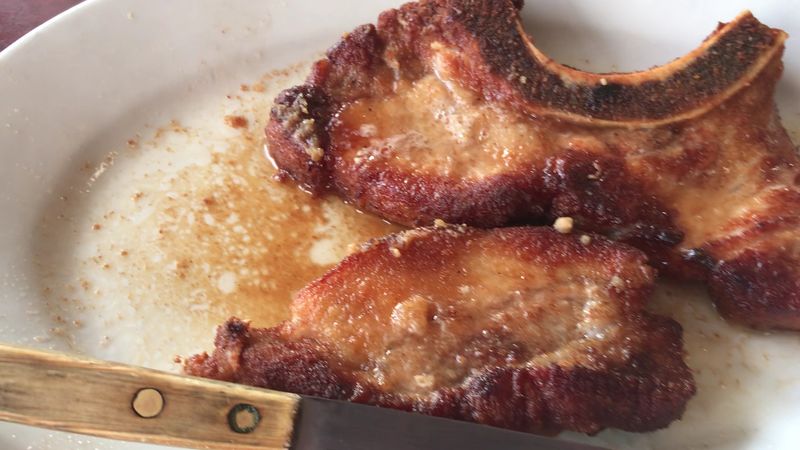
One reviewer flew from Honolulu to the Big Island with no luggage, ate the pork chops, listened to some local musicians, and flew home the next day. That is not a marketing story.
That is just what these pork chops do to people. The dish has developed a reputation that stretches well beyond Captain Cook, and it has earned every word of it.
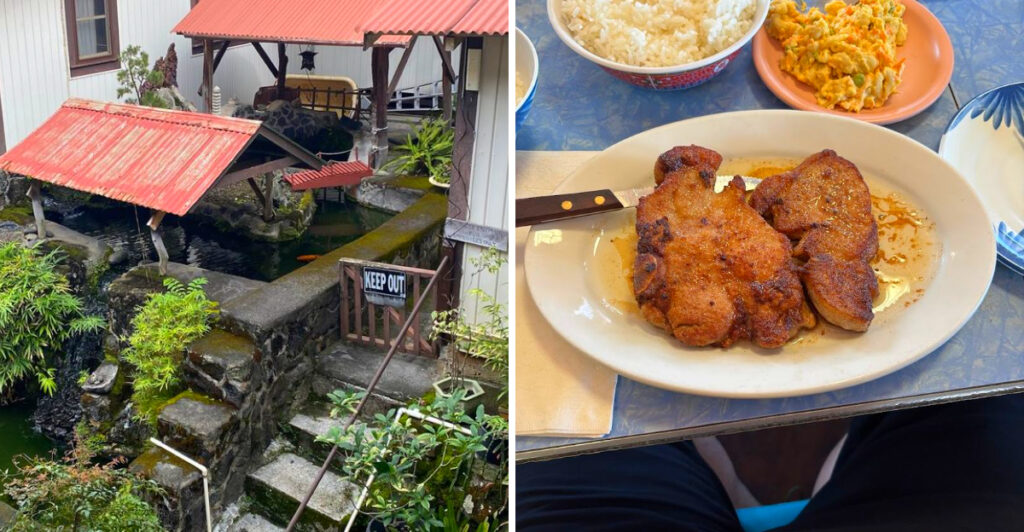
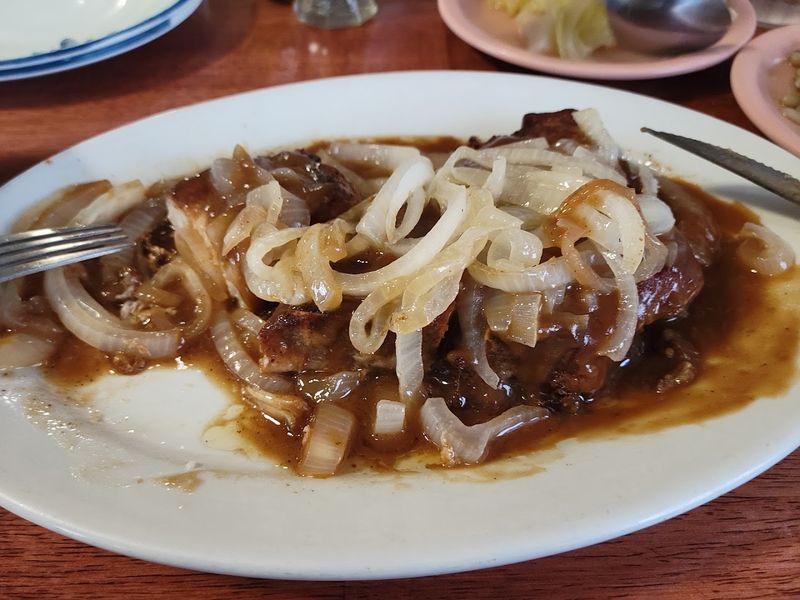
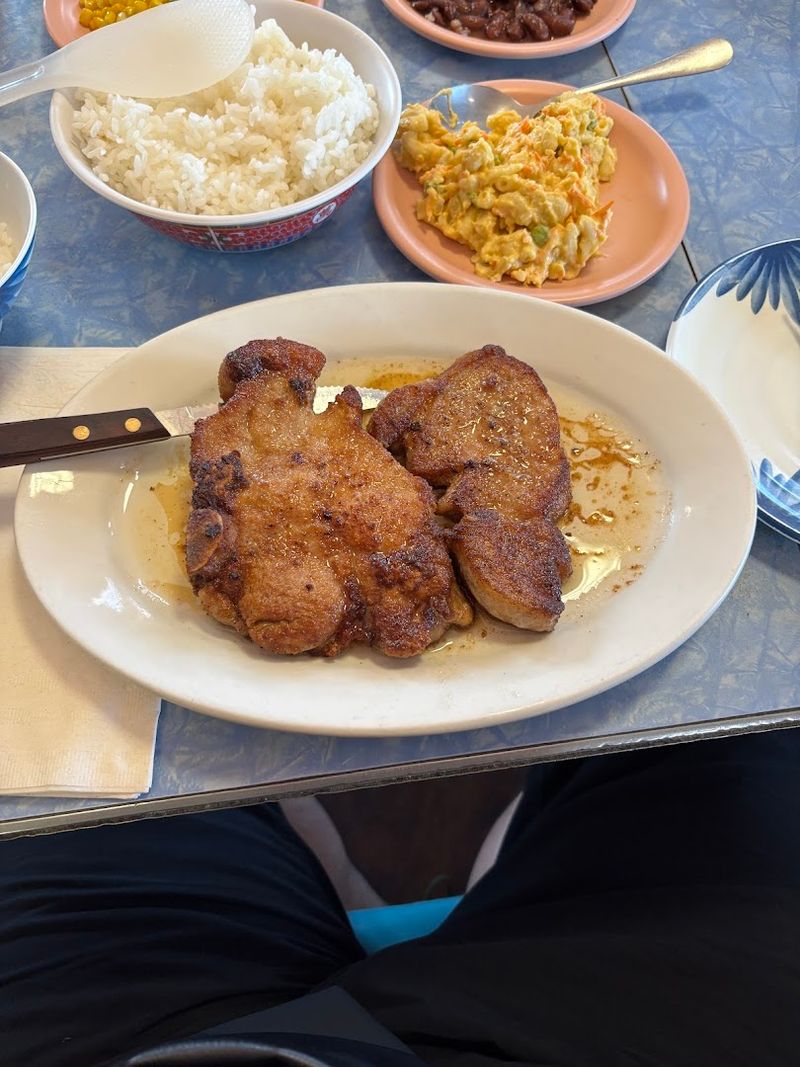
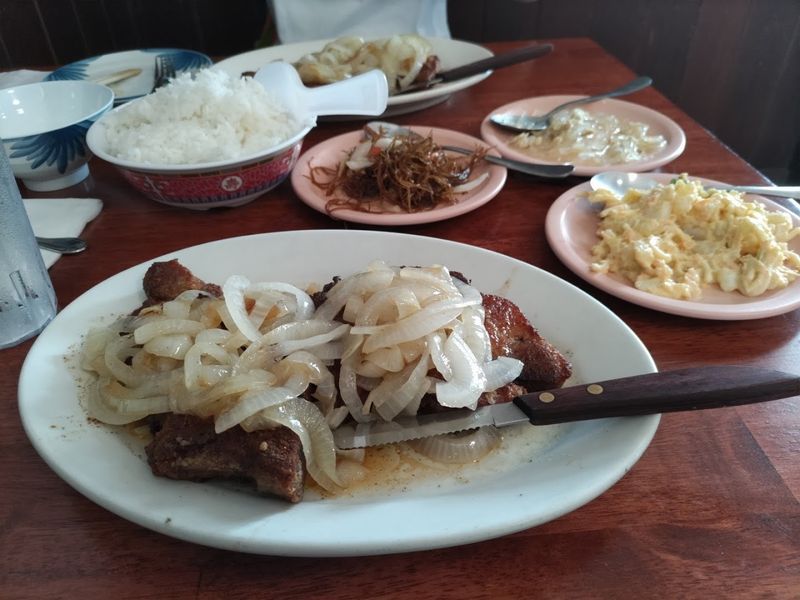
The pork chops arrive pan-fried, hearty, and served with a choice of gravy. You can order a ten-ounce portion or go up to a full pound.
The ten-ounce is genuinely filling, especially once the sides arrive at the table.
Those sides come out quickly and include sticky rice, cabbage, beans, and a potato and pasta salad that feels comfortingly old-fashioned. The whole plate reads like a meal someone’s grandmother would have cooked on a Sunday, and that is exactly the appeal.
Butterfish With Miso That Melts Before You Even Expect It
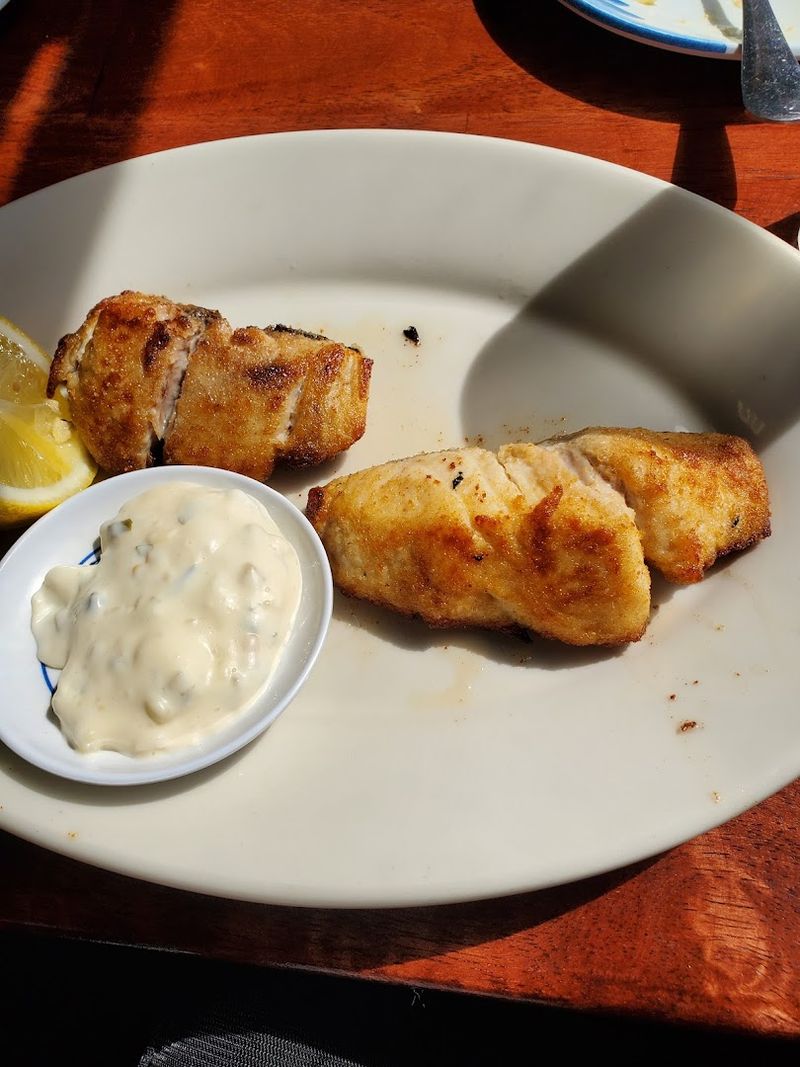
The pork chops get most of the attention, but regulars will quietly tell you that the butterfish is the sleeper hit of the menu. Pan-seared and served with a miso sauce, the fish is tender in a way that feels almost effortless, like it was always meant to be exactly this soft and this flavorful.
The miso preparation reflects the restaurant’s Japanese culinary roots in the most direct way possible. It is not a fusion interpretation or a modern riff on a classic.
It is simply a dish that has been made well for a very long time, and the consistency shows.
Ordering the butterfish feels like being let in on a quiet local secret. The people who know, know.
And once you have had it, you start to understand why visitors make return trips specifically to sit down with this plate and a bowl of sticky rice alongside it.
A Menu That Trusts Simplicity Over Trend
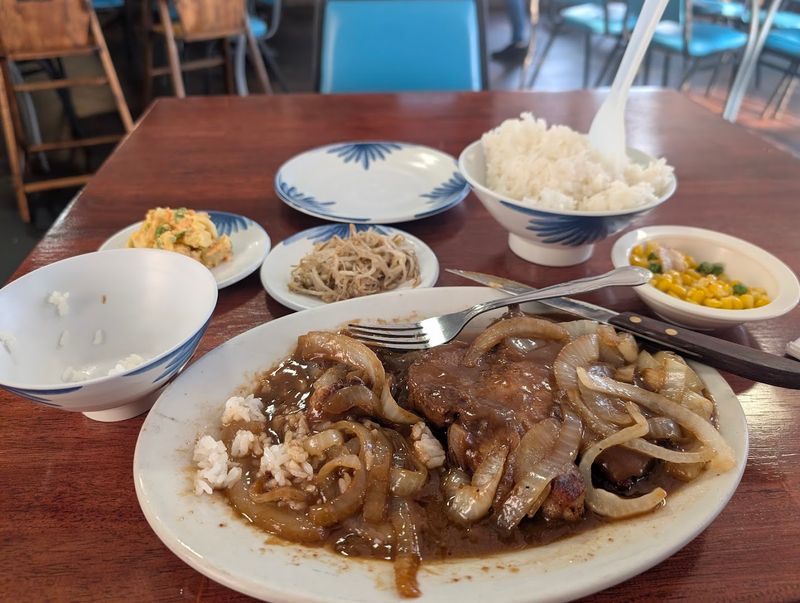
The menu at Manago Restaurant is small by any modern standard, and that restraint is deliberate. There are no rotating seasonal specials, no elaborate tasting options, and no dishes designed to photograph well for social media.
What the menu offers instead is a focused selection of dishes that have proven themselves over time.
Beef teriyaki appears alongside the pork chops and butterfish, and it carries the same straightforward quality. Lean, flavorful, and served without unnecessary embellishment.
Each entree comes with a set of traditional sides that round out the meal without overcomplicating it.
A menu this focused requires confidence. The kitchen is not hiding behind variety or novelty.
Every item on the list has to hold up on its own, and the ones that have survived across generations clearly do. That kind of quiet editorial discipline is rarer in restaurants than most people realize, and it is one of the reasons people keep returning.
The James Beard Recognition Most Visitors Walk Right Past
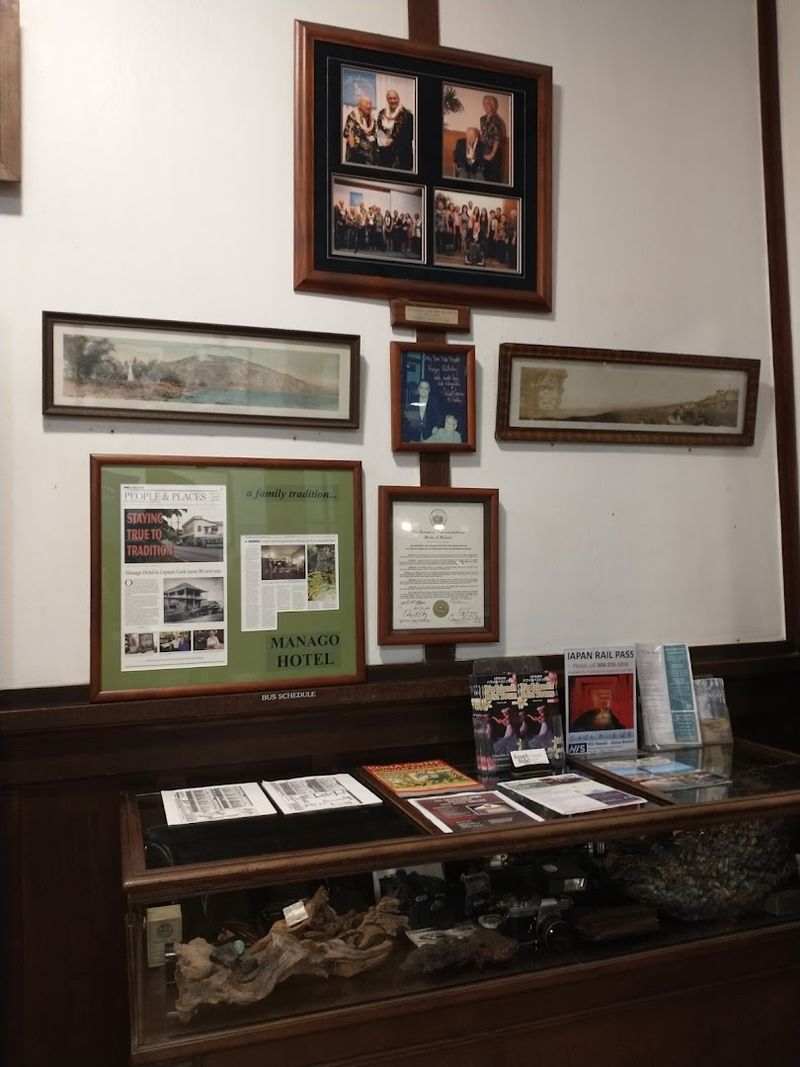
Most people walk into Manago Restaurant focused on finding a table and deciding between the pork chops and the butterfish. Very few stop long enough to notice the James Beard Award recognition displayed in the check-in room near the hotel entry.
It is easy to miss, tucked in among the antiques and historical pieces that fill the front of the building.
The James Beard Foundation has long been considered one of the most respected voices in American food culture, and recognition from that organization carries genuine weight. For a small, family-run restaurant in a rural town on the Big Island to receive that kind of acknowledgment speaks to something real about the food and the institution itself.
That award does not change the atmosphere or the prices. The restaurant stays exactly as it always was.
But knowing it is there adds a layer of context that makes the whole experience feel even more significant.
Captain Cook, Hawaii and the Road That Connects It All
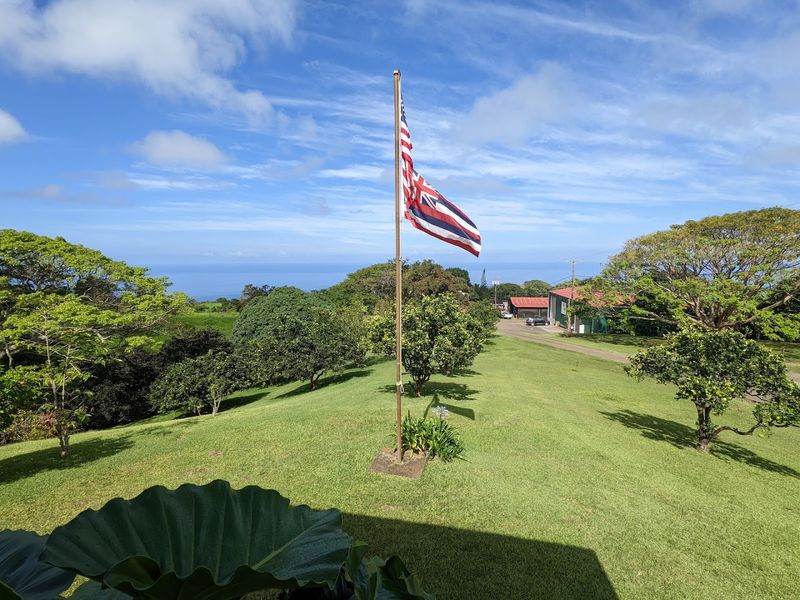
Captain Cook is a small community on the western slope of the Big Island, situated along the Hawaii Belt Road in the South Kona district. The area sits above Kealakekua Bay, one of the most historically significant stretches of coastline in all of Hawaii, and the surrounding landscape is lush, green, and far quieter than the resort corridors further north along the coast.
Manago Restaurant sits right on that historic road, in the same spot it has occupied since 1917. The Kona Coffee Living History Farm is just a short walk away, and the bay itself is only a couple of miles down the slope.
This part of the island moves at a different pace than the tourist-heavy areas, and the restaurant fits that rhythm perfectly.
Getting there requires a deliberate choice to leave the main tourist drag and head south. Most visitors who make that drive say it is one of the better decisions they made during their trip.
What a Century of Community Dining Actually Looks Like
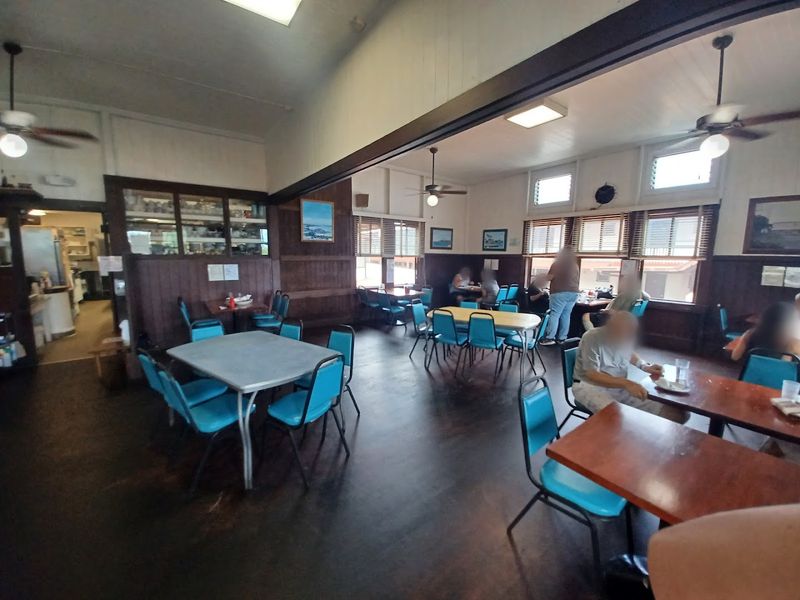
There is a particular kind of restaurant that functions less like a business and more like a community fixture. Manago Restaurant has operated that way for over a hundred years.
Locals bring their families here for meals the way other communities gather at church halls or town diners, and the atmosphere carries that weight without being sentimental about it.
The seating is simple, the lighting is honest, and the conversations at neighboring tables tend to sound like people who already know each other. For a visitor, sitting in that room feels like being allowed into something genuine rather than something staged for tourism.
Multiple generations of Big Island families have shared meals at these tables. Some of them have been coming since childhood.
That kind of loyalty does not come from clever marketing or a rotating menu. It comes from a place that consistently makes people feel like they belong there, every single time.
The Hotel That Shaped the Restaurant’s Identity
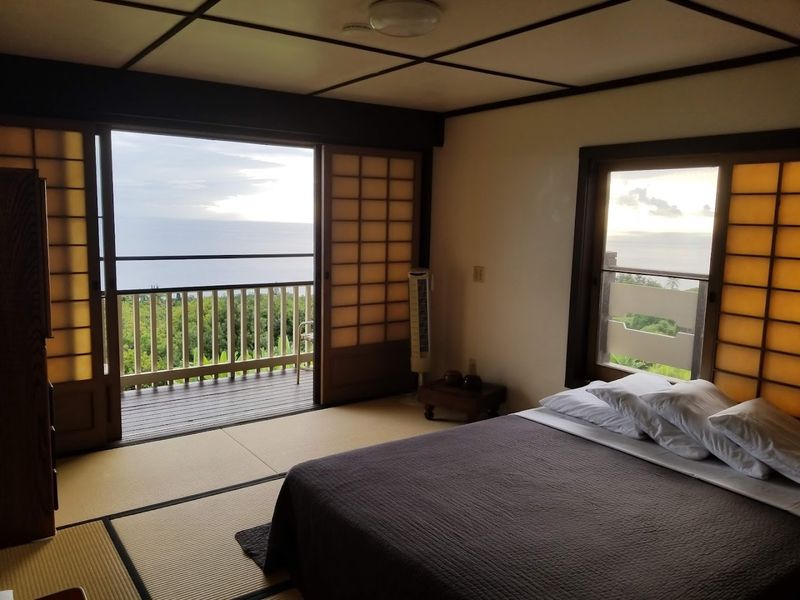
The restaurant did not exist in isolation. For most of its history, Manago operated as part of a small hotel that offered simple rooms, some with Japanese-style decor including futons and tatami mats, and balconies with views toward Kealakekua Bay.
That combination of lodging and dining gave the place a dual identity that served travelers and locals alike for generations.
The hotel portion of the property has since closed to overnight guests, with reports that the building is being transitioned to affordable workforce housing. The restaurant, however, continues to operate, carrying the full weight of that century-long history on its own.
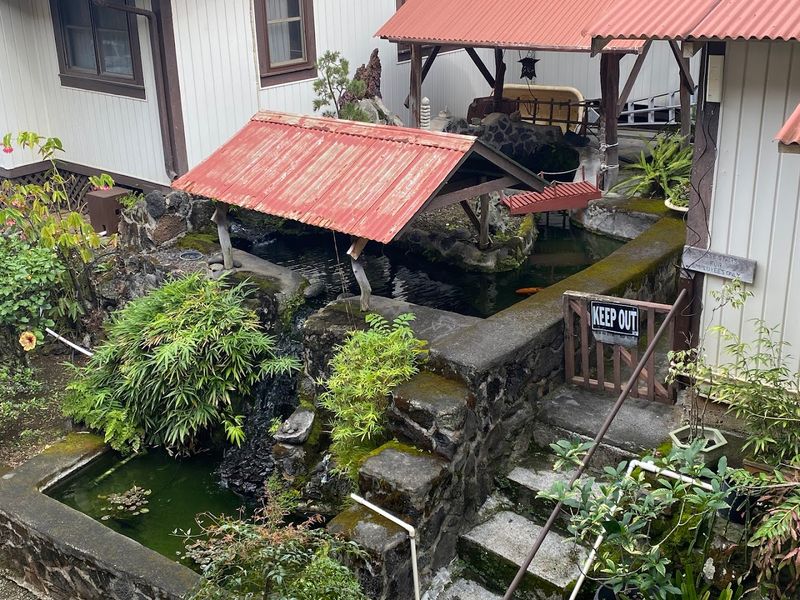
The garden and pond area behind the restaurant are still worth a slow walk after your meal. The antiques and historical pieces displayed near the building’s entrance give a tangible sense of how much time has passed and how much has stayed the same within these walls.
Hours That Reward the Planners and Surprise the Unprepared
One of the most practical things to know before making the drive to Captain Cook is that Manago Restaurant does not keep standard seven-day hours. The restaurant currently operates Wednesday through Saturday, which means showing up on a Monday or Tuesday will leave you standing in a parking lot with no pork chops and a lot of regret.
This limited schedule is not unusual for a small, family-run operation of this kind, and it has not stopped people from planning entire days around the restaurant’s availability. More than one visitor has mentioned adjusting their Big Island itinerary specifically to ensure they could eat here during an open window.
Checking current hours before you go is genuinely important. Hours can shift, and a restaurant this singular deserves a confirmed plan rather than a spontaneous gamble.
The drive from the Kona resort area takes time, and arriving during service hours makes every minute of it worthwhile.
Pricing That Belongs to a Different Era
Hawaii is not known for affordable restaurant meals. The cost of importing food to the islands, combined with high operating expenses, tends to push prices well above mainland averages.
Manago Restaurant operates in a noticeably different register, and the value relative to what arrives on your plate is one of the things that genuinely surprises first-time visitors.
The pork chops, which come in either a ten-ounce or one-pound portion, are priced in a range that feels almost out of place given the quality and quantity. The butterfish with miso sauce sits at a similarly reasonable price point.
Each entree includes sides, which means the full meal costs considerably less than comparable plates at resort-area restaurants along the Kohala Coast.
That pricing reflects the restaurant’s roots as a community establishment rather than a tourist destination. It was never built to extract maximum value from visitors.
It was built to feed people well, and that philosophy has not changed.
The Recipes That Were Passed Down and Will Continue Forward
When a restaurant operates for over a century under the same family, the recipes become something more than cooking instructions. They become a kind of institutional memory, encoding not just ingredients and techniques but the specific tastes and preferences of generations of diners who shaped what the kitchen kept making.
As the Manago Hotel transitioned ownership, the family agreed to share their iconic recipes with the new operators, including the pork chop preparation that has defined the restaurant’s reputation for decades. That decision ensures a degree of continuity that is genuinely rare in the restaurant world.
Passing down recipes in this context is an act of preservation. The flavors that a Big Island family developed over a century of cooking do not belong to a single generation.
They belong to the community that kept ordering them, kept returning for them, and kept telling other people that they had to try them at least once.
Why People Keep Coming Back Long After They Leave Hawaii
One person described dreaming about this restaurant for thirteen years after leaving Hawaii. That is not a casual compliment.
That is the kind of food memory that gets embedded somewhere deeper than preference, the kind that surfaces unexpectedly and makes you genuinely miss a place you visited only a handful of times.
What Manago Restaurant creates is not spectacle. There are no dramatic plating moments or chef-driven narratives.
The appeal is something quieter and more durable: the specific comfort of a meal that tastes like it was made for you by someone who has been doing this for a very long time and sees no reason to change.
Visitors who have eaten here once tend to plan their return trips around the restaurant’s schedule. That kind of gravitational pull is the truest measure of a great dining experience, and Manago has been generating it, quietly and consistently, since 1917.
Share this story