High in the Andes mountains of Peru, there is a place where ancient farming traditions are still very much alive, and where the humble potato gets the respect it has always deserved. This is not your typical museum with glass cases and velvet ropes.
This is a working landscape, a community-run sanctuary where over a thousand varieties of potatoes grow across terraced fields at altitudes that would leave most people breathless. The people who maintain this place hike over mountain passes to get there, carry knowledge passed down through generations, and grow crops that helped feed civilizations long before the modern world discovered the spud.
By the time you finish reading this article, you will understand why this extraordinary place in the Peruvian highlands deserves far more attention than it gets on the international travel map.
A Living Museum Unlike Any Other
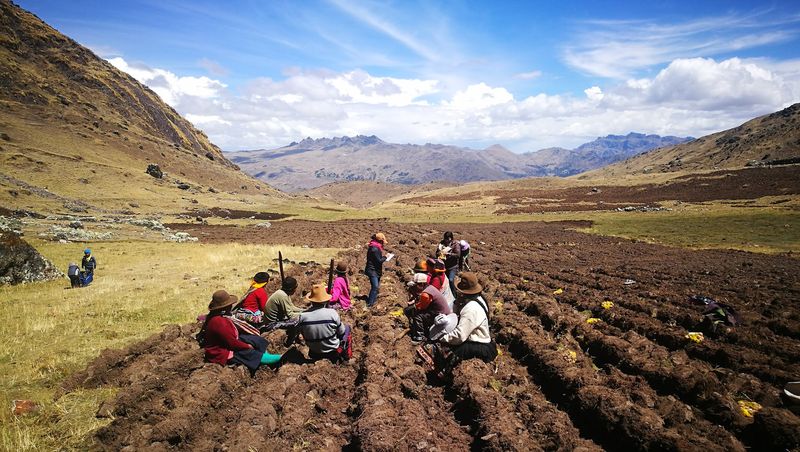
Most museums ask you not to touch anything. This one practically begs you to get your hands in the soil.
Potato Park, known locally as Parque de la Papa, sits at H5X7+P5R in Písac 08105, Peru, high in the Sacred Valley of the Incas in the Cusco region. The elevation here hovers between 3,800 and 4,900 meters above sea level, which means the air is thin and the views are staggering.
This is not a theme park or a tourist attraction built around a gimmick. It is a genuine, functioning agricultural ecosystem managed by six Quechua communities who have farmed these slopes for centuries.
The park was formally established in 2001 in partnership with the International Potato Center, and its mission is as serious as farming gets: to preserve the genetic diversity of native Andean potatoes before that diversity disappears forever.
The Staggering Number of Potato Varieties
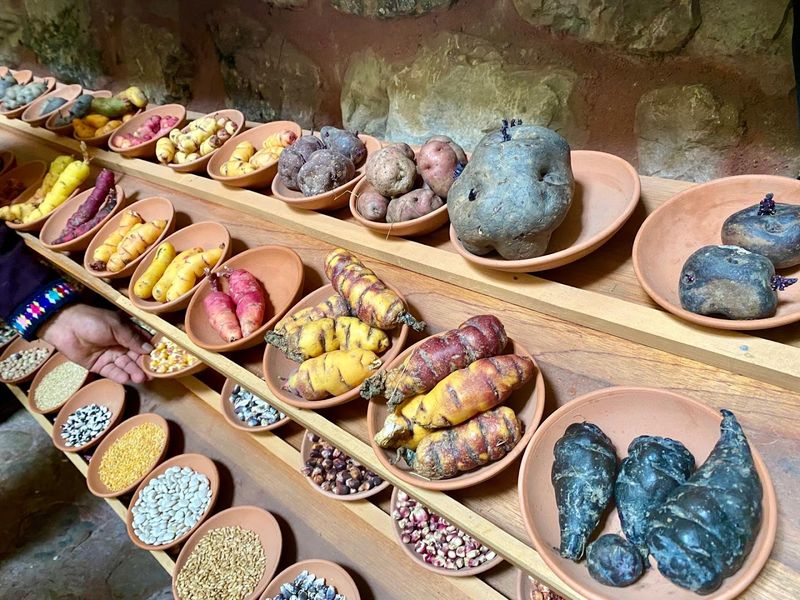
Before visiting this place, I genuinely thought a potato was a potato. That belief was completely dismantled within the first ten minutes of the tour.
Peru is the birthplace of the potato, and the country is home to over 3,000 known varieties. At Parque de la Papa, the community is currently cultivating around 1,367 distinct types of potatoes on their terraced fields.
Each variety has its own flavor profile, texture, color, and ideal growing altitude.
Some are deep purple, others are bright yellow, and a few look almost spotted, like something from a botanical illustration. Over 700 seed samples from this park are stored in the Svalbard Global Seed Vault in Norway, which tells you everything about how scientifically important this collection truly is.
Tasting several varieties in one sitting is an experience that quietly rewires how you think about food and biodiversity together.
The Ancient Freeze-Drying Technique That Predates Modern Food Science
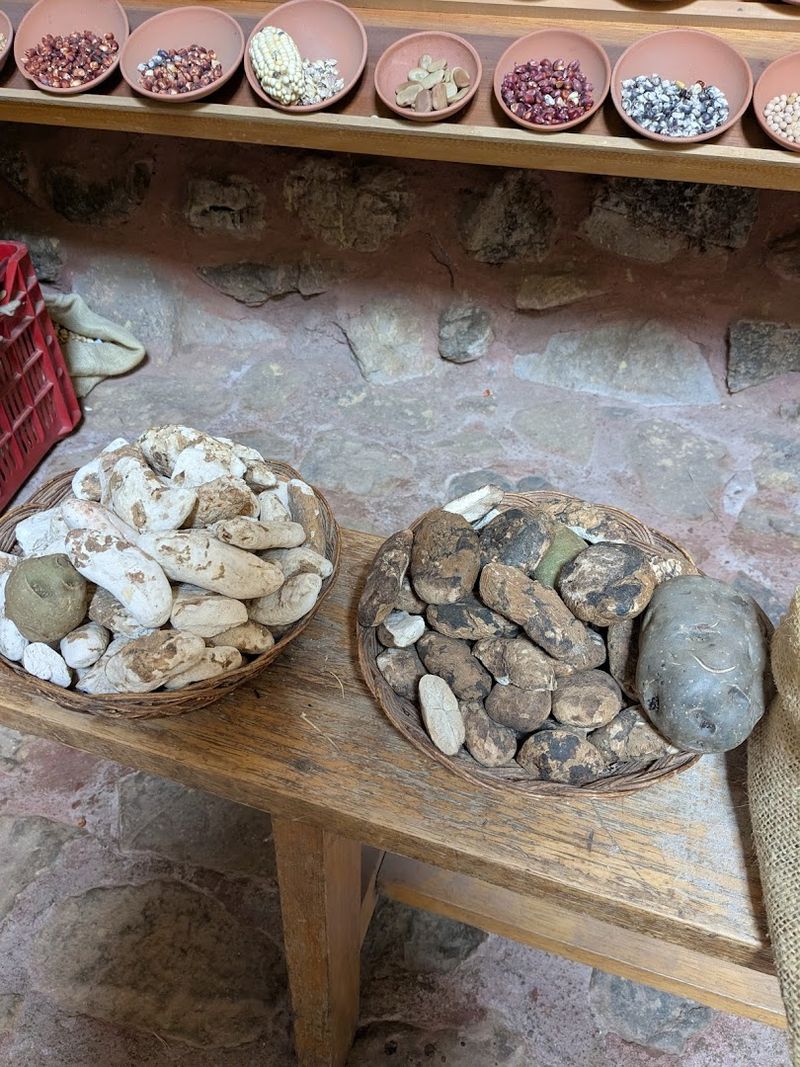
Long before refrigerators or vacuum-sealed packaging existed, Andean communities had already solved the food preservation problem in a remarkably clever way. The technique is called chuño, and it involves exposing potatoes to the extreme overnight frost of high-altitude nights, then allowing them to thaw under the daytime sun, and finally pressing out the remaining moisture by hand.
The result is a lightweight, shelf-stable food that can last for years without refrigeration. At Parque de la Papa, visitors get to learn about and taste chuño as part of the experience, which is genuinely one of those moments where ancient knowledge feels completely modern in its logic.
The texture is dense and earthy, and the flavor is concentrated in a way that fresh potatoes simply cannot replicate. Knowing that this method sustained entire Andean civilizations for thousands of years makes every bite feel like a small history lesson.
The Quechua Communities Who Keep This Place Alive
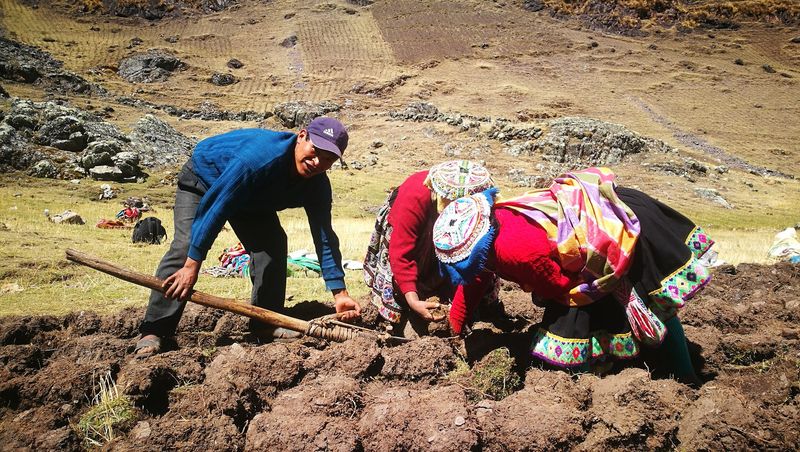
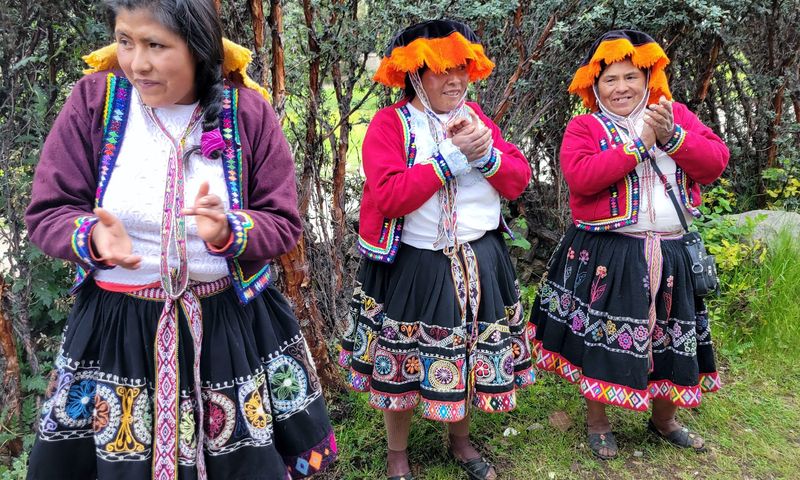
What makes Parque de la Papa genuinely different from any agricultural attraction I have ever visited is the people running it. Six indigenous Quechua communities collectively manage the park, and they do so on their own terms, following traditional governance systems and agricultural calendars that align with the Andean cosmological worldview.
The women who prepare the food and demonstrate the textile process often hike one to one and a half hours over mountain paths to reach the park and support visitor experiences. That detail alone stopped me in my tracks when I first heard it.
These are not performers hired to add cultural color to a tour. They are the actual knowledge holders of this landscape, and the park exists specifically to ensure that their expertise and their communities’ livelihoods are protected.
Booking directly through the park’s official website ensures that the money you spend goes straight to these communities rather than to outside tour operators.
Textiles, Natural Dyes, and the Full Wool Process
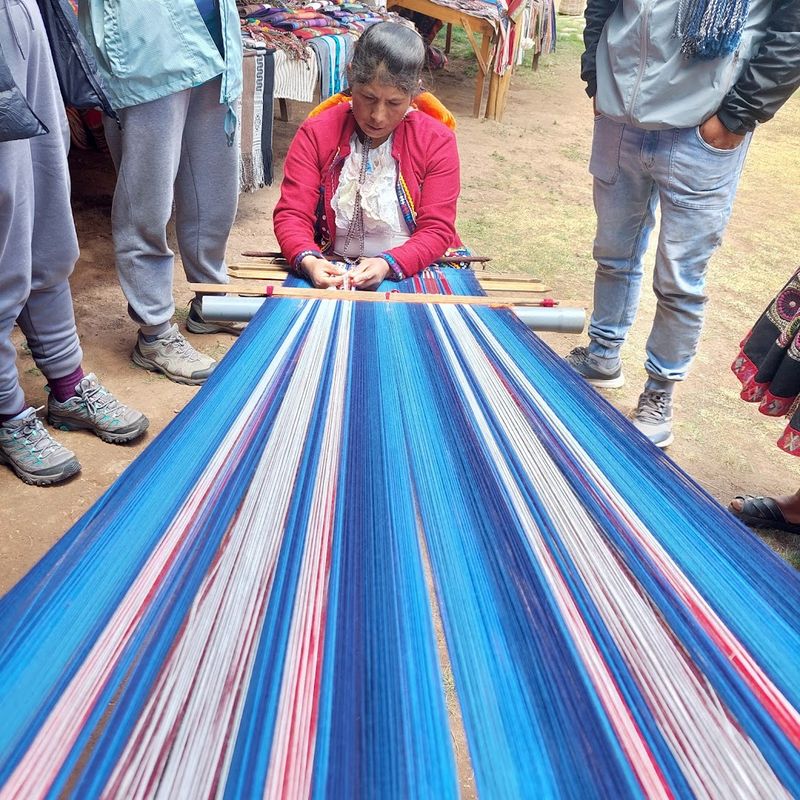
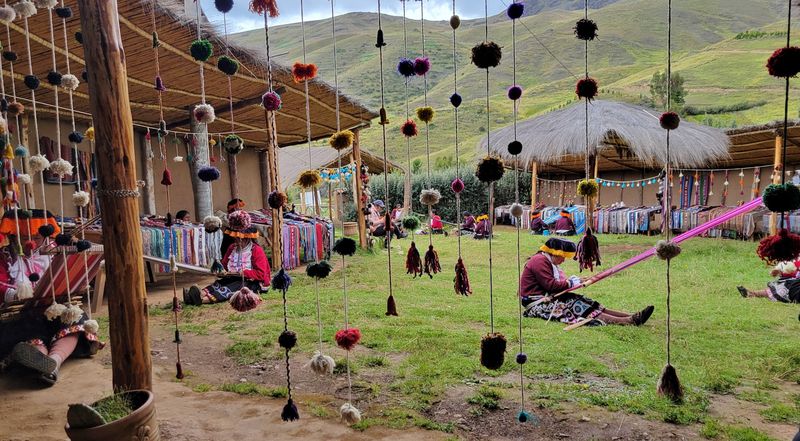
Potatoes are the headline act here, but the textile demonstrations running alongside the agricultural tours are quietly extraordinary in their own right. Community members walk visitors through the entire process of working with alpaca wool, from raw fiber through to finished fabric, using only natural pigments sourced from local plants, minerals, and even insects.
The range of colors they achieve without synthetic dyes is genuinely surprising. Deep reds come from cochineal, earthy yellows from certain flowering plants, and rich blacks from iron-rich rocks found in the surrounding landscape.
Watching a piece of raw alpaca fleece transform into a vividly colored textile through entirely traditional methods is the kind of slow, deliberate craft that the modern world rarely slows down enough to appreciate. The finished goods available for purchase are high quality, fairly priced, and carry a story that no factory-made souvenir can ever match.
The Landscape Itself Is Worth the Journey
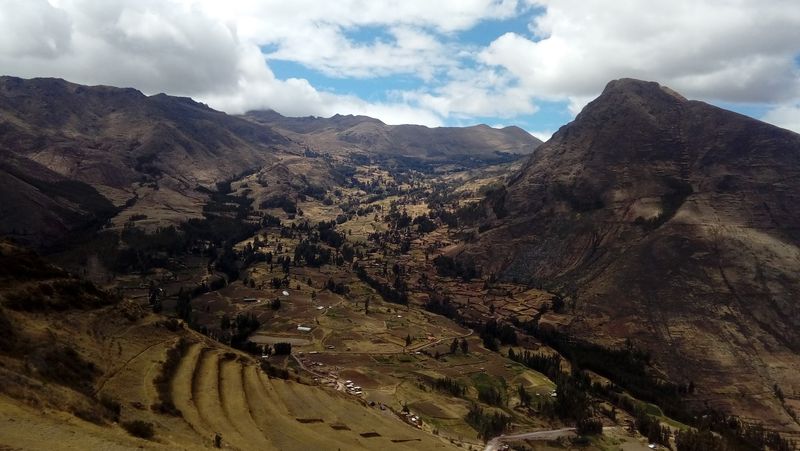
Getting to Parque de la Papa requires some effort, and that effort is absolutely part of the experience. The park sits in the highlands above the Sacred Valley, accessible via a paved road that winds up from the valley floor through increasingly dramatic terrain.
At this altitude, the air carries a quality that is hard to describe without sounding like a travel brochure, so I will just say this: the silence up here is the kind that makes you realize how rarely you actually experience quiet. The terraced slopes, carved by Andean farmers over centuries, ripple across the mountainsides in patterns that look almost geometric from a distance.
On a clear day, the views extend across ridgelines that seem to go on indefinitely. The landscape is the museum’s outer gallery, and it does not disappoint regardless of which direction you face while standing in the middle of those fields.
Lago Kinsacocha and the Natural Features Nearby
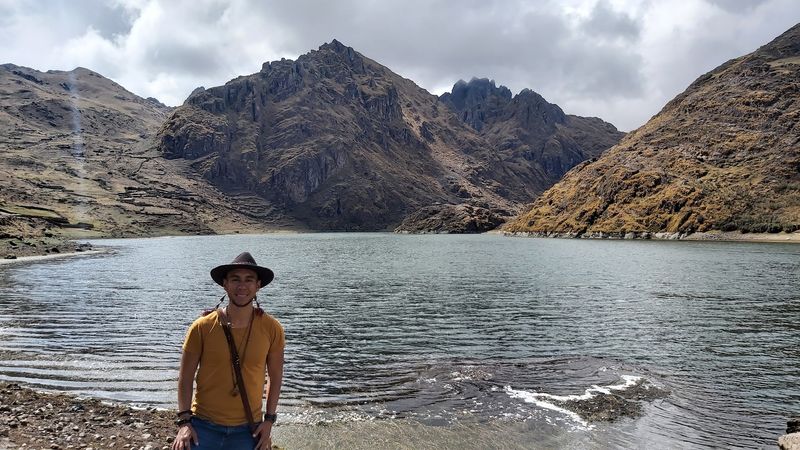
The park’s immediate surroundings hold more than just potato fields. One of the notable natural features in the area is Laguna Kinsacocha, a high-altitude lake that sits within the broader landscape of the park’s territory.
The name Kinsacocha comes from Quechua and roughly translates to “three lakes,” which hints at the cluster of water bodies found in this part of the highlands. The lake sits at a striking elevation, and reaching it involves walking through terrain that shifts between cultivated terraces and open puna grassland, the high-altitude ecosystem that covers much of the Peruvian Andes above the agricultural zone.
The puna is home to native wildlife including Andean birds and the occasional viscacha, a rabbit-like rodent that seems entirely unbothered by altitude or visitors. Combining a visit to the potato fields with a walk toward Kinsacocha turns a half-day trip into a genuinely full and rewarding day outdoors.
How to Book and Why Direct Is Better
One of the most useful things I can share about Parque de la Papa is that how you book your visit matters enormously. Tour companies that stop by the park as part of a broader Sacred Valley circuit do not give you the same experience as booking directly through the park’s own channels at parquedelapapa.org.
A direct booking means your money flows to the Quechua communities who run the park, rather than being filtered through a third-party operator. It also means you get a more complete experience, including the full agricultural and textile demonstrations, a traditional meal, and genuine interaction with community members rather than a rushed group stop.
The booking process can take a little patience, as communication sometimes requires follow-up, but every person who has gone through the direct booking process consistently reports a richer, more meaningful visit. A small tip at the end of the tour is genuinely appreciated and goes a long way.
The Traditional Meal That Closes the Experience
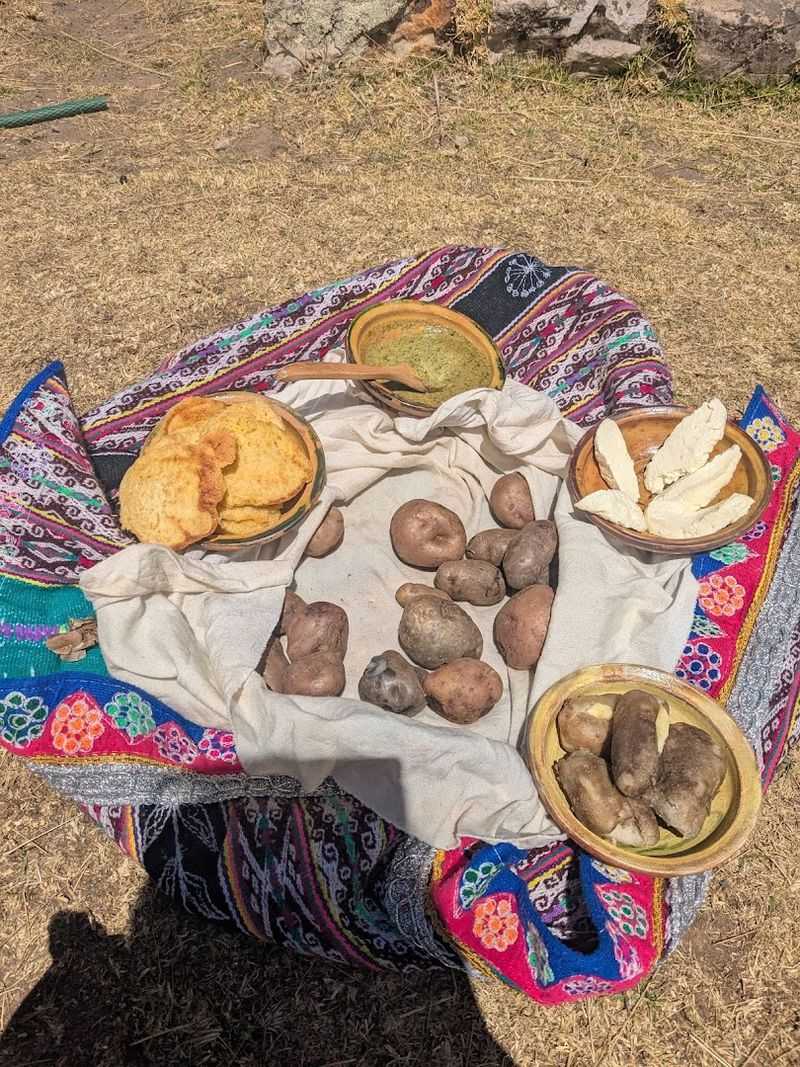
At the end of a visit to Parque de la Papa, the community prepares a traditional lunch that is, predictably and wonderfully, centered almost entirely around potatoes. This is not a consolation prize for a meal.
It is the point.
Eating six or eight different potato preparations in a single sitting, each cooked in a distinct way using different varieties, is a genuine revelation for anyone who assumed the potato was a supporting character in cuisine rather than the main event. Some are boiled, some roasted in the earth, and some served in rich Andean sauces made from local ingredients.
The meal is served in a traditional setting, often outdoors or in a simple community structure, with the mountain landscape framing the whole scene. It is the kind of lunch that makes you want to rethink every meal you have eaten before it, one bite at a time.
The Scientific Importance of This Place
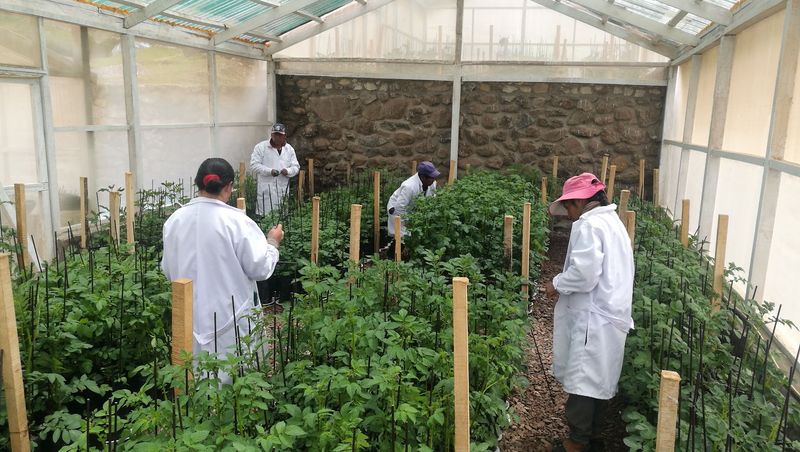
Beyond the cultural experience, Parque de la Papa carries serious scientific weight that the global agricultural community pays close attention to. The park functions as a living gene bank, maintaining potato varieties that exist nowhere else on Earth in their cultivated form.
The International Potato Center, which partnered with the local communities to establish the park formally in 2001, recognizes this collection as one of the most important repositories of Andean crop diversity in existence. With climate change threatening traditional growing conditions across the Andes, the genetic diversity preserved here becomes increasingly valuable as researchers look for varieties that can adapt to shifting temperatures and rainfall patterns.
Over 700 seed samples from the park are held in the Svalbard Global Seed Vault in Norway as a backup. The fact that a small mountain community in Peru is contributing to global food security research is a story that deserves far more coverage than it currently receives.
Best Time to Visit and What to Expect
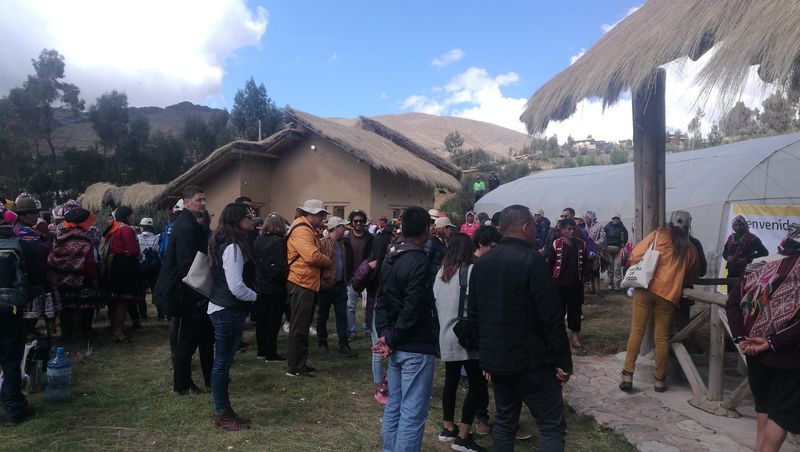
The park is technically open around the clock every day of the week, but visiting during daylight hours and during the dry season gives you the best possible experience. The dry season in the Peruvian highlands generally runs from May through October, with June being one of the most celebrated months in Andean communities due to traditional festivals tied to the agricultural calendar.
May 30th in particular is noted as a significant celebration date at the park, so timing a visit around that period can add an extra layer of cultural richness to the trip.
The altitude will affect most visitors to some degree, so spending a day or two in Cusco or the Sacred Valley before heading up to the park helps your body adjust gradually. Comfortable walking shoes, sun protection, and a layer for the cool mountain air are all essential, regardless of the season.
Why This Place Deserves a Permanent Spot on Your Peru Itinerary
The Sacred Valley is full of extraordinary things to see, from the ruins of Ollantaytambo to the markets of Písac town. Most visitors pack their itineraries with those well-known stops and never make it up to the park.
That is a real shame, and I say that as someone who almost made the same mistake.
Parque de la Papa offers something that very few places in Peru, or anywhere in the world, can genuinely claim: a living, breathing connection between ancient agricultural knowledge and present-day community life, maintained by the people who have always called this landscape home.
There are no staged performances here, no reconstructed villages built for tourist consumption. The terraces are real, the potatoes are real, the people are real, and the knowledge being shared is the kind that took thousands of years to accumulate.
Going there feels less like tourism and more like a genuine privilege.
Share this story