Charleston, South Carolina is already famous for its food, but every once in a while, a restaurant comes along that makes even longtime locals stop and say, “Wait, have you been there yet?” A small French bistro tucked into a quiet downtown street has been doing exactly that since it opened, pulling in food lovers who walk away talking about it for weeks. The menu is tight and intentional, the space fits only a handful of tables, and the kitchen runs like a well-rehearsed performance you get to watch live.
From a showstopping Beef Wellington that takes nearly an hour to prepare to focaccia that arrives warm with hot honey, every dish here feels like it was made with something to prove. Keep reading, because this place is absolutely worth knowing about.
Where Merci Is and How to Find It
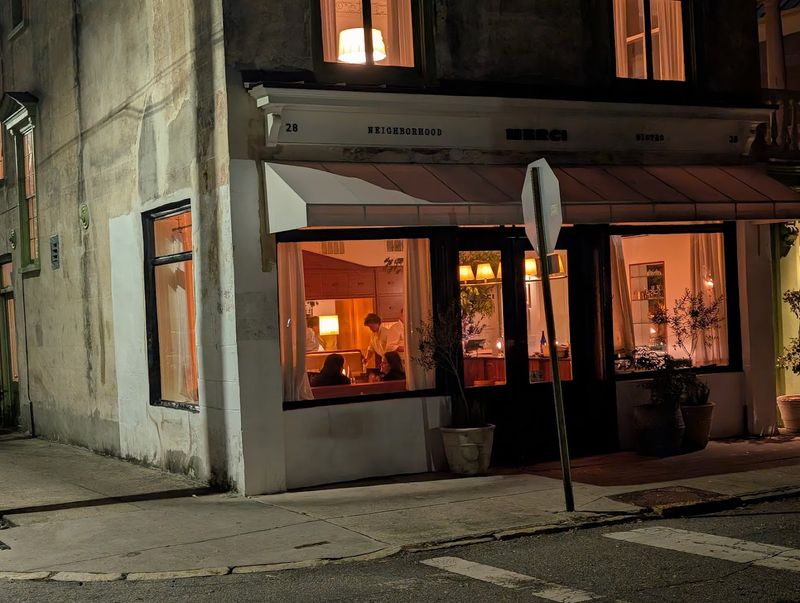
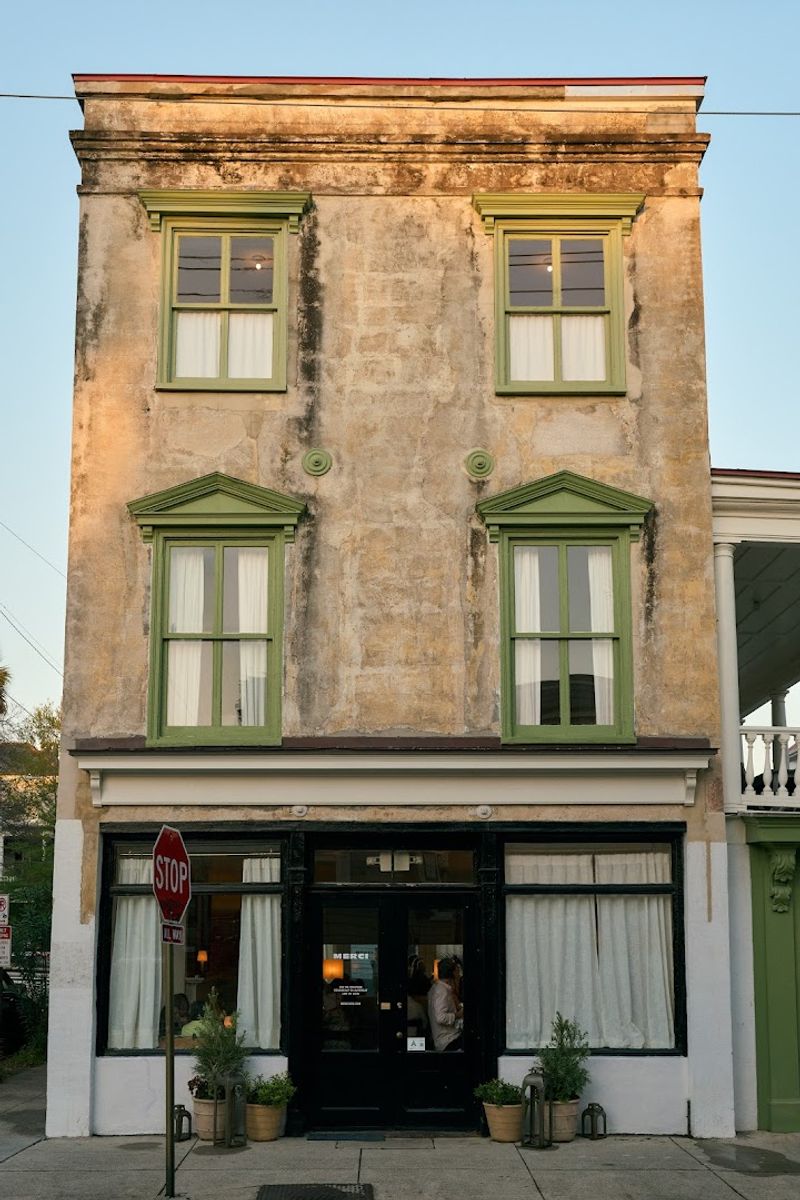
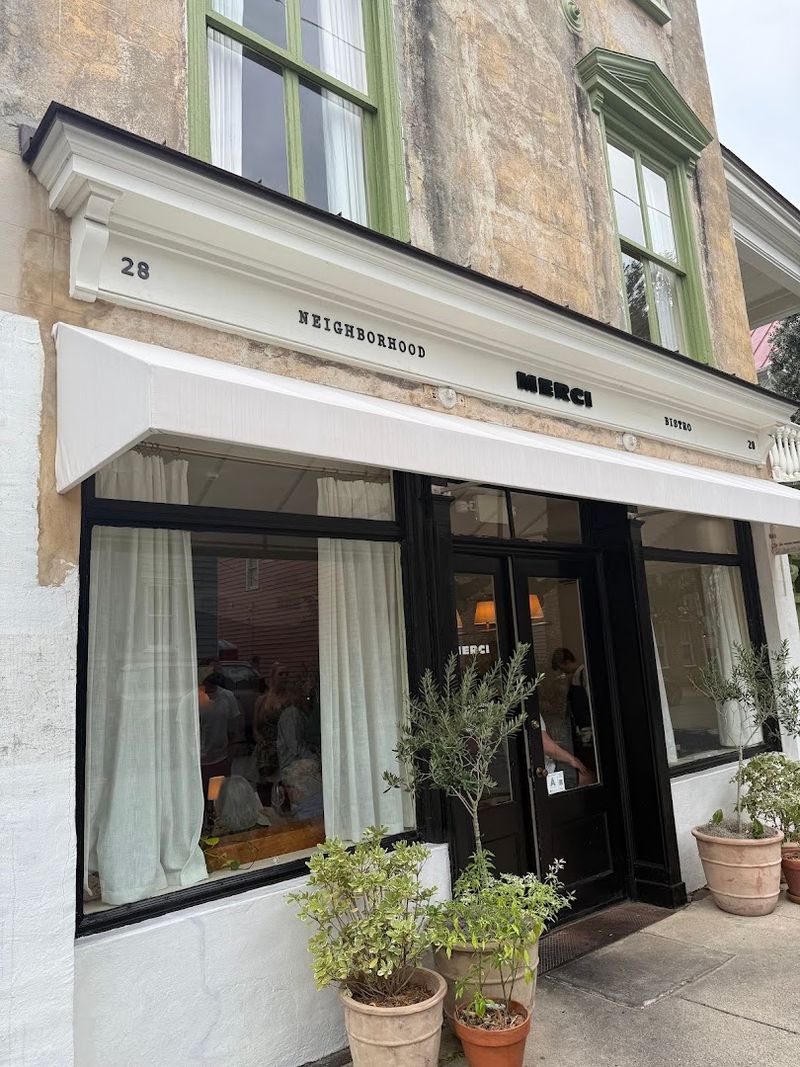
A short walk from the College of Charleston campus, Merci sits at 28 Pitt Street, Charleston, SC 29401, in what was once a classic Charlestonian residential home. The building has been thoughtfully converted into a dining space that still feels like someone’s beautifully decorated living room rather than a formal restaurant.
The neighborhood is quiet and residential, which makes finding it feel almost like discovering a secret. There is no flashy signage competing for your attention, just a warm glow from the windows and the faint sound of a kitchen working at full focus.
Merci operates Wednesday through Saturday from 4 to 10 PM and is closed Sunday through Tuesday, so planning ahead is essential. Reservations go through Resy and fill up fast, often days or even weeks in advance, so booking early is strongly recommended if you want a seat.
The Story Behind This Tiny French Bistro
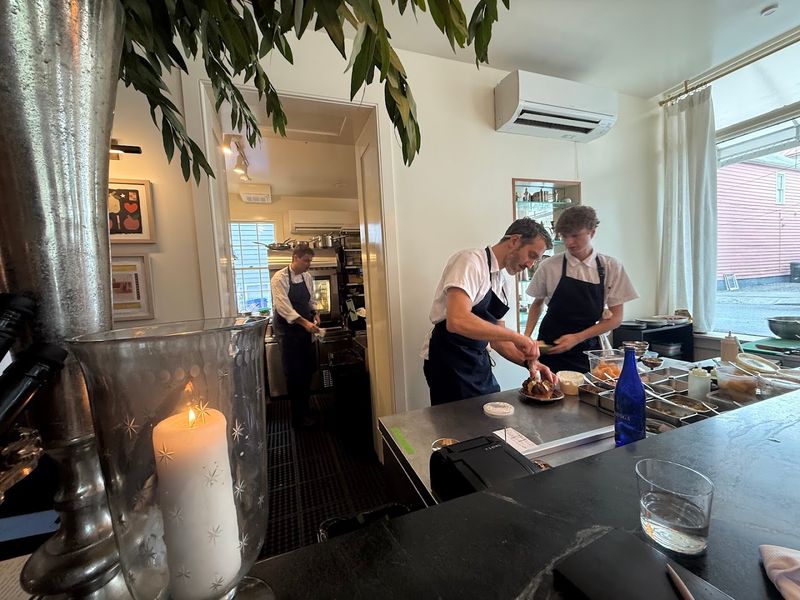
Merci did not arrive quietly. From its earliest days, the restaurant earned a reputation for being exactly what Charleston’s dining scene had been quietly craving: a serious French kitchen with a Southern soul and absolutely zero pretense about it.
The concept centers on French technique applied to local, seasonal ingredients, which means the menu shifts and evolves rather than staying fixed. Chef Alex, who co-founded the restaurant, is often visible at the pass, adding final touches to each dish before it leaves the kitchen.
The restaurant has already received James Beard recognition, which is one of the most respected honors in American dining. For a spot this young and this small, that kind of attention speaks loudly about the level of craft happening inside.
The open kitchen layout means you can watch the whole process unfold, which only makes the food taste more impressive when it finally arrives at your table.
The Atmosphere Inside the Restaurant
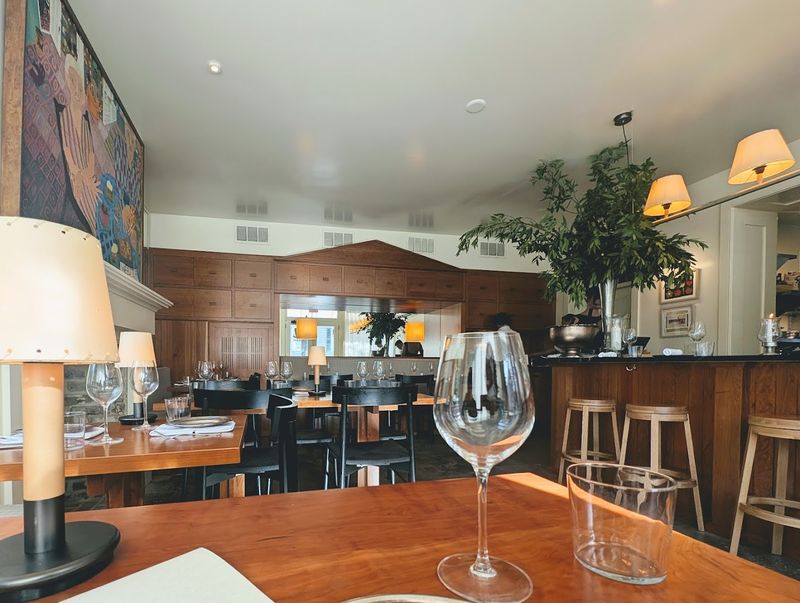
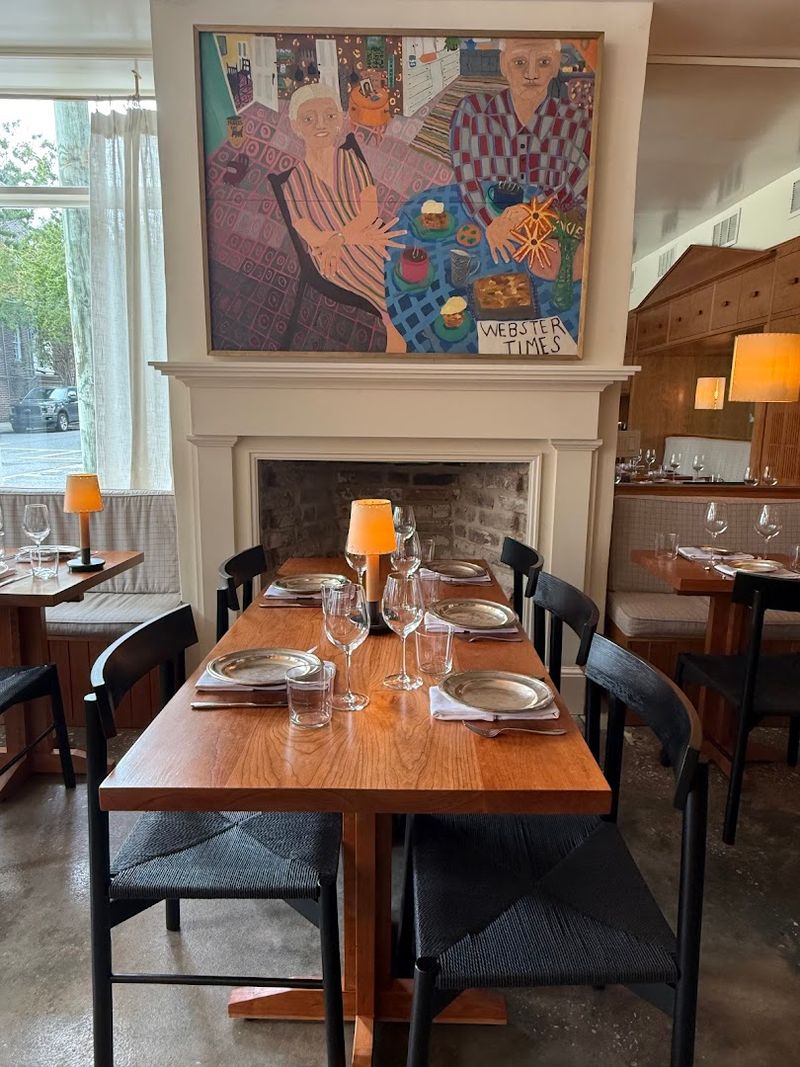
Seven or eight tables. That is the entire dining room.
Merci is genuinely small, and that is not a complaint but a feature, because the intimacy it creates is something most restaurants three times its size cannot manufacture no matter how hard they try.
The space feels lively and cozy at the same time, which sounds contradictory until you experience it firsthand. Conversation hums, plates clatter softly in the open kitchen, and the energy stays warm without tipping into chaos.
Seating at the chef’s table, which offers a direct view of the kitchen counter, is particularly entertaining. Watching the team plate each dish with precision, layering textures and sauces with obvious care, is its own kind of show.
The room is not large enough for anyone to feel far from the action, and honestly, that closeness is a big part of what makes a meal here feel like an event rather than just dinner.
The Legendary Beef Wellington
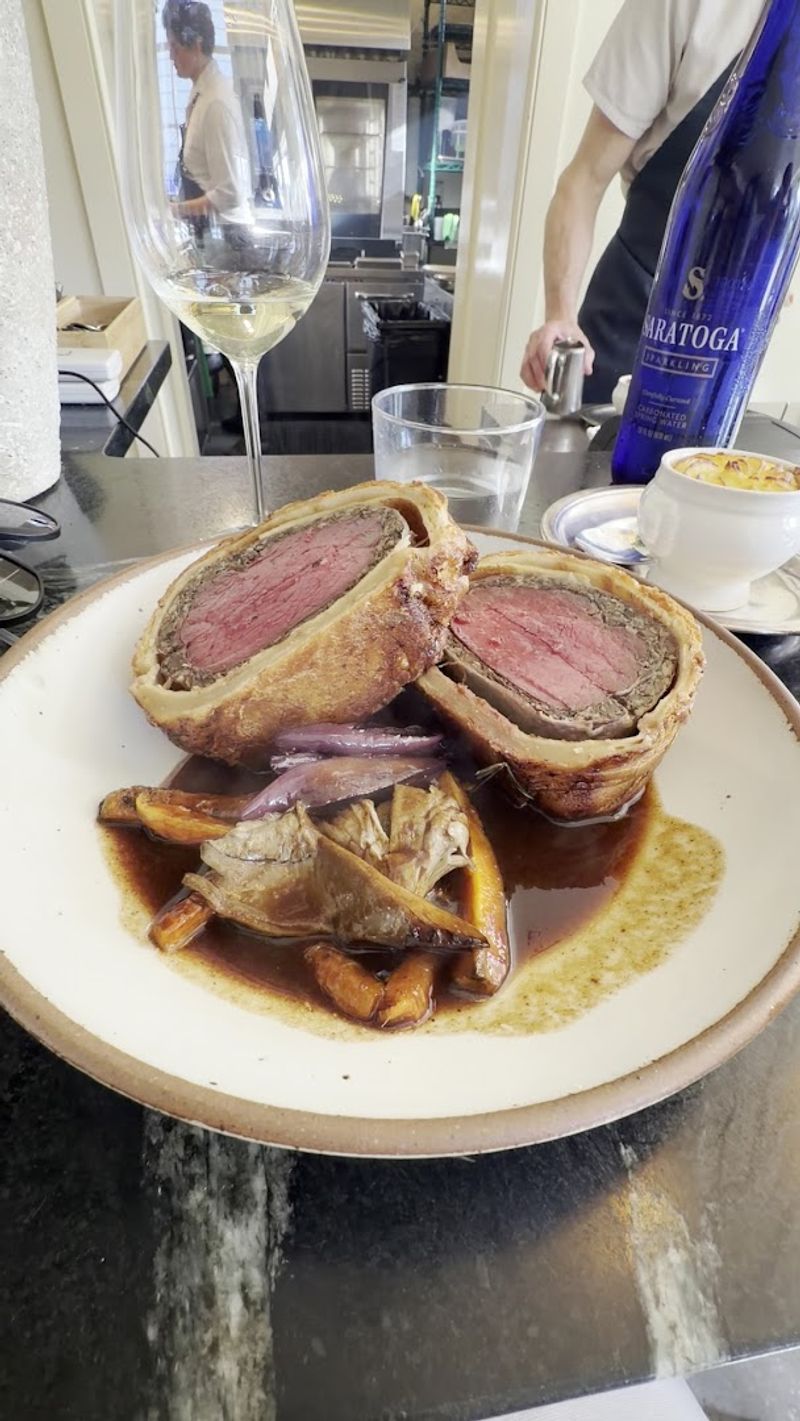
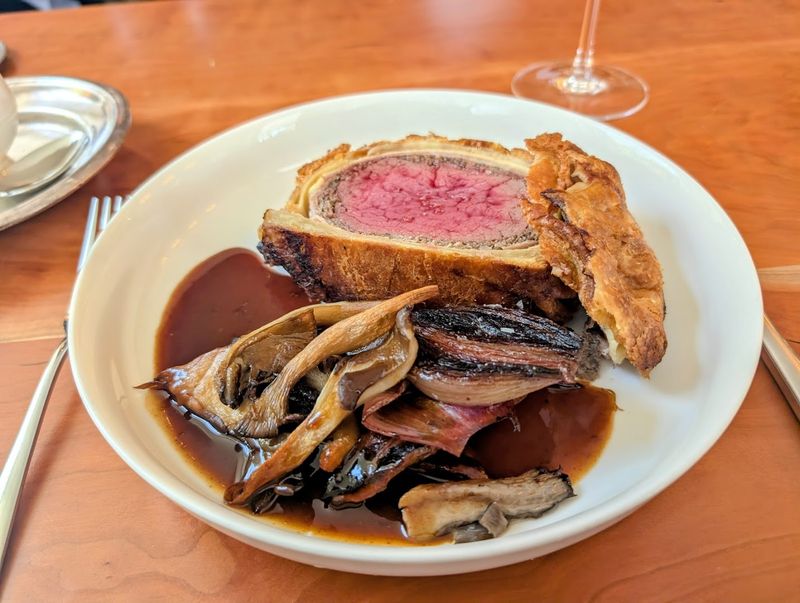
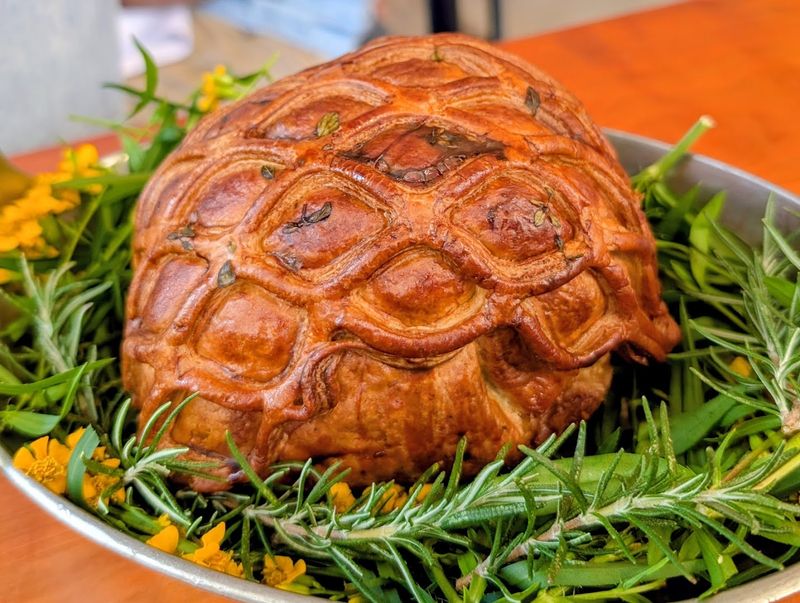
Order it as soon as you sit down. That is the most practical advice anyone can give you about the Beef Wellington at Merci, because it takes approximately 50 minutes to prepare and the kitchen appreciates the heads-up the moment you arrive.
The Wellington is listed for two guests but can be shared among four if you are ordering additional small plates alongside it. The pastry shell is golden and crisp, the beef inside is cooked to a precise pink, and the sauce poivrade that accompanies it is rich, peppery, and deeply satisfying.
Multiple guests who have eaten Beef Wellington at well-known restaurants across the United Kingdom and beyond have described Merci’s version as the best they have ever had. That is a bold claim, but based on the consistency of those reactions, it seems less like enthusiasm and more like an honest assessment of something genuinely exceptional on the plate.
Small Plates That Steal the Show
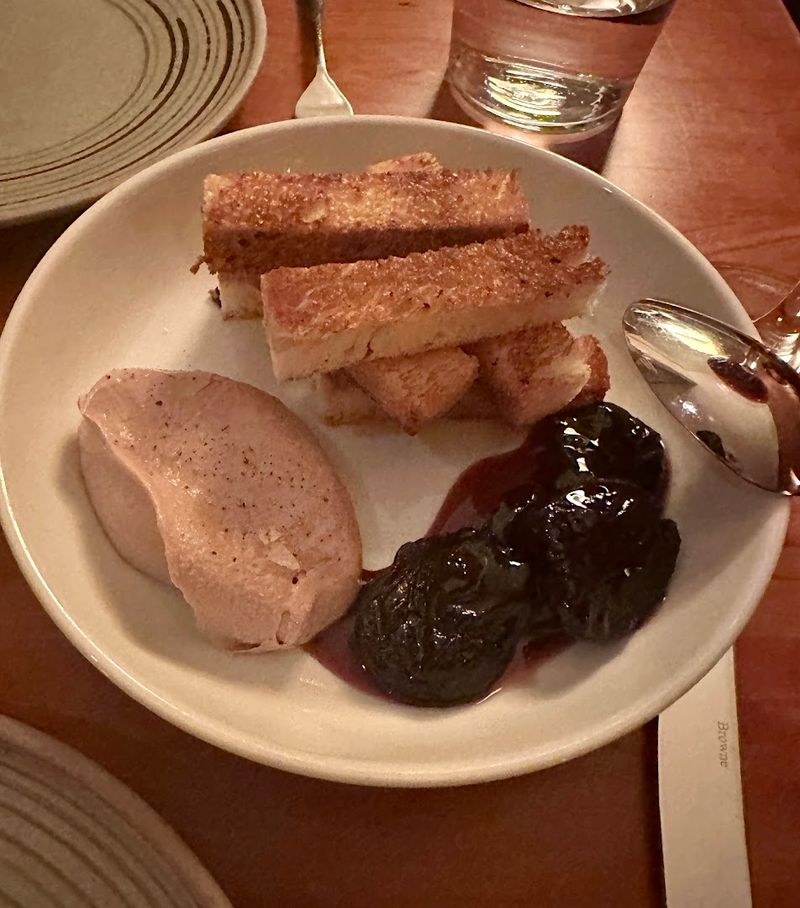
The small plates at Merci are not afterthoughts designed to keep you busy while the main course cooks. Each one is a complete, considered dish that could easily anchor a meal on its own if the Wellington were not so compelling.
The focaccia arrives soft on the inside with a satisfying crust, served alongside hot honey that adds a sweet, slightly spicy contrast. Foie gras comes on perfectly toasted bread points with prunes, the sweetness of the fruit balancing the richness of the liver in a way that feels effortless.
The asparagus dish layers crab meat, trout roe, and beurre blanc over tender stalks, creating a combination of textures in every single bite: the spring of the vegetable, the chew of the crab, and the pop of the roe all together. A cabbage Caesar salad has also become something of a quiet legend among regulars who return specifically to order it again.
Desserts Worth Saving Room For
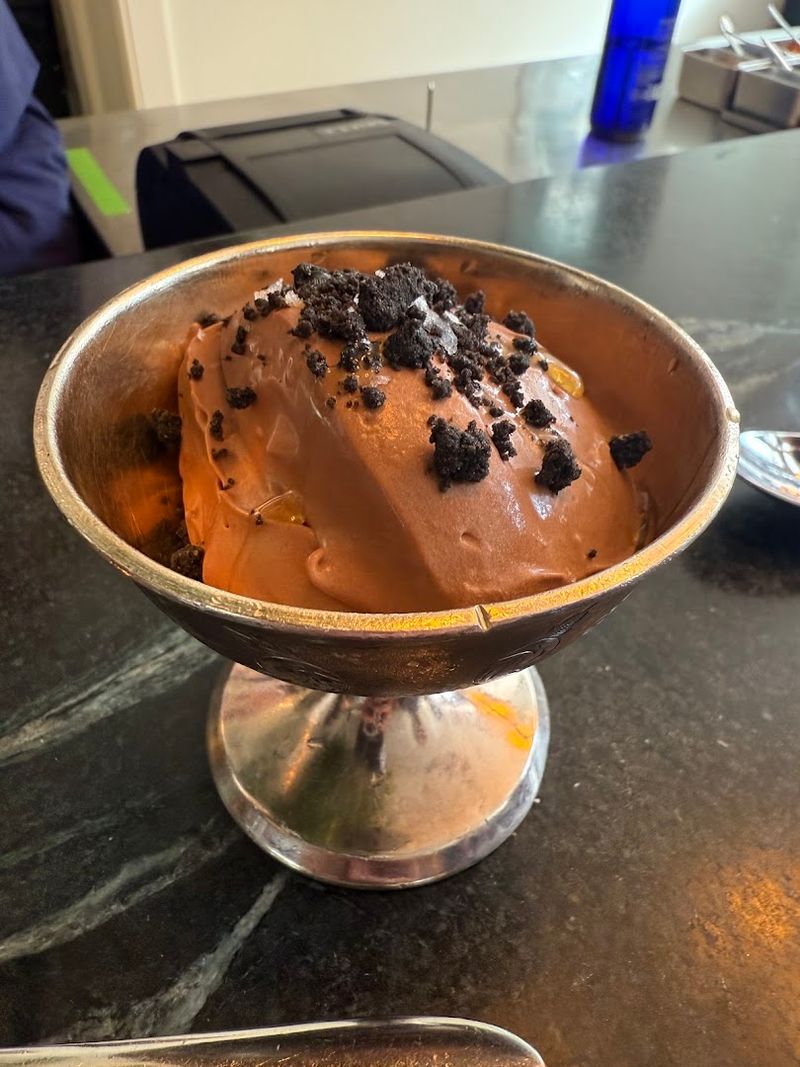
By the time dessert arrives, most tables at Merci have already decided they are coming back. The chocolate mousse, made with premium-quality chocolate and finished with crunchy black cocoa crumbles at the base, is the kind of dessert that feels light enough to finish even after a full Wellington but rich enough to be genuinely memorable.
The banana pudding-flavored ice cream sundae surprises guests who would not normally choose that flavor, consistently winning over skeptics with its balance of sweet and creamy. An apple and pear trifle rounds out the dessert options with a more delicate, fruit-forward finish.
The dessert menu, like everything else at Merci, stays concise rather than overwhelming. There are no filler options designed to pad out the choices, just a small selection of dishes that each feel as carefully constructed as the courses that came before them.
Save room. It is worth it.
French Technique Meets Southern Ingredients
What sets Merci apart from a straightforward French restaurant is the way it quietly weaves Southern influences into its cooking without making a big announcement about it. The approach feels organic rather than forced, like two culinary traditions that genuinely belong together.
Dishes like chicken served with greens nod clearly to the Lowcountry pantry while staying grounded in French technique. The duck ballotine, a classic French preparation, shows up alongside creative vegetable preparations that reflect what is fresh and local at any given time of year.
The kitchen uses local ingredients and transforms them through French methods into something that feels both familiar and new. Heirloom tomatoes, fresh crab, and seasonal produce show up across the menu depending on what is available.
That commitment to sourcing well means the menu shifts regularly, which gives returning guests a reason to keep exploring rather than ordering the same thing every visit.
The Tasting Menu Experience
For special occasions, Merci has offered plated tasting menu experiences, including a Valentine’s weekend dinner that drew comparisons to Michelin-starred restaurants from guests who visit that level of dining regularly. The feedback from those events has been remarkably consistent: the flavors are beautiful, the plating is precise, and nothing feels overdone.
The tasting format suits the kitchen’s strengths particularly well, allowing the chef to guide the meal through a sequence of courses that build on each other in texture and flavor. It rewards guests who approach the meal with curiosity and a willingness to trust the kitchen’s choices.
Even outside of special tasting events, ordering broadly from the regular menu creates a similar effect. Most tables end up sampling nearly everything available, which is easy to do given the concise menu.
The result feels less like ordering from a list and more like being guided through a meal by someone who genuinely knows what they are doing.
Getting a Reservation at Merci
Securing a table at Merci requires some planning. Reservations are handled through the Resy platform, and availability can disappear within hours of opening up, particularly on weekend evenings.
Checking Resy regularly and booking as soon as a slot appears is the most reliable strategy.
The restaurant has also been responsive to direct outreach via email for guests who cannot find availability through the app. At least one co-founder has been known to respond personally, offering chef’s table seats or alternative time slots when possible.
That level of responsiveness from ownership says something meaningful about how the restaurant is run.
Walk-ins are not a realistic option given the limited seating. With only seven or eight tables in the entire dining room, every seat counts, and the restaurant fills completely on operating nights.
If you are visiting Charleston and want to eat here, treat securing a reservation as the first item on your planning list, not an afterthought.
What to Expect Regarding Price and Portions
Merci sits firmly at the upper end of Charleston’s dining spectrum, and the pricing reflects that. A full evening with small plates and the Beef Wellington runs roughly $100 to $150 per person, sometimes more depending on how broadly you order from the menu.
The portions are intentionally sized for sharing rather than individual consumption, which means the experience works best when the table orders several items together. A group of four sharing the Wellington alongside three or four small plates will leave satisfied without feeling like the meal was excessive.
Understanding this before you arrive helps set the right expectations. Merci is not a casual drop-in dinner spot, and the price point reflects the quality of ingredients, the complexity of preparation, and the level of service you receive throughout the meal.
Guests who go in knowing what they are signing up for almost universally leave feeling the value was entirely justified by what arrived on their plates.
Special Occasions and Why Merci Works for Them

Birthdays, anniversaries, and milestone celebrations have become a natural fit for Merci, and the restaurant has earned a reputation as the kind of place people choose when they want a meal to feel genuinely special rather than just expensive.
The intimate scale of the dining room amplifies that feeling. With so few tables, the experience never feels like you are one of dozens of parties cycling through a busy service.
The kitchen’s attention to each dish, the attentiveness of the service team, and the overall energy of the room all combine to create an evening that feels curated specifically for the people at your table.
Multiple guests celebrating anniversaries and birthdays have described it as one of the best dining experiences of their lives, including those who regularly eat at Michelin-starred restaurants in other cities. That is the kind of benchmark that is hard to set and even harder to consistently meet, yet Merci appears to be doing exactly that.
Why Merci Has Charleston Talking
A restaurant this small generating this level of conversation in a city already packed with excellent food is not an accident. Merci has built its reputation dish by dish, table by table, with a consistency that is genuinely difficult to maintain at this level of cooking.
The James Beard recognition it has already received puts it in company with some of the most respected restaurants in the country. Some guests have gone further, suggesting it deserves a Michelin star, a designation that would require the guide to formally enter the Charleston market to award.
What keeps people talking is not just the food, though the food absolutely earns its praise. It is the combination of a kitchen that clearly cares, a space that makes every guest feel like a priority, and a menu that rewards curiosity.
Charleston has always had a strong dining culture, and Merci has quietly become one of its most compelling arguments for why that culture keeps getting better.
Share this story