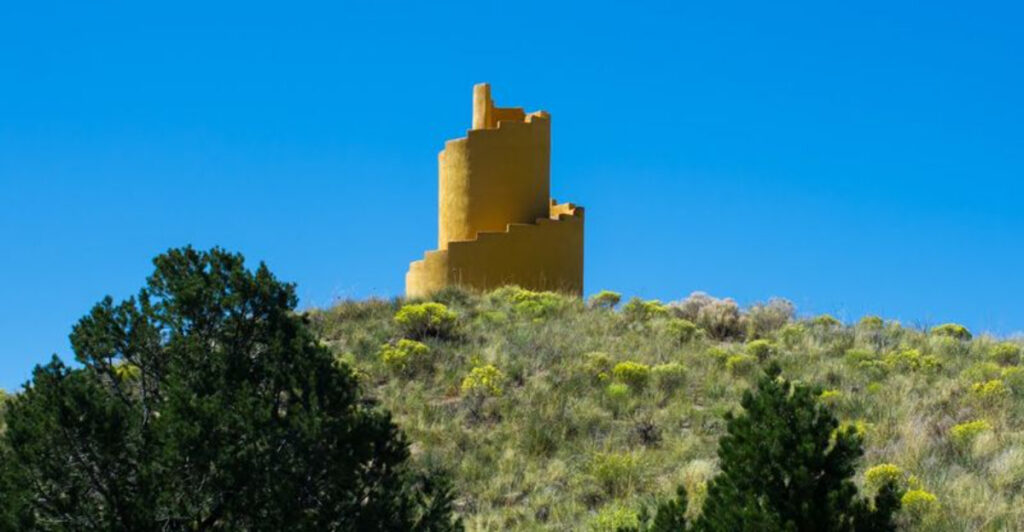
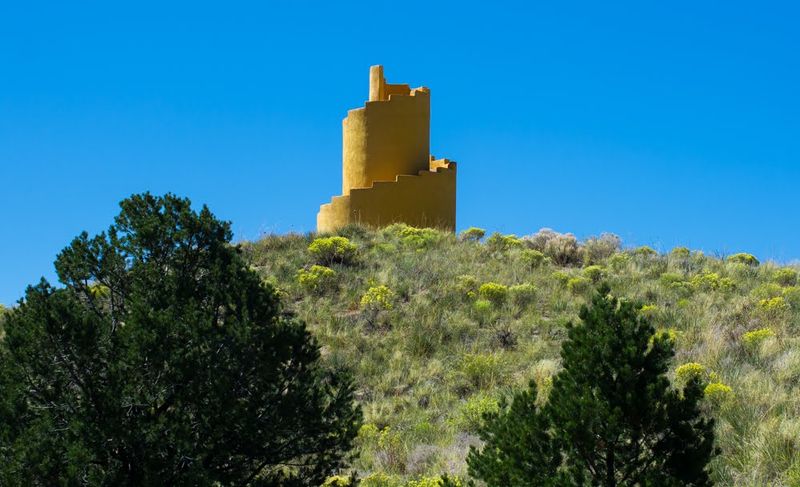
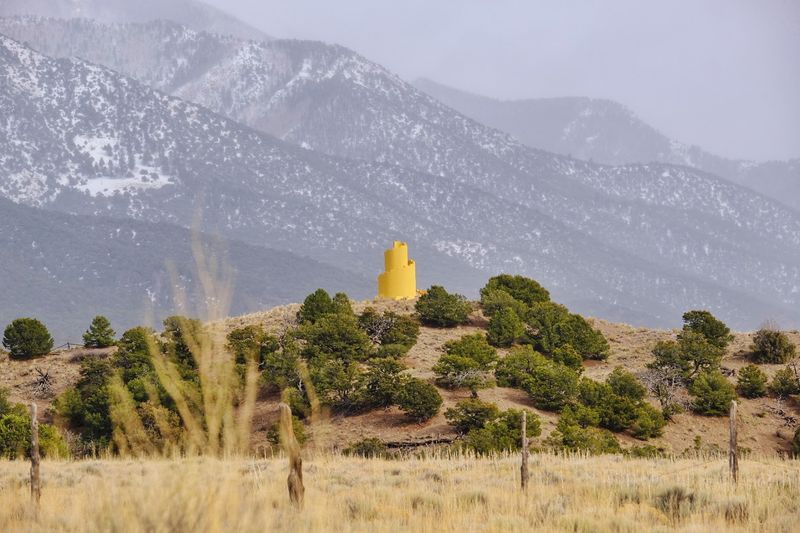
There is a strange tower rising out of the high desert floor of southern Colorado, and most people driving through the San Luis Valley have absolutely no idea it exists. It sits on a sandy hill, wrapped in a spiral ramp, overlooking one of the most dramatic mountain panoramas in the entire state.
The Great Sand Dunes are visible in the distance, the Sangre de Cristo range frames the eastern horizon, and the silence up there is the kind that actually makes you stop and breathe. This is not the kind of place that shows up on mainstream travel itineraries or gets featured on highway billboards.
The Crestone Ziggurat is a genuine oddity in the best possible way, and once you know it is out there, you will find it very hard not to plan a visit.
What Exactly Is the Crestone Ziggurat
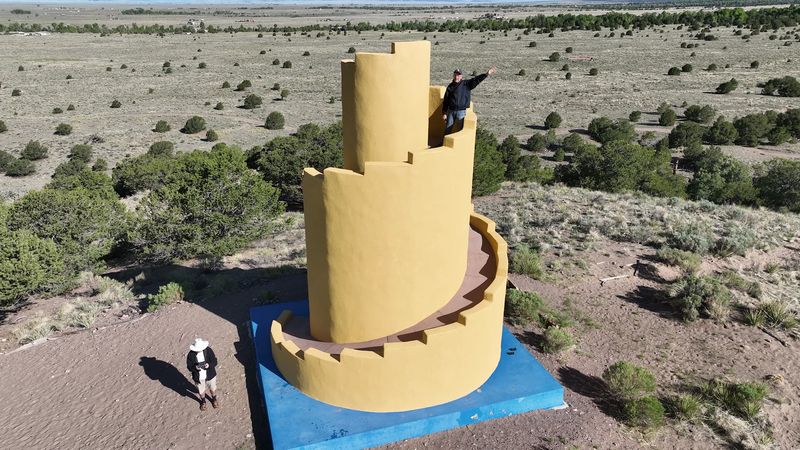
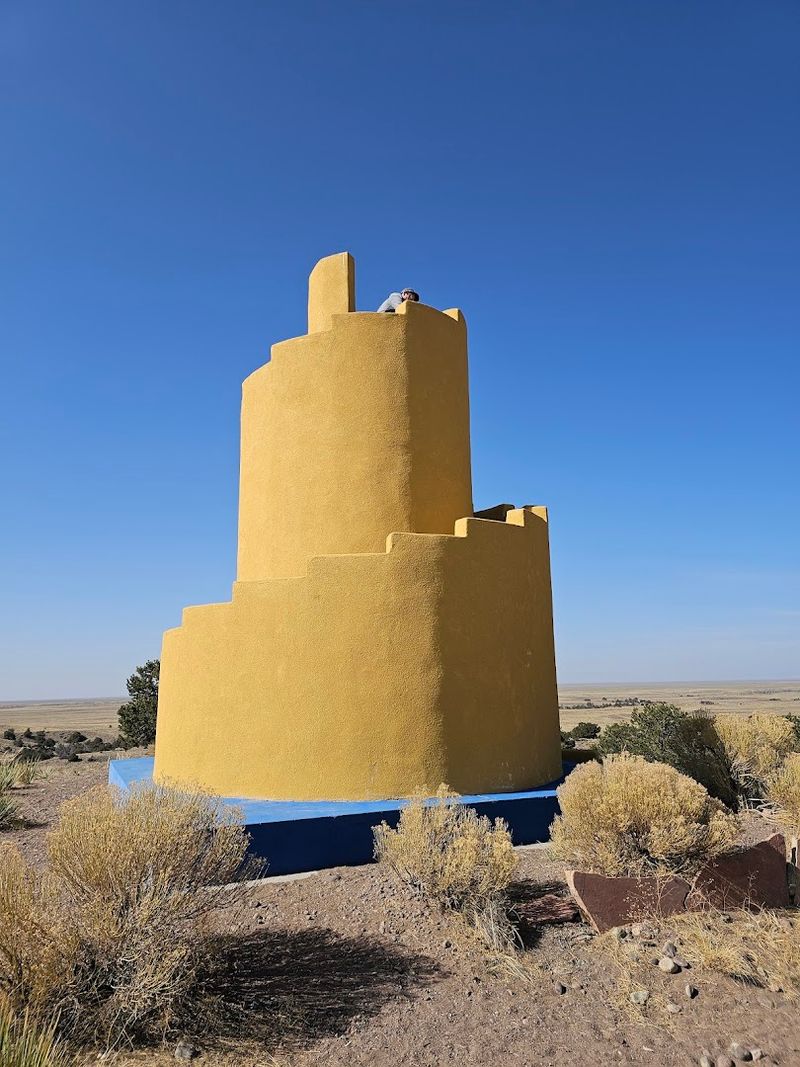
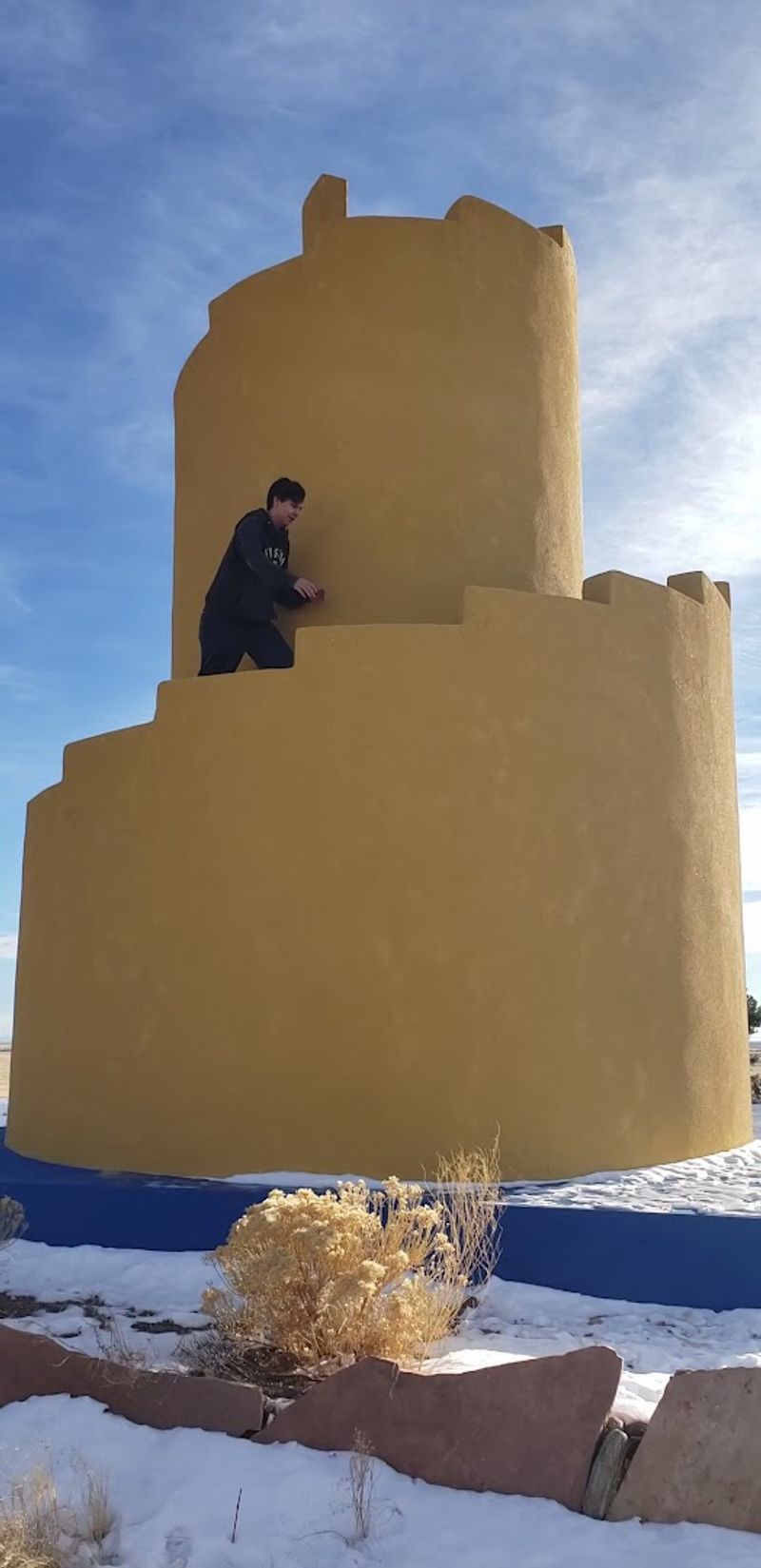
A ziggurat is an ancient stepped or terraced tower form that originated in Mesopotamia thousands of years ago, and finding one in the Colorado high desert is about as surprising as it sounds. The Crestone Ziggurat is a modern structure built in that same ancient architectural style, featuring a spiral ramp that winds from the base all the way to the top viewing platform.
The tower is relatively compact in person, which surprises some visitors who have only seen photos taken from a distance. Up close, though, the craftsmanship is clear, and the design feels intentional and grounded in something far older than Colorado itself.
It sits on private land in Crestone, Colorado, accessible via Cordial Way, and is open to the public every day of the year, around the clock, completely free of charge. That last detail alone makes it worth a serious look.
Finding Your Way to Cordial Way
The address is Cordial Way, Crestone, CO 81131, and while that sounds straightforward enough, the road leading to the parking area has a reputation for testing the patience of drivers who are not expecting it. The road is bumpy, narrow, and slow going, and that is putting it kindly.
The key is to keep driving past the first yellow sign you see, and continue until you spot the brown parking sign, which marks the actual designated parking area. Google Maps has been known to stop drivers short of the correct spot, so trust the signs on the ground more than your phone screen.
A standard sedan can make the drive if you go slowly and carefully, as some visitors have confirmed even arriving in compact cars without any trouble. Give yourself extra time, take it easy on the bumps, and the reward waiting at the end is absolutely worth the crawl.
The Hike Up the Sandy Trail
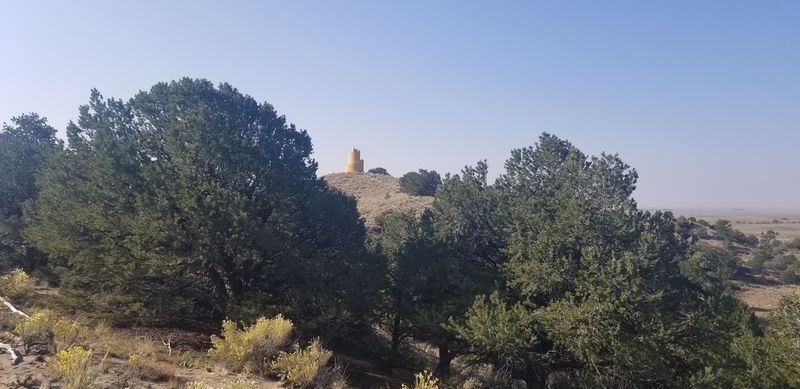
From the parking area, a well-defined sandy trail leads uphill to the ziggurat, and the whole walk takes roughly 15 minutes going up and about 10 minutes coming back down. The path climbs through a landscape that feels more like the American Southwest than what most people picture when they think of Colorado.
Closed-toe shoes are a smart choice here because the sandy soil shifts underfoot and the trail does have some incline to it. The hike is generally considered kid-friendly, though anyone with significant mobility challenges may find the uphill stretch a bit demanding.
There is a second trail that can cause some confusion near the parking lot, so look for the path on the left side of the lot to stay on the correct route. Bring bug spray during summer months, especially in July, when mosquitoes have been known to show up in full force.
The 360-Degree View From the Top
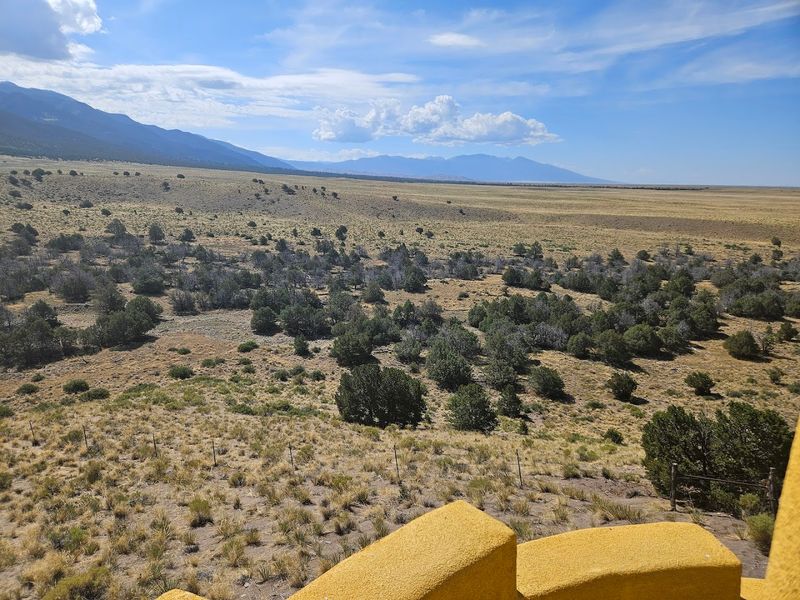
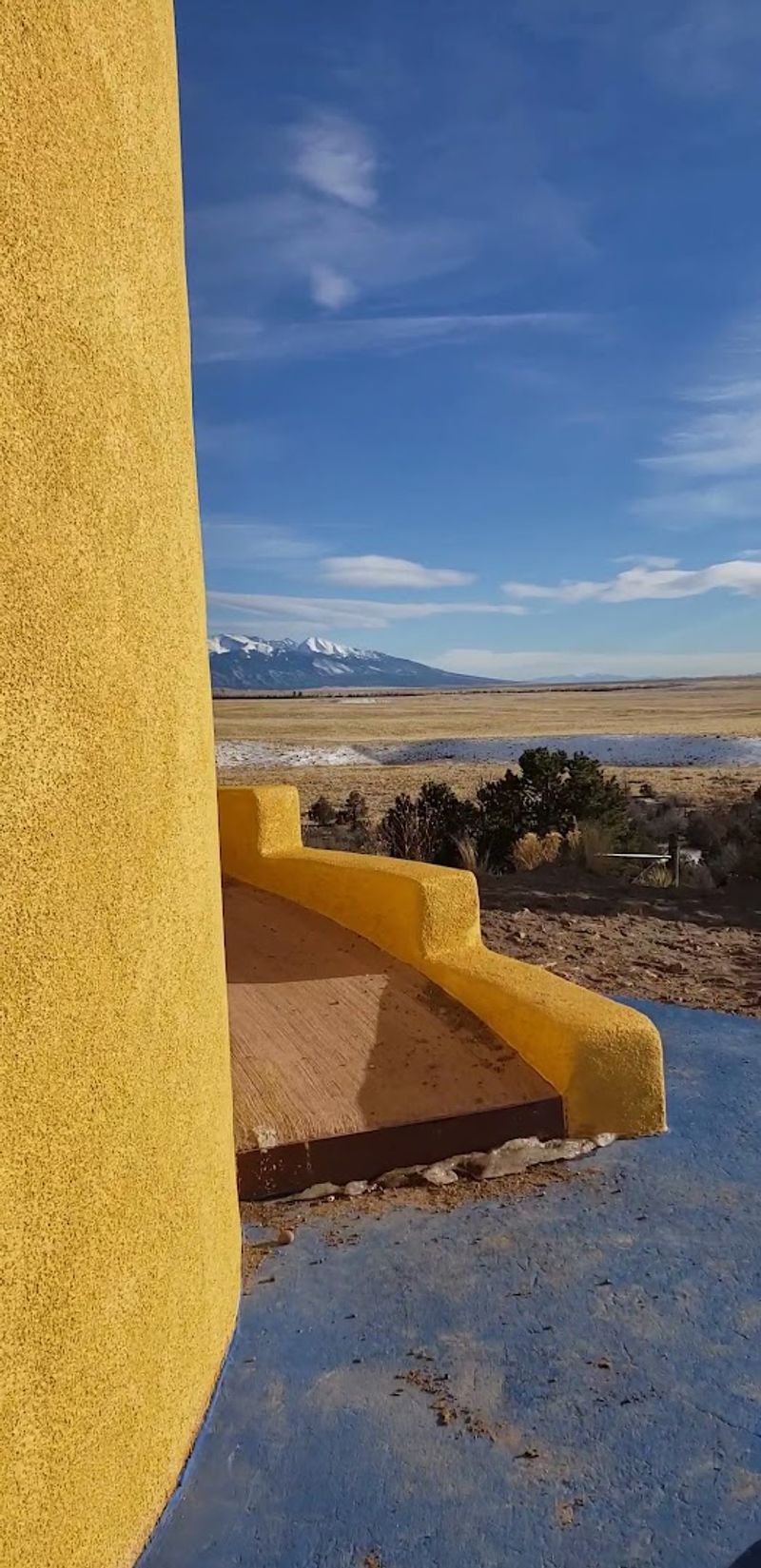
Standing at the top of the Crestone Ziggurat might be the single best spot in the entire San Luis Valley to see all four sides of the valley at once. The Sangre de Cristo Mountains rise dramatically to the east, while the valley floor stretches out in every other direction in shades of tan, sage, and gold.
On a clear day, the Great Sand Dunes are visible to the south, and seeing them from this elevation and distance gives you a completely different sense of their scale than you get when standing right next to them. The dunes look almost impossibly large from up here, which is a perspective most visitors to the area never get.
Sunrise and sunset both put on a serious show from this vantage point, and the lack of handrails on the spiral ramp means you will want to be careful near the edges, especially with young children in tow.
The Spiritual Side of Crestone
Crestone is not your average small Colorado town. The area has attracted spiritual communities, meditation centers, and contemplative retreats for decades, and the ziggurat fits right into that larger story.
The structure itself has a calm, meditative quality that is hard to explain but very easy to feel once you are standing at the top.
Many visitors come specifically to meditate, reflect, or simply sit in the quiet and take in the views. The wide open sky above the valley and the absence of noise from roads or crowds makes it one of those rare places where it genuinely feels easy to clear your head.
A short walk from the ziggurat is a stupa, which is a Buddhist dome-shaped monument, and this particular one is considered the oldest relocated stupa in Colorado. Visitors sometimes leave small tokens or offerings at both sites, adding layers of meaning to an already unusual landscape.
Rock Art and Little Details Around the Base
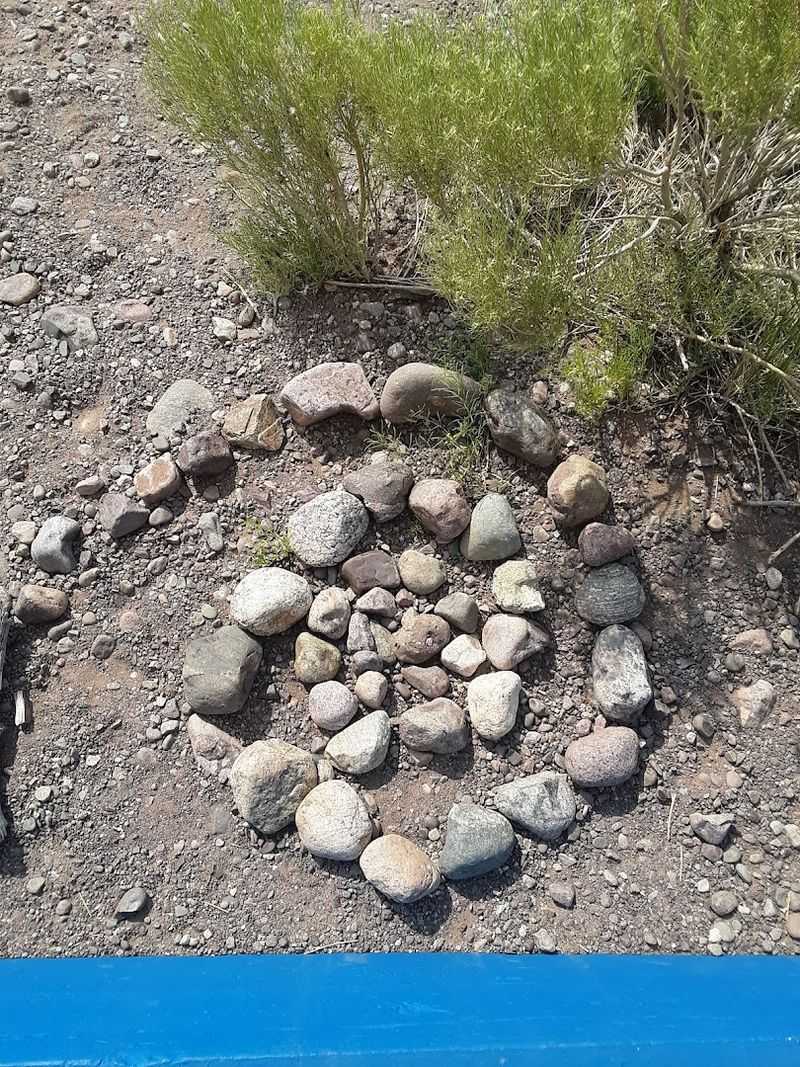
One of the quieter surprises at the ziggurat is what visitors have left behind at the base of the structure over the years. Small rock arrangements, carefully balanced stones, and little circular designs dot the ground around the tower, each one placed there by someone who felt moved to leave a trace of their visit.
These informal creations give the site a layered, communal feeling, as if the place has been slowly decorated by hundreds of passing strangers who all felt the same pull to contribute something. It is the kind of detail that photographs well but feels even better in person.
The base of the tower also offers a chance to examine the construction up close before starting the spiral ramp to the top. The texture and material of the structure become much more interesting at eye level than they appear from a distance across the valley floor.
Best Times to Visit for Maximum Impact
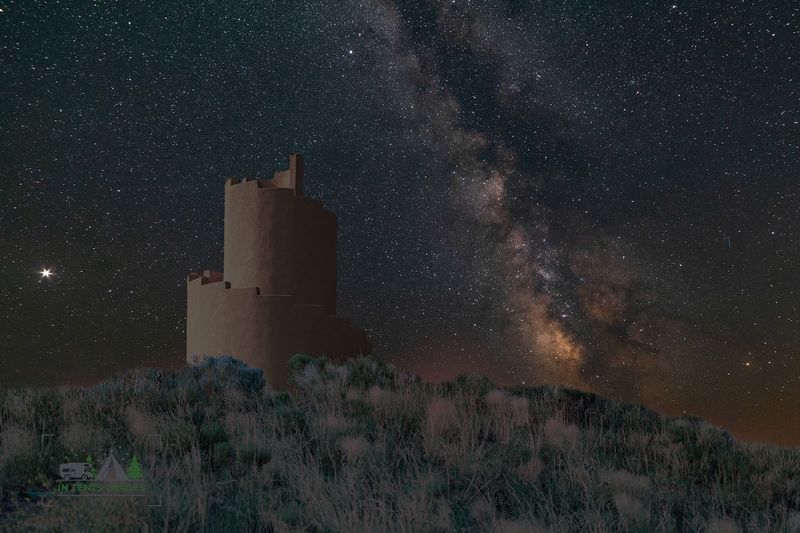
The ziggurat is open around the clock every single day of the year, which means the timing of your visit is entirely up to you. Sunrise and sunset are both spectacular from the top, with the low-angle light painting the Sangre de Cristo range in shades of orange, pink, and deep purple that feel almost theatrical.
Early morning visits tend to be quieter, which suits the meditative atmosphere of the place well. If beating the crowds matters to you, showing up at dawn is a reliable strategy and comes with the added bonus of cooler temperatures during summer.
Stargazing is another option worth serious consideration. The San Luis Valley sits at high elevation with minimal light pollution, and the ziggurat puts you on an elevated platform with unobstructed sky in every direction.
A clear night up there would be something genuinely hard to forget, and it costs absolutely nothing to find out.
What to Bring for the Visit
A visit to the Crestone Ziggurat does not require any serious gear, but a few small preparations will make the experience noticeably more comfortable. Closed-toe shoes are a genuine recommendation rather than a casual suggestion, since the sandy trail shifts underfoot and the ramp on the tower itself has no handrails to grab if you slip.
Water is essential, especially in warmer months, because the hike is short but the sun at high elevation hits differently than most people expect. The valley sits above 7,900 feet, and even a brief walk in afternoon heat can leave you more thirsty than anticipated.
Bug spray earns a spot on the packing list from late spring through early fall, particularly in July when mosquitoes have been reported in large numbers. Sunscreen, a hat, and a light layer for wind at the top round out a sensible kit for a visit that will likely cost you nothing but a little planning.
Combining the Ziggurat With the Great Sand Dunes
The Great Sand Dunes National Park is one of the most visually striking places in all of Colorado, and it sits close enough to the ziggurat that combining both into a single day trip makes a lot of sense. From the top of the ziggurat, you can actually see the dunes in the distance, which is a perspective that changes how you understand their size.
When you are standing on the dunes themselves, they feel enormous but also somehow contained. Seeing them from miles away, rising out of the flat valley floor with the mountains directly behind them, is a completely different kind of impressive.
The drive between Crestone and the Great Sand Dunes takes roughly 45 minutes depending on your route, making this one of those rare days where two wildly different experiences fit neatly into a single itinerary without any rushing around or backtracking involved.
Why This Place Stays With You
Most roadside attractions are enjoyable for about ten minutes and then quickly forgotten. The Crestone Ziggurat operates differently.
The combination of the unusual structure, the sweeping mountain panorama, the spiritual atmosphere of the surrounding area, and the sheer unexpectedness of finding something like this in a remote Colorado valley adds up to something that lingers.
Part of what makes it stick is the contrast. You drive a bumpy road through empty high desert, park in a small lot, walk a sandy trail, and then suddenly you are standing on top of an ancient-style tower looking at one of the most open, beautiful views in the state.
The shift in scale happens fast and hits hard.
Coming back to the valley and knowing the ziggurat is up on that hill changes how the whole landscape feels. It is the kind of place that quietly earns a permanent spot in your list of places worth returning to.
Share this story