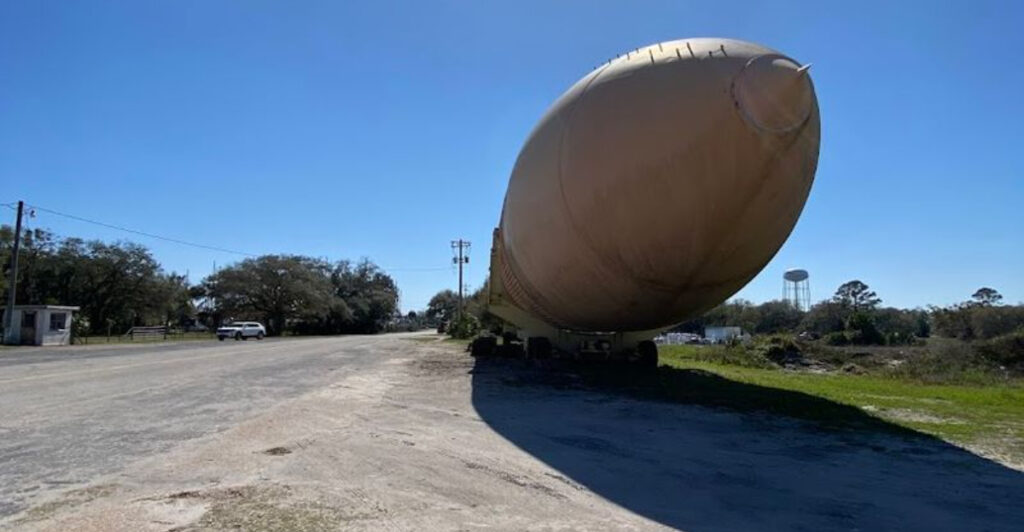
Most people drive past it without knowing what they are looking at. A massive orange-and-white cylinder looms near the St. Johns River in a small Florida town, quietly sitting next to boats and construction equipment like it belongs there.
This is an actual Space Shuttle External Fuel Tank, a piece of real NASA hardware that once stood ready for preflight stress testing and later spent years on display at Kennedy Space Center. Somehow, it ended up parked in Green Cove Springs, Florida, and most of the world has no idea it is there.
If you have ever wanted to touch a piece of American space history without buying a museum ticket or standing in a long line, this unexpected roadside landmark is worth every mile of the detour.
Where Exactly You Can Find This Giant Relic
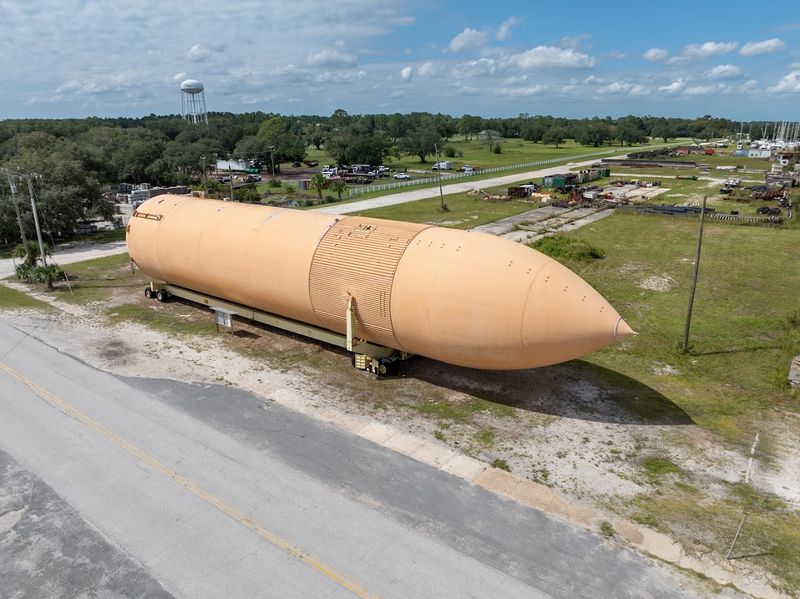
The address is 4035 Reynolds Blvd, Green Cove Springs, and once you know what you are looking for, you will spot this enormous structure long before you reach the parking area.
Green Cove Springs is a small, quiet town about 30 miles south of Jacksonville, tucked along the western bank of the St. Johns River. The tank sits near the Green Cove Boat Yard, a working marina filled with vessels of all sizes, which makes the contrast between NASA hardware and everyday watercraft genuinely surreal.
There is no grand entrance or museum gate to pass through. The site is open 24 hours a day, seven days a week, and admission is completely free.
You can pull right up, park your car or RV, and stand face to face with one of the largest objects ever built for the American space program.
The Surprising History Behind This Tank
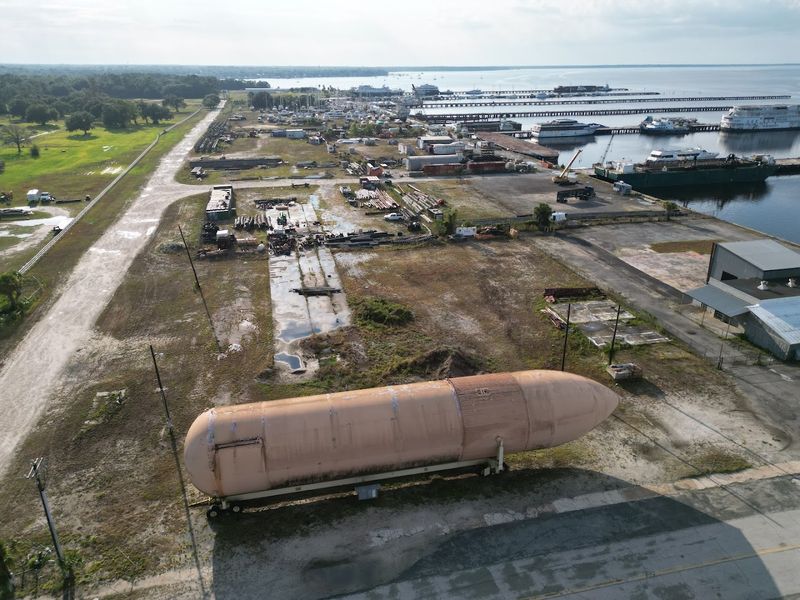
Built in 1977, this tank was never meant to fly into orbit. Its original purpose was preflight stress testing, which means engineers used it to simulate the enormous forces a real shuttle would experience during launch.
After completing that role, the tank spent years on public display at Kennedy Space Center, where visitors could admire it alongside actual booster rockets. Then, in 2011, NASA removed it from that exhibit to make room for Space Shuttle Atlantis and its new permanent home.
NASA auctioned the tank to the Wings of Dreams Aviation Museum in Keystone Heights, Florida. Moving it required a 200-foot barge, two tugboats, and heavy cranes just to haul it to a temporary holding site in Green Cove Springs.
The plan was always to continue the journey, but the sheer logistics of relocating something this enormous stalled that effort permanently, leaving this small Florida town as its unlikely forever home.
Just How Big Is This Thing, Really
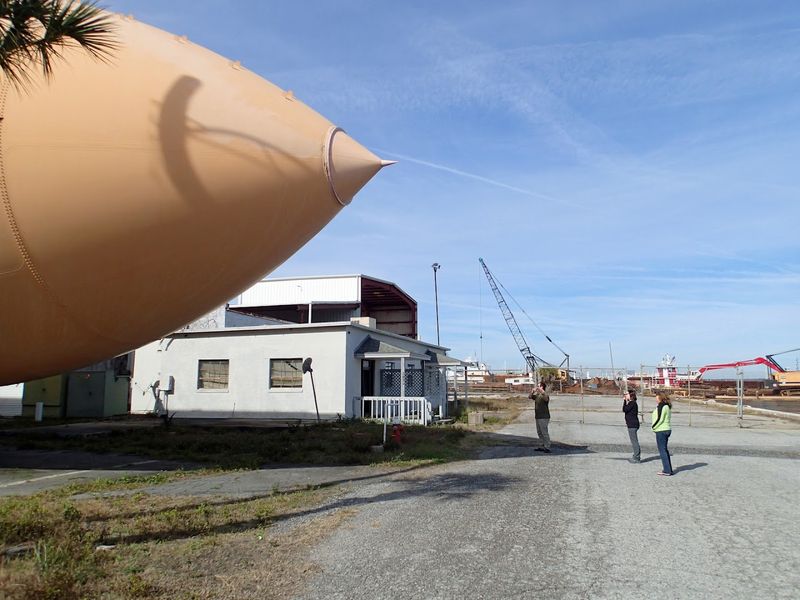
Nothing quite prepares you for the moment you see this tank in person. From the highway, it looks like a large propane tank, but that impression evaporates the second you get close enough to stand underneath it.
The Space Shuttle External Tank measured about 154 feet long and 27.5 feet in diameter, making it the largest single component of the entire Space Shuttle system. When the shuttle launched, this tank held over 500,000 gallons of liquid hydrogen and liquid oxygen combined, feeding the main engines for roughly eight and a half minutes of powered flight.
Parking a full-size pickup truck next to it barely registers visually. The truck looks like a toy.
Seeing a real human being standing next to this structure puts the whole scale of space travel into a perspective that no photograph or documentary can fully deliver, and that realization hits hard.
The Quirky Setting That Makes It Even More Memorable
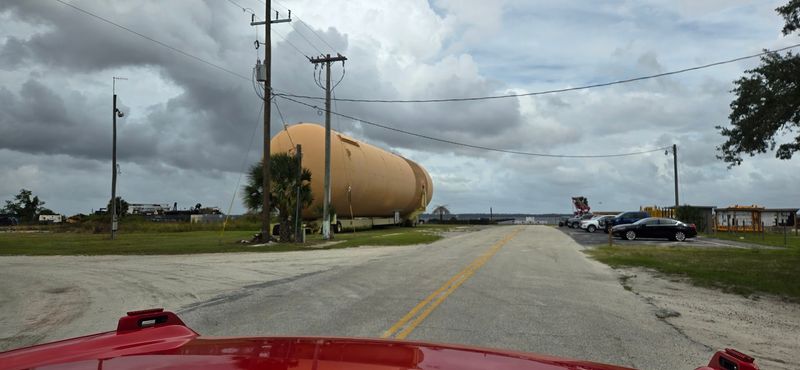
Part of what makes this stop so memorable is the sheer weirdness of where it ended up. The tank shares its surroundings with retired boats, construction equipment, and the occasional three-story paddle boat, all sitting quietly along the St. Johns River.
There is something almost poetic about a piece of hardware designed for the edge of the atmosphere spending its days next to fishing boats and tugboats. The contrast between the industrial waterfront setting and the NASA-grade engineering on display creates a mood that no curated museum exhibit could replicate.
The site feels raw and unpolished, which is actually part of the charm. There are no velvet ropes, no audio guides, and no crowds fighting for the perfect photo.
You get the tank, the river breeze, and a surprisingly peaceful moment to reflect on what human beings managed to build and launch into space with 1970s technology. That setting is genuinely one of a kind.
What You Will See Up Close at the Site
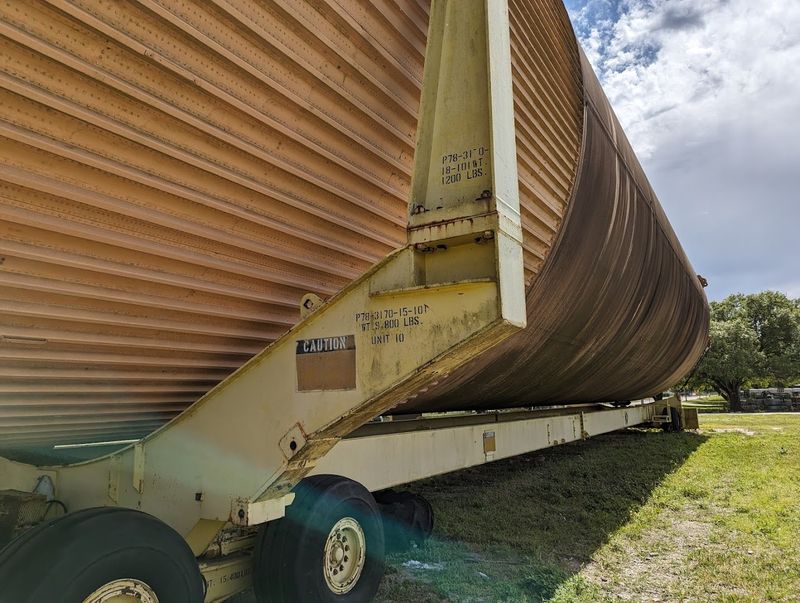
Getting up close to this tank reveals details that photographs simply cannot capture. The exterior is covered in the distinctive orange spray-on foam insulation that coated every external tank, a material used to prevent the super-cold liquid propellants inside from causing ice buildup on the outer surface.
Years of Florida weather have left their mark on the structure. The foam shows signs of weathering, and the overall appearance is worn rather than polished, but that only adds to the authenticity of the experience.
This is not a replica or a model. It is the real thing, and touching it feels like reaching back through decades of American history.
A placard mounted in front of the tank provides background information about its construction, purpose, and journey to this location. The display is modest but informative, giving first-time visitors enough context to fully appreciate what they are looking at before heading back to the road.
The View of the St. Johns River You Did Not Expect
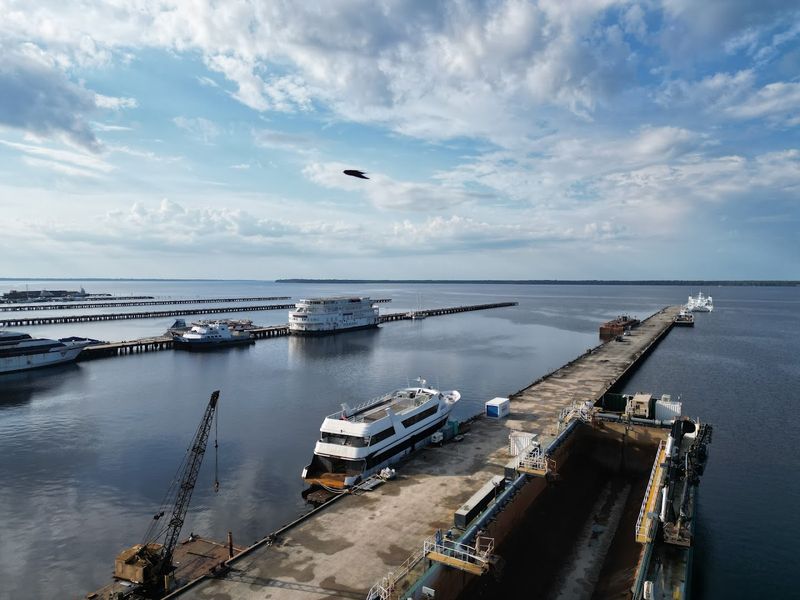
A bonus that catches many visitors off guard is the water view waiting just beyond the tank. The St. Johns River stretches out in the background, calm and wide, with boats docked along the shoreline and the kind of peaceful Florida scenery that makes you want to sit on a bench and stay awhile.
Green Cove Springs itself is a charming small town with a relaxed pace that feels very different from the tourist-heavy parts of Florida most visitors know. The riverfront area near the tank has a quiet, unhurried quality that pairs nicely with the reflective mood the tank tends to inspire.
On a clear afternoon, the light hits the water beautifully, and the combination of the massive industrial relic in the foreground and the natural river scenery behind it makes for a genuinely striking photograph. It is the kind of accidental beauty that only shows up when you take the road less traveled in Florida.
Visiting on a Quiet Weekend Morning
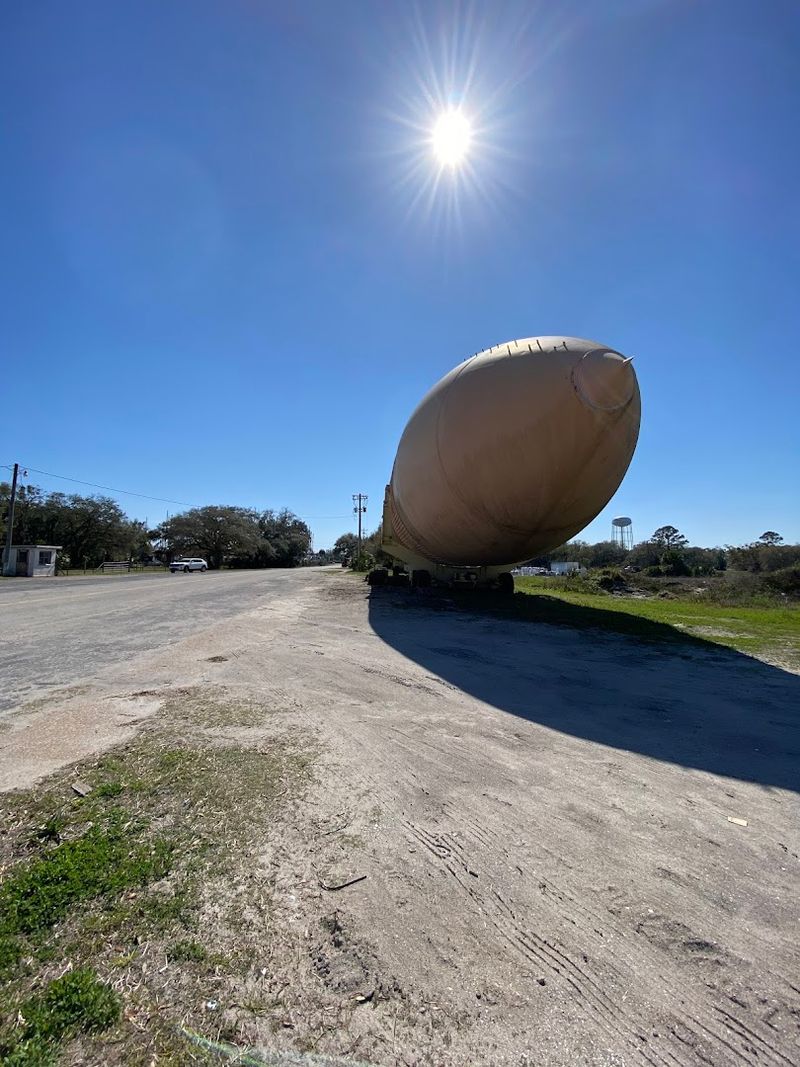
Timing your visit well can make a real difference here. The site is technically open around the clock, and on weekend mornings, the area tends to be calm and uncrowded, giving you the rare chance to experience the tank almost entirely on your own.
Weekday visits during business hours may bring more activity from the surrounding marina and construction areas, which can create some background noise and movement. Early mornings on Saturdays and Sundays tend to offer the quietest experience, and the soft morning light is genuinely flattering for photography.
One practical note worth keeping in mind: because the site sits within a working industrial area, lingering for extended periods can occasionally attract the attention of local law enforcement doing routine checks. A respectful visit of 15 to 30 minutes is plenty of time to see everything, take photos, and read the informational placard without any concerns about overstaying your welcome.
Free Admission and Plenty of Parking
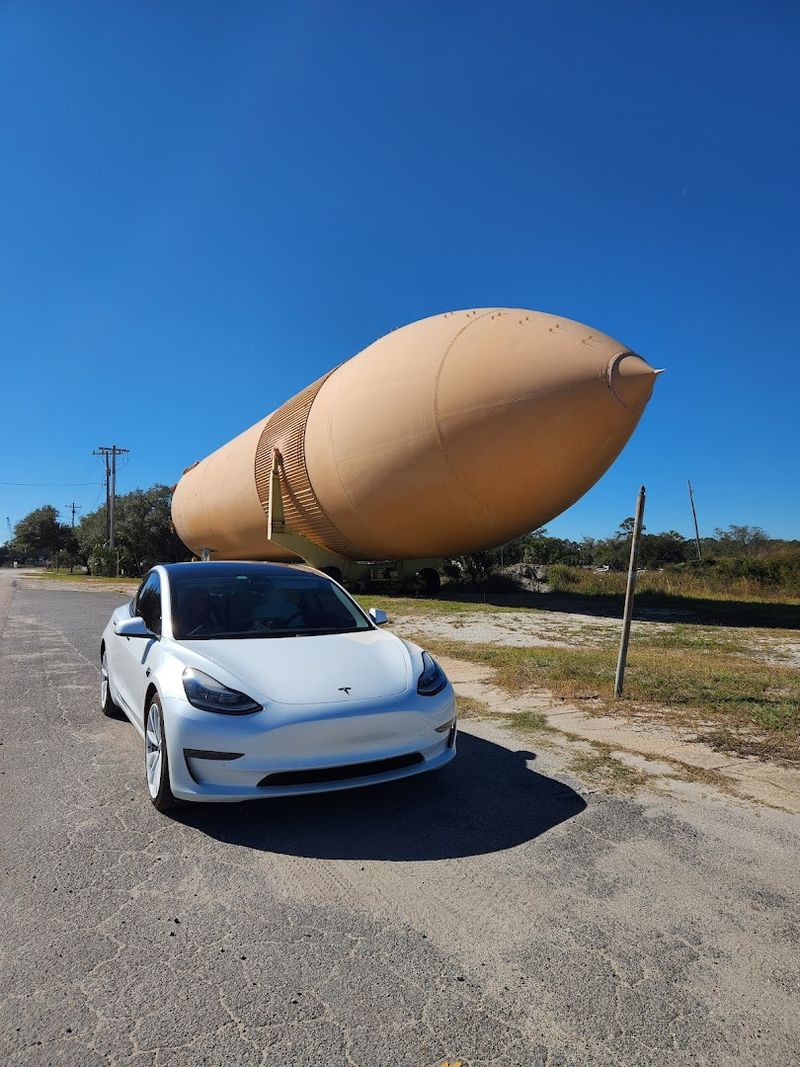
One of the most refreshing things about this stop is that it costs absolutely nothing. No ticket booth, no entry fee, no donation box waiting at the exit.
You simply drive up, park, and spend as much time as you want taking it all in.
The parking situation is generous and informal. Regular cars, trucks, and even full-size RVs can pull right up next to the tank, which creates an opportunity for some genuinely impressive scale photos.
Parking an RV directly alongside the structure and comparing the two heights is one of the most effective ways to grasp just how enormous this object really is.
For families traveling through northeastern Florida on a road trip, this makes an ideal unplanned stop that kids and adults tend to find equally fascinating. Free, accessible, and genuinely educational, this roadside landmark delivers the kind of spontaneous discovery that road trips are built around, and it does so without asking anything in return.
A Geocaching Hotspot Hidden in Plain Sight
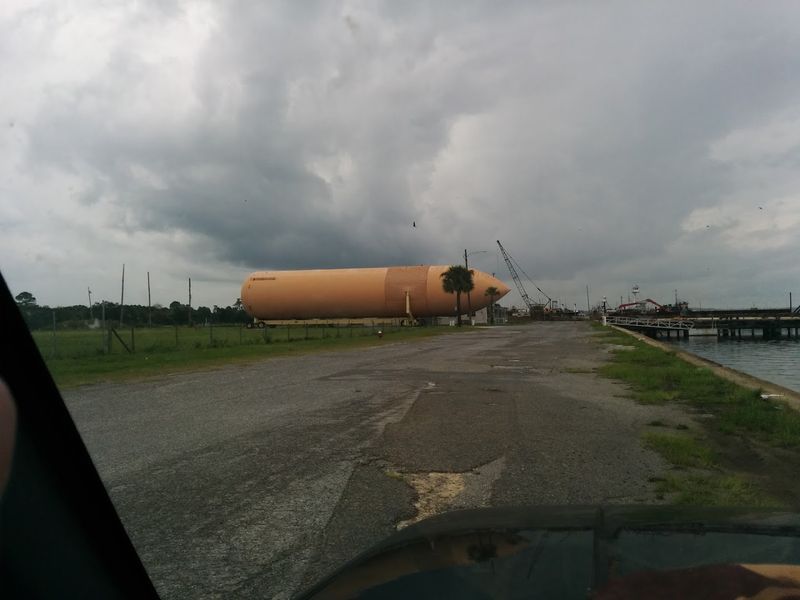
The geocaching community has embraced this location wholeheartedly, and for good reason. The combination of an unusual landmark, free access, and a relatively uncrowded setting makes it a natural fit for the hobby, and there are active caches in the area that bring enthusiasts from across the region.
If you are unfamiliar with geocaching, it is essentially a real-world treasure hunt using GPS coordinates to find small hidden containers left by other players. Finding a cache next to an actual NASA fuel tank adds a layer of excitement that most geocaching locations simply cannot match.
Whether you are a seasoned geocacher or just curious about trying the hobby for the first time, this site offers a compelling reason to download a geocaching app and give it a go. The tank provides a memorable backdrop for the hunt, and the surrounding area has enough interesting features to keep the exploration going well beyond the tank itself.
Nearby Curiosities Worth Adding to Your Route
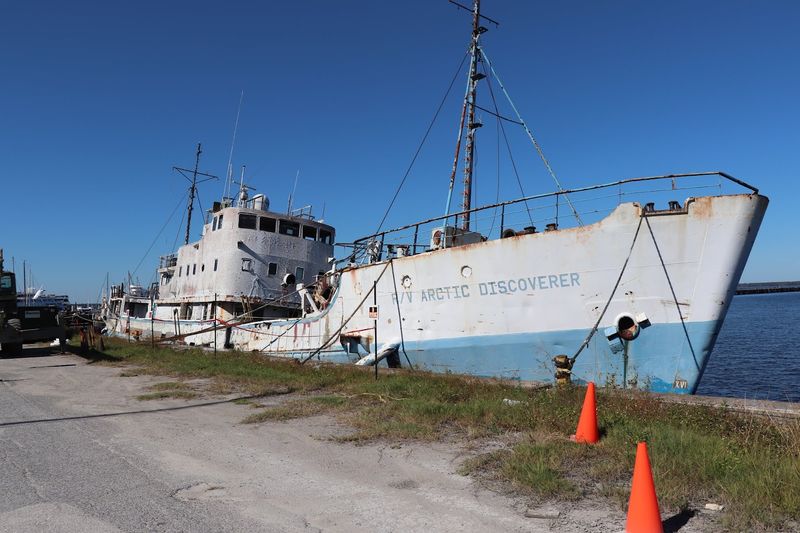
The tank is the headline attraction, but the surrounding area holds a few additional curiosities for visitors willing to explore a little further. Just around the corner near the old Navy piers sits the derelict research vessel R/V Arctic Discoverer, which has its own remarkable backstory.
That ship was used in the late 1980s to salvage the SS Central America, a historic gold rush-era vessel that sank in a storm carrying millions of dollars worth of gold. The full story is detailed in the book Ship of Gold, and standing near the ship that played a role in that recovery adds another unexpected layer of history to the visit.
Green Cove Springs also has a Military Museum nearby that some visitors credit with pointing them toward the tank in the first place. Combining all three stops into a single afternoon creates a surprisingly rich historical experience in a part of Florida that rarely makes the tourist brochures.
Why This Tank Never Made It to Its Intended Museum
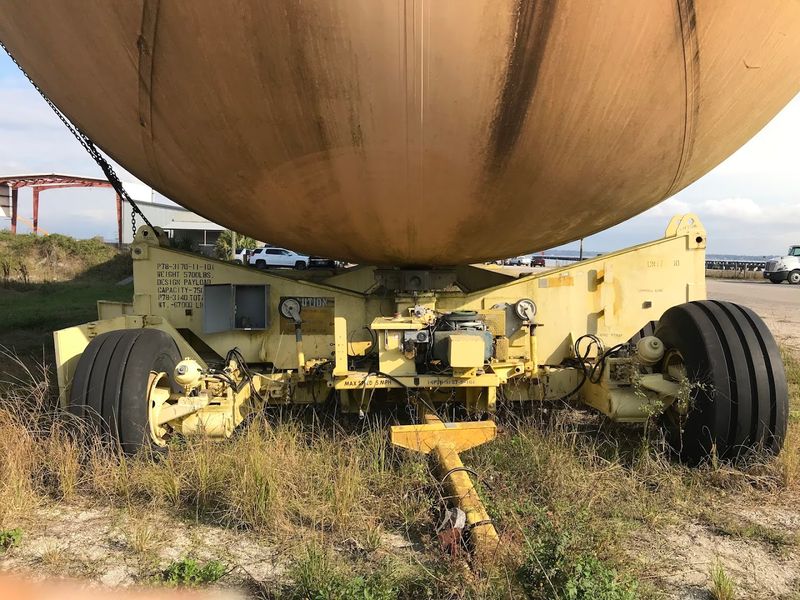
The Wings of Dreams Aviation Museum in Keystone Heights, Florida, purchased the tank from NASA with the full intention of making it a centerpiece exhibit. The plan was ambitious, and the initial move by barge demonstrated just how seriously the museum took the project.
What nobody fully anticipated was how complicated the final leg of the journey would turn out to be. Moving a 154-foot structure from a waterfront holding site to an inland museum location requires specialized equipment, road clearances, permits, and infrastructure that proved extraordinarily difficult to coordinate and fund.
The tank has been sitting in Green Cove Springs ever since, technically still the property of the Wings of Dreams museum but logistically stranded in its temporary location. Whether the move will ever happen remains an open question.
For now, this accidental resting place has become its own kind of attraction, drawing curious visitors who might never have sought out a formal museum exhibit in the first place.
Making the Most of Your Visit Before You Leave
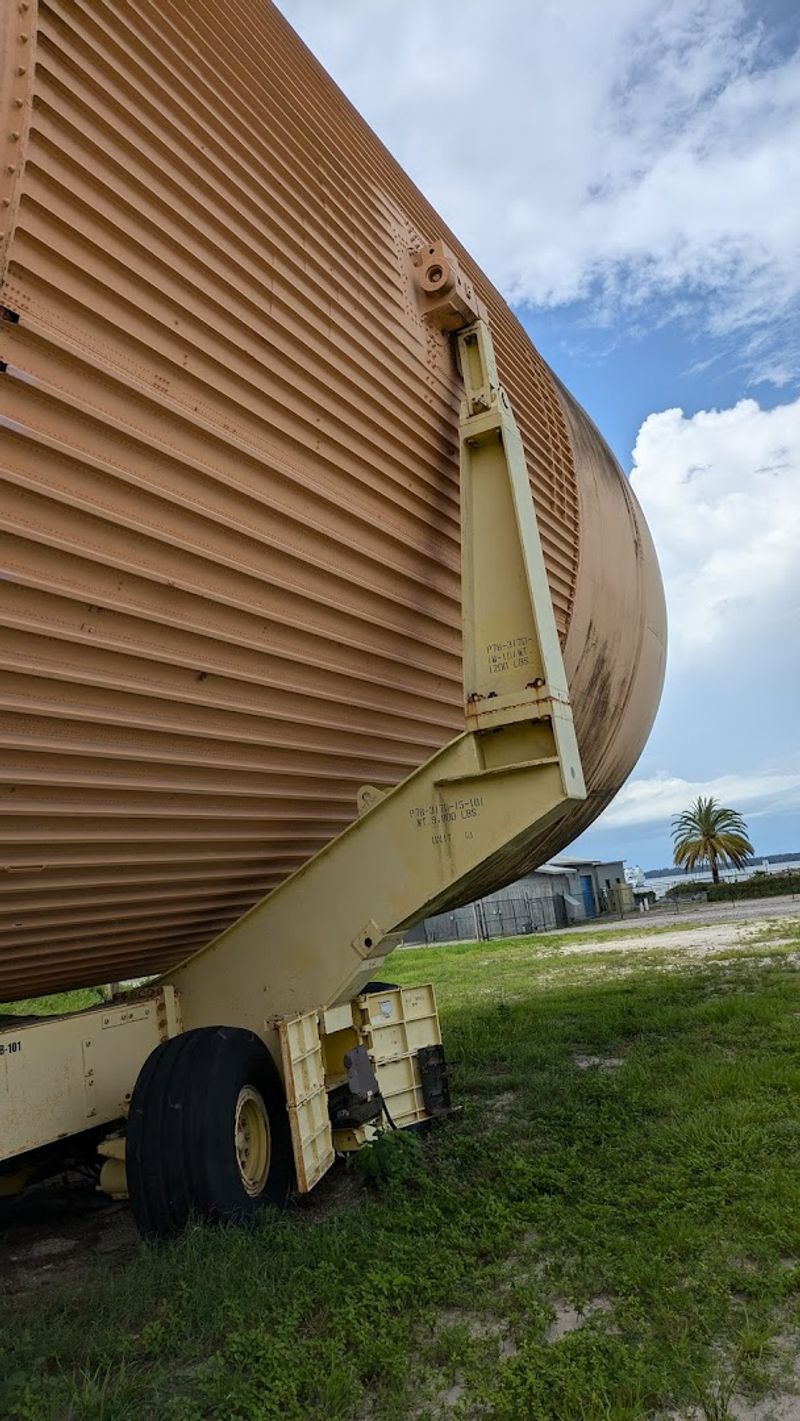
Before you drive away, take a few extra minutes to walk the full length of the tank from end to end. Most people snap a quick photo and leave, but the full perimeter walk gives you a much better sense of the structure’s true scale and the engineering details visible on the surface.
Reading the placard carefully is worth the extra two minutes it takes. The information there covers the tank’s construction date, its original purpose, its time at Kennedy Space Center, and the story of how it arrived in Green Cove Springs, which gives the whole experience a satisfying narrative arc.
This is one of those stops that tends to linger in your memory long after the road trip ends. Florida has no shortage of roadside surprises, but very few of them involve actual NASA hardware sitting quietly by a river, waiting for someone curious enough to stop and look up.
Share this story