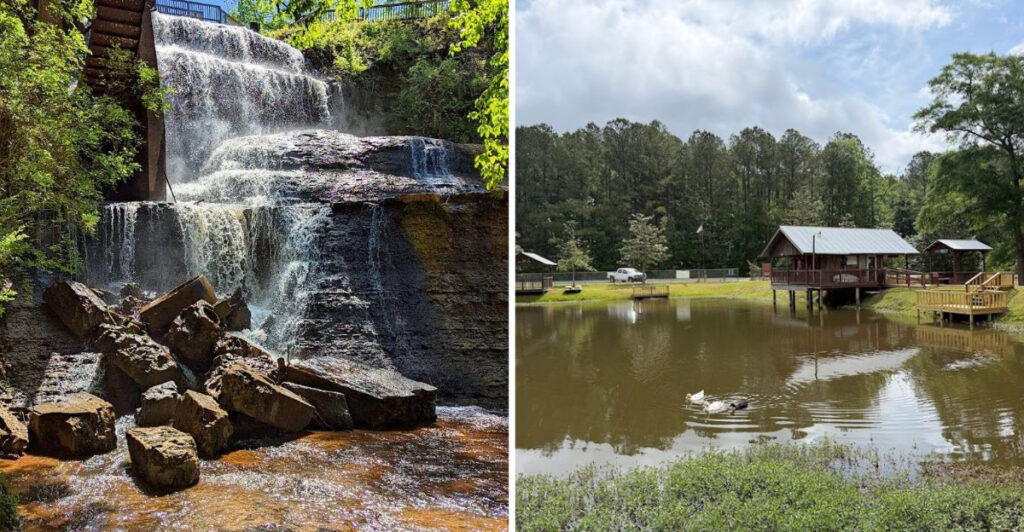
There is a corner of Mississippi where the woods open up, the sound of rushing water fills the air, and time seems to slow down completely. A 65-foot waterfall crashes into a rocky basin below, powered by the same engineering that kept a 19th-century grist mill running.
The history here is real and touchable, not behind glass in some museum, but right in front of you, rusting and mossy and magnificent. For just five dollars, you get access to one of the most surprisingly packed little parks in the Deep South, and I can promise you it is worth every single cent.
The 1850s Mill That Started It All
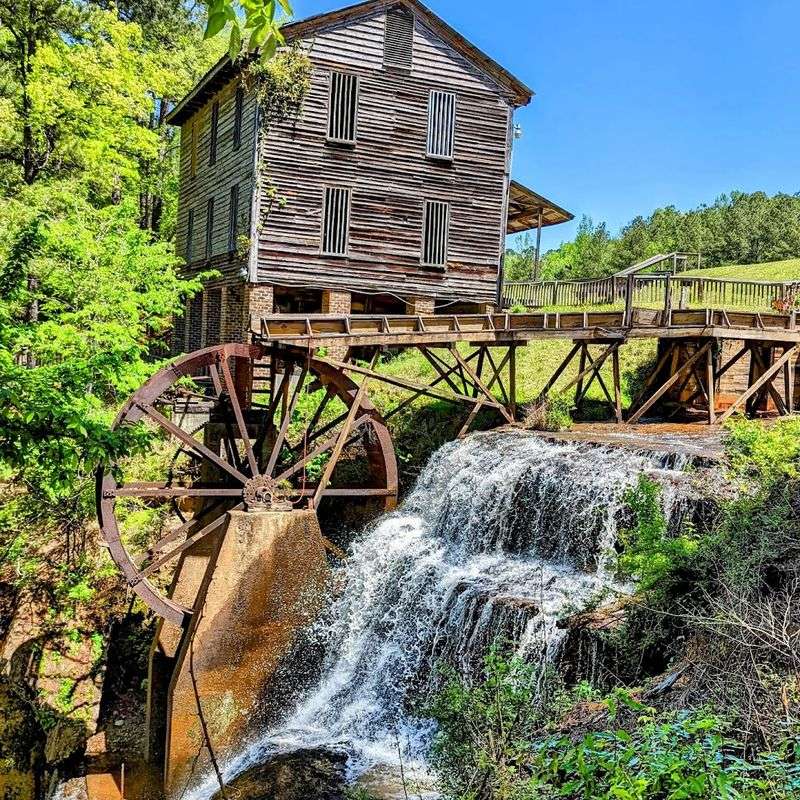
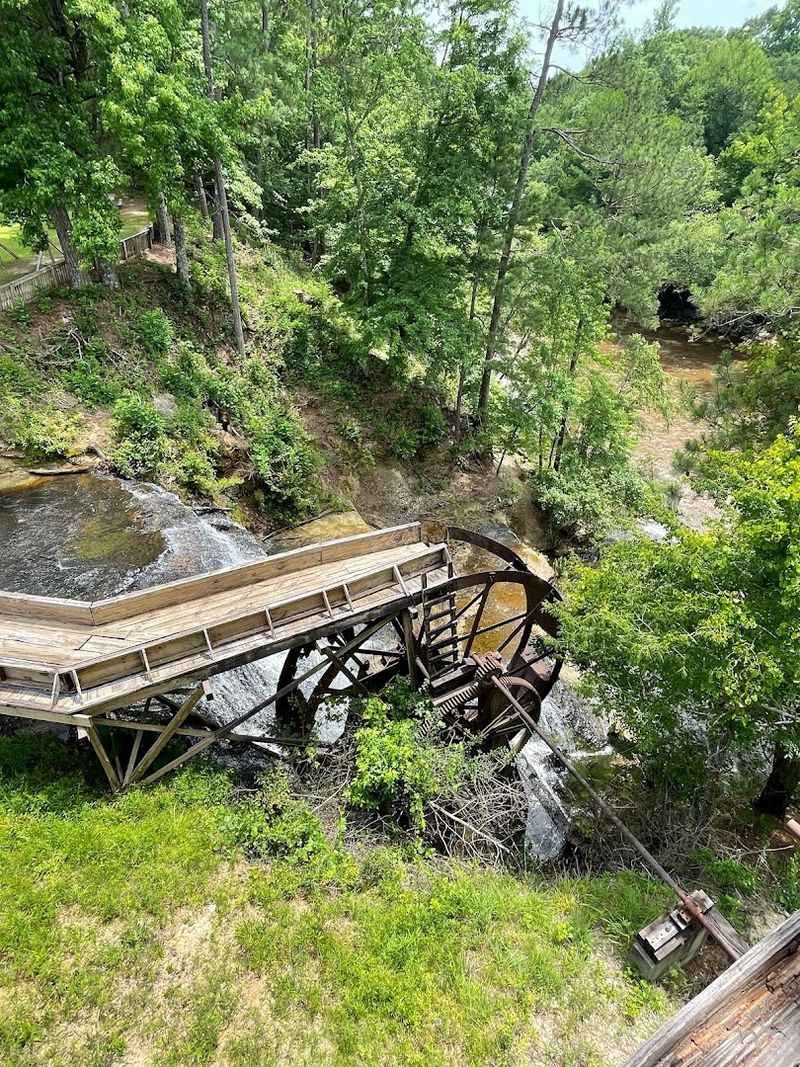
Back in the 1850s, a man named John Dunn had a bold idea: redirect the flow of the Chunky River to power a grist mill that could serve the surrounding community. What he built in the process was, almost accidentally, the tallest waterfall in Mississippi.
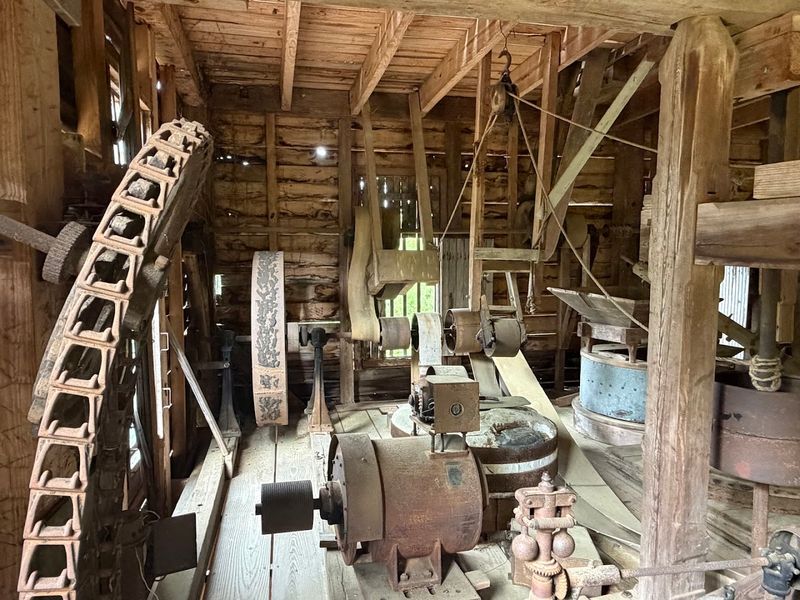
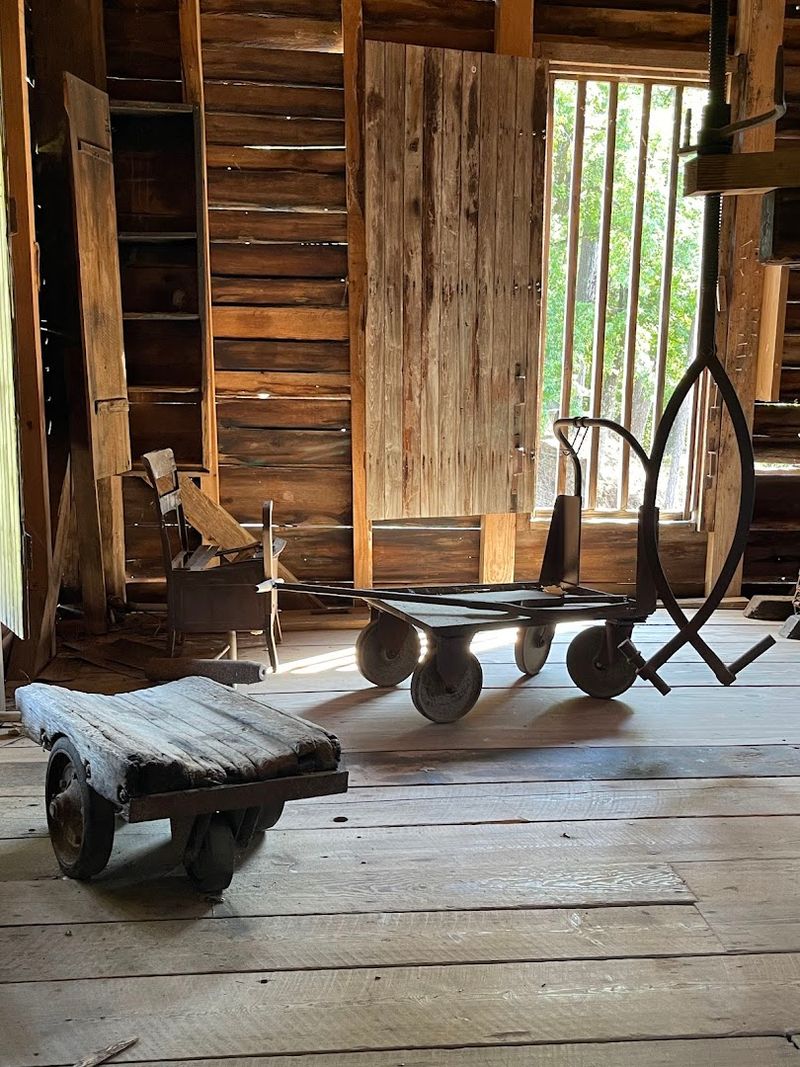
The mill itself still stands today, and walking through it feels like flipping through a history textbook that someone left outside in the rain. Two levels of original equipment, tools, and relics are on display inside, and the views from the mill windows down to the falls are genuinely stunning.
Interpretive signs posted around the property walk you through the story of how the mill operated and why it mattered to the region. You do not need a guided tour to absorb the history here because the place tells its own story remarkably well.
Where to Find This Hidden Waterfall
The full address is 6890 Dunns Falls Rd A, Enterprise, and getting there is easier than you might think. Just a few minutes off the interstate, the road winds through quiet countryside before the park appears almost out of nowhere.
Enterprise sits in Lauderdale County in east-central Mississippi, not far from Meridian. The park is managed under the Pearl and Leaf Rivers Water Management District, which keeps it affordable and accessible for everyone.
Admission runs five dollars per person, which is honestly a bargain for everything packed inside. The park is open Wednesday through Sunday from 9 AM to 5 PM, so plan accordingly and avoid showing up on a Monday or Tuesday to save yourself a wasted trip.
Mississippi’s Tallest Waterfall
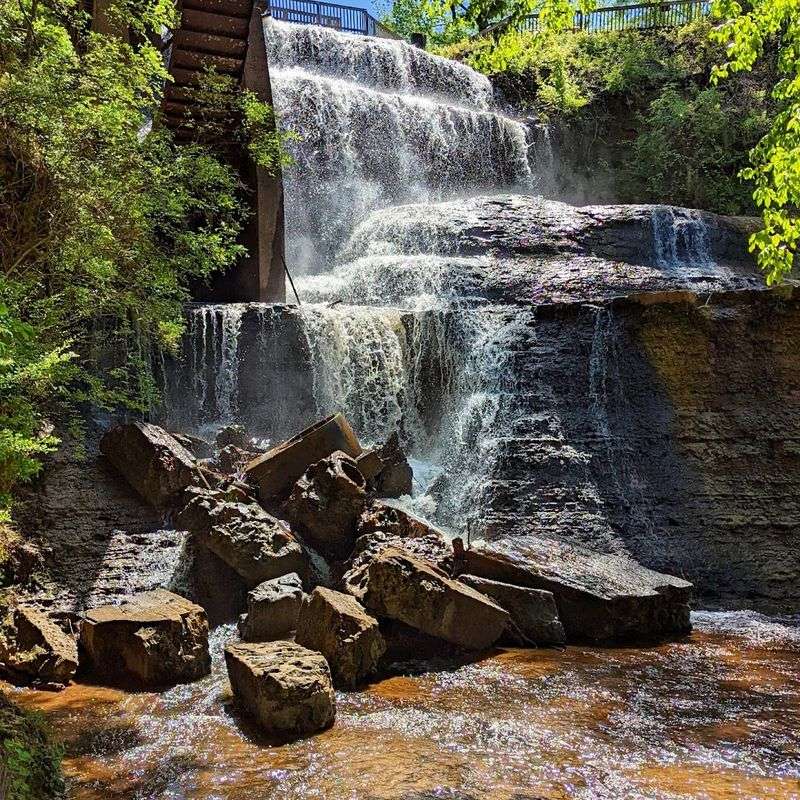
At 65 feet tall, the waterfall at this park holds the title of the tallest in Mississippi, which is not a fact most people expect to hear about a state better known for flat delta land and slow-moving rivers. The falls thunder down over rocks and moss into a shallow basin below, and the sound alone is worth the drive.
The best flow happens during the wetter months, particularly November, December, and March, when rainfall keeps the water running strong and full. During dry seasons, the falls can slow to a trickle or stop entirely, so timing your visit matters more than you might realize.
Standing at the base and looking up at the water rushing down is one of those moments that genuinely surprises you, the kind where you pull out your phone and then forget to take a picture because you are too busy staring.
The Staircase Down to the Basin
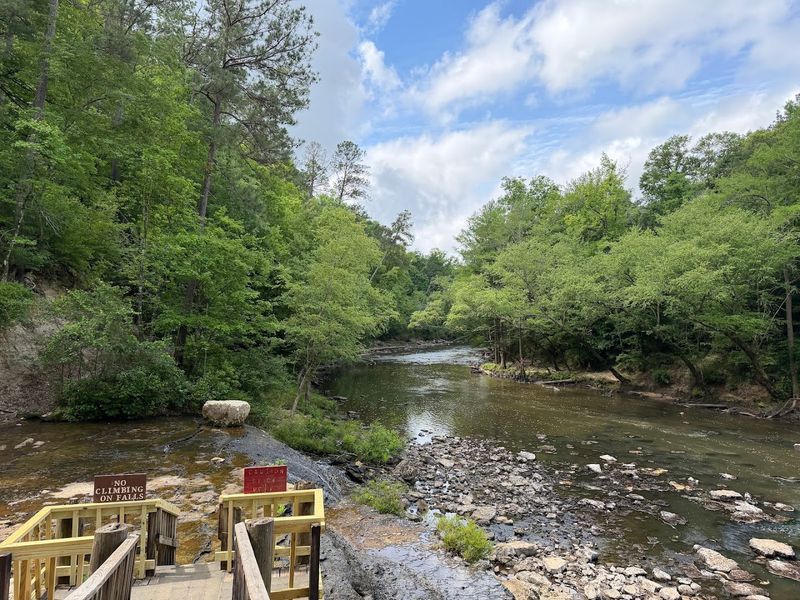
Getting to the base of the falls requires navigating a set of wooden stairs that are steep in places and not for the faint of knees. The descent is absolutely worth it, but it pays to know what you are getting into before you start down.
Wear shoes with solid grip because the rocks at the bottom are genuinely slick, especially near the water. Several visitors have noted that the steps could use some maintenance, and while that is fair, the park’s rustic character is part of what makes it feel authentic rather than over-commercialized.
Once you reach the base, you can walk out onto the rocky plateau beneath the falls and feel the mist on your face. Some areas near the water are accessible for visitors with mobility needs, though the steeper sections of the trail do present real challenges for anyone with knee or balance concerns.
Hiking Trails Along the Chunky River
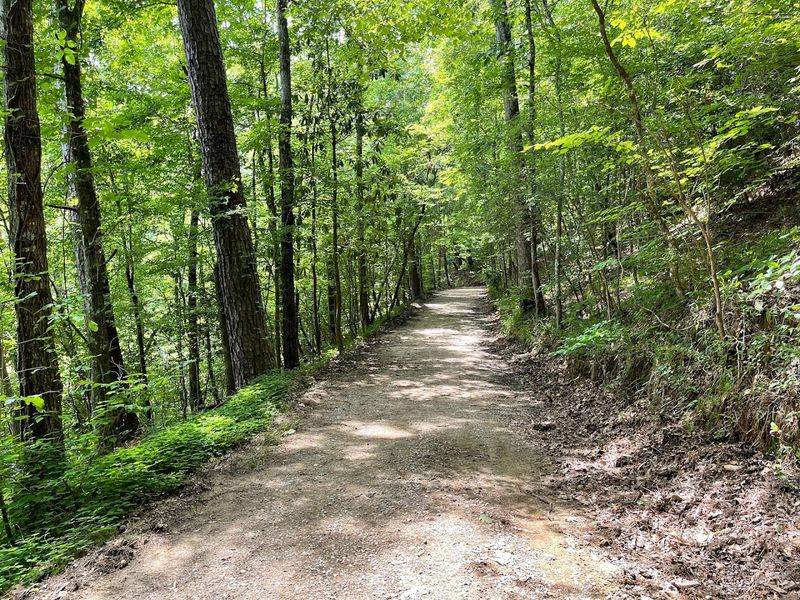
Beyond the falls and the mill, the park opens up into a network of hiking trails that run along the banks of the Chunky River. The paths are wide and well-worn, making them manageable for families with kids or casual hikers who are not looking for a hardcore workout.
The trails are rated as moderate overall, with some sections more demanding than others depending on recent weather and trail conditions. A few spots may have downed trees or washed-out areas after heavy rain, but navigating around them is part of the adventure rather than a dealbreaker.
The end of the main trail leads to a Boy Scout camping area, which offers a peaceful view of the Chunky River just before it bends back toward the falls. The whole hike gives you a real sense of the quiet, wooded landscape that surrounds this little park on all sides.
Picnic Areas and Family-Friendly Spaces
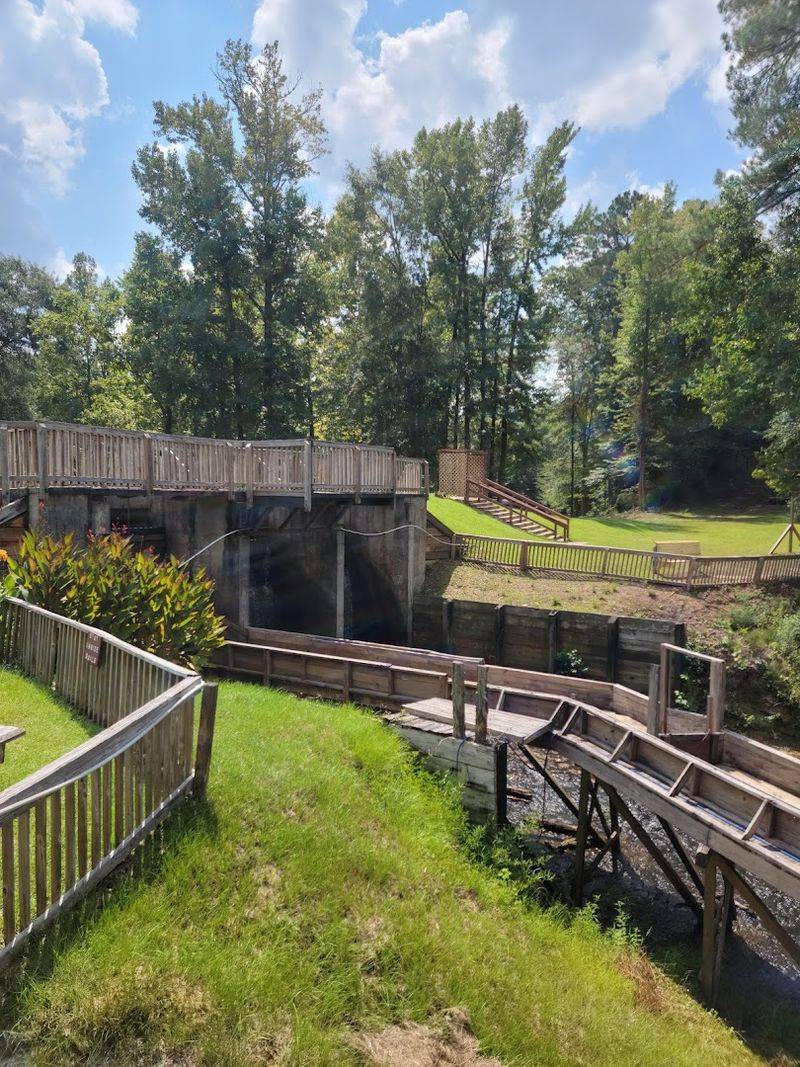
One of the most underrated parts of this park is how genuinely set up it is for a full family outing. There are plenty of picnic tables and grill stations spread across the grounds, giving you real options for where to settle in and eat.
Families have reportedly spent close to four hours here just roaming, picnicking, and exploring without feeling like they ran out of things to do. The atmosphere is calm and unhurried, the kind of place where kids can wander and adults can actually relax without constantly checking the time.
A few swings are scattered around the property for younger visitors, and the open grassy areas give everyone room to spread out. Bringing your own food and spending a slow afternoon here is honestly one of the better low-cost family outings available anywhere in this part of Mississippi.
Swimming and Wading in the Water
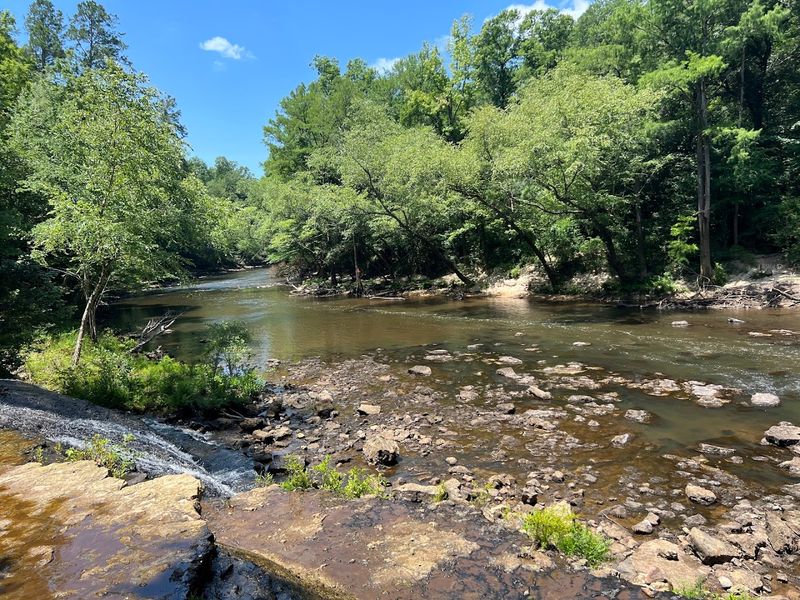
Swimming is permitted in certain designated areas of the park, and on warm days the water draws kids in almost immediately. The shallow sections near the base of the falls are popular for wading, though the rocks can be surprisingly slippery, so proper footwear is not just a suggestion.
The Chunky River runs alongside the hiking trails and provides additional spots to cool off or simply sit and watch the current move past. There is something refreshing about a park that lets visitors actually interact with the natural features rather than just observe them from behind a railing.
Parents should keep a close eye on younger children near the water, particularly around the rocky areas at the base of the falls. The experience of standing in that cool water with the sound of the falls overhead is the kind of thing kids tend to remember for a long time.
Feeding the Fish and Small Park Surprises
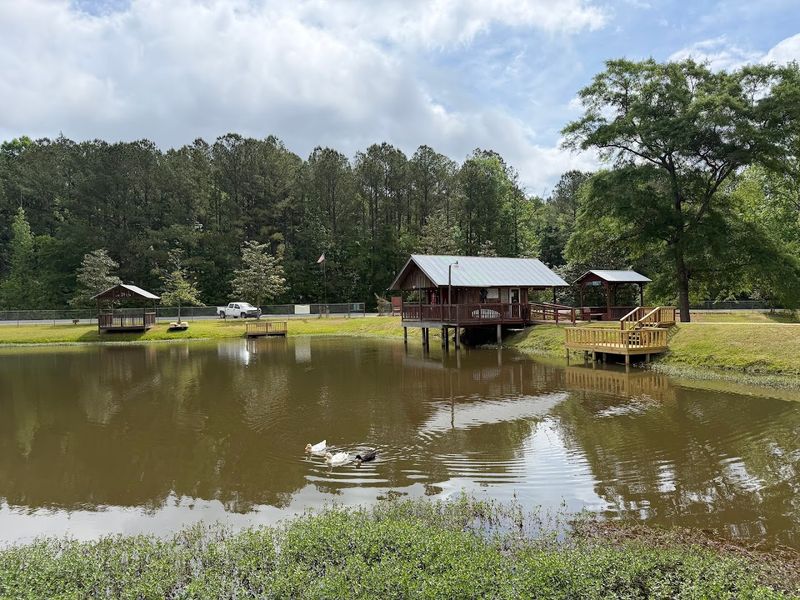
Here is a detail that a lot of first-time visitors do not expect: you can buy fish food at the park and feed the fish right there in the water. It is a small thing, but it adds a layer of fun that younger kids absolutely love and that adults find oddly satisfying too.
The park also has a fishing lake with a boardwalk that leads to a peaceful picnic area, giving anglers a quiet spot to try their luck away from the main waterfall crowd. The boardwalk walk itself is short and pleasant, with views of the surrounding trees and water that feel genuinely tranquil.
Little surprises like these are what separate Dunn’s Falls from a simple roadside stop and turn it into a place worth lingering. The park rewards curiosity, and the more you wander, the more small discoveries you tend to find tucked around its grounds.
The Rustic Atmosphere That Sets It Apart
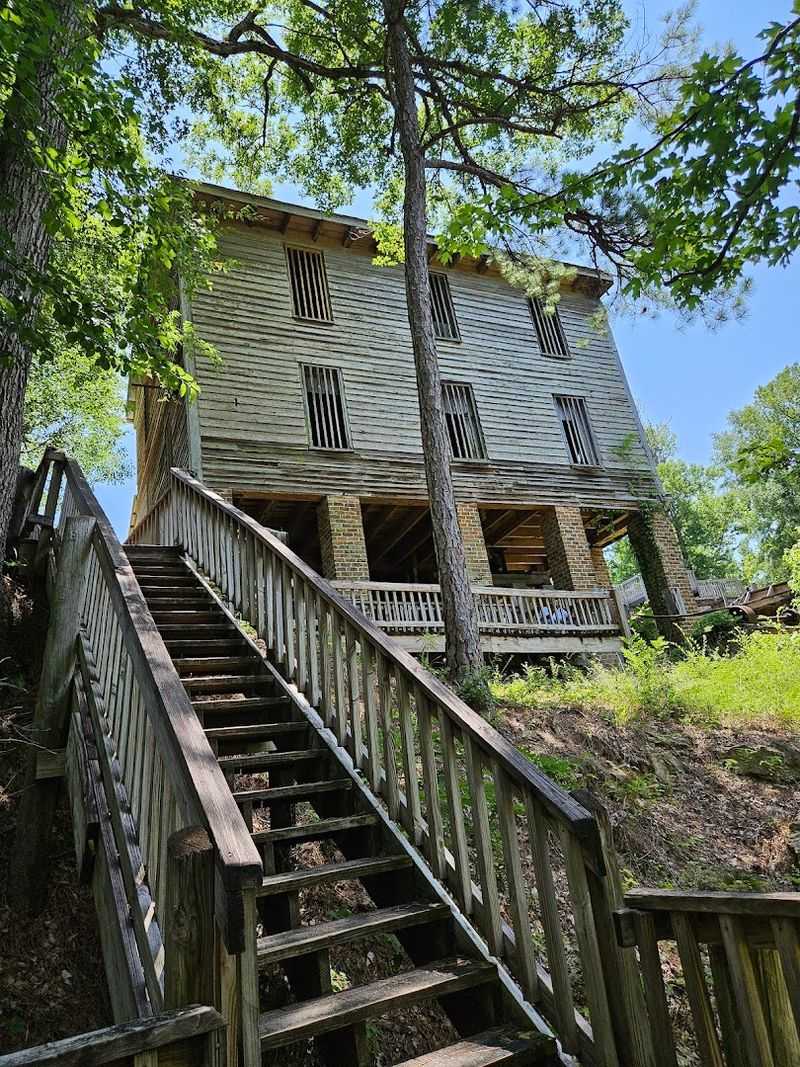
Everything about this park leans into its age rather than hiding it. The wooden structures are weathered, some of the walkways show their years, and the whole place carries a worn-in quality that polished tourist destinations rarely manage to replicate.
That rusticity is not a flaw but a feature. It gives the park a lived-in, authentic feel that makes you believe the history rather than just read about it on a placard.
Some visitors have noted that certain walkways and wooden stairs could use maintenance, and that is a fair observation, though the charm remains intact.
The grounds are generally kept clean and tidy despite the rustic presentation, which shows that care does go into maintaining the property. The combination of natural beauty, historical weight, and unpretentious atmosphere makes this one of those places that sticks with you long after you have driven back to the interstate.
Best Times of Year to Visit
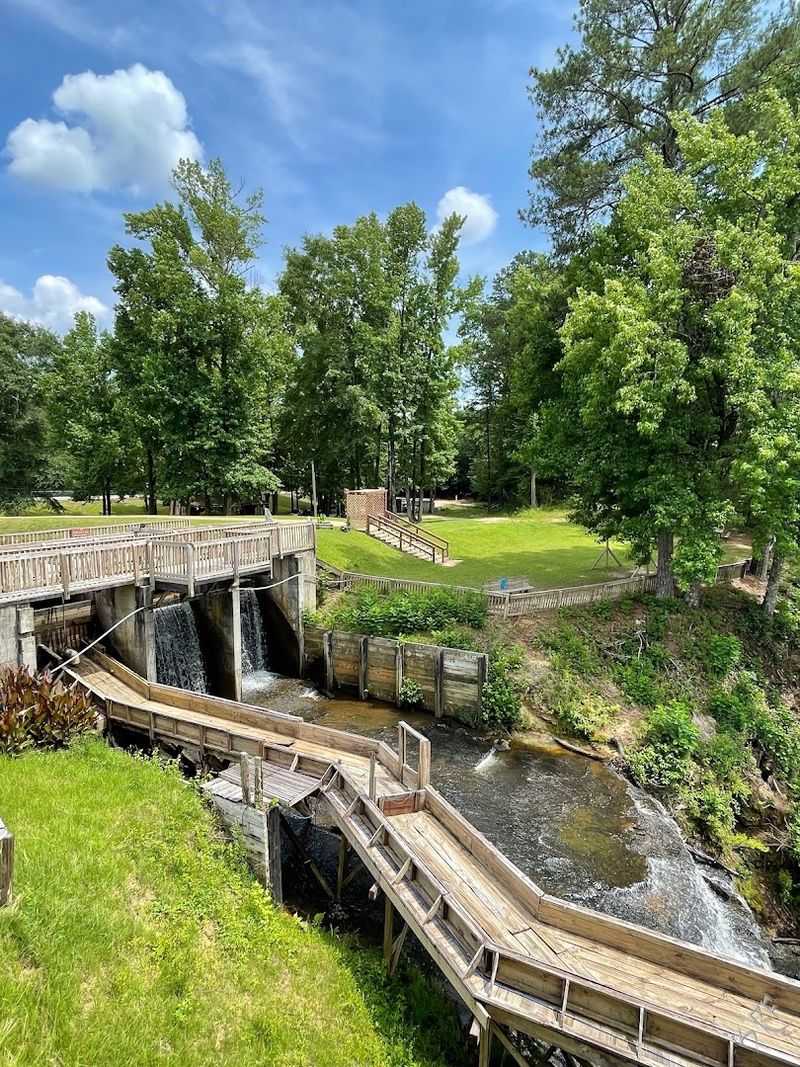
Timing a visit to this park makes a real difference in what you experience. November, December, and March tend to be the best months for seeing the falls at full strength, when rainfall keeps the water flowing powerfully over the rocks.
During the drier summer months, the falls can slow significantly or run low, which is worth knowing before making a long drive specifically to see the waterfall. That said, the trails, picnic areas, fishing lake, and mill are enjoyable year-round regardless of water levels.
Spring visits bring lush greenery and comfortable temperatures that make the hiking trails especially appealing. Fall offers its own rewards with cooler air and changing leaf colors along the Chunky River corridor.
Checking recent conditions before your trip is always a smart move, since water levels can shift quickly depending on how much rain the region has received in the weeks prior.
Cabin Rentals and Overnight Stays
Most people do not realize that Dunn’s Falls Park offers cabin rentals for overnight stays, which completely changes how you can experience the property. Spending a night here means waking up to the sound of the falls and having the trails largely to yourself in the early morning hours.
Availability for the cabin can vary, so reaching out to the park in advance is the smart approach if an overnight trip is on your radar. The website at phwd.net/dunns/dunns.html is the best starting point for planning and getting current information on rental options and pricing.
An overnight stay turns a quick stop into a genuine retreat, which feels especially appealing for families looking for a low-key outdoor experience without the complexity of tent camping. The Boy Scout camping area at the end of the main trail also suggests that the park has a history of welcoming groups for extended visits.
Tips for Making the Most of Your Visit
A few practical notes can make your trip here run a lot smoother. Bring cash for the five-dollar entry fee, wear shoes with real grip for the rocky areas near the water, and pack your own food if a picnic is part of the plan since dining options are not on-site.
The park is open Wednesday through Sunday from 9 AM to 5 PM, so arriving well before closing time gives you enough hours to explore everything without rushing. Showing up an hour before close and expecting a full experience is a gamble that rarely pays off.
A light daypack with water, snacks, and a camera will cover most of what you need. The park is only a few minutes off the interstate, which makes it an ideal stop on a longer road trip through Mississippi rather than a reason to reroute your entire itinerary, though honestly, it might just be worth the detour on its own.
Share this story